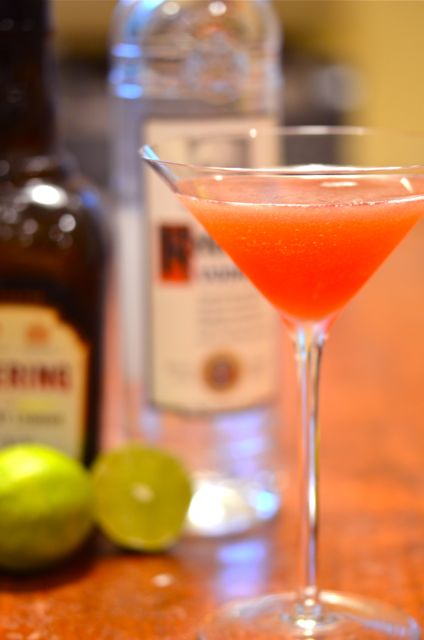
• Weekly Cocktail #26: The Polynesian Cocktail

    The Polynesian Cocktail. This is for you Viveka!

    This post marks a half-year of weekly cocktails at Putney Farm. And while it seems like a lot, there are so many more places to go with cocktails. We are certainly enjoying ourselves and hopefully our readers like the drinks, or at least the conversation (we know not everyone loves every drink). And with the “conversation” in mind, one of our blogging friends Viveka from My Guilty Pleasures mentioned she likes Vodka and Cherry Heering, so we decided to look for a cocktail with both ingredients. And as it turns out, a little research led us to the Polynesian Cocktail.

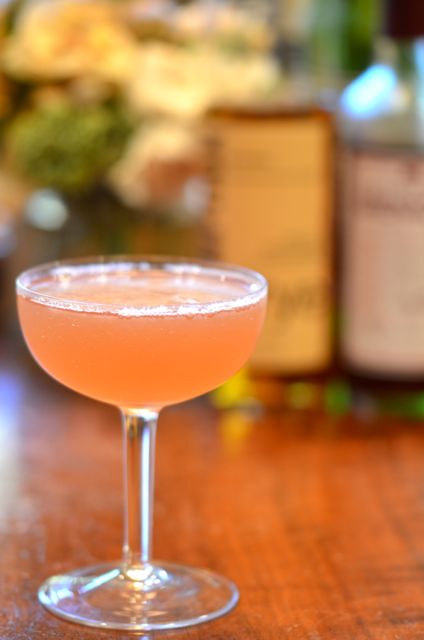
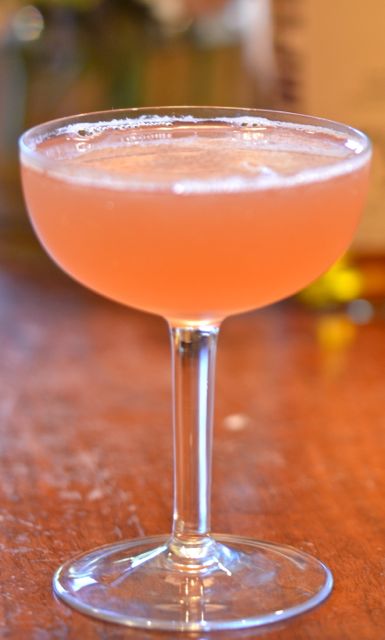
    The Polynesian combines vodka, Cherry Heering and lime juice. And some recipes include a little powdered or superfine sugar. It is easy to make and you can serve this cocktail “up” in a cocktail glass or on the rocks, it works either way. The flavor of the Polynesian comes across as cherry-limeade with a kick, and we are fans of cherry-limeade. This is a very easy drink to like.

    If you are unfamiliar with Cherry Heering, it is a Danish cherry liqueur, and in the opinion of many booze aficionados, one of the best fruit-based liqueurs in the world. Made from crushed cherries combined with neutral spirits and spices, and then aged in wood barrels, Cherry Heering has deep, developed flavors that work wonders in cocktails (and desserts). It’s been around with basically the same recipe since 1818, so you know it’s pretty good. And after Orange Liqueur, if you have one fruit liqueur in your bar, we suggest Cherry Heering. It works in all sorts of combinations, most famously the Singapore Sling and the Blood and Sand. But if you want to experiment, Cherry Heering is a very fun ingredient that blends well with both light and dark spirits.
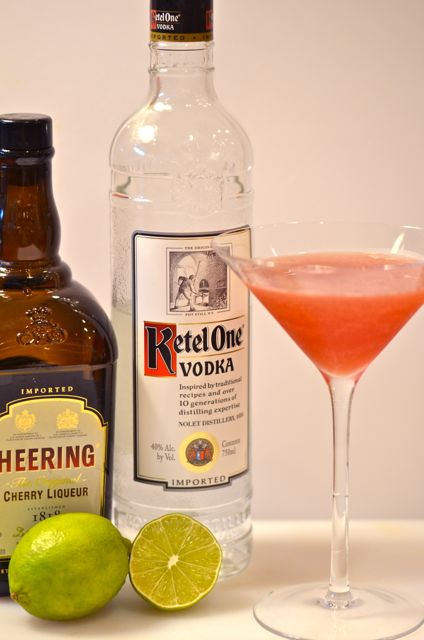
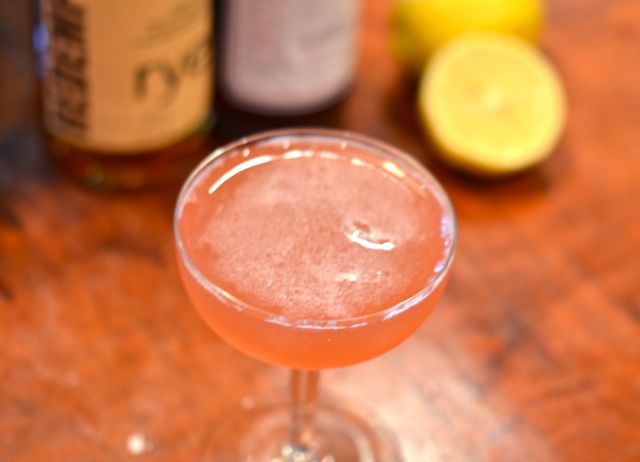
    Polynesian Cocktail and ingredients.

    And this gets us to the vodka. Some cocktail enthusiasts and mixologists/bartenders have issues with vodka. It has no (or very little) flavor by design and is sometimes a bit heavily marketed and abused (see: Whipped Cream Vodka). But we like vodka in drinks when we want the kick and slight heat of the booze but don’t want to outshine fruit flavors. Carolyn is a true fan of Lemondrops, and I like the vodka/gin mix in a Vesper. And regardless of any cultural over-exposure, a good Cosmo is a fine drink and a crowd-pleaser. And the cold, hard blast of a vodka martini is still a good thing every once in a while. Sometimes we think of the anti-vodka crowd as the cocktail equivalent of the ABC (anything but chardonnay) “movement” in wine. Yes its popular, yes there are other fine spirits, but it has its merits. We will relax and enjoy vodka for what it is. And in a drink like the Polynesian, where you want the lime and Cherry Heering to lead the drink, vodka is the perfect spirit.

    As for why this drink is called the Polynesian, we have no idea, and some internet and cocktail book research didn’t help. There is nothing Polynesian about it…other than maybe the color and that it’s a good warm-weather sip. But who cares? A good cocktail is a good cocktail. Especially when shared with friends. Viveka, we hope you like it!

    The Polynesian Cocktail:

    Ingredients:

    • 1 and 1/2 oz. vodka
    • 3/4 oz. Cherry Heering (or cherry brandy, in a pinch)
    • 3/4 oz. fresh lime juice
    • 1 teaspoon superfine or powdered sugar (optional, we omit)

    Assemble:

    1. Combine all ingredients in a cocktail shaker with ice and shake until cold. Strain into a chilled cocktail glass, flute or coupe’. Serve.

    -or-

    1. Combine all the ingredients in a highball glass with ice. Stir and serve.
  • Gazpacho Andaluz

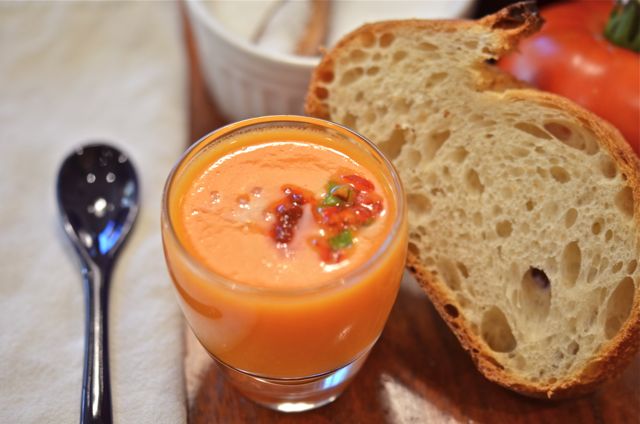
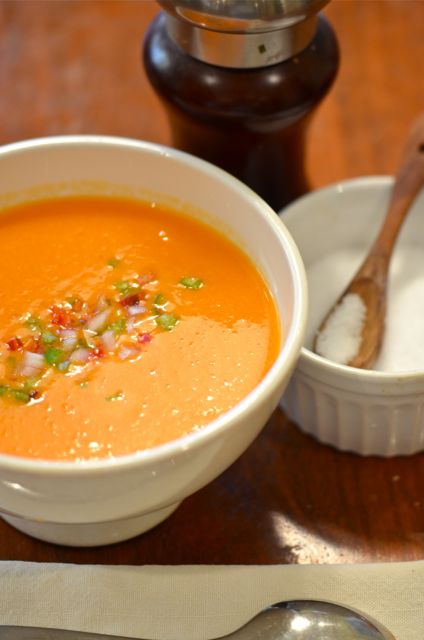
    Gazpacho Andaluz.

    More Gazpacho Andaluz.

    As we often note in the blog, this time of year the garden dictates much of what we cook. Happily, we have ripe tomatoes, cucumbers and peppers in the garden. And it’s hot, so we don’t want to spend too much time at the stove. So not surprisingly, we make gazpacho, the famous cold vegetable soup of Spain. But what may surprise is that we have mixed feelings on gazpacho. Carolyn loves almost any good gazpacho, but my feelings are sometimes mixed (I think the flavor is sometimes garlicky or muddy and the texture too chunky). But this recipe changes that, we both love this version of gazpacho.

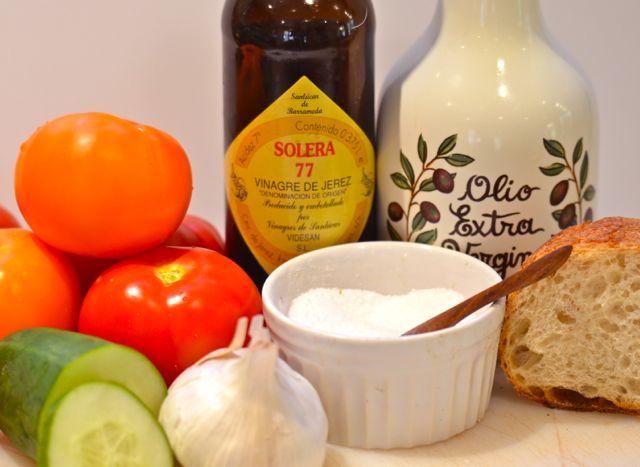
    Ingredients straight from the garden.

    Our recipe is adapted from Saveur, like most gazpacho recipes it includes ripe tomatoes, cucumbers, peppers, onion, garlic, bread, sherry vinegar, oil, water and salt (we also like a touch of smoked paprika). But unlike most recipes, it focuses on the tomato and cucumber, lightens the garlic and uses the onions and peppers for garnish. The recipe also calls for the gazpacho to be pureed in the food processor and then passed through a coarse sieve. While this is just a bit of extra work, what you get is a light, smooth gazpacho with very clean and bright tomato flavor. As a garnish, the peppers and onions add crunch and bright flavors, but without dominating. We think it looks good, too.

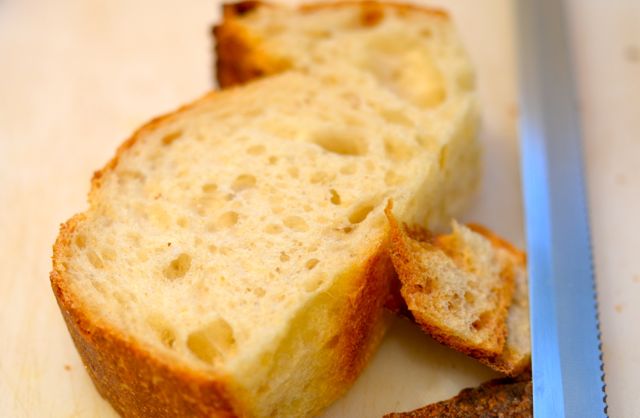
    Remove the crust and soak the bread.

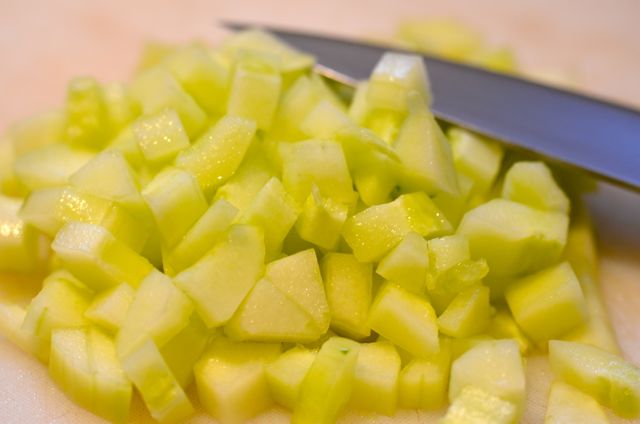
    Peel, core and chop the cucumbers.

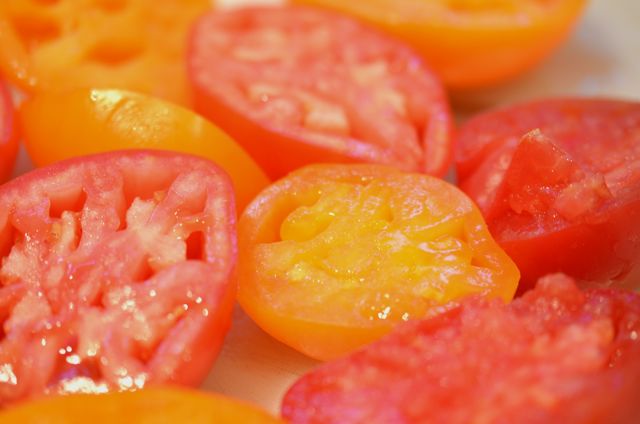
    Slice the tomatoes crosswise and squeeze out the seeds.

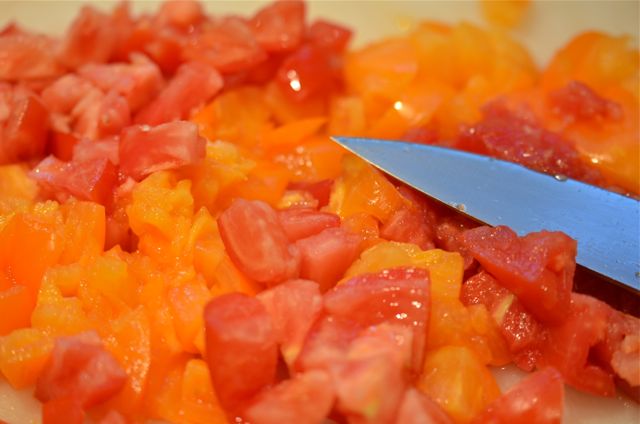
    Coarsely chop the tomatoes.

    And when the tomatoes are super-ripe and sweet, this dish really sings. As our friend, chef and Spanish food aficionado Chad says, “gazpacho is great when you need the vinegar to balance the sweetness of the tomatoes, instead of looking for sweetness to offset the vinegar”. We think Chad has it right. And one of the best things about this dish is that you can follow the base recipe and add vinegar, salt and smoked paprika to balance the flavors. And since there is just a touch of garlic in this version of the dish, you can actually enjoy the sweet tomatoes.

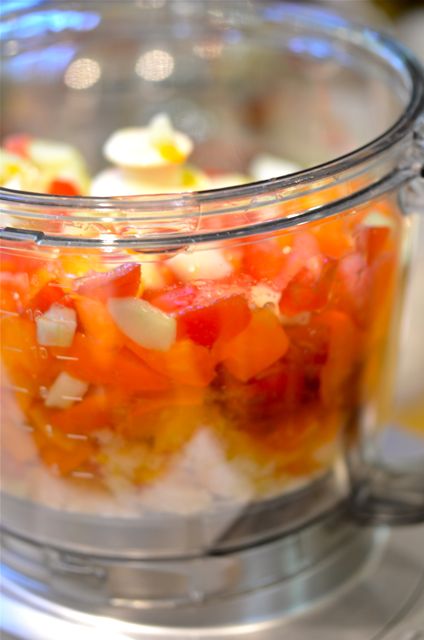
    Vegetables, bread, oil, vinegar and water into the food processor.

    Puree until very smooth. Continue reading

  • Simple Garden Recipes: Mission Figs

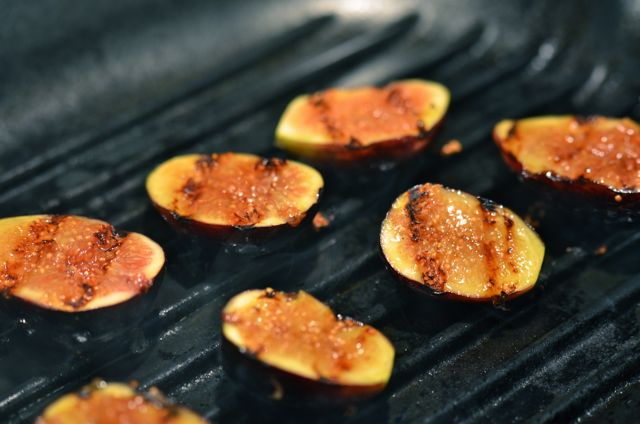
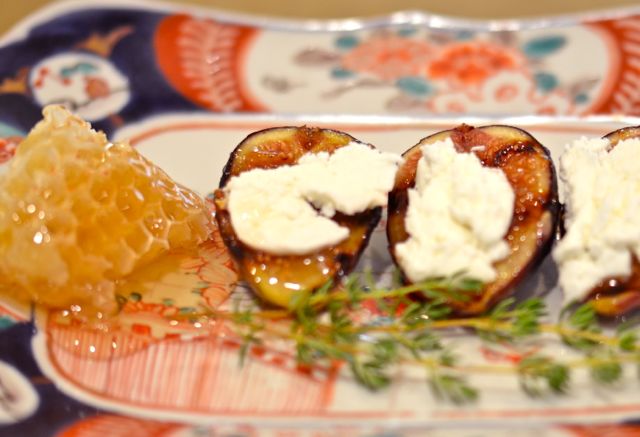
    Grilled Black Mission figs. Just add honey and goat cheese for a classic dessert.

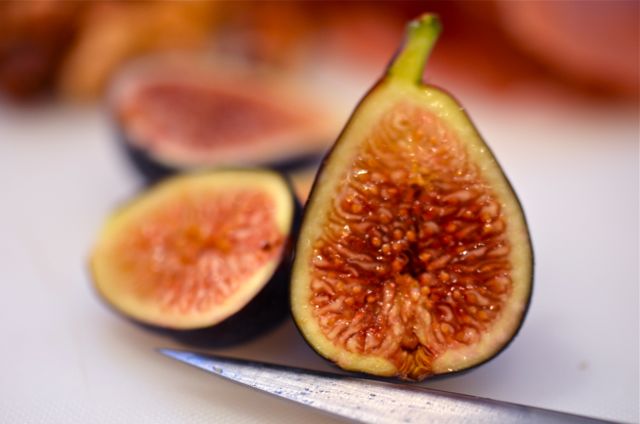
    While we try as much as we can to eat from our own garden and orchard, sometimes we get impatient and succumb to temptation. And that is the case with mission figs. Ours are coming in, but still a few weeks away. Meanwhile the farmers market is just brimming with ripe, beautiful, black mission figs. And we are huge fans of mission figs, so we gave in and bought some. Whatever feelings of guilt we had, if any, didn’t last long.

    And if you enjoy figs, you know why we had to give in. There are few fruits so pretty, sweet, juicy and easy to enjoy- figs are easy to love (good for you, too). And it has been that way for thousands of years. Figs are one of our oldest and most established foods, and were a treat in almost all the early mediterranean cultures. Greco-Roman mythology, the Bible and the Koran are filled with references to figs, and even the Buddha achieved enlightenment under a fig tree. It’s safe to say that figs have been enjoyed for quite some time.

    And our first fig dish may literally be thousands of years old. It simply combines grilled figs, honey and goat cheese (and some herbs if you like). As we ate the dish, and it was just great, we had to think about how long the ingredients have been around. Honey, goat cheese and figs were all delicacies in ancient Egypt. We don’t know if they grilled or caramelized the figs, and we hope they did, but we have no doubt they enjoyed a dish similar to this one. That struck us as kinda cool…

    Grilled Figs with Honey and Goat Cheese.

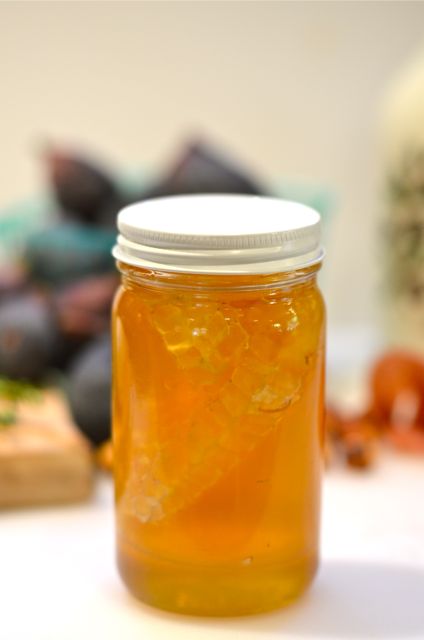
    To make the dish, you simply heat a grill or grill pan over high heat. Then lightly brush the figs with vegetable oil and place them on the hot grill and cook for 1-2 minutes on each side, or until the figs caramelize and soften. Then remove from the heat drizzle with honey and add some fresh goat cheese to each fig. You can also add a bit of rosemary and/or thyme to the honey, if you like. (We used our honey, a real treat). And the flavor is very, very good. This dish is openly sweet from the caramelized figs and the honey, but balanced by the slightly sour tang of the goat cheese. You could eat this dish as a starter, but it’s best as a dessert. And if you don’t like cheese in desserts, this recipe will change your mind.

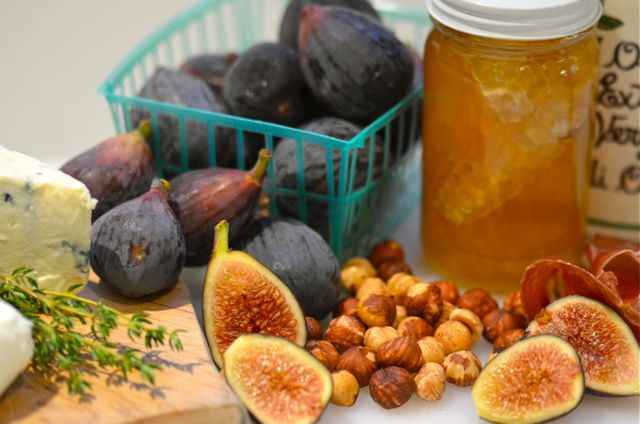
    Figs with Blue Cheese, Hazelnuts and Serrano Ham

    Our other recipe for figs could be served as a dessert, but we think is best as a starter or light lunch. This dish simply combines sliced ripe figs, blue cheese, hazelnuts and cured ham like Serrano or prosciutto. This is so easy to make, it’s almost hard to call this a “recipe”, but the flavor combinations are truly special. Sweet figs, funky blue cheese, earthy hazelnuts and salty ham cover all the flavors- and multiple textures. A great dish offers an array of flavors and textures so each bite is exciting, and this dish delivers. And it is fun to experiment, just put out a plate and enjoy different combinations.

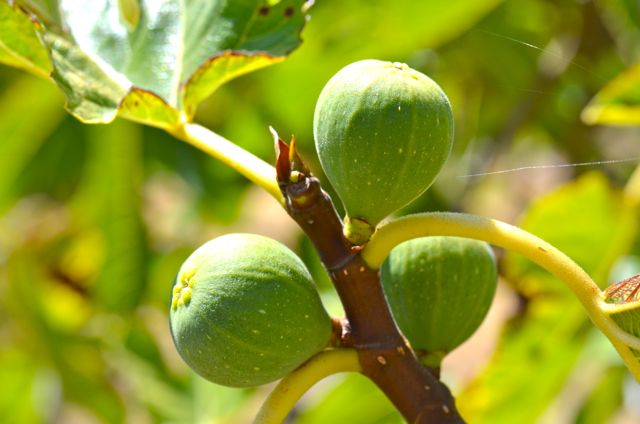
    Our figs are still a few weeks out…

    So while we might feel a tiny twinge of guilt that we didn’t wait for our own figs, we feel pretty good about enjoying these figs now. And, by the way, these same dishes will work with other fig varieties like Brown Turkey or Calimyrna. And when you eat figs, take a moment to ponder that you are eating the food of pharaohs and prophets, but you might be getting it just a bit better…

    Grilled Figs with Honey and Goat Cheese:

    What You Get: A classic, and probably ancient, dessert with fresh figs.

    What You Need: No special equipment required.

    How Long? 5-10 minutes. Anytime dish when figs are in season.

    Continue reading

  • Weekly Cocktail #25: Corn ‘n Oil

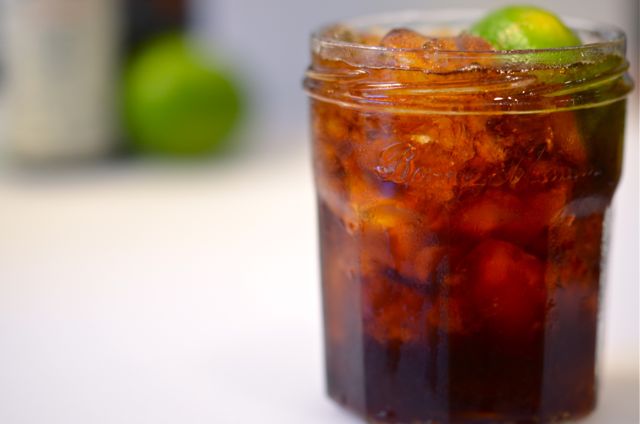
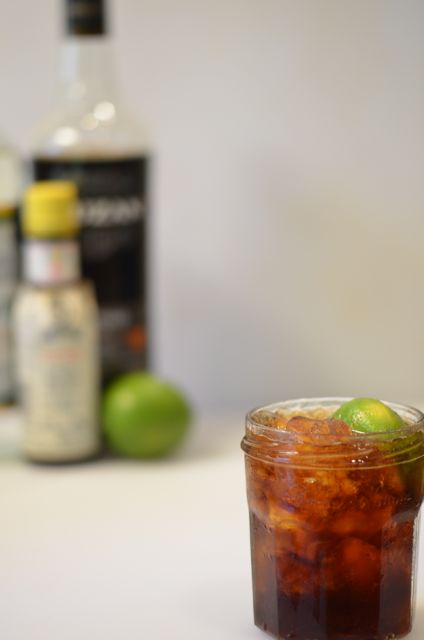
    Corn ‘n Oil cocktail.

    Let’s start by noting that this is not a drink that we expect many people to make at home. The Corn ‘n Oil is a very good cocktail, but perhaps a bit random “esoteric” for some. But since this week’s bonus cocktail was a Manhattan variant, we figured we could try something a bit different for our weekly post. And the Corn ‘n Oil certainly is “different”.

    Blackstrap rum and velvet falernum are not common ingredients, but are useful in plenty of cocktails.

    The Corn ‘n Oil combines blackstrap rum, velvet falernum, lime juice and Angostura bitters and is served on the rocks. And if you are unfamiliar with blackstrap rum and velvet falernum, you are not alone. To be honest, we only have them on hand because both are common accents in tiki drinks, and we do like our tiki drinks. Blackstrap rum is basically very dark rum. Cruzan is the blackstrap rum in tiki circles and in the Corn ‘n Oil. It has overt molasses and spice flavors with some clear bitter notes. On first sip, it seems unappealing, but somehow it grows on you. Many tiki drink aficionados use the Cruzan as the “float” instead of more common dark rums like Meyers. Cruzan Blackstrap rum is cheap ($15) and good stuff- so worth a try if you find it.

    As for velvet falernum, it is a sweet, spicy, lightly-alcoholic liqueur with lime notes. There are also non-alcoholic falernum syrups, Fee Brothers makes a version that’s widely available. You can also make your own. Falernum, along with Orgeat, is a popular sweetener in many tiki drinks. The only velvet falernum widely sold in the US is John D. Taylor’s from Barbados, the original home of falernum. It is inexpensive (under $20) and will last a long time, but it may be hard to find. In this recipe we suggest you use velvet falernum, but falernum syrup will work in a pinch.

    As for making the actual drink, like many cocktails, the recipes vary. Not surprisingly, the recipe on the back of the John D. Taylor Velvet Falernum bottle suggests a ratio of 3-1 falernum to rum. This is OK, but most current recipes suggest anywhere from a 50/50 split to 3-1 rum to falernum, particularly if using the Cruzan Blackstrap rum. Most recipes do agree that you need 1/4 to 1/3 of an ounce of fresh lime juice and some even suggest a splash of coke. We use a recipe from the cocktail book “Bitters” by Brad Parsons. We like the book and this recipe, but feel free to play around. We like just a bit more lime juice.

    Yes, it does look like old motor oil…but it tastes better.

    As for the flavor of the Corn ‘n Oil, it tastes like a much more flavorful version of a rum and coke. And this is a good thing. (C’mon, secretly most of us like a rum and coke every once in a while 😉 ) The blackstrap rum adds spice, bitterness and depth. The falernum adds clove and sweet lime notes that compliment the acidity of the fresh lime juice. The bitters add even more spice. Overall, there is a lot of good flavor in this drink. But there is one big caveat, the first sip is tough. The overt molasses flavor and bitterness from the blackstrap rum can be overwhelming. But then, suddenly with the next sip, it gets better. And as the ice melts into the drink, it gets good. Real good.

    As we noted earlier, we don’t expect that many people will have the ingredients to make this drink at home, but the next time you see this drink in a good bar, give it a try. If you get past the first sip and the odd name, you are in for a pleasant surprise.

    The Corn ‘n Oil:

    Ingredients:

    • 2 oz. blackstrap rum (preferably Cruzan)
    • 1/2 oz. John D. Taylor’s Velvet Falernum (or substitute falernum syrup)
    • 1/3 oz. fresh lime juice
    • 2-3 dashes Angostura bitters
    • Lime shell or wedge for garnish

    Assemble:

    1. Fill a lowball or old-fashioned glass with crushed ice. Add the rest of the ingredients and stir until well chilled. Add the lime garnish and serve.