• Weekly Cocktail #37: The Master Cleanse

    The Master Cleanse. And yes, that’s cayenne pepper on the rim.

    Thanksgiving is in the books. It was a lovely holiday and we are grateful for family, friends, food and football. But for many of us, the Friday after Thanksgiving is indeed “Black Friday”. And not because we are braving hordes of shoppers (haven’t these folks heard of the internet?), but because we might still be stuffed and even a bit bleary. So if you partook in a few more bites of turkey or a wee dram too many, how about a cleanse? Even better, how about a Master Cleanse?

    But before you say yes, probably best to tell you what’s in it. The Master Cleanse combines Bourbon (some recipes say applejack), lemon juice, maple syrup, sugar and a pinch of cayenne pepper. And yes, you do get a kick from the cayenne. And while you may or may not feel cleansed of the previous night’s festivities, it will make you forget them, at least for a moment. The Bourbon, maple and lemon combo is quite tasty, and you can make a case that the cayenne adds some pleasant pain zing (whether you want it or not).

    The specifics of the Master Cleanse cocktail recipe are a bit clouded, with the PDT Cocktail Book, Saveur and Joe Beef restaurant in Quebec all having recipes or variations. All recipes combine brown booze, maple, lemon and cayenne. We played around and came up with this version, but the basic recipe allows for varying proportions. We tend to like drinks a bit sweet when we are bleary…so we doubled down and used Bourbon as the spirit with a mix of maple and sugar. Extra sugar also blunts the heat of the pepper. But feel free to experiment.

    While the specifics of the cocktail’s recipe might be hazy, the origins of the name are very clear. The “Master Cleanse” was the name of a lemonade, maple and cayenne diet regimen created by Stanley Burroughs in the 1940’s. Like most (all?) fad diets, it is complete lunacy and has almost no nutritional value. But it does spike what is basically a starvation diet with some sour, sweet and hot notes. Yum. A few years ago Beyoncé’ Knowles used the diet to lose 20 pounds and the “Master Cleanse” basked in many minutes of tabloid adulation before fading back into obscurity. But the reemergence of the diet did give someone the inspiration to create the Master Cleanse cocktail. We will keep the cocktail, Beyoncé can have the diet.

    The Master Cleanse:

    • 2 oz. Bourbon
    • 3/4 oz. fresh lemon juice
    • 1/2 oz. maple syrup
    • 1/2 oz. simple syrup
    • Cayenne pepper
    • Fine sugar (or maple sugar)

    Assemble:

    1. Combine a tablespoon of sugar with a teaspoon of cayenne pepper. Then run the rim of a old-fashioned glass along a lemon wedge. Run the rim of the glass through the sugar and cayenne mixture. Fill the glass halfway with ice and set aside.
    2. Combine the Bourbon, lemon juice, maple and simple syrup in a cocktail shaker with ice. Shake thoroughly, until chilled, and strain into rimmed glass. Serve.
  • Beef Tri-Tip Roast: A Good Meal For A Small Thanksgiving

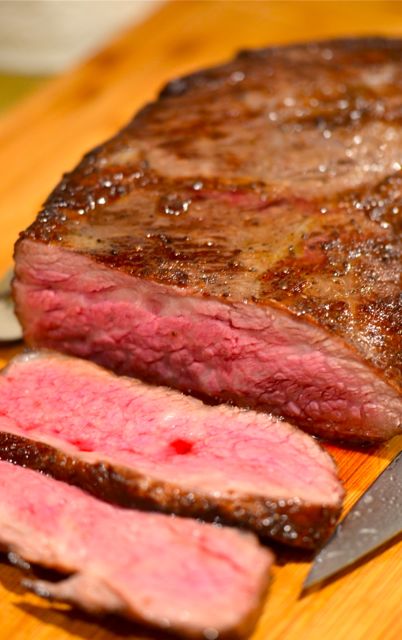
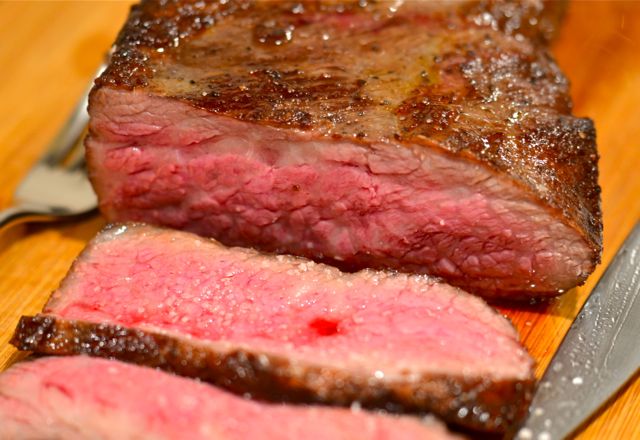
    Kobe Beef Tri-Tip Roast. A special treat.

    It may seem like sacrilege, but we don’t serve turkey at Thanksgiving. No ham either. Nope, we serve a version of our slow-roasted pork with apples and fall herbs and some kind of roast beef. If we have a big crowd, we roast a whole Tenderloin, but if we have a small crowd, we roast a Tri-Tip. And if we want to splurge, a Kobe Tri-Tip is one of our favorite roasts.

    The Tri-Tip is a triangular 2 to 2 and 1/2 pound cut of beef from the bottom sirloin primal of the cow. It has strong beefy flavor and, if cooked and sliced properly, is quite tender. Out here in California, “Santa Maria Style” Tri-tip, lightly seasoned and slowly cooked over red oak to medium-rare, is a very tasty regional specialty. And if you go into most butcher shops here in Norcal, you will find many custom Tri-Tip preparations and marinades (the black, ugly, but incredibly tasty “Fred Steak” is a local specialty). And as a special treat, most butchers feature a Kobe Tri-Tip. And this is a very special treat.

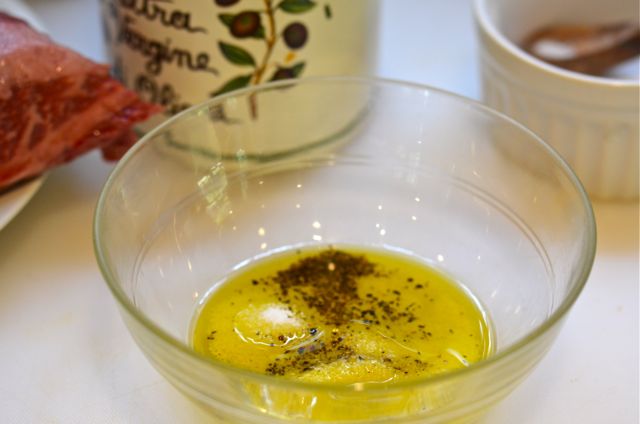
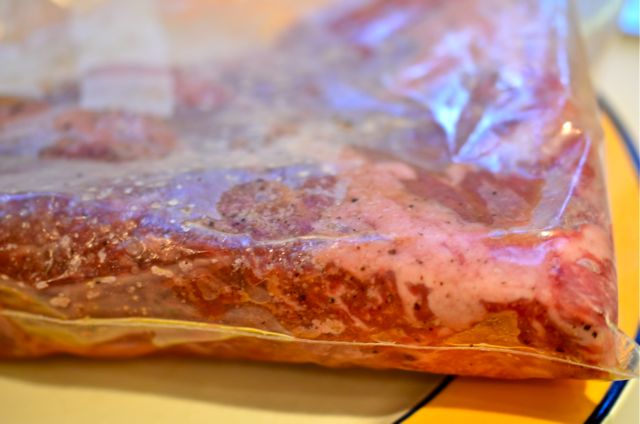
    While it’s expensive, the Kobe Tri-Tip is a great intro to Kobe beef. Kobe beef is a special type of beef with extra marbling of fat (fat is flavor) and very tender meat. Kobe is expensive, but the Tri-Tip is one of the more affordable cuts and is easy to prepare. The beefy flavor of the Tri-Tip doesn’t need much help, so we simply prepare a quick rub of olive oil, salt and pepper and let the steak marinate for at least four hours or overnight. Then you simply sear the outside of the meat for flavor and then slowly roast until the internal temperature reaches 130 to 135 degrees for medium-rare.

    We use our sous-vide machine for the Kobe Tri-Tip, as we can exactly control the internal temperature (we target 131). We then sear in a cast iron pan, slice and serve. But you can grill Tri-Tip using a two-level fire, or roast in a hot oven. We include cooking instructions for each method. The key to any Tri-Tip recipe is to avoid overcooking, so regardless of method, be sure to pull the roast from the heat before it reaches the target temperature (it will still gain five to ten degrees) and allow the roast to rest at least ten minutes before you slice and serve. And be sure to slice across the grain for a more tender bite. And now you have a very tasty roast that is the perfect size for four to six guests.

    So if you have a small group of guests for Thanksgiving, we have a suggestion. Make all the traditional sides like mashed potatoes, sweet potatoes, creamed spinach, stuffing, cranberries and pie. Pop open a good bottle of wine or cider, maybe make some punch. But save yourself a lot of time and cook up a Tri-Tip. And if you are feeling flush, try out a Kobe Tri-Tip. You won’t have to struggle with a turkey and you will have very happy guests. And if you just can’t bear the thought of beef at Thanksgiving, Tri-Tips are just as good for a casual weekend roast. Tri-Tip makes a good meal any time.

    Beef Tri-Tip Roast:

    Notes Before You Start:

    • Tri-Tip is sometimes called “triangle steak”. If you can’t find Kobe Tri-Tip, ask your butcher, it is a popular cut and usually can be ordered.
    • Tri-Tip does not have a lot of intra-muscular fat and is not a good roast to cook past medium rare. If you need to cook a roast past medium, other cuts will do better.

    What You Get: A quick, easy, tasty and tender beef roast.

    What You Need: No special equipment required. But a digital thermometer, or meat thermometer reduces the risk of overcooking. We cook this roast sous-vide, but the grill or oven also work well.

    How Long? If grilling or oven-roasting this dish takes about 20-30 minutes. Sous-vide cooking will take 4-8 hours and then 2-3 minutes of searing the meat. The beef benefits from an overnight marinade.

    Ingredients:

    (Serves 4 – 6)

    • 2 tablespoons olive oil
    • 1 tablespoon kosher salt
    • 1 teaspoon freshly ground black pepper
    • 1, 2 and 1/2 pound Tri-Tip roast, trimmed (Kobe, if you like)
    • Vegetable oil or bacon fat, for searing (if cooking sous-vide)

    Assemble:

    1. Combine the oil, salt and pepper in a small bowl and mix well. Dry off the Tri-Tip and coat with the oil mixture. Put the roast in a container or plastic bag and then place in the fridge for 4 -12 hours.
    2. If charcoal grilling: Build a two-level fire. Sear the roast for 2-3 minutes on each side, on the hot side of the grill. Then move the roast to the cooler side of the grill. Cover the grill and cook the roast, turning occasionally, until you reach an internal temperature of 125-130 degrees, about 20 minutes. Remove the roast from the heat and let it rest at least 10 minutes. Slice and serve.
    3. If gas grilling: Set up the grill for high heat. Sear the roast for 2-3 minutes on each side. Then move the heat to low, cover the grill and cook the roast, turning occasionally, until you reach an internal temperature of 125-130 degrees, about 20 minutes. Remove the roast from the heat and let it rest at least 10 minutes. Slice and serve.
    4. If oven roasting: Preheat the oven to 425. Place the roast in a roasting pan (with a rack, if possible) and put the pan in the oven. Cook for 5 minutes and then lower the heat to 350. Cook cook the roast, turning occasionally, until you reach an internal temperature of 125-130 degrees, about 20 – 30 minutes. Remove the roast from the heat and let it rest at least 10 minutes. Slice and serve.
    5. If using sous-vide: Set the sous-vide temperature to 131 degrees (or your desired temperature). Remove excess oil from the roast and seal in a vacuum bag. Cook sous-vide for at least 4 hours, 6 – 8 is preferred. When the roast is done, heat vegetable oil or bacon fat in a skillet over very high heat. Sear the roast 1 – 2 minutes on each side, or until well browned. Slice and serve.
  • Fall Foraging

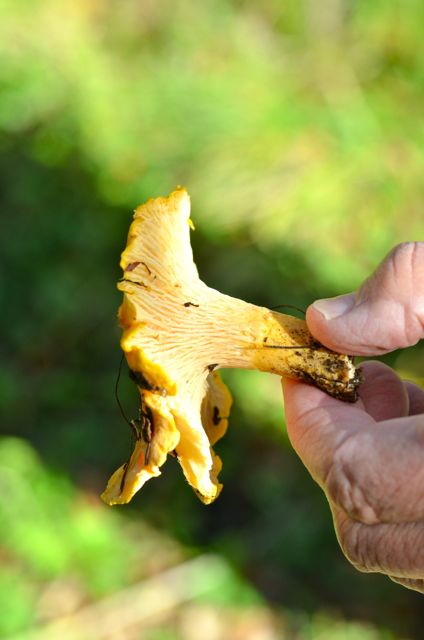
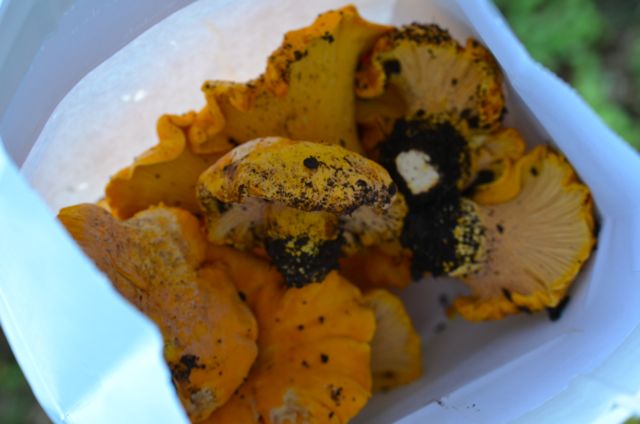
    Fresh chanterelle mushroom.

    Seasons change. The rain comes. The last of our summer crops wither. But we are still thankful. In Northern California the fall and winter rains bring the “green season”, and the green season brings its own treats. And our favorite treat is the chanterelle mushrooms. Chanterelles are beautiful, meaty and tasty. The chanterelle emerge after early season rains, and our friend Bill has a steady crop. Bill invited us over to take photos and grab some mushrooms (and he didn’t have to ask us twice). It was a good haul and the chanterelles will be on our Thanksgiving table. Bill will be there too, so he gets to enjoy his mushrooms. Thanks Bill!

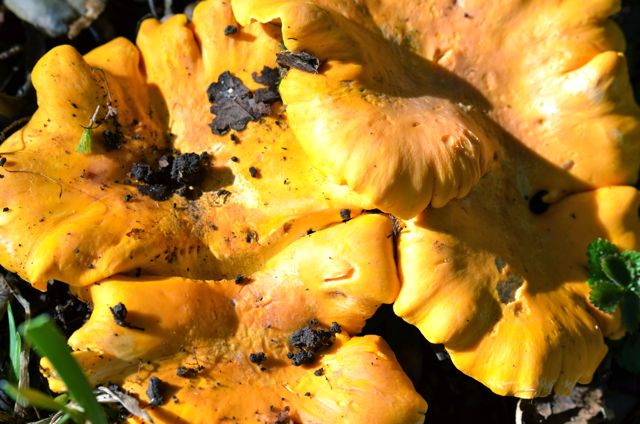
    Big chanterelle.

    A good haul…don’t worry, they clean up nice…

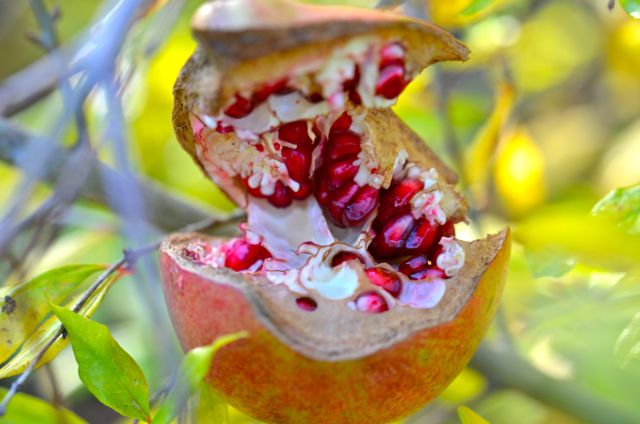
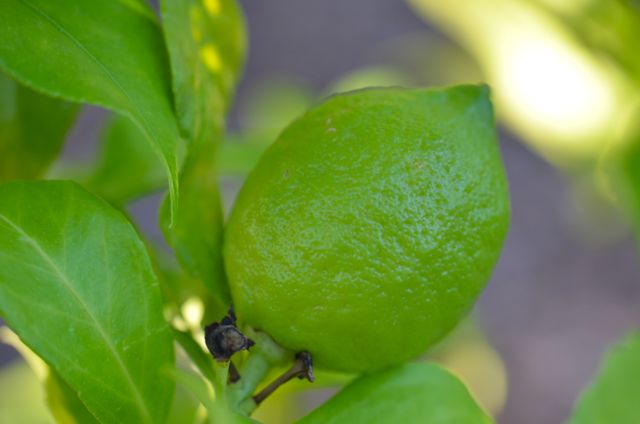
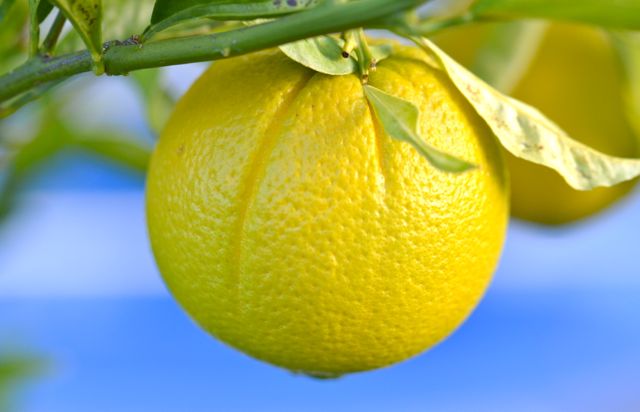
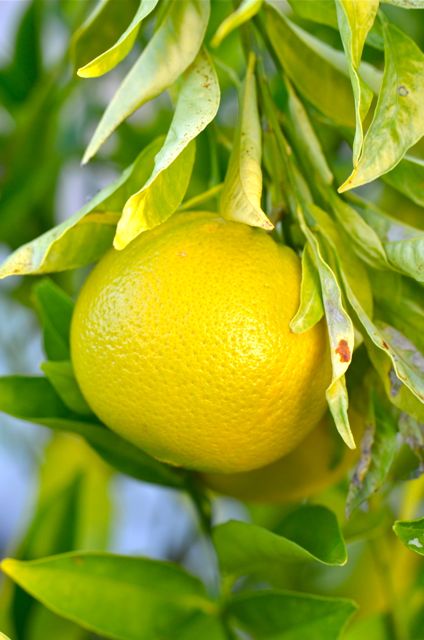
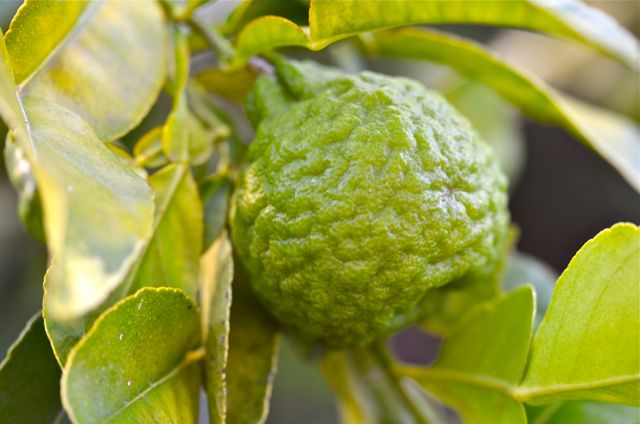
    Now that we have the mushrooms and the holiday is coming, we look around the farm to see what else will reach the table. We have olives, but they will stay on the tree (probably). The pomegranates cracked with the rains, but we managed a few tastes. The Oranges need more time, but the Meyer Lemons are in full swing. We will make some kind of punch with the Meyer Lemons for Thanksgiving. The Kaffir limes are still inedible, but the leaves remain a delight, bringing southeast Asian flavors to our dishes. Our friend Anne shared some of her Hachiya Persimmons, if they ripen soon enough they will make for an excellent dessert (thanks Anne!). And the herbs are very happy with the rains…plenty of flavor left. Plenty of things to be thankful for.

    Hachiya Persimmons.

    Pomegranate that’s seen better days…

    Young Eureka lemon, a few months away from being ripe.

    Cara-cara orange. Pretty but rarely sweet enough…too cold.

    Meyer Lemons. The tree is sagging under the weight of the lemons.

    A Kaffir Lime. The rind smells great but the fruit is very acidic. Continue reading

  • Easy, “Perfect” Mashed Potatoes

    Easy, Perfect Mashed Potatoes.

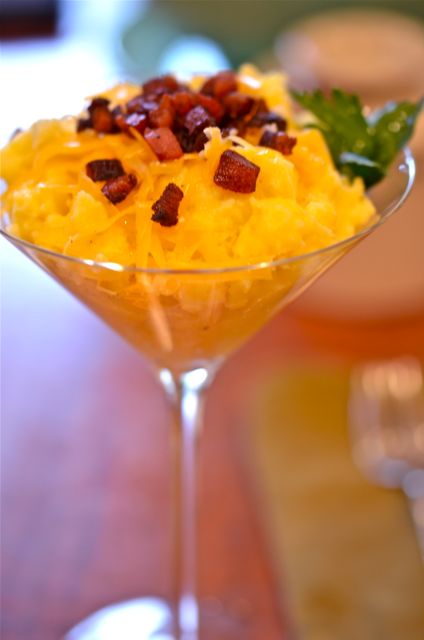
    Ah, the “Mashed Potato Martini”, the symbol of swanky 1990’s catering. A cocktail glass brimming with buttery mashed potatoes and topped with your choice of butter, sour cream, bacon, cheddar cheese, chives and parsley. A pleasant, if somewhat excessive, relic of the dot-com era. But just as the excesses of dot-com left some valuable companies and technologies in their wake, the mashed potato martini left us with a valuable legacy, we got serious about making “perfect” mashed potatoes.

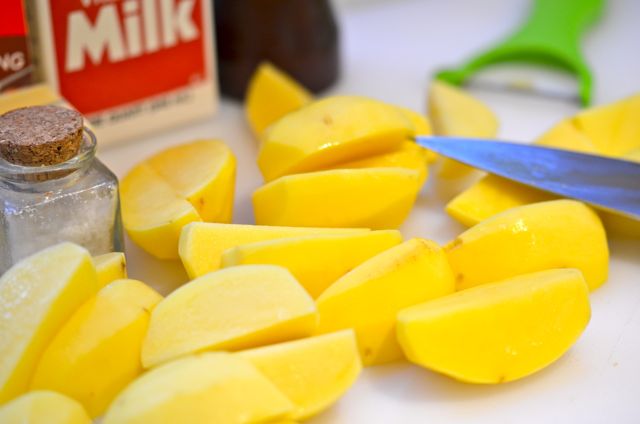
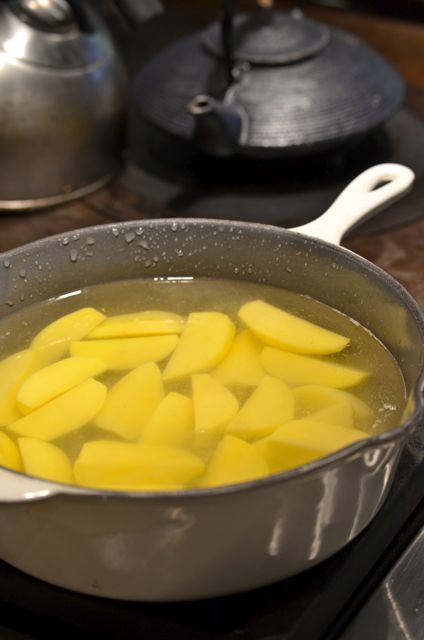
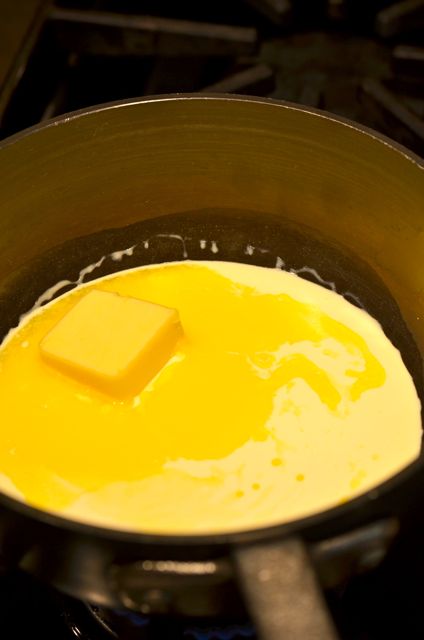
    And by “perfect” we mean, tasty, easy and predictable. And a recipe that easily scales for large events. After a few years of intermittent experiments we developed this recipe / process and never looked back. The basics are simple, we use Yukon Gold potatoes and plenty of cream, butter and salt. And we have just a few techniques that make a big difference in texture. And, of course, we add a plenty of extra butter, bacon, cheese, etc. We just don’t believe in “light” or “healthy” mashers. We save that for kale dishes.

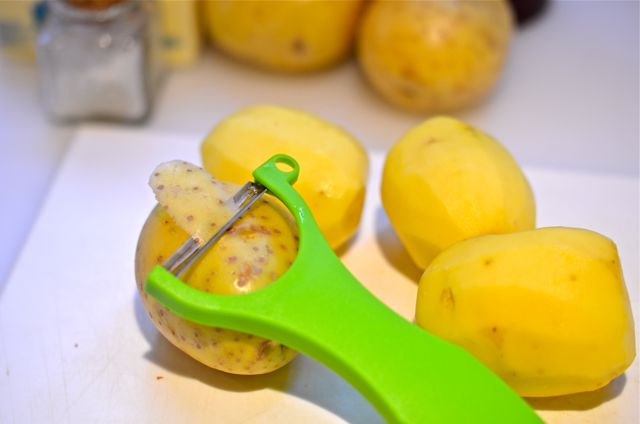
    As for the ingredients, the main difference is using Yukon Gold instead of starchy Russet potatoes. The Yukons are a mix between waxy and starchy potatoes, and they have an overt “buttery” flavor. The big advantage of the Yukons is that they don’t dry out like Russets. So while you do need cream and butter, the Yukons add their own moisture without being watery. You get a creamy texture and pronounced potato flavor to match the dairy and salt. Good stuff.

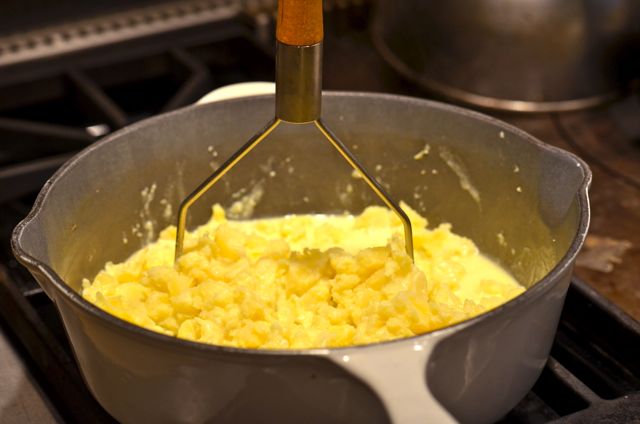
    As for the key techniques, they are also very easy, but important. Firstly, after you drain the potatoes, put them back in the hot pot and mash with the warm dairy. The hot pot dries out any extra water (you don’t want watery mashers). Secondly, only mash just enough with the masher and then move to folding with a spoon. Too much mashing makes for a gluey texture, better to have a few lumps. And finally, have extra butter and milk ready to mix into the mashers if they seem stiff or dry. And feel free to keep adding butter…hard to go wrong. Then adjust seasoning, serve with more butter on the side and you’re done. All in less than 30 minutes. Perfect.

    And if you want to be “fancy” there are a few other steps you can take. If you just hate lumps, you can run the mashers through a fine mesh strainer to get a very smooth consistency (if you do this, you may as well add as much butter as you can- like a mousseline). And lastly, if you want to pull out the martini glasses and add a bunch of garnishes you may get a few extra smiles at the table. A slightly ridiculous, but also delicious, dish for the “holidaze”.

    Easy, Perfect Mashed Potatoes

    Notes Before You Start:

    • Yukon Gold potatoes are widely available. Use the largest Yukons you can to save time on peeling.
    • This recipe is for 4 – 6 as a side, but scales easily for larger groups.

    What You Get: Like we said, perfect mashed potatoes.

    What You Need: A potato masher, or a ricer. But the masher is the best tool for this recipe.

    How Long? About 30 minutes, with 10 minutes of active time. This is an anytime dish. Continue reading