• Weekly Cocktail #59: The Honeymoon…..And The Annulment

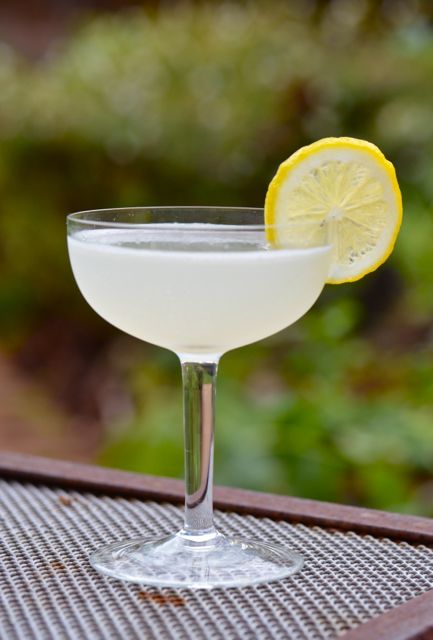
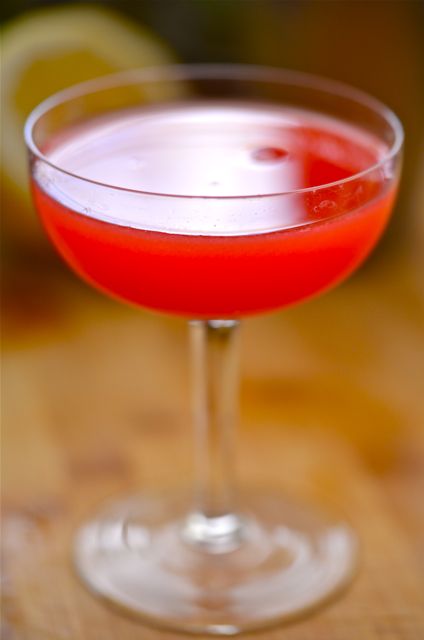
    The Honeymoon Cocktail.

    The Honeymoon Cocktail.

    Fall is here and it is time to get back to our weekly cocktails. And when we think autumn cocktails, we tend to look towards apples and Applejack, America’s apple brandy. We are big fans of Laird’s Bonded Applejack, with its dry apple flavor and strong (100 proof), spirituous core. Landing somewhere between the lighter spirits (gin, tequila) and darker spirits (bourbon, rye), Applejack is a natural for cocktails, as you can build a light, bright cocktail, or a dark, heavy drink, simply by playing with a few ingredients.hmoon4

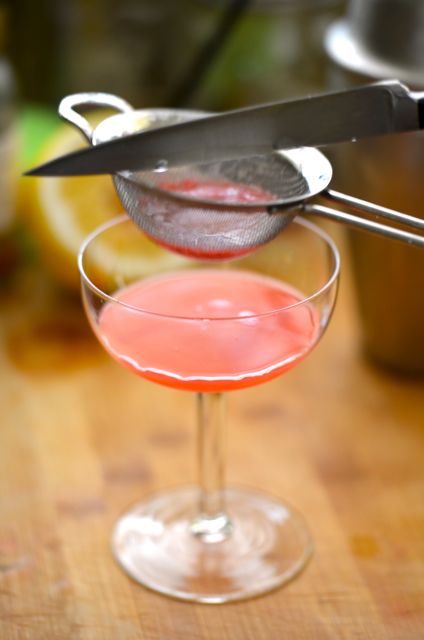
    hmoon2For a lighter Applejack drink we really enjoy the Honeymoon cocktail. A simple combination of Applejack (or Calvados, that French stuff), Cointreau, Benedictine and lemon juice. At first you might think this is a sweet drink, but with 2 ounces of Applejack and a light hand with the other ingredients, you get a strong boozy core accented by citrus and then spice from the Benedictine. There is more here than you would expect, and it is certainly better than your average “sour”.

    hmoon8hmoon5Originally a pre-prohibition cocktail, the Honeymoon has been discovered, forgotten and rediscovered a few different times. And cocktail writers from Jim Meehan to Ted Haigh to Fred Yarm all sing its praises for a reason, it is a delightful sip. And certainly a pleasant intro to Applejack and a good reason to get a bottle. Oh, and it’s inexpensive, too….

    hmoon3Along with being a good sip, the Honeymoon is a fun drink to play with. And one of our experiments gave us our next drink, the Annulment. One of our creations, the Annulment keeps the basics of the Honeymoon, but adds to the Benedictine’s slight herbal, bitter and spice notes through the use of Amaro and bitters. We basically doubled down on the heavier flavors.

    The Annulment Cocktail.

    The Annulment Cocktail.

    For the Annulment, we add a splash of Averna, an amaro known for sweet, herbal, bitter and spice flavors, and both Angostura and Tiki bitters for depth and added spice. What you get is an entirely different drink. Where the Honeymoon is light and bright, The Annulment is darker and spicier, with a clear bitter edge that reminds us of the tannic edge of apple skins. If you like spiced apple cider, you will enjoy the Annulment. As it is we enjoy both the Honeymoon and the Annulment to follow…hmoon6

    The Honeymoon Cocktail:

    Ingredients:

    • 2 oz. Applejack (Laird’s Bonded) or Calvados
    • 1/2 oz. fresh lemon juice
    • 1/2 oz. Cointreau (or triple-sec)
    • 1/2 oz. Benedictine
    • Lemon twist, for garnish (optional, we omit)

    Assemble:

    1. Combine all the liquid ingredients in a cocktail shaker with ice. Shake until well-chilled and strain into a chilled cocktail glass or coupé. Garnish with lemon twist, if you like. Serve.

    —–

    The Annulment Cocktail:

    Ingredients:

    • 2 oz. Applejack (Laird’s Bonded) or Calvados
    • 1/2 oz. fresh lemon juice
    • 1/3 oz. Averna
    • 1/3 oz. Cointreau (or triple-sec)
    • 1/3 oz. Benedictine
    • 2 dashes Angostura bitters
    • 2 dashes Bittermens Tiki bitters (or sub more Angostura)

    Assemble:

    1. Combine all the liquid ingredients in a cocktail shaker with ice. Shake until well-chilled and strain into a chilled cocktail glass or coupé. Serve.
  • Berkshire Bacon Fried Rice

    frice6frice10frice13Ah, home-cured bacon. The culinary gift that just keeps on giving. Once you start making your own bacon, the possibilities seem limitless. So much flavor, so many textures, so many ways to use it. You can use bacon as a main dish, an accent for salt and/or crunch, a sandwich ingredient, or just serve it for breakfast. And the fat adds flavor to anything you cook with. Good stuff.

    frice2frice3And good stuff becomes great stuff if you use the right pork. Most pork belly will work for home cured bacon, and it will be much better than store-bought, packaged bacon. But if you spend a little more time and money you can order a Berkshire (sometimes called Kurabota) or Duroc pork belly from an artisan farmer. Not only are these pigs more humanely treated, but they taste a whole lot better than “industrial” pigs. While there are a number of artisan breeds, we prefer the sweet, dark and meaty Berkshire for bacon and barbecue.

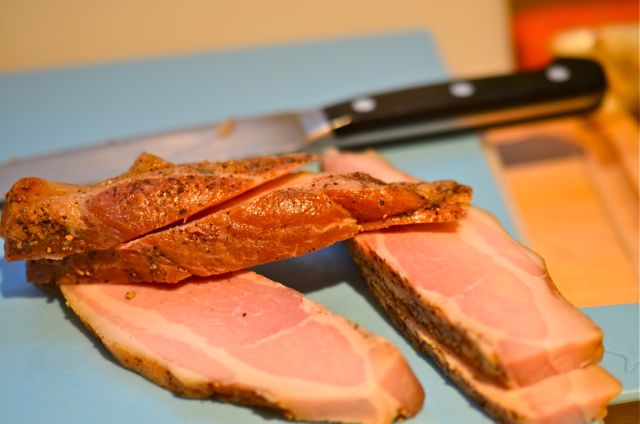
    frice4frice5Making bacon with Berkshire pork is no different from using regular pork, we just follow our standard bacon recipe. But because this pork is so sweet we prefer to very lightly smoke with applewood or simply finish in the oven. The pork has enough flavor to stand well on its own. Sometimes the best thing you can do as a cook is leave the ingredients alone.

    frice1So what do we do with our Berkshire bacon? Actually, we sell some to friends. It helps cover costs and keeps us from eating too much. And we do serve bacon for breakfast on weekends. But usually we cook with bacon as an accent. And there are few better ways to use bacon than in fried rice. So simple, so easy, but soooo good.

    For this dish we adapted a recipe from “Breakfast for Dinner” a fun cookbook that, not surprisingly, uses breakfast-related ingredients for dinner. While sometimes a real stretch (yes, fried rice has bacon and egg so there is some “breakfast” there…sorta), the recipes are fun and supply some good ideas. That’s enough for us.

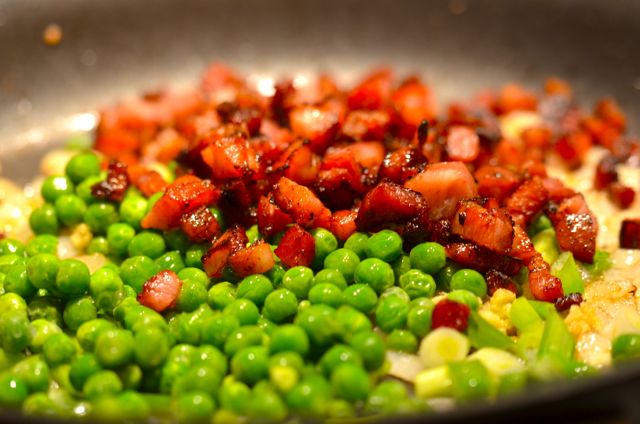
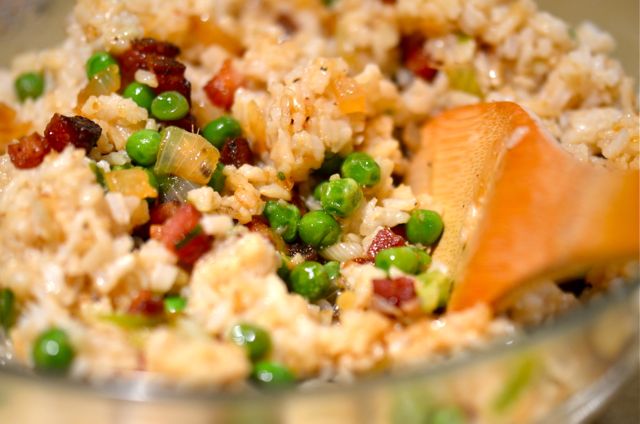
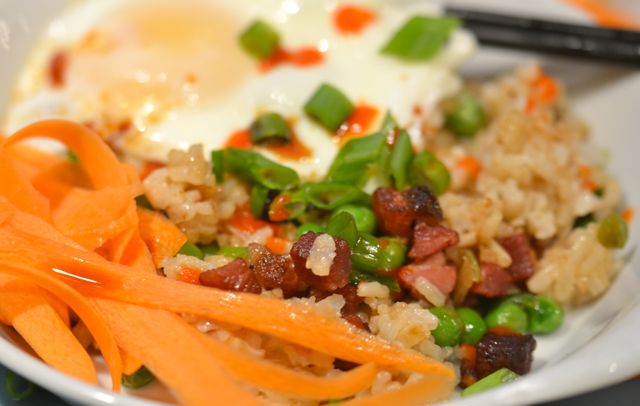
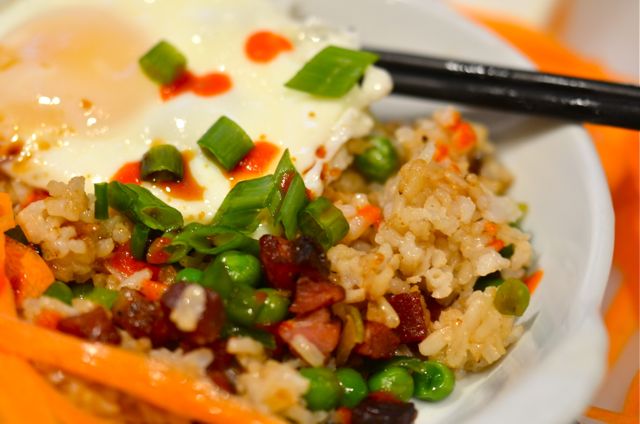
    frice11The recipe combines fried brown rice with a mixture of bacon, onion, frozen peas, green onion, a little mirin (or water), garlic and ginger. You can top with a fried egg (our preference) or scramble the eggs and mix them in. Garnish with some carrot ribbons, green onion or sesame and then season with soy and Sriracha. Then you are in business…

    frice12How does it taste? Soft and crunchy rice with nutty flavors, crisp, sweet and salty bacon, savory onion, garlic and ginger, sweet earthy peas and rich eggs. Hard to go wrong here. Just be sure to make your own bacon, or use the best artisan bacon you can find. You won’t be disappointed.

    Berkshire Bacon Fried Rice:

    (Adapted from “Breakfast for Dinner”)

    Notes Before You Start:

    • If you don’t cure your own bacon, look for slab bacon or artisan bacon that is meaty and lightly smoked with applewood. Hickory-smoked bacon will work here but the flavor will dominate the dish.
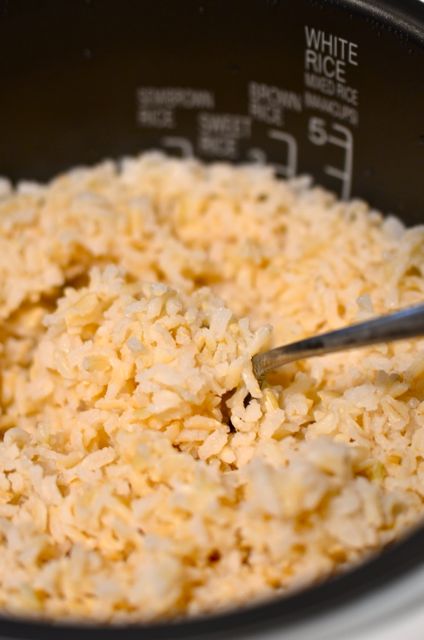
    • We use left over brown jasmine rice in this dish, as the nutty flavors work well. But any long-grain rice (or really any leftover rice) will work. You need day old rice for this dish- as it will not turn mushy when cooked.

    What You Get: Tasty, easy fried rice at home. What else do you need?

    What You Need: No special equipment required, and you may have the ingredients in your fridge right now.

    How Long? If you already have the rice cooked, about 20 minutes. Anytime dish.

    Ingredients:

    (Serves 4-6)

    • 2-3 cups day-old cooked brown jasmine rice (or leftover rice)
    • 1/2 pound bacon, diced or cut into lardons
    • 1/2 large yellow onion, diced
    • 4 green onions, thinly sliced, plus extra for garnish
    • 2 cloves garlic, minced
    • 1 tablespoon fresh ginger, minced
    • 1 cup frozen peas
    • 3 tablespoons mirin (or water)
    • 4 large eggs
    • 1 medium carrot, sliced into ribbons
    • Salt and freshly ground pepper
    • Soy sauce, to taste
    • Sriracha, or hot sauce, to taste

    Assemble:

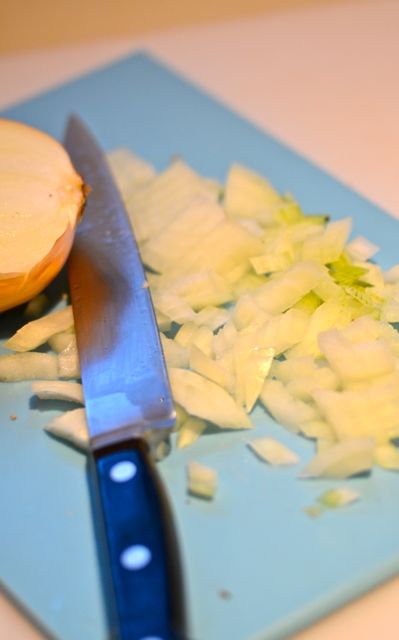
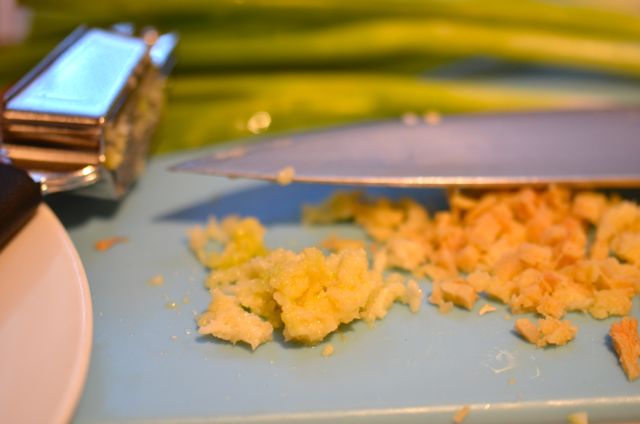
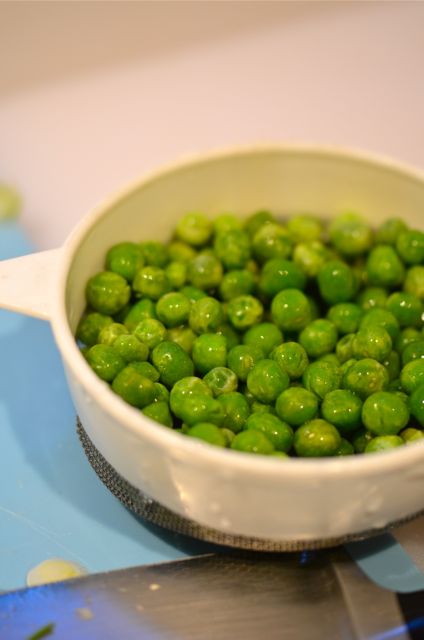
    1. Place a large nonstick skillet or wok over medium-high heat. Add the bacon and cook until slightly crisp and the fat renders. Drain all but a tablespoon of the fat from the pan, and reserve. Add the onions and cook until soft, 2-3 minutes. Then add the peas, green onion, and ginger. Cook for 2-3 minutes than add the garlic and cook for another 30 seconds, stirring frequently (don’t burn the garlic). Add the mirin, stir and cook for another 1-2 minutes. Remove from the heat and our the mixture into a large bowl.
    2. Place the pan back on the stove over medium-high heat and add the reserved bacon fat. You should have 2-3 tablespoons of fat (add oil if needed). Spread the rice in the pan and cook, stirring occasionally, until brown crispy spots form, 6-8 minutes. When done, add the rice to the bacon mixture and stir to combine.
    3. In another pan, over medium-low heat, cook the eggs until the whites set but the yolks are still runny (or to your preference).
    4. To serve, place the rice mixture in a bowl. Add an egg to the top and garnish with the carrot ribbons. Season with soy sauce and/or Sriracha. Serve.
  • A “Year” Of Blogging. And Our Thanks To You.

    prep11It’s actually been about a year and a half on the calendar since I started blogging. Within a few months, it became “we” as Carolyn started both cooking and taking photos for the blog as well.  We looked at our stats the other day and WordPress tells us this will be our 365th post. I don’t think either of us really thought we would have even 100 things to blog about, but I guess we did. I also don’t think we expected to get as much out of it as we have, but it has been a great ride. And the ride will go on, but perhaps at a slightly slower pace.

    siesta3cherry10harvest2So after a “year” of blogging, what did we get? We are better cooks and better gardeners. Our kids eat healthily (mostly) and well. We also mix a decent cocktail, IMHO. And we discovered a shared love of photography that will last our entire lives. Sharing a love of art with your spouse is a special thing, a true gift. And for that I am eternally grateful.

    ahi1ap1

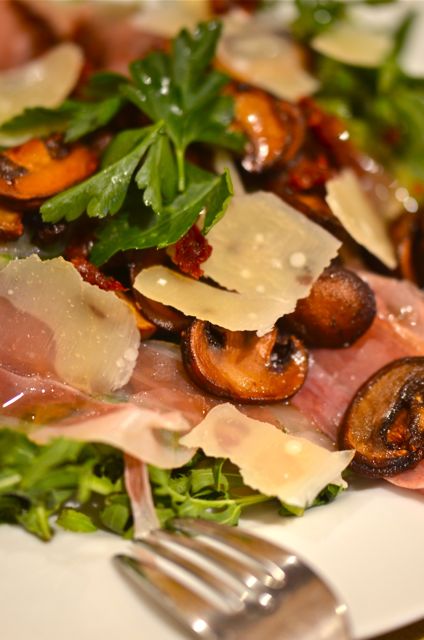
    Warm Mushroom and Arugula Salad.

    But what we are most grateful for is all of you. Thank you. Thank you. And thank you. Your visits, comments and support kept this blog going and encouraged us to keep working, keep experimenting and see what we could do. We surprised, and sometimes disappointed, ourselves. Your guidance (and the occasional correction) make us much, much better cooks. Along the way we made some virtual, but very real, friends. Cooking is all about family and friends, and good cooks build friendships and connect with family for their whole lives. And there is a whole lot of living left.

    This is a peach blossom!

    mixology5ccake9We had a bunch of extra stats and blather about the site to share, but it seems too self-congratulatory. And really, who cares? Suffice it to say, if you are searching for a fennel recipe, steps on curing and smoking meat or old-school cocktails, you may end up visiting Putney Farm. And that is just fine with us. Instead of any more words here are some photo highlights….

    beespop9rains2 Continue reading

  • Mystery Fig Jam

    fjamWhile gardening tends to require some attention to detail, sometimes it is simply best to roll with things. And our figs are a good example. A few years ago we had a Black Mission Fig Tree put into the orchard. We cheated a bit and bought a tree that was a few years old and already a few feet high (hey, we wanted figs sooner, rather than later). But that tree didn’t last long, the gophers ate the entire root ball and the tree literally fell over. Nature often gets the last laugh, and your best plans are laid to waste.

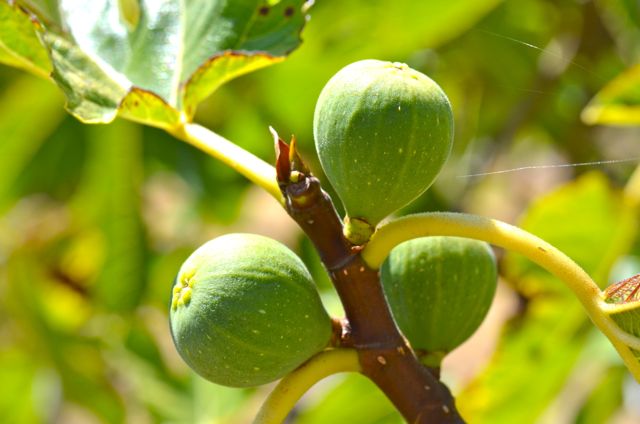
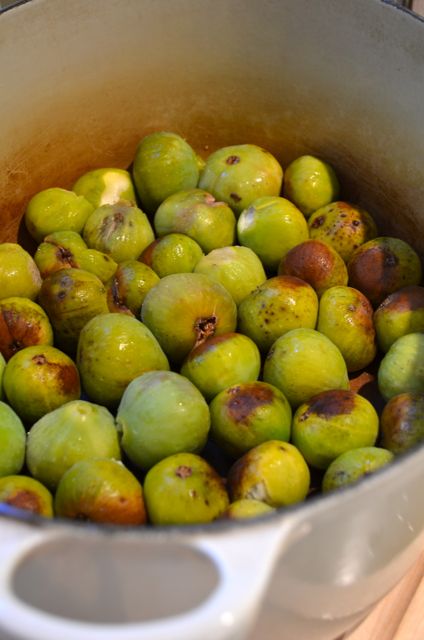
    fjam1fjam2But that doesn’t mean we stopped fighting. We got another fig tree, wrapped the root and planting area with wire mesh and planted again (insert Monty Python’s Holy Grail “Swamp Castle” joke here). And this time we beat the gophers…..sweet! Oh, except the figs were green, not black, and now we have no idea what they are. Kadota? Adriatic? Greek Royal? Who knows….we just know they ain’t Black Mission. Ah, nature.

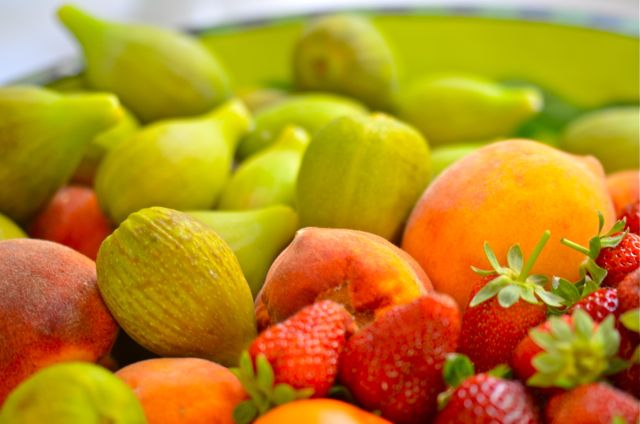
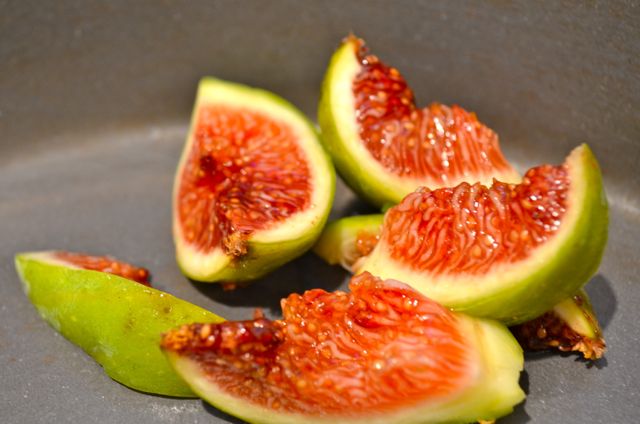
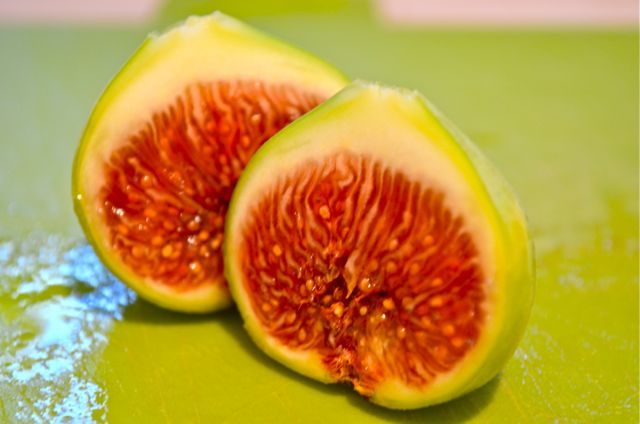
    fjam3Regardless, we got a decent spring crop and an excellent fall crop of these green figs. When ripe, the figs are soft on the outside and have beautiful bright red flesh. And they taste great, too. The only problem is that the figs don’t keep well. You need to eat them quick. And we do. But when you have a couple hundred figs, it is time to make some jam.

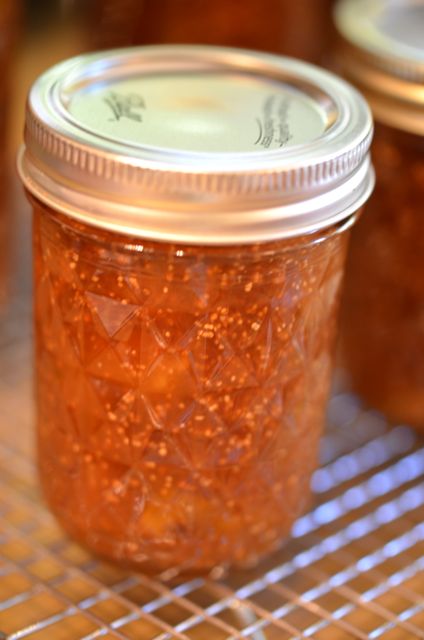
    fjam4fjam5fjam6And fig jam is a treat (even if it isn’t the most attractive thing going). It works simply on toast, but the rich sweetness is an excellent foil for cheeses and charcuterie. In fact, if you want a perfect sandwich, make a good grilled ham and sharp cheddar sandwich with fig jam. A perfect dish.

    fjam7fjam9fjam10The recipe we use is adapted from the Blue Chair Cookbook, one of our favorites. It is just figs with sugar and lemon juice and a splash of Yellow Chartreuse and Benedictine for herbal notes. Being the cocktail nerds “cocktailians” we are, we actually have Chartreuse and Benedictine, but If you don’t have them, ignore or use some candied ginger (or go buy some and mix some drinks). The only bummer with this recipe is that it takes a while. Nothing really hard here, it is just that you are making jam and need to do some boiling, reducing, stirring, etc. But since the figs go bad quickly, this is your best option if you grow or buy a lot of them.  Now if we could just figure out what kind of figs they are…

    fjam11Fig Jam:

    (Adapted from The Blue Chair Cookbook)

    Notes Before You Start:

    • You can use any ripe, thin-skinned green figs here, but Adriatic are suggested. Kadota or Greek Royal also work.
    • If you have thicker-skinned figs, you want to precook the fig slivers in a little simmering water until tender, then use as directed.

    What You Get: Delightfully rich and sweet jam that works with sweet or savory dishes. A way to use your ripe figs.

    What You Need: A jamming setup. What? You don’t have one? Well, now is the time…

    How Long? Forever. Well, not quite. But free up a few hours.

    Ingredients:

    • 2 1/2 pounds plus 3 pounds Adriatic figs, stemmed
    • 3 pounds white sugar
    • 6 oz. fresh lemon juice
    • 2 ounces yellow Chartreuse
    • A few drops of Benedictine

    Assemble:

    1. Place 5 metal spoons on a plate and put them in your freezer for jam testing.
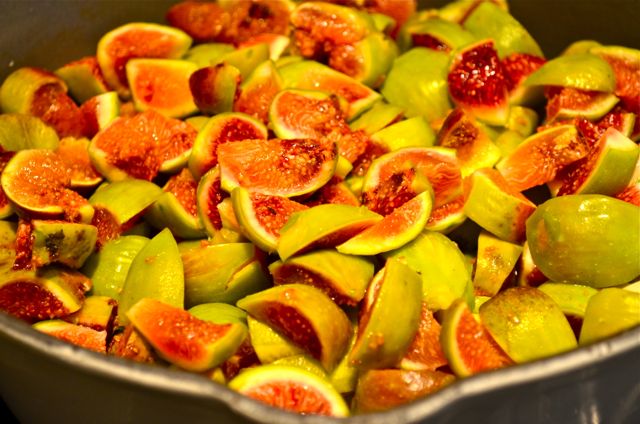
    2. Slice 2 1/2 pounds of the figs into 6ths or 8ths, depending on their size. Place the fig slivers in a large heatproof mixing bowl, add the sugar and mix. Let the mixture macerate while you make the rest of the recipe.
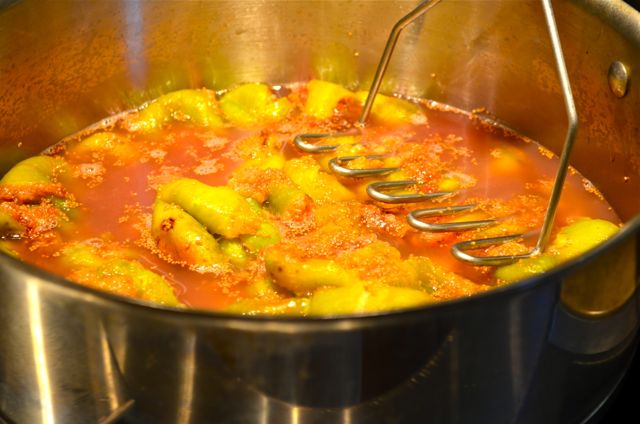
    3. Place the remaining 3 pounds of figs in a Stainless steel pot or kettle big enough to hold them in one layer. Add cold water up to 1/2 inch depth in the pot. Cover the pot and bring to a simmer over medium heat. Stir and decrease the heat to medium-low, cover, and cook another 5 minutes. Then, using a potato masher, crush the figs to release their juices. Stir, cover, and cook for another 20-30 minutes until the figs are mushy and translucent. Stir often to avoid any burning on the bottom of the pan.
    4. When the figs are done, put them through the a food mill with the finest setting and add to the slivered figs and sugar. Add anything that does not go through the food mill into the mixture as well, breaking up any large chunks. Stir everything together to dissolve the sugar, then add the lemon juice, Chartreuse and Benedictine. Transfer the mixture to a large nonreactive pot or kettle.
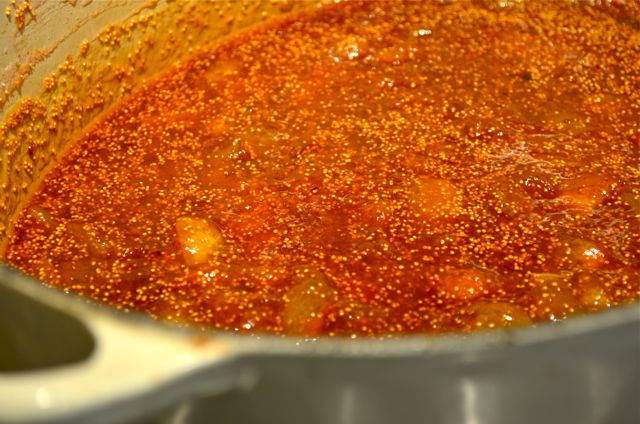
    5. Bring the jam to a boil over high heat, stirring regularly with a heatproof spatula. When the jam boils, lower to an active simmer. Simmer 7 more minutes and then mash again with the potato masher. Continue cooking another 25 minutes, stirring regularly and lowering heat of the jam starts to stick.
    6. Test the jam for doneness on the frozen spoons. Place the jam on a spoon, put it back in the freezer for 3-4 minutes, and then tilt the spoon. If the jam is gloppy and runs slowly, it’s done. If runny, cook a few more minutes and repeat the test.
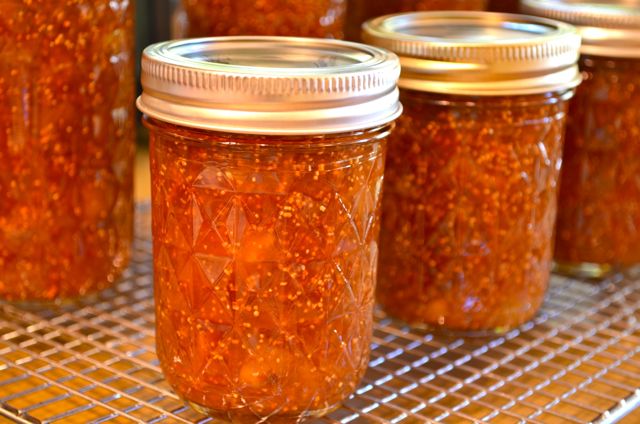
    7. When done, pour the jam into sterilized containers and process per your manufacturer’s instructions (although we suggest processing in the oven, it’s much easier).
  • The Viveka Cocktail And Homemade Limoncello

    viv

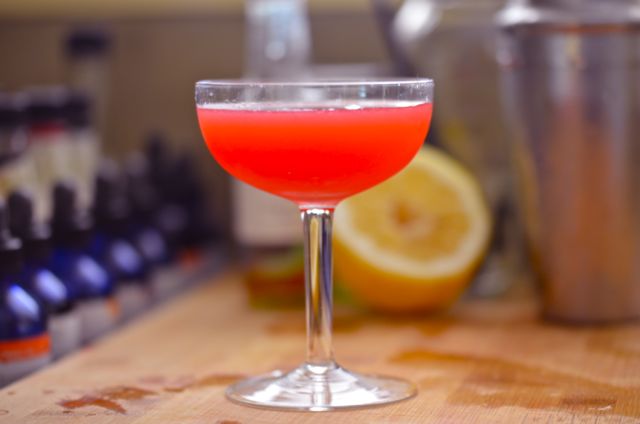
    The Viveka Cocktail.

    Many months ago we asked for our readers to guess the location of a photo we took in Kauai. The winner would get a cocktail named after them. The winner was our friend Viveka from My Guilty Pleasures, a blog about life with all it’s humor, delights, food and travel. It is also a blog about friendship. Viveka seems to collect friends, both in the physical and virtual world, at a very steady clip. She has a big, warm, generous heart.

    viv4viv5viv6Viveka is also patient. Because once she won our little contest, we knew we had to use a special homemade ingredient in her cocktail; limoncello. The only problem was that limoncello, while easy to make, takes a while. Like a few months. But we warned Viveka of the impending wait. And then we waited. And waited. But finally the wait is over.

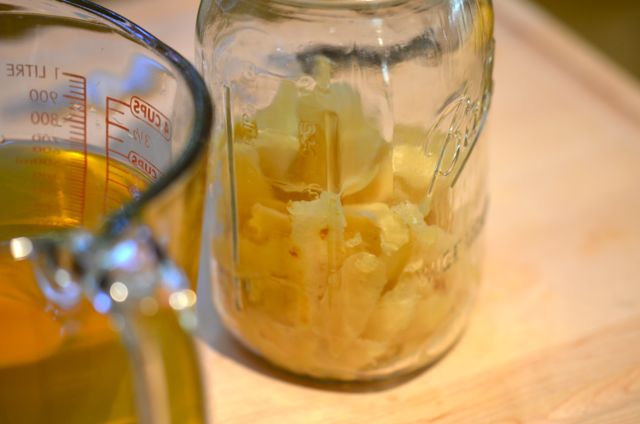
    viv7Limoncello is basically a liqueur of lemon zest (with as little white pith as possible) soaked in grain alcohol (or strong vodka), strained and then sweetened with sugar syrup. You get a sweet, lemony liqueur without any sour notes. It’s good stuff. While you can make limoncello in just a few days, an infusion of 30-45 days is generally considered the best method. The you need to strain and filter the zest from the very-strong booze and add some simple syrup to get to about 60 proof and age it again for another 45 days (most people shorten this step). But since we are making cocktails, we took a slightly different path.

    viv3viv2Our one issue with limoncello in cocktails is that it is a bit sweet and not strong enough to lead a cocktail. It is good as an accent, but we thought it could fully replace gin or vodka if our limoncello was stronger and dryer. So rather than use a mix of 50% or more simple syrup, we went with about 35-40% syrup. And since we were using 135 proof Everclear as our base, we ended up at about 90-100 proof. The limoncello is a bit strong on its own, but has the juice to carry a cocktail and gives a slight warming feel as you drink it. Not too hot or boozy, but you know it’s there.

    viv8And that was exactly what we wanted for our special cocktail. Our friend Viveka is not a fan of dark booze like rum or whiskey, so we wanted to use a “clear” booze. We do enough gin drinks around here, so that was out. And since Viveka is from Scandinavia, we figured she knows her vodka. Boozy limoncello seemed liked a good fit. And we even had a recipe in mind.

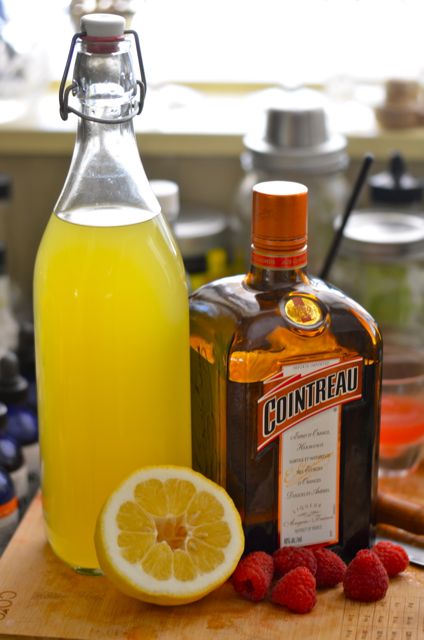
    viv9The Viveka combines, boozy limoncello, Cointreau, lemon juice and muddled raspberries (or raspberry syrup, if you must). The drink is a riff on the 1934 Cosmopolitan (an older,  lesser-known- but IMHO better- version of the Cosmo), with the boozy limoncello replacing gin and fresh raspberries rather than syrup. (If using lower-proof limoncello, just add 1/2 oz. good vodka and a touch more lemon juice). What you get is a bright lemon sip that isn’t particularly sour, mixed with sweet orange and raspberry notes that almost seem to dance around. On the finish you get a nice warm kick from the limoncello. This drink has a warm heart, just like Viveka…..Here you go Wivi!

    viv1 Continue reading

  • BBQ Brisket, Franklin Style

    brisketbrisket2Brisket+Salt+Pepper+Smoke+Time= East Texas Barbecue Beef Brisket, perhaps one of the greatest American dishes. If you get it right, you get true alchemy. A very humble piece of cow turns into a rich, luscious and flavorful meat you can eat just with your hands and really doesn’t need sauce. A little piece of heaven. And it seems so simple…

    brisket3…but it isn’t. Barbecued brisket, at least really good barbecue brisket, is hard. Really hard. Even pros regularly turn out dry, over-seasoned, poorly smoked failures. And while we aren’t pros, we take pride in our ‘cue. But where we succeed with barbecued pork shoulder or ribs, we often fail with brisket. And it is even more frustrating that we can make a great Jewish-style brisket in a dutch oven or slow cooker. Aargh. And after many failures, we were about to throw in the towel.

    brisket4But just as we had given up, we heard about Aaron Franklin and his YouTube barbecue series. Aaron Franklin, it turns out, is considered one of the best (really, the best) pitmaster in Austin Texas. People we trust (friends and pros) sing his praises, and his brisket is the standard by which others are measured. We haven’t been to Franklin’s (yet) but he was kind enough to provide a step-by-step video series on how to make his brisket. So we decided to try just one more time…

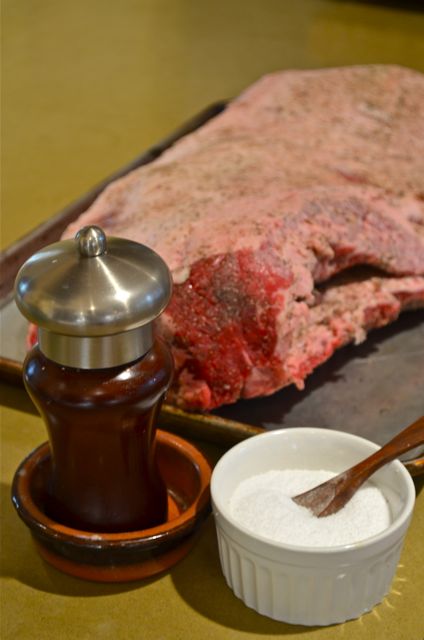
    brisket6And it worked. The steps are simple, but detailed. You need to customize for your gear / setup, but if you get the spirit of it, you will have some very tasty brisket. We heavily recommend suggest you watch the series, but here are the basics: get a good piece of brisket (whole brisket, Creekstone or Certified Angus, don’t worry about the cost, this dish feeds an army and is affordable), trim it well, season it evenly with salt and pepper, smoke it over oak for about 12 hours (depending on the brisket), keep water pans in the smoker, wrap the brisket in butcher paper (or foil, the “Texas crutch”) about halfway through cooking, when done let it rest and then slice pencil thick and serve. And if you just have to have sauce, Franklin gives you a good recipe.

    brisket7Oh, and do it 3 or 4 times over the summer. Each time you will get a bit better, and each time your family and friends will eat a bit more. A good project.

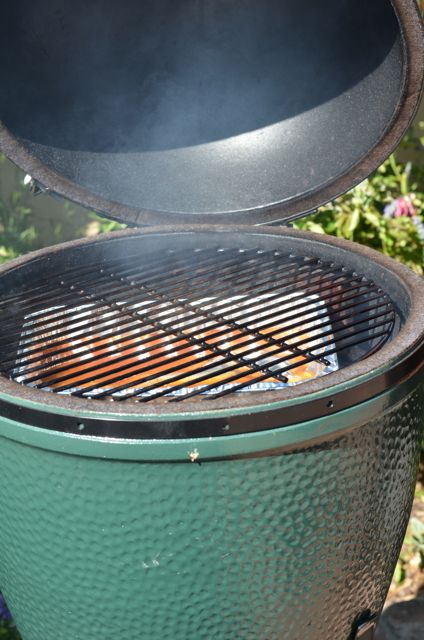
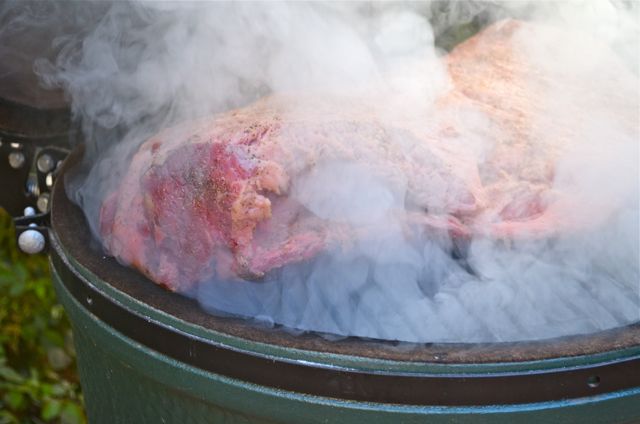
    brisket8Now, we will cop to making some changes to deal with our Big Green Egg smoker. We use charcoal and wood chunks, and not just wood. And we use local red oak, rather than Texas post oak (and just a touch of local apple wood as well). And since we smoke on a Green Egg over somewhat direct heat, which can dry out barbecue in long cooking, so we decided to wrap in foil and finish the last few hours on the oven. Many will consider this sacrilege, but we know our Green Egg, and finishing in the oven works better (sorry purists, it does). But if you have a an offset smoker, you should be able to wrap the brisket and finish it on the smoker.

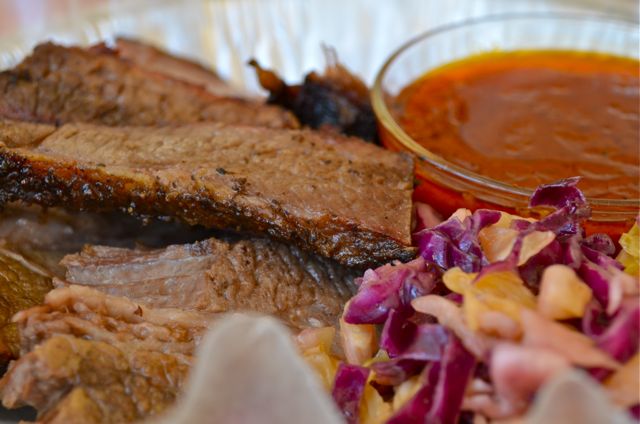
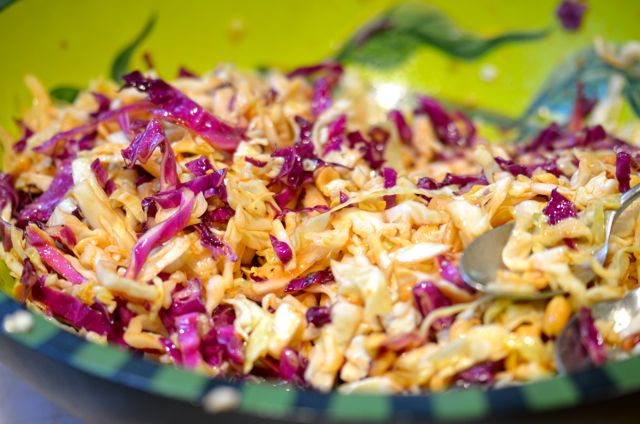
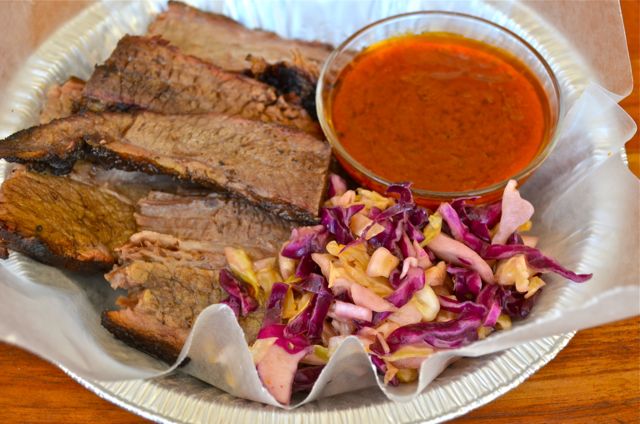
    brisket10What do you get? More flavor than you would ever expect. And the juiciest, tenderest meat you can imagine. The magic of smoke never ceases to amaze. The bark has the complexity of good wine, the meat is sweet and the fat like butter (but way better). It may have taken 12-14 hours, but it will be time well spent. Now just slice and serve with some slaw, maybe some white bread, and sauce if you like. Then serve the large group assembled around you…and take a nap….you deserve it.

    brisket1BBQ Brisket, Franklin Style:

    (Adapted from Aaron Franklin video series)

    Notes Before You Start:

    • You need a “full packer” brisket that includes the “point” and “flat” sections of the brisket. It should be at least 10-12 pounds, if possible (and they go much bigger). Franklin uses Creekstone Farms beef (you can order online) and we do as well. This is the good stuff and worth the money.
    • If you trust your butcher to trim the brisket to your specs, have him (or her) do it. Otherwise, follow the steps in the video.
    • While you can use any wood for smoking, this style really works best with oak. Maybe a touch of fruitwood. But heavily flavors like hickory or mesquite will dominate the basic salt and pepper rub.
    • Always use a water pan (or two) while smoking to keep humidity in the smoker.

    What You Get: A true American classic.

    What You Need: A real smoker of some form. A Webber won’t really work here. An offset smoker would be the best choice.

    How Long? Expect about 14 hours for a 12 pound brisket. But it could be more, or a little less. Get started very early in the morning and have beer ready for an all-day event.

    Ingredients:

    • 1, 10-12 pound “full packer” brisket
    • 1/2 cup salt
    • 1/2 cup fresh ground pepper, finely ground
    • Oak wood, chunks or chips, for smoking.

    Continue reading