
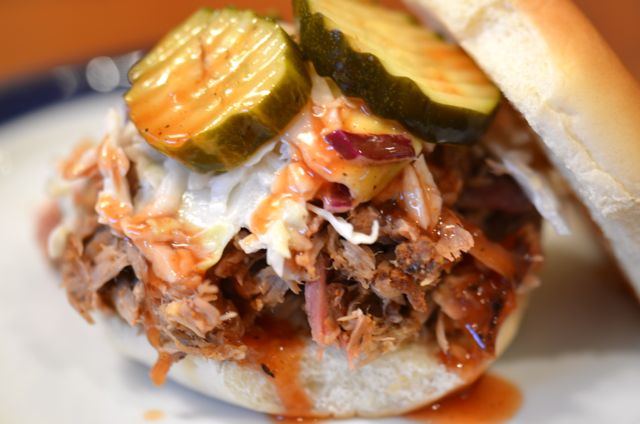
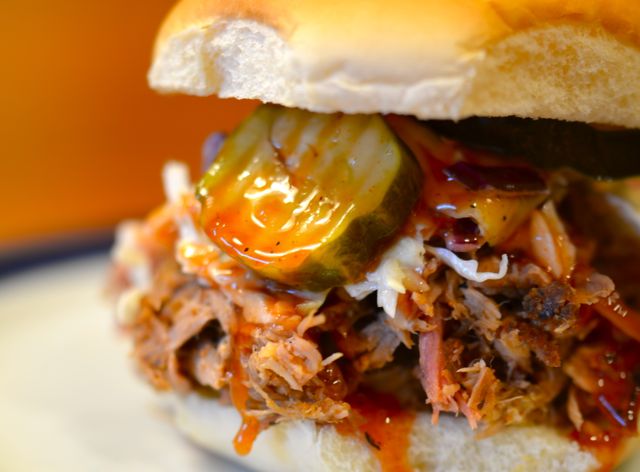
Pulled pork sandwich with the works.
UPDATE: This is a reblog from last year. But Memorial Day is coming and this is still our favorite BBQ recipe. Enjoy!
We’re posting a number of summer food and cocktail recipes for Memorial Day weekend, so let’s get going. We will start with our favorite “summer” dish, pulled pork. Also simply known as pork barbecue, pulled pork is one of the most tender, succulent and flavorful meat dishes you can find. Nothing feeds, and pleases a crowd, like a brined, rubbed and slowly smoked pork shoulder. And it is pretty easy to make. You just need one ingredient: time. Lots of time (some planning and patience help too). But it is worth making this dish, particularly for a holiday weekend.

Pulled pork sandwich.
In case you are unfamiliar with pulled pork, it is a pork shoulder (also known as Boston butt) that’s smoked at a low temperature for a long span of time. Usually, though not always, the pork is also brined and a spice rub is added for extra flavor. The long, low-temperature cooking breaks down the fat and connective tissue in the shoulder into gelatin that bathes the meat and provides the tender “finger-licking” flavor of great barbecue. Pulled pork is cooked everywhere in the US, but its spiritual home is the southeast. Texas has beef brisket, the Mississippi river region has ribs, but the Carolinas have pulled pork. We like the Carolinas.
As for making the pulled pork, it can be a 1-day or 2-3 day operation, it simply depends on the time you have. The most basic approach is to get a pork shoulder and rub it with salt and pepper. Then smoke it with hickory or applewood at about 210 degrees for at least 8 hours or until the internal temperature of the pork is at least 190 degrees (shortcut included below). Let the meat rest for an hour and then “pull” or chop it. The meat will shred easily. And this will be good, real good. But it can be so much better.
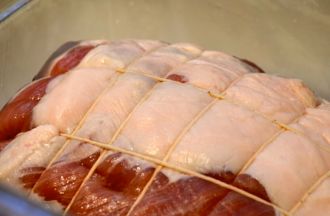
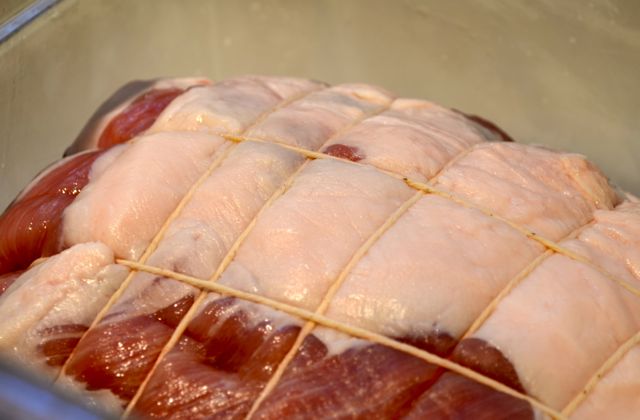
Pork shoulder ready to brine.
To take pulled pork to the next level requires a few extra steps and a few extra days. The frist step is to brine the pork shoulder. Pork isn’t as fatty as it used to be, so added moisture is a good thing while cooking, as is extra flavor from the brine. The brine is just a combination of salt, sugar and water (plus seasonings if you like). Pork will benefit from as little as 6 hours of brining, but up to 48 hours will help without making the pork too salty. 12-24 hours is about right. And making the brine is as easy as boiling water with sugar and salt and letting it cool. Once the brine is cool, you place the pork in the brine and keep it in the fridge.
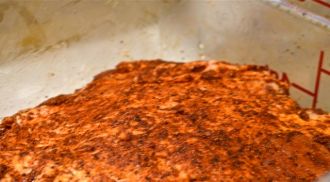
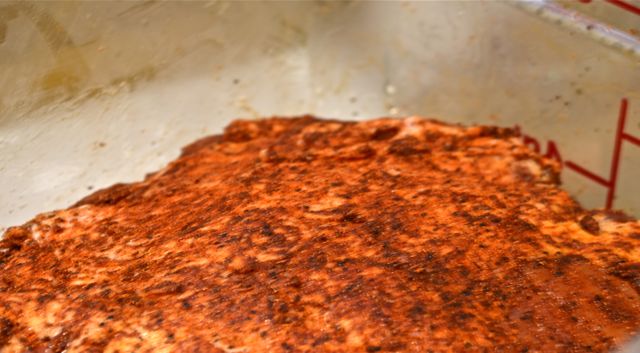
“Rubbed” pork shoulder, note the liberal application of dry rub.
The next step is to add a dry rub to your pork shoulder. Spice rubs add flavor to the meat and develop an attractive and tasty, “bark” on the outside of the meat while cooking. And if you let the rub sit on the least overnight, the flavor will penetrate deep into the pork and add a new dimension of flavor
There are literally thousands of pork rub variations, and you can make most of them at home. While purists my scoff, you can also buy pork barbecue rubs at the grocery store. We make our own, but also use store-bought with success. We include a recipe based on a combination of a Alton Brown’s and Steve Raichlen’s (good BBQ writer, btw) rubs with a few tweaks of our own. But, in general, if you like a flavor like thyme or cumin, add a little more.
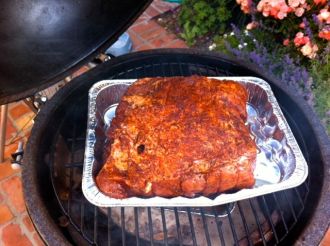
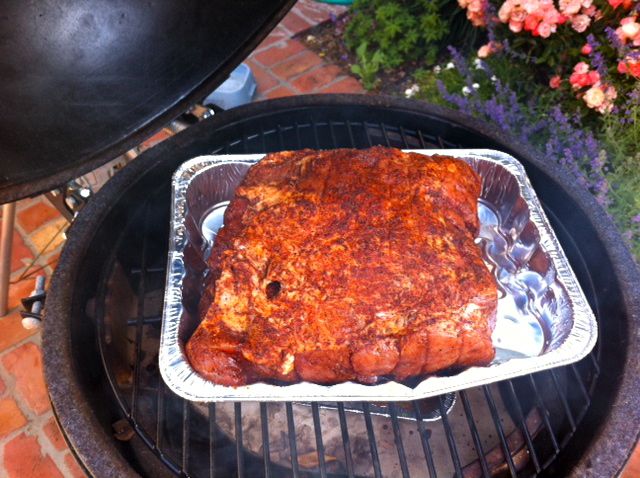
Pork shoulder in the smoker. Grab a beer this will take a while…
So once you brine and rub the pork, you are ready to smoke. If you have a dedicated smoker, that is great (we use a Big Green Egg- very good tool). If not, most grills have instructions for smoking, please follow them. Weber kettle grills are easily adapted to smoking and do a great job. Gas grills also work. The key is to cook low and slow and get good smoke. We use a mix of 50/50 applewood and hickory and soak the woodchips or chunks for at least 30 minutes. Soaking the wood is critical, you want the wood to smoke, not burn. The other critical element is temperature control. You want to keep an even temperature at about 210 degrees. It usually takes some time to control the airflow on your smoker to reach, and maintain, the right temperature, but it’s worth it. The goal is to slowly build the internal temperature of the pork to at least 190 degrees- this is what gets you the “finger-licking” texture of great barbecue. Normally this will take 8-10 hours, but there are other ways that save you a little time.
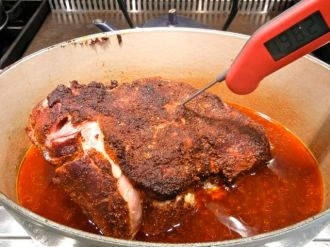
Optional shortcut- finish in the oven. Just get to at least 190 degress internal temperature.
Again, traditionalists my be horrified, but it is generally accepted science that the pork will absorb most of the smoke flavor in the first 3-4 hours of smoking. So after 3 hours of smoking you could move the pork shoulder into a lidded Dutch oven or covered roasting pan and cook in a 300 degree oven for 3-4 hours, or until you reach 190 degrees internal temperature. If we have time we will smoke the full 10 hours, but we use the oven method quite often. And if you are entertaining, the “finish in the oven” method is much more convenient and lets you control the timing.
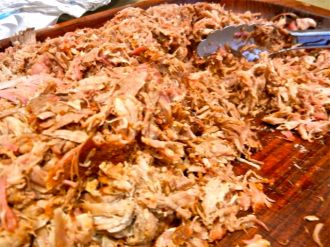
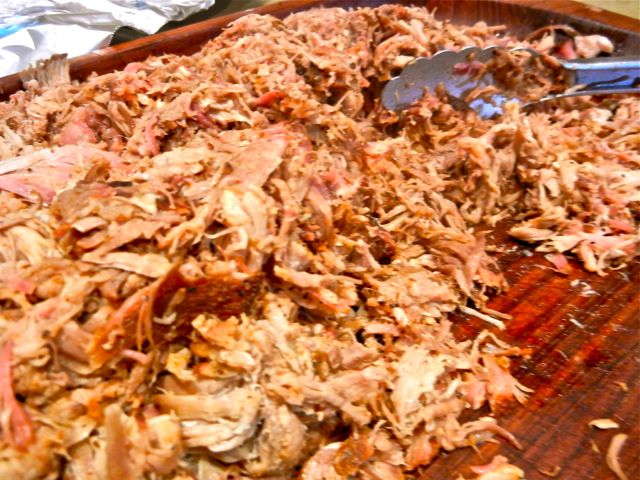
“Pulling” the pork just before service.
There is one last step that cannot be ignored, regardless of how you cook the pork. After reaching the desired temperature the pork needs to be covered, or wrapped in foil, and rested for at least an hour. The pork will keep cooking but the juices will set in the meat for a better, juicier texture. After the hour is up, just “pull” the pork apart with 2 forks or lightly chop with big knife. The pork will fall apart easily.
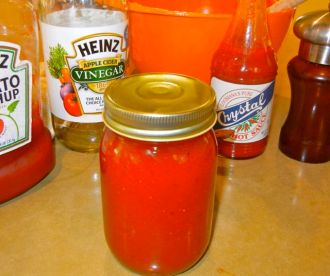
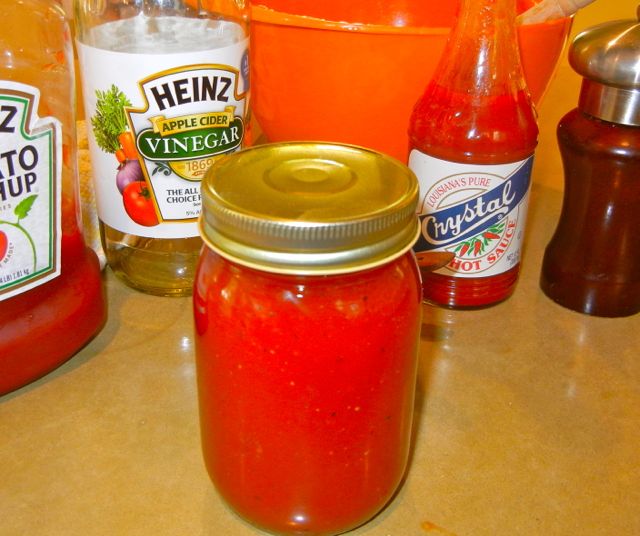
Tasty, easy sauce. Lots of acid, sweet, sour and hot flavors to cut through the rich pork.
To serve the pork we place a big pile of the meat on an everyday hamburger bun, add some sauce, pile on some cole slaw and finish with a few bread and butter pickles. As for the sauce, we use an adapted North Carolina-style vinegar sauce that is very piquant, but is a bit sweeter and not as bracing. But we suggest you use a style of barbecue sauce you like. And, if you are so inclined, an ice-cold beer is a nice compliment to the pork. In the end, you can serve the pork almost any way you like, you and your guests will be very happy. There is no other dish that says “summer is here, and the living is easy” like pulled pork.
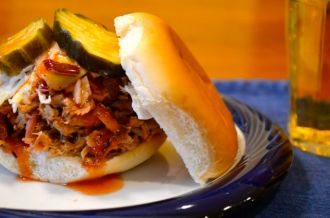
And a nice cold beer, too….
Pulled Pork:
Notes Before You Start:
- You can use bone-in or bone-out pork shoulder. Bone-in may be a bit juicer, but you can get rub into the center of the bone-out shoulder for more flavor.
- If you order the pork shoulder from your butcher, tell them not to take off too much fat. It will mostly render during cooking, but helps keeps the meat moist.
- If you see a red ring near the outside of the meat, this is OK. In fact, it means you did a good job smoking the meat. The red color is a chemical reaction to the smoke.
What You Get: An American classic and one of the best pork dishes in the world. Period.
What You Need: A smoker or grill that adapts to smoking.
How Long: At least 1 day and if brining and rubbing the pork, at least 3 days. Pulled pork is a “special occasion” dish that requires planning. We posted on Monday so you can get ready for the weekend.. 😉
Continue reading →
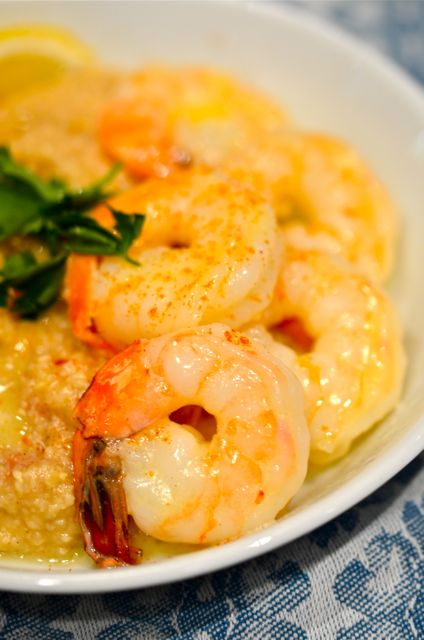

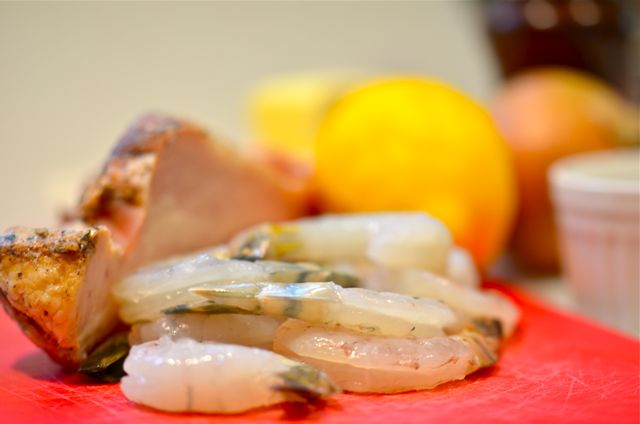 And that’s too bad, because this is a killer dish that uses simple, readily available ingredients and is easy to make. Carolyn and the kids loved it. And that shouldn’t have been a surprise. We all enjoy polenta (cornmeal mush), so the grits were just a slightly more rustic version of the Italian classic. Basically the grits were polenta, but with bacon, onion and butter added instead of the cheese and pancetta we might include in polenta. Either way, pretty hard to go wrong here. Just remember to stir (the only real work with grits or polenta is to stir often to keep it from burning).
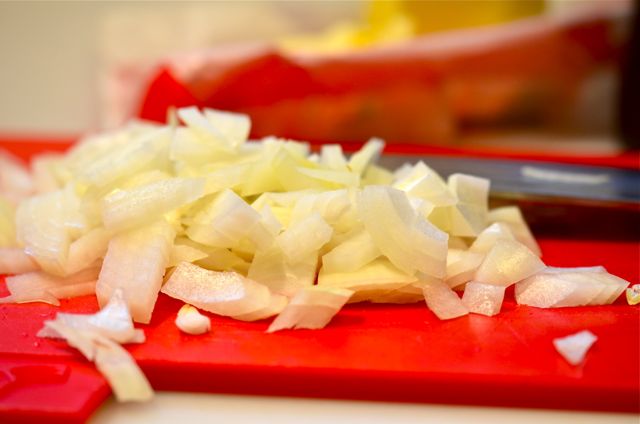
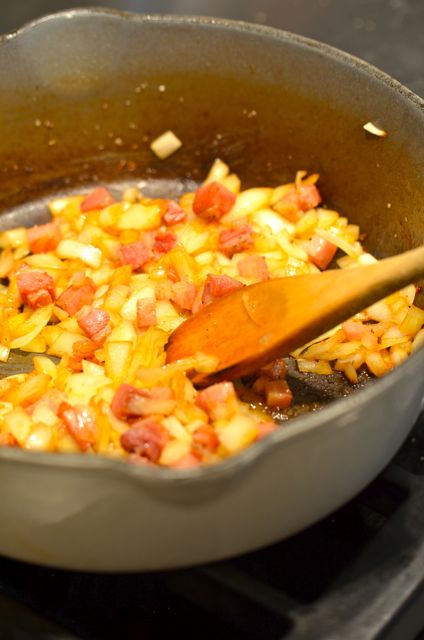 We adapted the recipe from Michael Ruhlman’s cookbook “Ruhlman’s Twenty“. We are fans of this cookbook, it has 20 different ingredients, tools and techniques for the home cook and then provides recipes to match. Some of it is basic stuff like “salt” “roast” and “butter”, but it is always good to remember fundamentals like seasoning and cooking with butter. So when we want to expand or refine our cooking, we often open “Ruhlman’s Twenty“. In this case we were looking for different ways to cook shrimp and Ruhlman had butter-poached shrimp with grits in the “butter” section. Good stuff.
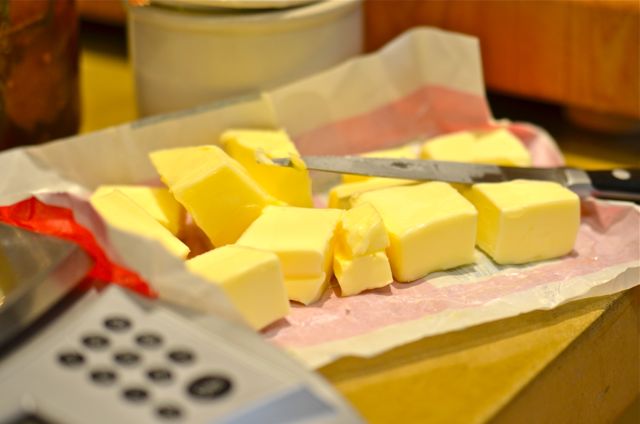
 The key technique here is to poach the shrimp in a butter and water emulsion over low heat. This technique is easy and gives you very moist, flavorful shrimp. Even at low heat shrimp still cook quickly, so it only takes 4-5 minutes. This is also a forgiving technique, so if you go a little over the cooking time the shrimp will still be good (unlike high-heat cooking methods). You also get the bonus of a very flavorful butter sauce to enhance the grits and drizzle over the shrimp. Add a little seasoning and some lemon and you are in business.
 So regardless of what we call it, we will make this dish a few more times this summer. So, once more, we say “thanks Ruhlman” for a successful recipe, we expect to say it again soon…

























 Putney Farm