• Orchard Update: Red Haven Peach Harvest!

    Red Haven peaches at harvest.

    A great day here at the farm. We managed to fight off some very determined squirrels, rats, birds and raccoons (and maybe coyotes) and get a real peach harvest. Our first tree to ripen gave us a few large, tasty peaches, but the animals dug under the nets and took the rest. Frustrating, but a good lesson. The tree we harvested today had most of the peaches, so we were able to augment the nets with wood and rocks until the peaches ripened. And we got a great haul of Red Haven Peaches! It’s been a few years coming and it was great fun to pick the peaches with the kids (although they found out picking fruit in the sun is real work).

    Red Haven trees are big producers.

    Weighting the nets kept the varmints from digging underneath.

    The haul from one small tree- a few hundred peaches about 1/2 the size of a baseball.

    As for the Red Haven peaches, they are one of the most common “eating” peaches. They are freestone peaches with a bright, sweet flavor and a decent amount of acidity. They are popular with farmers and home gardeners, as the trees are heavy producers and the peaches have a long “shelf life”. Red Havens are in season usually from mid-July until the end of August. We like these peaches a lot, but the Suncrests are still our favorites. But as we have a harvest of just one Suncrest peach, the Red Havens will be our focus this summer- at least until the nectarines ripen a few weeks from now.
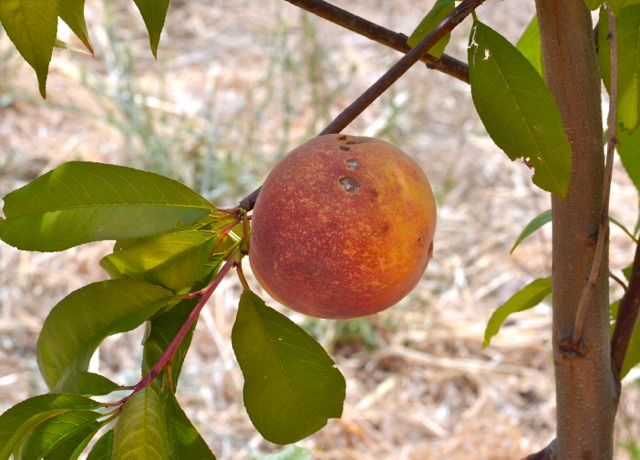
    Our “lonely” Suncrest peach. Hopefully more next year.

    Nectarines are at least a week or two out. Hopefully our augmented nets hold up.

    So what we will do with all of these peaches? We are making peach-lavender jam, peach-vanilla ice cream, maybe peach butter and certainly a batch of Bellinis and other peach-driven cocktails. And we are already eating the peaches out of hand. But as much of the Putney Farm crew will be on the road for the next few weeks, we will give many of these away. Few things make us happier as gardeners than to have enough to share freely with friends.
    Time to get to work….

  • Bonus Cocktail (and “Mocktail”): The Watermelon-Drop

    Watermelon Drop Cocktail.

    It has taken us too long a while, but we promised to make some cocktail recipes that also include an alcohol-free “mocktail” version, so this is the first. And as our kids enjoy their “mocktails”, this will probably not be the last.

    In any event, this week we got our first watermelons at the farmers market (ours are still tiny) and we just had to make a watermelon cocktail. The challenge with watermelon is that has very light, tasty and “summery” flavor and a great aroma, but both are easily lost when mixed with too many strong flavors. So when making a cocktail with watermelon, we tend to look towards vodka (although tequila and watermelon also play well). The Watermelon Drop combines watermelon juice, lemon juice, a bit of simple syrup or agave nectar, some (optional) rhubarb bitters and vodka, preferably quality lemon vodka. And you can simply omit the vodka for a very tasty summer cooler or “mocktail”.

    Muddle chunks of watermelon.

    These days many mixologists, and more than a few cocktail bloggers, have a certain amount of disdain for vodka. Plain vodka has little flavor, by design, and has light texture and little aroma. If you want to add flavor to a cocktail with the base spirit, vodka won’t add much. But if you want some booze in a drink and have the fruit or vegetable shine through, vodka is a good fit. And it is “OK” to simply want some buzz with your juice…nothing to be ashamed of (in moderation 😉 .

    Fine-strain pulp to extract the juice.

    These days, many vodkas come with fruit (and/or other flavorings). Most are just cheap hooch with some artificial flavors. But some are high-quality spirits infused with fruit or vegetable flavors in a style almost like gin. You can also make very good vodka-fruit infusions at home. These kinds of vodkas are quite good, and do add a lot to cocktails. In this cocktail, we use Hangar One’s Buddhas Hand Vodka and it is a lovely addition to the drink. But even here we use a light hand with the vodka, we do not want to dilute the watermelon too much. And if you are curious, Buddhas Hand is a type of Asian citrus similar to lemons but more aromatic- good stuff, and a great compliment to watermelon.

    Watermelon Drop cocktail and ingredients.

    To make this drink, you do need to take the extra step of making watermelon juice. We simply muddle chunks of watermelon and then fine-strain the pulp. A cup of watermelon chunks will get you 2-3 ounces of juice. It only takes a few minutes, but will leave your bar or kitchen a bit sticky (such is life with watermelons). Otherwise simply combine the watermelon juice, lemon juice, simple syrup / agave, rhubarb bitters (if you have them, they add a nice touch) and the vodka, if using. If making a cocktail, we prefer to shake and strain the drink, if making a “mocktail”, serving on the rocks works as well.

    So if simply eating watermelon (and spitting seeds) isn’t enough fun, try this drink out. It is light and tasty, but has big watermelon flavor. And the Watermelon Drop also makes a good “mocktail”, so feel free to share with the kids…

    The Watermelon Drop:

    Ingredients:

    • 2 and 1/2 oz. watermelon juice (about 1 cup diced watermelon, muddled and strained)
    • 1/2 oz. fresh lemon juice
    • 1/3 oz. simple syrup or agave nectar
    • 1 oz. lemon vodka (Hangar One Buddhas Hand is really good here). Omit for a “mocktail”
    • 2 dashes rhubarb bitters (optional, FYI some bitters have alcohol- check the label before using in “mocktail”)

    Assemble:

    1. Dice watermelon and muddle in a large glass or bowl. Fine-strain the pulp and collect the juice.
    2. Add all ingredients to a cocktail shaker with ice. Shake thoroughly and strain into a chilled cocktail glass or coupé. Serve.
    3. If making a “mocktail”, follow all the steps above, but omit the vodka. Serve in a chilled cocktail glass or lowball glass with ice.
  • Macadamia Nut Tart

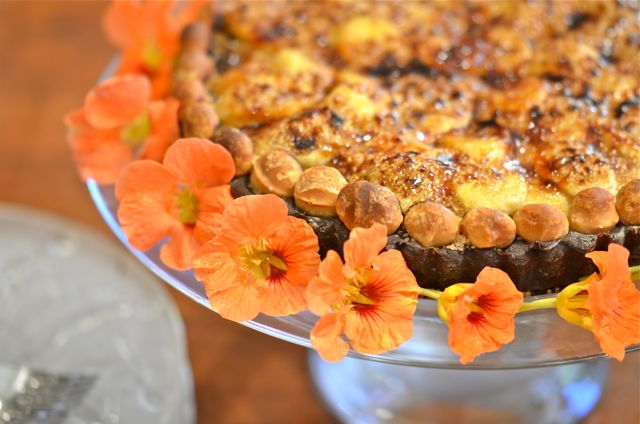
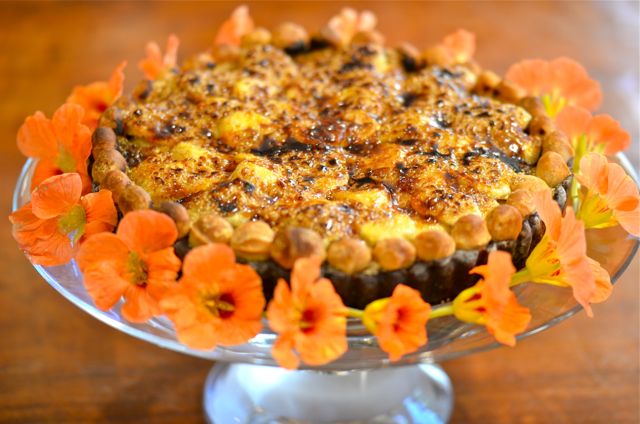
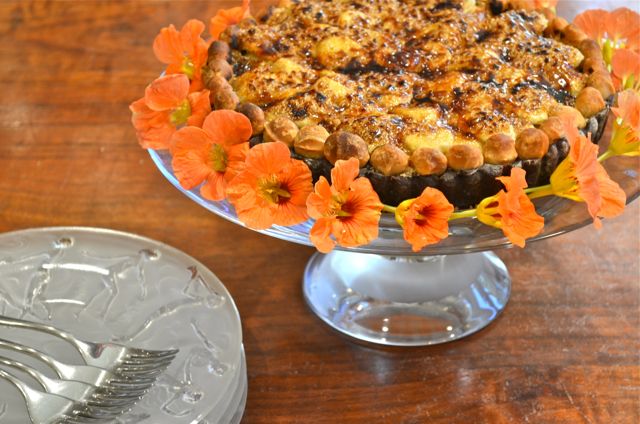
    Macadamia Nut Tart.

    Since we eat mostly from our garden (and the farmers market), we tend to cook simple recipes that highlight the main ingredient. And, to us, that makes sense. If we just spent “x” days/weeks/months growing something, we want to actually see and taste it. But we do like “stretch our legs” every once in a while and engage in some real (read: labor intensive) cooking. And recently we did just that. And it was fun. And this dessert was the star.

    So why make a Macadamia Nut Tart? Our friend Scott had a birthday and we had him and Sydney, his awesome wife, over for dinner. Scott is a big fan of the Hali’imaile General Store restaurant in Maui (he even gave us their cookbook, thanks!) and Carolyn and I cooked a dinner from, or at least inspired by, their recipes. We started with a light seafood salad served on nori squares and a picked ginger cocktail sauce and Thai Tuna Tartare with a small salad of shiso and mizuna. Dinner was sesame crusted Opah with coconut rice and curried cabbage (recipe soon). Cocktails started with the Tahitian Postcard, then Zombies and finished with the Otto’s Grotto (recipe soon). That was all good fun, but Scott is a self-described “dessertarian” and Carolyn found this recipe to make sure we had an over-the top-dessert to close out the evening. And a chocolate crust, ringed with macadamia nuts, then filled with macadamia filling and topped with caramelized bananas seemed to fit the bill.

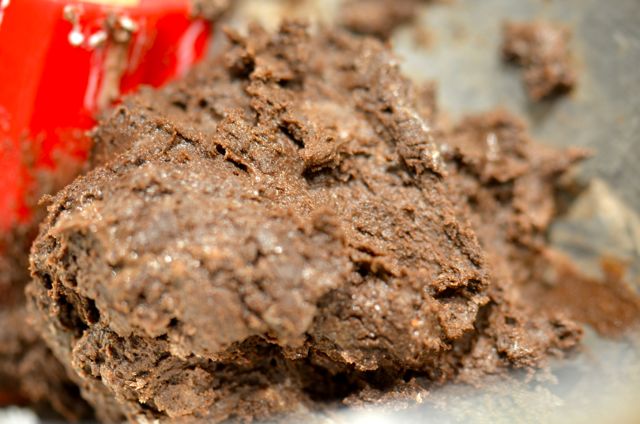
    Make a dough for a chocolate crust.

    Macadamia nuts and sugar, hard to go wrong.

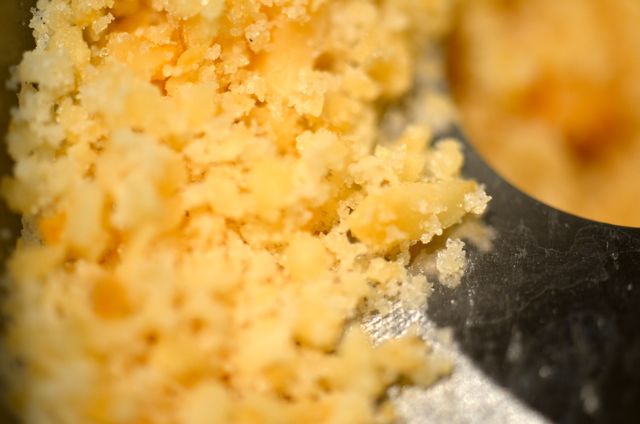
    Process the nuts and sugar for the filling.

    The inspiration for the dessert comes from the Hali’imaile General Store, but Carolyn’s actual recipe is an adaptation of a tart from King Arthur Flour. We like their recipes, as they tend to adapt restaurant-style baking to home kitchens. And in this case, the recipe did not disappoint. While we would never call this “simple” baking, it is less work than you might think and the steps are well-defined. If you like to bake (or have a rainy afternoon to burn) making this recipe is time well-spent. And the tart will certainly taste, and look, great.

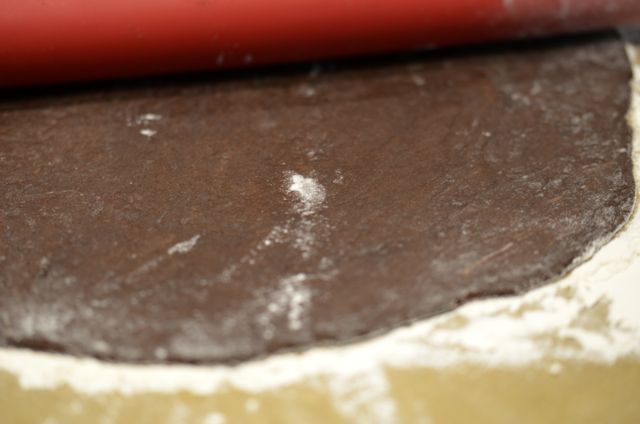
    Roll-out the dough for the crust.

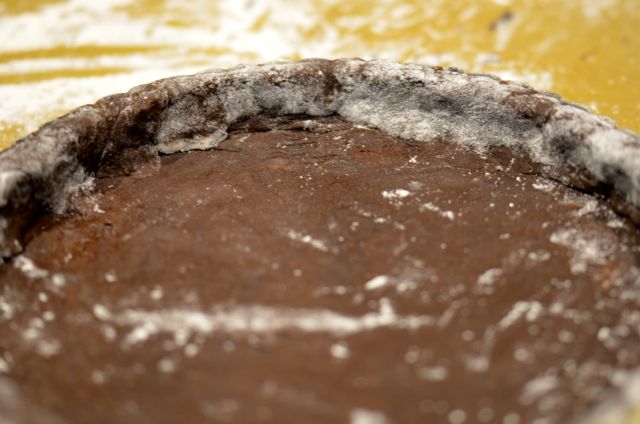
    Place the dough in the tart pan.

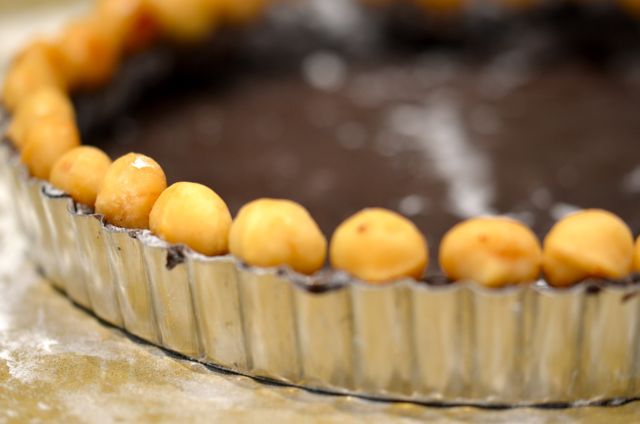
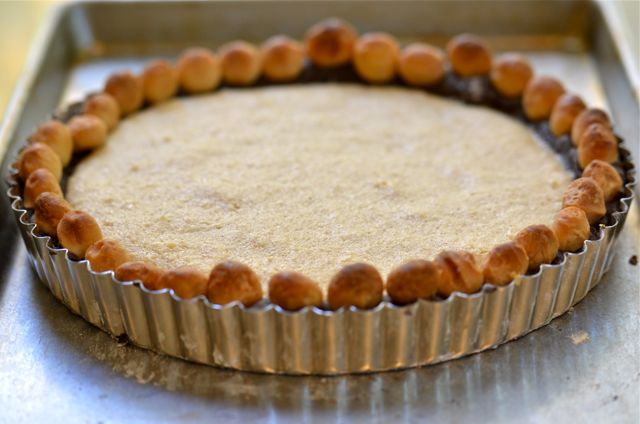
    Line the crust with whole macadamias and then blind-bake the crust.

    The recipe has a few discreet steps. Make a chocolate crust, blind-bake the crust, create a macadamia filling, assemble, bake and then layer on and broil (or torch) the bananas and sugar. Each step is not hard, they just need be done in sequence, and you need to take your time. The only tricky step is broiling or torching the sugar into a crust on top of the bananas- it requires close attention, but is worth the effort. This tart is not an “anytime” dessert, but it is great for special occasions.

    Add the macadamia filling and bake.

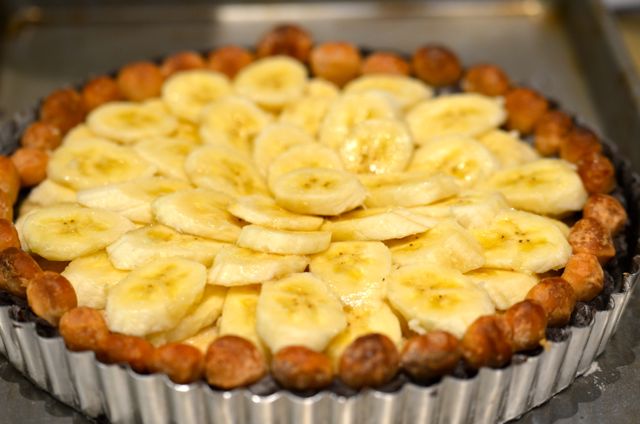
    Add the sliced bananas.

    Broil or torch the top with sugar, cool and serve.

    Continue reading

  • Simple Garden Recipes: Apricot Shrub (And a Bonus Cocktail)

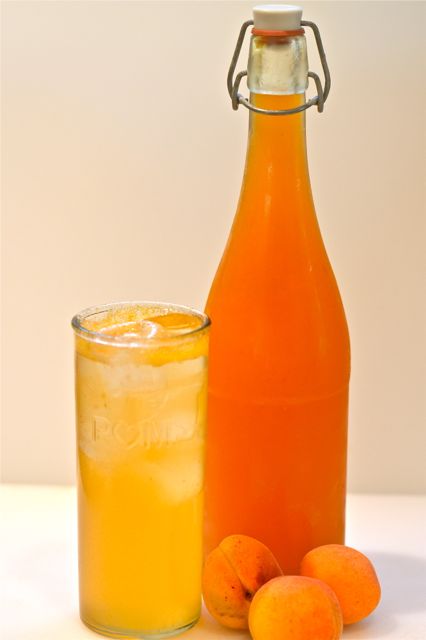
    Apricot shrub and apricot shrub soda.

    Last Apricot On Earth Cocktail using apricot shrub.

    Let’s get right to it, a fruit shrub is basically an equal mixture of fresh fruit, sugar and vinegar. Yes vinegar. But shrubs are better than you might think (actually quite tasty) and were a very popular way to preserve fruit in the days before refrigeration. And rather than tasting of vinegar, shrubs are sweet and very tangy. The vinegar acts as a flavor enhancer, somewhat like salt on savory foods- you don’t  know it’s there, but everything tastes better. A cool trick, and one that works with most summer fruits. And if you like cocktails or home-made soda, you should know about shrubs. But first a little “back story”…

    Blenheim apricots. Yum.

    Last week Carolyn and I traveled to wine country and then, ironically, started drinking cocktails. Happily both Napa and Sonoma have a number of restaurants and bars that feature world-class drinks, as well as excellent wine lists. One of the best places we visited was Bar Terra, an extension of the very well-regarded Terra in St. Helena. Bar Terra features a less formal and more “bar-driven” menu of smaller plates, wine and hand-crafted cocktails in a very welcoming atmosphere. The food and service were very good, but we did go for the drinks, and Bar Terra did not disappoint.

    The best cocktail we had at Bar Terra (and our entire trip) was a creation that is a riff on the Last Word, that just happens to have apricot shrub. If you are unfamiliar with the Last Word it is a roughly equal combination of gin, lime juice, maraschino liqueur and green Chartreuse. It sounds like a train wreck, but the Last Word is real alchemy, all the flavors blend into a well-balanced, refreshing cocktail. And the recipe invites mixologist to play around. We often ask good bartenders to make a Last Word variant, and the team at Bar Terra struck gold. Their version of the Last Word included dry gin, apricot shrub, maraschino liqueur and yellow Chartreuse (and maybe a touch of lemon juice). The drink was an absolute winner with the apricot shrub supplying both sweetness and tang, the gin and Chartreuse herbal notes and the maraschino liqueur some nutty flavors. And if you didn’t know a shrub has vinegar, you would never place the flavor, you would just notice a lovely, palate-pleasing “zing”. You can’t wait for another sip. We didn’t get a name for the cocktail, but we have an adapted recipe below, and in honor of Bar Terra we will call it the Last Apricot On Earth.

    Rinse your apricots.

    Pit and quarter the apricots.

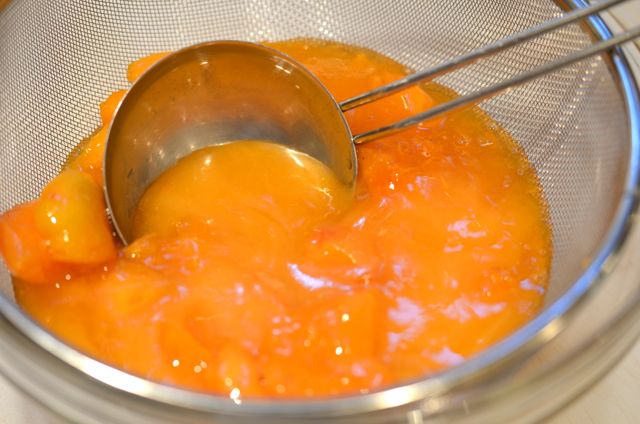
    We’ve known about fruit shrubs for some time, as they are popular in cocktail circles, but the cocktail at Bar Terra finally motivated us to make shrubs at home. And as we are near the end of apricot season, and there are Blenheim apricots available, we chose to make a “cold shrub” of the apricots before they were gone. Making the shrub is very easy. Simply mash and then macerate equal parts fruit and sugar, let a syrup form for a few days in the fridge and then strain and add an equal part of cider vinegar and mix. You can try the shrub immediately and it will be tasty, but it will “mature” and the flavors develop more with a few days / weeks. And it is not a vinegar, more like a preserved syrup. If you want a full breakdown on fruit shrubs Michael Dietsch of Serious Eats has a good article here.

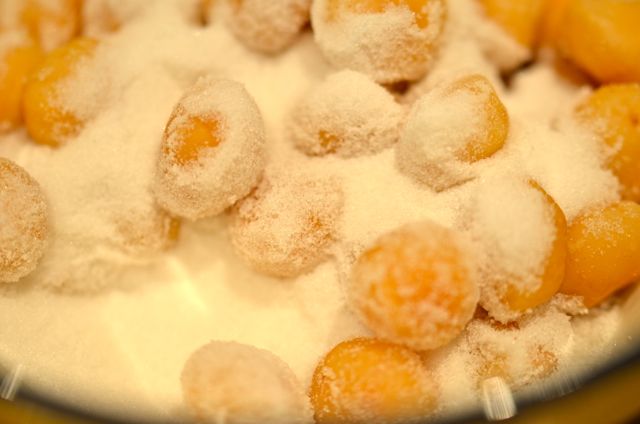
    Macerate fruit with sugar in fridge for 12-48 hours. 48 hours is better.

    Strain fruit syrup and add the vinegar.

    Continue reading

  • Simple Garden Recipes: Maraschino Cherries And Sweet Refrigerator Pickles

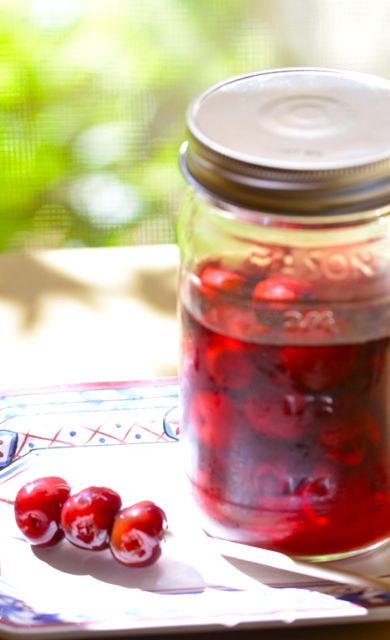
    Homemade maraschino cherries.

    Sweet refrigerator pickles.

    The bounty of summer often comes with a vexing question that basically boils down to, “what am I supposed to do with all of this stuff?!?” Wether you garden, join a CSA, shop the farmers market or simply succumb to the temptations of a roadside fruit stand, when we get summer fruits and veggies we tend to get a lot of them. All at once.  And not all produce stays fresh for very long. Abundance can have a (very slight) downside.

    Now possibly the best answer to this “challenge” is to share with friends, assuming they aren’t already overwhelmed with their own produce. But when generosity fails, preservation is the next step. Now if you want to get serious about preservation, we suggest you visit Wifemeetslife for an intro to canning- Alison has some great posts. And if you want to add some booze into the mix, then we suggest a visit to Boozed + Infused, where Alicia makes incredible fruit-based infusions.

    We can’t keep up with Alison and Alicia (although we are trying) but we do often use some short-term preservation techniques to extend our produce. For our cherries we make quick “maraschino” cherries and for cucumbers we make refrigerator pickles. Both are easy to make and extend the life of our produce by a few weeks. Oh, and both taste great.

    Just cherries and Maraschino liqueur.

    Just a quick simmer, then jar and chill for two days.

    As for the maraschino cherries, we take our end-of season cherries, lightly cook them in maraschino liqueur and then pop them in the fridge and let them macerate for two days and then the are ready and will last for a few weeks. While sour cherries may be the ideal, we use Bings or Vans and they are very tasty. Contrary to the bright pink, overly sweet store-bought maraschinos, home-made maraschino cherries are just a touch sweet with a bit of tartness and some crunch. The liqueur adds some lovely nutty flavors to the cherries. And they are not particularly boozy. We put the cherries in cocktails, on top of ice cream, between layers of cakes (yum) and simply eat them out of hand. Good stuff and a good excuse to buy one more basket of cherries (and add some maraschino liqueur to your bar).

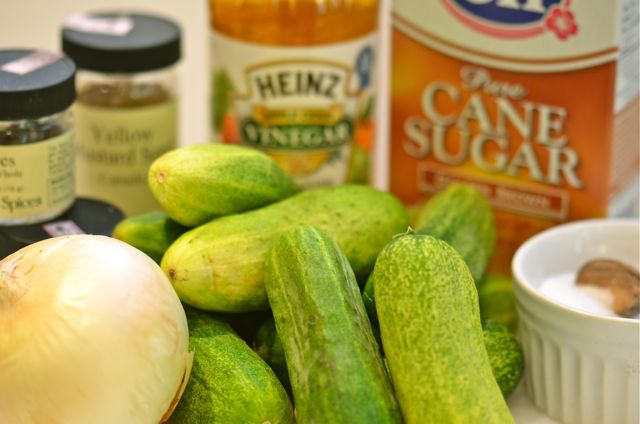
    Cucumbers, onion, vinegar, sugar, salt and spices. Simple.

    As for the sweet refrigerator pickles, we love our cucumbers fresh, or in quick pickles, but we like this recipe so much it is one of the main reasons we grow cukes and buy a lot at the farmers market. Making these pickles is a snap. Simply cut up some pickling cucumbers (Kirbys are good here) and a bit of onion and then quickly/lightly cook in a solution of brown sugar, vinegar, salt and spices. Let the mixture cool and then put it in the fridge, the pickles will keep for about 10 days, but they won’t last that long. The pickles are sharp, sweet and crunchy with just a touch of spice. We eat them out of hand but also put them on sandwiches or serve them with burgers and hot dogs at cookouts. We also chop the pickles up into a quick relish- so good. And our kids love them, so it is a good way to get a few more veggies in their diet. Continue reading

  • Chad’s Squid With Frying Peppers

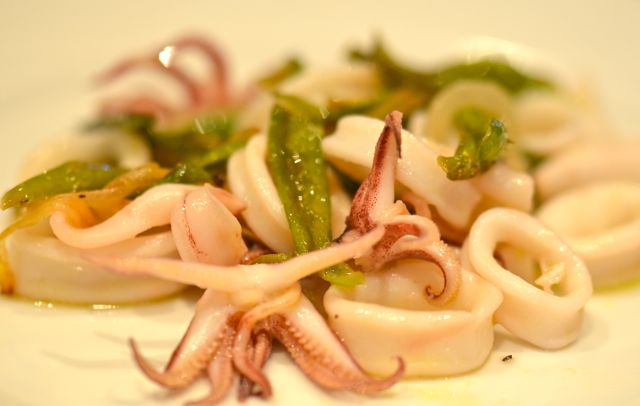
    Chad’s squid with frying peppers.

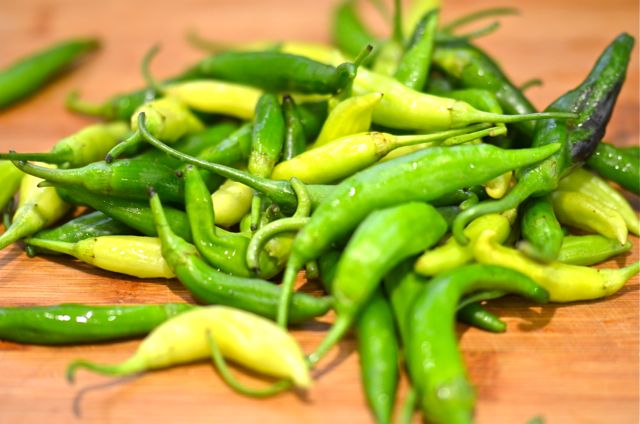
    As we move deeper into summer our garden and the farmers market start to show an abundance of small “frying peppers”. Frying peppers make up a family of small, usually sweet, thin-skinned, peppers that start with a lovely pale green but will move to a deep red over time. While they have a variety of names (Jimmy Nardello, Shisito, Cubanelle, Italian frying, or Padron) most frying peppers are best served in simple preparations that highlight their sweet, grassy flavor. Many recipes simply suggest a quick, high-temperature fry in some olive oil and a touch of seasoning. That is a good way to enjoy frying peppers, and we do, but we also want to include them in main courses.

    Frying peppers, a real summer treat.

    Happily, our friend Chad (the professional chef and all-around good guy) made a simple, but incredibly tasty, recipe that combines squid and frying peppers. Chad made this last summer when peppers were in season and we couldn’t wait to try it again. The recipe combines sweet, buttery squid with the more herbal sweetness of the peppers, a dash of lemon and wine (if needed) provide some acidity and suddenly you have a light, balanced and very addictive dish. And a dish you can serve as an appetizer or a main course. And it takes just a few minutes to make.

    Simple ingredients but great flavors and textures.

    And this weekend our peppers came in, and the farmers market was full of early frying peppers (we had to augment our Jimmy Nardellos, we will plant more next year). And in a stroke of good luck, the fish guy at the farmers market had frozen, cleaned squid available. So we decided to go ahead and make the dish. A few quick text messages from Chad (thanks!) to confirm the basics of the recipe and we were off to the races.

    But first, a quick note on preparing and cooking the squid / calamari. Squid are affordable, widely available and quite tasty, but can be intimidating, particularly when you have to clean them yourself. Our advice is very simple. Don’t clean them yourself. Buy them cleaned or have your fish monger do it, squid are still inexpensive even when sold cleaned. If you must do it yourself, here is a good link on how.

    Saute the peppers and onions in a bit of olive oil.

    Otherwise, the key to cooking squid is that it either cooks very quickly over high heat, or low and slow in a braise. This recipe is a quick / high-heat recipe. But this means that it helps to cut the squid into pieces that are the same size so they cook evenly. If you have uneven pieces, the small pieces will be tough by the time the large pieces cook. The squid are done when the pieces are opaque and the edges curl. The best way to be sure the squid is done is to simply try a piece after a minute of cooking and keep testing. If tender and buttery, it’s done, take the squid off the heat. The squid will still cook a bit more from residual heat.

    Quickly cook the squid with olive oil and a dash of lemon and wine.

    As for making the dish, it is a very simple preparation. Clean the peppers, slice and the remove the seeds. Sauté the peppers with a few slivers of sweet onion in some olive oil until the skins slightly blister, about 6-8 minutes, and lightly season. Meanwhile slice the squid and then fry, over very high heat, in some olive oil for just 1-2 minutes.The squid will release liquid that provides the base for a light sauce. Add a dash of wine, a squeeze of lemon and then add the peppers and onion to the squid. Taste for seasoning and add salt, black pepper and some red pepper flakes if you like a touch of heat. Serve with rice, pasta or some crusty bread.

    Combine the peppers and squid, season and serve.

    We enjoyed this dish as much as the first time we tried it. The squid was buttery and sweet and the peppers added incredibly fresh flavors. It simply tasted like summer. And it is a light and healthy dish as well. So if you have frying peppers this summer, the first thing to do is just fry and eat them. But if you want to use the peppers in something more, try this dish out, it’s a winner. Thanks Chad!

    Chad’s Squid With Frying Peppers:

    (Adapted from Chad Callahan)

    Notes Before You Start:

    • There are many varieties of frying peppers, but you want small, thin-skinned peppers. Taste them for heat before you start the dish. Red or green varieties both work.
    • Frozen squid are not only fine for this dish, but preferred. Freezing helps tenderize squid. Continue reading