• Simple Garden Recipes: Maricela’s Oven-Roasted Tomato Salsa

    Maricela’s Oven-Roasted Tomato Salsa

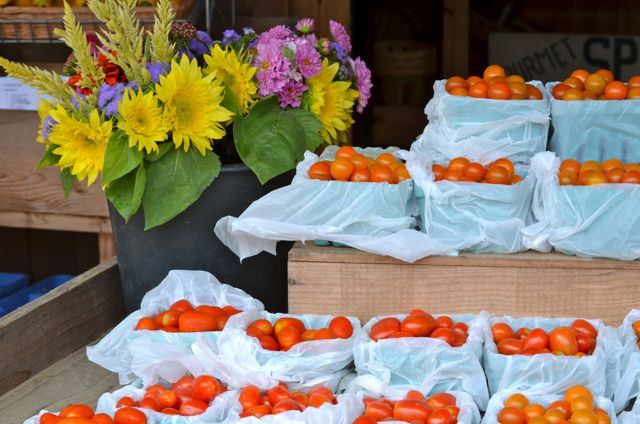
    As we often mention in our blog, the garden dictates much of what we cook this time of year. And since we have sweet tomatoes and spicy Serrano peppers, it’s time to make salsa. But not just any salsa. We asked our friend and awesome Mexican cook (see her Posole recipe here) Maricela join us to share one of her salsa recipes. And while Maricela has a number of tasty salsas, with our tomatoes so ripe and sweet, she chose this version of oven-roasted tomato salsa.
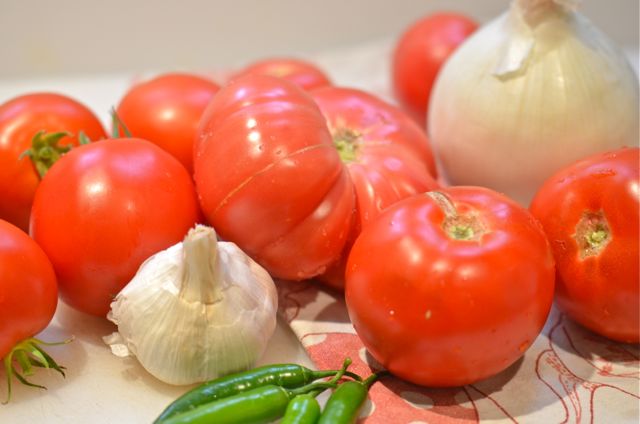
    Just a few ingredients. Quality and technique matter.

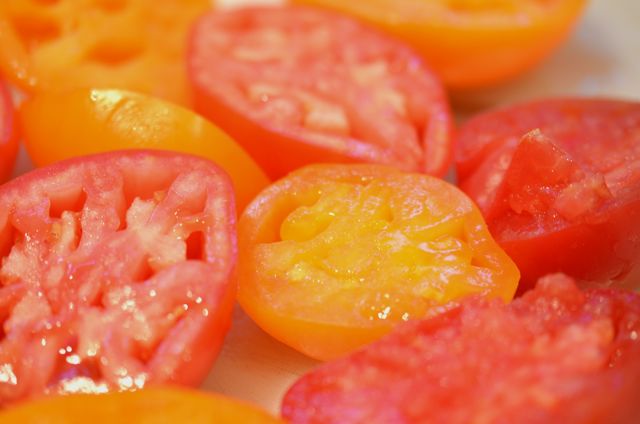
    Roast your tomatoes, peppers and garlic.

    The salsa itself has only 6 ingredients; tomatoes, garlic, peppers, onion, salt and a dash of water. But the right in-season ingredients, matched with a few key techniques and a little time, makes for a lovely sweet, bright and slightly hot salsa that you can use on just about any dish (probably not ice cream, but you get the idea). The only “special” equipment you need is a blender or food processor. And as this salsa is briefly cooked, it keeps for a while too.
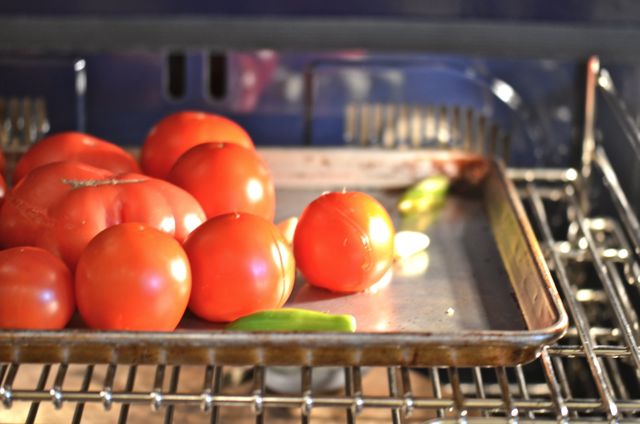
    Remove the peppers and garlic halfway through the roast.

    Fully-roasted tomatoes. Note the syrup and caramelized bits- they need to go into the salsa.

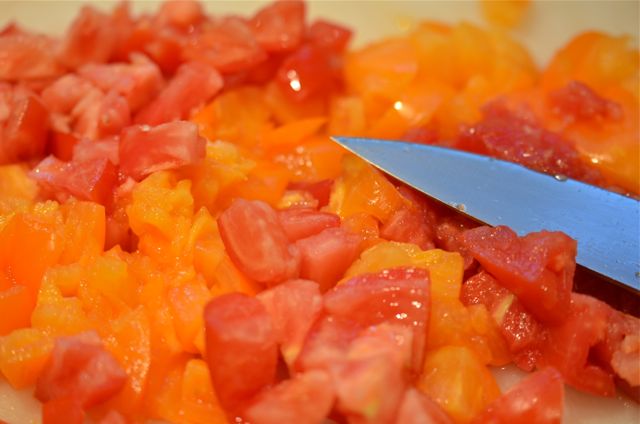
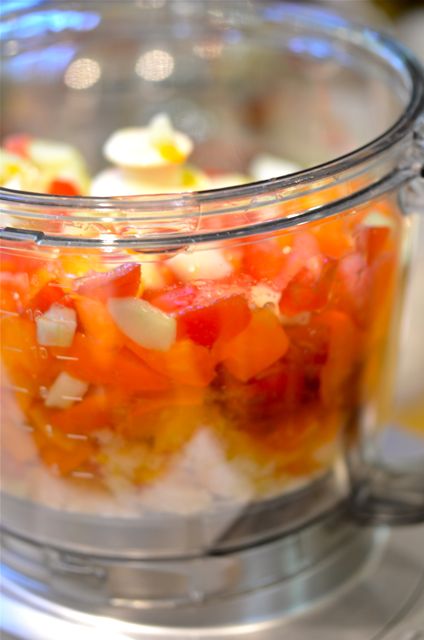
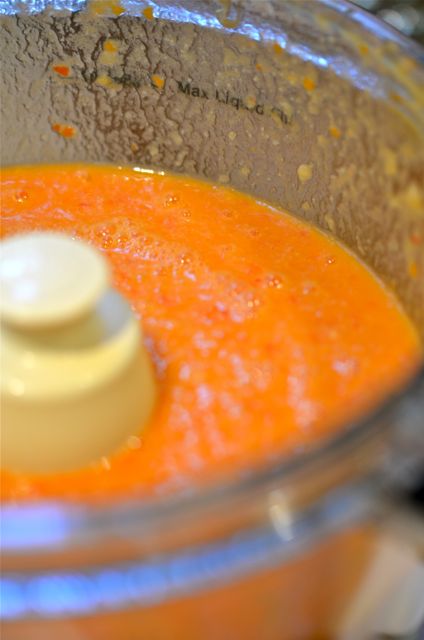
    Making the salsa is easy, but as we mentioned earlier, a few techniques matter. Firstly, you clean and core your tomatoes and roast in a very hot oven with the garlic and peppers (your kitchen will smell amazing). But a key is to remove the peppers and garlic halfway through the roast so they don’t burn and crate acrid flavors. Also, when the tomatoes are done, remove one tomato and put it in the blender with the peppers and garlic (add a splash of water if too dry)to create a very fine purée before adding the other tomatoes. This ensures that you don’t get rough chunks of garlic or peppers and their flavor is evenly distributed in the salsa. Then you add and purée all the tomatoes, but be sure to scrape all the caramelized liquid and brown bits from the baking sheet into the blender- this is where the extra sweetness comes from. And this extra sweetness is the perfect balance for the heat of the peppers. Finally, add your finely diced onion (see the photos and notes for Maricela’s technique) for extra bright and fresh flavors after you briefly reduce and cool the tomato mixture. None of these steps takes much extra time, but the attention to detail makes a world of difference.

    For a fine dice, make multiple top-town cuts in the onion….
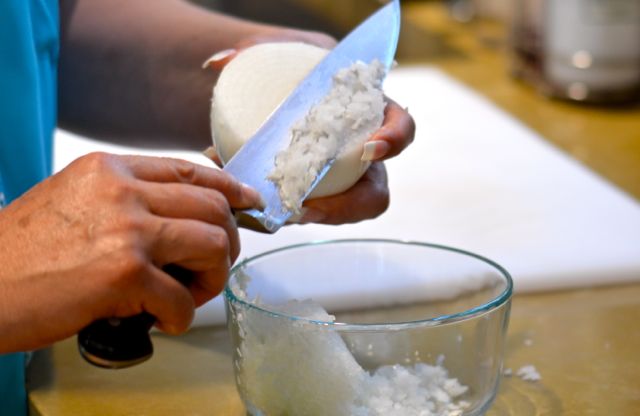
    …then shave the fine dice from the onion for maximum flavor. Continue reading
  • Gazpacho Andaluz

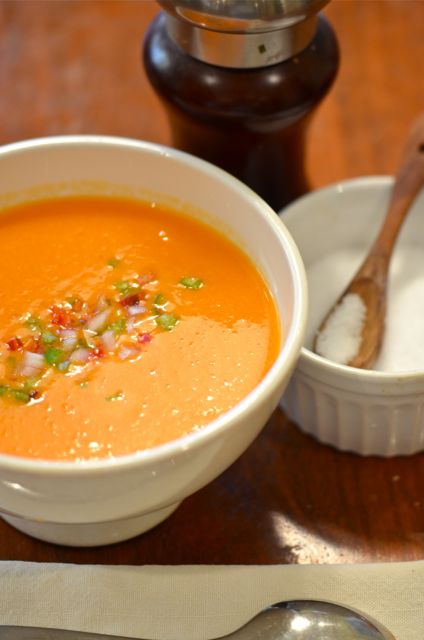
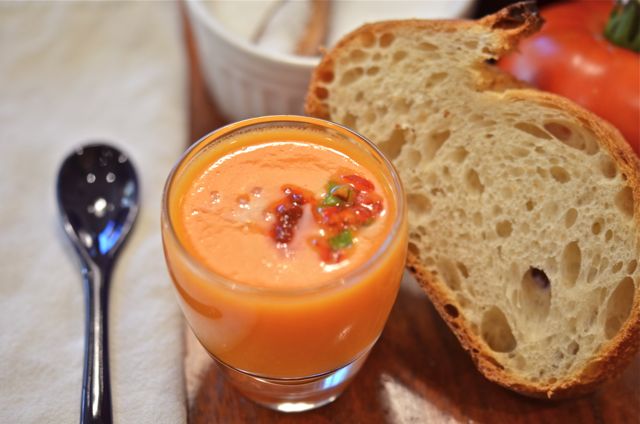
    Gazpacho Andaluz.

    More Gazpacho Andaluz.

    As we often note in the blog, this time of year the garden dictates much of what we cook. Happily, we have ripe tomatoes, cucumbers and peppers in the garden. And it’s hot, so we don’t want to spend too much time at the stove. So not surprisingly, we make gazpacho, the famous cold vegetable soup of Spain. But what may surprise is that we have mixed feelings on gazpacho. Carolyn loves almost any good gazpacho, but my feelings are sometimes mixed (I think the flavor is sometimes garlicky or muddy and the texture too chunky). But this recipe changes that, we both love this version of gazpacho.

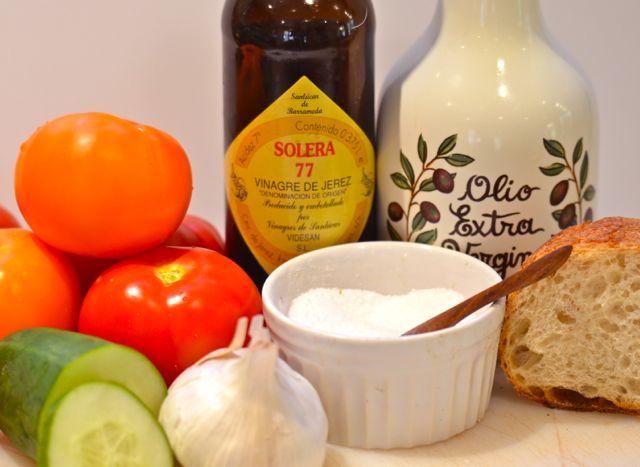
    Ingredients straight from the garden.

    Our recipe is adapted from Saveur, like most gazpacho recipes it includes ripe tomatoes, cucumbers, peppers, onion, garlic, bread, sherry vinegar, oil, water and salt (we also like a touch of smoked paprika). But unlike most recipes, it focuses on the tomato and cucumber, lightens the garlic and uses the onions and peppers for garnish. The recipe also calls for the gazpacho to be pureed in the food processor and then passed through a coarse sieve. While this is just a bit of extra work, what you get is a light, smooth gazpacho with very clean and bright tomato flavor. As a garnish, the peppers and onions add crunch and bright flavors, but without dominating. We think it looks good, too.

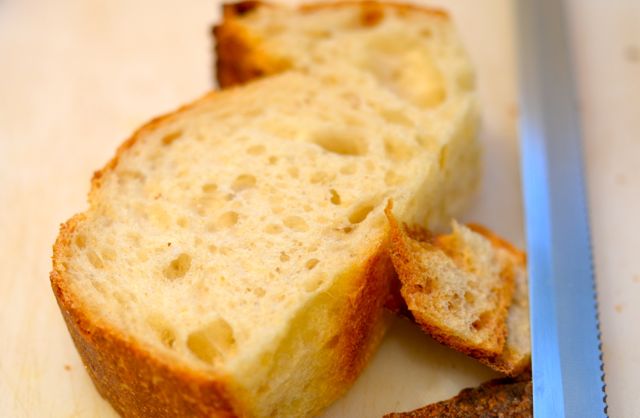
    Remove the crust and soak the bread.

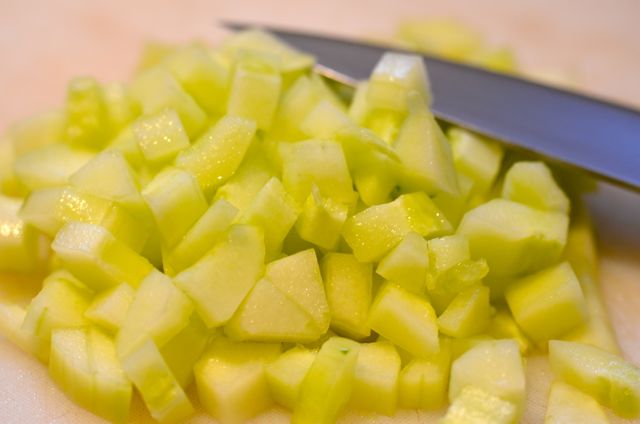
    Peel, core and chop the cucumbers.

    Slice the tomatoes crosswise and squeeze out the seeds.

    Coarsely chop the tomatoes.

    And when the tomatoes are super-ripe and sweet, this dish really sings. As our friend, chef and Spanish food aficionado Chad says, “gazpacho is great when you need the vinegar to balance the sweetness of the tomatoes, instead of looking for sweetness to offset the vinegar”. We think Chad has it right. And one of the best things about this dish is that you can follow the base recipe and add vinegar, salt and smoked paprika to balance the flavors. And since there is just a touch of garlic in this version of the dish, you can actually enjoy the sweet tomatoes.

    Vegetables, bread, oil, vinegar and water into the food processor.

    Puree until very smooth. Continue reading
  • Simple Garden Recipes: Mission Figs

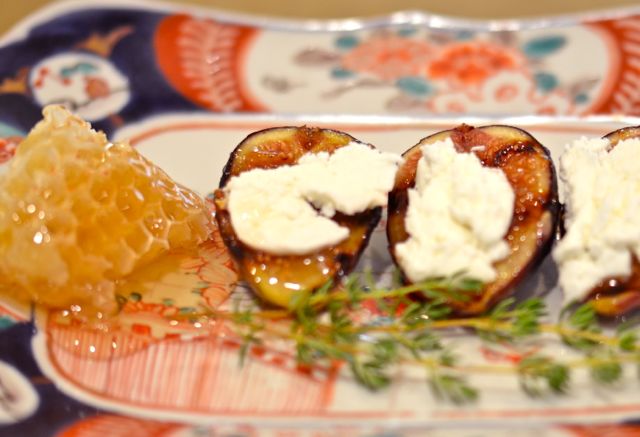
    Grilled Black Mission figs. Just add honey and goat cheese for a classic dessert.

    While we try as much as we can to eat from our own garden and orchard, sometimes we get impatient and succumb to temptation. And that is the case with mission figs. Ours are coming in, but still a few weeks away. Meanwhile the farmers market is just brimming with ripe, beautiful, black mission figs. And we are huge fans of mission figs, so we gave in and bought some. Whatever feelings of guilt we had, if any, didn’t last long.

    And if you enjoy figs, you know why we had to give in. There are few fruits so pretty, sweet, juicy and easy to enjoy- figs are easy to love (good for you, too). And it has been that way for thousands of years. Figs are one of our oldest and most established foods, and were a treat in almost all the early mediterranean cultures. Greco-Roman mythology, the Bible and the Koran are filled with references to figs, and even the Buddha achieved enlightenment under a fig tree. It’s safe to say that figs have been enjoyed for quite some time.

    And our first fig dish may literally be thousands of years old. It simply combines grilled figs, honey and goat cheese (and some herbs if you like). As we ate the dish, and it was just great, we had to think about how long the ingredients have been around. Honey, goat cheese and figs were all delicacies in ancient Egypt. We don’t know if they grilled or caramelized the figs, and we hope they did, but we have no doubt they enjoyed a dish similar to this one. That struck us as kinda cool…

    Grilled Figs with Honey and Goat Cheese.

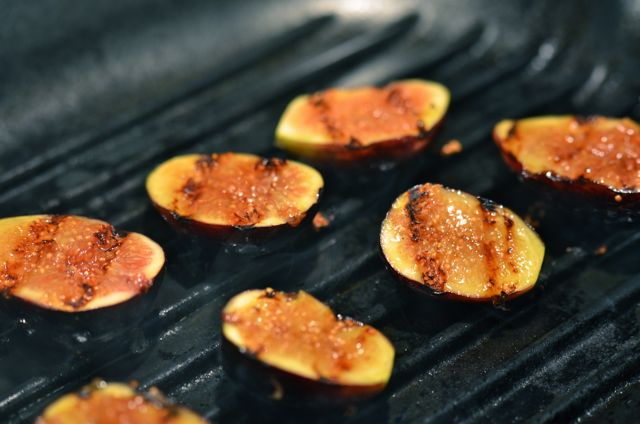
    To make the dish, you simply heat a grill or grill pan over high heat. Then lightly brush the figs with vegetable oil and place them on the hot grill and cook for 1-2 minutes on each side, or until the figs caramelize and soften. Then remove from the heat drizzle with honey and add some fresh goat cheese to each fig. You can also add a bit of rosemary and/or thyme to the honey, if you like. (We used our honey, a real treat). And the flavor is very, very good. This dish is openly sweet from the caramelized figs and the honey, but balanced by the slightly sour tang of the goat cheese. You could eat this dish as a starter, but it’s best as a dessert. And if you don’t like cheese in desserts, this recipe will change your mind.

    Figs with Blue Cheese, Hazelnuts and Serrano Ham

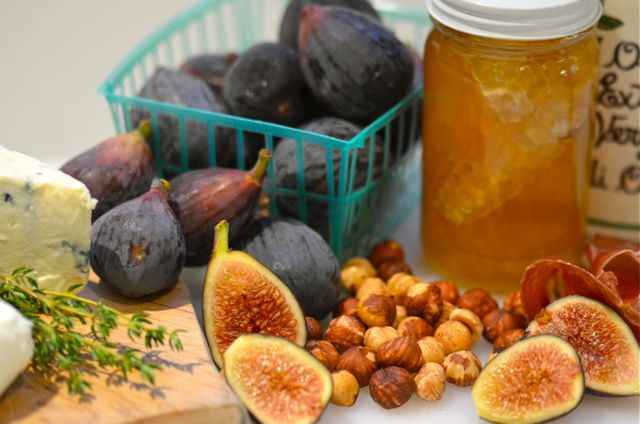
    Our other recipe for figs could be served as a dessert, but we think is best as a starter or light lunch. This dish simply combines sliced ripe figs, blue cheese, hazelnuts and cured ham like Serrano or prosciutto. This is so easy to make, it’s almost hard to call this a “recipe”, but the flavor combinations are truly special. Sweet figs, funky blue cheese, earthy hazelnuts and salty ham cover all the flavors- and multiple textures. A great dish offers an array of flavors and textures so each bite is exciting, and this dish delivers. And it is fun to experiment, just put out a plate and enjoy different combinations.

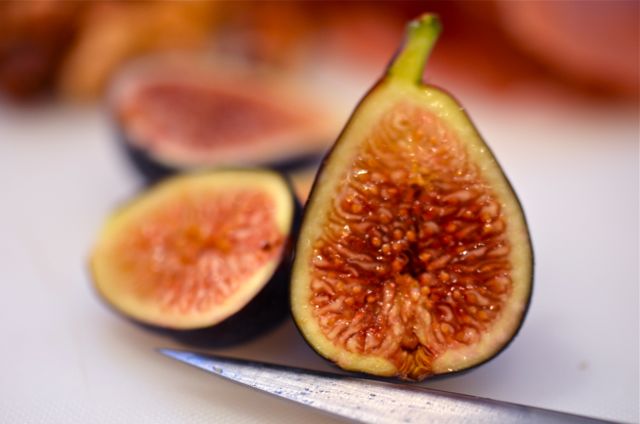
    Our figs are still a few weeks out…

    So while we might feel a tiny twinge of guilt that we didn’t wait for our own figs, we feel pretty good about enjoying these figs now. And, by the way, these same dishes will work with other fig varieties like Brown Turkey or Calimyrna. And when you eat figs, take a moment to ponder that you are eating the food of pharaohs and prophets, but you might be getting it just a bit better…

    Grilled Figs with Honey and Goat Cheese:

    What You Get: A classic, and probably ancient, dessert with fresh figs.

    What You Need: No special equipment required.

    How Long? 5-10 minutes. Anytime dish when figs are in season.

    Continue reading
  • Caprese Salad

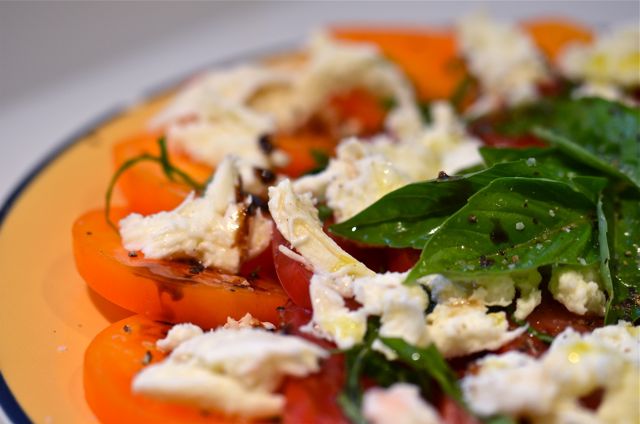
    Caprese Salad. Sometimes simple is best.

    We feel a bit sheepish even posting this recipe, as the Caprese is as simple as it gets (and there are hundreds of recipes online). But we have our own tomatoes and basil, and a good source of local mozzarella, so this is what we are eating. Tomatoes/mozzarella/basil might be our favorite flavor combination, perhaps only matched by potatoes/fat/salt and butter/sugar/flour 😉 . We will eat this dish almost daily until the tomatoes run out…so might as well take some photos and write a post

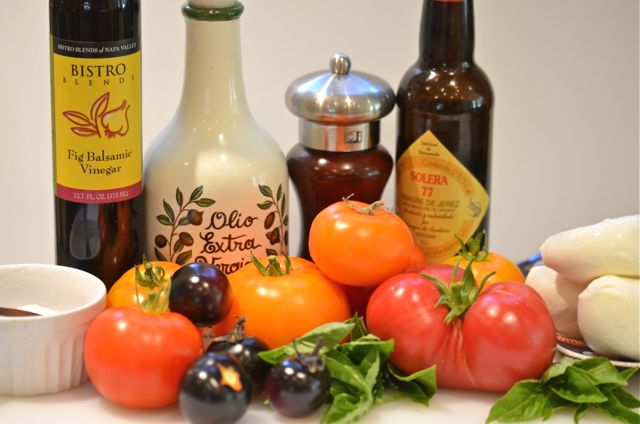
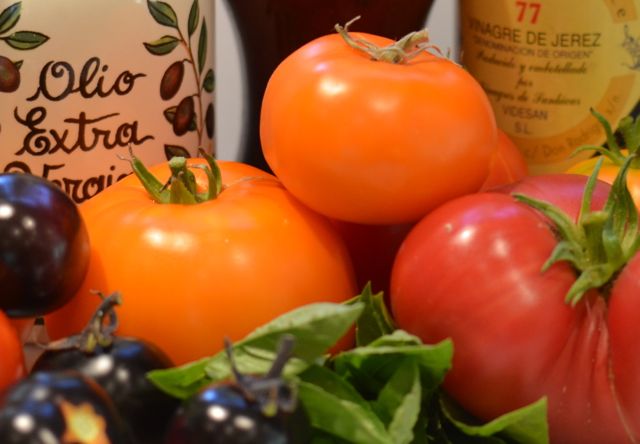
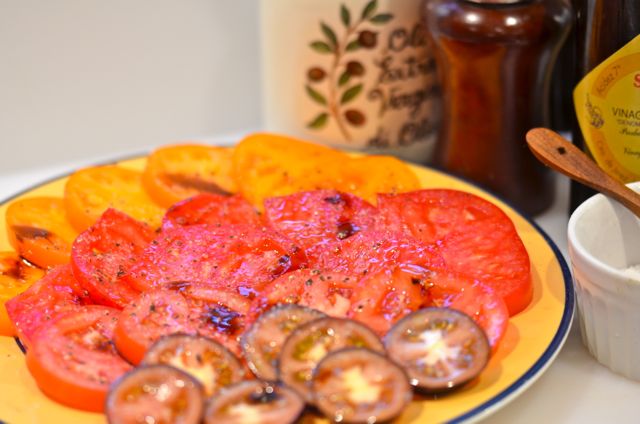
    Just a few ingredients. But a variety of tomatoes and vinegars adds extra pop.

    And while the Caprese salad is a very common recipe, there are a few ways to make the most of the dish. Firstly, you need fresh ingredients. Ripe tomatoes and fresh basil are key, as is good quality mozzarella. If you have a good local producer of mozzarella, try their cheese. If not, ask a good cheesemonger for a recommendation, as there are good nationally distributed mozzarella. Secondly, adding salt, pepper, olive oil and vinegar will add flavor and depth to the dish- without distracting from the core ingredients. Using two vinegars also brightens the flavor, we like sherry and balsamic vinegars, just not too much. Third, using a variety of tasty, ripe tomatoes provides more flavors and textures- and it looks good too (although most Caprese salads look good). UPDATE: And finally, as Stefan from Stefan’s Gourmet Blog (one of our faves) points out in the comments below, letting the cheese come to room temperature is a big help- it improves both the flavor and texture.

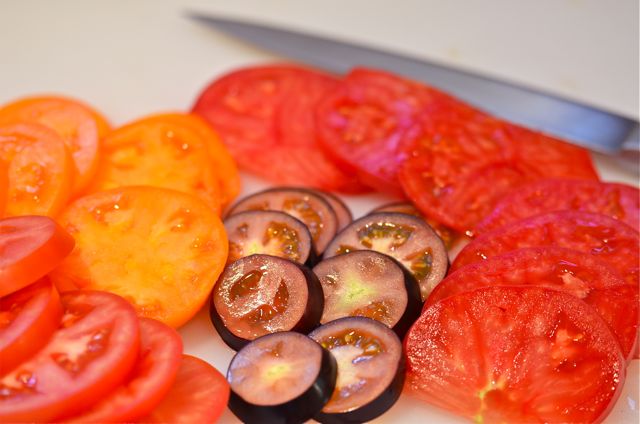
    We like the extra color on the plate.

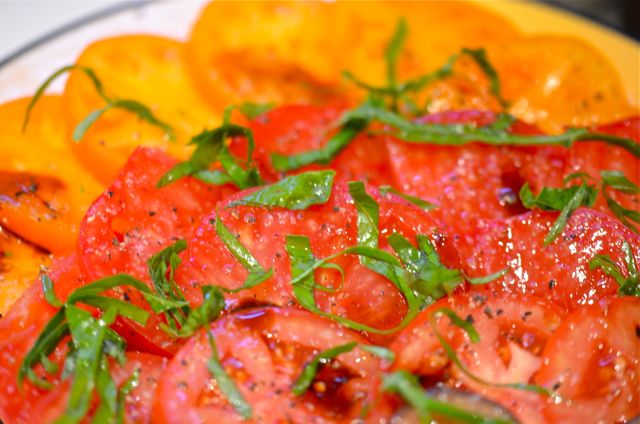
    Arrange the tomatoes and season.

    We also suggest a few techniques to make the most of the salad. We season each layer as we build the salad, this sounds fussy, but you want salt and pepper on each tomato slice. And a chiffonade of basil combined with whole leaves provides the most basil aroma, which is hard to beat. A chiffonade is simply thin strips of herbs or leafy vegetables. To make a chiffonade, roll some basil leaves into a cylinder and then thinly slice crosswise into thin strips. The slicing will release more of that awesome basil perfume, but also discolors the basil somewhat, so it is best to make the chiffonade just before assembling and serving the dish.

    Add the basil.

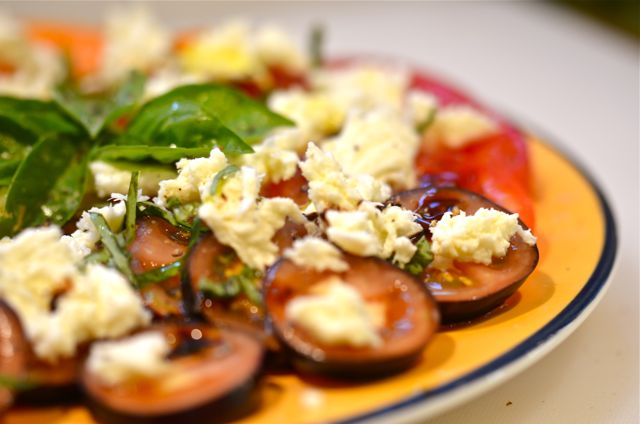
    Add the cheese, oil and vinegar. Season and arrange the whole basil leaves. Serve.

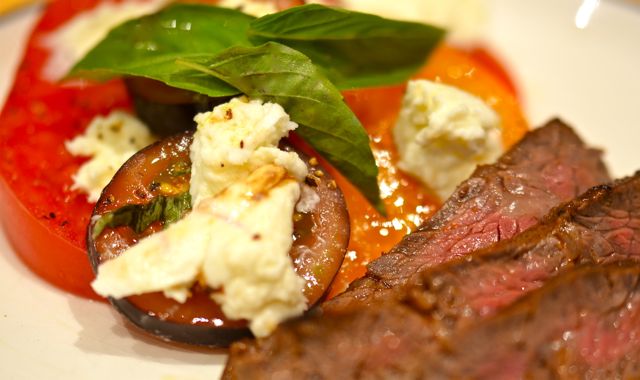
    Served with seared skirt steak, a very nice dinner.

    And how do you serve a Caprese salad? Just about any way you want. This dish works as a starter, side salad, or even a main course. Put it between a few slices of bread and you have a great sandwich. We like to serve the Caprese as a large side salad along with a small serving of meat or fish- we are particularly fond of seared skirt steak with the Caprese. And while we love our cocktails, a good bright red or white wine will certainly go well with this dish. A sunny day doesn’t hurt either…

    Caprese Salad:

    Notes Before You Start:

    • Fresh, ripe tomatoes are key. If you don’t have them, don’t bother.
    • Fleur de sel or quality sea salt, with its crunch, is a good salt to use on this dish.

    What You Get: One of the best dishes in the world. Seriously.

    What You Need: No special equipment required. Just good ingredients.

    How Long? Five minutes or less. Slice, arrange, season and serve. Anytime dish when tomatoes are in season.

    Ingredients:

    (Serves 2 as a large salad, 4 as a side dish or starter)

    • 1 and 1/2 pounds of ripe tomatoes (3 large or 5-6 medium tomatoes)
    • 3/4 pound of fresh mozzarella cheese
    • 12 basil leaves
    • 1 tablespoon olive oil
    • 1 teaspoon sherry vinegar
    • 1 teaspoon balsamic vinegar
    • Kosher salt or fleur de sel
    • Fresh black pepper

    Assemble:

    1. Wash, core and slice the tomatoes into 1/4 inch disks. Slice the cheese into 1/4 inch disks or break the cheese into small pieces. Layer tomato slices on a serving plate and season with the salt and pepper. Add half of the oil and vinegars.
    2. Chiffonade half of the basil leaves and scatter over the tomatoes. Evenly distribute the cheese over the tomatoes and basil. Season with salt and pepper and sprinkle on the rest of the oil and the vinegars. Arrange the whole basil leaves on top of the cheese and serve.
  • Simple Garden Recipes: Summer Corn Salad

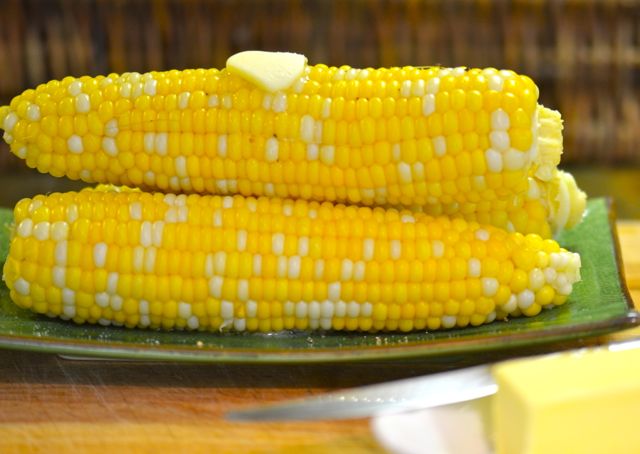
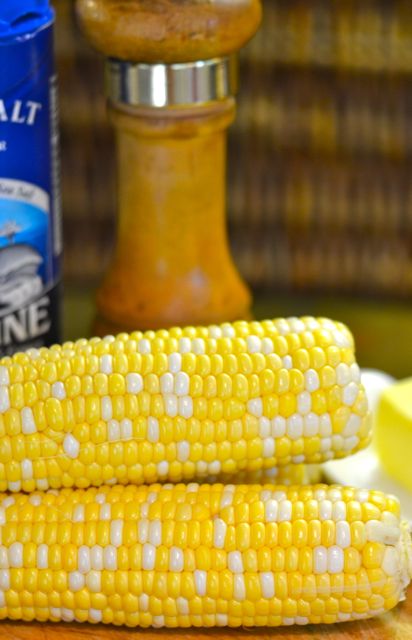
    Corn on the cob. So easy we almost feel guilty posting it.

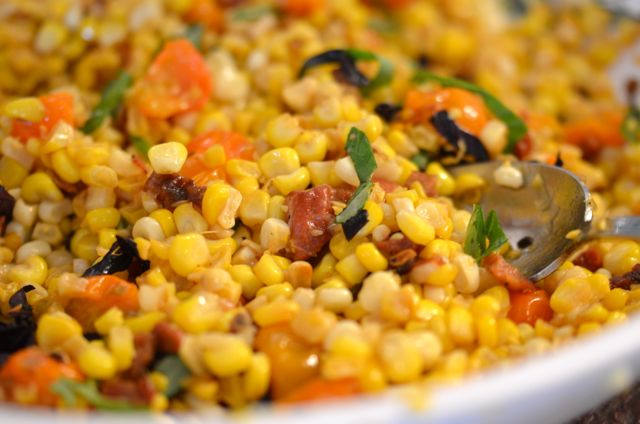
    Summer corn salad.

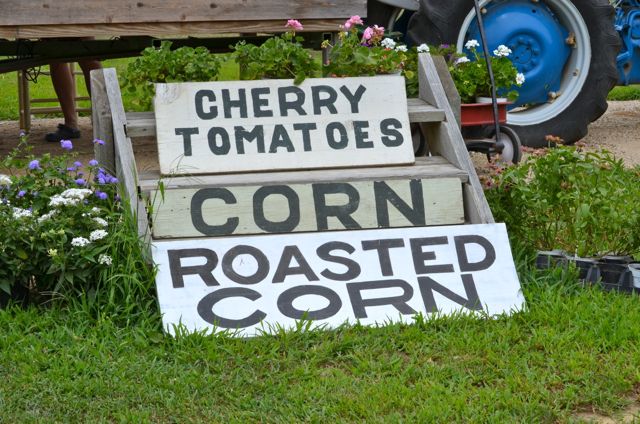
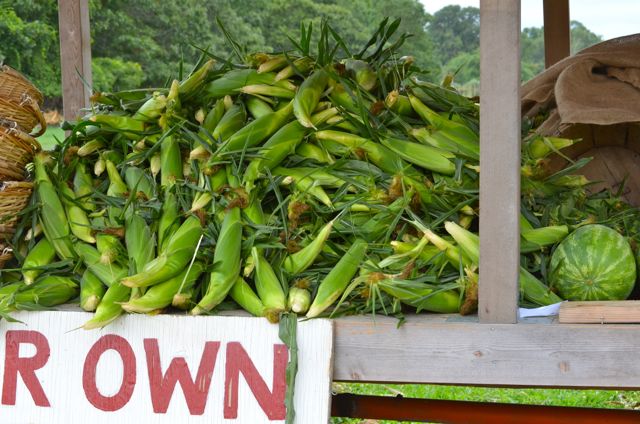
    When you see this, stop and buy some corn.

    On the east coast of the US no other food says “summer” quite like fresh corn on the cob. Farm stands selling corn picked that morning are literally everywhere. And it is quite common (at least with our family and friends) to hear people arguing over what stand has the “best” corn. These arguments sound like wine aficionados comparing appellations and vintages- slightly ridiculous, but great, harmless fun. And while all the fresh corn here is good, there are differences between farms. We are lucky to have so many choices.

    The other argument you might hear is where the best corn comes from. Not surprisingly we are fans of eastern Long Island corn. The weather and soil are perfect, the demand is high and the farmers compete to raise the best corn. A good combination. Now, we also enjoy corn from New Jersey and other mid-Atlantic states, but we know of no other area where the farms are just a few minutes away from most of the people. You can literally bring your water to a boil, drive, bike or walk to the farm stand in less than five minutes and then bring the corn back and put it in the pot. And then you are just three minutes from heaven. And we do mean 3 minutes…

    Why 3 minutes? Well, if you have fresh corn, the best way to enjoy it is to eat it off the cob with minimal cooking. Simply boil the water, drop the corn in the water for three minutes. Once cooked, remove the corn from the water, slather with butter, liberally apply salt and pepper and serve. Perfection. The corn will be cooked but still very crisp and sweet. If you must cook the corn longer we suggest that 3 minutes=”rare”, 3.5 minutes= “medium rare”, 4 minutes= “Medium”, etc. But we suggest that anything past medium will rob the corn of its crisp texture. And the corn’s flavor and texture are some of the best nature has to offer.

    3 minutes- Max!

    Continue reading
  • Steamed Littleneck Clams: Summer In A Shell

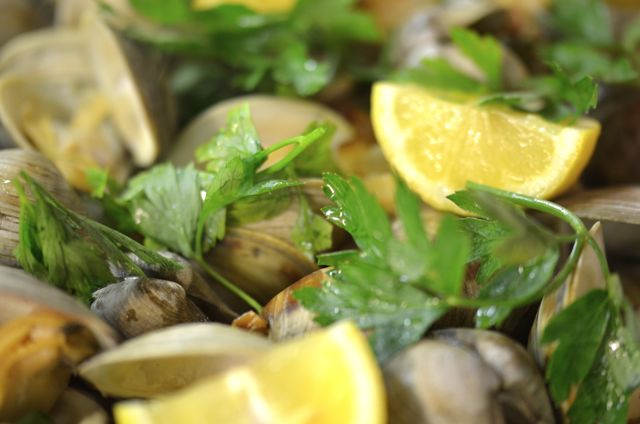
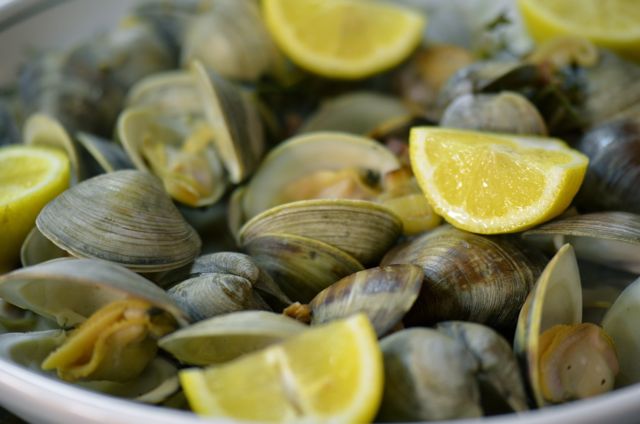
    Steamed littleneck clams.

    We will cook many recipes during our time at the beach, but this dish will be served at most of our meals. Appetizer, starter, main dish- no matter, just good stuff. Littleneck clams, with a touch of cured pork, onion, herbs, bacon and wine might be the most tasty, and easy, summer dish we make. And if you have good hardshell clams, you need to make this dish, just invite some friends.
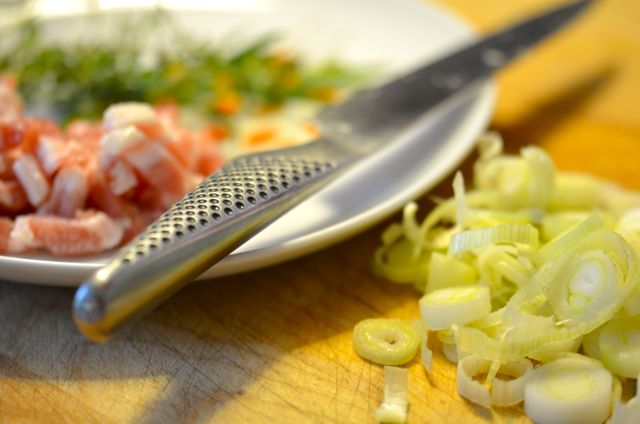
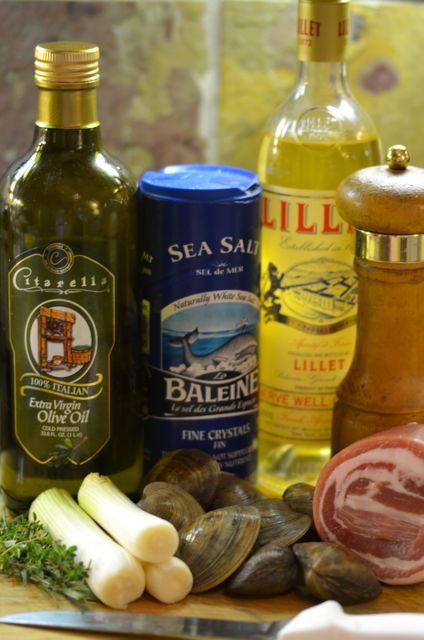
    Just a few ingredients.

    The key to this dish, like many seasonal recipes is what you don’t add, rather than any extra ingredients or technique. It is very, very simple- and sometimes (most of the time?) simple is good. Brown some tasty cured pork (bacon, pancetta, chorizo if you like spicy, etc.) then add some sweet onion and herbs, add some seasoning to taste and soften the onion. It will smell good. Then add some wine, bring to a boil and add the clams and cover the pot. Shake the pot every few minutes. It will smell even better. You will find yourself popular. Steam the clams until they open (or if uneven size, remove the clams from the pot as they open). Remove from the pot, garnish with lemon and parsley and serve. The whole thing will take 10-15 minutes.
    Chop your bacon and onions.

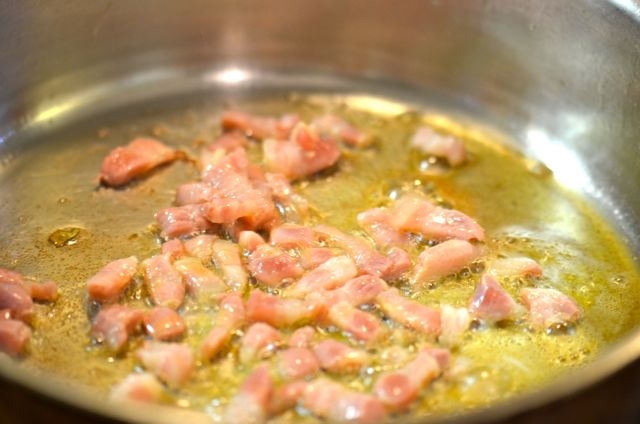
    Brown your bacon.

    It may almost seem like cop-out to say this is a world-class dish, but it is. There are only so many fresh clams in the world. A good cook lets them shine.  You may want to add some cherry tomatoes, breadcrumbs, or red-pepper flake, but go easy. The clams do the work for you. Briny and meaty, but tender (if you pull them from the heat when they open) the clams are a treat. And they even give you a tasty broth for bread-dipping. Nice.

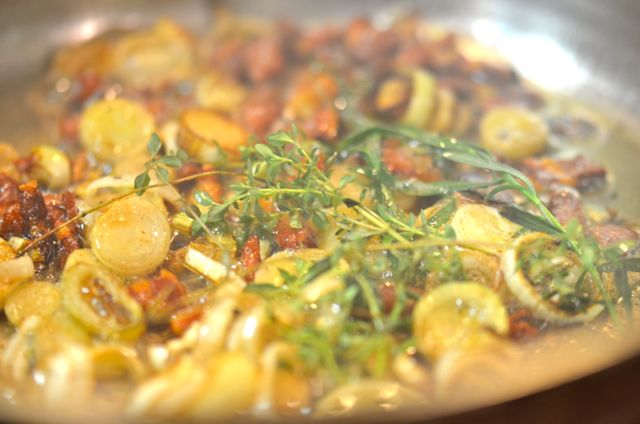
    Add onions and herbs. Soften the onion.

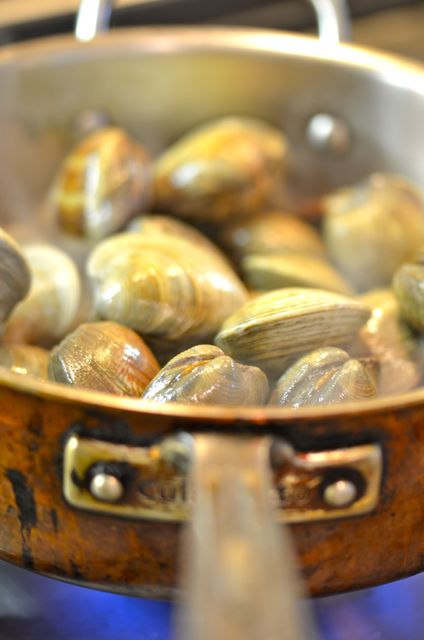
    Add wine and clams. Steam the clams.

    When the clams open, they are done.

    We use littlenecks because they are small enough to cook quickly and are more tender than larger cherrystones and chowder clams. We serve 4-6 clams per person as a starter and 8-12 per person as a main course. Everything cooks in one pot (and you can even serve from the pot, if you like) so this is a great dish when entertaining. So if you have access to some good clams, try this dish out and be ready to make a few new friends…

    Steamed Littleneck Clams:

    Notes Before You Start:

    • Make sure to use fresh clams and get them from a trusted source. All clams have tags that show when and where they were harvested, if you have any doubts ask to see the tag.
    • Clams open when they are cooked. Remove them from the pot when they open to get tender clams. It is just a bit of extra work.

    What You Get: An easy, but incredibly tasty seafood dish that works at almost any meal (except breakfast, I guess).

    What You Need: No special equipment required.

    How Long? 15-20 minutes. Anytime dish.

    Ingredients:

    (serves 4 as a starter)

    • 2 dozen littleneck clams, rinsed of sand or dirt
    • 2 tablespoons olive oil (or butter, if you prefer)
    • 2-3 slices of bacon, cut into lardons
    • 1/2 cup chopped sweet onion
    • 2 tablespoons of chopped fresh herbs like thyme or tarragon
    • 1/2 cup dry white wine
    • Salt and pepper
    • 1 lemon, cut into wedges, for garnish
    • 6-8 sprigs Italian parsley, form garnish

    Assemble:

    1. Rinse the clams. Chop the onion and herbs. Slice the bacon into lardons.
    2. Heat a large pot over medium-high heat. Add olive oil and then add the bacon. Brown the bacon until crisp, about 2-3 minutes. Add the onion, herbs and a touch salt and pepper. Cook until the onion is soft, another 2-3 minutes.
    3. Add the wine and allow it to come to a boil, then add the clams. Stir the clams in the wine and then cover. Steam the clams until they open, about 8-10 minutes. If some clams open early, remove them from the pot and place them in a separate bowl. Taste broth and season, as needed. Discard any clams that don’t open.
    4. When clams are done, pour clams and broth to a serving bowl. Garnish with lemon wedges and parsley. Serve with crust bread, if you like.