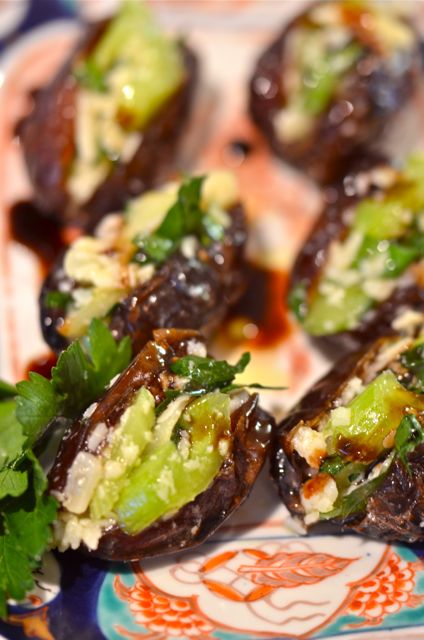
• Medjool Dates Stuffed With Celery and Parmesan

    Medjool Dates Stuffed with Celery and Parmesan.

    As we move towards the holidays we break out quick recipes for entertaining. When we host a party we tend to serve a few quick snacks, usually a mix of hot of cold dishes. One of our favorites is just radishes, butter and salt, but this combination of sweet dates with crunchy celery and savory parmesan cheese is a new favorite. The dish combines many flavors and textures, is quick to make and easy to eat with a drink in your hand. A perfect cocktail party treat.
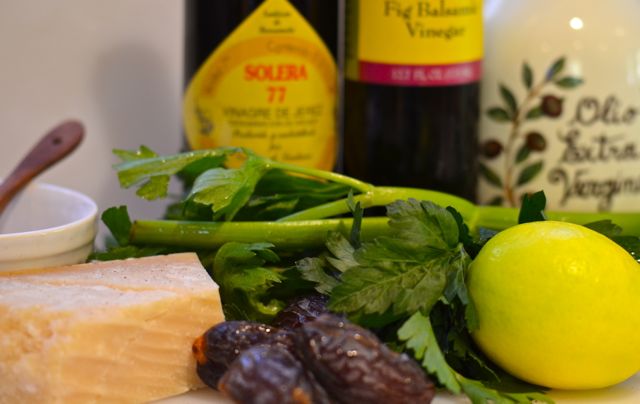
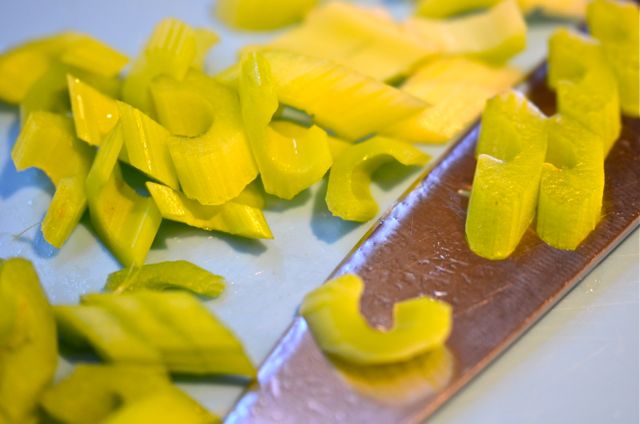
    We are familiar with many parmesan-stuffed date recipes, but this recipe from Hugh Acheson is one of the first we know of that adds the crisp, vegetal crunch of celery and the bite of Italian parsley. Add some acidity from a quick vinaigrette and you have a very well-rounded bite.  We added some of the tender celery leaves and a splash of sherry vinegar to fit our tastes, but whether you tune the recipe or stick with the original version, you get a very tasty dish.
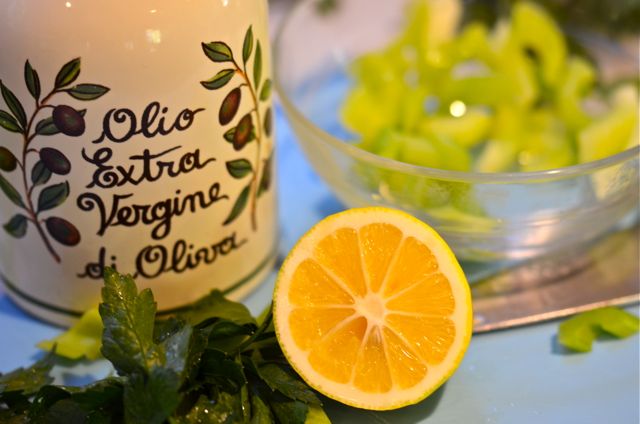
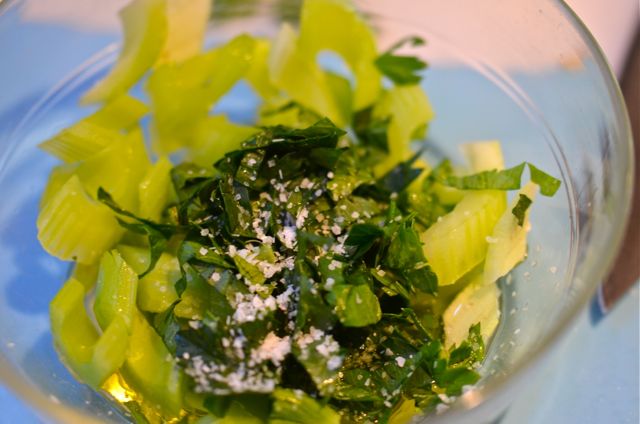
    Making these stuffed dates is as easy as it gets. Peel and chop some celery, and reserve some of the leaves, then chop some Italian parsley. Make a quick dressing with olive oil, vinegar, lemon juice and salt. Add the celery and parsley and mix with the vinaigrette. Grate a few ounces of parmesan cheese and add it to the mixture. Then slit 6-8 Medjool dates lengthwise and carefully remove the pits and stuff with a tablespoon of the cheese and celery mixture.
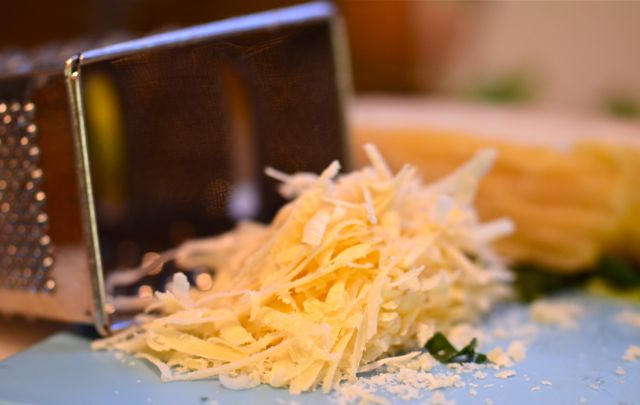
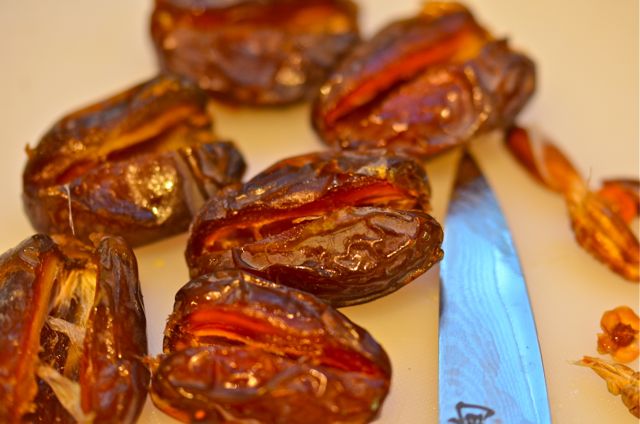
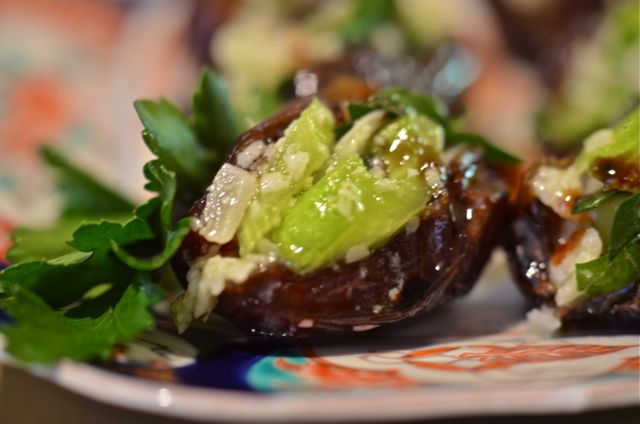
    And then you are pretty much ready to serve. Put the stuffed dates on a serving dish, maybe drizzle on some oil, vinegar,a pinch of salt and a few sprigs of parsley. The only question is how you present the dates. The dates are malleable and sticky, so you can stuff them and close them completely to hide the stuffing. Or you can leave the dates open to show off the goodies. We like to leave the dates open, but it is your call. Regardless of how they look, you will enjoy the depth of flavors and textures. And it’s good these are easy to make, your guests will probably ask you for another batch.
    Medjool Dates Stuffed With Celery and Parmesan:

    (Adapted from Hugh Acheson)

    Notes Before You Start:

    • Look for large, quality Medjool dates for this dish and use the best parmesan you can find.

    What You Get: A perfect cocktail party snack.

    What You Need: No special equipment required.

    How Long? 5 minutes. Anytime dish. And this is worth making any time.

    Ingredients:

    • 6 large (or 8 medium) Medjool Dates
    • 1 stalk of celery, preferably with a few leaves still attached
    • 2 tablespoons good olive oil
    • 1 teaspoon of fresh lemon juice
    • 1 tablespoon Italian parsley, chopped
    • Pinch of salt
    • 2 – 3 oz. grated parmesan cheese (the best you can get)
    • Sherry and/or balsamic vinegar, for drizzling

    Assemble:

    1. Peel the outer side of the celery and remove the strings. Chop the celery, on the diagonal, into pieces about 1/4 wide. Reserve a few of the celery leaves. Chop the parsley.
    2. Combine the celery, celery leaves and parsley with 1 tablespoon of the olive oil, the lemon juice and salt. Mix well and then fold in the grated parmesan cheese.
    3. Slit one side of each date lengthwise and then remove the pits. Stuff the dates with about a tablespoon of the celery and parmesan mixture. Squeeze the dates a little to secure the stuffing. Arrange the dates on a serving plate and drizzle with the remaining olive oil, a touch of balsamic and/or sherry vinegar, a sprinkle of salt and a few sprigs of parsley. Serve.
  • Simple Garden Recipes: Chard Gratin

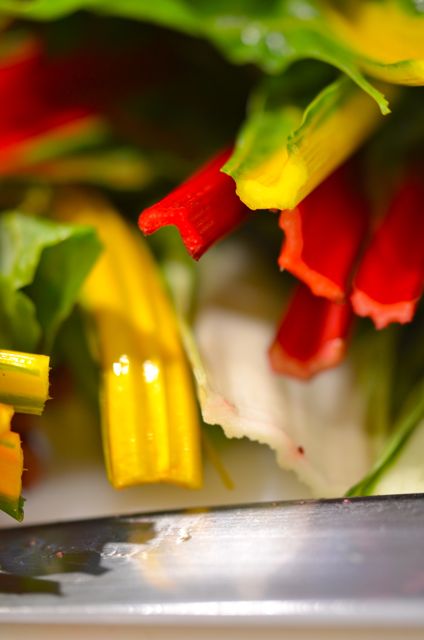
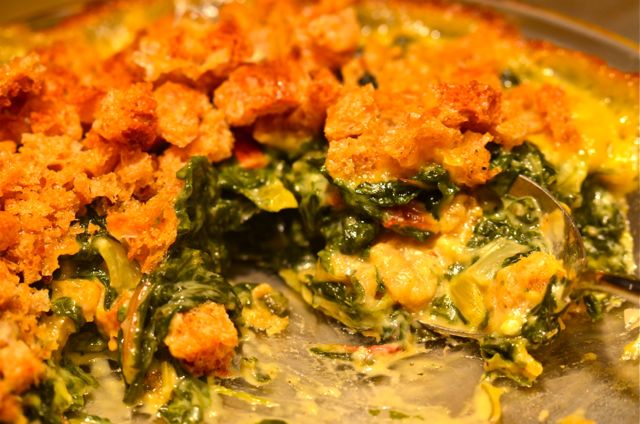
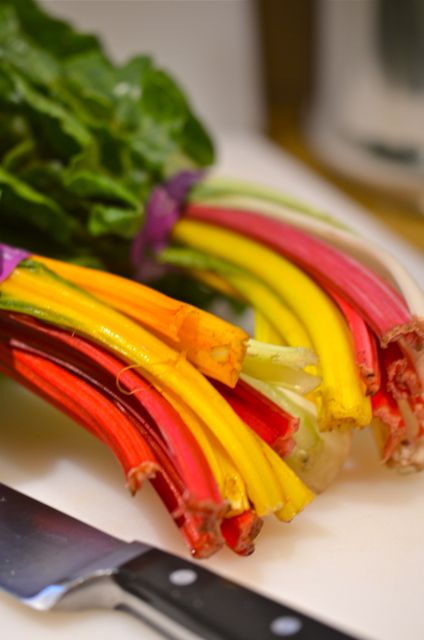
    As a family, we love greens. And we don’t mean salad greens (although we love them, too), we mean greens, kale, spinach, collards and chard. And one of the many blessing of northern California is that we can get almost any of the hearty greens we want, any time of the year. The cool, often foggy, coastal areas provide a consistent environment for growing most greens regardless of the season. We slow cook the heartier greens (see here for a recipe), but for the sweeter, more tender greens like spinach and chard, we often chose to cook “au gratin”.

    Au gratin simply means cooking a vegetable or protein with a top crust of breadcrumbs, cheese and/or butter, but most recipes these days also include a base sauce like béchamel. Gratins are easy to make, taste great and are also a way to introduce very healthy vegetables to doubting kids (and adults). Our gratin of creamed spinach is one of our staple holiday dishes. Everyone loves it, it’s easy (we use frozen spinach), you can make a huge batch ahead of time, and the leftovers work with almost anything. But for smaller meals, we enjoy making a gratin of sweet, nutritious chard. This dish isn’t just a way to use up some veggies, it’s a real treat.

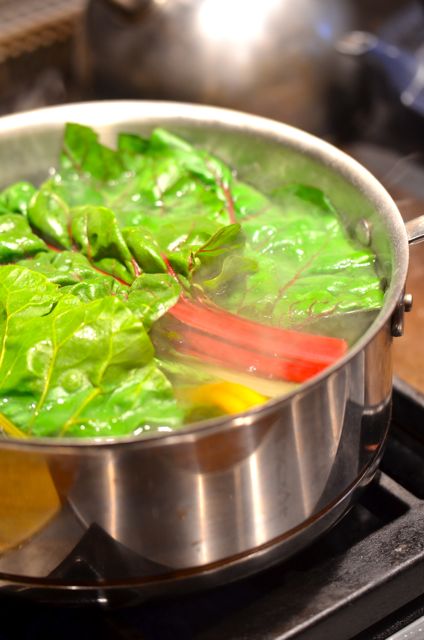
    The key to the dish is the sweetness of the chard, while some of the hearty greens need a little help, chard is very sweet on its own. And that should not be much of a surprise, as chard is a close relative of the beet, which is also known for its sweetness. But unlike the beet, chard is all about the tender, nutritious leaves (and the stalks that are less reedy than most greens). The leaves and stalks are so tender that, rather than a long cook, a quick parboiling and sauté prepares them for cooking in the oven. You get all the flavor and nutrition of a heart green like kale, but in a little less time.

    Continue reading

  • Spicy Caramelized Yam Wedges

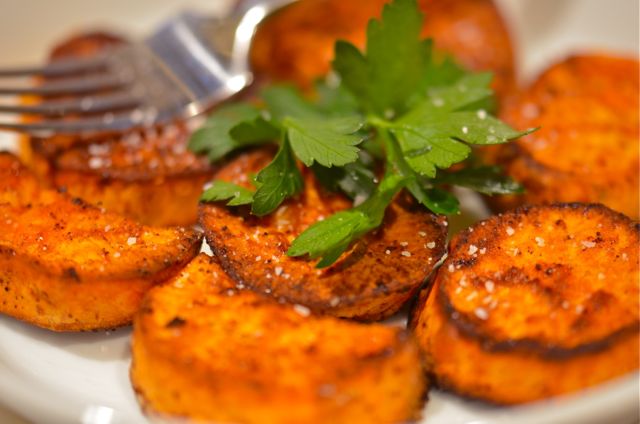
    Spicy Caramelized Yams Wedges.

    Sometimes even the best cookbooks say things that make the home cook laugh out loud. And while we really like this recipe and the cookbook it came from, this recipe has an instruction that’s one of the silliest we have ever seen, “be sure to choose yams of even thickness from end to end”. (Oh, and please go find Bigfoot while you’re at it.) We have yet to find an evenly shaped yam, and don’t expect to any time soon, neither should you. But happily, this is a delicious recipe and is pretty good for you, too. So even if you can’t find a perfectly shaped yam, this recipe is worth making.

    And by “yam” we really mean the orange, soft sweet potatoes of the United States. The true yam is an African crop, usually with lighter colored flesh (here is a good link to explain the differences and terminology). But for whatever reason, we call some sweet potatoes “yams” and so does this recipe. Go figure (or don’t, this stuff can make your head hurt). But meanwhile, look for large, orange-fleshed yams / sweet potatoes at your grocery store or farmer’s market. Yams are cheap, nutritious and versatile. And their sweet flavor is a good way to sneak some extra veggies into your kids.

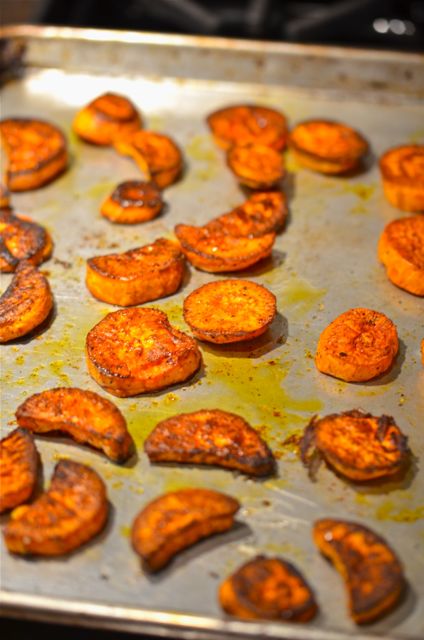
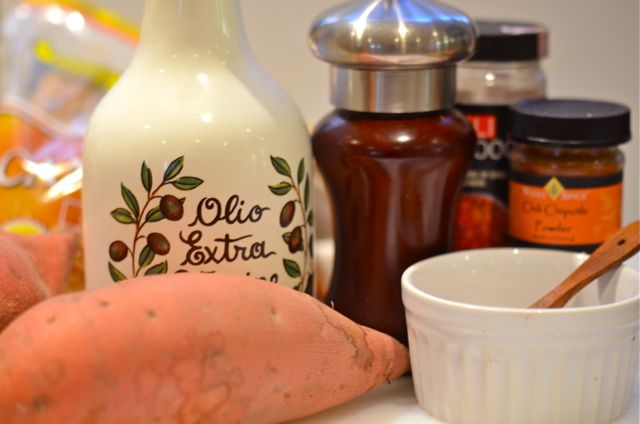
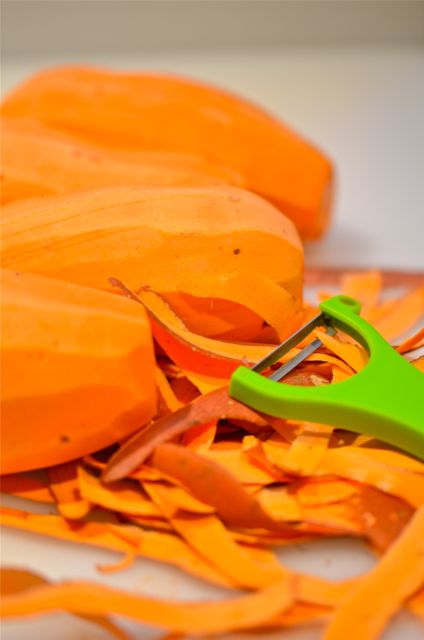
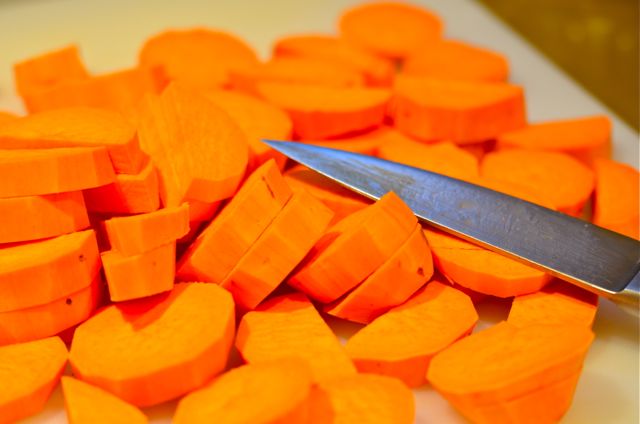
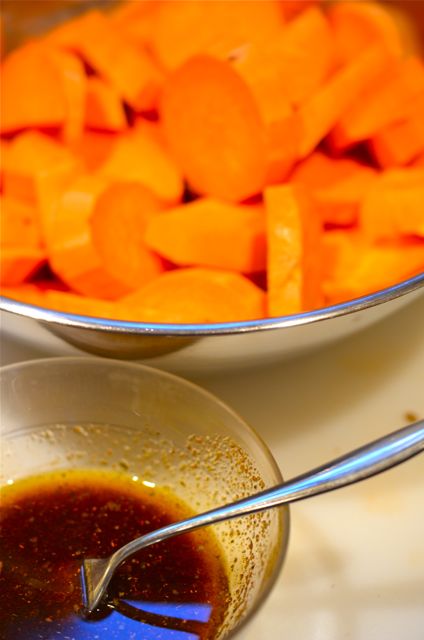
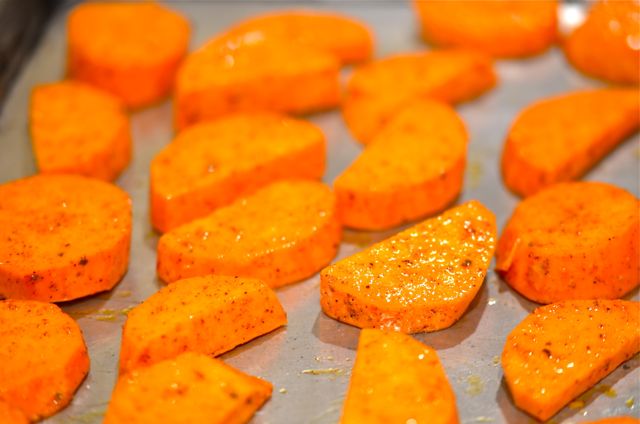
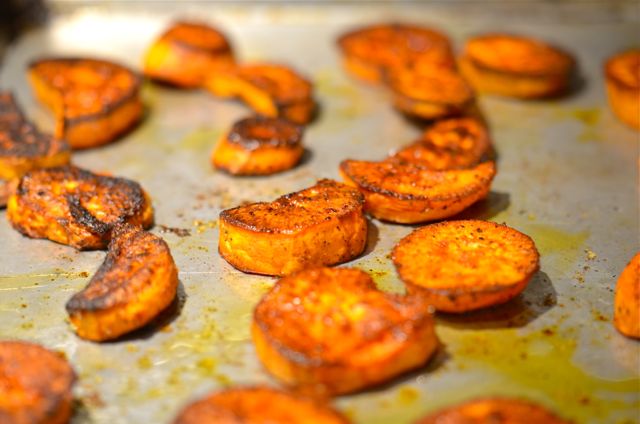
    This recipe is adapted from “Ripe, A Fresh, Colorful Approach to Fruits and Vegetables” from Cheryl Sternman Rule. And the recipe is a real winner, and quite easy to make. You simply peel and slice the yams, make a paste of salt, pepper, brown sugar, chili powder and oil, coat the yam slices and bake in the oven for an hour, flipping them over halfway. But the recipe does have one more (albeit smaller) laugher, when it says, “cook all the yams for an hour, don’t pull them out earlier”. And we guess if we had “even-thickness” yams, that advice might work. But we don’t, so the smaller pieces need to come out of the oven a bit early, and not burn.

    Continue reading

  • Potatoes a la Boulangere: The Best Potatoes You Will (Almost) Never Eat

    Potatoes à la Boulangere.

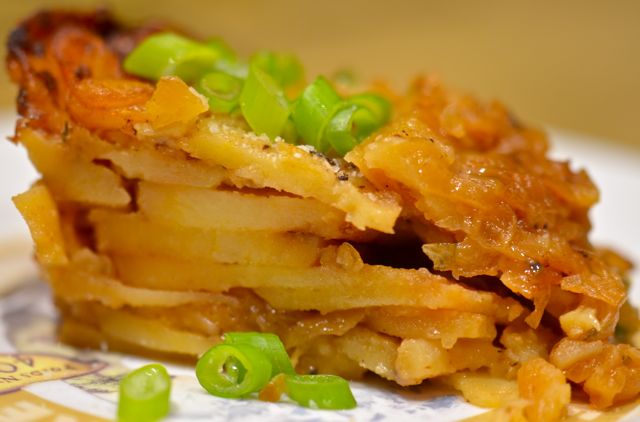
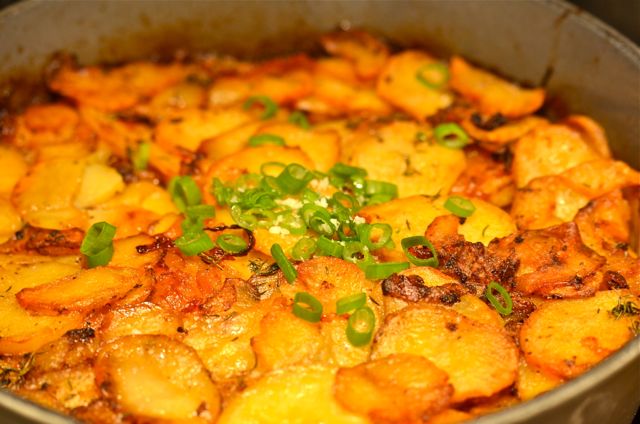
    Let’s start by saying these are some of the best potatoes and onions you will ever eat. Sweet and salty, with a touch of herbs, and a soft texture with a little crunch on top. And a very pretty dish, too. Every bite is a delight. So you, or our family, may ask, “why don’t we make this more often?” And then you remember all the work you just put into making this dish, and you know exactly why this is for special occasions (or masochists). Such is the challenge of Potatoes à la Boulangere, really good, but a pain in the posterior real effort.

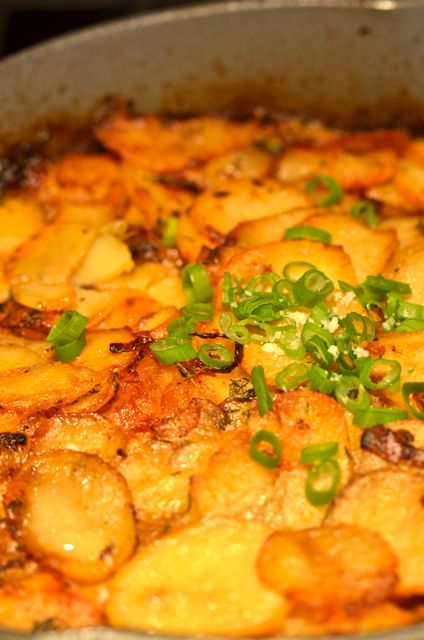
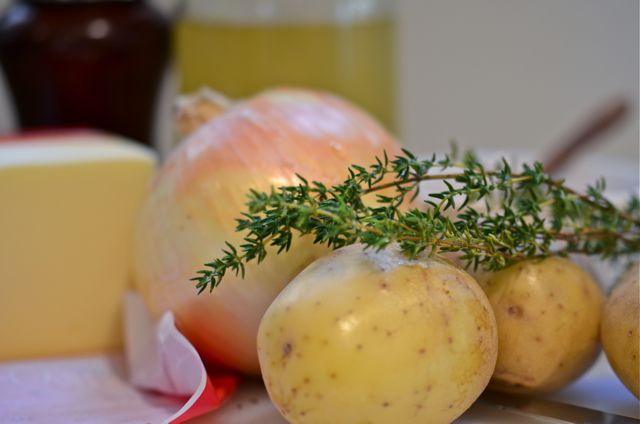
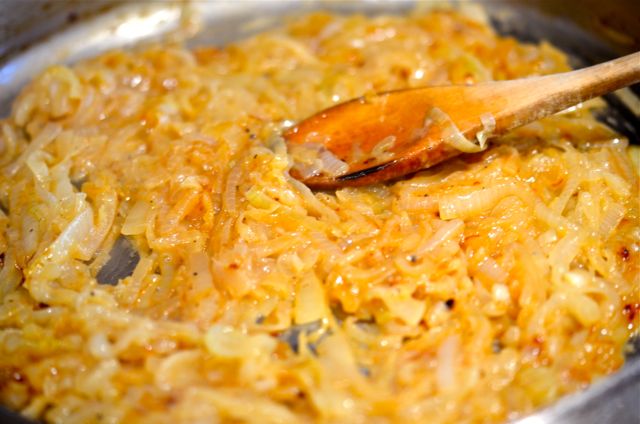
    Potatoes à la Boulangere is a simple combination of potatoes, onion, butter, thyme, chicken stock, salt and pepper. Layered and cooked together for at least an hour in the oven, the ingredients meld into a truly lovely dish. So what’s the problem? Well, there are two ways to make this dish. The “easy” way, which is good. Or, the “hard” way, which is truly great. If you go the “easy” way, you simply slice and layer the raw onions and potatoes, add some seasoning and herbs, cover with the stock and cook, and it will be tasty. But if you want the dish to truly sing, it is best to caramelize the onions and slightly brown the potatoes before you layer the ingredients and cook in the oven. The extra flavors from the caramelized onion and the browned potatoes add whole new sweet and savory dimensions to the dish. It also adds an hour of work and some dishes. We often choose the “hard” way, but won’t hold it against anyone for choosing the “easy” method.

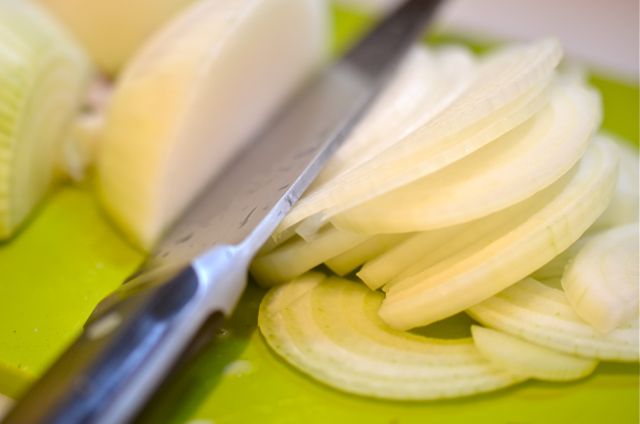
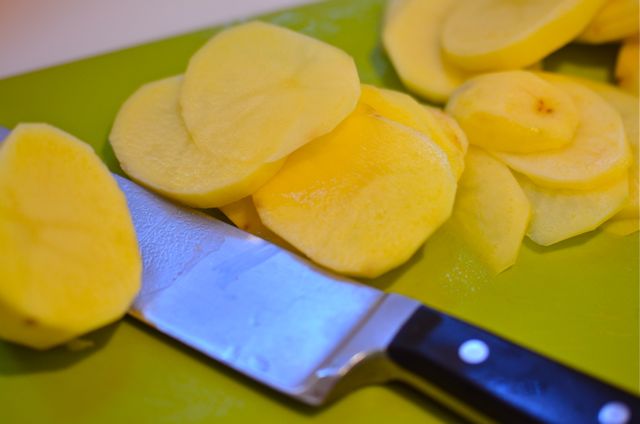
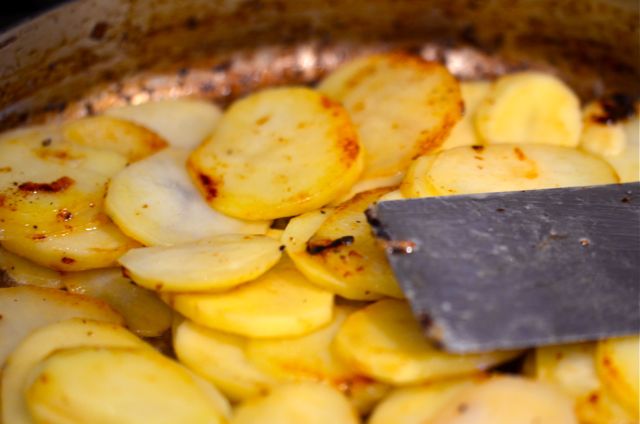
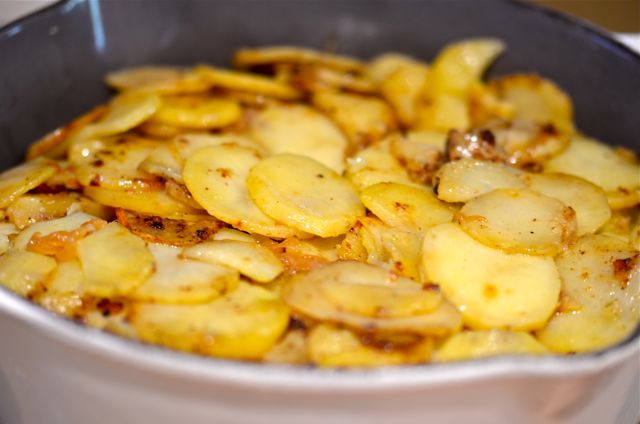
    Happily, this is not a hard dish to make. It may take time, but the steps are very clear. And if you have a food processor or mandolin, the process is that much easier. Thinly slice two large onions and caramelize them over medium heat with a few tablespoons of butter. Stir often and wait, and wait, until the onions are soft and deep golden brown, about thirty minutes. Meanwhile peel and slice five pounds of potatoes and then caramelize them with butter, in batches, for about five minutes per batch. This will take another twenty to thirty minutes. Then check for seasoning and layer the potatoes, onions, and herbs in a heavy pot or baking dish. Add the chicken stock and cook for about an hour, or until the potatoes absorb all the liquid. And then, finally, you’re done.

    But what you get is good enough to make you forget all your labor. These potatoes work with almost any roast beef, pork or chicken dish, and will usually outshine them.  You can serve these potatoes immediately and they will taste great, but the potatoes may fall apart. If you let them cool for ten to fifteen minutes, the potatoes will set and you can serve the potatoes in wedges that show off all the pretty layers. And since you just spent two hours making the potatoes, what is an extra fifteen minutes to show them off in all of their glory? (And you can enjoy a well-deserved cocktail).

    Potatoes à la Boulangere:

    Notes Before You Start:

    • We use Yukon Gold potatoes for this dish, but some recipes suggest waxy “new” potatoes like Red Bliss. Either will work, but baking potatoes like Russets will fall apart.

    What You Get: Incredibly rich, sweet potatoes and onions with both soft and crunchy texture.

    What You Need. No special equipment is required, but there is a lot of slicing. A food processor or mandolin will be a big help.

    How Long? Over two hours if you do it the “hard” way, with about forty-five minutes of active time. This is a special occasion dish, but the results are worth it. Great for big holiday meals where you can plan ahead and/or get free labor from family. Continue reading