• Pulled Pork For Memorial Day

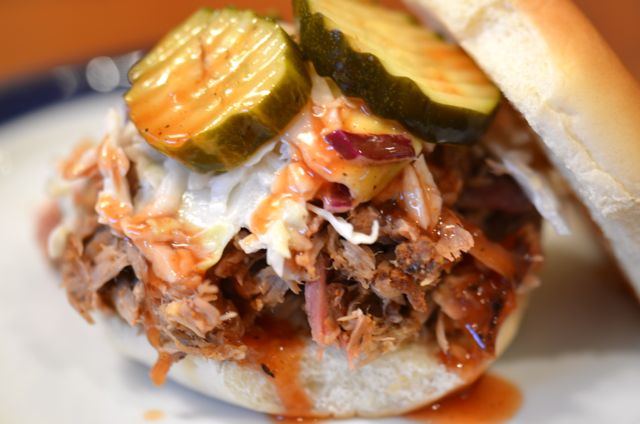
    Pulled pork sandwich with the works.

    UPDATE: This is a reblog from last year. But Memorial Day is coming and this is still our favorite BBQ recipe. Enjoy!

    We’re posting a number of summer food and cocktail recipes for Memorial Day weekend, so let’s get going. We will start with our favorite “summer” dish, pulled pork. Also simply known as pork barbecue, pulled pork is one of the most tender, succulent and flavorful meat dishes you can find. Nothing feeds, and pleases a crowd, like a brined, rubbed and slowly smoked pork shoulder. And it is pretty easy to make. You just need one ingredient: time. Lots of time (some planning and patience help too). But it is worth making this dish, particularly for a holiday weekend.
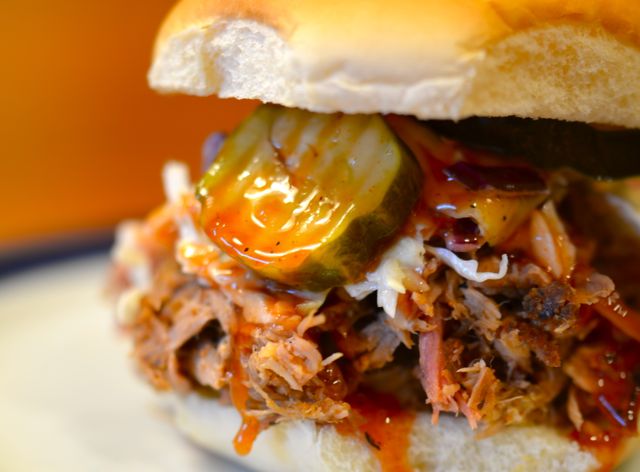
    Pulled pork sandwich.

    In case you are unfamiliar with pulled pork, it is a pork shoulder (also known as Boston butt) that’s smoked at a low temperature for a long span of time. Usually, though not always, the pork is also brined and a spice rub is added for extra flavor. The long, low-temperature cooking breaks down the fat and connective tissue in the shoulder into gelatin that bathes the meat and provides the tender “finger-licking” flavor of great barbecue. Pulled pork is cooked everywhere in the US, but its spiritual home is the southeast. Texas has beef brisket, the Mississippi river region has ribs, but the Carolinas have pulled pork. We like the Carolinas.

    As for making the pulled pork, it can be a 1-day or 2-3 day operation, it simply depends on the time you have. The most basic approach is to get a pork shoulder and rub it with salt and pepper. Then smoke it with hickory or applewood at about 210 degrees for at least 8 hours or until the internal temperature of the pork is at least 190 degrees (shortcut included below). Let the meat rest for an hour and then “pull” or chop it. The meat will shred easily. And this will be good, real good. But it can be so much better.
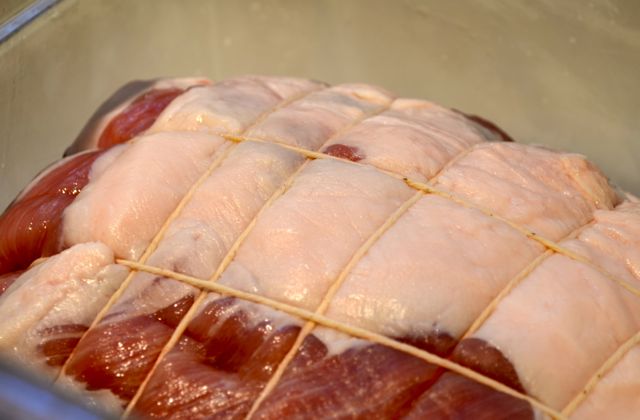
    Pork shoulder ready to brine.

    To take pulled pork to the next level requires a few extra steps and a few extra days. The frist step is to brine the pork shoulder. Pork isn’t as fatty as it used to be, so added moisture is a good thing while cooking, as is extra flavor from the brine. The brine is just a combination of salt, sugar and water (plus seasonings if you like). Pork will benefit from as little as 6 hours of brining, but up to 48 hours will help without making the pork too salty. 12-24 hours is about right. And making the brine is as easy as boiling water with sugar and salt and letting it cool. Once the brine is cool, you place the pork in the brine and keep it in the fridge.
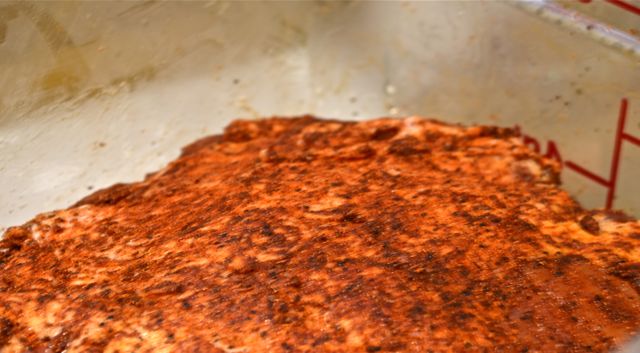
    “Rubbed” pork shoulder, note the liberal application of dry rub.

    The next step is to add a dry rub to your pork shoulder. Spice rubs add flavor to the meat and develop an attractive and tasty, “bark” on the outside of the meat while cooking. And if you let the rub sit on the least overnight, the flavor will penetrate deep into the pork and add a new dimension of flavor

    There are literally thousands of pork rub variations, and you can make most of them at home. While purists my scoff, you can also buy pork barbecue rubs at the grocery store. We make our own, but also use store-bought with success. We include a recipe based on a combination of a Alton Brown’s and Steve Raichlen’s (good BBQ writer, btw) rubs with a few tweaks of our own. But, in general, if you like a flavor like thyme or cumin, add a little more.
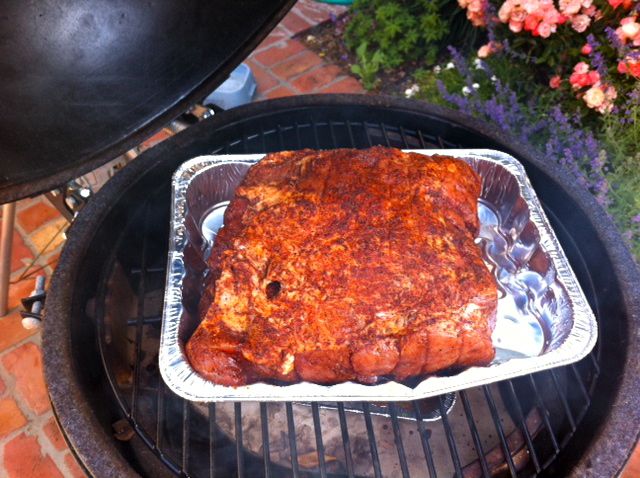
    Pork shoulder in the smoker. Grab a beer this will take a while…

    So once you brine and rub the pork, you are ready to smoke. If you have a dedicated smoker, that is great (we use a Big Green Egg- very good tool). If not, most grills have instructions for smoking, please follow them. Weber kettle grills are easily adapted to smoking and do a great job. Gas grills also work. The key is to cook low and slow and get good smoke. We use a mix of 50/50 applewood and hickory and soak the woodchips or chunks for at least 30 minutes. Soaking the wood is critical, you want the wood to smoke, not burn. The other critical element is temperature control. You want to keep an even temperature at about 210 degrees. It usually takes some time to control the airflow on your smoker to reach, and maintain, the right temperature, but it’s worth it. The goal is to slowly build the internal temperature of the pork to at least 190 degrees- this is what gets you the “finger-licking” texture of great barbecue. Normally this will take 8-10 hours, but there are other ways that save you a little time.

    Optional shortcut- finish in the oven. Just get to at least 190 degress internal temperature.

    Again, traditionalists my be horrified, but it is generally accepted science that the pork will absorb most of the smoke flavor in the first 3-4 hours of smoking. So after 3 hours of smoking you could move the pork shoulder into a lidded Dutch oven or covered roasting pan and cook in a 300 degree oven for 3-4 hours, or until you reach 190 degrees internal temperature. If we have time we will smoke the full 10 hours, but we use the oven method quite often. And if you are entertaining, the “finish in the oven” method is much more convenient and lets you control the timing.
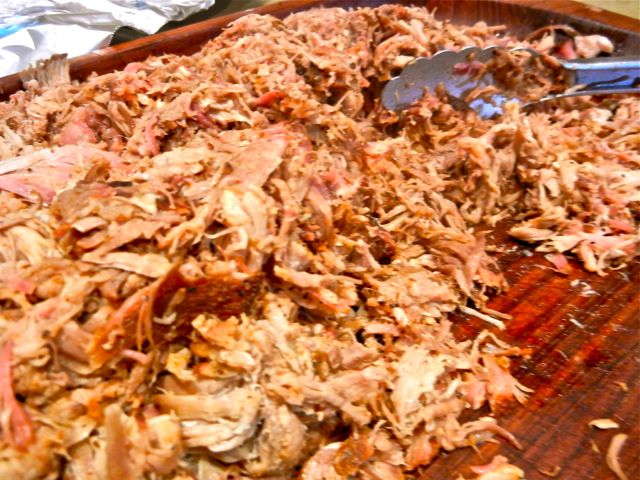
    “Pulling” the pork just before service.

    There is one last step that cannot be ignored, regardless of how you cook the pork. After reaching the desired temperature the pork needs to be covered, or wrapped in foil, and rested for at least an hour. The pork will keep cooking but the juices will set in the meat for a better, juicier texture. After the hour is up, just “pull” the pork apart with 2 forks or lightly chop with big knife. The pork will fall apart easily.
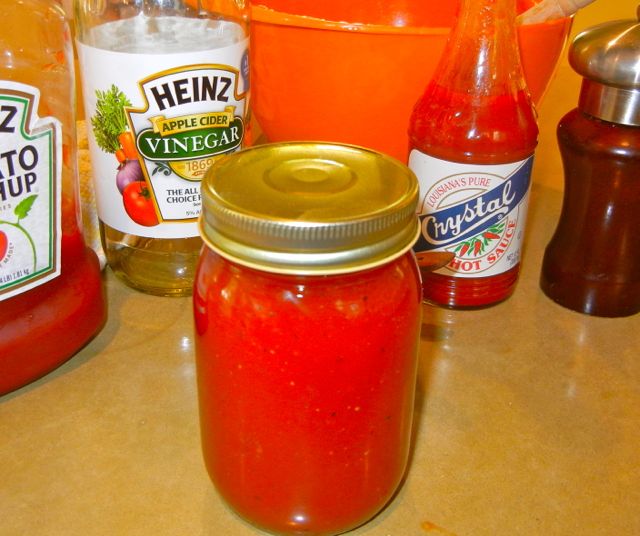
    Tasty, easy sauce. Lots of acid, sweet, sour and hot flavors to cut through the rich pork.

    To serve the pork we place a big pile of the meat on an everyday hamburger bun, add some sauce, pile on some cole slaw and finish with a few bread and butter pickles. As for the sauce, we use an adapted North Carolina-style vinegar sauce that is very piquant, but is a bit sweeter and not as bracing. But we suggest you use a style of barbecue sauce you like. And, if you are so inclined, an ice-cold beer is a nice compliment to the pork. In the end, you can serve the pork almost any way you like, you and your guests will be very happy. There is no other dish that says “summer is here, and the living is easy” like pulled pork.

    And a nice cold beer, too….

    Pulled Pork:

    Notes Before You Start:

    • You can use bone-in or bone-out pork shoulder. Bone-in may be a bit juicer, but you can get rub into the center of the bone-out shoulder for more flavor.
    • If you order the pork shoulder from your butcher, tell them not to take off too much fat. It will mostly render during cooking, but helps keeps the meat moist.
    • If you see a red ring near the outside of the meat, this is OK. In fact, it means you did a good job smoking the meat. The red color is a chemical reaction to the smoke.

    What You Get: An American classic and one of the best pork dishes in the world. Period.

    What You Need: A smoker or grill that adapts to smoking.

    How Long: At least 1 day and if brining and rubbing the pork, at least 3 days. Pulled pork is a “special occasion” dish that requires planning. We posted on Monday so you can get ready for the weekend.. 😉


    Continue reading

  • Mixology Monday LXXIII Cocktail: The Strawberry Witch

    The Strawberry Witch cocktail.

    The Strawberry Witch cocktail.

    Wow, time flies. It’s Mixology Monday again. It seems like we just made our CSA Gin cocktail for the last MxMo and here we are. Happily, we have another theme that is close to this wannabe farmer’s heart, “the witch’s garden”. Here are the details from this month’s host Cardiff Cocktails (an excellent site, worth a visit):

    mxmologoAs far back as we can look, the use of fresh herbs have been prevalent in the world of mixed drinks. From the early days of the julep, through Williams Terrington’s 19th century Cooling Cups and Dainty Drinks, to Don the Beachcomber’s ahead of their time Tiki drinks, fresh herbs have always been at the forefront of mixology. So lets take influence from the bartenders that once ruled the world of mixology, raid your herb garden that too often gets neglected, and start mixing. I don’t want to put too many limits on this theme so get as creative as you please, want to use roots, spices or beans as well? Sure thing. Want to make your own herbal infusions or tinctures? Sounds wonderful.

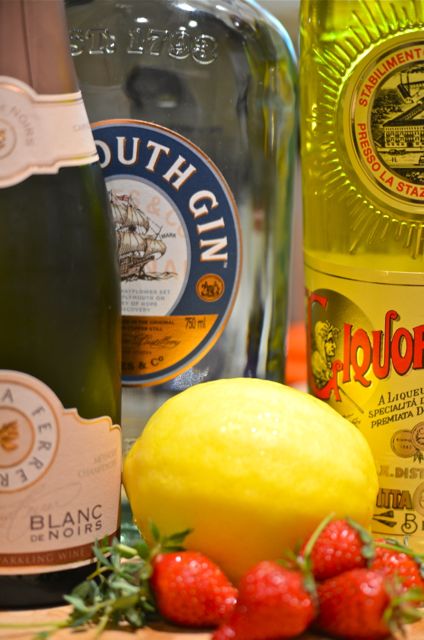
    witchwitch1Well, we certainly have herbs here at the farm. Mint, thyme, basil, tarragon, oregano, sage, marjoram, lemon verbena, parsley and rosemary are all in full swing. But we also have strawberries that need to be used and we wanted to play with Strawberries and thyme for a while. So we chose these as the basis for the cocktail. We also took the name of the challenge to heart and immediately looked at our bottle of Strega (“Strega” means witch in Italian) as a potential ingredient.

    witch2witch4If you are unfamiliar with Strega, it is an herbal Italian digestif that features a rich yellow color (from saffron) and sweet herbal flavors. Strega, is usually enjoyed by itself, but we have been trying to get it into our cocktails. To our tastes, Strega has mint, juniper and citrus notes, so gin seemed like a good match (and one more herbal ingredient). But we were a bit concerned about too many herbal notes, so we added some lemon juice and a splash of sparking wine to brighten, and lighten, the overall flavor of the cocktail.

    witch5So how does the Strawberry Witch taste? In a word, herbal. But in a good way. Strawberries and thyme play very well together, the Strega sweetens without being cloying and the gin, lemon and champagne add the expected bright notes. The sip is tart, with mint and thyme flavors followed by some of the lemon and sweet notes of the Strega. The strawberries do more for color and aroma than flavor, but we are OK with that.The finish is very clean, almost dry.

    witch6(One last note here. Thyme can be strong stuff. At first we muddled it along with the strawberries and some lemon peel. This was a bad idea- the thyme got harsh and bitter. The next time around we muddled the strawberries and lemon first, then added the thyme and gave it just a few nudges. This worked way better, plenty of thyme flavor but not too much. Fresh herbs vary widely in strength and flavor, but be warned, you may want to do a quick test run before you muddle your herbs.)

    witch8Thanks again to Cardiff Cocktails and Fred Yarm at Cocktail Virgin Slut for another great MxMo!

    The Strawberry Witch:

    Ingredients:

    • 3-4 medium strawberries
    • Lemon peel
    • 2 sprigs fresh thyme, plus some extra for garnish
    • 1 1/2 oz dry gin
    • 3/4 oz. lemon juice
    • 1/2 oz. Strega
    • 1-2 oz. sparkling wine or Champagne

    Assemble:

    1. Place the strawberries and lemon peel in the cocktail shaker. Muddle until the strawberries are a smooth purée. Then add the thyme springs and lightly muddle a few times.
    2. Add the gin, lemon juice and Stega to the cocktail shaker. Add some ice and then shake until well-chilled. Double-strain the mixture into a coupé or flute. Top with the sparkling wine and garnish with a thyme sprig. Serve.
  • Smoky Cauliflower Frittata

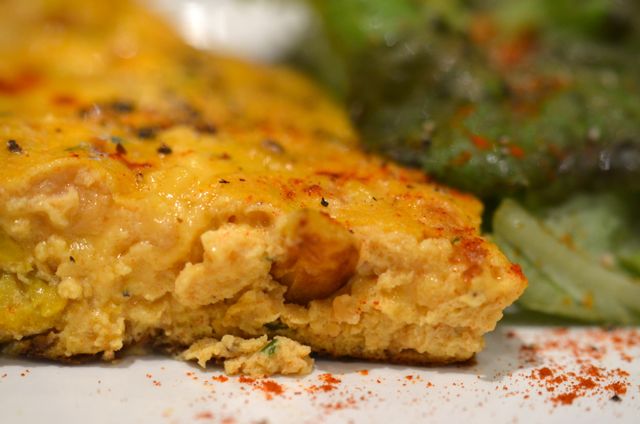
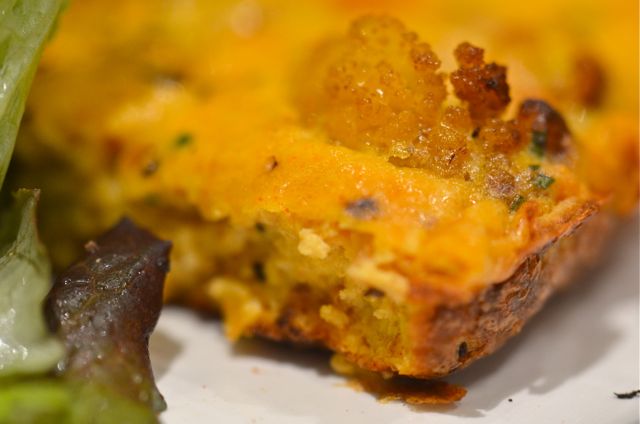
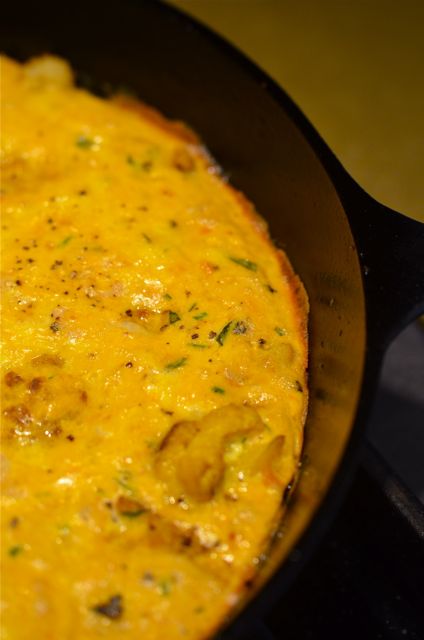
    Smoky Cauliflower Frittata.

    Smoky Cauliflower Frittata.

    frit2We almost never do this, but we are enjoying Yotam Ottolenghi’s (YO) cookbook “Plenty” so much that we are posting another recipe. This wasn’t exactly by plan, but we like this recipe a lot and have the photos, so why not? And the other new cookbook we are working from that will go nameless Nigella, isn’t working out quite as well- at least, not yet. But if this keeps up, YO may end up in Alice Waters’ territory as far as being a “go-to” source for vegetable recipes. In our part of the world that is lofty company (although we gather that this wouldn’t be a surprise in the UK).

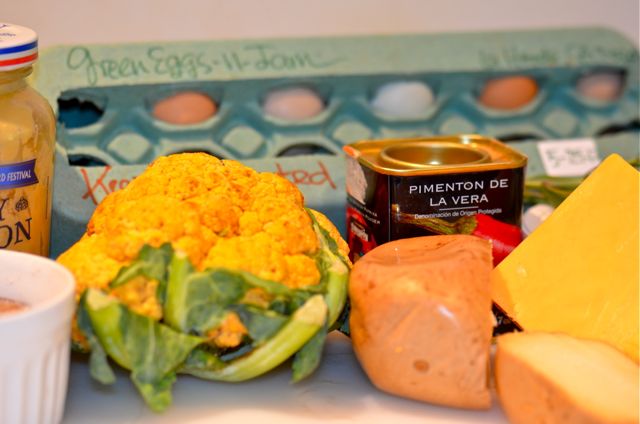
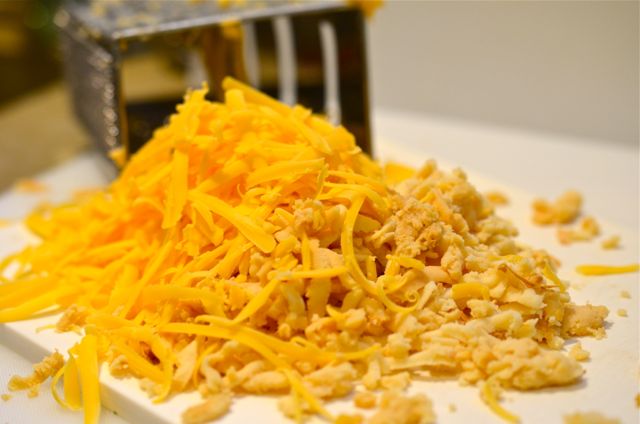
    frit6frit7Oddly enough, this frittata is more about the eggs and cheese than the cauliflower, but it is easy to make and tastes good (and the vegetables give at least the appearance of a healthy dish). That makes us happy. And using scamorza (smoked mozzarella) makes us even happier. This cheese melts evenly and has smoky, but clean, flavor that works incredibly well with the sweet, caramelized cauliflower. And YO then adds some smoked paprika and aged cheddar to accent the scamorza even more. If you haven’t tried smoked mozzarella, this recipe is worth a try. We bet you will want to use it in other recipes.

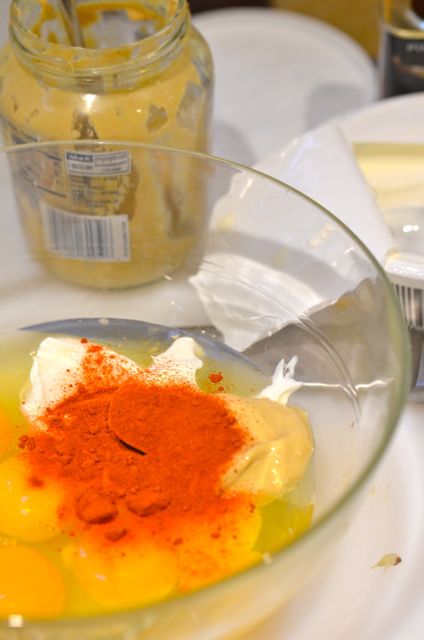
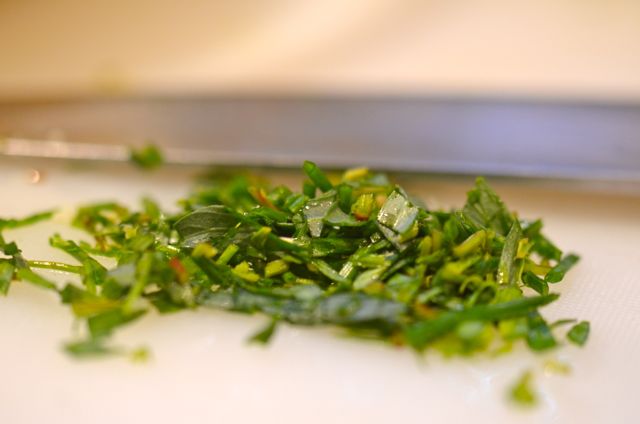
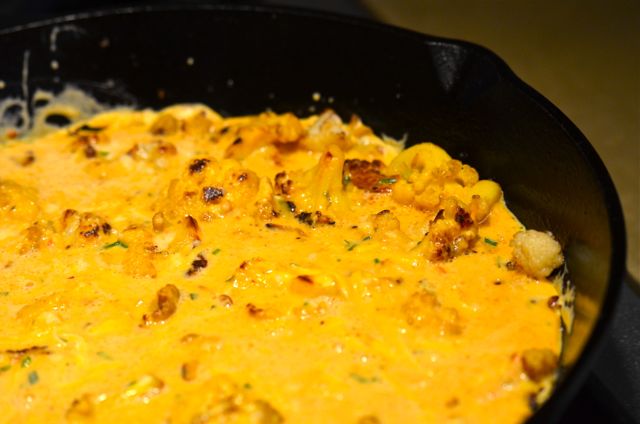
    frit8frit9frit10The other key to this dish is that YO uses crème fraîche, Dijon mustard and chives in the egg mixture (we added a little tarragon, as well). This adds sharp, herbal and tangy notes that cut the richness of the overall dish (even as the crème fraîche adds a good dose of fat). It’s these little things that make a big difference in the final dish. Without a little tang, this recipe might be all smoky cheese and eggs, good on the first bite, but probably overwhelming as a main dish. But those brighter notes make for a dish that is good from beginning to end. And if you serve this frittata with a nice green salad with a basic vinaigrette, the balance is even better.

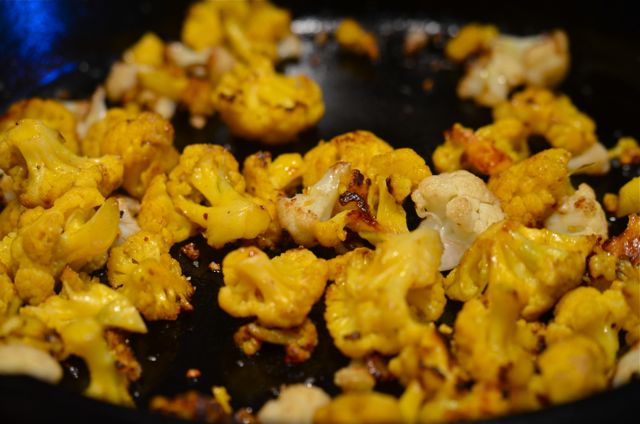
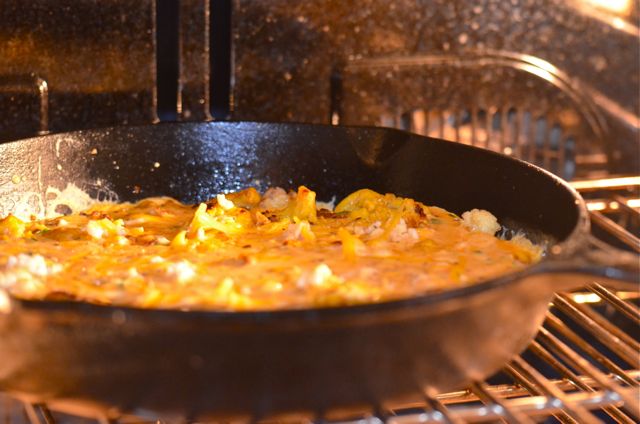
    frit11frit12frit13Another good thing about this dish is that it is quick and easy. It will take about 30 minutes total, without a bunch of work. The only extra step is to boil the cauliflower a few minutes before you caramelize it. But this does soften the cauliflower and give you an even texture, so we think the work is worth it. And since the rest is so easy, you barely notice the extra work. Otherwise, this is frittata 101. Start it on the stove top, finish in the oven, let it cool just a bit and serve. A good payoff for the time spent. Happy Monday.

    frit14Smoky Cauliflower Frittata:

    (Adapted from Yotam Ottolenghi’s “Plenty“)

    Notes Before You Start:

    What You Get: An easy dinner with extra flavor. A perfect weeknight dish.

    What You Need: No special equipment required.

    How Long? About 30 minutes, and an easy 30 minutes, at that. Anytime dish.

    Ingredients:

    (Serves 4-6 as a main dish)

    • 1 medium cauliflower cut into small florets
    • 2 tablespoons olive oil
    • 6 large eggs
    • 4 tablespoons crème fraîche
    • 2 tablespoons Dijon mustard
    • 2 teaspoons sweet, smoked paprika
    • 2 tablespoons chopped chives
    • 1 tablespoon chopped tarragon (optional)
    • 5 oz. scamorza or smoked mozzarella, including the smoky rind, grated
    • 2 oz. sharp cheddar cheese, grated
    • Salt and freshly ground black pepper

    Continue reading

  • Weekly Cocktail #50: The Brooklyn Cocktail

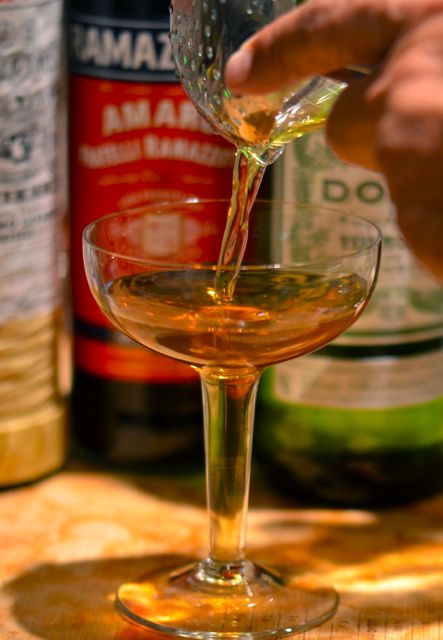
    Pouring a Brooklyn cocktail.

    Pouring a Brooklyn cocktail.

    One of the many things we enjoy about the blog is that we get to “follow the muse”. Yes there are seasons, events and themes to guide us, but in the end we get to do what makes us happy. That’s the point, plus we usually get a few tasty dishes and drinks out of the deal and have excuses to invite friends over. (Have we found the secret to happiness? Maybe.)

    brooklyn1brooklynSo while we could be blogging on Mint Juleps for the Kentucky Derby (we like them, but not all that much), and we owe our friend Viveka a cocktail for winning our quiz (working on it Wivi!), we somehow found ourselves mixing a Brooklyn cocktail. And the Brooklyn cocktail is worth a try, particularly if you are a whiskey fan. And even if you aren’t, this smooth sip may surprise you.

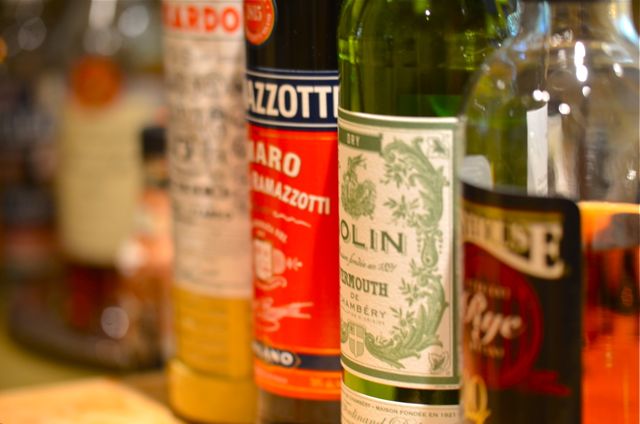
    brooklyn2brooklyn6The Brooklyn combines rye whiskey, dry vermouth, a dash of maraschino liqueur and a dash of Amer Picon. No one seems to have Amer Picon (a French digestif) these days, so most sources suggest amaro like Ramazotti, CioCiaro, Nonino or Montenegro. The recipe is flexible and all of these will work, we went with the Ramazotti, but also liked it with Nonino (we like a lot of stuff with Nonino). You can even just go with a mix of orange and Angostura bitters in a pinch.

    brooklyn3If you notice a pattern with many of our cocktail posts, we tend to like to match rye whiskey with dry, rather than sweet, vermouth. Rye is dryer and spicier than bourbon, and we think you often lose those notes with some sweet vermouths (not always, but sometimes). If we want to enjoy the flavor of the rye, the herbal notes of a good dry vermouth seem like a natural fit. And we do like the combination in drinks like the Scofflaw (and our variant, the Tax Evasion ), so it isn’t that much of a surprise that the “muse” guided us towards the Brooklyn. (Or maybe it was Google….)

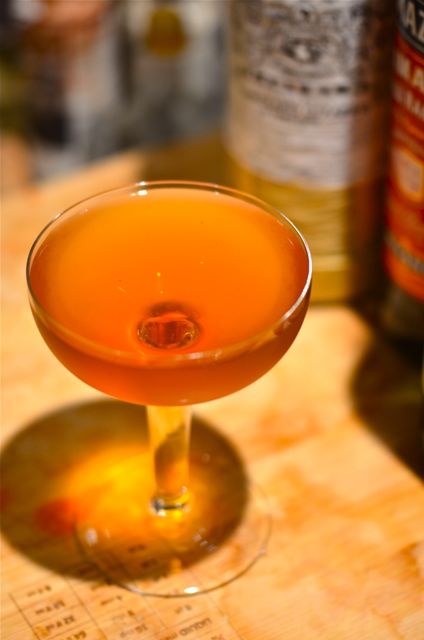
    brooklyn7So what do you get with the Brooklyn? Firstly, you get a beautiful looking drink with deep golden hues. Lovely. As for the flavor, you get a smooth and slightly sweet sip, but with the spice of the rye, herbal vemouth and the bitter notes of the amaro keeping the flavor from becoming cloying. The maraschino adds some sweet, floral and nutty flavors. Basically, the Brooklyn is a dryer, smoother riff on a Manhattan. But since Brooklyn is way cooler than Manhattan these days, we think it makes sense that they have the smoother drink. (And speaking of Brooklyn- Hi Tina, Jonathan, Max and William!)

    brooklyn5The Brooklyn Cocktail:

    Ingredients:

    • 2 oz. rye whiskey (Rittenhouse 100)
    • 1 oz. dry vermouth (Dolin)
    • 1/4 oz. maraschino liqueur (Luxardo)
    • 1/2 oz. Amer Picon (sub Ramazotti or other amaro)

    Assemble:

    1. Combine all the ingredients in a cocktail glass with ice. Stir until well chilled. Strain into a chilled cocktail glass or coupé. Serve.