• Potatoes a la Boulangere: The Best Potatoes You Will (Almost) Never Eat

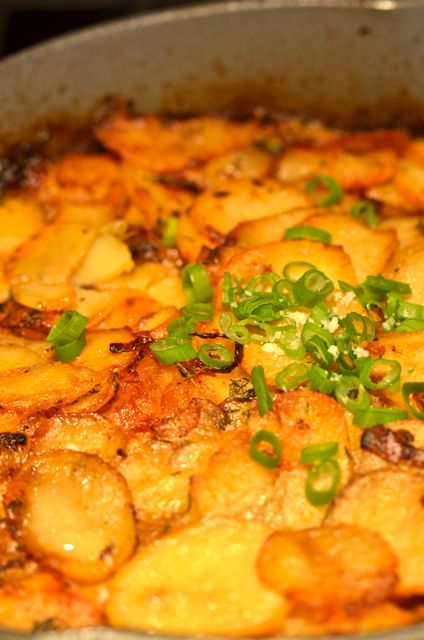
    Potatoes à la Boulangere.

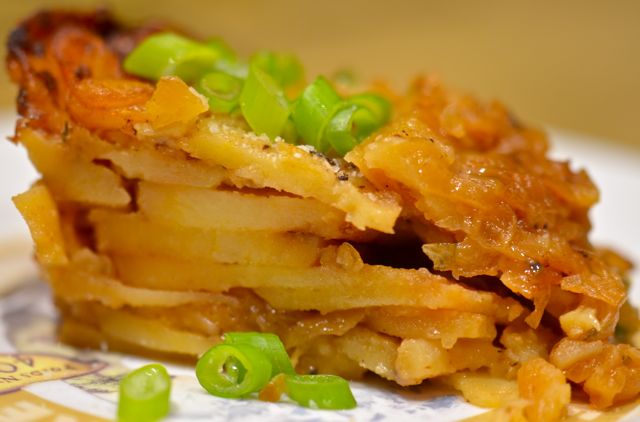
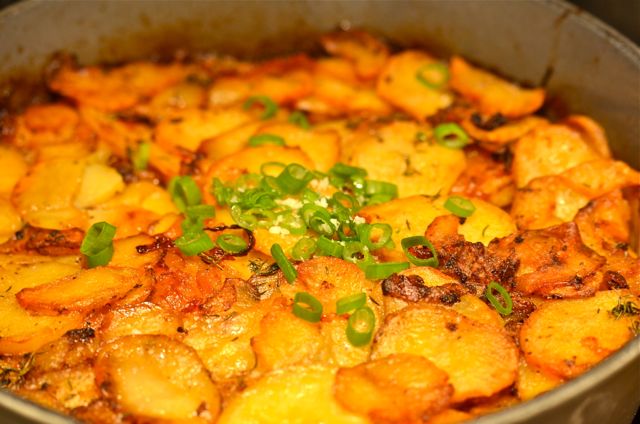
    Let’s start by saying these are some of the best potatoes and onions you will ever eat. Sweet and salty, with a touch of herbs, and a soft texture with a little crunch on top. And a very pretty dish, too. Every bite is a delight. So you, or our family, may ask, “why don’t we make this more often?” And then you remember all the work you just put into making this dish, and you know exactly why this is for special occasions (or masochists). Such is the challenge of Potatoes à la Boulangere, really good, but a pain in the posterior real effort.

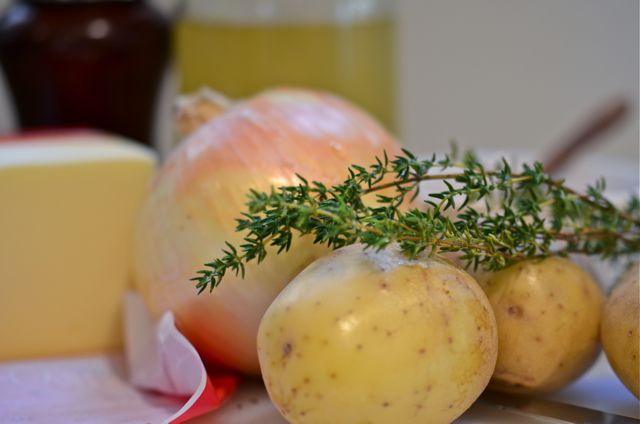
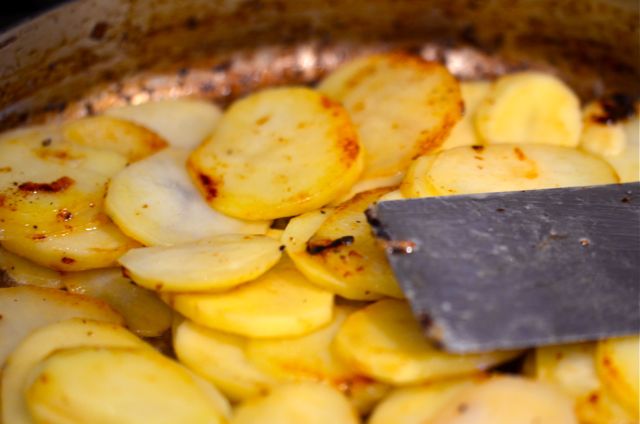
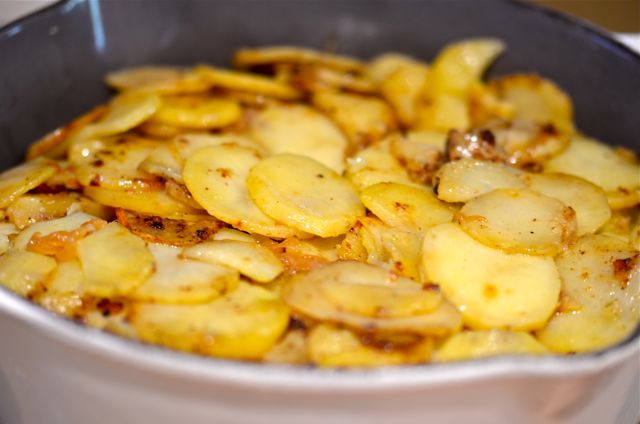
    Potatoes à la Boulangere is a simple combination of potatoes, onion, butter, thyme, chicken stock, salt and pepper. Layered and cooked together for at least an hour in the oven, the ingredients meld into a truly lovely dish. So what’s the problem? Well, there are two ways to make this dish. The “easy” way, which is good. Or, the “hard” way, which is truly great. If you go the “easy” way, you simply slice and layer the raw onions and potatoes, add some seasoning and herbs, cover with the stock and cook, and it will be tasty. But if you want the dish to truly sing, it is best to caramelize the onions and slightly brown the potatoes before you layer the ingredients and cook in the oven. The extra flavors from the caramelized onion and the browned potatoes add whole new sweet and savory dimensions to the dish. It also adds an hour of work and some dishes. We often choose the “hard” way, but won’t hold it against anyone for choosing the “easy” method.

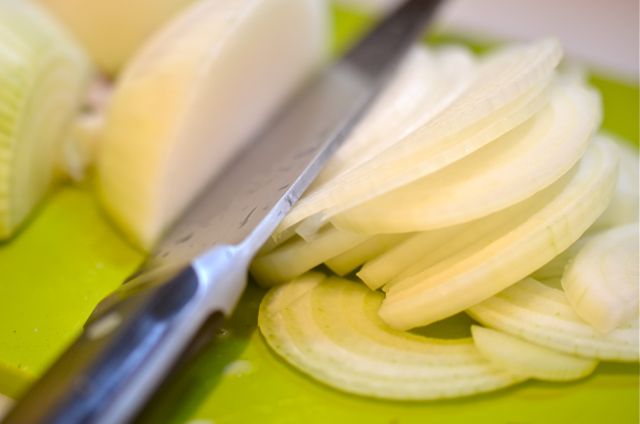
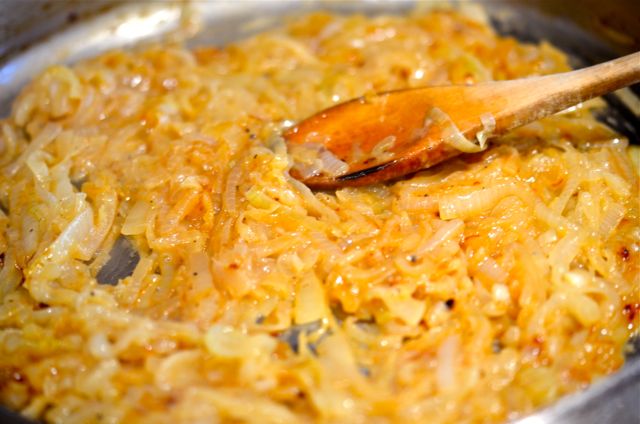
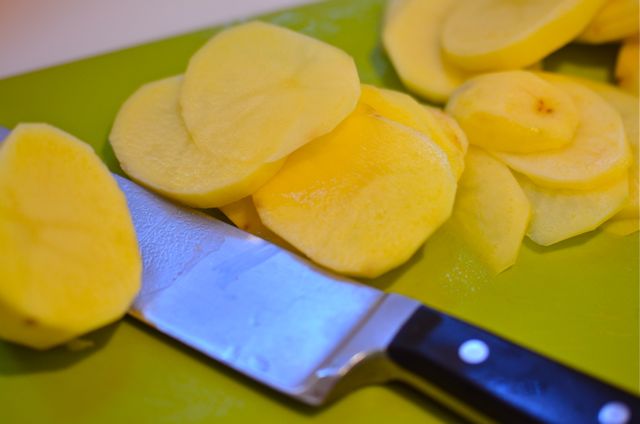
    Happily, this is not a hard dish to make. It may take time, but the steps are very clear. And if you have a food processor or mandolin, the process is that much easier. Thinly slice two large onions and caramelize them over medium heat with a few tablespoons of butter. Stir often and wait, and wait, until the onions are soft and deep golden brown, about thirty minutes. Meanwhile peel and slice five pounds of potatoes and then caramelize them with butter, in batches, for about five minutes per batch. This will take another twenty to thirty minutes. Then check for seasoning and layer the potatoes, onions, and herbs in a heavy pot or baking dish. Add the chicken stock and cook for about an hour, or until the potatoes absorb all the liquid. And then, finally, you’re done.

    But what you get is good enough to make you forget all your labor. These potatoes work with almost any roast beef, pork or chicken dish, and will usually outshine them.  You can serve these potatoes immediately and they will taste great, but the potatoes may fall apart. If you let them cool for ten to fifteen minutes, the potatoes will set and you can serve the potatoes in wedges that show off all the pretty layers. And since you just spent two hours making the potatoes, what is an extra fifteen minutes to show them off in all of their glory? (And you can enjoy a well-deserved cocktail).

    Potatoes à la Boulangere:

    Notes Before You Start:

    • We use Yukon Gold potatoes for this dish, but some recipes suggest waxy “new” potatoes like Red Bliss. Either will work, but baking potatoes like Russets will fall apart.

    What You Get: Incredibly rich, sweet potatoes and onions with both soft and crunchy texture.

    What You Need. No special equipment is required, but there is a lot of slicing. A food processor or mandolin will be a big help.

    How Long? Over two hours if you do it the “hard” way, with about forty-five minutes of active time. This is a special occasion dish, but the results are worth it. Great for big holiday meals where you can plan ahead and/or get free labor from family. Continue reading

  • Brined And Spiced Pork Tenderloin

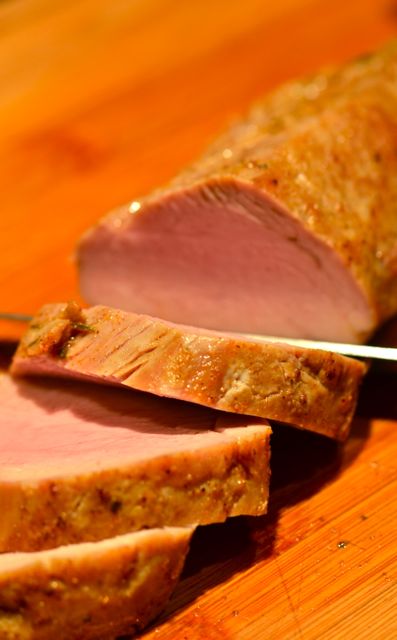
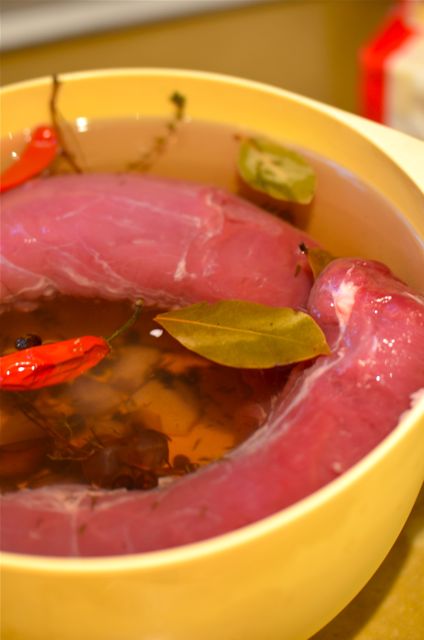
    Brined and Spiced Pork Tenderloin.

    GO GIANTS!

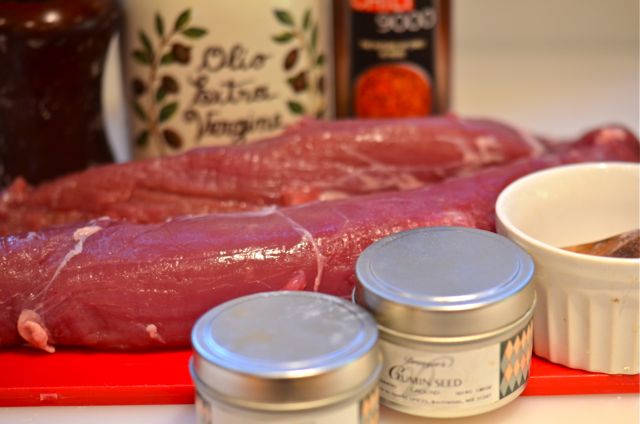
    Ok, now that we got that out of the way….If you’ve read this blog a bit, it becomes pretty clear that we are big fans of low-and-slow pork dishes here at the farm. And while we would smoke and pull pork every week if our schedules and waistlines allowed, sometimes we need other options. And for quick(er) pork dishes we look to chops and tenderloins. There are few easier dishes to prepare than pork tenderloin. Put a quick sear on it, pop it in the oven for a few minutes and you’re done. And sometimes it’s pretty good, and sometimes it bone dry and lacking flavor. And there are a number of reasons why things don’t always work out. Basic overcooking is the obvious reason for dry and flavorless pork, but also the size, shape and liquid content of the tenderloin come into play. But there is a simple way to make leaner pork cuts tasty and tender every time, brining.

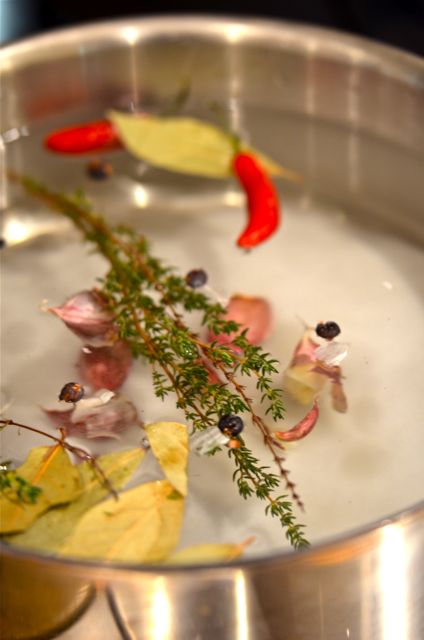
    A brine is simply a combination of water, salt, sugar and your choice of herbs and spices. But when you add meat, the brine performs some pretty cool magic chemistry that greatly improves the tenderness, juiciness and flavor of almost any cut. (Here is a good link that describes the science without getting too geeky). The only issue with brines is that they will dry out meats if you brine them for too long, but as long as you follow the recipe or the standard times for brining, it isn’t a  risk. Many cooks think of brines helping with large roasts like turkey or pulled pork, and the brining lasting for days. But for small cuts like pork tenderloins, even 45 minutes will help, and a few hours will do wonders.

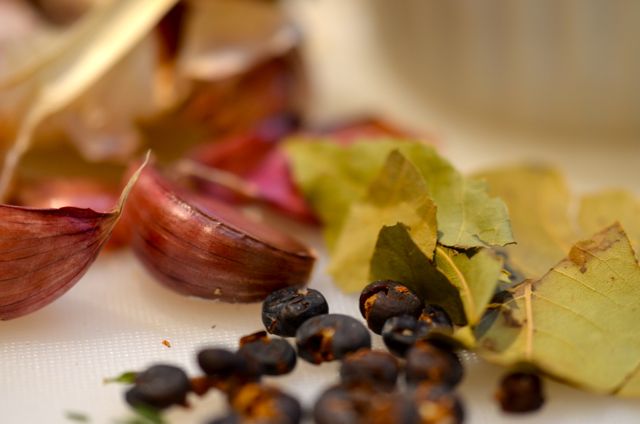
    Opinions on the times for brining pork tenderloins vary from forty-five minutes to four hours. The shorter times will still make the tenderloin juicy and tender, but not impart much extra flavor. The longer times will add some salt and flavor, perhaps too much salt for some. Two hours is a good starting point. The other variable in the brine is adding extra flavors. Technically, all you need is water and salt, but sugar, herbs and spices will boost flavor. We suggest you tune the brine based on the type of meat and your tastes. But, in general, sugar, garlic, thyme, and bay leaf seem to work in most brines. Black pepper and chili peppers add some extra bite. We do suggest caution with strong or “piney” herbs like sage, oregano or rosemary- as they may add bitter notes to the brine. Best to save them for any rub or marinade you put on the pork.

    Continue reading

  • Spiced Pear Cardamom Butter

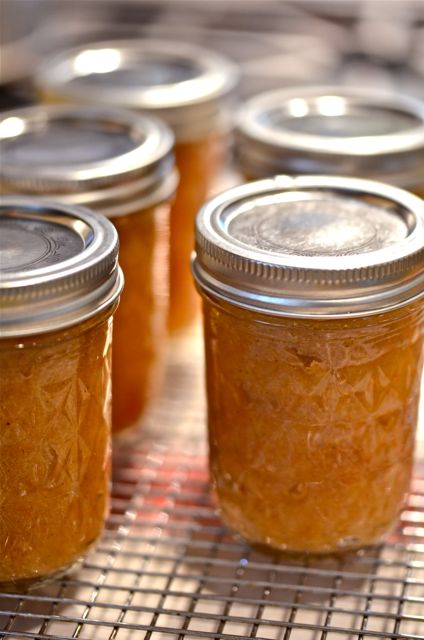
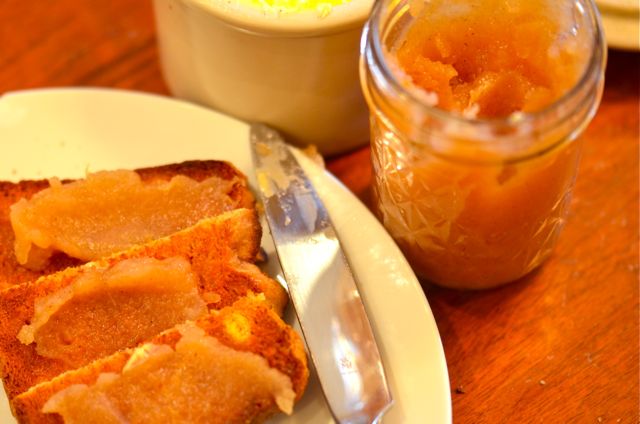
    Spiced Pear Cardamom Butter.

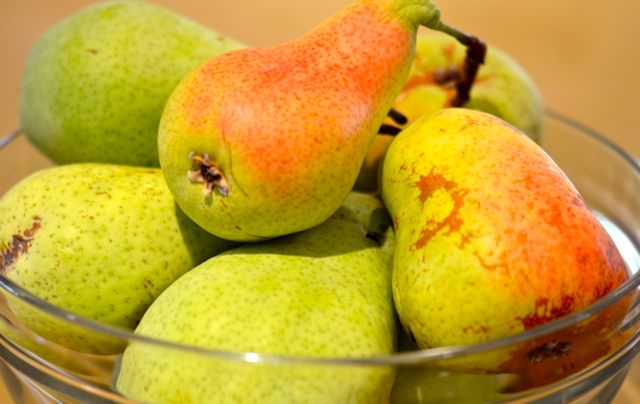
    As we mentioned in last week’s weekly cocktail post, we sometimes find pears to be a challenging ingredient. We like to eat our Comice pears out of hand, but when we got to our “mystery” pears we were a bit stumped. Part of the issue is that we have no idea what our “mystery” pears are. The tree is over 50 years old, and it has tremendous yield, but we have no other data. And since there are literally over 3000 varieties of pear, it “could” be almost anything. (And since Silicon Valley was an agricultural area before tech came, we do have all sorts of backyard heirloom fruit trees- so we mean “almost anything”).

    But, like many food mysteries, the proof is in the eating. We tried our mystery pears and they have a hard, crisp texture and a light, sweet flavor similar to apples with a touch of vanilla. A good pear, but not meant for eating fresh. After a little research, we decided the mystery pears were somewhere between a Bosc and a Concorde pear. Both are varieties best known for baking or canning. And since our mystery pears had light flavor, we went for a canning option and decided to make spiced pear butter.

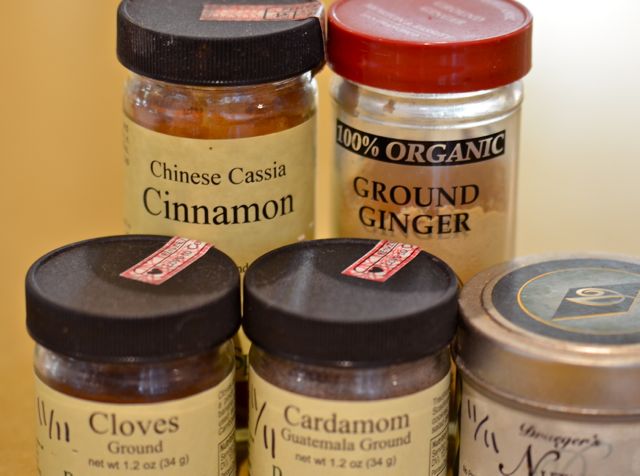
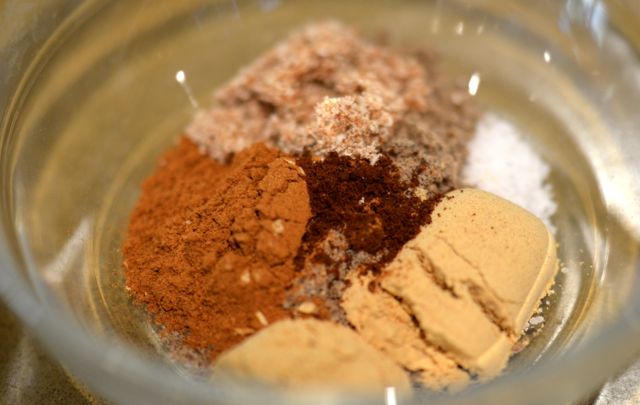
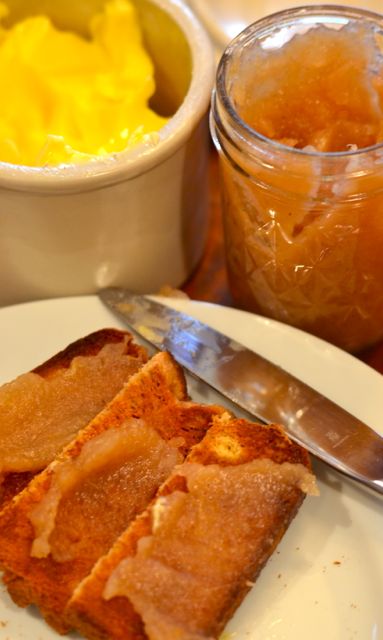
    The advantage of making pear butter is that you can cook the pears to concentrate their flavor, and you can vary the cooking time and spices to match the pears you have. Since our pears had light, sweet, apple flavor, we chose to make Spiced Pear Cardamom Butter. The recipe is adapted from “Tart and Sweet“, Kelly Geary and Jessie Knadler’s excellent canning and pickling book. The recipe combines pears and a strong dose of winter spices; cardamom, ginger, nutmeg, cinnamon and cloves. This may seem like overkill, but the pears carry the spices well and the result is very tasty. The spiced pear butter tastes like spicy apple butter but with honey and vanilla notes to go with the spices. Great on toast at breakfast, and certainly worth making.

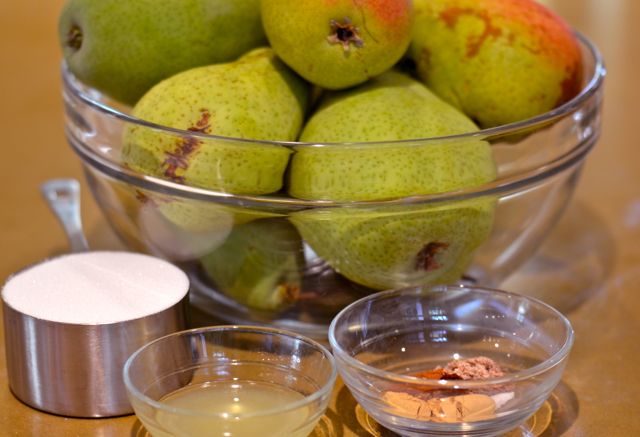
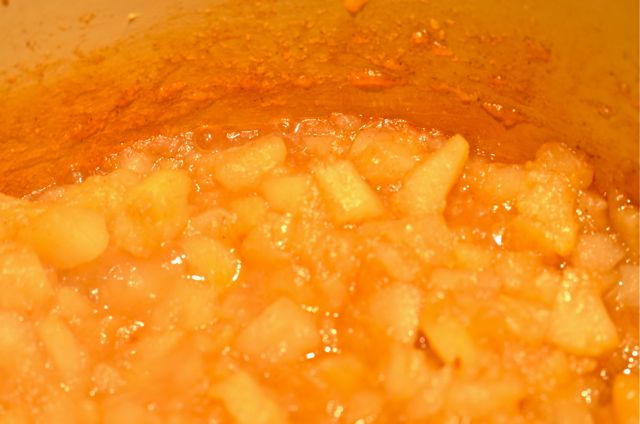
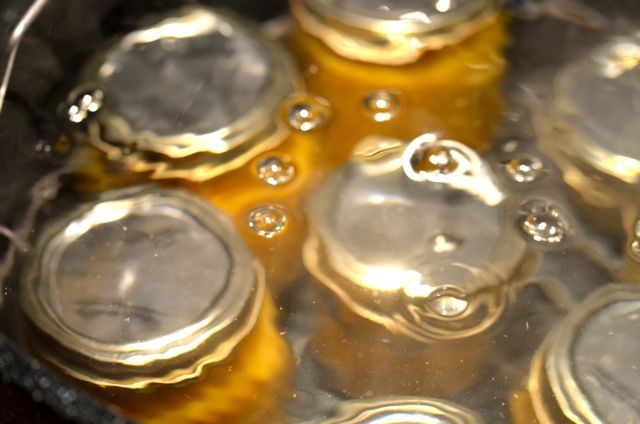
    And making pear butter is easier than most canning and jamming. Simply peel and core the pears, then cut into 1/2 inch pieces (the pears are firm and easy to handle). Then add to a pot with a bit of lemon juice, a dash of salt, a cup of sugar and the spices. Cook for about an hour, mashing the pears occasionally, and then blend in a blender of food processor and return to the pot for a little extra cooking. You can choose the consistency you like. Then process the pear butter, following your standard steps. The only issue with this recipe is the pears themselves, they vary widely in density and water content. The recipe says you will get about seven half pints of pear butter, but you may get eight you may get five. We got five. But simply taste the pear butter as you make it and then process when you are ready. You will still have plenty of pear butter.

    Continue reading

  • Weekly Cocktail #33: The Rochelle-Normande

    The Rochelle-Normand Cocktail

    As we drink our way through the seasons (and yes, that sounds both good and bad) we find some cocktail ingredients are easier to work with than others. Citrus is easy, lots of great recipes and combinations. Stone fruits are harder to handle, but are very tasty in all sorts of drinks. Apples? No problem. But now we get to pears, and it gets a bit challenging.

    Pears are one of our most ancient fruits and are popular all over the world, but oddly, are not a common cocktail ingredient. Pears have a soft, sweet flavor and light fragrance that can get lost when mixed with other flavors. And pear brandy (eau-de-vie), while common in France, is a rarity here in the states. More recently new pear liqueurs and vodkas hit the market. And since it is pear season (and we have a few pear trees and a decent crop) we got some Rothman & Winter Orchard Pear liqueur and started to experiment.

    As we noted, there are few “classic” pear cocktails to work from, so we approached this more like a dessert recipe. Firstly, we tasted the pear liqueur and it was sweet with clear pear flavor and a slightly dry finish. A good sip, but more of an attractive flavor accent than a lead note. So what else plays well with pears? Apple and spice came to mind. And we also like sparkling cocktails, as they often show off the aromas of their ingredients (and we had some sparkling wine left over from making Death in the Afternoon cocktails). With that in mind we did some research and found a cocktail called the Daisy Buchanon that combines pear liqueur, apple brandy and Champagne. We then looked to another of our favorite sparklers, the bitters-heavy, spicy Seelbach, for inspiration. And after many experiments, we got the Rochelle-Normande.

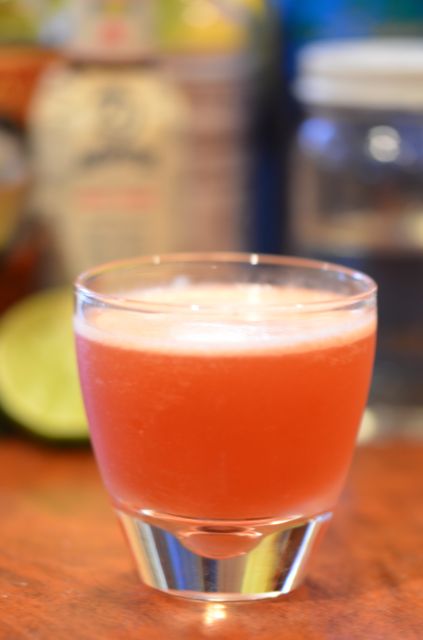
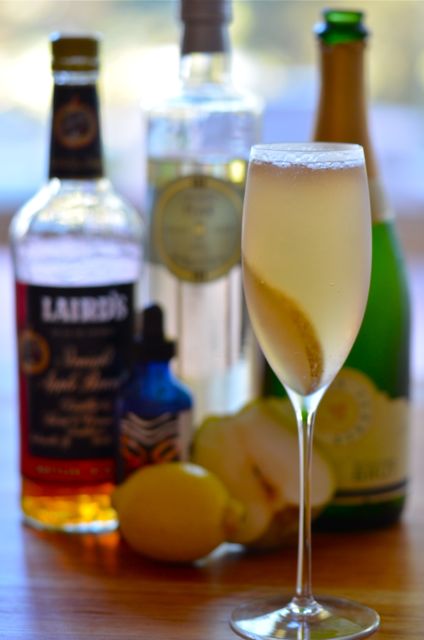
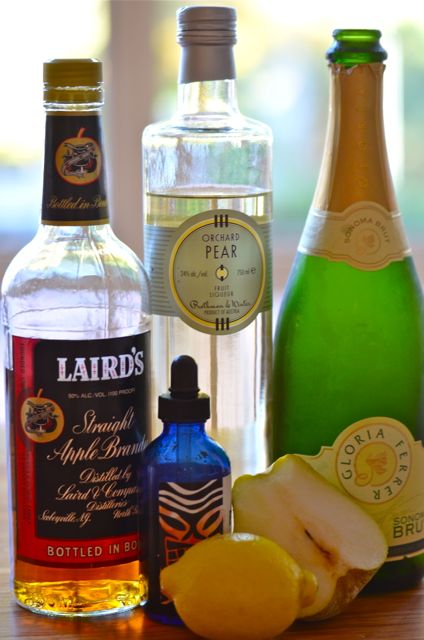
    The Rochelle-Normande combines pear liqueur, applejack (or calvados), lemon juice, Bittermen’s Tiki Bitters (substitute Angostura) and champagne. We garnish with a slice of pear and lemon twist. The sip is crisp and dry with both apple and pear flavors and aromas showing through. The lemon juice adds some acidity and the finish shows off the allspice, cinnamon and clove notes of the tiki bitters. A tasty, if somewhat dry, seasonal cocktail for the holidays. (And we like the look of the pear slice in the champagne flute.)

    You might note a lack of overtly sweet ingredients in this cocktail, and we did experiment both with Domaine de Canton to add sweetness and ginger notes and muddled pears. But muddled pears get gritty and the Canton did not play as well with the pears as we expected. In the end, we like the aroma and dry notes from both the pear liqueur and apple brandy and decided to highlight them. And the name? La Rochelle-Normand is an area in Normandy known for growing apples and pears. So while making this cocktail was challenging, finding the name was easy.

    The Rochelle-Normande:

    Ingredients:

    • 3/4 oz. applejack or Calvados
    • 3/4 oz. pear liqueur (Rothman & Winter Orchard Pear)
    • 1/3 oz. fresh lemon juice
    • 3 dashes Bitterman’s Elemakule Tiki Bitters (or Angostura bitters)
    • 4 oz. Champagne or sparkling wine
    • Pear wedge, for garnish (optional, but nice)
    • Lemon twist, for garnish

    Assemble:

    1. Combine the applejack, pear liqueur, lemon juice and bitters in a cocktail shaker with ice. Shake thoroughly and strain into a chilled flute. Top with the Champagne and then add the pear wedge and lemon twist. Serve.