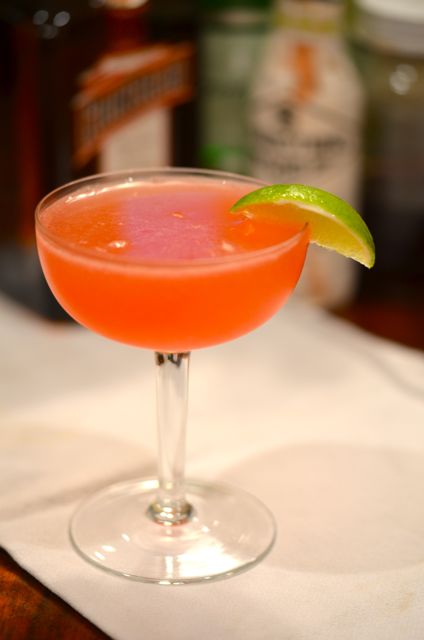
• Mixology Monday Cocktail: Long Island Planter’s Punch (LIPP)

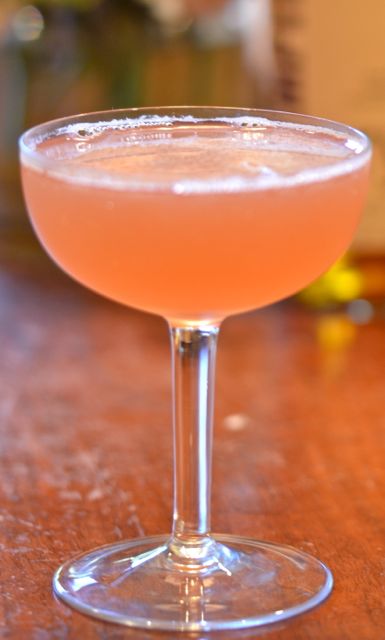
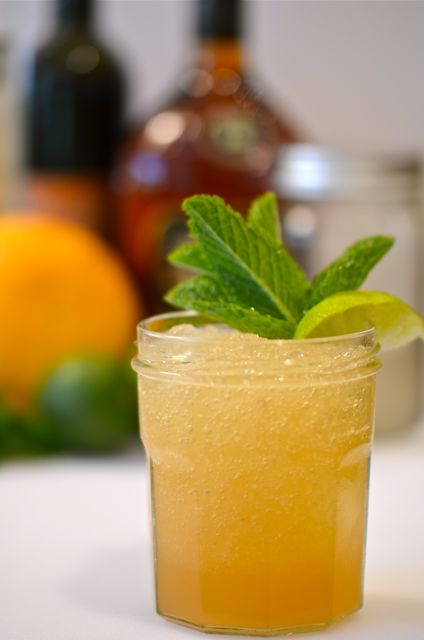
    Long Island Planter’s Punch.

    One of the cooler things in the cocktail blogging world has to be Mixology Monday, an “online cocktail party” where cocktail enthusiasts submit and share cocktails to fit an ever-changing theme. Paul Clarke of Cocktail Chronicles and Imbibe! ran Mixology Monday for 6 years (Wow- thanks Paul!) and just handed off the reins to Frederic Yarm at Cocktail Virgin Slut. (BTW- a shameless plug for Frederic’s new Boston Cocktail book “Drink and Tell”- see here). So here is the theme:

    For this month, I have chosen the theme of equal part cocktails — those simple drinks where only one jigger is needed despite how many ingredients are added. These recipes have gained a lot of popularity as classics like the Negroni and Last Word have resurfaced, and variations of these equal part wonders have become abundant.
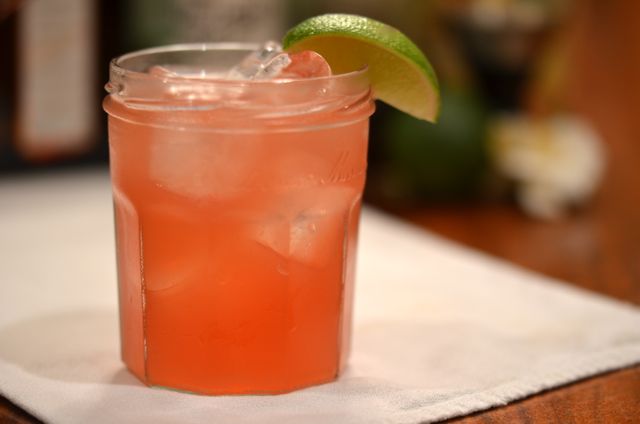
    LIPP as a “long” drink.

    Indeed they have. We have already posted on the Last Word and a very tasty variant with Apricot Shrub (that we made) based on a cocktail from Bar Terra. But seeing as how the Last Word has been revised dozens of times, we decided to look at other classic cocktails and see what we could do. We tried Corpse Reviver #2 variants with gin, grapefruit, Aperol and Lillet Rose’- good but better in unequal proportions. We also played with the Scofflaw, one of our recent faves, that included genever, rye, lemon, grenadine and dry vermouth. A very good drink, but the genever takes over so it was just a “genever scofflaw”. Ok, but not what we were after. But as a side bonus, we did make our own grenadine.
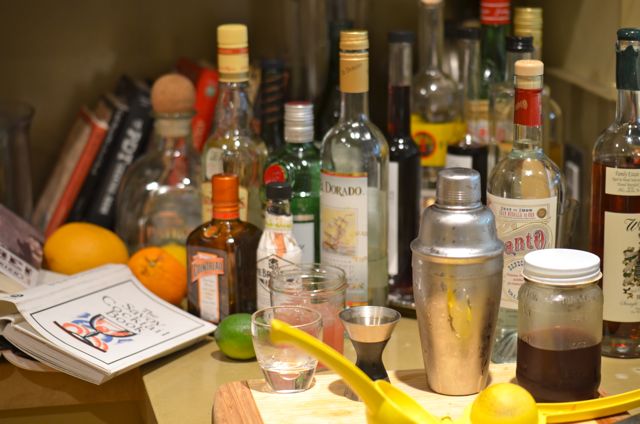
    Hard at “work” in the office…

    About that time, we decided that mining “classics” for ideas wasn’t going so well and perhaps another approach was in order. So if “classics” weren’t working, how about drawing inspiration from somewhat cheesier “less iconic” cocktails. And this very quickly brought us to the Long Island Iced Tea. We recently posted on the drink from Long Island, it is way better than it should be, and it uses roughly equal parts. But what to do with the homemade grenadine? Well, how about subbing the grenadine for Coke?  Kind of like Planters Punch (another semi-uncool cocktail) or a Bacardi Cocktail…and since the seasons are changing how about a little spice from a dash of bitters? (The rules allow it). And finally, the drink was boozy enough so we dropped the vodka, as we still had plenty of other spirits in the drink.

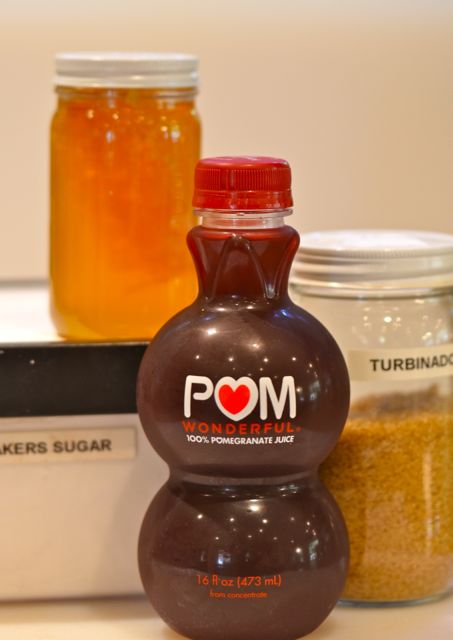
    Ingredients for Long Island Planter’s Punch

    And the Long Island Planters Punch was born. (And yes the LIPP is a riff on the L.I.R.R.- Long Island Railroad) The LIPP combines equal amounts of white Demerara rum (El Dorado), reposado tequila (Cazadores), dry gin (Tanqueray) , Cointreau (or another triple-sec), lime juice and grenadine, with a dash of Fees Old Fashion Aromatic Bitters (you can sub Angostura). And we garnish with a lime wedge for a little aroma and extra presentation. And one last note, if you can’t make your own grenadine, a “real pomegranate” grenadine will be much better, as the corn-syrup based versions are way too sweet.
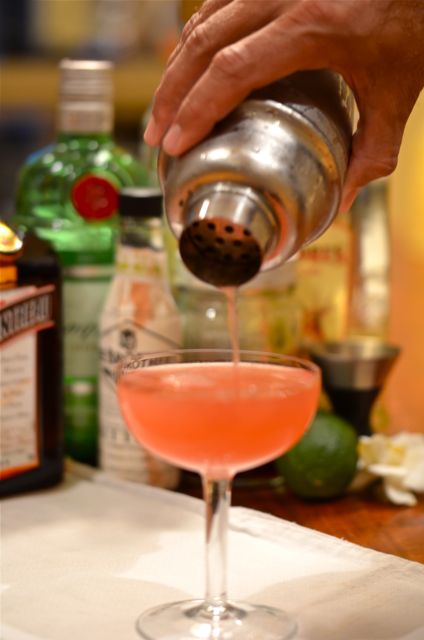
    And the flavor of the cocktail? We like it very much. You get the lime juice, tequila and Cointreau up front and then the herbal flavors of the gin and sweet rum and grenadine fill-in and finally you get the spice of the bitters. A good sip, and just like the Long Island Iced Tea, it tastes much less boozy than it really is. And you can serve the LIPP as a cocktail or a long drink, it works either way. The LIPP is so tasty, we wondered if we should rename it and not mention its less-than-stellar cocktail forebears. But just as we still love our Dads, even though they mowed the lawn every Sunday in khaki shorts, black socks and sandals, we will proudly acknowledge the LIPP’s heritage.

    The Long Island Planter’s Punch (LIPP)

    Ingredients:

    (For 1 cocktail, double for a “long” version of the drink)

    • 1/2 oz. White rum (El Dorado Demerara)
    • 1/2 oz. Reposado tequila (Cazadores)
    • 1/2 oz. Dry gin (Tanqueray)
    • 1/2 oz. Triple-sec (Cointreau)
    • 1/2 oz. Fresh lime juice
    • 1/2 oz Grenadine (homemade- see below, or “real pomegranate”)
    • 1 dash Fee’s Old Fashion Aromatic Bitters
    • Lime wedge, for garnish

    Assemble:

    1. Combine all the liquid ingredients in a cocktail shaker with ice. Shake thoroughly and strain into a chilled cocktail glass, coupé or flute. Garnish with lime wedge. Serve.

    -or-

    1. For a “long version” of the drink. Double the recipe and combine all the liquid ingredients in a cocktail shaker with ice. Shake thoroughly and strain into a large tumbler, highball or pint glass filled with ice. Garnish with lime wedge.

    —-

    Grenadine:

    (Adapted from Cocktail Chronicles and David Wondrich)

    Notes:

    • This is a “cold-process” version of Grenadine. There are also boiled versions, but we prefer the fresher flavors of the cold version.
    • You can use superfine sugar to be sure the sugar will dissolve in the pomegranate juice. You will get a bit more sugar, by weight, so check the flavor of the grenadine after the first mixing before adding any more sugar.

    Ingredients:

    • 1 part white sugar
    • 1 part pure, unsweetened pomegranate juice
    • 1 tablespoon of vodka or grain alcohol per cup of syrup (optional)

    Assemble:

    1. Place the juice and sugar in a jar with a good lid and seal. Shake well until sugar dissolves in the juice. Taste and add sugar, by tablespoon, to balance flavor.
    2. Add the vodka or grain alcohol, if using. Store in the fridge.
  • Teriyaki Chicken in Lettuce Cups

    Teriyaki Chicken.

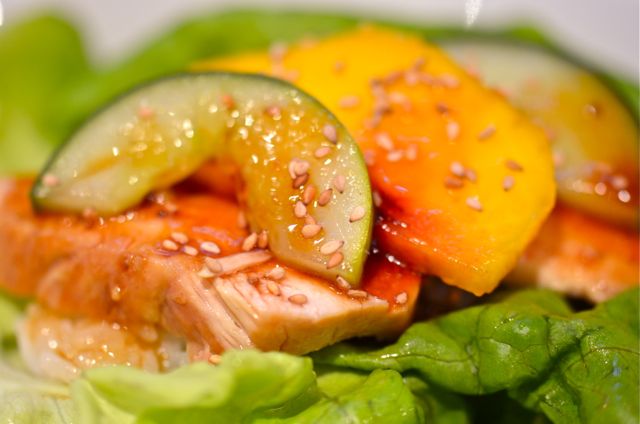
    Teriyaki Chicken in Lettuce Cups.

    If there is one thing we know about cooking, it is the “80/20 rule”. And in the case of cookbooks, this is almost doubly true. We tend to get more than 80% of our recipes from just 10%-20% of our (ever-growing collection of) cookbooks. So when we get a new cookbook and we find a bunch of good recipes, it is cause for a small celebration, or at least some extra cooking. And it looks like we have a winner with Debra Samuels’ “My Japanese Table“, her book on simple Japanese home cooking. So far we’ve made a number of recipes like Sushi Balls (good stuff and good fun) but often it is the simple recipes that define a good cookbook, and Samuels’ recipe for Teriyaki Chicken is a great example.

    Samuels describes Teriyaki sauce as “the Swiss-Army knife” of Japanese sauces, and that description is spot-on. Sweet, salty and tangy, Teriyaki goes well with chicken, beef, fish, veggies and rice. It just works, and we use it often, particularly as a glaze for fish. But, somewhat shamefully, we never made it ourselves. Happily, Samuels has an easy recipe and we decided to make it, and we are unlikely to ever buy store-bought Teriyaki again, homemade is much better. The homemade sauce has bright flavor with just enough ginger, glossy color and smooth texture.

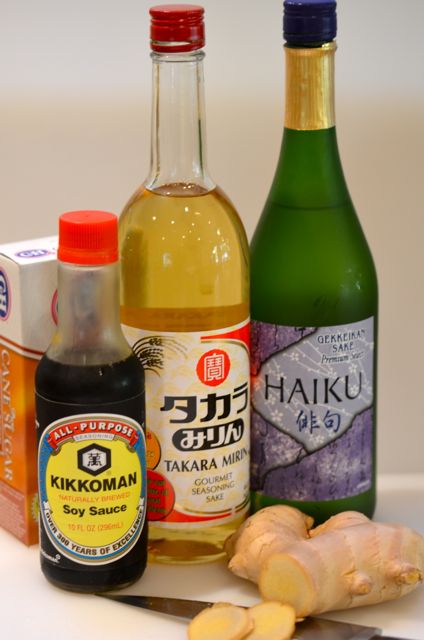
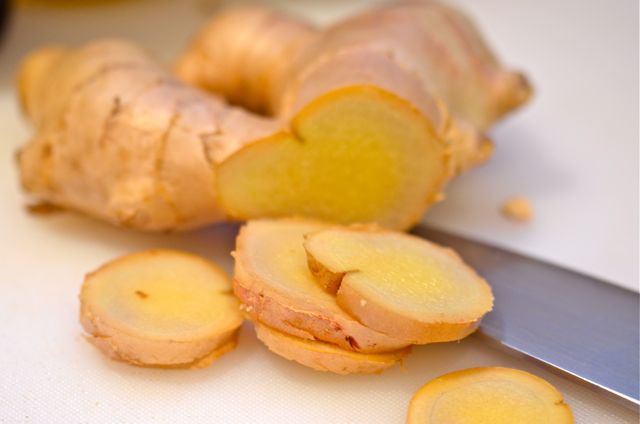
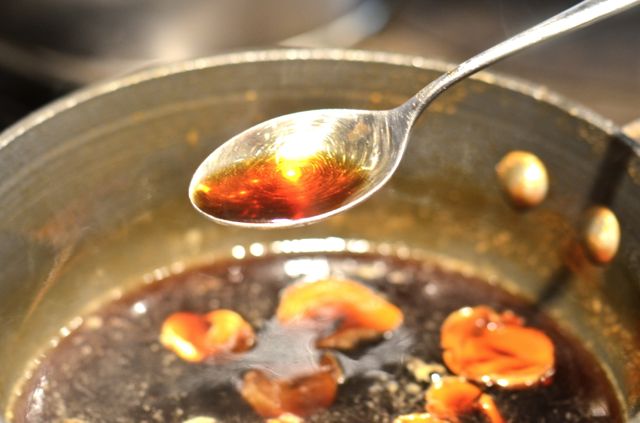
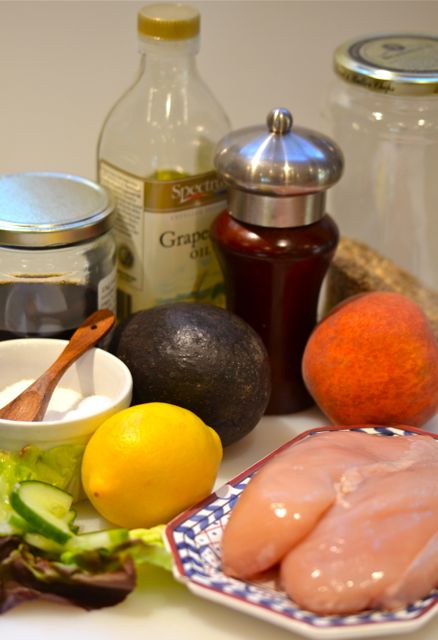
    Making the Teriyaki sauce is simple. Just combine, simmer and reduce mirin (Japanese cooking wine), sake, brown sugar, soy sauce and fresh ginger. It takes about 45 minutes. but you can make Teriyaki in large batches and it will keep in the fridge for at least a month. But unless you make a very big batch, we doubt it will last that long- you can use Teriyaki on pretty much anything. Basically, you can put this on a shoe and it will taste good…but why not try Teriyaki Chicken, instead?

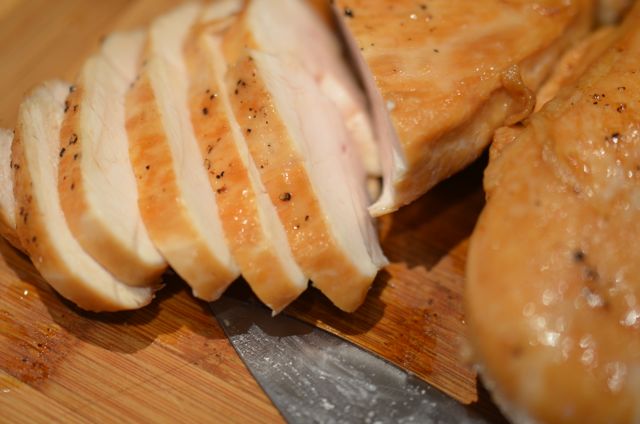
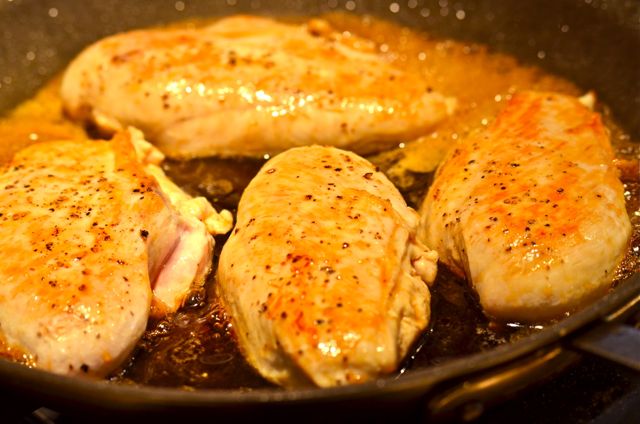
    And while it seems so “old-school”, good homemade Chicken Teriyaki is incredibly tasty, and a reminder of why many of us fell in love with Japanese cooking in the first place. And it’s easy to make. Simply season and brown chicken breasts (skin on or off) then add some of the Teriyaki sauce and simmer the chicken, turning often, until done. Then, while you rest the chicken, reduce the remaining Teriyaki and chicken juices into a thick glaze. Coat the chicken with some of the Teriyaki glaze, slice and serve.

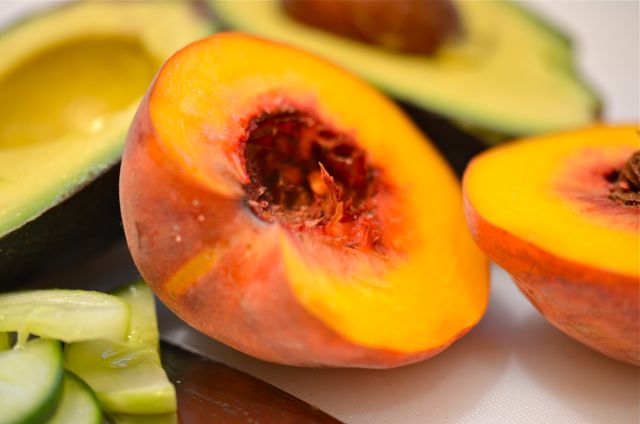
    And how do you serve Chicken Teriyaki? Samuels suggests with rice, shredded lettuce, some toasted sesame seeds, and a squeeze of lemon, and that will be very good. But we suggest making lettuce wraps (like ssam) with the sliced Teriyaki chicken, Japanese rice (or coconut rice), toasted sesame seeds with a variety of sliced fruits and veggies. In this case we used sliced peaches, quick pickles and avocado. Tasty, and a pretty complete meal. (And while perhaps not traditional, a few drops of Sriracha also work pretty well.) But however you serve Teriyaki, the bright big flavors and beautiful color will remind you this is a dish you should make more often… Continue reading
  • Cocktail DIY: Grenadine, Simple Syrups, Honey Syrup

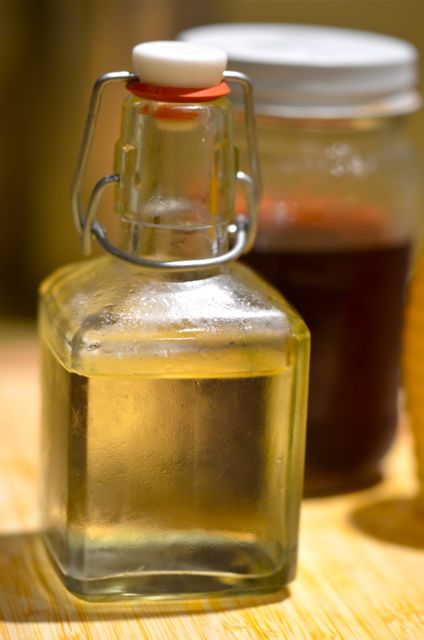
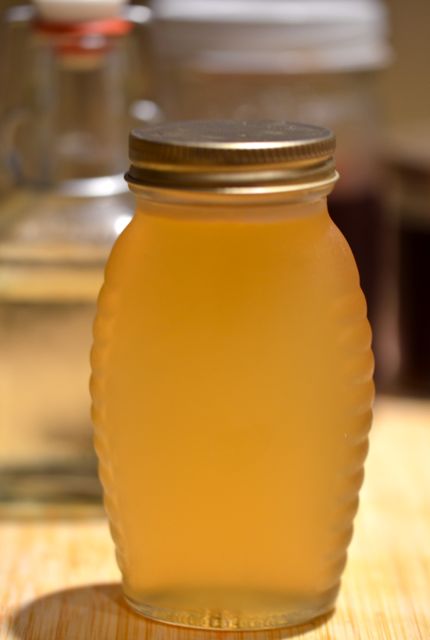
    If you like to “Do-It-Yourself”, then you might want to explore the world of cocktails. Besides making classic drinks from scratch, you can create your own cocktail recipes, boozy infusions, flavored syrups, brandied fruit garnishes, fat-washes (don’t ask) and even your own tinctures and bitters. And many of these DIY products will be way better than anything you buy in the store (a few won’t, btw). And if you want to explore the boundaries of cocktail DIY we suggest visits to Cocktail Chronicles, Boozed + Infused and Serious Eats, all have a wealth of detailed DIY recipes. But before you take the full plunge into cocktail DIY esoterica, we suggest a few basic syrups that cover many classic cocktails and Tiki drinks: Grenadine (pomegranate and sugar syrup), simple syrup ( white sugar or Demerara “raw” sugar syrup) and honey syrup.

    This is all you need to impress your party guests…;-)

    What makes these syrups so special? Firstly, you can make hundreds of snazzy cocktails with these syrups as the primary sweeteners (and they dissolve better in cold drinks than honey or granulated sugar- nobody likes gummy or gritty cocktails). Second, you can find all the ingredients at the grocery store. Third, you can make these syrups in under 15 minutes….combined. And finally, they keep in the fridge for weeks. So if you invest just a little time, you get a big payoff. And the payoff is in the cocktails. What cocktails? Here are just a few examples:

    Scofflaw with Grenadine.

    Grenadine: Planter’s Punch, Scofflaw, Tequila Sunrise, Jack Rose and Bacardi Cocktail (and the Shirley Temple / Roy Rodgers for the kids).

    Daiquiri’s use simple syrup (Demerara will make for a very different sip).

    Simple Syrup: Daiquiris, Mojitos, Collins, Sours, Juleps, French 75, and the Long Island Iced Tea (use Demerara syrup for a richer, molasses-tinged flavor).

    Lots of Tiki drinks use Honey Syrup.

    Honey Syrup: Air Mail, Bee’s Knees, Bebbo, Navy Grog, Tiki Bowl, Rum Barrel and the Missionary’s Downfall.

    And as we noted, making these syrups is very, very easy. You only need two basic cooking methods; mixing and boiling. Grenadine and honey syrup are the “mixers”. Just combine 1/2 sweetener and 1/2 liquid in a container and shake  (just use really hot water for the honey syrup). After a few minutes of shaking, you’re done.  The simple syrups require a brief boiling time to incorporate the sugar and water, but it only takes a few minutes.

    Finally, these syrups can keep for a while. Honey syrup, if kept in the fridge, will last up to a month. Both the Grenadine and simple syrup will last 1-2 weeks in the fridge, but adding a tablespoon of vodka or grain alcohol for every cup of syrup will extend their life a few weeks more. And once you make these syrups, you may find yourself using them quite often- your cocktails will be very tasty and have smooth, “professional” texture. Continue reading

  • Simple Garden Recipes: Panzanella

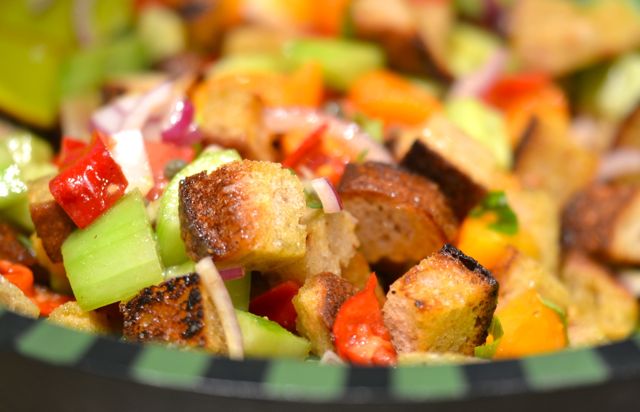
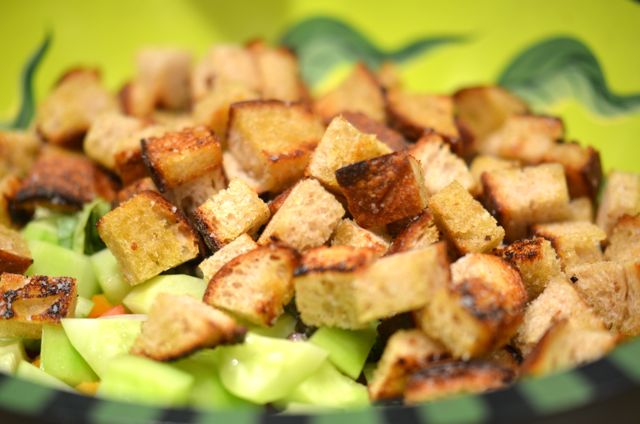
    Panzanella.

    As we move into Indian Summer, we often find ourselves torn. We start to see sign of fall and are tempted by fall flavors, but in reality our garden is still brimming with tomatoes, peppers and cucumbers. Happily there are plenty of good summer vegetable dishes to address this late-summer abundance. We already enjoy Caprese Salads and Gazpacho on regular basis. We make Ratatouille  (particularly to use up the eggplant). And whenever there is some country bread around we make Panzanella, a Florentine salad of bread, tomato, cucumbers, peppers, onions and a vinaigrette.

    Make some croutons.

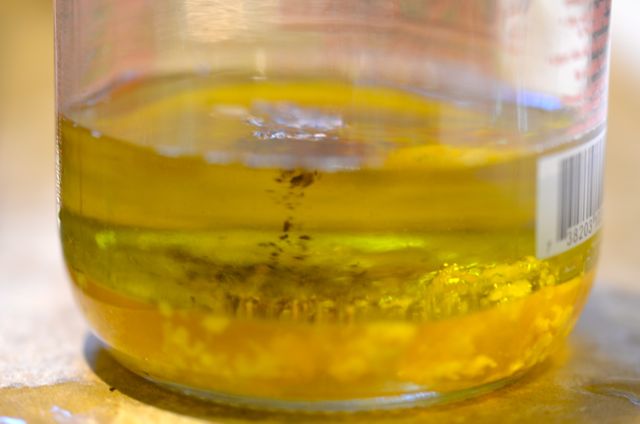
    Mix a quick vinaigrette.

    Now, if you just said to yourself “isn’t that just gazpacho that hasn’t been pureed?” you would be pretty close. And this makes some sense, the Spanish and Italians share a Mediterranean climate and cultivate similar summer vegetables. Odds are, you will see some similar seasonal dishes from these countries / regions (keep going east and you get a Greek salad) . And as we continue to cook from our garden, we see this pattern all the time. We have no doubt many recipes exist because seasonal ingredients often compliment each other and generations of cooks refined what became classic recipes. But we also have few romantic illusions about seasonal cooking, dishes like Gazpacho and Panzanella exist because they are a good way to pawn off use up all of those tomatoes and cucumbers. And usually when you get your tomatoes and cukes, you get a lot of them. Oh, and might as well use-up that old bread as well…

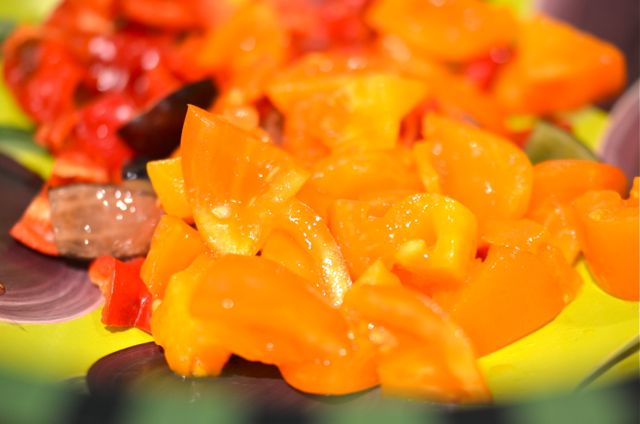
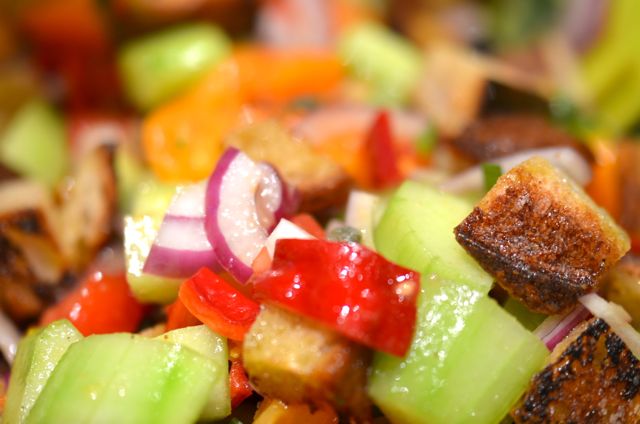
    Chop tomatoes and peppers.

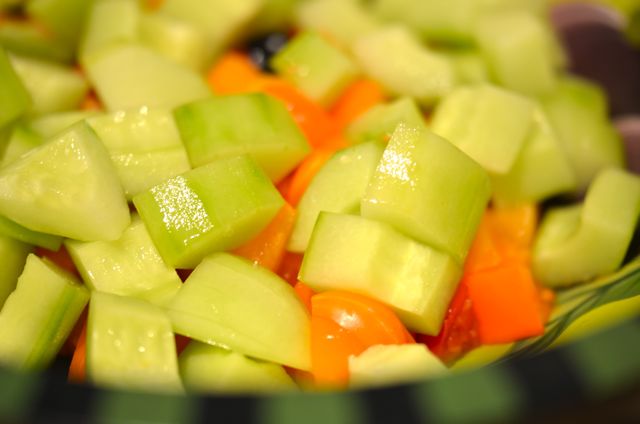
    Add some chopped cucumber.

    And it does help if the dish actually tastes good, and Panzanella is often a delicious dish. But like many “classic” dishes there are plenty of recipes, not always good, and some details that make the most of the ingredients. We use an adapted recipe from Ina Garten that keeps things simple but has a lot of summer flavor (and uses up our veggies). The key step in this recipe is making croutons with the bread, and not just soaking stale bread. The warm, crunchy and salty croutons mix perfectly with the veggies, herbs and vinaigrette. And if you can chop vegetables and make vinaigrette, making the rest of this recipe is as easy as it gets. And if you have other ingredients you want to add, feel free- purists may cringe, but there are all sorts of Panzanella recipes out there. Find one you like.

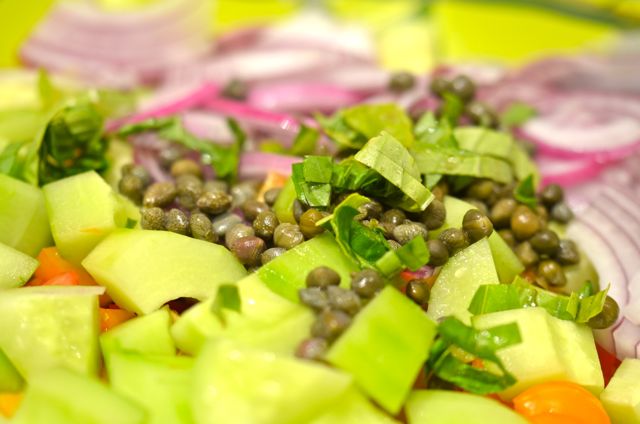
    Add some onion, basil and capers.

    Toss in the vinaigrette and add the croutons.

    As for the history of Panzanella, it’s been around in some form since the 16th century. Originally Panzanella combined bread, onions and vinegar. While this was probably “ok”, we think we can speak for most people and say adding tomatoes and peppers (and cukes) in the 19th and 20th centuries probably improved the dish. (Gazpacho has a similar history and improved with the addition of tomatoes, IMHO). As it often turns out, an abundance of tomatoes usually makes for better eating, particularly in summer. So if you can’t pickle one more cucumber of bottle one more jar of tomato sauce, take what you have left, grab some old bread, invite a few friends over and make Panzanella. Enjoy the bounty of summer while you can.

    Serve.

    Panzanella:

    (Adapted from Ina Garten)

    Ingredients:

    (Serves 8-12 as a salad)

    Salad:

    • 3 tablespoons olive oil
    • 6 cups country bread (1 small to medium loaf), cut into 1 inch cubes
    • 1 teaspoon kosher salt
    • 2 large ripe tomatoes, cut into 1 inch cubes
    • 2 sweet red and/or yellow peppers seeded and cut into 1 inch cubes
    • 1 cucumber, seeded and cut into 1 inch cubes
    • 1/2 medium red onion, cut in half and thinly sliced
    • 1/4 cup fresh basil leaves, coarsely chopped
    • 3 tablespoons capers, drained

    Vinaigrette:

    • 1 teaspoon garlic, finely minced
    • 1/2 teaspoon Dijon mustard
    • 3 tablespoons white wine or champagne vinegar
    • 1/2 cup good olive oil
    • 1/2 teaspoon kosher salt
    • 1/4 teaspoon freshly ground black pepper

    Assemble:

    1. To make the croutons, heat the 3 tablespoons of oil in a large sauté pan or skillet. Add the bread and salt. Cook over medium-low heat, tossing frequently, until browned. About 10 minutes. Set aside when done.
    2. To make the vinaigrette, whisk all the ingredients together in a small jar or bowl.
    3. Chop all of your vegetables add place into a large mixing or salad bowl. Add the basil and capers. Add the vinaigrette (don’t do it all at once, add half and see what you need to add) and toss thoroughly. Add the bread cubes and toss again. Taste for seasoning and add salt and pepper as needed. Serve immediately or let the flavors meld 15-30 minutes before service.
  • Weekly Cocktail #28: The Sazerac

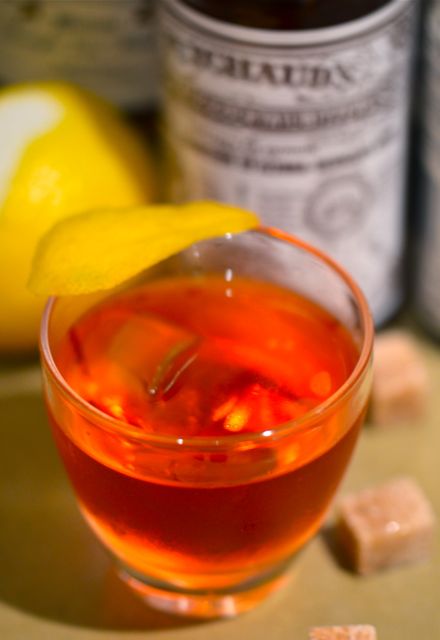
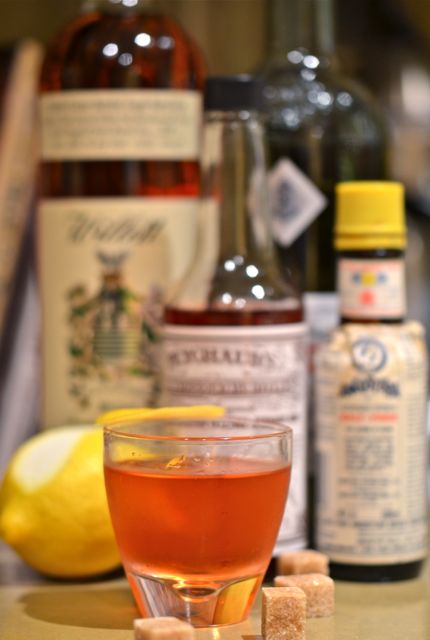
    The Sazerac Cocktail.

    As we noted all week, fall is almost here. And for us, fall means we get to break out the “brown” drinks. And we don’t mean to be derisive, but these are darker, heavier, and often sweeter, than most cocktails. Perfect for fall and winter, but perhaps a bit heavy for spring and summer. But as the weather starts to change, we occasionally crave a good brown drink; Old Fashioned, Manhattan, Vieux Carre’ and the Sazerac.

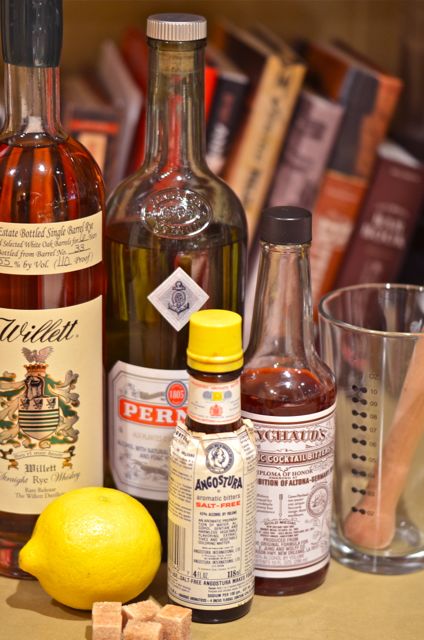
    And if we are drinking a strong whiskey cocktail, it’s very likely the Sazerac, the classic cocktail of New Orléans.  The Sazerac combines rye whiskey (yes we are on a rye kick), sugar, Peychaud’s and Angostura bitters with a touch of ice, served in an absinthe-rinsed glass and a lemon twist. We think of the Sazerac as an old-time Whiskey Cocktail (whiskey, sugar, bitters ice/water) with a few extra touches. Those extra touches include more bitters (some recipes use only Peychaud’s, we like using both), an absinthe rinse for the glass and the lemon twist. It may not sound like much, but these small changes make for a big difference. Nothing tastes quite like a Sazerac. Sweet, spicy and herbal, the Sazerac is a cocktail you can linger over and enjoy.

    In fact, many versions of the Sazerac suggest using little or no ice. And this makes some sense, as the drink comes from New Orleans in the mid 1800’s and ice wasn’t always readily available. And even if the cocktail were chilled, it would get warm fast-best to have a cocktail that tastes good cold or at room temperature. And while the Sazerac will taste good without much chill, we still prefer it cold.

    As for the history of the Sazerac, it was “invented”  at the Merchant’s Exchange Coffee House in the 1800’s. At the time, the spirit was cognac (the name “Sazerac” comes from a brand of cognac), not whiskey, but the phylloxera outbreaks of the 19th century forced the move to whiskey. Some early recipes also use bitters other than Peychaud’s, but Peychaud’s is now standard ingredient (purists will not like the inclusion of Angostura). The absinthe (or herbsaint- a pastis from New Orléans) has been a constant part of the recipe. It is unclear when the lemon twist came into things- but it’s good- and was in the recipe when it was first published in the 1908 cocktail book, “The World’s Drinks and How to Mix Them“.

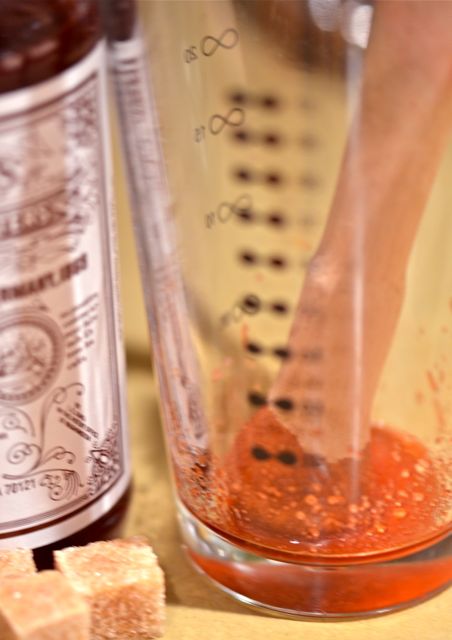
    Finally, making the Sazerac does require a few extra steps, but they are worth it. You need to muddle a sugar cube (you can use simple syrup, too) and the bitters before adding the ice and Rye. And you need to rinse the serving glass with absinthe. This seems fussy, but it does seem to give you the perfect amount of absinthe- it won’t overpower the other ingredients. And finally you need to do a thorough job with the lemon twist and get all of those tasty oils in the drink. When you’re done, you get a lovely, complex sip. As we said “nothing tastes quite like a Sazerac”, and since there is no place quite like New Orléans, we think that fits.

    The Sazerac:

    • 2 oz. rye whiskey
    • 1 sugar cube (Demerara sugar preferred)
    • 3 dashes Peychaud’s bitters
    • 2 dashes Angostura bitters
    • 1 teaspoon absinthe or pastis, for rinse
    • Lemon peel, for garnish

    Assemble:

    1. Muddle the sugar cube and bitters in a mixing glass. Add the rye and ice. Stir to chill.
    2. Meanwhile, coat the inside of a lowball or old-fashioned glass with the absinthe. Pour off any excess. Add one large ice cube to the glass and pour in the cocktail. Twist the lemon peel directly over the drink to extract the oils. Discard the used lemon peel. Serve.
  • Butternut Squash Gnocchi

    Butternut squash gnocchi with sage brown butter, bacon and hazelnuts.

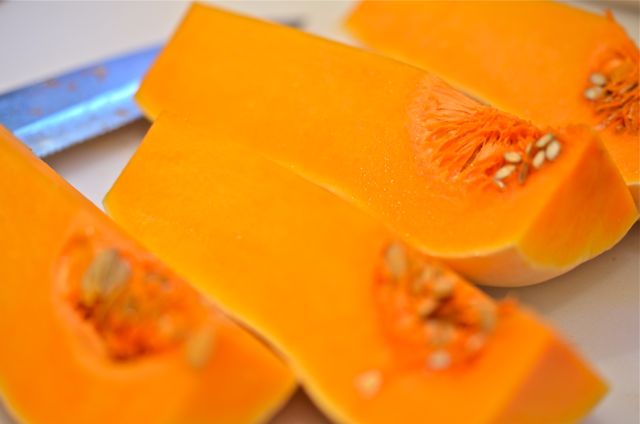
    As we noted earlier this week, fall really isn’t quite here yet. But we already jumped the gun with the Applejack Rabbit cocktail, so why not move directly to the heart of the colder seasons and work with butternut squash? And while butternut squash is a “winter” squash, that just means you can store it over the winter. It is perfectly good to eat in the fall (or even late summer). And we do like our butternut squash, it is sweet and savory and a great ingredient in all sorts of dishes. And if you use butternut squash in pasta with some brown butter and maybe some sage…well, then you start inching towards culinary nirvana.

    Somewhat monochrome ingredients, but you get a colorful dish.

    Just because we like the photo…and the ingredient.

    And while we like to make pasta at home (frankly, with mixed results) we do know we can make gnocchi, and it will be good. And if we use butternut squash, it can be very good. And this gnocchi is easy to make, but it does take a little time- time well spent. And this is a frugal dish as well. Butternut squash, flour and butter won’t break the bank. And they are pretty good for you, too…you get the idea.

    Cut the top and bottom from the squash.

    Quarter the squash and cook in the microwave.

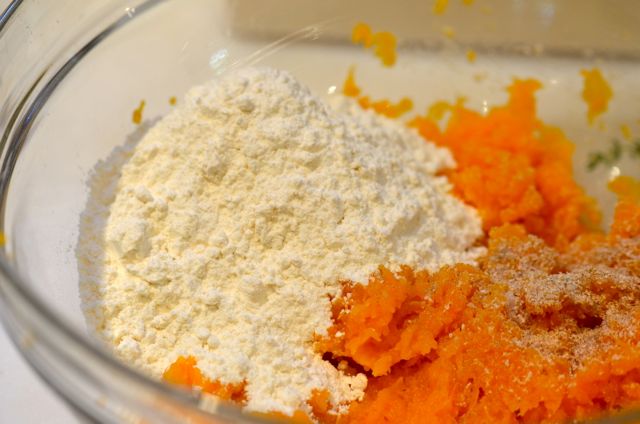
    Scoop out the flesh from the squash.

    If you are unfamiliar with gnocchi, it is simply a small dumpling that usually combines a cooked starchy vegetable like potatoes or squash (although you can also use ricotta cheese- but that is for another post) with flour and seasoning . The dumplings are boiled and then served, or cooked a second time (usually browned in butter). What you get is a remarkably light-textured, but very hearty dumpling that pleases a crowd (and sticks to their ribs). Basically, if you want to feed a bunch of kids after they play sports, gnocchi is a good choice.

    Grate some nutmeg.

    Add flour and the seasoning. Start to mix the dough. Continue reading