• Bonus Cocktail: The Applejack Rabbit

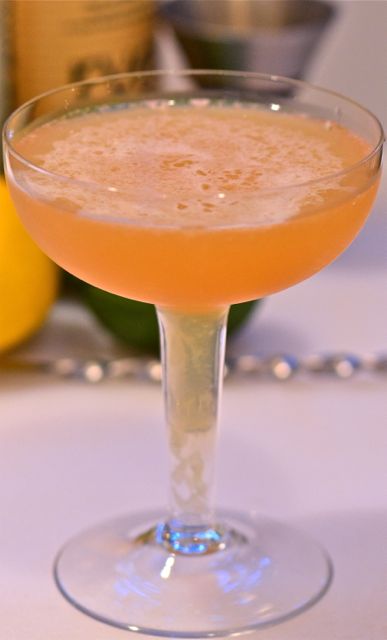
    The Applejack Rabbit.

    Fall is here! Well…kinda…sorta…almost…spiritually…uh, whatever. Labor Day is gone, the kids are back in school, and now we feel free to post “fall-themed” cocktails. And when we think autumn, we think apples. And if you like eating (and drinking) with the season, there is nothing quite like Applejack, the great American brandy. And there is no better Applejack cocktail than the Applejack Rabbit.

    Unfamiliar with Applejack? It is the first great American spirit. Way before Americans fell in love with whiskey, we turned our apples into cider and then let that cider turn to apple brandy. How? In the “old” days of the 18th century thirsty Americans would leave out their “hard” apple cider in winter, and as it froze they would remove chunks of ice. The ice was mostly water, as the alcohol has a lower freezing point, so what was left over became ever-stronger apple brandy.  And it was usually potable, but quality could be spotty (and perhaps just short of lethal).

    Laird’s “Bonded” Applejack, really good stuff.

    But soon enough, American’s started to distill their Applejack and it has been a consistently tasty, tangy brandy ever since. And as late as the 1920’s, Applejack was a popular cocktail spirit. But prohibition almost killed Applejack distillation. Only Laird & co. of New Jersey survived as a real business. And this is somewhat fitting, as the Laird’s distillery, founded in 1780, is possibly the longest continuously operated distillery in the country. And their Applejack is very, very tasty- and affordable.

    But one quick note, if buying Applejack, you want the Laird’s “Bonded” Applejack- this version is pure apple brandy and will run you between $20-$30. And what you get is a smooth brandy that has the body of bourbon and the apple flavor of Calvados, but with an extra apple “tang” similar to a green apple Jolly Rancher candy (sorry, but that is what it tastes like). Great stuff and you can use it as a substitute for both whiskey and Calvados in cocktails. If you find it, we suggest you add Applejack to your bar, you can use Applejack in Old Fashioneds or in classics like the Jack Rose. You can even use it in apple desserts….more on that soon.
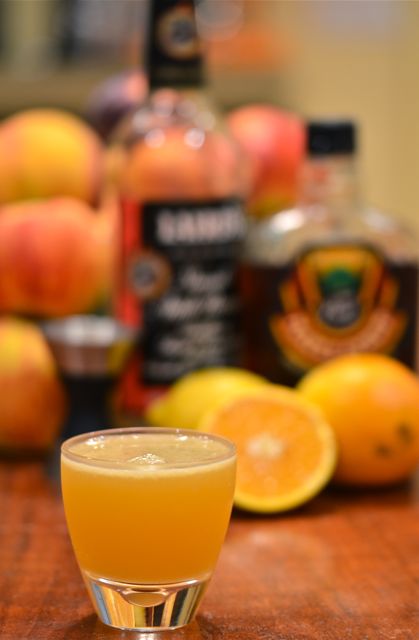
    As for the cocktail, the Applejack Rabbit combines Applejack, orange juice, lemon juice and maple syrup. Maple syrup is not a common cocktail sweetener, but it works wonders with the Applejack. The citrus adds a sour balance and more depth, but make no mistake, this is an apple cocktail. Most recipes suggest grade B maple syrup, but any good maple syrup will work. And as this cocktail has been around a while, there are many recipes. We use a version from the PDT cocktail book, as Jim Meehan’s recipes usually work well with current tastes. And the Applejack Rabbit is a perfect drink for the season, the apple and maple syrup almost scream out that the seasons are changing…and while we always miss summer, a little Applejack certainly eases the transition…

    The Applejack Rabbit:

    Ingredients:

    • 2 oz. Applejack (Laird’s Bonded Apple Brandy)
    • 3/4 oz. fresh lemon juice
    • 3/4 oz. fresh orange juice
    • 1/2 oz. real maple syrup

    Assemble:

    1. Combine all the ingredients in a cocktail shaker with ice. Shake thoroughly and strain into a chilled cocktail glass, flute or coupe’. No garnish. Serve.
  • Simple Garden Recipes: Ratatouille

    Ratatouille, an easy version.

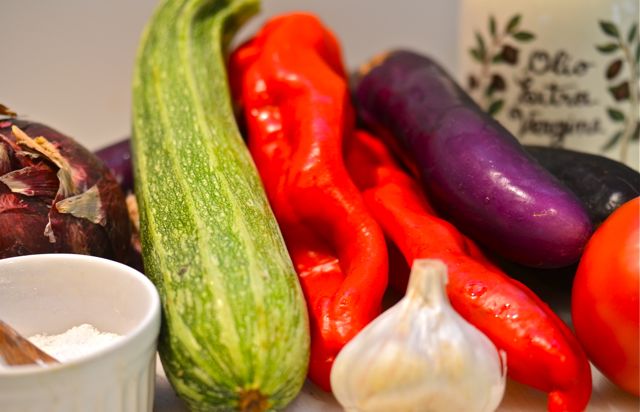
    Sometimes we think ratatouille is French for “quick summer vegetable hash”. (It isn’t, but that pretty much describes it). Typical of rustic French cooking, ratatouille combines a number of somewhat basic ingredients and makes them into more than the sum of their parts. For this dish the “parts” are eggplant, zucchini, peppers, onions, tomatoes, garlic, olives, olive oil and seasoning. And since gardens and farmers markets are brimming with all of those ingredients in late summer, ratatouille is a good way to use up some of the stuff (particularly the less attractive specimens).

    Straight from the summer garden…

    While the list of ingredients for ratatouille is pretty standard, the method for preparing the dish is anything but standard. Some recipes suggest cooking all the vegetables separately and then combining at the end. Some recipes suggest a layered approach. Some bake, some saute’, some simmer. But since we like “simple” garden recipes, we use an adapted Jacques Pepin recipe (all of his recipes work) that simmers all the veggies together in the same pot and serves the ratatouille over pasta or rice. This is a very quick and tasty version of ratatouille that makes up for slightly less defined textures with ease of cooking.

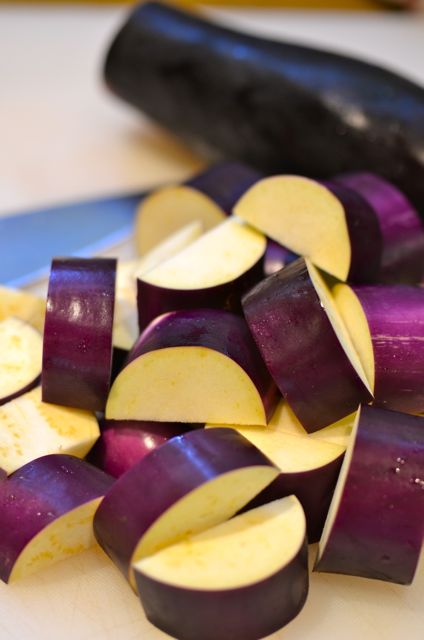
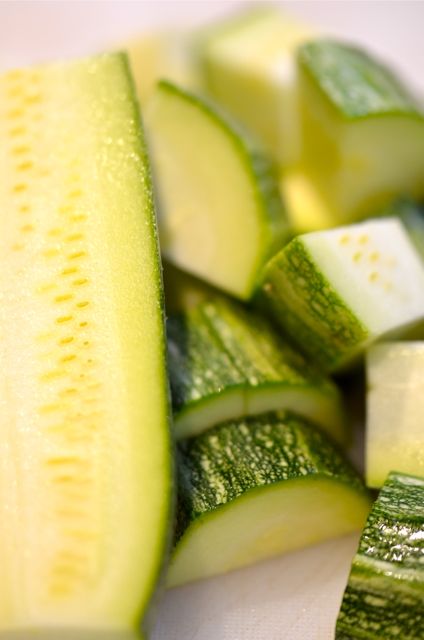
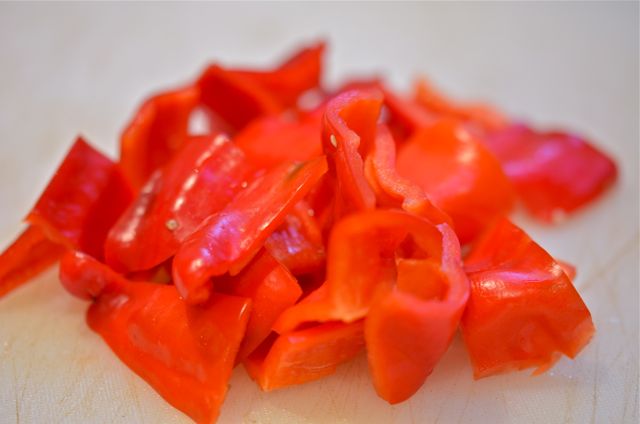
    And this is an easy dish to make. Chop vegetables, mix everything in a pot, simmer for 30 minutes, cool and serve. But there are a few tips and choices that will make the most of the dish. Japanese eggplant will work better, as they are firmer and have fewer seeds. Sweet red peppers round out the flavors more than green peppers. And fresh tomatoes, when in season, with a touch of purée make for brighter flavor than canned tomatoes (but canned are fine). A few briny black olives added at the end balance the sweet flavors. And simple seasoning is often best. We love fresh herbs in our cooking but suggest just a touch of herbs like thyme or marjoram. A little fresh basil at the end adds a lovely aroma. Continue reading

  • Weekly Cocktail #27: The Junior (and the Frisco Sour)

    The Junior Cocktail

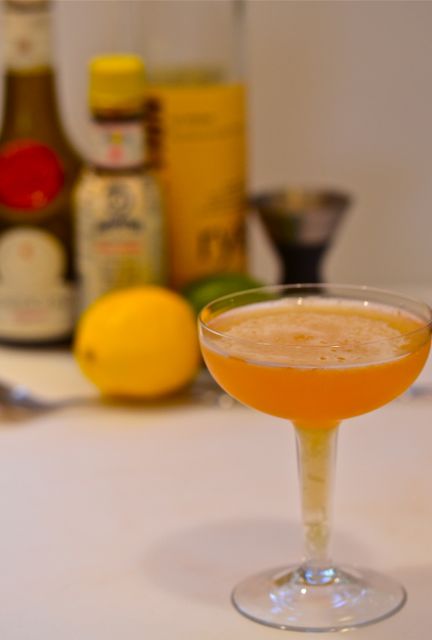
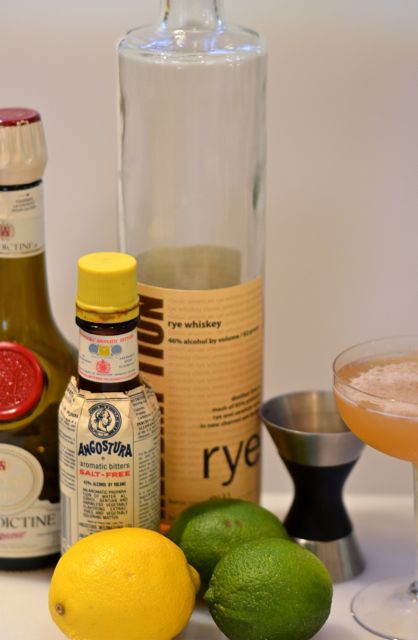
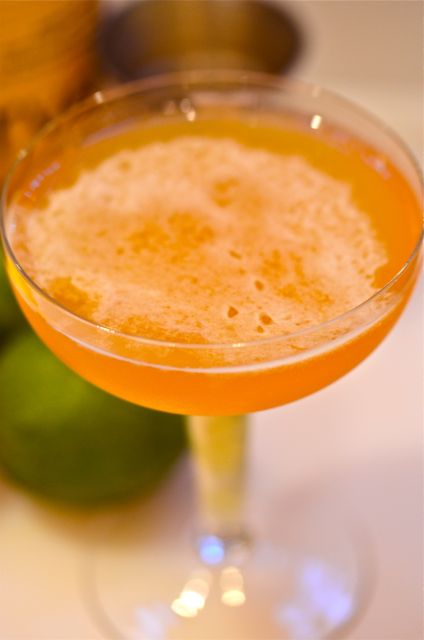
    With the labor day weekend coming up we decided to give you an extra cocktail…. In reality, the Junior and the Frisco Sour are both great drinks but serve to illustrate just how different you can make a cocktail by just changing a key ingredient. In this case, both the Junior and Frisco Sour include rye whiskey and Benedictine, but the Junior includes lime juice and a dash of bitters while the Frisco Sour includes the more traditional lemon juice.

    And we say “more traditional” because most citrus drinks that include whiskey or cognac use lemon juice. Meanwhile, most gin and tequila cocktails include lime juice. (Rum plays well with anything and everything, it seems). But rules or traditions are meant to be broken, particularly in the world of food and spirits- so it is fun to play with aberrations like the Junior. And the Junior is a good cocktail. The spice of the rye goes well with the sour lime and herbal flavors of the Benedictine and bitters. But it is a tart sip- we like it, some may not. If you like a smoother and sweeter cocktail, the Frisco Sour with its lemon juice and no bitters might be the best choice. Basically, the Frisco Sour is a more complex (and much better IMHO) version of the Whiskey Sour. But since its pretty easy to make both of these cocktails, try them and decide for yourself.

    As for the spirits in these cocktails, any good rye whiskey will do. Both Bulleit and Rittenhouse are good and inexpensive rye. We also like the High West rye and Redemption, but they are a bit of a step-up in price. And as our exploration of rye continues, we very much recommend it as a key spirit in any home bar. From Scofflaws to Manhattans, we think rye makes great cocktails. And there is no real substitute for Benedictine, but since we already have some for Lani-Honis (very similar to a Frisco Sour, btw) we like to use it. But Benedictine is a good classic cocktail ingredient, and a little goes a long way- so worth seeking out.

    As for the names and provenance of both drinks, their origins are lost to history. But as any long time Bay Area resident can tell you, nobody says “Frisco” to describe San Francisco, but maybe they did 100 years ago, who knows? Regardless, there is a good New York Times article on the Frisco Sour here that describes how murky cocktail recipes and history can be. Unfortunately, there is even less information on the Junior cocktail out there. Even cocktail historian David Wondrich has little to offer other than saying the Junior is a tasty, if somewhat off-beat drink. But, in the end, a tasty drink is more than enough for us.

    The Junior Cocktail:

    Ingredients:

    • 2 oz. rye whiskey
    • 1/2 oz. lime juice
    • 1/2 oz. Benedictine
    • 1 dash Angostura bitters

    Assemble:

    1. Combine all ingredients with ice in a cocktail shaker. Shake thoroughly and strain into a chilled cocktail glass, flute or coupé. Serve.

    —–

    The Frisco Sour Cocktail:

    Ingredients:

    • 2 oz. rye whiskey
    • 1/2 oz. lemon juice
    • 1/2 oz. Benedictine

    Assemble:

    1. Combine all ingredients with ice in a cocktail shaker. Shake thoroughly and strain into a chilled cocktail glass, flute or coupé. Serve.
  • Bonus Cocktail: Reagan Meets Gorbachev

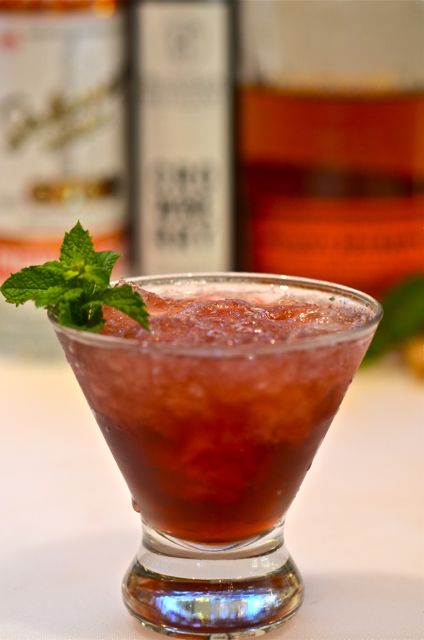
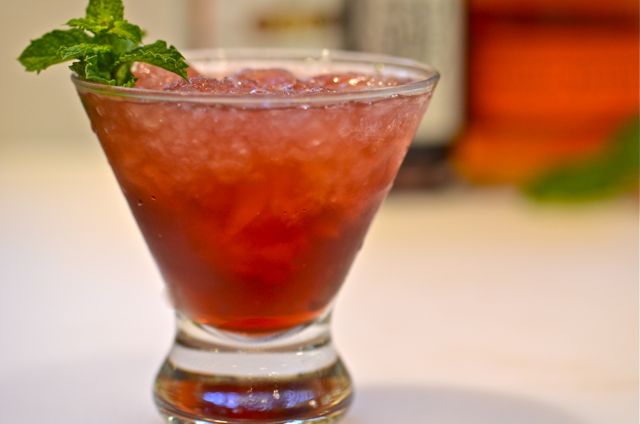
    Reagan Meets Gorbachev cocktail.

    NOTE: Sorry for the strange name, we will explain more below. But please read on, this cocktail is basically a Mint Julep variant that combines bourbon, vodka, simple syrup, mint and crowberry liqueur (substitute blackberry liqueur or crème de Cassis).

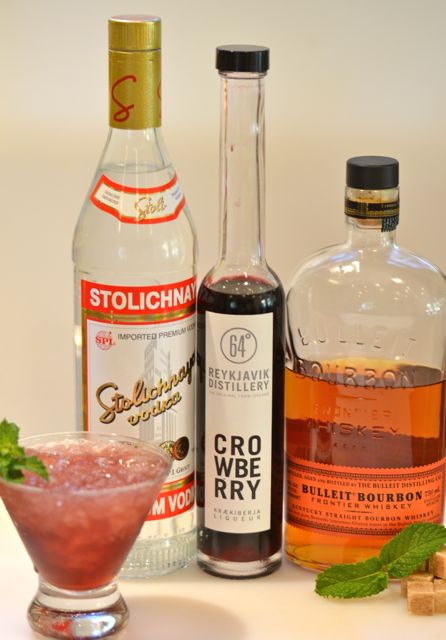
    Meanwhile, one of the unexpected (but positive) surprises of cocktail blogging is our friends’ willingness to bring us fun, and sometimes rare, spirits to play with. Booze is always welcome here at the farm. And last week Carolyn’s Dad, and my good friend, Bill brought us two liqueurs from Reykjavík Distillery in Reykjavík Iceland (thanks Bill!). The first liqueur was a very tasty blueberry cordial. But the second was a crowberry liqueur, and we had never heard of crowberries. So we decided almost immediately that a crowberry cocktail was in order. Challenges are good, it means we get to experiment.

    East-meets-west ingredients…

    And after a few minutes of internet research we had at least some information on crowberries. Crowberries are the fruit of a dwarf evergreen shrub found in temperate and sub-arctic regions- basically they grow where it gets cold. Not surprisingly, they are a common food of the Sami in Finland and are also widely found in Iceland. Crowberries have lots of vitamin C and antioxidants, but are often lightly flavored. Their flavor is often described as watery blueberry with some tannic or black currant notes. But while the fresh fruit might be watery, fermentation and distillation concentrate flavors. So we were hopeful the liqueur would be tasty.

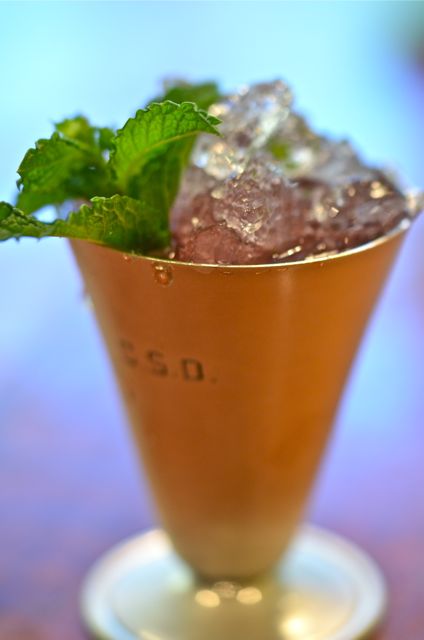
    A little fun with antique julep cups…

    Happily, the crowberry liqueur is quite good and tastes somewhat like a sweet mix of blueberries, blackberries and a little currant. So now that we had a good flavor to work with, we needed the cocktail. And since the liqueur is from Reykjavík, we wanted a theme based on the city. But the only thing we know about Reykjavík is that it was the location of the 1980’s meeting between Reagan and Gorbachev where they negotiated some of the IBT, but got hung up on SDI and the delayed approval of SALT II and then zzzzzzzzzzzz….. Let’s just say it was where Reagan and Gorbachev realized that both sides were open to broad concessions and they developed a personal relationship. This led to some good things; Soviet collapse, walls coming down, Maseratis in Moscow, etc….

    Adding dark fruit liqueur to Mint Juleps is a winner. The vodka helps the fruit show in the drink.

    As for the cocktail, we wanted to include both American and Russian spirits with the crowberry liqueur. Bourbon and vodka were the obvious choices. And as for the julep variant, there are many good blackberry juleps out there, so using crowberries isn’t a stretch. The vodka is not only Russian, but it lightens the bourbon without diluting the alcohol and helps the mint and crowberries shine through. Sometimes we think the bourbon overwhelms in Mint Juleps, but the vodka brings a sense of, ummm…detente (ugh, eye-roll).

    Overall this is a lighter, fruitier version of a Mint Julep that still has plenty of flavor. And you can substitute any dark fruit liqueur for the crowberry. So while we don’t expect many people to have crowberry liqueur, give this version of the Mint Julep a try, it may lead to good things.

    Reagan Meets Gorbachev:

    Ingredients:

    • 1 oz. bourbon
    • 1 oz. vodka
    • 1/2 oz. crowberry liqueur (or substitute dark fruit liqueur like blackberry or crème de Cassis)
    • 1/3 oz. Demerara or simple syrup
    • 6 mint leaves
    • Sprig of mint, for garnish
    • Crushed ice

    Assemble:

    1. Place the mint and simple syrup in a cocktail shaker and lightly muddle. Then add the bourbon, vodka, crowberry liqueur and ice to the shaker. Shake thoroughly and strain into a lowball glass or Julep cup filled with crushed ice.
    2. Stir and top with extra crushed ice, if needed. Garnish with the mint sprig. Serve.
  • Simple Garden Recipes: Maricela’s Oven-Roasted Tomato Salsa

    Maricela’s Oven-Roasted Tomato Salsa

    As we often mention in our blog, the garden dictates much of what we cook this time of year. And since we have sweet tomatoes and spicy Serrano peppers, it’s time to make salsa. But not just any salsa. We asked our friend and awesome Mexican cook (see her Posole recipe here) Maricela join us to share one of her salsa recipes. And while Maricela has a number of tasty salsas, with our tomatoes so ripe and sweet, she chose this version of oven-roasted tomato salsa.

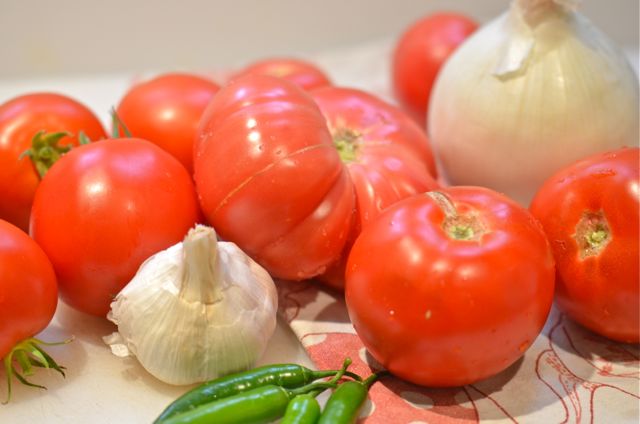
    Just a few ingredients. Quality and technique matter.

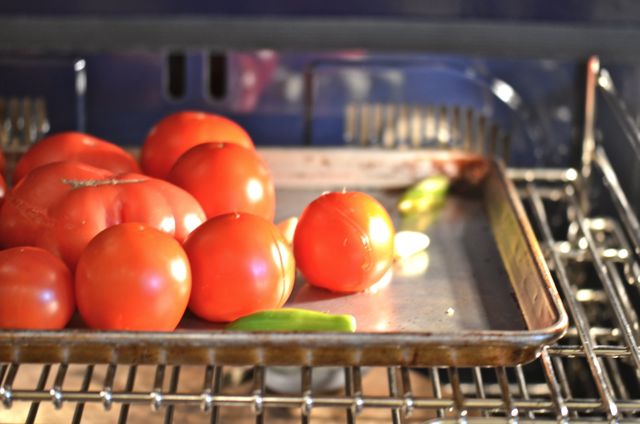
    Roast your tomatoes, peppers and garlic.

    The salsa itself has only 6 ingredients; tomatoes, garlic, peppers, onion, salt and a dash of water. But the right in-season ingredients, matched with a few key techniques and a little time, makes for a lovely sweet, bright and slightly hot salsa that you can use on just about any dish (probably not ice cream, but you get the idea). The only “special” equipment you need is a blender or food processor. And as this salsa is briefly cooked, it keeps for a while too.

    Remove the peppers and garlic halfway through the roast.

    Fully-roasted tomatoes. Note the syrup and caramelized bits- they need to go into the salsa.

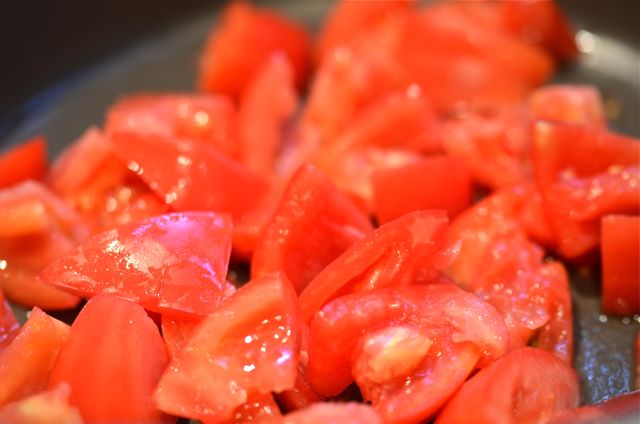
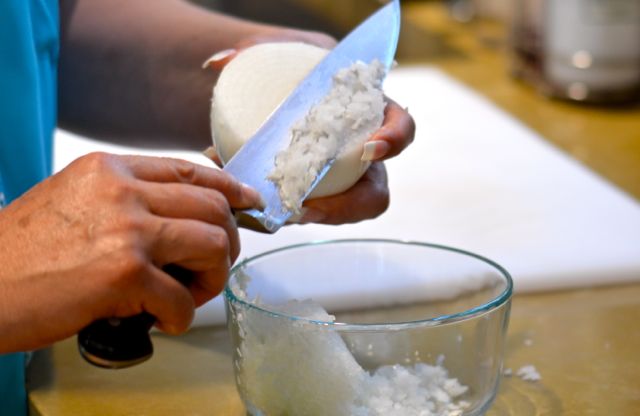
    Making the salsa is easy, but as we mentioned earlier, a few techniques matter. Firstly, you clean and core your tomatoes and roast in a very hot oven with the garlic and peppers (your kitchen will smell amazing). But a key is to remove the peppers and garlic halfway through the roast so they don’t burn and crate acrid flavors. Also, when the tomatoes are done, remove one tomato and put it in the blender with the peppers and garlic (add a splash of water if too dry)to create a very fine purée before adding the other tomatoes. This ensures that you don’t get rough chunks of garlic or peppers and their flavor is evenly distributed in the salsa. Then you add and purée all the tomatoes, but be sure to scrape all the caramelized liquid and brown bits from the baking sheet into the blender- this is where the extra sweetness comes from. And this extra sweetness is the perfect balance for the heat of the peppers. Finally, add your finely diced onion (see the photos and notes for Maricela’s technique) for extra bright and fresh flavors after you briefly reduce and cool the tomato mixture. None of these steps takes much extra time, but the attention to detail makes a world of difference.

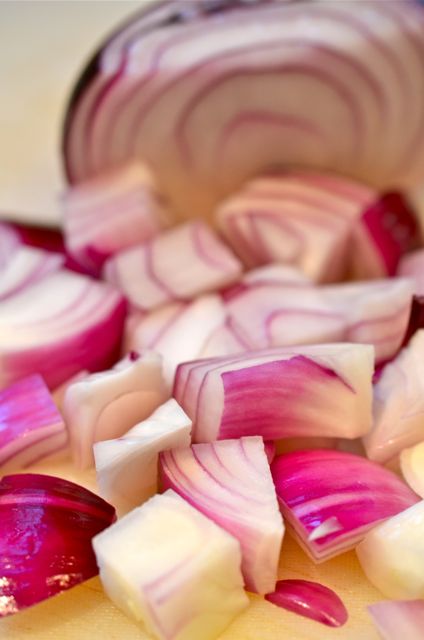
    For a fine dice, make multiple top-town cuts in the onion….

    …then shave the fine dice from the onion for maximum flavor. Continue reading

  • Weekly Cocktail #26: The Polynesian Cocktail

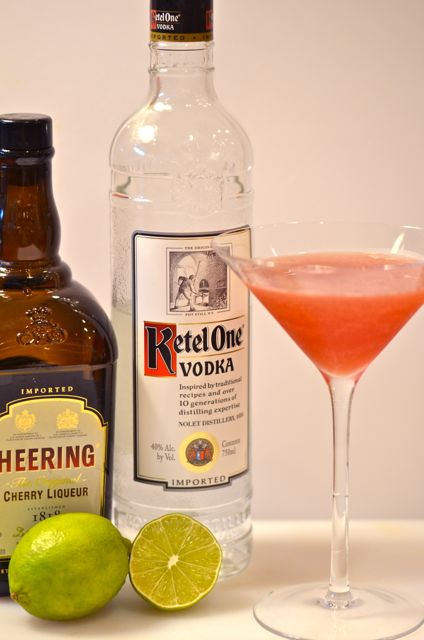
    The Polynesian Cocktail. This is for you Viveka!

    This post marks a half-year of weekly cocktails at Putney Farm. And while it seems like a lot, there are so many more places to go with cocktails. We are certainly enjoying ourselves and hopefully our readers like the drinks, or at least the conversation (we know not everyone loves every drink). And with the “conversation” in mind, one of our blogging friends Viveka from My Guilty Pleasures mentioned she likes Vodka and Cherry Heering, so we decided to look for a cocktail with both ingredients. And as it turns out, a little research led us to the Polynesian Cocktail.

    The Polynesian combines vodka, Cherry Heering and lime juice. And some recipes include a little powdered or superfine sugar. It is easy to make and you can serve this cocktail “up” in a cocktail glass or on the rocks, it works either way. The flavor of the Polynesian comes across as cherry-limeade with a kick, and we are fans of cherry-limeade. This is a very easy drink to like.

    If you are unfamiliar with Cherry Heering, it is a Danish cherry liqueur, and in the opinion of many booze aficionados, one of the best fruit-based liqueurs in the world. Made from crushed cherries combined with neutral spirits and spices, and then aged in wood barrels, Cherry Heering has deep, developed flavors that work wonders in cocktails (and desserts). It’s been around with basically the same recipe since 1818, so you know it’s pretty good. And after Orange Liqueur, if you have one fruit liqueur in your bar, we suggest Cherry Heering. It works in all sorts of combinations, most famously the Singapore Sling and the Blood and Sand. But if you want to experiment, Cherry Heering is a very fun ingredient that blends well with both light and dark spirits.

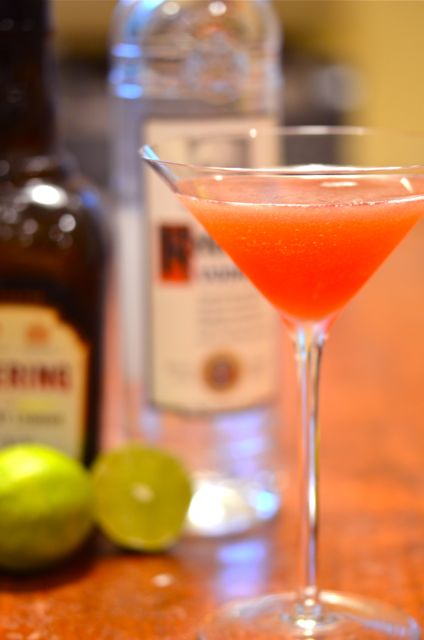
    Polynesian Cocktail and ingredients.

    And this gets us to the vodka. Some cocktail enthusiasts and mixologists/bartenders have issues with vodka. It has no (or very little) flavor by design and is sometimes a bit heavily marketed and abused (see: Whipped Cream Vodka). But we like vodka in drinks when we want the kick and slight heat of the booze but don’t want to outshine fruit flavors. Carolyn is a true fan of Lemondrops, and I like the vodka/gin mix in a Vesper. And regardless of any cultural over-exposure, a good Cosmo is a fine drink and a crowd-pleaser. And the cold, hard blast of a vodka martini is still a good thing every once in a while. Sometimes we think of the anti-vodka crowd as the cocktail equivalent of the ABC (anything but chardonnay) “movement” in wine. Yes its popular, yes there are other fine spirits, but it has its merits. We will relax and enjoy vodka for what it is. And in a drink like the Polynesian, where you want the lime and Cherry Heering to lead the drink, vodka is the perfect spirit.

    As for why this drink is called the Polynesian, we have no idea, and some internet and cocktail book research didn’t help. There is nothing Polynesian about it…other than maybe the color and that it’s a good warm-weather sip. But who cares? A good cocktail is a good cocktail. Especially when shared with friends. Viveka, we hope you like it!

    The Polynesian Cocktail:

    Ingredients:

    • 1 and 1/2 oz. vodka
    • 3/4 oz. Cherry Heering (or cherry brandy, in a pinch)
    • 3/4 oz. fresh lime juice
    • 1 teaspoon superfine or powdered sugar (optional, we omit)

    Assemble:

    1. Combine all ingredients in a cocktail shaker with ice and shake until cold. Strain into a chilled cocktail glass, flute or coupe’. Serve.

    -or-

    1. Combine all the ingredients in a highball glass with ice. Stir and serve.