• Mixology Monday: Bein’ Green Cocktails

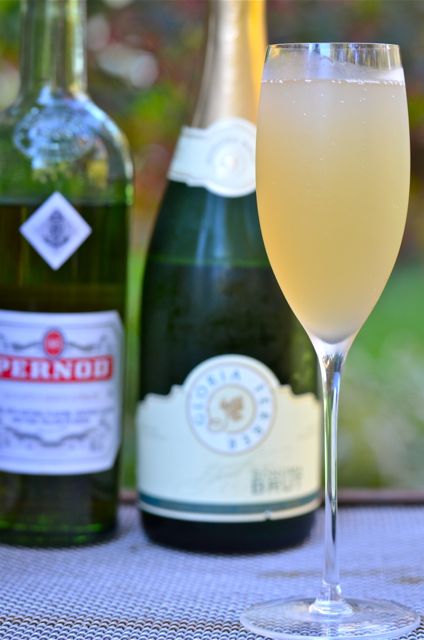
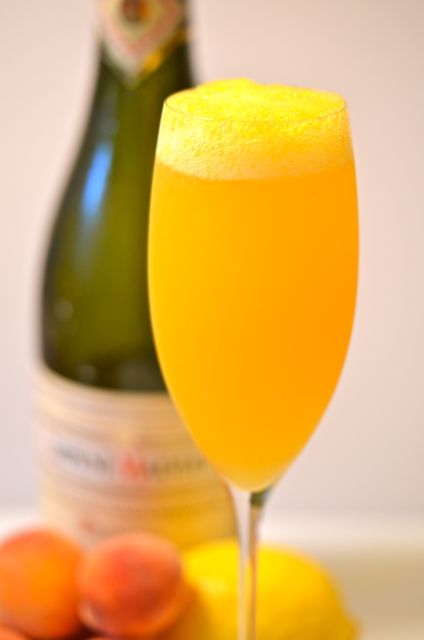
    Death In The Afternoon (Hemingway Champagne)

    Time for another Mixology Monday, the online cocktail party. This month the party is hosted by Wordsmithing Pantagruel (thanks!) and the theme is: (it’s not easy) Bein’ Green. Here is the breakdown:

    With the warm days of summer now fading off into the distance in our rear view mirrors, let’s pay one last tribute to the greens of summer before the frosts come and our outdoor herb gardens give up the ghost for the winter. For our theme for this month, I have chosen: (it’s not easy) “Bein’ Green.” (Perchance due in no small part to my predilection for Green Chartreuse.) I’m giving you a wide berth on this one, anything using a green ingredient is fair play. There’s not only the aforementioned Chartreuse; how about Absinthe Verte, aka the green fairy. Or Midori, that stuff is pretty damn green. Crème de menthe? Why not? Douglas Fir eau de vie? Bring it! Apple schnapps? Uh…well…it is green. I suppose if you want to try to convince me it makes something good you can have at it. But it doesn’t have to be the liquor. Limes are green. So is green tea. Don’t forget the herb garden: mint, basil, cilantro, you name it – all fair game. There’s also the veritable cornucopia from the farmers market: green apples, grapes, peppers, olives, celery, cucumbers…you get the idea. Like I said, wide berth. Base, mixer, and or garnish; if it’s green it’s good. Surprise me. Use at least one, but the more the merrier.

    We certainly like “green” themes here at the farm and had a few drinks in mind, so we decided to do both. The first drink is the Death In The Afternoon (also known as the Hemingway Champagne). It combines Champagne and Absinthe, one of the “greener” cocktail ingredients. The drink itself is a lot like many Hemingway novels, spare in construct, but perhaps a bit indulgent, bombastic and even decadent as a whole. We are Hemingway fans, but recognize that there were a lot of “OK” books along with the classics (Death in the Afternoon may be more in the “OK” category).

    As for the cocktail, there are things to like. The absinthe and champagne to offer a yeasty, anise aroma and the flavor is bright, even bracing. A good drink for a brunch when you are a bit “bleary” (Death Warmed Over might be a better name for the cocktail). If you are a fan of strong flavors, the Death In The Afternoon is certainly worth a try. And Hemingway did create the cocktail (first published in a 1930’s cocktail book with recipes from famous authors), so you do get to experience some of the history and “share” a drink with Hemingway. But we are pretty sure you can “share” many classic cocktails with Hemingway. Say what you will about the man and his work, he was smart enough to enjoy his cocktails…

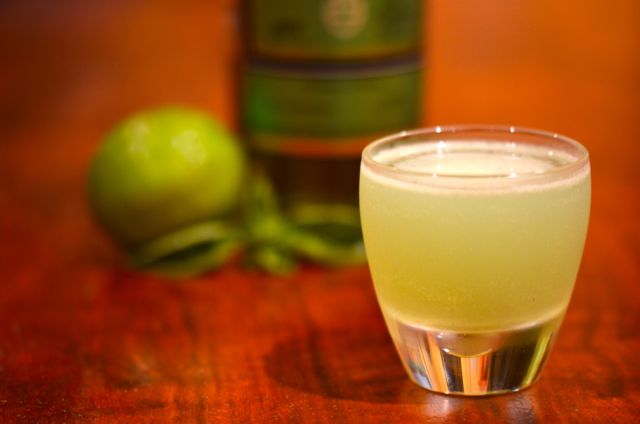
    The other cocktail we made, The Silent Order, needs no excuses or qualifications, it is a favorite here. And it is the most green cocktail we know of. We are a bit sheepish to include the drink, as it comes from Fred Yarm (Mixology Monday’s Manager) of Cocktail Virgin Slut and his cocktail book “Drink And Tell“. But the Silent Order is so good, we couldn’t resist.

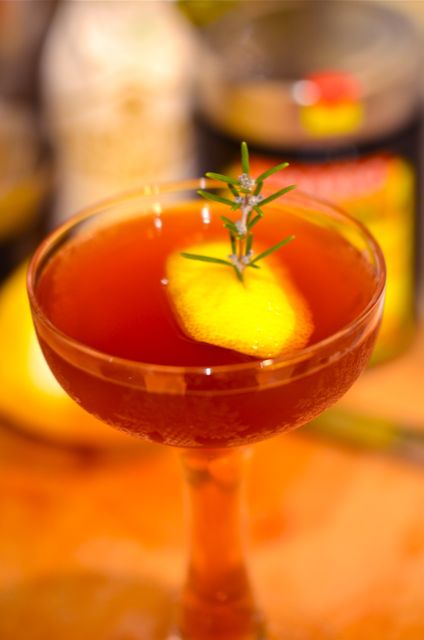
    The Silent Order Cocktail

    Created by Ben Sandrof in Boston, the Silent Order combines Green Chartreuse, lime juice, sweet basil leaves and water. It is an interesting recipe and there is a detailed breakdown here. But the main thing we like are the flavors. The sweet, herbal (and boozy) Chartreuse and the sour, acidic lime juice are a good combination in a number of drinks. But the extra sweet and anise notes of the basil take this cocktail to another level. Green Chartreuse is a somewhat esoteric cocktail ingredient, but once you get a taste for it, it’s hard to resist. And it is very, very green. Continue reading
  • Cocktail DIY (And Bonus Cocktails): Pineapple And Raspberry Syrups

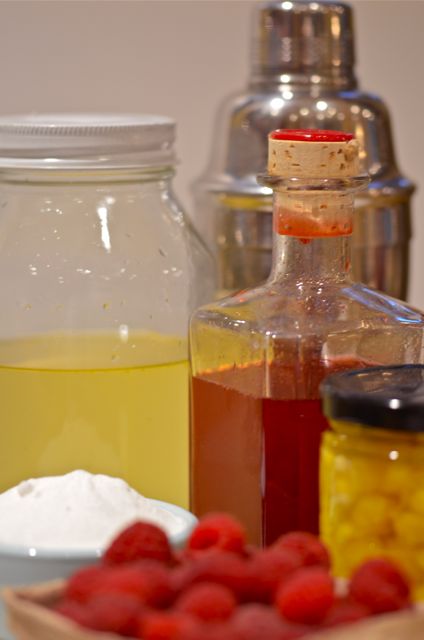
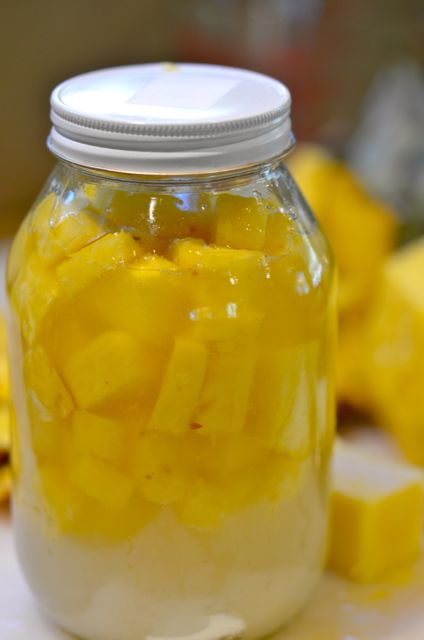
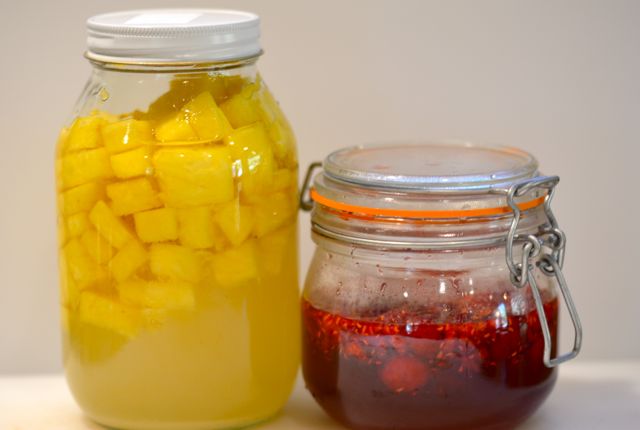
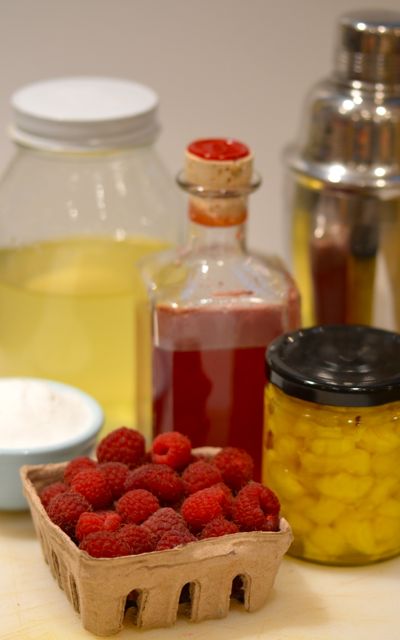
    Pineapple and raspberry syrups.

    One of the main things we enjoy about cocktails is how many ways we get inspiration to try new drinks. This week, Mixology Monday came back to life with an “Equal Parts” theme and we submitted a fun (and a little goofy) cocktail that we enjoyed, the Long Island Planters Punch. But what makes Mixology Monday really fun is trying other people’s creations. And now we have over 25 drinks to try (click here to see the lineup, very cool). One of our favorites, so far, is Shake, Strain and Sip’s Undiscovered Country a Corpse Reviver variant using pisco and Swedish Punch (it was a good excuse to finally buy some pisco). Another favorite is Chemistry of the Cocktail’s Shrunken Skull, a tiki drink with grenadine, but also works with raspberry syrup. Hmm….so now we have some pisco and a desire to make raspberry syrup. Anything else we can do?  Well, yes- since we had pisco, we had to make pineapple syrup to mix up some Pisco Punch, a true classic. (Like we said, “inspiration”, not necessarily “organized thinking”).

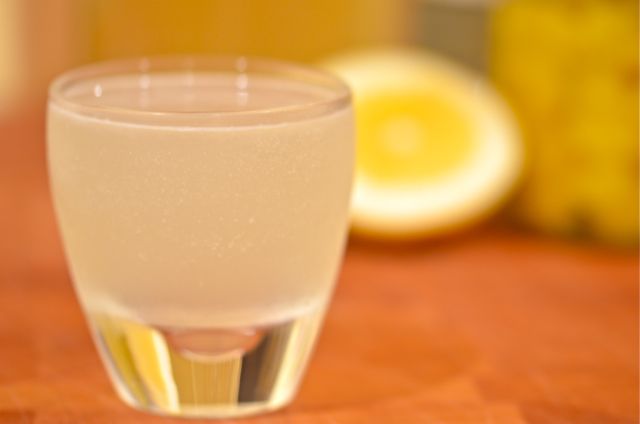
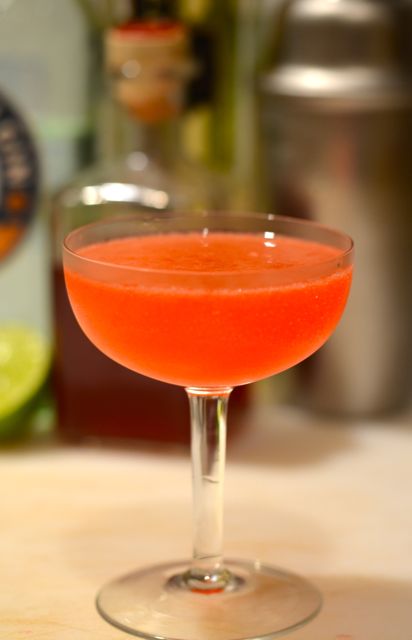
    Pisco Punch.

    Mountain Clover Cocktail.

    Unfamiliar with pisco and Pisco Punch? Pisco is brandy from Chile and Peru using local grapes from their wine industry. It is strong, a bit spicy and musky with hints or grappa (at least to our tastes). It is unique stuff and perhaps tough on its own, but very good in cocktails. And the most famous is the Pisco Punch, a simple combo of pisco, lemon juice and pineapple syrup. Cocktail historians have beaten the history of this drink to death (and beyond), but suffice it to say that in later 19th-Century San Francisco if you were blotto worse-for-wear, Pisco Punch had something to do with it. (Paul Clarke has a good, brief history piece here.) And there is a good reason the Pisco Punch was so popular, it’s really good. The musky notes of the pisco match with the sugar and funk of the pineapple and the lemon adds brightness and acidity. Pisco Punch is true cocktail alchemy, and it’s way-too-easy to throw these back…and a good reason to make pineapple syrup. And once you have pineapple syrup it works in other brandy drinks like the Brandy Fix or as a good substitute for simple syrup in Tiki drinks.

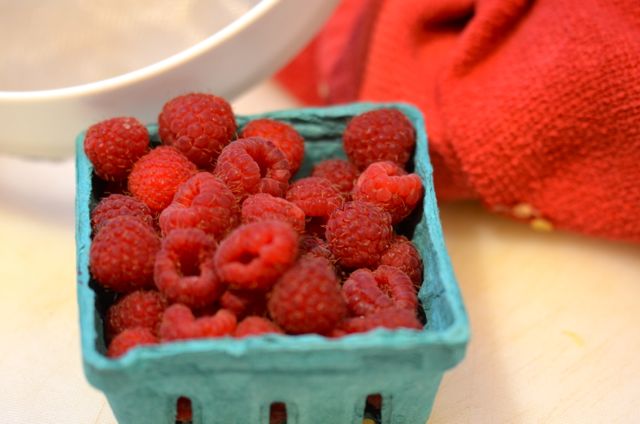
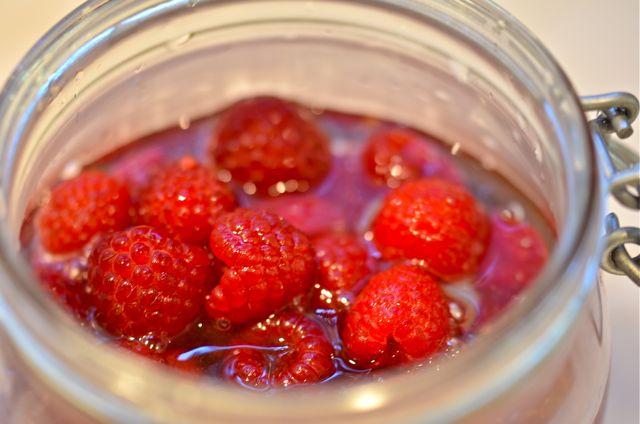
    As for the Raspberry syrup, it used to be a very popular cocktail sweetener, particularly before Prohibition. Used in dozens of drinks like the Clover Club, the Pink Lady and the Davis Cocktail, raspberry syrup adds great color and bright sweetness that’s lighter in flavor than grenadine. But, for whatever reason, grenadine took the place of raspberry syrup in many recipes during the later half of the 20th century. Happily, the cocktail renaissance brought raspberry syrup back from obscurity and there are plenty of DIY recipes, or you can buy it in stores. We decided to make our own, it’s easy and we still have raspberries. And after playing around with some classics, we made a Clover Club variant called the Mountain Clover with dry gin, lime juice, raspberry syrup and St. Germain. The light, bright sweetness of the raspberry syrup plays well with the gin and lime and makes for a very balanced sip. It looks like a grenadine-based cocktail, but is something very different. Worth a try.

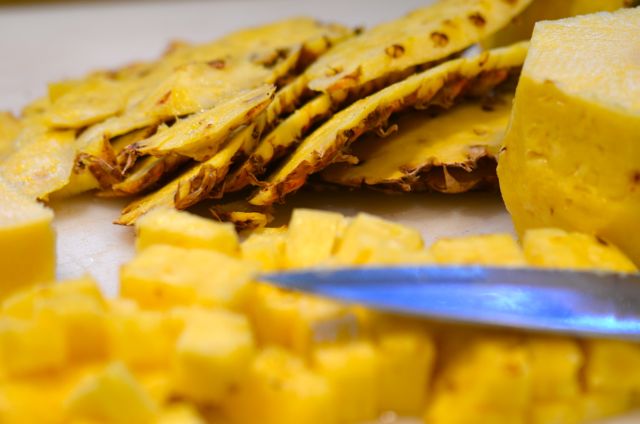
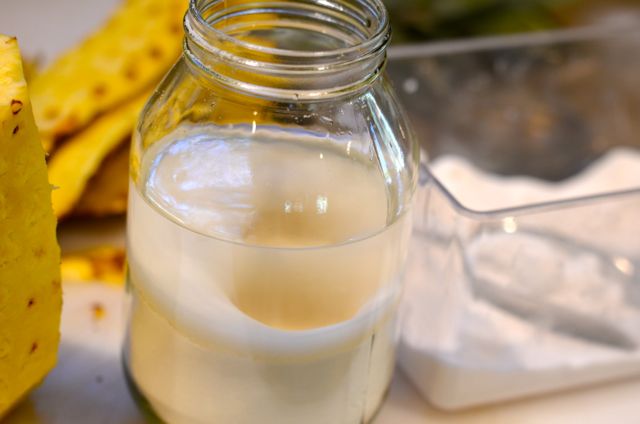
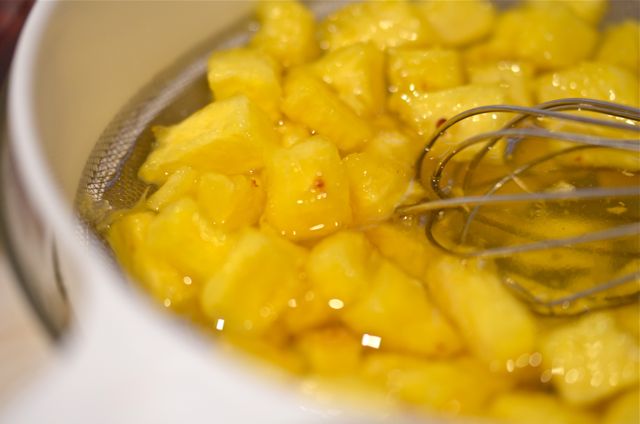
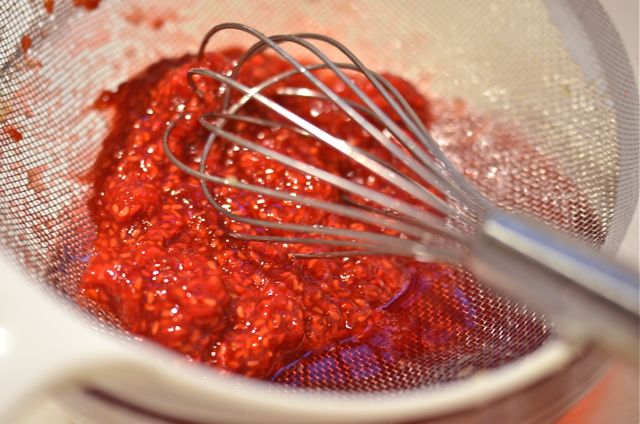
    Making both these syrups is very easy. Both use fruit, sugar and water. The pineapple syrup uses a “cold” method and the raspberry a “hot” method, but the process is basically the same. Cut or mash-up the fruit, cover with a simple syrup, put it in a jar, let it sit a day or two, strain out the fruit (mash in a bit more of the juice) and bottle the syrup. (And keep the left over pineapple pieces to put on ice cream or toast, good stuff). Top with a bit of vodka or Everclear to extend the life of the syrup, if you like. Store in a tightly lidded jar in the fridge. And then prepare to make awesome cocktails.

    Continue reading
  • Weekly Cocktail #21: The Bellini

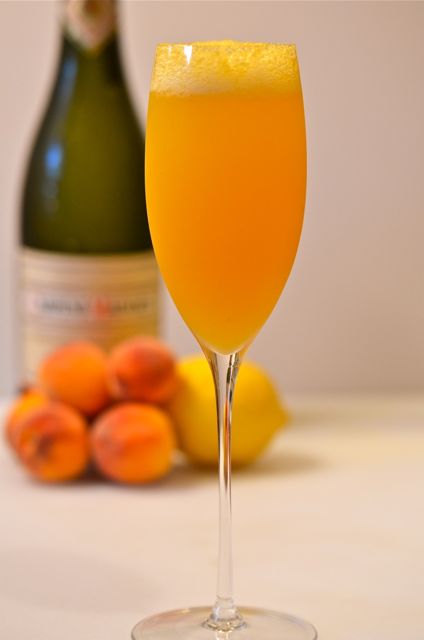
    The Bellini.

    It’s Red Haven peach season at Putney Farm, so now we need to use them. We made peach-lavender jam (recipe later today) and will be making peach preserves, peach butter and peach-vanilla ice cream. So we may as well make a cocktail. And if you have peaches, you might as well make Bellinis.

    To be fair, Bellinis typically combine white peach purée and prosecco (think Italian champagne, but sweeter and much less complex). We don’t have white peaches or nectarines (yet), so we are using our Red Haven peaches. But to our tastes, that is a good thing, as yellow peaches have more acidity than white peaches and/or nectarines. And while we like Bellinis with white peach purée, they can be cloying a bit sweet- so using more balanced yellow peaches improves the cocktail and provides a better color. But regardless of the peaches you have, the Bellini is a light, sweet and “long” drink that is good for summer brunch and afternoon parties. And we like cocktails at brunch and afternoon parties.

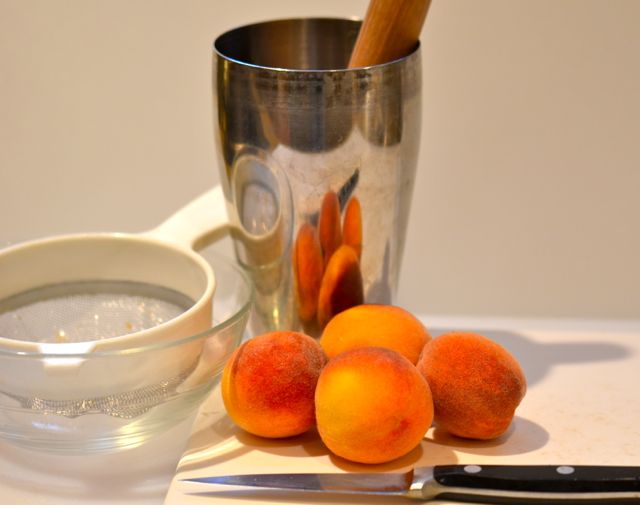
    Make the peach purée.

    As for the origins of the Bellini, the dates are bit hazy. But we do know that Giuseppe Cipriani, owner of Harry’s Bar in Venice, created the Bellini sometime in the late 1930’s or early 1940’s. He named it after Giovanni Bellini, a renowned 15th-century Italian renaissance painter. Bellini’s paintings, as with many works of his era, tended toward darker hues and somewhat bleak subject matter. So the connection to sweet peaches and sparkling wine seems a bit tenuous. At least the name sounds good.

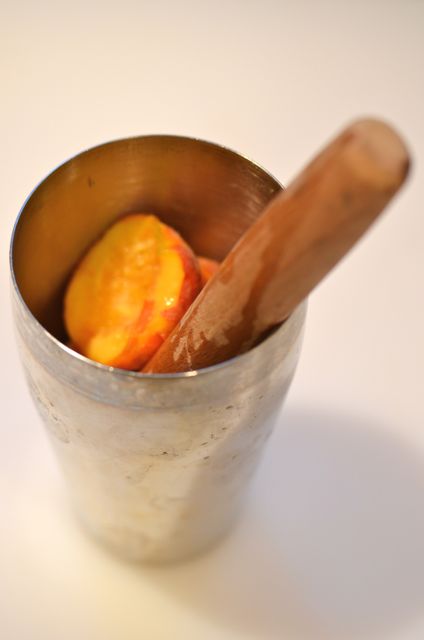
    Muddle your peaches.

    In any event, the Bellini was originally a seasonal cocktail to feature local white peaches, but someone figured out how to preserve peach purée and it became a year-round drink. And the recipe has become somewhat “fungible” over the last 70 years, and not always to the good. At one point the Ciprianis licensed the name and recipe to a company to mass-produce the Bellini and it was so terrible different they bought back the rights. And good for them, some things are only so “fungible”. In the end, if the peaches aren’t good, it might be best to make something else.

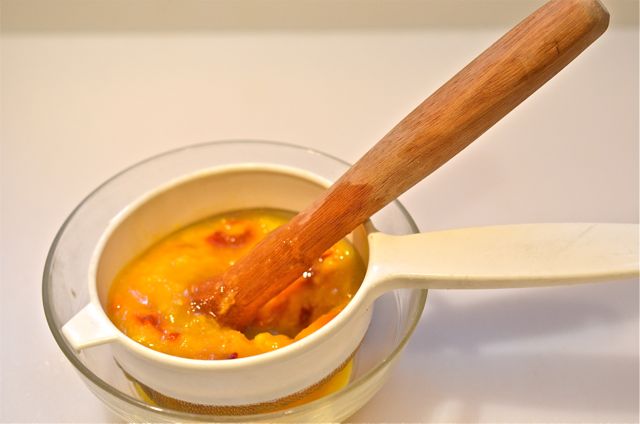
    Fine-strain the muddled peaches.

    But if you do have ripe peaches, then making a Bellini is worth the effort, but there are a few extra steps. Firstly, you need to make a peach purée. There are a few ways to do this. If you are making a big batch of Bellinis, you should skin (make an X on the bottom of the peach with a knife and then blanche for 20 seconds), pit and then puree the peaches in the blender. If making just a few, muddling and fine-straining the peaches will be faster (don’t worry about the skins). Then you need to taste your peach puree and your prosecco. If both are sweet, add a scant dash of lemon juice. If both are tart, a dash of simple syrup might be a good idea. And then you need to deal with the bubbles. Peach puree and prosecco create a lot of foam. And we mean a lot. It will take a few minutes to fill the flutes as the foam subsides. You just need to wait it out. Relax, eat a peach, maybe listen to the Allman Brothers.

    A final note, if using champagne (and we don’t recommend it) use extra-dry or demi-sec, both are sweeter than Brut and will work better. But as Prosecco is almost always cheaper than Champagne, it is the right call and is readily available at most supermarkets or liquor stores. And when a Bellini is just right, it is a very tasty sip, and worth making. After all, if you have peaches, you need to use them…why not drink them?

    The Bellini:

    Ingredients:

    • 2 oz. fresh peach puree
    • 4 oz. Prosecco (or sweeter champagne or sparkling wine)
    • Lemon juice (optional, to taste)
    • Simple syrup (optional, to taste)

    Assemble:

    1. To make puree, expect 3 small or 1 large peach per serving. Pit the peaches. Muddle and then fine-strain to extract the puree.
    2. Add the peach puree and a few ice cubes to a cocktail shaker and shake to chill. Strain the puree into a chilled flute. Slowly add the prosecco, letting the foam settle, until full. Serve.
  • Bonus Cocktail (and “Mocktail”): The Watermelon-Drop

    Watermelon Drop Cocktail.

    It has taken us too long a while, but we promised to make some cocktail recipes that also include an alcohol-free “mocktail” version, so this is the first. And as our kids enjoy their “mocktails”, this will probably not be the last.

    In any event, this week we got our first watermelons at the farmers market (ours are still tiny) and we just had to make a watermelon cocktail. The challenge with watermelon is that has very light, tasty and “summery” flavor and a great aroma, but both are easily lost when mixed with too many strong flavors. So when making a cocktail with watermelon, we tend to look towards vodka (although tequila and watermelon also play well). The Watermelon Drop combines watermelon juice, lemon juice, a bit of simple syrup or agave nectar, some (optional) rhubarb bitters and vodka, preferably quality lemon vodka. And you can simply omit the vodka for a very tasty summer cooler or “mocktail”.

    Muddle chunks of watermelon.

    These days many mixologists, and more than a few cocktail bloggers, have a certain amount of disdain for vodka. Plain vodka has little flavor, by design, and has light texture and little aroma. If you want to add flavor to a cocktail with the base spirit, vodka won’t add much. But if you want some booze in a drink and have the fruit or vegetable shine through, vodka is a good fit. And it is “OK” to simply want some buzz with your juice…nothing to be ashamed of (in moderation 😉 .

    Fine-strain pulp to extract the juice.

    These days, many vodkas come with fruit (and/or other flavorings). Most are just cheap hooch with some artificial flavors. But some are high-quality spirits infused with fruit or vegetable flavors in a style almost like gin. You can also make very good vodka-fruit infusions at home. These kinds of vodkas are quite good, and do add a lot to cocktails. In this cocktail, we use Hangar One’s Buddhas Hand Vodka and it is a lovely addition to the drink. But even here we use a light hand with the vodka, we do not want to dilute the watermelon too much. And if you are curious, Buddhas Hand is a type of Asian citrus similar to lemons but more aromatic- good stuff, and a great compliment to watermelon.

    Watermelon Drop cocktail and ingredients.

    To make this drink, you do need to take the extra step of making watermelon juice. We simply muddle chunks of watermelon and then fine-strain the pulp. A cup of watermelon chunks will get you 2-3 ounces of juice. It only takes a few minutes, but will leave your bar or kitchen a bit sticky (such is life with watermelons). Otherwise simply combine the watermelon juice, lemon juice, simple syrup / agave, rhubarb bitters (if you have them, they add a nice touch) and the vodka, if using. If making a cocktail, we prefer to shake and strain the drink, if making a “mocktail”, serving on the rocks works as well.

    So if simply eating watermelon (and spitting seeds) isn’t enough fun, try this drink out. It is light and tasty, but has big watermelon flavor. And the Watermelon Drop also makes a good “mocktail”, so feel free to share with the kids…

    The Watermelon Drop:

    Ingredients:

    • 2 and 1/2 oz. watermelon juice (about 1 cup diced watermelon, muddled and strained)
    • 1/2 oz. fresh lemon juice
    • 1/3 oz. simple syrup or agave nectar
    • 1 oz. lemon vodka (Hangar One Buddhas Hand is really good here). Omit for a “mocktail”
    • 2 dashes rhubarb bitters (optional, FYI some bitters have alcohol- check the label before using in “mocktail”)

    Assemble:

    1. Dice watermelon and muddle in a large glass or bowl. Fine-strain the pulp and collect the juice.
    2. Add all ingredients to a cocktail shaker with ice. Shake thoroughly and strain into a chilled cocktail glass or coupé. Serve.
    3. If making a “mocktail”, follow all the steps above, but omit the vodka. Serve in a chilled cocktail glass or lowball glass with ice.