• Weekly Cocktail #33: The Rochelle-Normande

    The Rochelle-Normand Cocktail

    As we drink our way through the seasons (and yes, that sounds both good and bad) we find some cocktail ingredients are easier to work with than others. Citrus is easy, lots of great recipes and combinations. Stone fruits are harder to handle, but are very tasty in all sorts of drinks. Apples? No problem. But now we get to pears, and it gets a bit challenging.

    Pears are one of our most ancient fruits and are popular all over the world, but oddly, are not a common cocktail ingredient. Pears have a soft, sweet flavor and light fragrance that can get lost when mixed with other flavors. And pear brandy (eau-de-vie), while common in France, is a rarity here in the states. More recently new pear liqueurs and vodkas hit the market. And since it is pear season (and we have a few pear trees and a decent crop) we got some Rothman & Winter Orchard Pear liqueur and started to experiment.
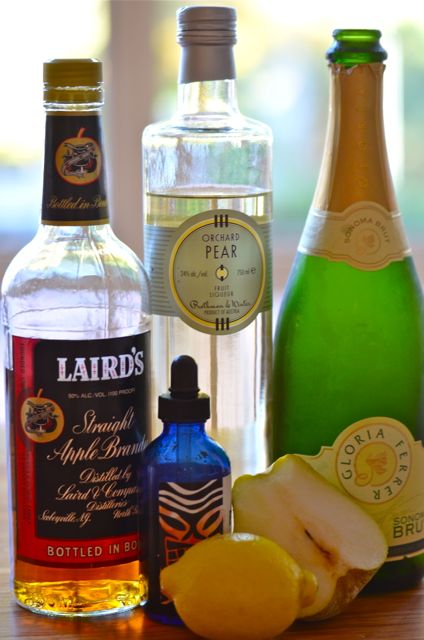
    As we noted, there are few “classic” pear cocktails to work from, so we approached this more like a dessert recipe. Firstly, we tasted the pear liqueur and it was sweet with clear pear flavor and a slightly dry finish. A good sip, but more of an attractive flavor accent than a lead note. So what else plays well with pears? Apple and spice came to mind. And we also like sparkling cocktails, as they often show off the aromas of their ingredients (and we had some sparkling wine left over from making Death in the Afternoon cocktails). With that in mind we did some research and found a cocktail called the Daisy Buchanon that combines pear liqueur, apple brandy and Champagne. We then looked to another of our favorite sparklers, the bitters-heavy, spicy Seelbach, for inspiration. And after many experiments, we got the Rochelle-Normande.

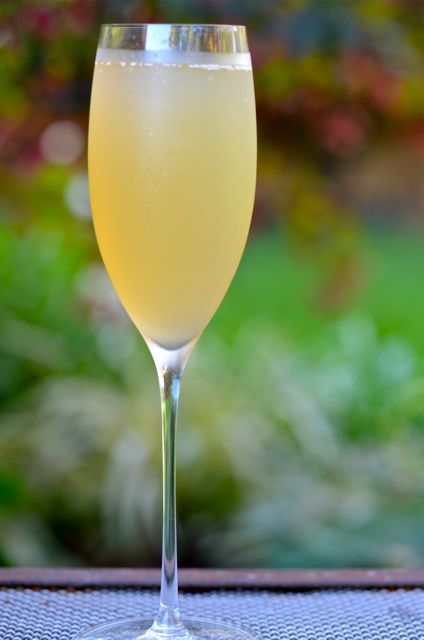
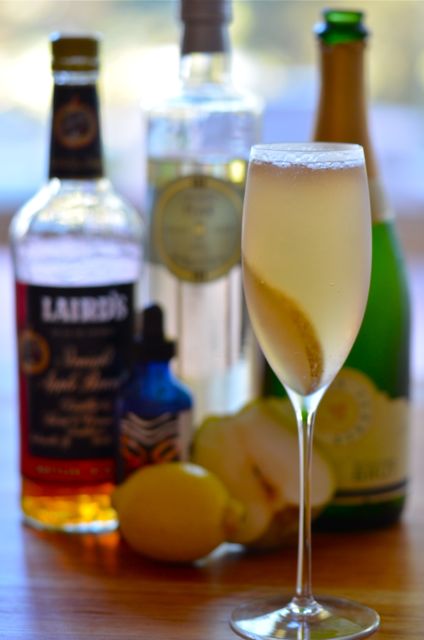
    The Rochelle-Normande combines pear liqueur, applejack (or calvados), lemon juice, Bittermen’s Tiki Bitters (substitute Angostura) and champagne. We garnish with a slice of pear and lemon twist. The sip is crisp and dry with both apple and pear flavors and aromas showing through. The lemon juice adds some acidity and the finish shows off the allspice, cinnamon and clove notes of the tiki bitters. A tasty, if somewhat dry, seasonal cocktail for the holidays. (And we like the look of the pear slice in the champagne flute.)

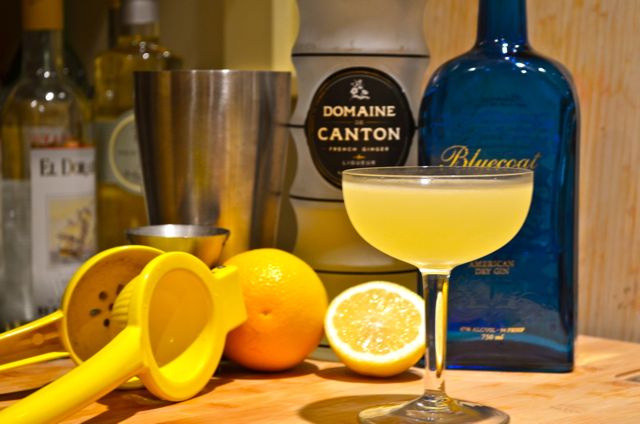
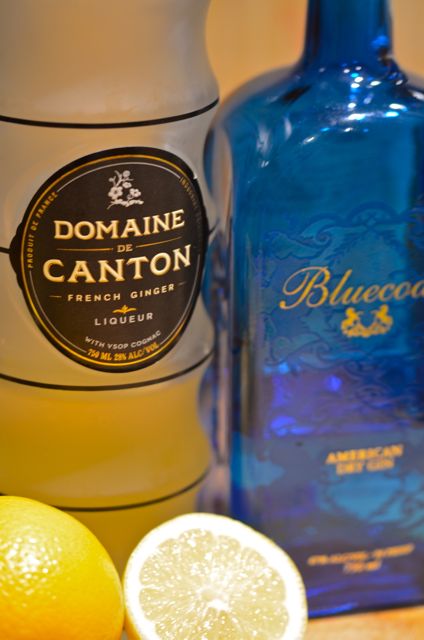
    You might note a lack of overtly sweet ingredients in this cocktail, and we did experiment both with Domaine de Canton to add sweetness and ginger notes and muddled pears. But muddled pears get gritty and the Canton did not play as well with the pears as we expected. In the end, we like the aroma and dry notes from both the pear liqueur and apple brandy and decided to highlight them. And the name? La Rochelle-Normand is an area in Normandy known for growing apples and pears. So while making this cocktail was challenging, finding the name was easy.

    The Rochelle-Normande:

    Ingredients:

    • 3/4 oz. applejack or Calvados
    • 3/4 oz. pear liqueur (Rothman & Winter Orchard Pear)
    • 1/3 oz. fresh lemon juice
    • 3 dashes Bitterman’s Elemakule Tiki Bitters (or Angostura bitters)
    • 4 oz. Champagne or sparkling wine
    • Pear wedge, for garnish (optional, but nice)
    • Lemon twist, for garnish

    Assemble:

    1. Combine the applejack, pear liqueur, lemon juice and bitters in a cocktail shaker with ice. Shake thoroughly and strain into a chilled flute. Top with the Champagne and then add the pear wedge and lemon twist. Serve.
  • Mixology Monday: Bein’ Green Cocktails

    Death In The Afternoon (Hemingway Champagne)

    Time for another Mixology Monday, the online cocktail party. This month the party is hosted by Wordsmithing Pantagruel (thanks!) and the theme is: (it’s not easy) Bein’ Green. Here is the breakdown:

    With the warm days of summer now fading off into the distance in our rear view mirrors, let’s pay one last tribute to the greens of summer before the frosts come and our outdoor herb gardens give up the ghost for the winter. For our theme for this month, I have chosen: (it’s not easy) “Bein’ Green.” (Perchance due in no small part to my predilection for Green Chartreuse.) I’m giving you a wide berth on this one, anything using a green ingredient is fair play. There’s not only the aforementioned Chartreuse; how about Absinthe Verte, aka the green fairy. Or Midori, that stuff is pretty damn green. Crème de menthe? Why not? Douglas Fir eau de vie? Bring it! Apple schnapps? Uh…well…it is green. I suppose if you want to try to convince me it makes something good you can have at it. But it doesn’t have to be the liquor. Limes are green. So is green tea. Don’t forget the herb garden: mint, basil, cilantro, you name it – all fair game. There’s also the veritable cornucopia from the farmers market: green apples, grapes, peppers, olives, celery, cucumbers…you get the idea. Like I said, wide berth. Base, mixer, and or garnish; if it’s green it’s good. Surprise me. Use at least one, but the more the merrier.

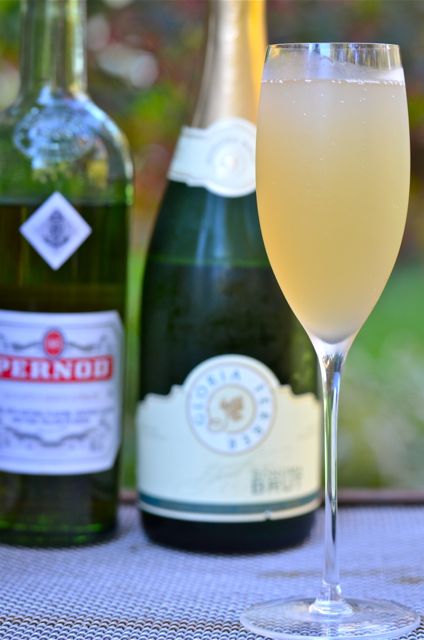
    We certainly like “green” themes here at the farm and had a few drinks in mind, so we decided to do both. The first drink is the Death In The Afternoon (also known as the Hemingway Champagne). It combines Champagne and Absinthe, one of the “greener” cocktail ingredients. The drink itself is a lot like many Hemingway novels, spare in construct, but perhaps a bit indulgent, bombastic and even decadent as a whole. We are Hemingway fans, but recognize that there were a lot of “OK” books along with the classics (Death in the Afternoon may be more in the “OK” category).

    As for the cocktail, there are things to like. The absinthe and champagne to offer a yeasty, anise aroma and the flavor is bright, even bracing. A good drink for a brunch when you are a bit “bleary” (Death Warmed Over might be a better name for the cocktail). If you are a fan of strong flavors, the Death In The Afternoon is certainly worth a try. And Hemingway did create the cocktail (first published in a 1930’s cocktail book with recipes from famous authors), so you do get to experience some of the history and “share” a drink with Hemingway. But we are pretty sure you can “share” many classic cocktails with Hemingway. Say what you will about the man and his work, he was smart enough to enjoy his cocktails…

    The other cocktail we made, The Silent Order, needs no excuses or qualifications, it is a favorite here. And it is the most green cocktail we know of. We are a bit sheepish to include the drink, as it comes from Fred Yarm (Mixology Monday’s Manager) of Cocktail Virgin Slut and his cocktail book “Drink And Tell“. But the Silent Order is so good, we couldn’t resist.

    The Silent Order Cocktail

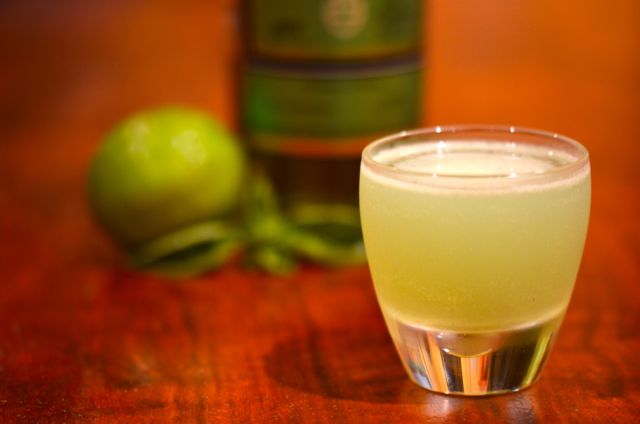
    Created by Ben Sandrof in Boston, the Silent Order combines Green Chartreuse, lime juice, sweet basil leaves and water. It is an interesting recipe and there is a detailed breakdown here. But the main thing we like are the flavors. The sweet, herbal (and boozy) Chartreuse and the sour, acidic lime juice are a good combination in a number of drinks. But the extra sweet and anise notes of the basil take this cocktail to another level. Green Chartreuse is a somewhat esoteric cocktail ingredient, but once you get a taste for it, it’s hard to resist. And it is very, very green. Continue reading

  • Weekly Cocktail #31: The Sidecar

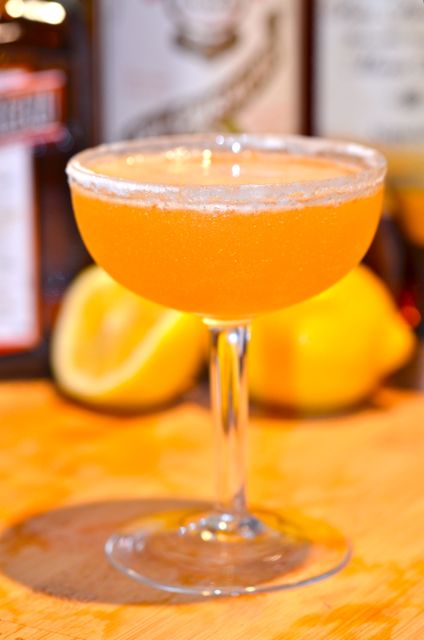
    The Sidecar Cocktail.

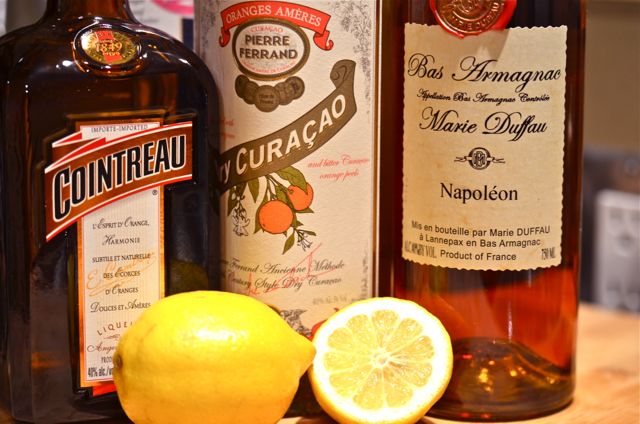
    There are few more “classic” cocktails than the Sidecar. A simple, but delicious, combination of brandy, Cointreau and lemon juice, the Sidecar is a very easy cocktail to enjoy. Everything else about the drink, however, is not so simple.

    As is often the case with “classic” cocktails, the history, ingredients and proportions are all hard to pin down. The Sidecar was “probably” invented after World War I in “either” the Ritz Hotel in Paris or the Bucks Club in London and “likely” named after the sidecar on a motorcycle. That clears up everything.

    And when we get to the proportions of the ingredients of the Sidecar, the picture doesn’t come into focus either. Some recipes suggest equal proportions of the brandy, Cointreau and lemon, some go very heavy on brandy and light on lemon, and some follow a 2:1:1 formula. Cocktail geeks writers spend a lot of time on this stuff (a quick Google search will give you more on the subject than you will ever need), but they do get the benefit of “testing” the recipes. We suggest a starting point of 2 ounces of brandy to 3/4 ounces each Cointreau and lemon juice.

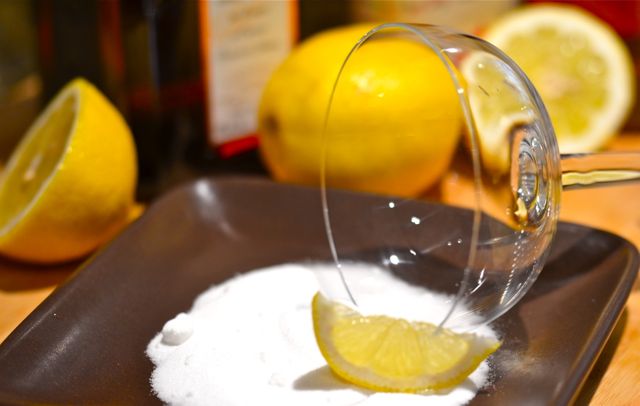
    While there is less confusion about the base ingredients of the Sidecar, there is room for experimentation. Brandies vary widely, but most recipes suggest a VS or better Cognac or Armagnac (we like Armagnac). But even among brands, the flavors will vary and may require changing the recipe slightly for your tastes. You can also experiment with other triple secs or Curaçao to replace the Cointreau. We like Pierre Ferrand for a slightly drier flavor. But the Cointreau does work very well. And you may, or may not, want to add sugar to the rim of the glass. We like the drink either way, but the sugar rim is pretty and you can do it ahead of time and impress your guests.

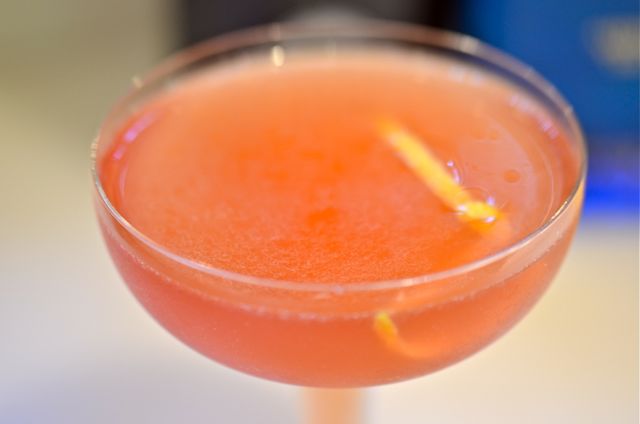
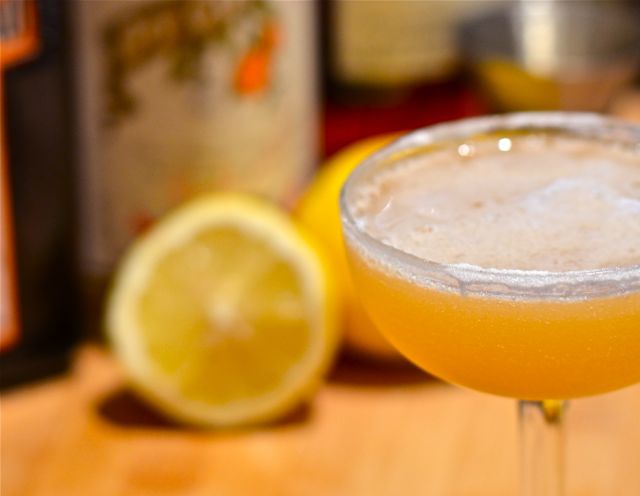
    As for the flavor of the Sidecar, the brandy, sweet orange and lemon flavors all blend into a light citrus sip with just enough sweetness to keep you coming back. You get all the flavor of the brandy, but without any rough edges. The Sidecar is an easy drink to enjoy, even if you don’t often drink brandy. The only problem with the Sidecar is that they are almost too easy to drink and you could get into a little trouble after a few. That is something all the historians seem to agree on.

    The Sidecar:

    Ingredients:

    • 2 oz. good Cognac or Armagnac
    • 3/4 oz. Cointreau (substitute quality triple sec or Curaçao)
    • 3/4 oz. fresh lemon juice
    • Sugar, for rimming glass (optional)

    Assemble:

    1. Run a wedge of lemon around the edge of the glass and then rotate the edge of the glass in the sugar. Shake off any excess and let dry for a few minutes.
    2. Meanwhile, combine all the liquid ingredients in a cocktail shaker with ice. Shake thoroughly and strain into the sugar-rimmed glass (if using). Serve.
  • Holiday Cocktails: Flowers For Sonja (and the Calla Lily)

    Flowers For Sonja cocktail.

    As we move towards the holiday season, we are always working on new cocktails for entertaining. And cocktails really are a great option for holiday parties, particularly if you include punch in the definition of “cocktails”. But holiday celebrations differ, both in scope and availability of designated drivers, so we decided that it would be good to have a full repertoire of holiday aperitif-style cocktails along with knock-your-effin-socks-off “potent” toddies and punches.

    With the goal of a lighter holiday cocktail in mind, we looked to some of our favorite spring cocktails for inspiration. And it didn’t take long for us to use the Calla Lily as a foundation (see here or below for the recipe). The Calla Lily is the creation of Paul Manzelli from Bergamot in Somerville, Massachusetts (near Boston). We found this cocktail at Cocktail Virgin Slut, Fred Yarm’s awesome cocktail site, and the recipe is also in his book “Drink and Tell” (good holiday gift for the cocktail enthusiast). The Calla Lily is a dry vermouth-based cocktail that combines the vermouth with Lillet Blanc, Benedictine, lemon juice and a dash of absinthe. The Calla Lily has bright, balanced flavors that, as Fred Yarm notes, suggest a lighter version of the Corpse Reviver #2. High praise, a good starting point, and a cocktail that is just a bit more potent than a glass of wine.

    Our next step was to add some fall and winter notes to this already solid recipe, and after some fun experimenting we created the Flowers For Sonja. And with cocktails, this is all part of the process. Similar to cooking and baking (and unlike wine or beer where you really can’t tinker), once you have a good cocktail recipe, you can riff on it with usually good results. In this case, we wanted sweeter and spicier flavors for the holidays. So in the Flowers For Sonja we include a bit more Lillet blanc, orange juice and substitute allspice liqueur for the absinthe. The drink is still light and balanced, but with the sweet, orange spice that clearly suggests the holidays. And if you don’t have allspice liqueur, a few dashes of Bittermen’s Tiki bitters or Angostura bitters will give you the spice notes you need. What you get is a light drink with plenty of flavor, but a lot less booze. And if the party goes on for a while, this can be a very good thing….

    So how did we get the name? A good friend asked us to work on a cocktail for a holiday party and we brought this recipe over to test it out over a lovely dinner. Not only was the company great, but our host has one of the most beautiful gardens we have ever seen. Sharing a drink and walking through her garden is always a delight. Her flowers fill the eye and calm the soul. We hope this cocktail does the same.

    Flowers For Sonja:

    Ingredients:

    • 1 and 1/2 oz. dry vermouth (Dolin)
    • 3/4 oz. Lillet blanc
    • 1/2 oz. Benedictine
    • 1/2 oz. fresh orange juice
    • 1/2 oz. fresh lemon juice
    • 2 dashes (about 1/8 oz.) allspice liqueur (St. Elizabeth’s) or Angostura bitters

    Assemble:

    1. Combine all the ingredients in a cocktail shaker with ice. Shake thoroughly and strain into a chilled flute or wine glass. Serve.

    Calla Lilly:

    (Adapted from Bergamot and “Drink & Tell“)

    Ingredients:

    • 1 and 1/2 oz. dry vermouth (Dolin)
    • 1/2 oz. Lillet blanc
    • 1/2 oz. Benedictine
    • 1/2 oz. fresh lemon juice
    • 2 dashes absinthe or pastis

    Assemble:

    1. Combine all the ingredients in a cocktail shaker with ice. Shake thoroughly and strain into a chilled flute or wine glass. Serve.