• Weekly Cocktail #27: The Junior (and the Frisco Sour)

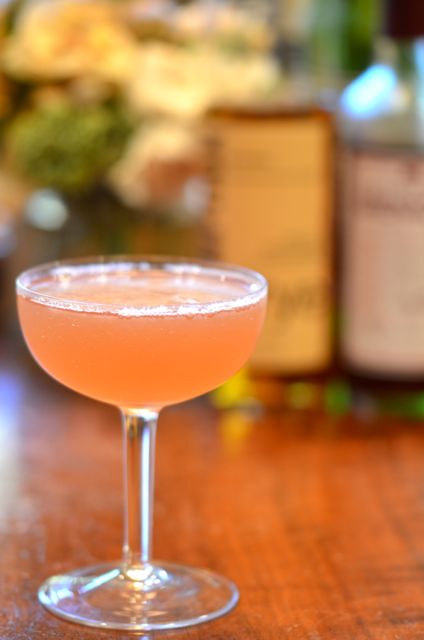
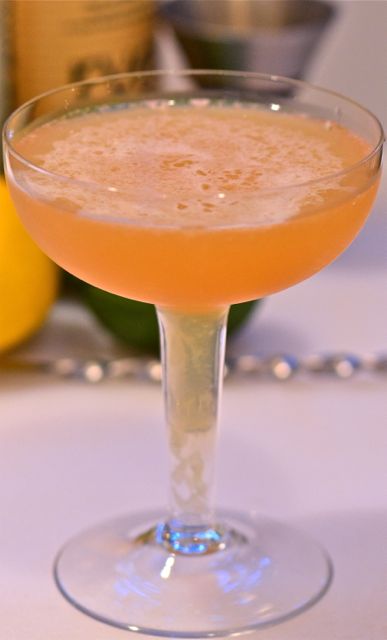
    The Junior Cocktail

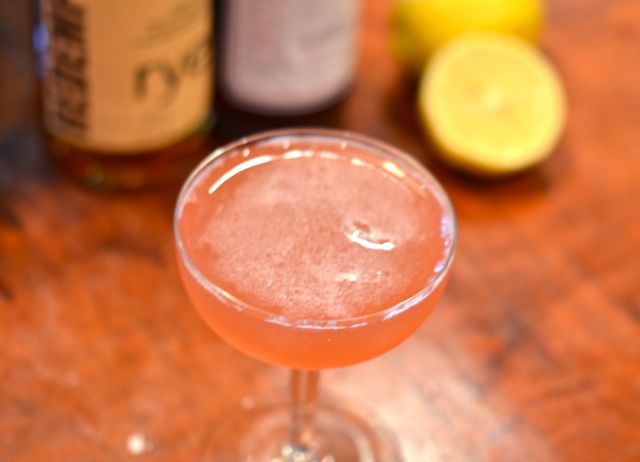
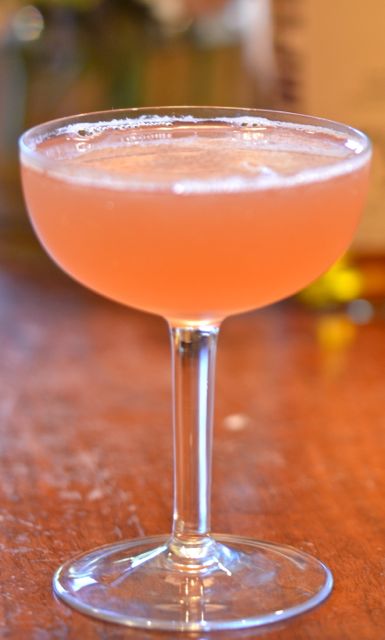
    With the labor day weekend coming up we decided to give you an extra cocktail…. In reality, the Junior and the Frisco Sour are both great drinks but serve to illustrate just how different you can make a cocktail by just changing a key ingredient. In this case, both the Junior and Frisco Sour include rye whiskey and Benedictine, but the Junior includes lime juice and a dash of bitters while the Frisco Sour includes the more traditional lemon juice.
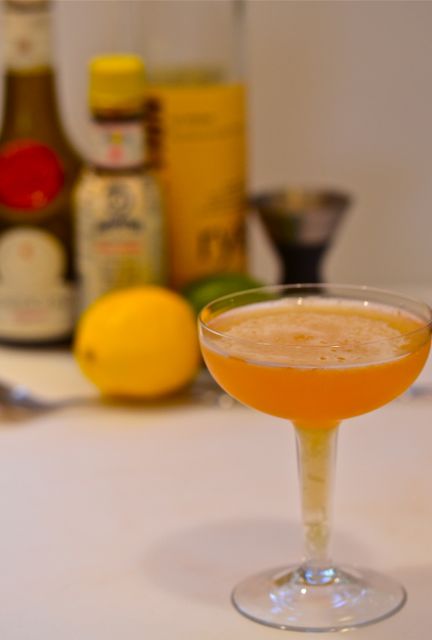
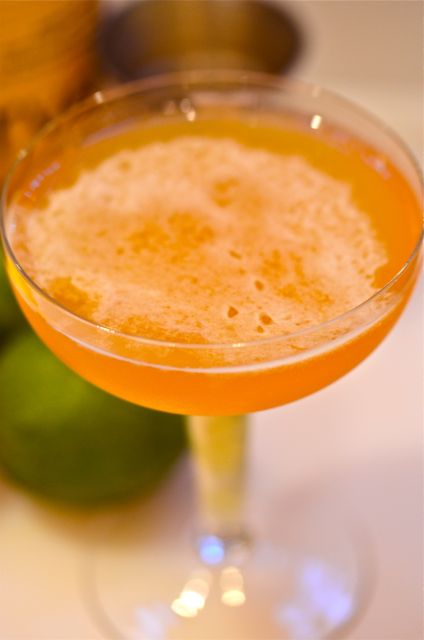
    And we say “more traditional” because most citrus drinks that include whiskey or cognac use lemon juice. Meanwhile, most gin and tequila cocktails include lime juice. (Rum plays well with anything and everything, it seems). But rules or traditions are meant to be broken, particularly in the world of food and spirits- so it is fun to play with aberrations like the Junior. And the Junior is a good cocktail. The spice of the rye goes well with the sour lime and herbal flavors of the Benedictine and bitters. But it is a tart sip- we like it, some may not. If you like a smoother and sweeter cocktail, the Frisco Sour with its lemon juice and no bitters might be the best choice. Basically, the Frisco Sour is a more complex (and much better IMHO) version of the Whiskey Sour. But since its pretty easy to make both of these cocktails, try them and decide for yourself.
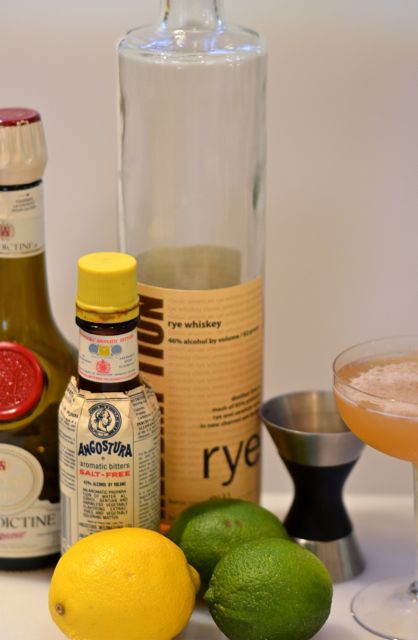
    As for the spirits in these cocktails, any good rye whiskey will do. Both Bulleit and Rittenhouse are good and inexpensive rye. We also like the High West rye and Redemption, but they are a bit of a step-up in price. And as our exploration of rye continues, we very much recommend it as a key spirit in any home bar. From Scofflaws to Manhattans, we think rye makes great cocktails. And there is no real substitute for Benedictine, but since we already have some for Lani-Honis (very similar to a Frisco Sour, btw) we like to use it. But Benedictine is a good classic cocktail ingredient, and a little goes a long way- so worth seeking out.
    As for the names and provenance of both drinks, their origins are lost to history. But as any long time Bay Area resident can tell you, nobody says “Frisco” to describe San Francisco, but maybe they did 100 years ago, who knows? Regardless, there is a good New York Times article on the Frisco Sour here that describes how murky cocktail recipes and history can be. Unfortunately, there is even less information on the Junior cocktail out there. Even cocktail historian David Wondrich has little to offer other than saying the Junior is a tasty, if somewhat off-beat drink. But, in the end, a tasty drink is more than enough for us.

    The Junior Cocktail:

    Ingredients:

    • 2 oz. rye whiskey
    • 1/2 oz. lime juice
    • 1/2 oz. Benedictine
    • 1 dash Angostura bitters

    Assemble:

    1. Combine all ingredients with ice in a cocktail shaker. Shake thoroughly and strain into a chilled cocktail glass, flute or coupé. Serve.

    —–

    The Frisco Sour Cocktail:

    Ingredients:

    • 2 oz. rye whiskey
    • 1/2 oz. lemon juice
    • 1/2 oz. Benedictine

    Assemble:

    1. Combine all ingredients with ice in a cocktail shaker. Shake thoroughly and strain into a chilled cocktail glass, flute or coupé. Serve.
  • Bonus Cocktail: Reagan Meets Gorbachev

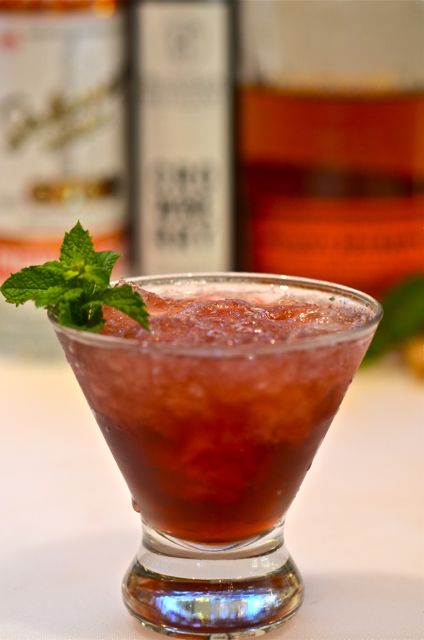
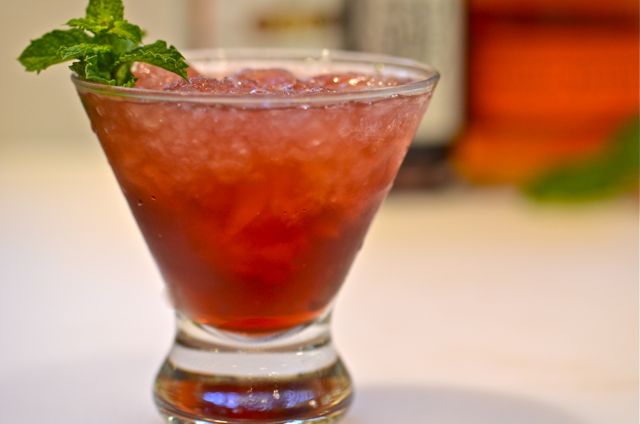
    Reagan Meets Gorbachev cocktail.

    NOTE: Sorry for the strange name, we will explain more below. But please read on, this cocktail is basically a Mint Julep variant that combines bourbon, vodka, simple syrup, mint and crowberry liqueur (substitute blackberry liqueur or crème de Cassis).

    Meanwhile, one of the unexpected (but positive) surprises of cocktail blogging is our friends’ willingness to bring us fun, and sometimes rare, spirits to play with. Booze is always welcome here at the farm. And last week Carolyn’s Dad, and my good friend, Bill brought us two liqueurs from Reykjavík Distillery in Reykjavík Iceland (thanks Bill!). The first liqueur was a very tasty blueberry cordial. But the second was a crowberry liqueur, and we had never heard of crowberries. So we decided almost immediately that a crowberry cocktail was in order. Challenges are good, it means we get to experiment.

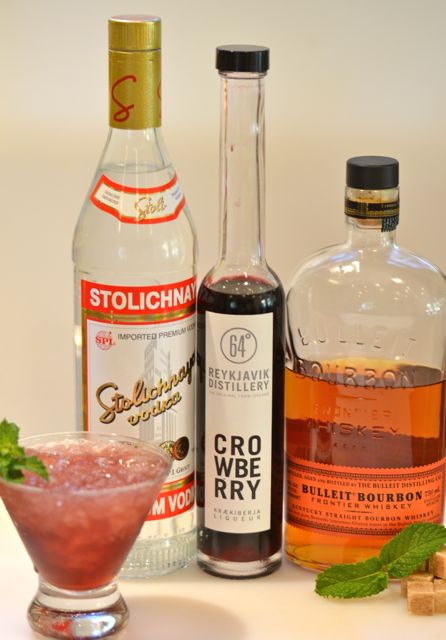
    East-meets-west ingredients…

    And after a few minutes of internet research we had at least some information on crowberries. Crowberries are the fruit of a dwarf evergreen shrub found in temperate and sub-arctic regions- basically they grow where it gets cold. Not surprisingly, they are a common food of the Sami in Finland and are also widely found in Iceland. Crowberries have lots of vitamin C and antioxidants, but are often lightly flavored. Their flavor is often described as watery blueberry with some tannic or black currant notes. But while the fresh fruit might be watery, fermentation and distillation concentrate flavors. So we were hopeful the liqueur would be tasty.

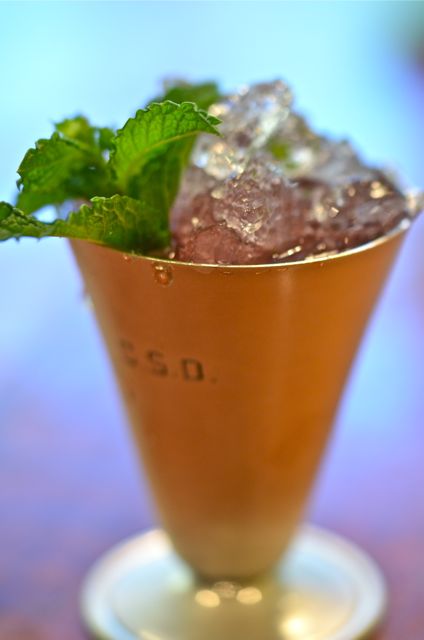
    A little fun with antique julep cups…

    Happily, the crowberry liqueur is quite good and tastes somewhat like a sweet mix of blueberries, blackberries and a little currant. So now that we had a good flavor to work with, we needed the cocktail. And since the liqueur is from Reykjavík, we wanted a theme based on the city. But the only thing we know about Reykjavík is that it was the location of the 1980’s meeting between Reagan and Gorbachev where they negotiated some of the IBT, but got hung up on SDI and the delayed approval of SALT II and then zzzzzzzzzzzz….. Let’s just say it was where Reagan and Gorbachev realized that both sides were open to broad concessions and they developed a personal relationship. This led to some good things; Soviet collapse, walls coming down, Maseratis in Moscow, etc….

    Adding dark fruit liqueur to Mint Juleps is a winner. The vodka helps the fruit show in the drink.

    As for the cocktail, we wanted to include both American and Russian spirits with the crowberry liqueur. Bourbon and vodka were the obvious choices. And as for the julep variant, there are many good blackberry juleps out there, so using crowberries isn’t a stretch. The vodka is not only Russian, but it lightens the bourbon without diluting the alcohol and helps the mint and crowberries shine through. Sometimes we think the bourbon overwhelms in Mint Juleps, but the vodka brings a sense of, ummm…detente (ugh, eye-roll).

    Overall this is a lighter, fruitier version of a Mint Julep that still has plenty of flavor. And you can substitute any dark fruit liqueur for the crowberry. So while we don’t expect many people to have crowberry liqueur, give this version of the Mint Julep a try, it may lead to good things.

    Reagan Meets Gorbachev:

    Ingredients:

    • 1 oz. bourbon
    • 1 oz. vodka
    • 1/2 oz. crowberry liqueur (or substitute dark fruit liqueur like blackberry or crème de Cassis)
    • 1/3 oz. Demerara or simple syrup
    • 6 mint leaves
    • Sprig of mint, for garnish
    • Crushed ice

    Assemble:

    1. Place the mint and simple syrup in a cocktail shaker and lightly muddle. Then add the bourbon, vodka, crowberry liqueur and ice to the shaker. Shake thoroughly and strain into a lowball glass or Julep cup filled with crushed ice.
    2. Stir and top with extra crushed ice, if needed. Garnish with the mint sprig. Serve.
  • Weekly Cocktail #26: The Polynesian Cocktail

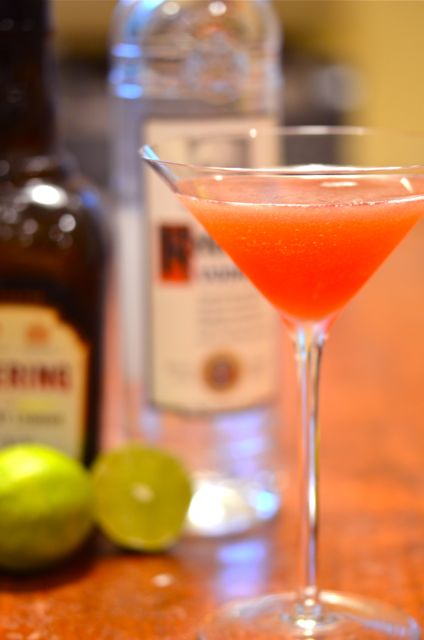
    The Polynesian Cocktail. This is for you Viveka!

    This post marks a half-year of weekly cocktails at Putney Farm. And while it seems like a lot, there are so many more places to go with cocktails. We are certainly enjoying ourselves and hopefully our readers like the drinks, or at least the conversation (we know not everyone loves every drink). And with the “conversation” in mind, one of our blogging friends Viveka from My Guilty Pleasures mentioned she likes Vodka and Cherry Heering, so we decided to look for a cocktail with both ingredients. And as it turns out, a little research led us to the Polynesian Cocktail.

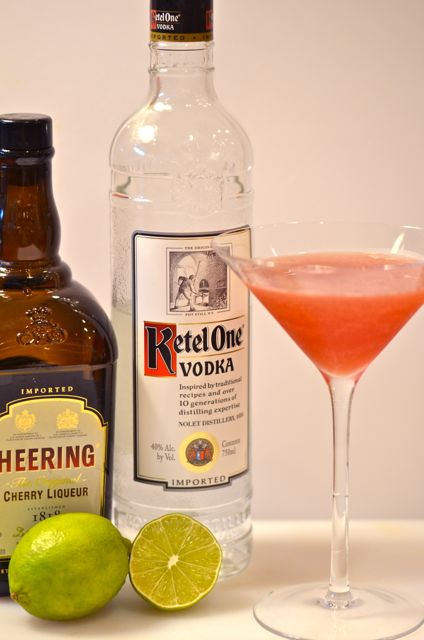
    The Polynesian combines vodka, Cherry Heering and lime juice. And some recipes include a little powdered or superfine sugar. It is easy to make and you can serve this cocktail “up” in a cocktail glass or on the rocks, it works either way. The flavor of the Polynesian comes across as cherry-limeade with a kick, and we are fans of cherry-limeade. This is a very easy drink to like.

    If you are unfamiliar with Cherry Heering, it is a Danish cherry liqueur, and in the opinion of many booze aficionados, one of the best fruit-based liqueurs in the world. Made from crushed cherries combined with neutral spirits and spices, and then aged in wood barrels, Cherry Heering has deep, developed flavors that work wonders in cocktails (and desserts). It’s been around with basically the same recipe since 1818, so you know it’s pretty good. And after Orange Liqueur, if you have one fruit liqueur in your bar, we suggest Cherry Heering. It works in all sorts of combinations, most famously the Singapore Sling and the Blood and Sand. But if you want to experiment, Cherry Heering is a very fun ingredient that blends well with both light and dark spirits.

    Polynesian Cocktail and ingredients.

    And this gets us to the vodka. Some cocktail enthusiasts and mixologists/bartenders have issues with vodka. It has no (or very little) flavor by design and is sometimes a bit heavily marketed and abused (see: Whipped Cream Vodka). But we like vodka in drinks when we want the kick and slight heat of the booze but don’t want to outshine fruit flavors. Carolyn is a true fan of Lemondrops, and I like the vodka/gin mix in a Vesper. And regardless of any cultural over-exposure, a good Cosmo is a fine drink and a crowd-pleaser. And the cold, hard blast of a vodka martini is still a good thing every once in a while. Sometimes we think of the anti-vodka crowd as the cocktail equivalent of the ABC (anything but chardonnay) “movement” in wine. Yes its popular, yes there are other fine spirits, but it has its merits. We will relax and enjoy vodka for what it is. And in a drink like the Polynesian, where you want the lime and Cherry Heering to lead the drink, vodka is the perfect spirit.

    As for why this drink is called the Polynesian, we have no idea, and some internet and cocktail book research didn’t help. There is nothing Polynesian about it…other than maybe the color and that it’s a good warm-weather sip. But who cares? A good cocktail is a good cocktail. Especially when shared with friends. Viveka, we hope you like it!

    The Polynesian Cocktail:

    Ingredients:

    • 1 and 1/2 oz. vodka
    • 3/4 oz. Cherry Heering (or cherry brandy, in a pinch)
    • 3/4 oz. fresh lime juice
    • 1 teaspoon superfine or powdered sugar (optional, we omit)

    Assemble:

    1. Combine all ingredients in a cocktail shaker with ice and shake until cold. Strain into a chilled cocktail glass, flute or coupe’. Serve.

    -or-

    1. Combine all the ingredients in a highball glass with ice. Stir and serve.
  • Bonus Cocktail: The Scofflaw

    The Scofflaw Cocktail.

    Scofflaw: a person who habitually flouts or violates the law.

    Well, we like this cocktail already… And of course, as you probably guessed, this drink is from the prohibition era. In fact, the word “scofflaw” was invented, in a 1920’s contest no less, to describe those proud and free souls who happily ignored the odious Volstead act. And in the spirit of the times, it didn’t take long to get a Scofflaw cocktail. Sadly, the word “scofflaw” now applies mostly to people who don’t pay parking tickets. Shameful.

    Scofflaw and ingredients. All are readily available.

    And it is a bit shameful that the Scofflaw isn’t a more popular drink. It’s a terrific, classic cocktail that gets a big thumbs-up from a wide array of professional tasters our friends. The scofflaw combines Rye whiskey, dry vermouth, lemon juice and grenadine, and some recipes include a dash of orange bitters. The result is a sip that starts with a pleasant sour note from the lemon, then sweetness from the rye and grenadine, and a dry finish from the vermouth- with a lovely spicy note from the rye. This drink is a crowd-pleaser. If you are a fan of whiskey or cognac-based cocktails, this is a light, but familiar sip. If you are a fan of gin, vodka or rum cocktails, the dry vermouth lightens the whiskey but keeps the sweet, spicy flavor. Good stuff. The Scofflaw is a fast favorite here at Putney Farm.

    The drink itself was created in 1924 at Harry’s New York Bar (in Paris). The original recipe, as noted in older cocktail books like the Savoy Cocktail Book and Cafe Royal Cocktail Book, suggests 2 parts each of rye (or Canadian) whiskey and dry vermouth, 1 part each of lemon juice and grenadine and then a dash of orange bitters. More recent versions of the recipe, like Ted Haigh’s from Vintage Spirits and Forgotten Cocktails, tend to specify rye whiskey, increase its amount above the vermouth and omits the orange bitters. We tried both recipes (included below) and they each work. In general, if you like rye- use the recipe with a bit more rye. If you prefer a lighter, dryer flavor, the original recipe might be the best bet. We tied a few tweaks to the recipe and the basic alchemy of the Scofflaw still holds. Like we said, a good drink.

    As for the spirits, we tried both rye and Canadian whiskey, and we prefer the overt spice of the rye. For the dry vermouth, we suggest a good one like Dolin- as the vermouth plays a big role in the overall balance of the drink. As for the grenadine, we should make our own (here is a good recipe) but get lazy sometimes. But we do try to use “real pomegranate” grenadines, as they simply taste better than artificially flavored versions. And fresh lemon juice is a must.

    But one of the best things about the Scofflaw is that all the ingredients are readily available. You can make this drink almost anywhere and anytime. So the next time “the man” has you down, go enjoy a Scofflaw, and join a proud tradition of civil (and somewhat trivial) disobedience… 😉

    The Scofflaw Cocktail (Original Recipe):

    (Adapted from the Savoy Cocktail Book)

    Ingredients:

    • 1 oz. rye or Canadian whiskey
    • 1 oz. dry vermouth
    • 1/2 oz. lemon juice
    • 1/2 oz. grenadine
    • 1 dash orange bitters (Regan’s)

    Assemble:

    1. Combine all the ingredients in a cocktail shaker with ice. Shake thoroughly and strain into a chilled cocktail glass or coupe’. Serve.

    The Scofflaw Cocktail (Updated Recipe):

    (Adapted from Vintage Spirits and Forgotten Cocktails)

    Ingredients:

    • 1 and 1/2  oz. rye or Canadian whiskey
    • 1 oz. dry vermouth
    • 3/4 oz. lemon juice
    • 3/4 oz. grenadine

    Assemble:

    1. Combine all the ingredients in a cocktail shaker with ice. Shake thoroughly and strain into a chilled cocktail glass or coupe’. Serve.
  • Weekly Cocktail #25: Corn ‘n Oil

    Corn ‘n Oil cocktail.

    Let’s start by noting that this is not a drink that we expect many people to make at home. The Corn ‘n Oil is a very good cocktail, but perhaps a bit random “esoteric” for some. But since this week’s bonus cocktail was a Manhattan variant, we figured we could try something a bit different for our weekly post. And the Corn ‘n Oil certainly is “different”.

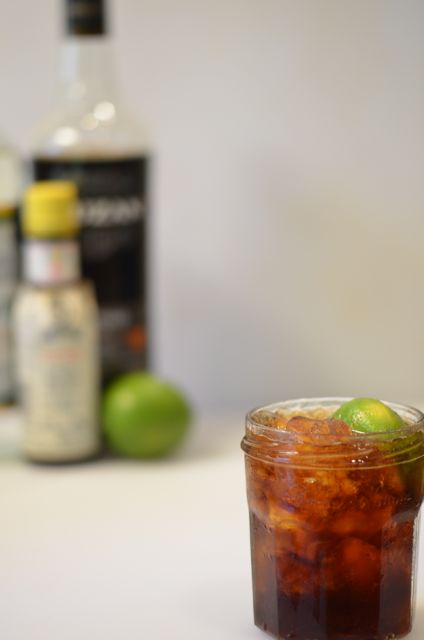
    Blackstrap rum and velvet falernum are not common ingredients, but are useful in plenty of cocktails.

    The Corn ‘n Oil combines blackstrap rum, velvet falernum, lime juice and Angostura bitters and is served on the rocks. And if you are unfamiliar with blackstrap rum and velvet falernum, you are not alone. To be honest, we only have them on hand because both are common accents in tiki drinks, and we do like our tiki drinks. Blackstrap rum is basically very dark rum. Cruzan is the blackstrap rum in tiki circles and in the Corn ‘n Oil. It has overt molasses and spice flavors with some clear bitter notes. On first sip, it seems unappealing, but somehow it grows on you. Many tiki drink aficionados use the Cruzan as the “float” instead of more common dark rums like Meyers. Cruzan Blackstrap rum is cheap ($15) and good stuff- so worth a try if you find it.

    As for velvet falernum, it is a sweet, spicy, lightly-alcoholic liqueur with lime notes. There are also non-alcoholic falernum syrups, Fee Brothers makes a version that’s widely available. You can also make your own. Falernum, along with Orgeat, is a popular sweetener in many tiki drinks. The only velvet falernum widely sold in the US is John D. Taylor’s from Barbados, the original home of falernum. It is inexpensive (under $20) and will last a long time, but it may be hard to find. In this recipe we suggest you use velvet falernum, but falernum syrup will work in a pinch.

    As for making the actual drink, like many cocktails, the recipes vary. Not surprisingly, the recipe on the back of the John D. Taylor Velvet Falernum bottle suggests a ratio of 3-1 falernum to rum. This is OK, but most current recipes suggest anywhere from a 50/50 split to 3-1 rum to falernum, particularly if using the Cruzan Blackstrap rum. Most recipes do agree that you need 1/4 to 1/3 of an ounce of fresh lime juice and some even suggest a splash of coke. We use a recipe from the cocktail book “Bitters” by Brad Parsons. We like the book and this recipe, but feel free to play around. We like just a bit more lime juice.

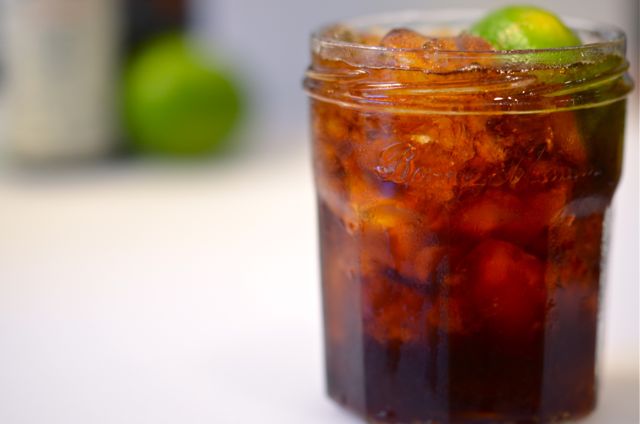
    Yes, it does look like old motor oil…but it tastes better.

    As for the flavor of the Corn ‘n Oil, it tastes like a much more flavorful version of a rum and coke. And this is a good thing. (C’mon, secretly most of us like a rum and coke every once in a while 😉 ) The blackstrap rum adds spice, bitterness and depth. The falernum adds clove and sweet lime notes that compliment the acidity of the fresh lime juice. The bitters add even more spice. Overall, there is a lot of good flavor in this drink. But there is one big caveat, the first sip is tough. The overt molasses flavor and bitterness from the blackstrap rum can be overwhelming. But then, suddenly with the next sip, it gets better. And as the ice melts into the drink, it gets good. Real good.

    As we noted earlier, we don’t expect that many people will have the ingredients to make this drink at home, but the next time you see this drink in a good bar, give it a try. If you get past the first sip and the odd name, you are in for a pleasant surprise.

    The Corn ‘n Oil:

    Ingredients:

    • 2 oz. blackstrap rum (preferably Cruzan)
    • 1/2 oz. John D. Taylor’s Velvet Falernum (or substitute falernum syrup)
    • 1/3 oz. fresh lime juice
    • 2-3 dashes Angostura bitters
    • Lime shell or wedge for garnish

    Assemble:

    1. Fill a lowball or old-fashioned glass with crushed ice. Add the rest of the ingredients and stir until well chilled. Add the lime garnish and serve.
  • Bonus Cocktail: Scott’s Manhattan

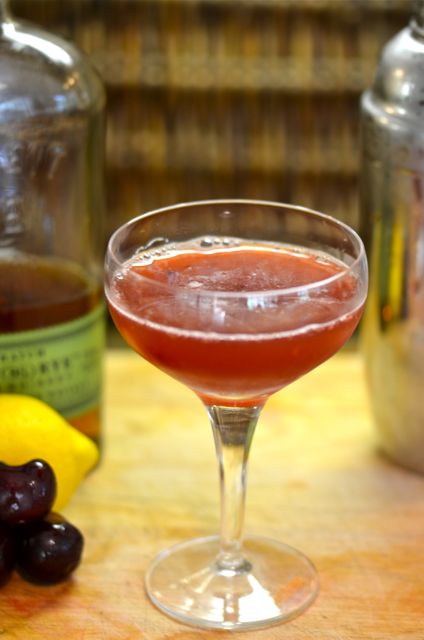
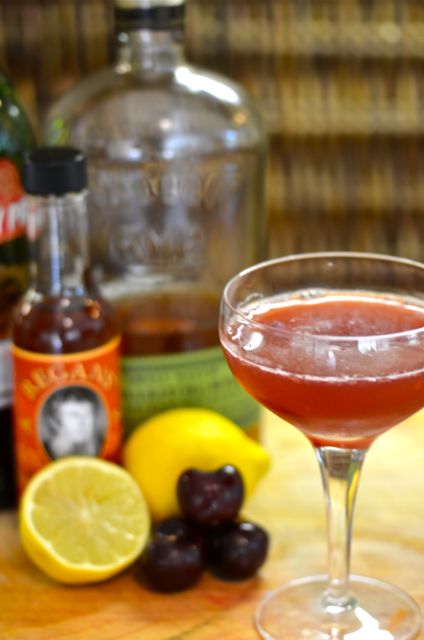
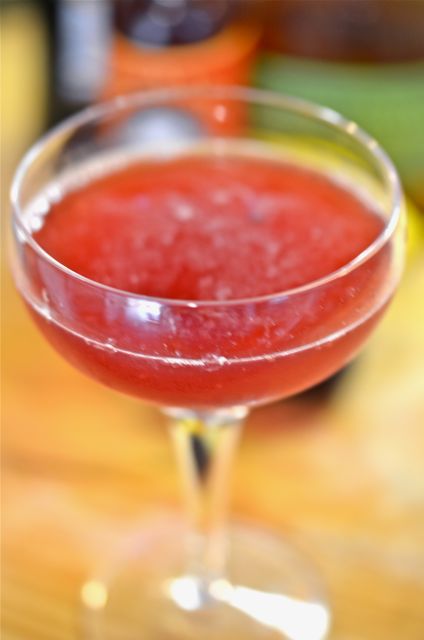
    Scott’s Manhattan.

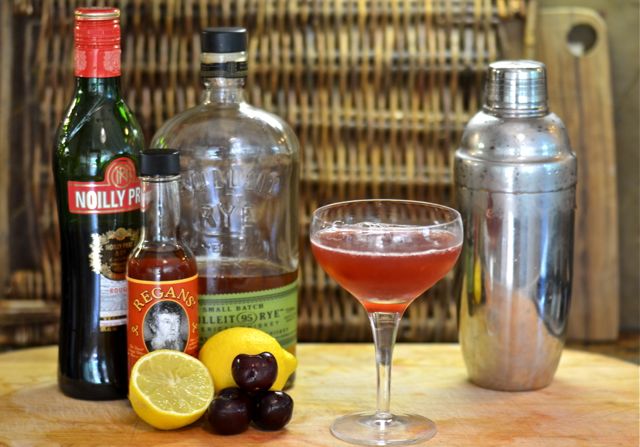
    One of the best parts of enjoying cocktails with friends is that they share their favorites and personal creations with you. And sometimes, after a few drinks and/or a visit to the fruit stand, you can build and enjoy “new” drinks. We say “new” but as this cocktail is a variant of the Manhattan, one of the most tweaked cocktails in the world, someone has probably made this before. But a quick search of Cocktail DB didn’t come up with a name, so we will call this one “Scott’s Manhattan”, after our friend Scott who made this cocktail for us during our visit to Long Island.

    A few more ingredients than a regular Manhattan.

    If you read our blog regularly, you will note that we sometimes avoid “brown drinks” like Manhattans, particularly in summer. But Scott is an avowed, and knowledgeable, fan of the Manhattan and made us a version that works in any season. His version includes two ounces of rye, one ounce of sweet vermouth, muddled cherries, a touch of lemon juice and orange bitters to create a bright and “summery” Manhattan. While anyone who likes Manhattans will recognize the whiskey and vermouth, Scott’s additions brighten the flavors and add a clean finish that works very well in warm weather. We all liked this drink and enjoyed quite a few in the last week. Usually whiskey stays near the back of our summer bar, but this drink changed our minds.

    Traditionally, a Manhattan is 2 parts bourbon or rye and one part sweet vermouth. Most recipes include bitters, usually Angostura, and often a cherry as garnish. A classic drink, but very sweet to our tastes, particularly if using bourbon. Scott’s version adds more spice by using rye and citrus notes from the orange bitters. The cherries add both sweetness and tang, and really amp up the color. The first sip of this cocktail is sweet and spicy, but then the citrus and cherries kick in for a lighter, fruitier finish than any traditional Manhattan. Purists may cringe, but we are all for seasonal experimentation and variation with our cocktails- it’s fun, and cocktails are all about fun.

    As for making the drink, it is pretty straightforward, with just a few extra steps. Place two fresh, pitted cherries, a lemon twist and a few drops of lemon juice to a cocktail shaker and muddle to extract the juice from the cherries and oil from the lemon peel. Add the rye, sweet vermouth, orange bitters (we use Regan’s for this version) and ice to the shaker. Shake until chilled and strain into a cocktail glass. For the rye, we like Bulleit and High West for cocktails, but most good rye will do. If using bourbon, the drink will usually be sweeter, so an extra drop of lemon or a touch less vermouth may help balance the drink. As for the sweet vermouth, we use Noilly Prat or Dolin, but we suggest you experiment with the sweet vermouth you prefer (and you do keep your vermouth in the fridge, right?). With the extra red color from the cherries and aroma from the lemon, we don’t think a garnish is necessary, but perhaps an orange twist will add extra dimension…. Again, feel free to experiment. Scott experimented, and we got a great drink….

    Scott’s Manhattan:

    Ingredients:

    • 2 oz. rye or bourbon
    • 1 oz. sweet vermouth
    • 2 sweet cherries, pitted
    • 1 lemon twist / peel (about the size of a quarter).
    • 2-3 drops lemon juice
    • 3 dashes orange bitters (Regan’s)

    Assemble:

    1. Place cherries, lemon peel and juice into a cocktail shaker and muddle to extract juice and oil.
    2. Add rye, sweet vermouth , bitters and ice to the shaker. Shake thoroughly and strain into a chilled cocktail glass or coupe’. Serve.