• Weekly Cocktail #29: The Daisy Black (and a new cocktail book)

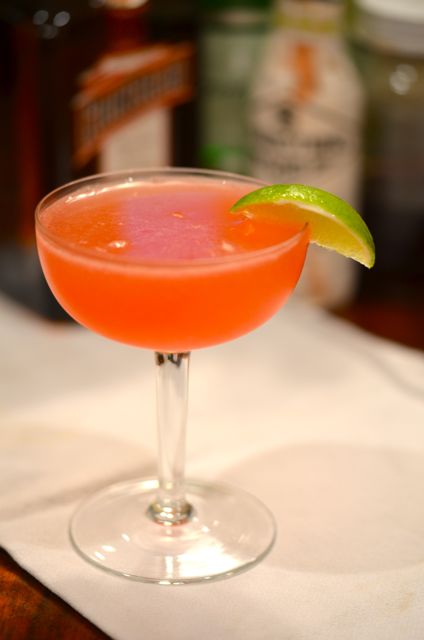
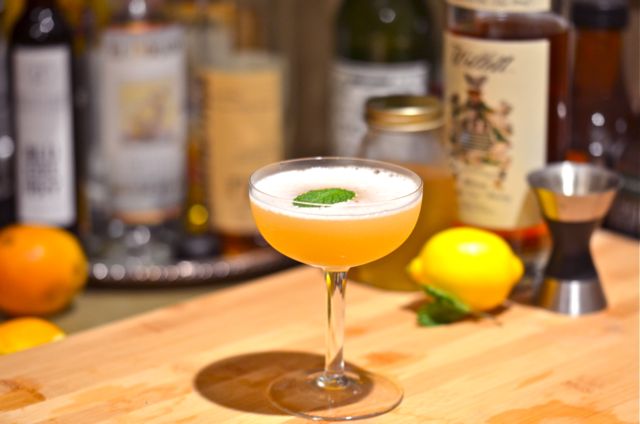
    Daisy Black Cocktail from “Drink & Tell”.

    Last week, Fred Yarm of Cocktail Virgin Slut published his cocktail book “Drink & Tell, A Boston Cocktail Book“, and as Fred is one of the leading bloggers in the space, we happily ordered the book (any excuse to try more drinks is welcome here on the farm). There is something wonderful about the world we live in when a gardener in California can order a book about Boston cocktails and it arrives from Seattle in just a few days. (Fred, if you make the book into an iPhone / iPad App, that would be even cooler).

    And after playing with “Drink & Tell” for a few days, we think it’s an excellent cocktail book. As Fred himself points out, there are plenty of “basic” or “classic” cocktail books out there, and many are very good. But Drink & Tell goes a different direction and features new or evolutionary cocktails from bartenders all over Boston. What you get is 500 recipes, most you can make at home, that expand your repertoire and offer inspiration. If you feel like you’ve “tried them all”, “Drink & Tell” will suggest otherwise.
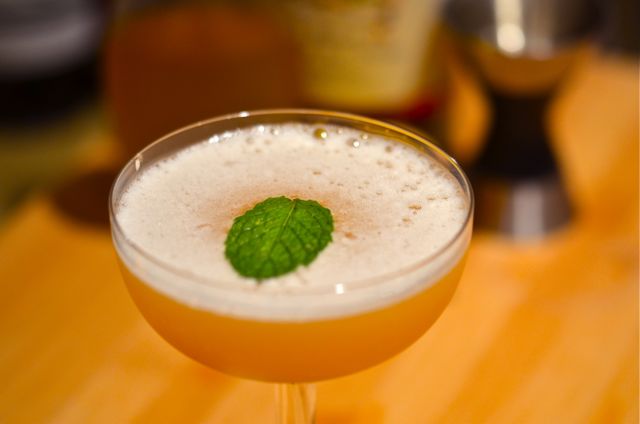
    While there are some very funky creations in the book, and we tried a few, our first favorite is a simple cocktail called the Daisy Black. The Daisy Black combines rye whiskey, honey syrup and lemon juice with a touch of mint. It is something of an evolution of a whiskey sour or smash, but a bit more refined. And as we just made Honey Syrup and are playing with rye, this drink was an easy choice. The drink comes from Dylan Black of Green Street in Cambridge Massachusetts. Black created the drink as an homage to his great-grandfather, who also tended bar. A noble profession.
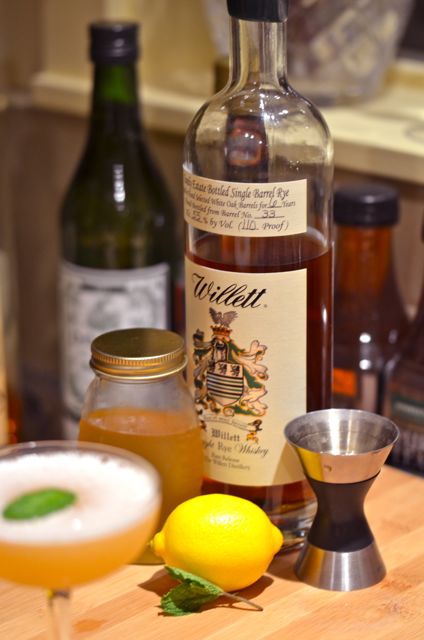
    As for the flavor of the Daisy Black, you get a nice whiff of mint followed by the taste of lemon and honey (and who doesn’t like lemon and honey?) complimented by the spice of the rye. A tasty, soothing sip that is perfect for autumn. Imagine tea with lemon and honey, just better… a lot better. So if you are looking to expand your cocktail knowledge and try some new creations give “Drink & Tell” a try. We will make more of the cocktails from the book and share then over the coming weeks.
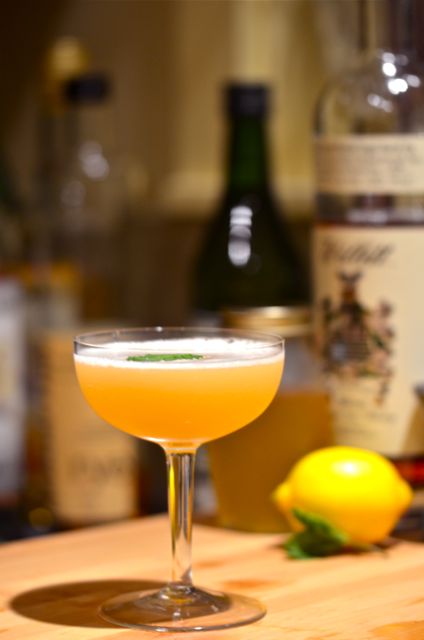
    The Daisy Black:

    (From Green Street and “Drink & Tell“)

    Ingredients:

    • 1 and 1/2 oz. rye whiskey
    • 3/4 oz. lemon juice
    • 3/4 oz. honey syrup (recipe here)
    • 1 large mint leaf

    Assemble:

    1. Combine the whiskey, lemon juice and honey syrup in a cocktail shaker with ice. Shake thoroughly and strain into a chilled cocktail glass or coupé. Slap the mint leaf in your palm and them place on top of the drink. Serve.
  • Mixology Monday Cocktail: Long Island Planter’s Punch (LIPP)

    Long Island Planter’s Punch.

    One of the cooler things in the cocktail blogging world has to be Mixology Monday, an “online cocktail party” where cocktail enthusiasts submit and share cocktails to fit an ever-changing theme. Paul Clarke of Cocktail Chronicles and Imbibe! ran Mixology Monday for 6 years (Wow- thanks Paul!) and just handed off the reins to Frederic Yarm at Cocktail Virgin Slut. (BTW- a shameless plug for Frederic’s new Boston Cocktail book “Drink and Tell”- see here). So here is the theme:

    For this month, I have chosen the theme of equal part cocktails — those simple drinks where only one jigger is needed despite how many ingredients are added. These recipes have gained a lot of popularity as classics like the Negroni and Last Word have resurfaced, and variations of these equal part wonders have become abundant.

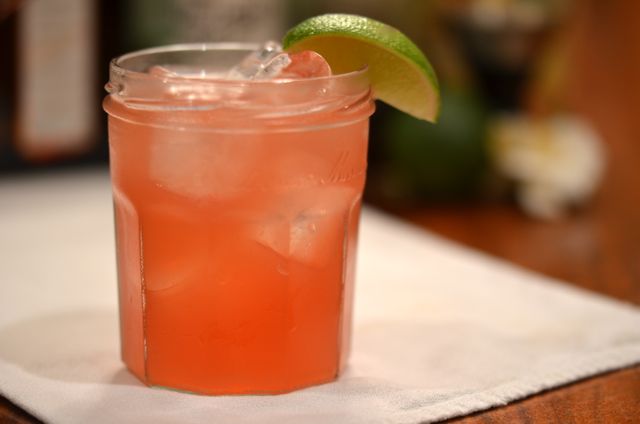
    LIPP as a “long” drink.

    Indeed they have. We have already posted on the Last Word and a very tasty variant with Apricot Shrub (that we made) based on a cocktail from Bar Terra. But seeing as how the Last Word has been revised dozens of times, we decided to look at other classic cocktails and see what we could do. We tried Corpse Reviver #2 variants with gin, grapefruit, Aperol and Lillet Rose’- good but better in unequal proportions. We also played with the Scofflaw, one of our recent faves, that included genever, rye, lemon, grenadine and dry vermouth. A very good drink, but the genever takes over so it was just a “genever scofflaw”. Ok, but not what we were after. But as a side bonus, we did make our own grenadine.

    Hard at “work” in the office…

    About that time, we decided that mining “classics” for ideas wasn’t going so well and perhaps another approach was in order. So if “classics” weren’t working, how about drawing inspiration from somewhat cheesier “less iconic” cocktails. And this very quickly brought us to the Long Island Iced Tea. We recently posted on the drink from Long Island, it is way better than it should be, and it uses roughly equal parts. But what to do with the homemade grenadine? Well, how about subbing the grenadine for Coke?  Kind of like Planters Punch (another semi-uncool cocktail) or a Bacardi Cocktail…and since the seasons are changing how about a little spice from a dash of bitters? (The rules allow it). And finally, the drink was boozy enough so we dropped the vodka, as we still had plenty of other spirits in the drink.

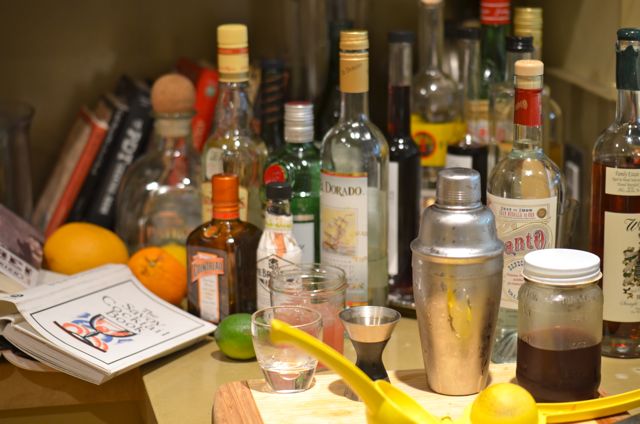
    Ingredients for Long Island Planter’s Punch

    And the Long Island Planters Punch was born. (And yes the LIPP is a riff on the L.I.R.R.- Long Island Railroad) The LIPP combines equal amounts of white Demerara rum (El Dorado), reposado tequila (Cazadores), dry gin (Tanqueray) , Cointreau (or another triple-sec), lime juice and grenadine, with a dash of Fees Old Fashion Aromatic Bitters (you can sub Angostura). And we garnish with a lime wedge for a little aroma and extra presentation. And one last note, if you can’t make your own grenadine, a “real pomegranate” grenadine will be much better, as the corn-syrup based versions are way too sweet.

    And the flavor of the cocktail? We like it very much. You get the lime juice, tequila and Cointreau up front and then the herbal flavors of the gin and sweet rum and grenadine fill-in and finally you get the spice of the bitters. A good sip, and just like the Long Island Iced Tea, it tastes much less boozy than it really is. And you can serve the LIPP as a cocktail or a long drink, it works either way. The LIPP is so tasty, we wondered if we should rename it and not mention its less-than-stellar cocktail forebears. But just as we still love our Dads, even though they mowed the lawn every Sunday in khaki shorts, black socks and sandals, we will proudly acknowledge the LIPP’s heritage.

    The Long Island Planter’s Punch (LIPP)

    Ingredients:

    (For 1 cocktail, double for a “long” version of the drink)

    • 1/2 oz. White rum (El Dorado Demerara)
    • 1/2 oz. Reposado tequila (Cazadores)
    • 1/2 oz. Dry gin (Tanqueray)
    • 1/2 oz. Triple-sec (Cointreau)
    • 1/2 oz. Fresh lime juice
    • 1/2 oz Grenadine (homemade- see below, or “real pomegranate”)
    • 1 dash Fee’s Old Fashion Aromatic Bitters
    • Lime wedge, for garnish

    Assemble:

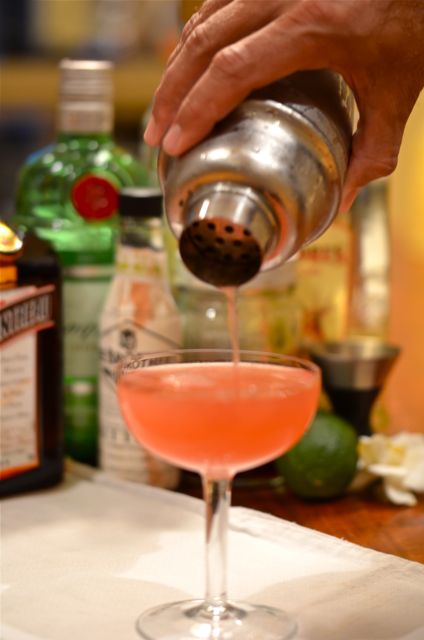
    1. Combine all the liquid ingredients in a cocktail shaker with ice. Shake thoroughly and strain into a chilled cocktail glass, coupé or flute. Garnish with lime wedge. Serve.

    -or-

    1. For a “long version” of the drink. Double the recipe and combine all the liquid ingredients in a cocktail shaker with ice. Shake thoroughly and strain into a large tumbler, highball or pint glass filled with ice. Garnish with lime wedge.

    —-

    Grenadine:

    (Adapted from Cocktail Chronicles and David Wondrich)

    Notes:

    • This is a “cold-process” version of Grenadine. There are also boiled versions, but we prefer the fresher flavors of the cold version.
    • You can use superfine sugar to be sure the sugar will dissolve in the pomegranate juice. You will get a bit more sugar, by weight, so check the flavor of the grenadine after the first mixing before adding any more sugar.

    Ingredients:

    • 1 part white sugar
    • 1 part pure, unsweetened pomegranate juice
    • 1 tablespoon of vodka or grain alcohol per cup of syrup (optional)

    Assemble:

    1. Place the juice and sugar in a jar with a good lid and seal. Shake well until sugar dissolves in the juice. Taste and add sugar, by tablespoon, to balance flavor.
    2. Add the vodka or grain alcohol, if using. Store in the fridge.
  • Bonus Cocktail: Reagan Meets Gorbachev

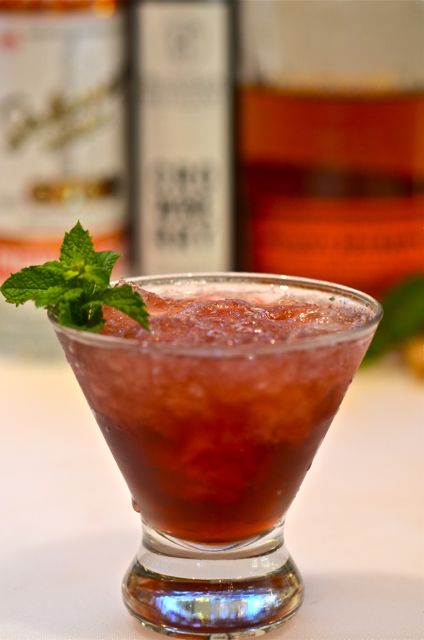
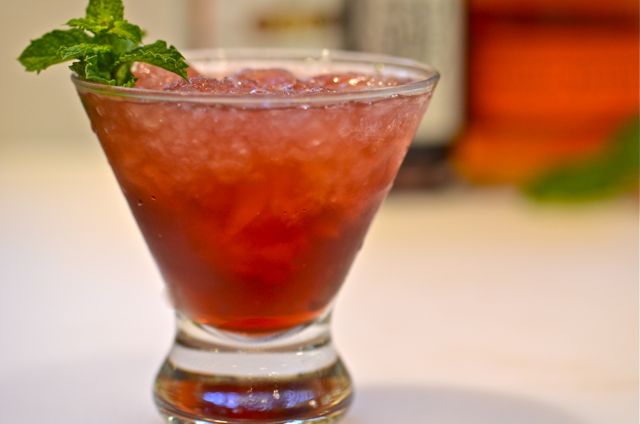
    Reagan Meets Gorbachev cocktail.

    NOTE: Sorry for the strange name, we will explain more below. But please read on, this cocktail is basically a Mint Julep variant that combines bourbon, vodka, simple syrup, mint and crowberry liqueur (substitute blackberry liqueur or crème de Cassis).

    Meanwhile, one of the unexpected (but positive) surprises of cocktail blogging is our friends’ willingness to bring us fun, and sometimes rare, spirits to play with. Booze is always welcome here at the farm. And last week Carolyn’s Dad, and my good friend, Bill brought us two liqueurs from Reykjavík Distillery in Reykjavík Iceland (thanks Bill!). The first liqueur was a very tasty blueberry cordial. But the second was a crowberry liqueur, and we had never heard of crowberries. So we decided almost immediately that a crowberry cocktail was in order. Challenges are good, it means we get to experiment.

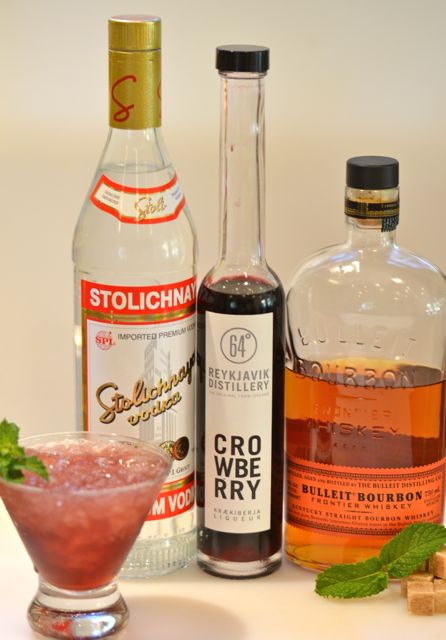
    East-meets-west ingredients…

    And after a few minutes of internet research we had at least some information on crowberries. Crowberries are the fruit of a dwarf evergreen shrub found in temperate and sub-arctic regions- basically they grow where it gets cold. Not surprisingly, they are a common food of the Sami in Finland and are also widely found in Iceland. Crowberries have lots of vitamin C and antioxidants, but are often lightly flavored. Their flavor is often described as watery blueberry with some tannic or black currant notes. But while the fresh fruit might be watery, fermentation and distillation concentrate flavors. So we were hopeful the liqueur would be tasty.

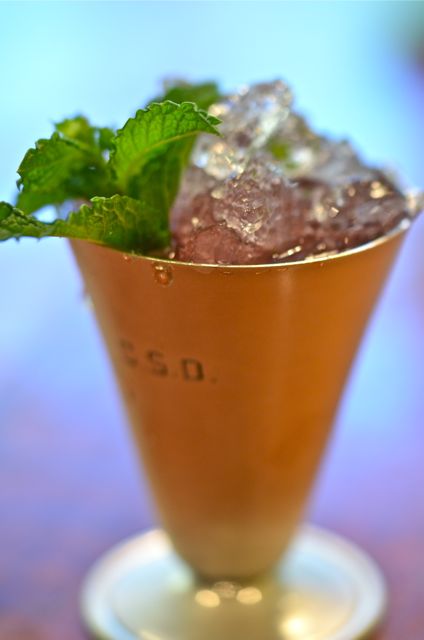
    A little fun with antique julep cups…

    Happily, the crowberry liqueur is quite good and tastes somewhat like a sweet mix of blueberries, blackberries and a little currant. So now that we had a good flavor to work with, we needed the cocktail. And since the liqueur is from Reykjavík, we wanted a theme based on the city. But the only thing we know about Reykjavík is that it was the location of the 1980’s meeting between Reagan and Gorbachev where they negotiated some of the IBT, but got hung up on SDI and the delayed approval of SALT II and then zzzzzzzzzzzz….. Let’s just say it was where Reagan and Gorbachev realized that both sides were open to broad concessions and they developed a personal relationship. This led to some good things; Soviet collapse, walls coming down, Maseratis in Moscow, etc….

    Adding dark fruit liqueur to Mint Juleps is a winner. The vodka helps the fruit show in the drink.

    As for the cocktail, we wanted to include both American and Russian spirits with the crowberry liqueur. Bourbon and vodka were the obvious choices. And as for the julep variant, there are many good blackberry juleps out there, so using crowberries isn’t a stretch. The vodka is not only Russian, but it lightens the bourbon without diluting the alcohol and helps the mint and crowberries shine through. Sometimes we think the bourbon overwhelms in Mint Juleps, but the vodka brings a sense of, ummm…detente (ugh, eye-roll).

    Overall this is a lighter, fruitier version of a Mint Julep that still has plenty of flavor. And you can substitute any dark fruit liqueur for the crowberry. So while we don’t expect many people to have crowberry liqueur, give this version of the Mint Julep a try, it may lead to good things.

    Reagan Meets Gorbachev:

    Ingredients:

    • 1 oz. bourbon
    • 1 oz. vodka
    • 1/2 oz. crowberry liqueur (or substitute dark fruit liqueur like blackberry or crème de Cassis)
    • 1/3 oz. Demerara or simple syrup
    • 6 mint leaves
    • Sprig of mint, for garnish
    • Crushed ice

    Assemble:

    1. Place the mint and simple syrup in a cocktail shaker and lightly muddle. Then add the bourbon, vodka, crowberry liqueur and ice to the shaker. Shake thoroughly and strain into a lowball glass or Julep cup filled with crushed ice.
    2. Stir and top with extra crushed ice, if needed. Garnish with the mint sprig. Serve.
  • Gravenstein Apple Harvest(s)

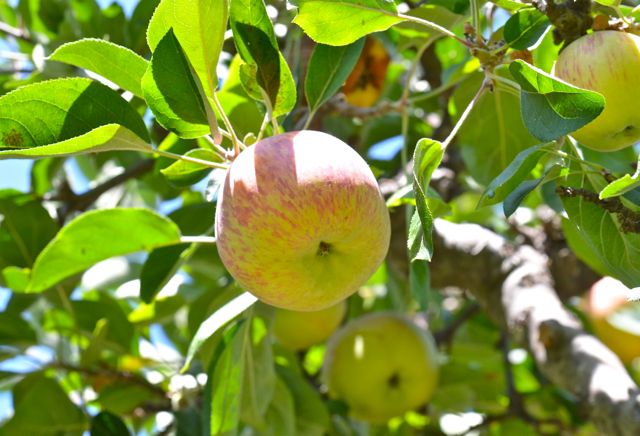
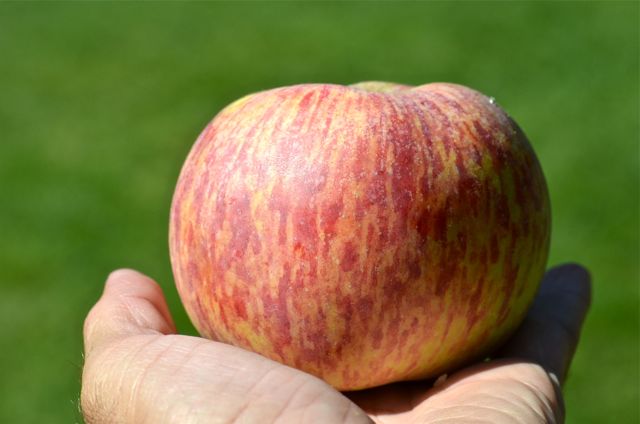
    Ripe Gravenstein apple.

    Ripe Gravensteins in the tree.

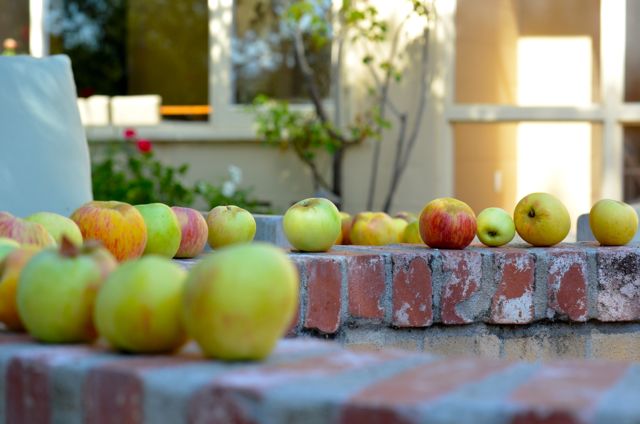
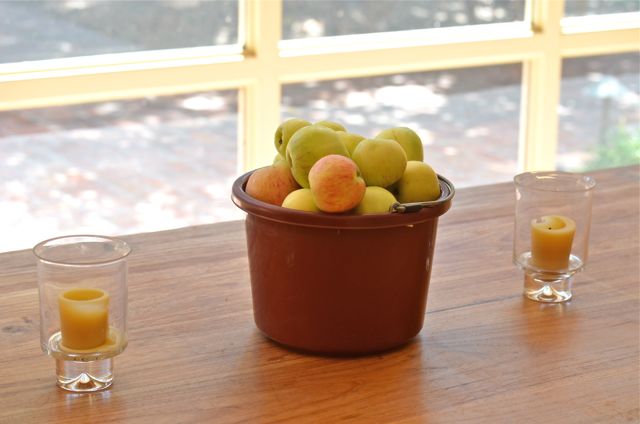
    Amidst our flurry of activity in the garden from the tomatoes, eggplant, beans, peppers and melons, we suddenly noticed that our Gravenstein apples were ready for harvest. And while we say “ready for harvest” for the Gravensteins, that is a relative term, as the Gravenstein is a “variable harvest” apple. This means, basically, that the apples ripen unevenly, usually over a 2-8 week span. This is good for home use, as we get apples over a month or so, but this is both a blessing and a curse for this excellent variety of apple.

    Apple picker, in action.

    The apple picker, these are very useful tools.

    And the Gravenstein is a very tasty apple, more on the tart side, but certainly sweet enough to eat out of hand, the Gravenstein is an excellent apple for applesauce, cider and pies. In our house we eat them out of hand and primarily make applesauce, the kids (and even the adults) love it. But we will make a few desserts and cocktails with the apples, as well. And none of the apples go to waste, the overripe apples go over the fence to the deer and the any others we don’t use to a nearby horse barn for treats. The horses, apple aficionados that they are, are big fans of the Gravensteins.

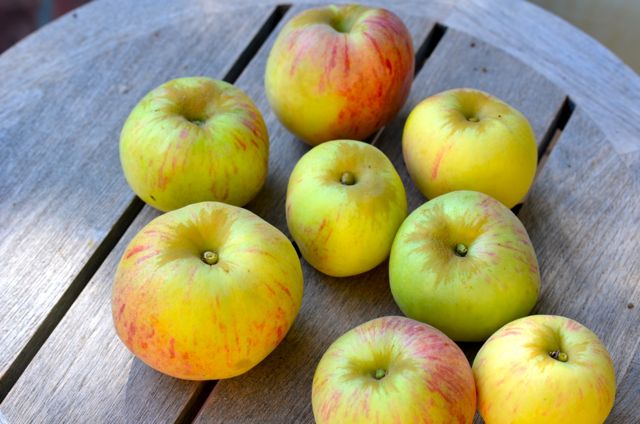
    Note the variation in color and ripeness. Good for home use, bad for commercial farming.

    The Gravenstein apple is a native of Denmark (it’s the “national apple”), but is most associated with Sonoma County in northern California. In the 20th century Sonoma teemed with Gravenstein apple trees, and many American soldiers ate applesauce from those trees. But the delicate (they don’t travel well) and variable nature of the Gravenstein led farmers to move to other varieties of apple, and even more so, grapes. Now the Gravenstein is more of a local symbol than a viable crop and many fear it will disappear from commercial production . There is a great New York Times article on the subject here.

    But what makes for a poor commercial crop often makes for good home use, and in a small setting the Gravenstein is an excellent apple. While there are a few days where we will harvest a majority of the apples, many remain on the tree for weeks, ready for picking and eating. In some ways the Gravenstein stores its fruit for you on the tree. And there are few better ways to slow your pulse than to walk up to an apple tree, pick an apple and just take a bite. So while there are limited commercial opportunities for the Gravenstein, we think it will thrive in back yards for as long as people like apples.

    Colors that look like they are painted on to the apple.

    Continue reading