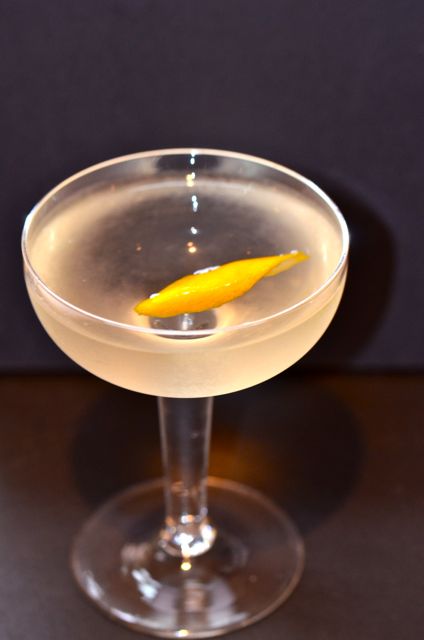
The White Negroni (the slightly bitter version)
We have a confession to make. We don’t like the “classic” Negroni cocktail very much. We try to like it, but there is just too much Campari along with the gin and sweet vermouth. Too bitter and too “ashy” for our tastes. And no matter how many times we try it, or how many mixologists, magazines and websites tell us it’s the “cool” drink, it just doesn’t take. But happily, we are parents, and very used to being “uncool”. Our lives will continue on without ever gaining a taste for the Negroni.
 But we do understand the need for cocktails that include, and even highlight, bitter elements. Right now in cocktail circles (particularly in NYC and San Francisco) bitter flavors are “in”, and it is a somewhat unexplored area of cocktails. But being old enough to see the first microbrewery expansion, and the California wine craze, we can tell you both went into a similar “phase”. Brewers over-hopped everything (sound familiar?) and high-end wine makers and sommeliers started to highlight “green” flavors and acidity (and tried to call it “balance”). We suspect there is a little of “inside-baseball”, “too cool for school-ness” in these trends, and they don’t last (no, they really don’t). But we always keep an open mind and like to try new things. Enter the White Negroni.
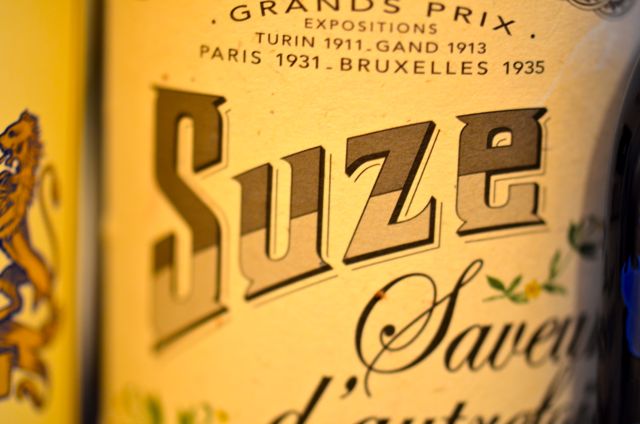
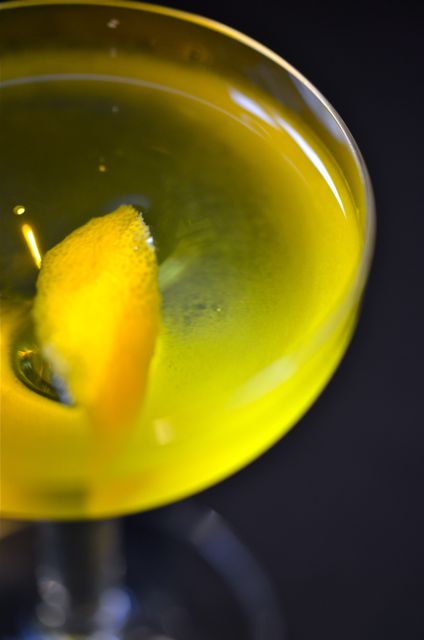
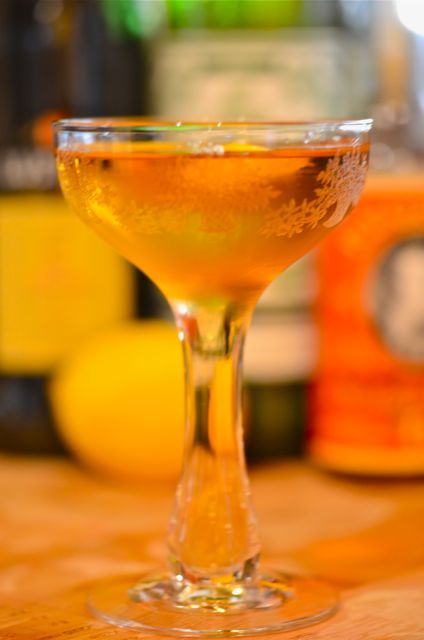
The bitter version with Suze.
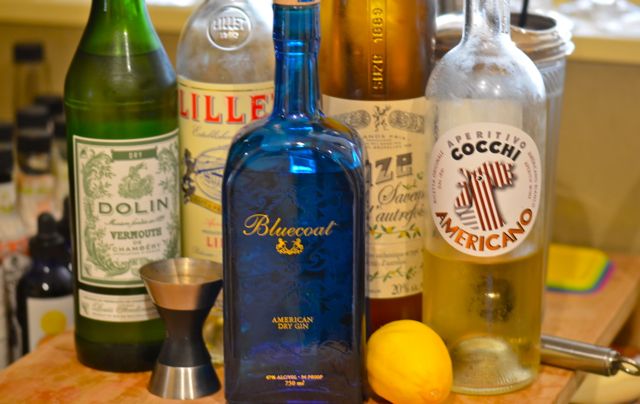
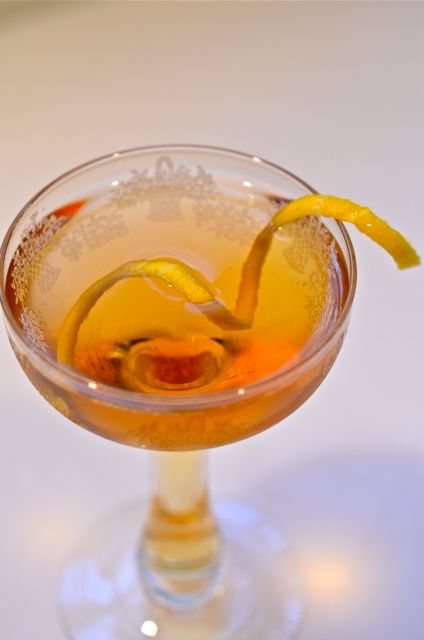
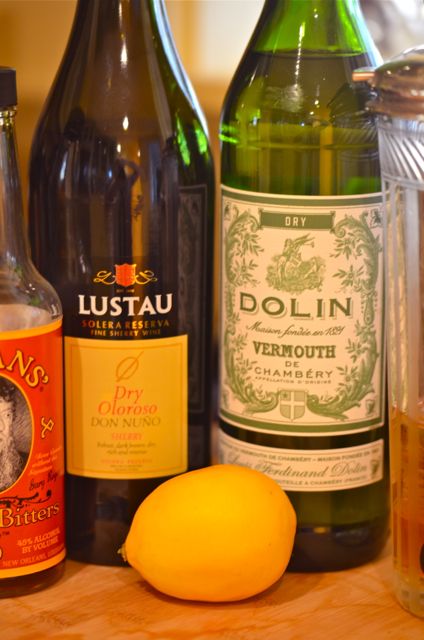
The White Negroni combines gin, vermouth and/or bitter fortified wine or liqueur. The idea is to have the similar bittersweet flavors of the classic Negroni, but with lighter flavors and colors. And as we like all sorts of gin, dry vermouth and fortified wines, we figured we would have the ingredients to experiment. And we did need a range of ingredients, as there is no single recipe to work from. From the PDT Cocktail Book to Serious Eats to Cocktail Virgin Slut, the recipes abound.
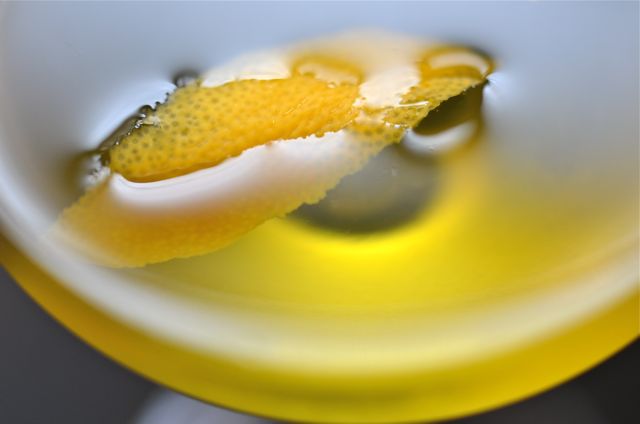 But it turns out there are two basic variants of the White Negroni, the slightly bitter and the very bitter. The main difference is in the strength of one flavor, gentian. Gentian is a very bitter root flavor found in many apéritifs and fortified wines. Some, like Cocchi Americano have just a hint of gentian, some like Suze or Salers are “gentian-bombs“. If you like the classic Negroni, make your White Negroni with Suze or Salers. If you are just experimenting with bitter-flavored cocktails, use the Cocchi Americano (good stuff for many cocktails, btw) in your White Negroni.
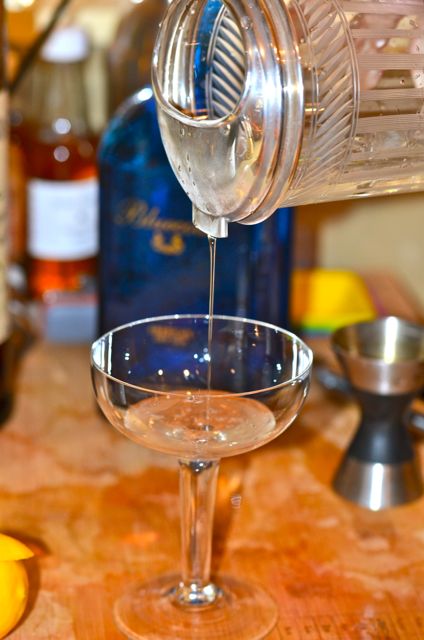
 We include a version of both recipes, but there is room to experiment. Usually the very bitter recipe includes dry gin, Suze and Lillet blanc to add some sweetness and counteract the very bitter Suze. The slightly bitter recipe includes dry gin, dry vermouth and Cocchi Americano. The very bitter White Negroni with the Suze has beautiful yellow color and strong flavor, and it is just as bitter as a classic Negroni (not as “ashy’). Not really for us, but we have friends who do like it. If you like bitter drinks, you will be very happy. Have at it. Continue reading



 Putney Farm