
Local, sustainable, ripe and tasty = good.
Just couldn’t let this one go….
A few days ago a group of scientists at Stanford released a study that suggests organic foods have few “nutritional benefits” over traditionally grown foods. The study did show that organic produce and meat has less (but still some) pesticide and/or antibiotic residue than non-organic produce and meat. But the study noted that most produce, regardless of growing method, has pesticide levels well-below federal standards (the data on organic meat and antibiotics is hazier). And from there, many publications went on to question the overall validity, or at least the marketability, of organic produce. And somewhat unsurprisingly, advocates for organic food and those citing pesticide-related risks passionately rebuked that conclusion. But from the point of view of a family of (mostly) organic gardeners, we think the study and most of its critics miss the point.
 Because if you read a bit more of the study, you see a powerful argument for local, sustainable, responsible (and preferably organic) produce. And, you also see a pretty thorough misunderstanding of why many people buy and/or grow organic produce. Because, as it turns out, the study makes clear that ripeness is the most determining factor in the nutrition of produce, and that flavor was not part of the study. Well we can tell you with great certainty; it doesn’t take a study to know consumers prefer ripe, flavorful produce. And that usually means, local, sustainable and often organically grown produce. Good produce is good for you. Good farms and gardens grow good crops and bring them to market or table when the crops are at their best. The best sometimes costs more.
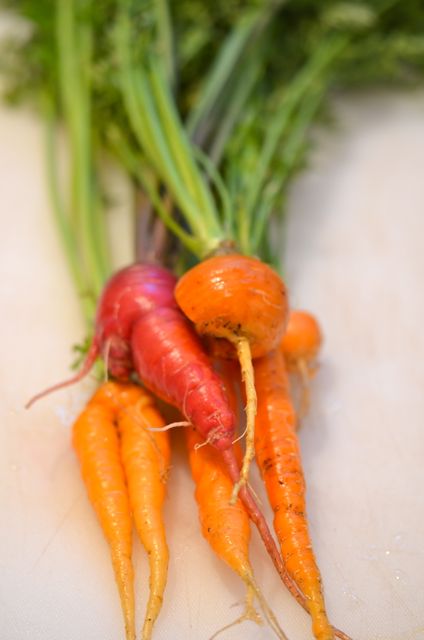 And we define “good” farming as sustainable, responsible farming. The fact is, not all crops can be grown organically in all places and at all times, but the produce can still be “good” if farmed in a responsible manner. Organic produce can be harvested too early, or shipped thousands of miles and that’s not “good”. Responsible, sustainable farming brings safe, natural, ripe and flavorful produce to consumers with the least risk and waste. If organic farming makes “good” produce more available, so much the better. But we suggest consumers focus on finding and buying local, ripe and tasty produce. We all know we eat more veggies if they taste good. And that is the biggest health benefit of all.
 Now back to family, friends, gardens, kitchens and the occasional cocktail….

Related articles
- Study Questions Advantages of Organic Meat and Produce (nytimes.com)
- Organic Shmorganic (nytimes.com)
- Study questions advantages of organic meat and produce (mercurynews.com)
 Putney Farm