• Bonus Cocktail: The Orchard Moonraker

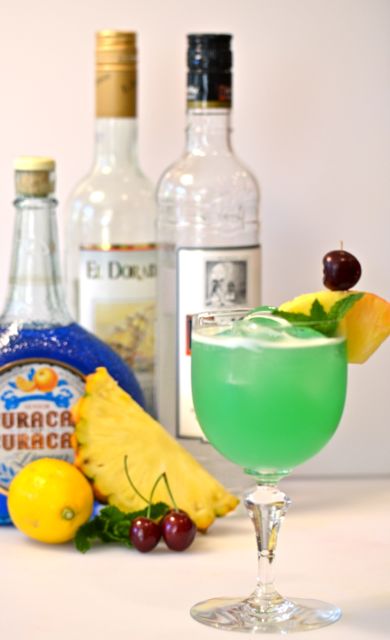
    The Orchard Moonraker cocktail.

    Last week Carolyn and I had a few days in San Francisco and the wine country, and of course that means we enjoyed some great food and cocktails. Ironically, the wine country is filled with signs promoting cocktails along with wine- and we think this is a great thing. Wine country is also farm country and there are all sorts of tasty fruits and vegetables that can make their way in to cocktail menus- and they are, often with tremendous success. Meanwhile, San Francisco continues to be a hotbed for great food and cocktails. If you like to eat and drink, San Francisco is a very easy place to like.

    And our inspiration for this week’s drink, the Orchard Moonraker comes from a visit to Bar Agricole, one of the best bars (and restaurants) in San Francisco. Bar Agricole is well-known for its cocktail program and a mix of both classic and creative drinks. The interior is modern and clean, the spirits top quality, the glassware beautiful and the bartenders knowledgeable. Altogether, an excellent place for a cocktail, and a great place to discover new flavors. In this case Bar Agricole featured their take on a classic cocktail, the Moonraker, which comes all the way from the Savoy Cocktail Book of the 1930’s.

    The original recipe for the Moonraker is equal parts brandy, peach brandy, quinquina (Lillet blanc or Cocchi Americano) and a few dashes of Absinthe. We tried it this way with Armagnac and Rothman and Winter’s Peach liqueur- and it is a good drink. Bar Agricole’s adaptation was brandy, Leopold Brothers Peach Whiskey, Cocchi and a few dashes of Absinthe. This was even better. The brandy and peach whiskey feature floral and sweet peach flavors, while the Cocchi adds herbal and bitter notes and the Absinthe cleans the palate. A bit unusual, but a very tasty drink. If you like Manhattans or Sazeracs, you may really enjoy the Moonraker. We certainly liked it.

    But as we are gardeners, and we have fresh peaches from the farmers market (ours are about a 10 days out- we are very excited), we adapted the Moonraker one more time to include fresh peaches and more common ingredients. Our version includes brandy, rye (you can use bourbon), muddled peaches, Cocchi and Absinthe. And if your peaches are not particularly sweet, a touch of sugar may help. The Orchard Moonraker, features overt floral and peach flavors and is a bit less sweet (peach liqueur is very sweet) with a touch of spice and depth from the rye and brandy. We use a little less Cocchi (you can substitute Lillet). The other notable difference is that the drink is cloudy from the muddled peaches. But overall, a tasty cocktail and fun way to enjoy peaches in season.

    Orchard Moonraker cocktail and ingredients.

    As for the name, it has nothing to do with the James Bond movie- the recipe has been around a lot longer. But a bit of internet research doesn’t give much more connection to the cocktail. A Moonraker is the name of a small, uppermost sail on some old ships, but is also a knick-name for some old-time British smugglers. Neither seem to have any real connection to the drink, and if they did it’s lost in time. But “Moonraker” sounds good, and the cocktail tastes good. So we will just have to drink it.

    The Orchard Moonraker: (Moonraker recipe below)

    Ingredients:

    • 1 oz. brandy
    • 1 oz. rye (or bourbon, in a pinch)
    • 1/4 ripe sweet peach, in slices (we like the skins on for extra flavor, but skin the peaches if you like)
    • 1/2 oz. Cocchi Americano or Lillet Blanc
    • 2 dashes Absinthe
    • A few dashes of simple syrup if the peaches are tart.
    • Peach slice, for garnish.

    Assemble:

    1. Add the peach slices to a cocktail shaker and muddle thoroughly.
    2. Add the brandy, rye, Cocchi, Absinthe and ice. Shake well to combine. Taste for sweetness and add a bit of simple syrup, if needed.
    3. Double strain (the peach pulp can be thick) into a chilled cocktail glass or coupe. Garnish with peach slice and serve.
    Continue reading

  • Cherry And Chocolate Chip Muffins

    Cherry and Chocolate Chip Muffins

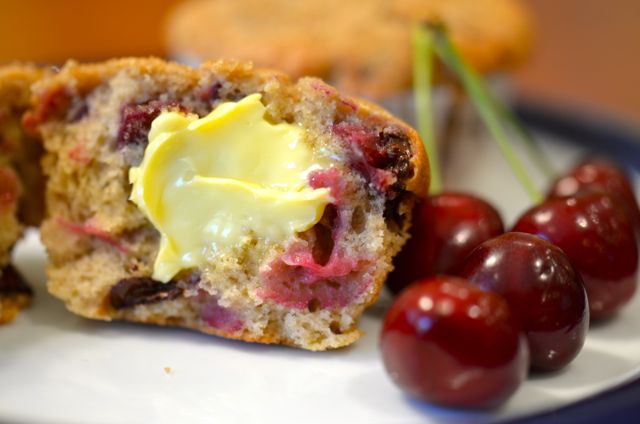
    Tired of cherries yet? Well, we thought we would be, but they are so good (and plentiful) this year that we can’t seem to get enough. But as our season is ending, we are doing as much as we can with our cherries. We made cocktails, cherry-based salads and clafoutis for dessert, so now Carolyn made some “muffins” for breakfast. Of course, as we noted from some earlier recipes, Carolyn’s muffins often seem closer to cupcakes. But the boys and I aren’t complaining.

    OK, so now what do we do with all of these?

    And these muffins are a very good use of cherries. Cherries go well with chocolate and are firm enough to hold their shape in a muffin (or cake). And part of the cool thing about this recipe is its flexibility. We used sweet Bing cherries, so Carolyn used bittersweet chocolate chips, but if you have less sweet or (if you get lucky) sour cherries then you can add regular chocolate or even white chocolate chips to balance the fruit. And these muffins are a delicious balance of sweet, nutty and fruity flavors- and the chocolate adds great depth. You can eat a bunch of these and never tire of the taste.

    Cream butter and sugar.

    Add in the eggs, then flour.

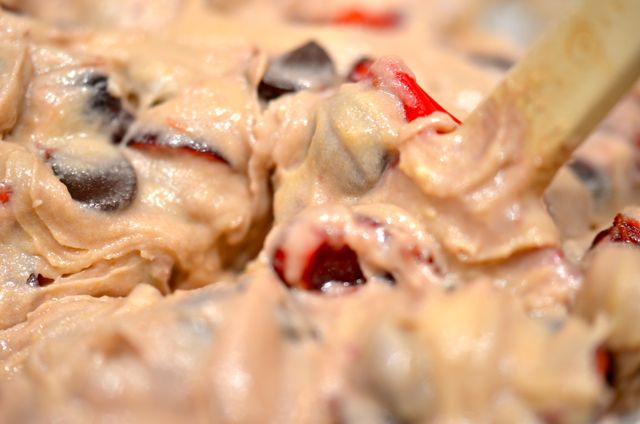
    Cherries and chocolate. Hard to go wrong here.

    Add cherries and chocolate to the batter.

    The other point of flex in the recipe is the flour. Carolyn adds white whole wheat flour  to the batter. We think it gives a nuttier flavor that plays very well with most fruit-driven recipes. In case you are curious, white whole wheat flour is simply milled from hard white spring wheat, rather than traditional red wheat. It is whole wheat flour, but is lighter in color and flavor and acts more like AP flour. But if you prefer all-purpose flour, the recipe will still work with 100% AP flour.

    Scoop batter in muffin cups and bake.

    Let’s the muffins cool…if you can wait that long. Continue reading

  • Green Olive-Lemon Relish (With Sous-Vide Halibut)

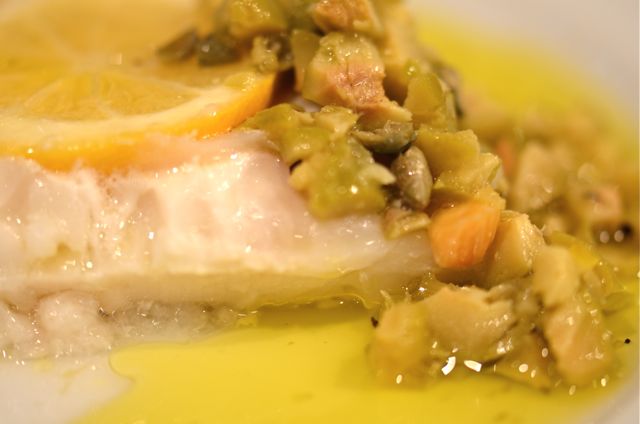
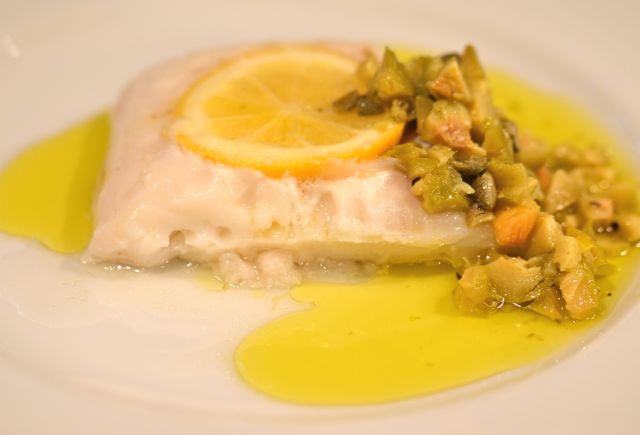
    Green Olive-Lemon Relish With Sous-Vide Halibut.

    Please pardon the somewhat strange title. Usually we would lead with the fish, but this dish really is all about the relish.

    We are big fans of salsa verde here at the farm, it works on veggies, chicken and fish- particularly during the summer. But we are always looking to branch out and discover new flavors, and we happened to find this recipe for green olive-lemon relish from Judy Rodgers of the Zuni Cafe in San Francisco. And Judy Rodgers notes that this relish works on fish, chicken, pork and grilled vegetables and is easy to make. So we gave it a try.

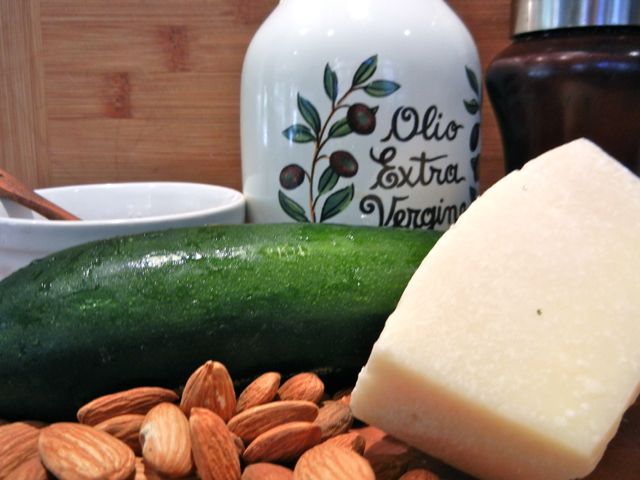
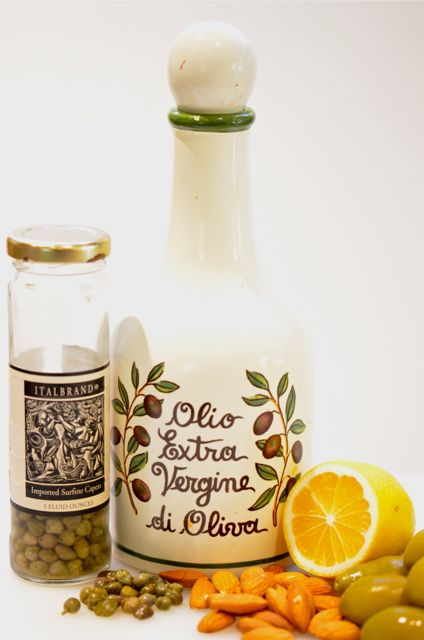
    Few ingredients, but lots of flavor.

    And we are glad we did. This relish is a simple mix of firm green olives (Lucques or Ceregnola are good), diced lemon, chopped almonds, a touch of capers, lemon juice and olive oil. The flavor profile is very similar to salsa verde but the olives, almonds and lemon pieces give the relish more body and heft. The relish has a nice balance of sour and briny notes from the olives, lemon and capers, while the almond and olive oil add nutty and sweet notes.

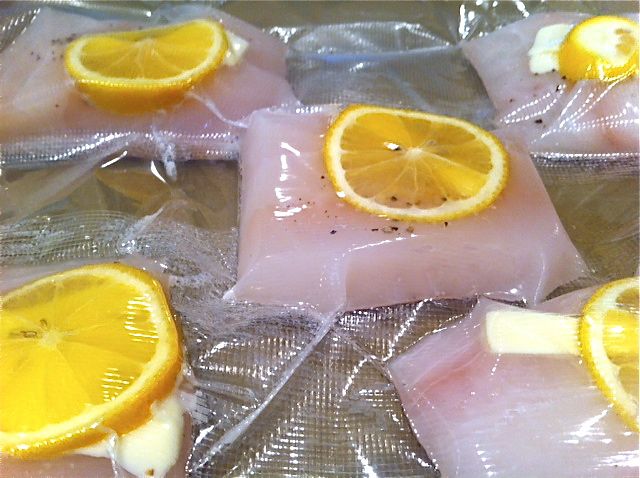
    We served the relish with sous-vide halibut at 122 degrees using our basic method for sous-vide fish (here is a link to a good oven-based method) and it was a lovely summer meal. This relish would work very well with any firm white fish- so we suggest you use whatever cooking method you like and then simply add the relish. And if you grill eggplant, squash or zucchini, this relish will be a great partner.

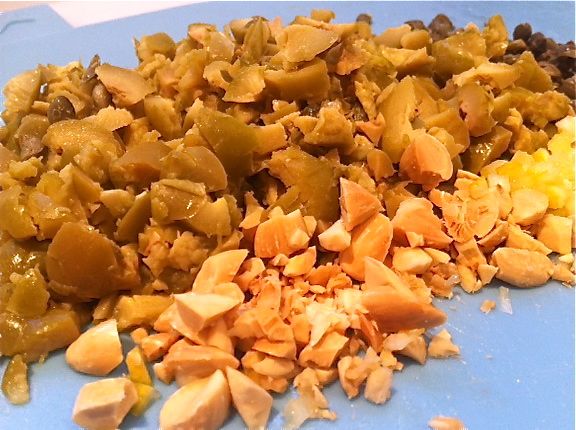
    Pit and chop the olives. Add chopped lemon, almonds and capers.

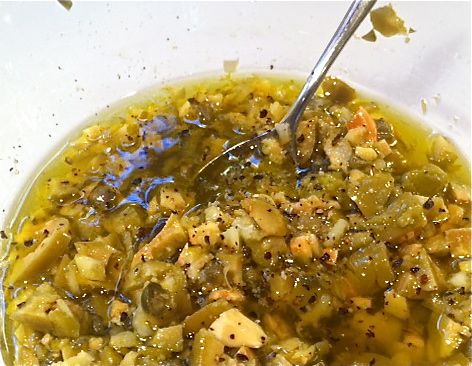
    Combine with olive oil and lemon juice.

    The relish goes with fish, chicken, pork or grilled vegetables. We made sous-vide halibut.

    Making the relish couldn’t be easier. Skin, roast and chop some almonds (or use store-bought roasted almonds, unsalted Marconas would be very good), dice 1/4 of a lemon, pit and chop the olives, add some capers and a bit of extra lemon juice and then add the olive oil. A neat trick here is that you can add varying amounts of olive oil and still have a good relish. If you want the relish chunky, add less oil, if you want to use it more like a sauce (good with fish) add a little more oil. Both versions taste great. So if you like salsa verde in your summer meals, give this relish a try, it will be a very tasty change of pace (you might even like it better than salsa verde).

    Green Olive-Lemon Relish:

    (Adapted from Judy Rodgers’ Zuni Cafe Cookbook)

    Notes Before You Start:

    • Rodgers suggests a few types of olives for the relish including Lucques, Ceregnola, Ascolane and Picholine. But she notes that if the Picholines (or any of the olives) seem extremely briny to blanche them for 2 minutes to soften their flavor.
    • If you want to skin and roast your almonds, simply blanche raw almonds in boiling water for 10-15 seconds, then cool and skin (the skin will come off easily). Then roast the almonds in a 300 degree oven for about 15 minutes, or until they color slightly. Make extra- freshly roasted almonds are very tasty on their own.

    What You Get: A bright, tasty relish for fish, chicken, pork or vegetables.

    What You Need: No special equipment required.

    How Long? 5-10 minutes of chopping. And extra 15 minutes if roasting your own almonds. Anytime dish.

    Ingredients:

    (Makes about 1 – 1 and 1/2 cups)

    • 12 roasted, skinned almonds (see above if you want to DIY)
    • 1 cup good green olives like Lucques, Ceregnola, Ascolane or Picholine
    • 1/4 of a lemon
    • 2 tablespoons capers, rinsed
    • 1-2 tablespoons fresh lemon juice
    • 1/4 to 1/2 cup of good olive oil
    • Salt and pepper

    Continue reading