• Caprese Salad

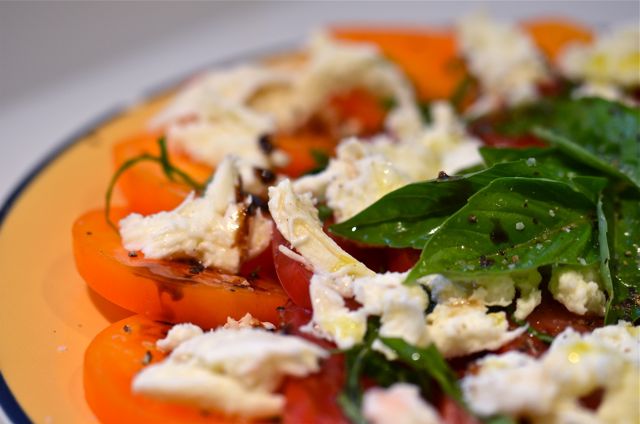
    Caprese Salad. Sometimes simple is best.

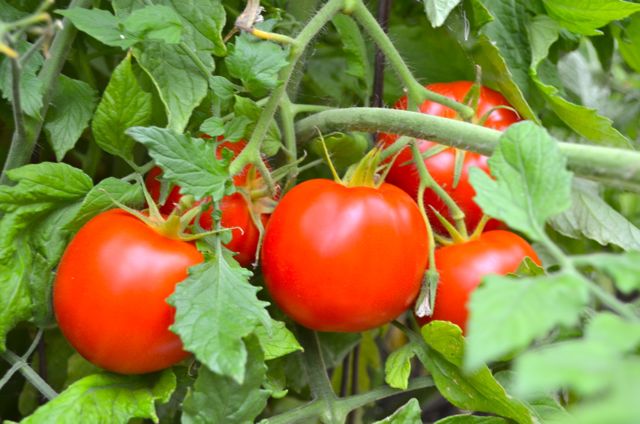
    We feel a bit sheepish even posting this recipe, as the Caprese is as simple as it gets (and there are hundreds of recipes online). But we have our own tomatoes and basil, and a good source of local mozzarella, so this is what we are eating. Tomatoes/mozzarella/basil might be our favorite flavor combination, perhaps only matched by potatoes/fat/salt and butter/sugar/flour 😉 . We will eat this dish almost daily until the tomatoes run out…so might as well take some photos and write a post
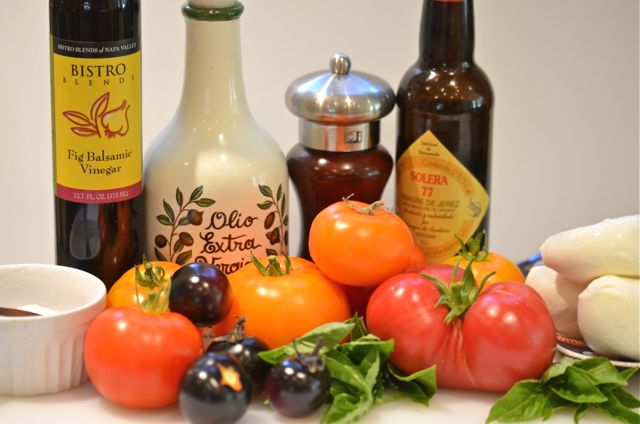
    Just a few ingredients. But a variety of tomatoes and vinegars adds extra pop.

    And while the Caprese salad is a very common recipe, there are a few ways to make the most of the dish. Firstly, you need fresh ingredients. Ripe tomatoes and fresh basil are key, as is good quality mozzarella. If you have a good local producer of mozzarella, try their cheese. If not, ask a good cheesemonger for a recommendation, as there are good nationally distributed mozzarella. Secondly, adding salt, pepper, olive oil and vinegar will add flavor and depth to the dish- without distracting from the core ingredients. Using two vinegars also brightens the flavor, we like sherry and balsamic vinegars, just not too much. Third, using a variety of tasty, ripe tomatoes provides more flavors and textures- and it looks good too (although most Caprese salads look good). UPDATE: And finally, as Stefan from Stefan’s Gourmet Blog (one of our faves) points out in the comments below, letting the cheese come to room temperature is a big help- it improves both the flavor and texture.
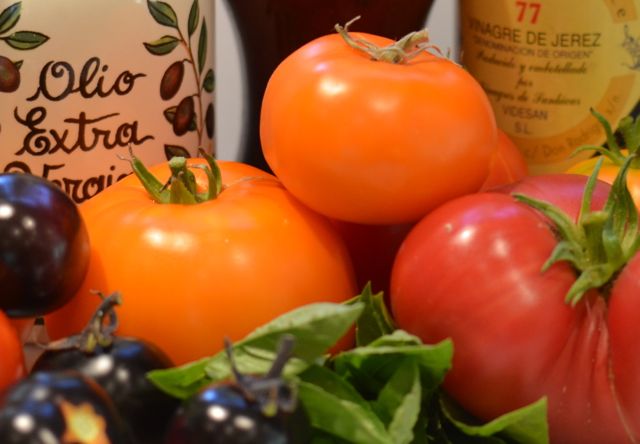
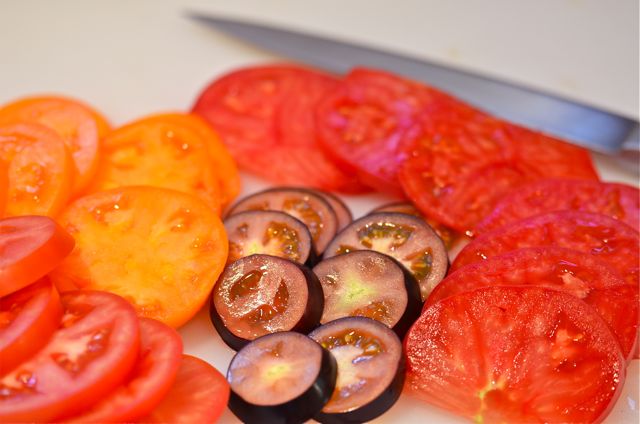
    We like the extra color on the plate.
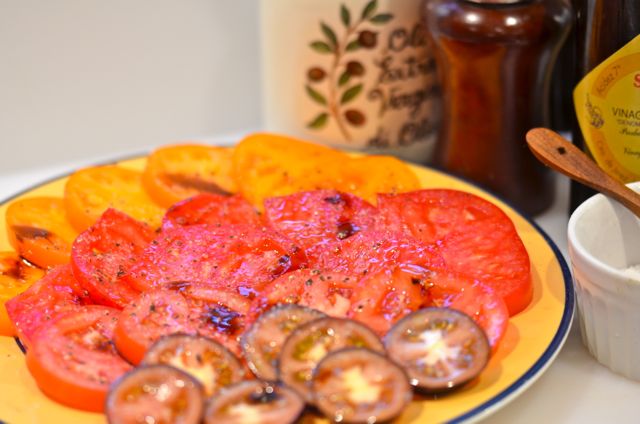
    Arrange the tomatoes and season.

    We also suggest a few techniques to make the most of the salad. We season each layer as we build the salad, this sounds fussy, but you want salt and pepper on each tomato slice. And a chiffonade of basil combined with whole leaves provides the most basil aroma, which is hard to beat. A chiffonade is simply thin strips of herbs or leafy vegetables. To make a chiffonade, roll some basil leaves into a cylinder and then thinly slice crosswise into thin strips. The slicing will release more of that awesome basil perfume, but also discolors the basil somewhat, so it is best to make the chiffonade just before assembling and serving the dish.
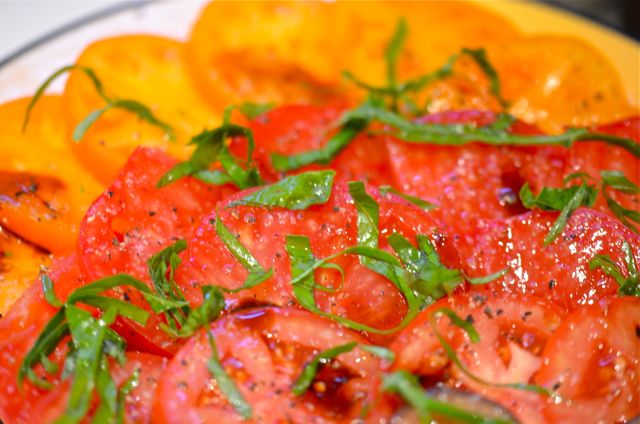
    Add the basil.
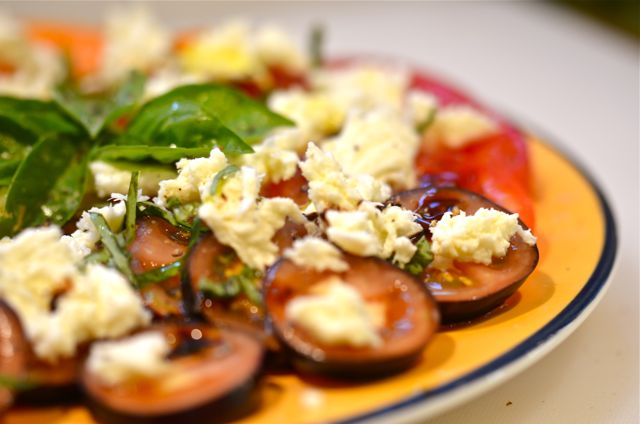
    Add the cheese, oil and vinegar. Season and arrange the whole basil leaves. Serve.
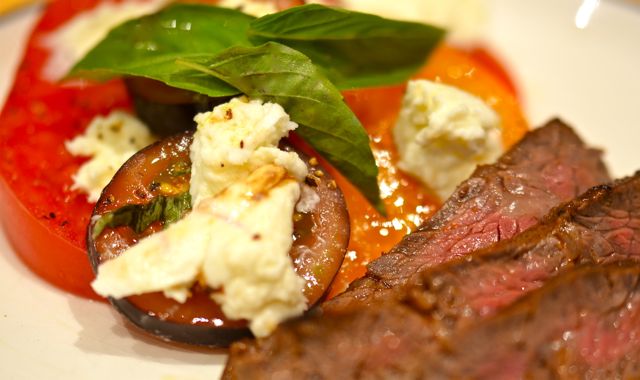
    Served with seared skirt steak, a very nice dinner.

    And how do you serve a Caprese salad? Just about any way you want. This dish works as a starter, side salad, or even a main course. Put it between a few slices of bread and you have a great sandwich. We like to serve the Caprese as a large side salad along with a small serving of meat or fish- we are particularly fond of seared skirt steak with the Caprese. And while we love our cocktails, a good bright red or white wine will certainly go well with this dish. A sunny day doesn’t hurt either…

    Caprese Salad:

    Notes Before You Start:

    • Fresh, ripe tomatoes are key. If you don’t have them, don’t bother.
    • Fleur de sel or quality sea salt, with its crunch, is a good salt to use on this dish.

    What You Get: One of the best dishes in the world. Seriously.

    What You Need: No special equipment required. Just good ingredients.

    How Long? Five minutes or less. Slice, arrange, season and serve. Anytime dish when tomatoes are in season.

    Ingredients:

    (Serves 2 as a large salad, 4 as a side dish or starter)

    • 1 and 1/2 pounds of ripe tomatoes (3 large or 5-6 medium tomatoes)
    • 3/4 pound of fresh mozzarella cheese
    • 12 basil leaves
    • 1 tablespoon olive oil
    • 1 teaspoon sherry vinegar
    • 1 teaspoon balsamic vinegar
    • Kosher salt or fleur de sel
    • Fresh black pepper

    Assemble:

    1. Wash, core and slice the tomatoes into 1/4 inch disks. Slice the cheese into 1/4 inch disks or break the cheese into small pieces. Layer tomato slices on a serving plate and season with the salt and pepper. Add half of the oil and vinegars.
    2. Chiffonade half of the basil leaves and scatter over the tomatoes. Evenly distribute the cheese over the tomatoes and basil. Season with salt and pepper and sprinkle on the rest of the oil and the vinegars. Arrange the whole basil leaves on top of the cheese and serve.
  • Cherry Crumble Pie

    Cherry Crumble Pie with ice cream.

    Our cherry season never seems to end this year, but we are certainly not complaining. Not only did we get cherries here at the farm, but we enjoyed more on the east coast. And just when we thought it was over, a local farm had one last batch of tasty Bing cherries. We made plenty of cherry cocktails (a Cherry Fling, a Caipirinha and a Manhattan) and desserts like clafoutis, so now it’s time for cherry pie. Many recipes use sour cherries in pies, but they are very hard to find and we like the Bing cherries. It was just a matter of time before the Bing cherries ended up in a pie.

    Hard to wait for this to cool.

    For this pie, Carolyn combines elements from a number of recipes, so it is very much her creation. And it is a very, very good pie. The key, at least to our tastes, is the use of a crumbly, crunchy streusel topping instead of a full dough or lattice top. Not only is it easy, but the streusel adds extra crunch and flavor that, combined with smooth vanilla ice cream and bright, sweet Bing cherries, makes for an excellent dish. This pie was a hit with the kids and adults, and there was nothing left over.

    A food processor makes it easier to make good pie dough.

    Vodka, along with water, makes for a tender crust. It activates less gluten.

    Making the pie is, admittedly, a multi-step process. You must make the pie dough and the streusel and prepare the cherry filling. All of these steps are easy enough (particularly with a food processor), but they do require time. Most of the techniques are also familiar, but we will note the use of vodka along with water in the pie crust. While adding no flavor, the vodka moistens like water but does not activate the gluten in the flour. You get a more tender crust in the final pie- and the booze cooks out. While you do not have to use vodka, we use this recipe for almost all of our sweet pie dough and the texture is noticeably better. Certainly worth a try, and you can make this dough ahead of time.

    Form the dough into a disk, cover with plastic wrap and chill.

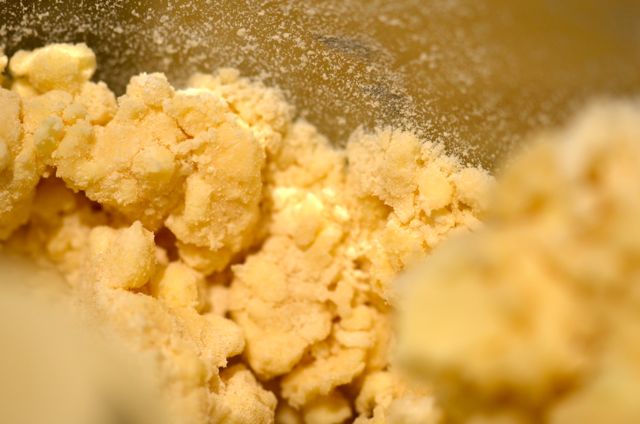
    Quickly combine dry ingredients and butter to make a streusel for the “crumble” topping.

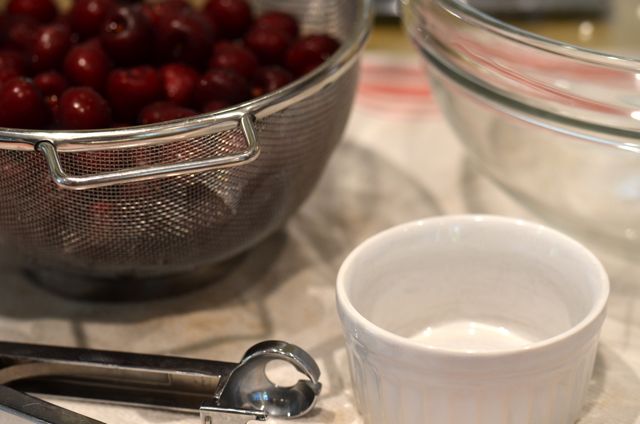
    Meanwhile, start making the cherry pie filling.

    Otherwise, making the pie is a straightforward process. Use the food processor to create the dough. Then chill it to make it easier to roll-out. Meanwhile assemble the streusel in a medium bowl, it requires no cooking and it’s quick. It does, however, take some time to make the filling. Pit the cherries and then combine a cup of the fruit with the sugar in a saucepan over medium heat. Cook the cherries and sugar to form a light syrup and thicken with a cornstarch mixture. Then add in the uncooked cherries along with nutmeg and melted butter. This may seem like extra effort, but it is worth the work. The filling ends up with deep flavor and a mix of textures. And since the cornstarch is cooked twice, there are no raw or starchy flavors in the filling. Good stuff.

    Combine cherries and sugar.

    Bring to a boil and thicken with cornstarch.

    Place the dough in the pie pan, add the filling and top with the streusel.

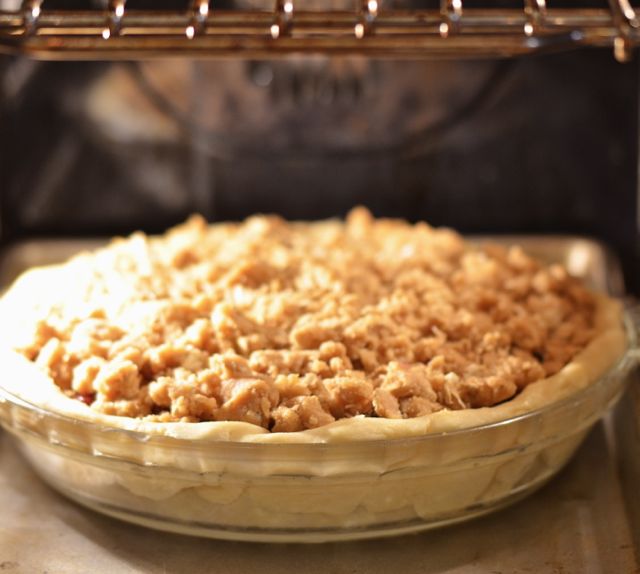
    Bake until well colored and the filling bubbles. Cool and serve.

    Continue reading

  • Back To The Garden

    One sun sets….

    …but the garden has its own version of the sun.

    Our trip to the east coast is over. We are back in California. The air is warmer and drier. The water colder, but just as wet. And instead of other’s gardens and farms, we get to enjoy our own. It was a great trip, but we are glad to be home.

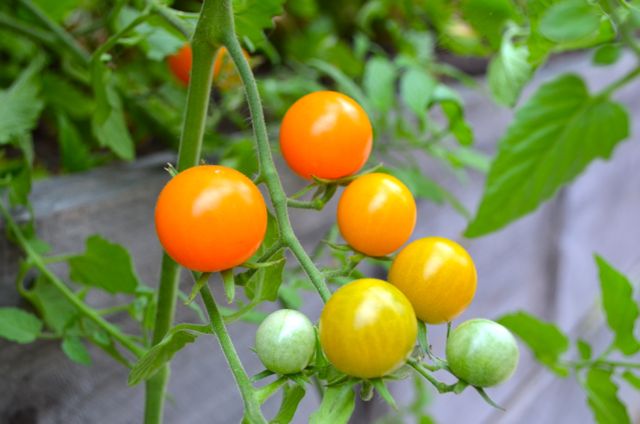
    Sungolds, good in just about everything.

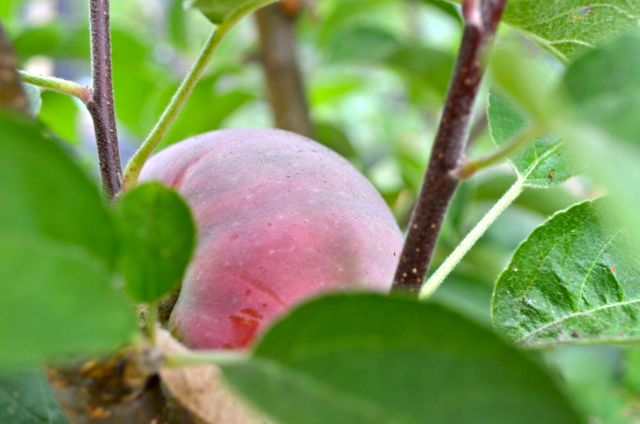
    Macintosh apple coming in.

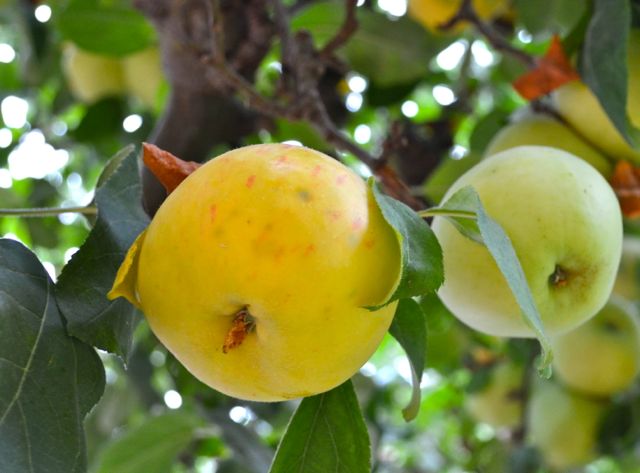
    Gravenstein apples showing their colors.

    The garden is about where we expected, but the progress always amazes. So much change in just a few weeks. The tomatoes, beans, peppers, cucumbers and eggplant are in full swing. The melons are on the cusp, and we are very excited that we have enough to experiment. The strawberries are in their prime and will produce for a few more months.

    The bees love the mint flowers. We are curious what impact, if any, on the honey.

    Potato blossom. Another crop coming soon.

    This is what happens to lettuces when they bolt. Oops.

    In the orchard, a few peaches are still out there and we will harvest them in a few days. The Comice pears and figs are coming along. And the Gravenstein and Macintosh apples are ripening. Summer is here, but we do feel fall around the corner.

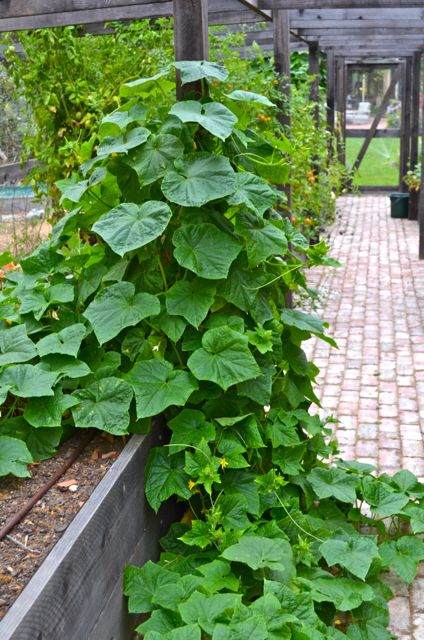
    Our happy cucumber plant.

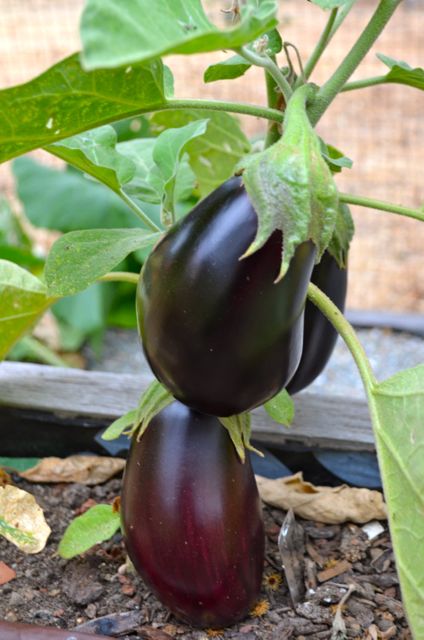
    The eggplant are thriving, we know its been hot.

    Continue reading

  • Bonus Cocktail: Scott’s Manhattan

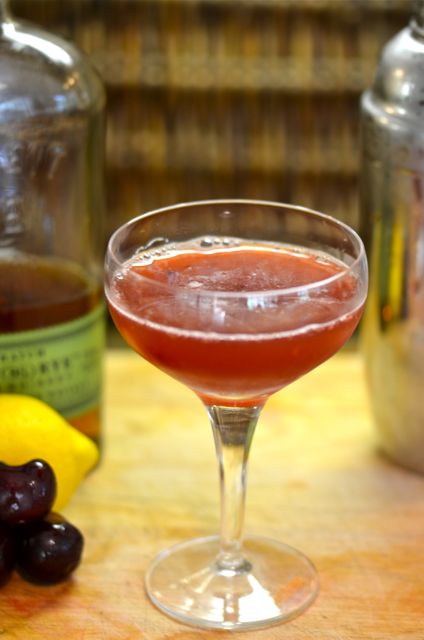
    Scott’s Manhattan.

    One of the best parts of enjoying cocktails with friends is that they share their favorites and personal creations with you. And sometimes, after a few drinks and/or a visit to the fruit stand, you can build and enjoy “new” drinks. We say “new” but as this cocktail is a variant of the Manhattan, one of the most tweaked cocktails in the world, someone has probably made this before. But a quick search of Cocktail DB didn’t come up with a name, so we will call this one “Scott’s Manhattan”, after our friend Scott who made this cocktail for us during our visit to Long Island.

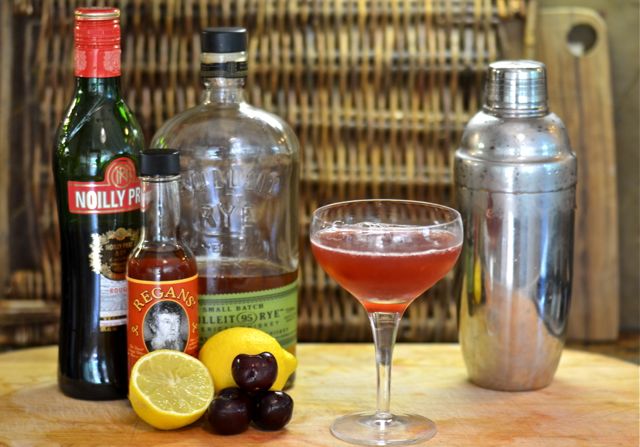
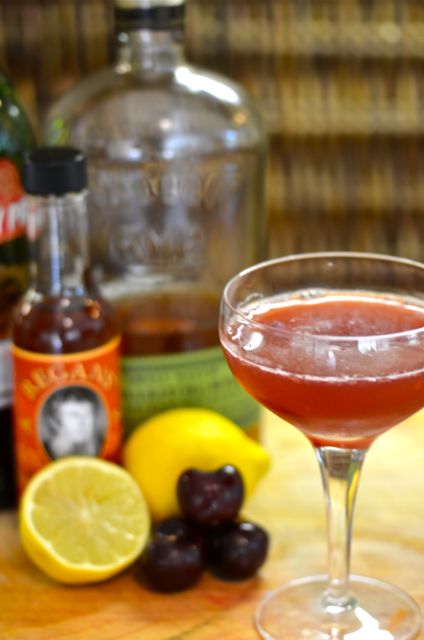
    A few more ingredients than a regular Manhattan.

    If you read our blog regularly, you will note that we sometimes avoid “brown drinks” like Manhattans, particularly in summer. But Scott is an avowed, and knowledgeable, fan of the Manhattan and made us a version that works in any season. His version includes two ounces of rye, one ounce of sweet vermouth, muddled cherries, a touch of lemon juice and orange bitters to create a bright and “summery” Manhattan. While anyone who likes Manhattans will recognize the whiskey and vermouth, Scott’s additions brighten the flavors and add a clean finish that works very well in warm weather. We all liked this drink and enjoyed quite a few in the last week. Usually whiskey stays near the back of our summer bar, but this drink changed our minds.

    Traditionally, a Manhattan is 2 parts bourbon or rye and one part sweet vermouth. Most recipes include bitters, usually Angostura, and often a cherry as garnish. A classic drink, but very sweet to our tastes, particularly if using bourbon. Scott’s version adds more spice by using rye and citrus notes from the orange bitters. The cherries add both sweetness and tang, and really amp up the color. The first sip of this cocktail is sweet and spicy, but then the citrus and cherries kick in for a lighter, fruitier finish than any traditional Manhattan. Purists may cringe, but we are all for seasonal experimentation and variation with our cocktails- it’s fun, and cocktails are all about fun.

    As for making the drink, it is pretty straightforward, with just a few extra steps. Place two fresh, pitted cherries, a lemon twist and a few drops of lemon juice to a cocktail shaker and muddle to extract the juice from the cherries and oil from the lemon peel. Add the rye, sweet vermouth, orange bitters (we use Regan’s for this version) and ice to the shaker. Shake until chilled and strain into a cocktail glass. For the rye, we like Bulleit and High West for cocktails, but most good rye will do. If using bourbon, the drink will usually be sweeter, so an extra drop of lemon or a touch less vermouth may help balance the drink. As for the sweet vermouth, we use Noilly Prat or Dolin, but we suggest you experiment with the sweet vermouth you prefer (and you do keep your vermouth in the fridge, right?). With the extra red color from the cherries and aroma from the lemon, we don’t think a garnish is necessary, but perhaps an orange twist will add extra dimension…. Again, feel free to experiment. Scott experimented, and we got a great drink….

    Scott’s Manhattan:

    Ingredients:

    • 2 oz. rye or bourbon
    • 1 oz. sweet vermouth
    • 2 sweet cherries, pitted
    • 1 lemon twist / peel (about the size of a quarter).
    • 2-3 drops lemon juice
    • 3 dashes orange bitters (Regan’s)

    Assemble:

    1. Place cherries, lemon peel and juice into a cocktail shaker and muddle to extract juice and oil.
    2. Add rye, sweet vermouth , bitters and ice to the shaker. Shake thoroughly and strain into a chilled cocktail glass or coupe’. Serve.
  • Weekly Cocktail #24: Long Island Iced Tea

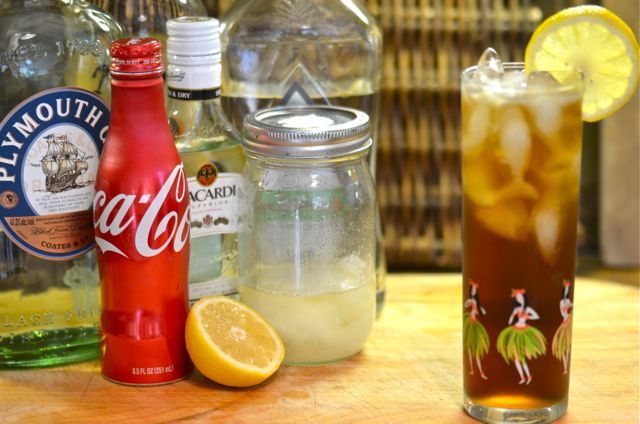
    Long Island Iced Tea Cocktail.

    Well, “when in Rome…” And in this case, “when in Long Island….make Long Island Iced Tea”.

    While this cocktail is much tastier than you might think, there is no tea in this drink, and there is nothing “long” about it. “Long” drinks usually denote cocktails that are less boozy and often served in higher volumes, like a Pimms Cup or Dark n Stormy (a Diablo is also a good long drink). Long drinks often make for good summer cocktails, as you can sip them over a lazy afternoon. But with the Long Island Iced Tea, you can sip one over a full afternoon and still feel like you had a Three-Martini lunch…umm… make that a four-martini lunch.

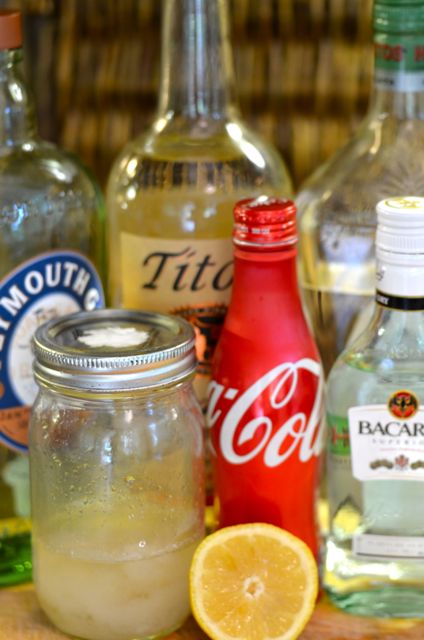
    Many ingredients, but most are easy to find or are in your bar right now.

    The trick with the Long Island Iced Tea (Latin translation: needus designus driverus) is that most recipes suggest anywhere from four to seven ounces of high-proof spirits per drink (most cocktails have two ounces)- but you really don’t taste the booze. The Long Island Iced Tea tastes good (very good if you tweak the recipe), and goes down way to easy for its own (and your own) good.

    Most recipes suggest an ounce to an ounce-and-a-half each of gin, vodka, tequila, rum and triple sec, with some lemon, simple syrup and a splash of coke. We include that recipe below, but it is a bit sweet for most. And while it tastes good, most of the attraction is of the “I can’t believe this drink is smooth with so much booze” category. Our version lightens the drink somewhat (not much) but omits the triple sec and adds more lemon and coke. Usually we don’t mess with original recipes without changing the name of the cocktail. But there are literally dozens of variations on the Long Island Iced Tea (see here, if curious), so whats one more version of the recipe?

    Long Island Iced Tea and ingredients.

    As for the spirits used in the recipe, there is no need for anything special. Decent, inexpensive rum, gin, tequila and vodka will do fine. The real alchemy of the drink is how the spirits mesh, if you add something too good, or aged, it won’t help and may actually harm the drink- and why waste the money? If you do want the best result, fresh lemon juice and simple syrup will work better, but sour mix will work in a pinch. All recipes suggest Coke, and that’s what we use, but any decent cola should be fine. And serve with lots of ice, the dilution helps the drink, and softens the booze (a tiny bit). And in the end, you have a very tasty drink that is a good summer sip. Think rum and coke, but with more tartness, depth and complexity. Just be careful if you have more than one.

    A few too many and you may end up looking like this…

    As for the history of this drink, there are simply too many stories to know where it came from. TGI Fridays claims they invented it (doubtful), but bars from Long Island to Tennessee also claim to be the creators. And to make matters worse, the timeframe varies anywhere from the 1920’s to 1970’s. But since neither tequila or vodka were common in the states until the 1950’s, we suspect the Long Island Iced Tea is a more recent creation. But perhaps fittingly, after a few of these cocktails, no one would remember anyway… 😉

    The Long Island Iced Tea: (Our version)

    Ingredients:

    • 3/4 oz. white rum
    • 3/4 oz. blanco tequila
    • 3/4 oz. dry gin
    • 3/4 oz. vodka
    • 3/4 oz. lemon juice
    • 1/4 oz. simple syrup
    • 2-3 oz. cola
    • Lemon wheel, for garnish

    Assemble:

    1. Combine the spirits, lemon juice and simple syrup in a highball or Collins glass with lots of ice. Mix and then top with the cola. Add the lemon wedge and serve.

    Continue reading

  • A Visit To LongHouse Reserve

    Elephants almost fly at the LongHouse Reserve.

    Chihuly installation on the lily pond. Cobalt pussy-willows look magical.

    Jack Lenor Larsen’s house is part of the reserve.

    It is amazing what we sometimes find when we just look around. We are here in eastern Long Island for family, friends, food and the beach. But, perhaps out of luck, this year we found a few new places that feed the soul. Our first discovery is the Quail Hill CSA, a beautiful (and bountiful) CSA farm in Amagansett. Our time at the farm with our friends slowed our pulses for a few days, and the boys are still excited to eat their “crop”. Good times for the gardener who has visions (delusions?) of farming.

    Sculpture by Buckminster Fuller. Note the kids (respectfully) get to enjoy the art.

    More fun with kids and art. A great introduction to art and design.

    Fun and thoughtful landscaping abound. Here is a “Bed-of-nails” plant.

    But just a few miles away, in East Hampton, lies another treasure that is a whole other type of garden, the LongHouse Reserve. The LongHouse Reserve is a living art and sculpture garden founded by Textile designer and collector Jack Lenor Larsen. The Reserve features acres of gardens with beautiful sculpture and landscaping from dozens of artists and designers including de Kooning, Fuller, Chilhuly and Libeskind. World class art and landscape design are everywhere, but this is no museum. The LongHouse Reserve is a living, well-tended garden where you can stroll and relax amidst a compelling mixture of the best work of man and nature. A serious art aficionado will enjoy a visit, but so will your kids. Simply a delightful place. We are very grateful to all involved for their work. Continue reading