• Peach Sorbet: Saving The Season

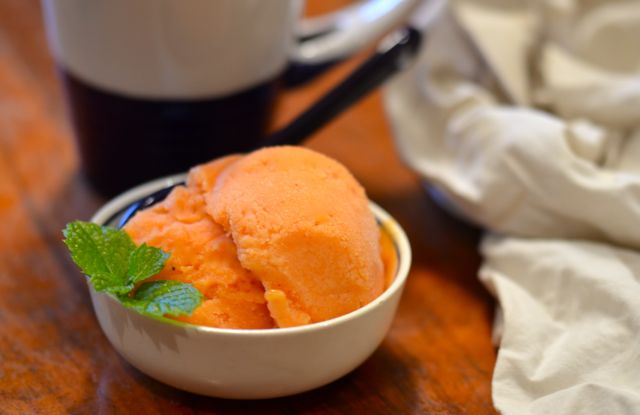
    Peach Sorbet.

    Lots of orange, red and brown tones in the blog these days…Fall really is coming.

    In any event, we are all about saving the flavors or summer. After we pickle, can, jam and preserve there is always the option to make ice cream and / or sorbet. Why is this our last option? We aren’t really sure. Maybe it’s because if the fruit is at its best, we eat it out of hand. Maybe we like making pies. Or maybe we simply start to get lazy….hmmm.
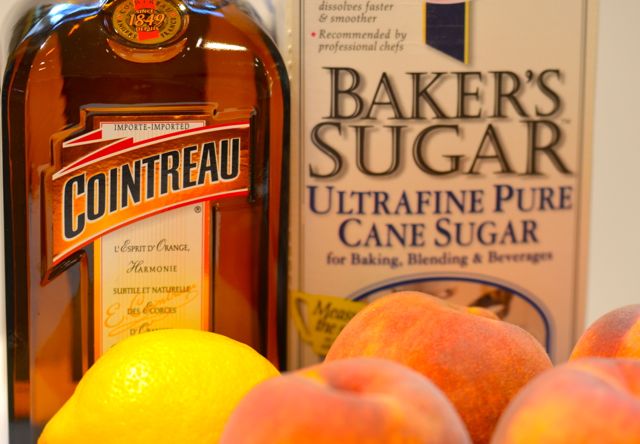
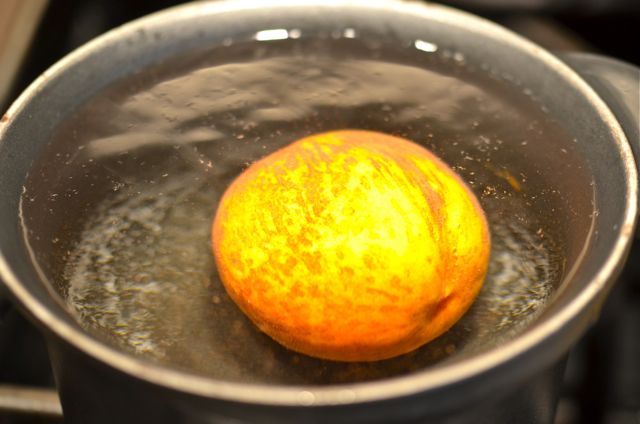
    Blanch peaches in boiling water for easy peeling.

    And sometimes we do feel a bit “unmotivated” to make ice cream and sorbet. It even seems like a chore with a lot of gear and cleanup involved. But we know better, making ice cream and sorbet is easier than expected, particularly if you chose the right recipes. For ice cream, Philadelphia-style ice creams (no egg custard) are very simple to make and feature bright flavors. And sorbet is as easy as it gets; fruit, sugar, maybe a touch of booze, blend, freeze, etc. As far as needing special gear and a lot of cleanup…well you’re stuck with that. But at least you get dessert.
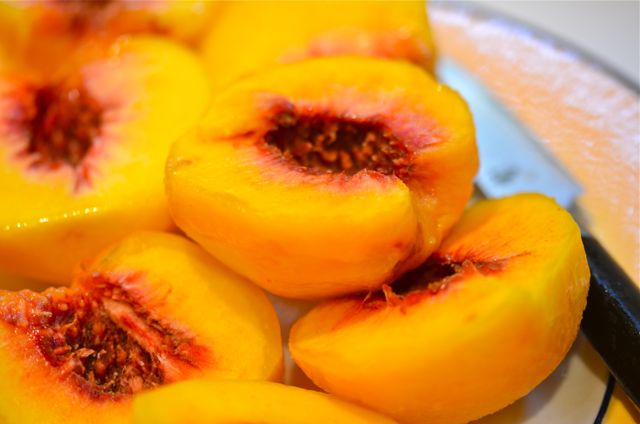
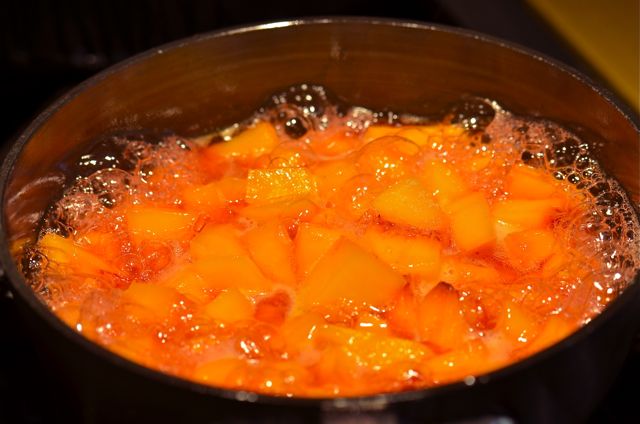
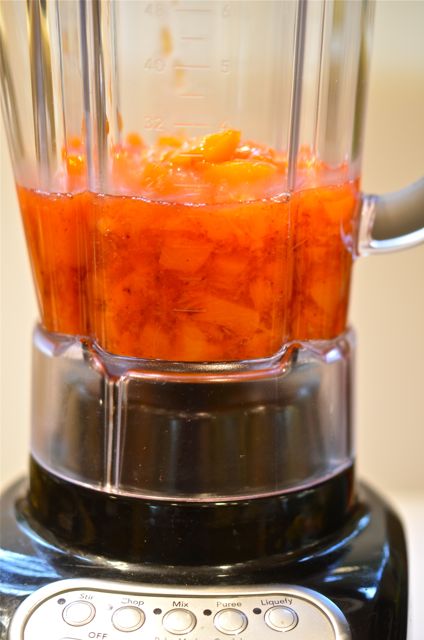
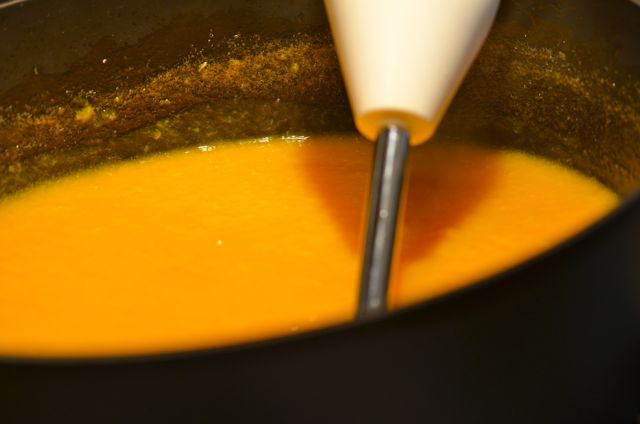
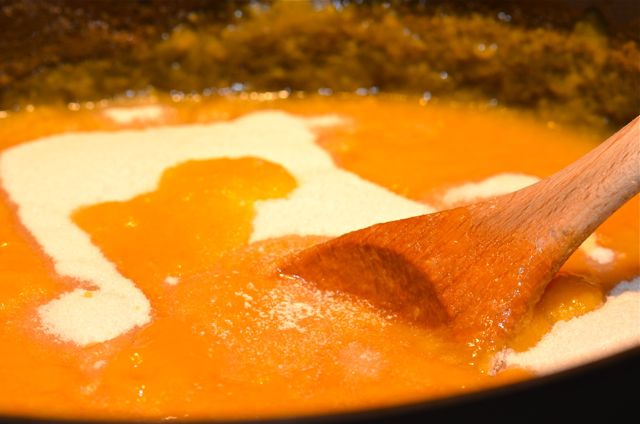
    In California we still have peaches and nectarines, but the quality and texture start to fade somewhat (except for late-season peaches). Frankly, some of the peaches get a bit mealy, but they are still sweet and tasty. So knowing that the season is almost over, we “motivated” and made peach sorbet. And it’s very tasty, and didn’t really take all that long. The only extra work when dealing with peaches is skinning them, but it’s easy if you blanch the peaches in boiling water for about 30 seconds, the skin will come off easily. The other “extra” task is blending the peaches, but any blender will do here.
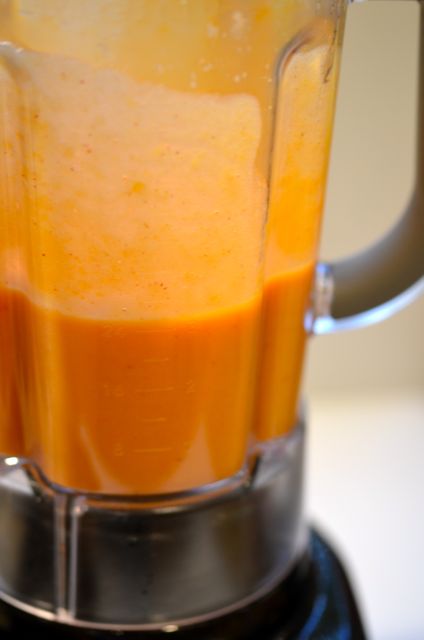
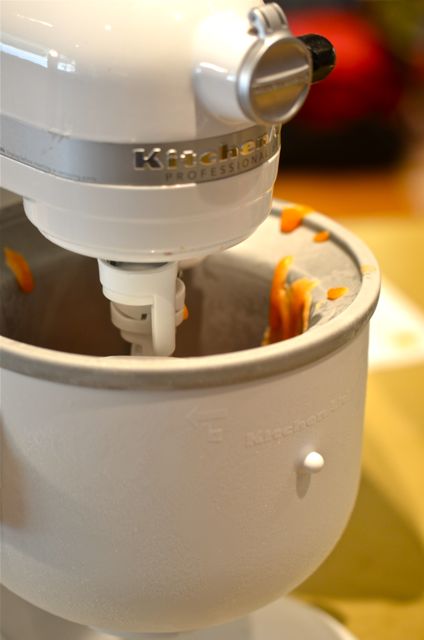
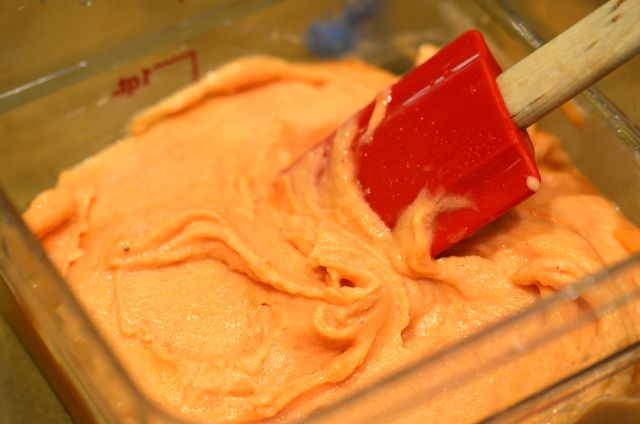
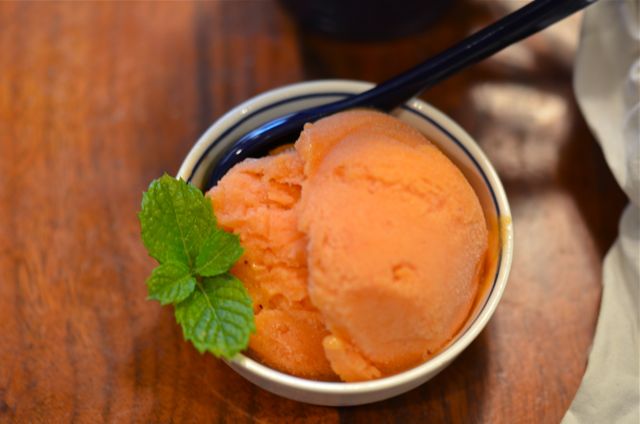
    The recipe we use is adapted from David Lebovitz, food writer and ice cream / sorbet expert (he knows what he is doing). We only add an optional dash of lemon juice to the recipe, depending on the sweetness of the peaches, which vary widely by variety. The recipe includes ripe peaches, sugar, Cointreau (orange liqueur) and half a lemon. The Cointreau adds flavor, but the alcohol also limits crystallization in the sorbet for better texture. But you can omit the Cointreau if you like. We keep it in….as you might expect. 😉 In the end you get a very flavorful and rich sorbet with smooth, slightly dense, texture. The peaches are a real flavor-bomb in sorbet, a little of this stuff goes a long way. If your season is ending, this sorbet will make it last a little longer.
    Continue reading

  • Cocktail DIY (And Bonus Cocktails): Pineapple And Raspberry Syrups

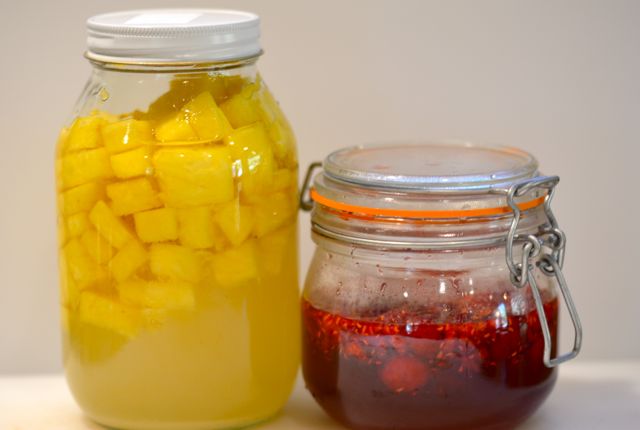
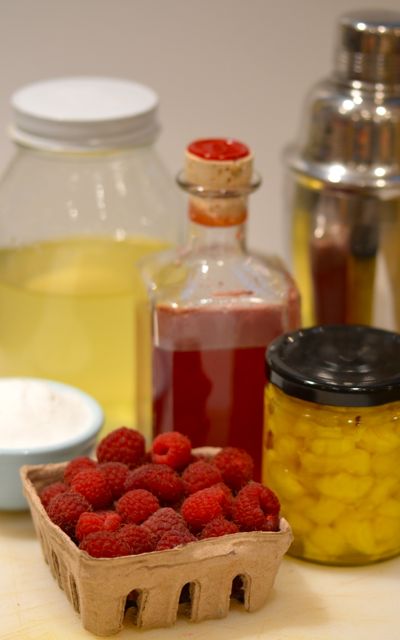
    Pineapple and raspberry syrups.

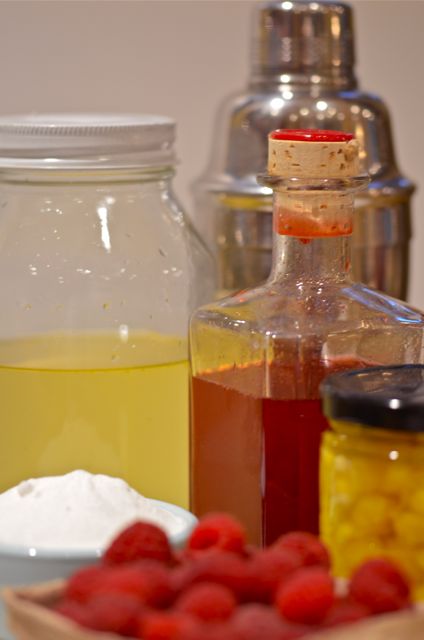
    One of the main things we enjoy about cocktails is how many ways we get inspiration to try new drinks. This week, Mixology Monday came back to life with an “Equal Parts” theme and we submitted a fun (and a little goofy) cocktail that we enjoyed, the Long Island Planters Punch. But what makes Mixology Monday really fun is trying other people’s creations. And now we have over 25 drinks to try (click here to see the lineup, very cool). One of our favorites, so far, is Shake, Strain and Sip’s Undiscovered Country a Corpse Reviver variant using pisco and Swedish Punch (it was a good excuse to finally buy some pisco). Another favorite is Chemistry of the Cocktail’s Shrunken Skull, a tiki drink with grenadine, but also works with raspberry syrup. Hmm….so now we have some pisco and a desire to make raspberry syrup. Anything else we can do?  Well, yes- since we had pisco, we had to make pineapple syrup to mix up some Pisco Punch, a true classic. (Like we said, “inspiration”, not necessarily “organized thinking”).

    Pisco Punch.

    Mountain Clover Cocktail.

    Unfamiliar with pisco and Pisco Punch? Pisco is brandy from Chile and Peru using local grapes from their wine industry. It is strong, a bit spicy and musky with hints or grappa (at least to our tastes). It is unique stuff and perhaps tough on its own, but very good in cocktails. And the most famous is the Pisco Punch, a simple combo of pisco, lemon juice and pineapple syrup. Cocktail historians have beaten the history of this drink to death (and beyond), but suffice it to say that in later 19th-Century San Francisco if you were blotto worse-for-wear, Pisco Punch had something to do with it. (Paul Clarke has a good, brief history piece here.) And there is a good reason the Pisco Punch was so popular, it’s really good. The musky notes of the pisco match with the sugar and funk of the pineapple and the lemon adds brightness and acidity. Pisco Punch is true cocktail alchemy, and it’s way-too-easy to throw these back…and a good reason to make pineapple syrup. And once you have pineapple syrup it works in other brandy drinks like the Brandy Fix or as a good substitute for simple syrup in Tiki drinks.

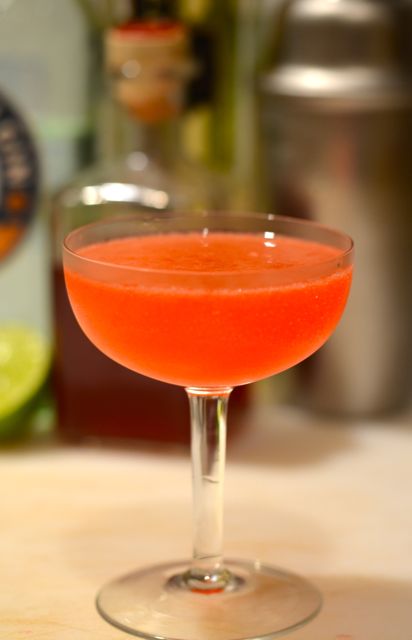
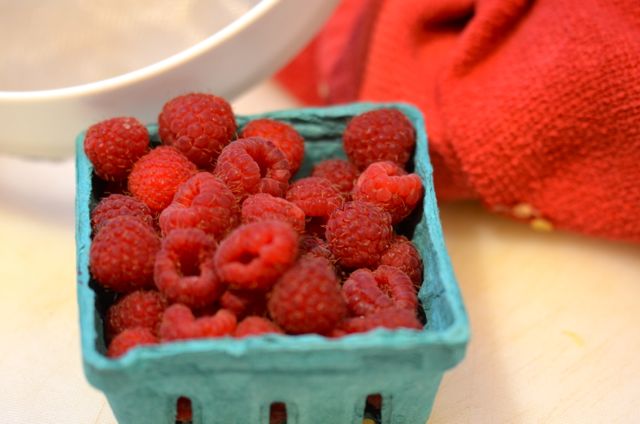
    As for the Raspberry syrup, it used to be a very popular cocktail sweetener, particularly before Prohibition. Used in dozens of drinks like the Clover Club, the Pink Lady and the Davis Cocktail, raspberry syrup adds great color and bright sweetness that’s lighter in flavor than grenadine. But, for whatever reason, grenadine took the place of raspberry syrup in many recipes during the later half of the 20th century. Happily, the cocktail renaissance brought raspberry syrup back from obscurity and there are plenty of DIY recipes, or you can buy it in stores. We decided to make our own, it’s easy and we still have raspberries. And after playing around with some classics, we made a Clover Club variant called the Mountain Clover with dry gin, lime juice, raspberry syrup and St. Germain. The light, bright sweetness of the raspberry syrup plays well with the gin and lime and makes for a very balanced sip. It looks like a grenadine-based cocktail, but is something very different. Worth a try.

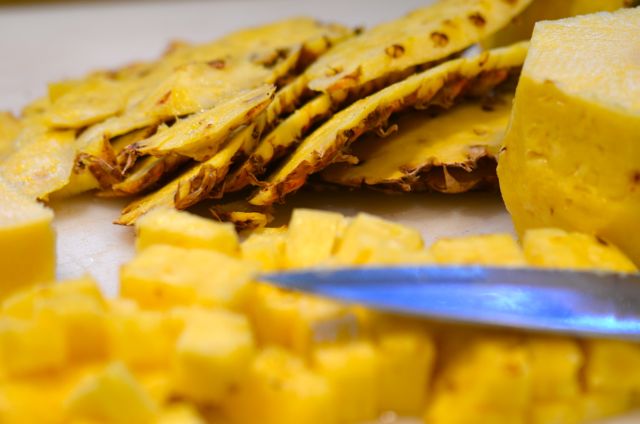
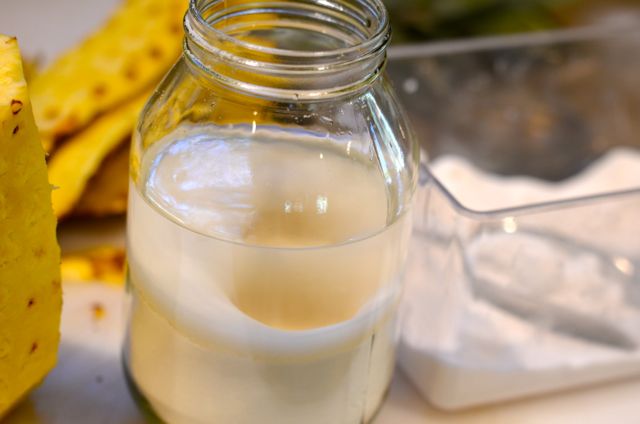
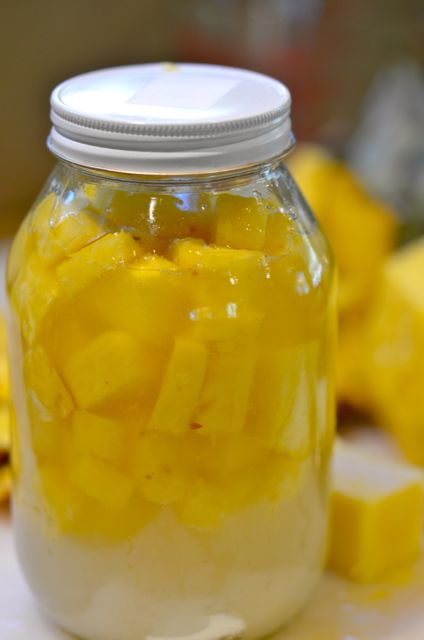
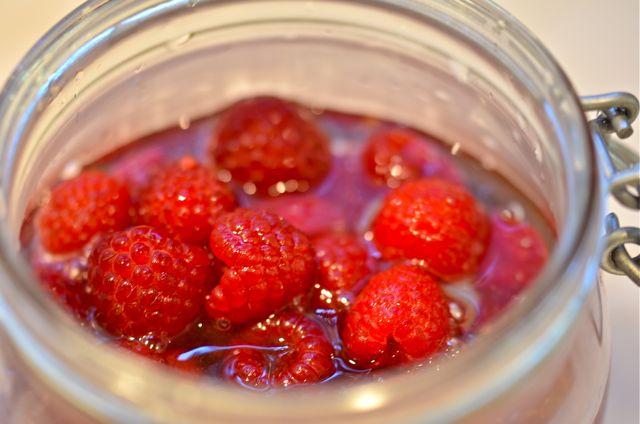
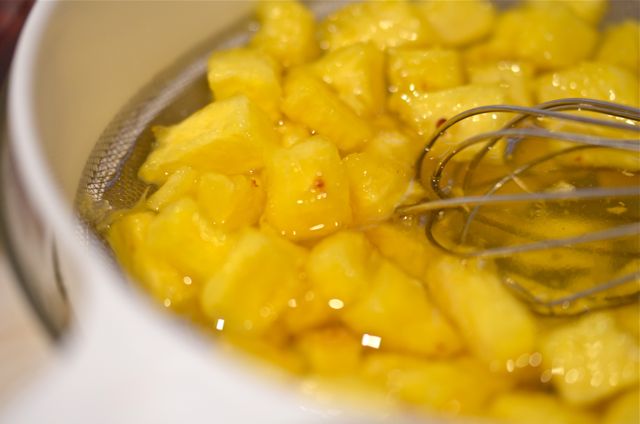
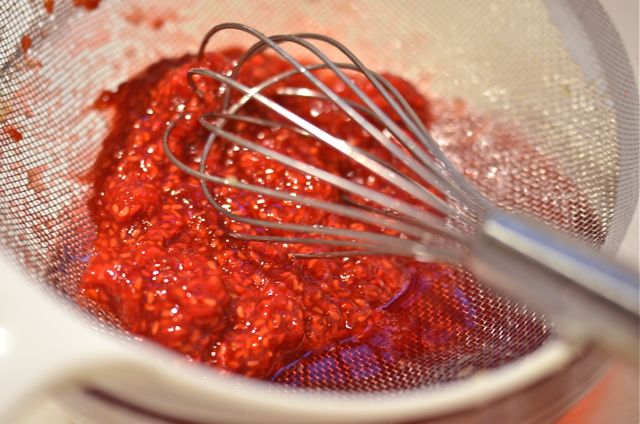
    Making both these syrups is very easy. Both use fruit, sugar and water. The pineapple syrup uses a “cold” method and the raspberry a “hot” method, but the process is basically the same. Cut or mash-up the fruit, cover with a simple syrup, put it in a jar, let it sit a day or two, strain out the fruit (mash in a bit more of the juice) and bottle the syrup. (And keep the left over pineapple pieces to put on ice cream or toast, good stuff). Top with a bit of vodka or Everclear to extend the life of the syrup, if you like. Store in a tightly lidded jar in the fridge. And then prepare to make awesome cocktails.
    Continue reading

  • Simple Garden Recipes: Cinnamon Applesauce

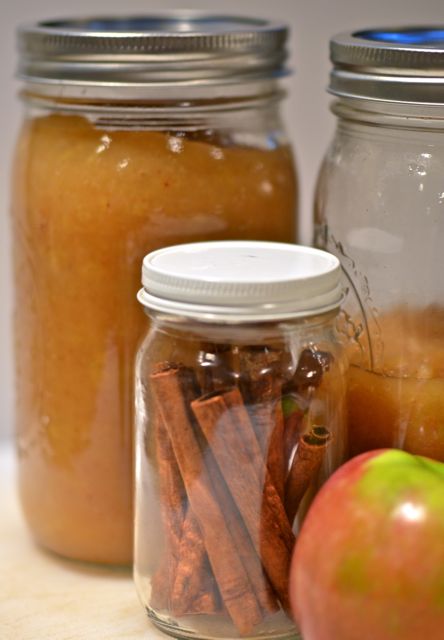
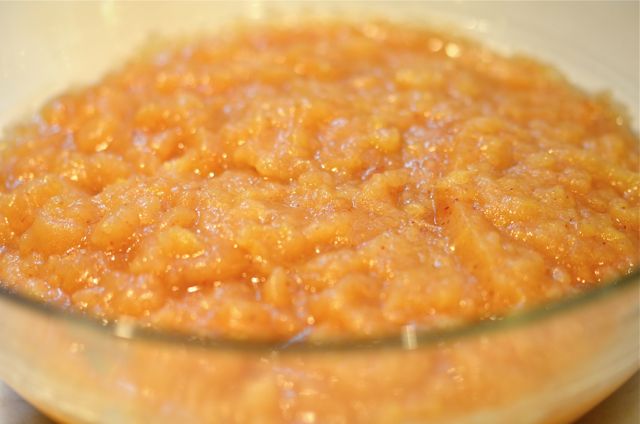
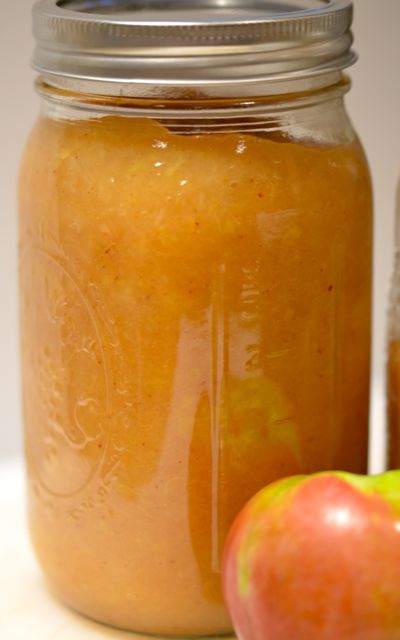
    Cinnamon Applesauce.

    One of the great things about cooking from the garden and orchard is a constant reminder to stick to the basics. If you just spent “x” months growing something (or waiting “x” months to buy it fresh and local), you want to taste what you’ve been waiting for. And most of the time when we stick to the basics the quality and flavor of seasonal produce really shines through. Now, we are still big fans of “brined-balsamic-glazed-sous-vide-nut-crusted-finished-in-a special-artisan-brick-oven” dishes. But sometimes the ingredient speaks for itself. And this is very much the case for apples. We use them all kinds of ways, but in our house the two best preparations are eating out of hand and making cinnamon applesauce.

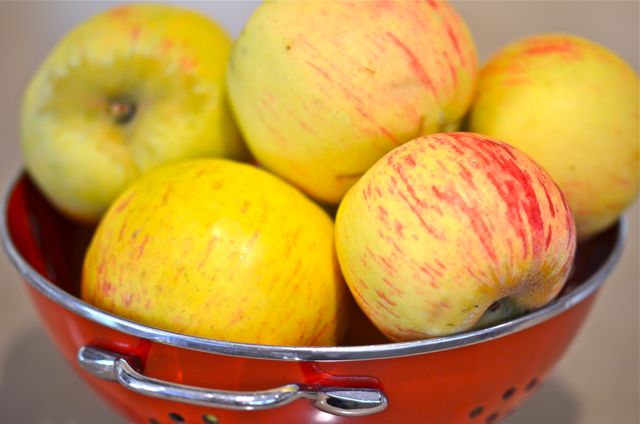
    And if you don’t think much of applesauce, we suggest you make some of your own (and be ready to change your mind). Homemade applesauce rocks. Good by itself, applesauce is great with pancakes or on toast, and is a common ingredient in many healthy desserts. And applesauce is easy to make (particularly if you have a food mill- more on that later, see Notes). also, if you buy in season, apples are tasty, plentiful and cheap. As for the varieties to use, Gala, Fuji, Jonagold, Jonathan, Golden Delicious and Melrose are all recommended, but most apples will work. We use our Gravensteins…we have a lot of them.

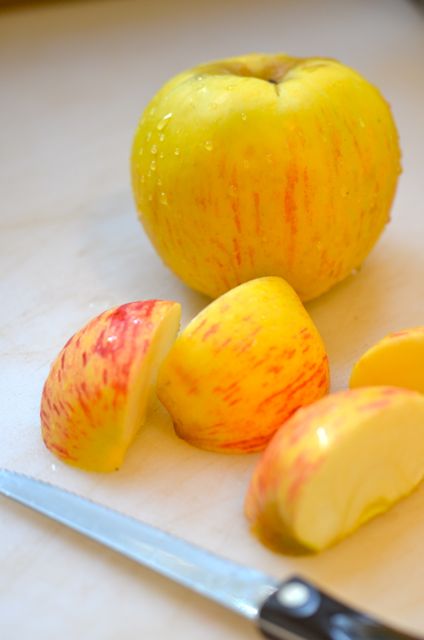
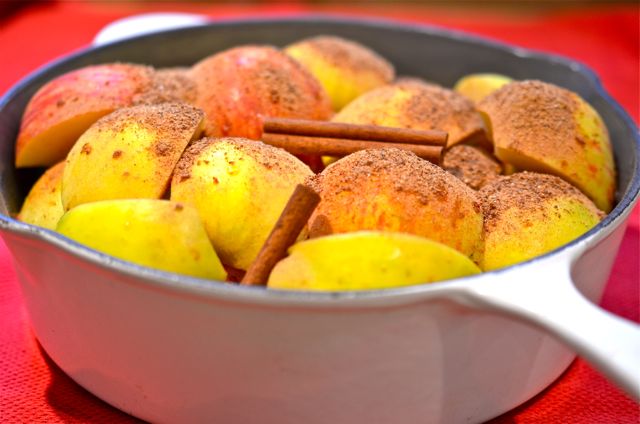
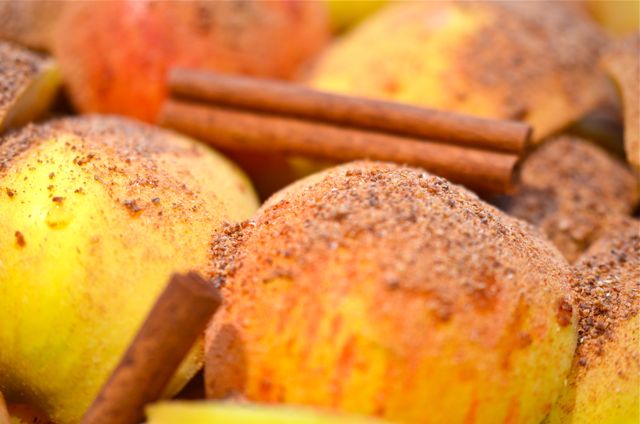
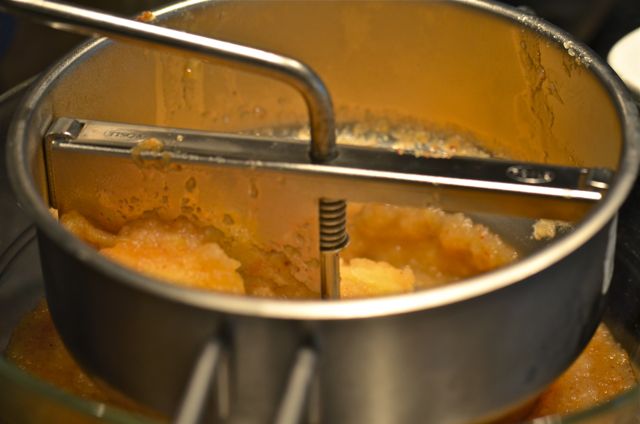
    Making applesauce is a simple process. Cut and core apples, add to a pot with water, sugar and spice, cook, mash, taste, adjust sugar/spice and serve. There are a few tools and tricks that do help, a food mill makes it easy to mash the apples with the skins on, otherwise you need to do it manually with peeled apples (not a big deal, but a time-saver). We also use date sugar for deeper sugar flavor, but white sugar works just fine. And, of course, we put cinnamon in our applesauce for extra spice to balance the sweet apples (and the kitchen smells great when cooking). And once the applesauce cools you have a tasty, healthy snack that will keep in the fridge for about a week.

    So how do we serve our applesauce? As we mentioned, it’s great on toast and pancakes and even better served with roast pork (yes, recipe coming). But mostly, our kids (bless them) will just grab some out of the fridge, pour it in a bowl and eat it. And then they ask, “are these our apples?” and when we say “yes”, they say “cool” and get back to eating. It may not sound like much, but for a home cook and gardener, it doesn’t get much better. Like we said, sometimes it’s best to stick to the basics.

    Cinnamon Applesauce:

    Notes Before You Start:

    • Most apple varieties will work for applesauce, but ask at your grocer or farmer’s market for best available varieties.
    • We use date sugar for a slightly richer, “darker” flavor, but white sugar works just as well.
    • A food mill is a tool worth having for all sorts of uses, but really makes applesauce a snap. They are cheap and available at most kitchen stores. If you don’t have one, peel the apples and then simply mash them in the pot. The texture will be a bit more rustic, but the flavor will be just as good.

    What You Get: One of the best ways to enjoy apples. A great dessert and/or side dish.

    What You Need: A food mill is a big help, but not required. No other special gear needed.

    How Long? About 90 minutes total, with about 10 minutes of active time. Most of the time is to allow the applesauce to cool. This can be an “anytime” dish, but mostly a fun weekend or evening project.

    Ingredients:

    (Makes 3-4 cups)

    • 4 pounds apples, cored and cut into quarters (peel the apples if not using food mill)
    • 1 cup water
    • 1/4 cup date sugar (or white sugar)
    • 2, 3-inch cinnamon sticks (or 1/4 teaspoon ground cinnamon)

    Assemble:

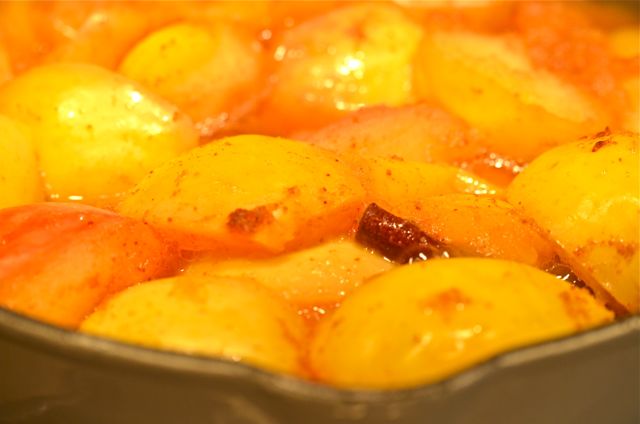
    1. Combine the apples, water, sugar  and cinnamon sticks in a large dutch oven or lidded pot. Cover and cook, over medium-low heat, stirring occasionally until the apples break down. About 15-20 minutes.
    2. Place the apples, in batches, into the food mill and process into a large bowl. Taste. Add sugar and/or water to adjust flavor and consistency (add ground cinnamon, if using). Serve warm, or allow to cool for one hour and store in jars. Will keep in the fridge for a week.
  • Simple Garden Recipes: Mission Figs

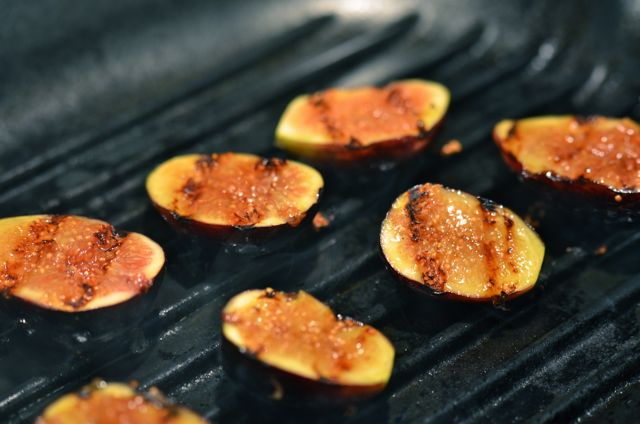
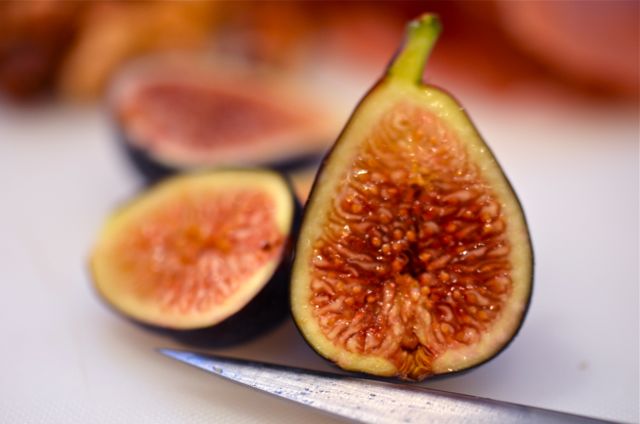
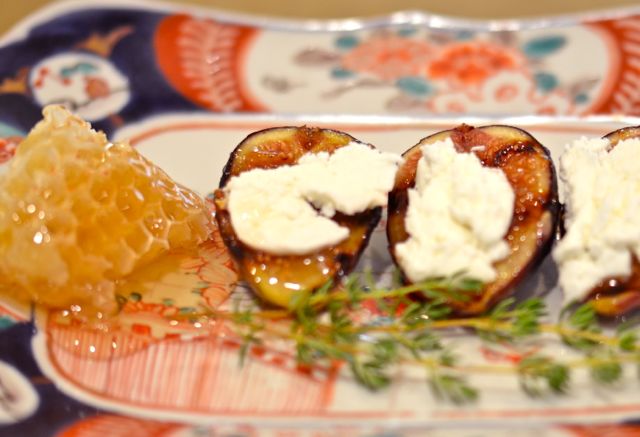
    Grilled Black Mission figs. Just add honey and goat cheese for a classic dessert.

    While we try as much as we can to eat from our own garden and orchard, sometimes we get impatient and succumb to temptation. And that is the case with mission figs. Ours are coming in, but still a few weeks away. Meanwhile the farmers market is just brimming with ripe, beautiful, black mission figs. And we are huge fans of mission figs, so we gave in and bought some. Whatever feelings of guilt we had, if any, didn’t last long.

    And if you enjoy figs, you know why we had to give in. There are few fruits so pretty, sweet, juicy and easy to enjoy- figs are easy to love (good for you, too). And it has been that way for thousands of years. Figs are one of our oldest and most established foods, and were a treat in almost all the early mediterranean cultures. Greco-Roman mythology, the Bible and the Koran are filled with references to figs, and even the Buddha achieved enlightenment under a fig tree. It’s safe to say that figs have been enjoyed for quite some time.

    And our first fig dish may literally be thousands of years old. It simply combines grilled figs, honey and goat cheese (and some herbs if you like). As we ate the dish, and it was just great, we had to think about how long the ingredients have been around. Honey, goat cheese and figs were all delicacies in ancient Egypt. We don’t know if they grilled or caramelized the figs, and we hope they did, but we have no doubt they enjoyed a dish similar to this one. That struck us as kinda cool…

    Grilled Figs with Honey and Goat Cheese.

    To make the dish, you simply heat a grill or grill pan over high heat. Then lightly brush the figs with vegetable oil and place them on the hot grill and cook for 1-2 minutes on each side, or until the figs caramelize and soften. Then remove from the heat drizzle with honey and add some fresh goat cheese to each fig. You can also add a bit of rosemary and/or thyme to the honey, if you like. (We used our honey, a real treat). And the flavor is very, very good. This dish is openly sweet from the caramelized figs and the honey, but balanced by the slightly sour tang of the goat cheese. You could eat this dish as a starter, but it’s best as a dessert. And if you don’t like cheese in desserts, this recipe will change your mind.

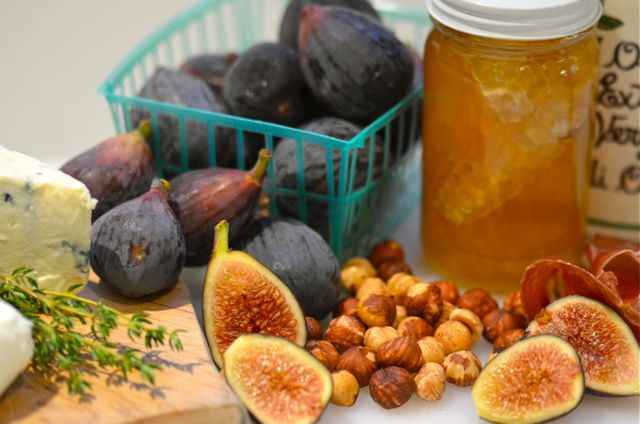
    Figs with Blue Cheese, Hazelnuts and Serrano Ham

    Our other recipe for figs could be served as a dessert, but we think is best as a starter or light lunch. This dish simply combines sliced ripe figs, blue cheese, hazelnuts and cured ham like Serrano or prosciutto. This is so easy to make, it’s almost hard to call this a “recipe”, but the flavor combinations are truly special. Sweet figs, funky blue cheese, earthy hazelnuts and salty ham cover all the flavors- and multiple textures. A great dish offers an array of flavors and textures so each bite is exciting, and this dish delivers. And it is fun to experiment, just put out a plate and enjoy different combinations.

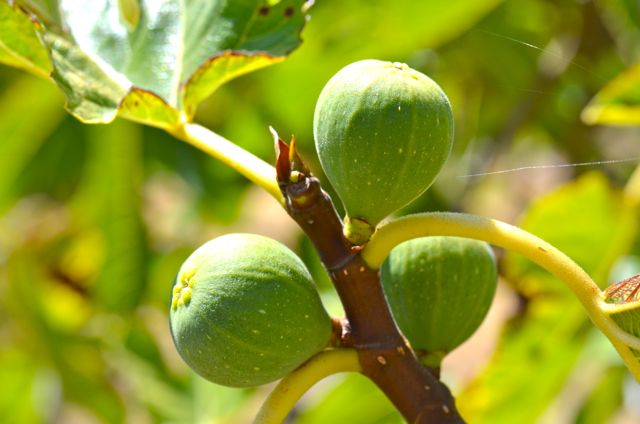
    Our figs are still a few weeks out…

    So while we might feel a tiny twinge of guilt that we didn’t wait for our own figs, we feel pretty good about enjoying these figs now. And, by the way, these same dishes will work with other fig varieties like Brown Turkey or Calimyrna. And when you eat figs, take a moment to ponder that you are eating the food of pharaohs and prophets, but you might be getting it just a bit better…

    Grilled Figs with Honey and Goat Cheese:

    What You Get: A classic, and probably ancient, dessert with fresh figs.

    What You Need: No special equipment required.

    How Long? 5-10 minutes. Anytime dish when figs are in season.

    Continue reading

  • Cherry Crumble Pie

    Cherry Crumble Pie with ice cream.

    Our cherry season never seems to end this year, but we are certainly not complaining. Not only did we get cherries here at the farm, but we enjoyed more on the east coast. And just when we thought it was over, a local farm had one last batch of tasty Bing cherries. We made plenty of cherry cocktails (a Cherry Fling, a Caipirinha and a Manhattan) and desserts like clafoutis, so now it’s time for cherry pie. Many recipes use sour cherries in pies, but they are very hard to find and we like the Bing cherries. It was just a matter of time before the Bing cherries ended up in a pie.

    Hard to wait for this to cool.

    For this pie, Carolyn combines elements from a number of recipes, so it is very much her creation. And it is a very, very good pie. The key, at least to our tastes, is the use of a crumbly, crunchy streusel topping instead of a full dough or lattice top. Not only is it easy, but the streusel adds extra crunch and flavor that, combined with smooth vanilla ice cream and bright, sweet Bing cherries, makes for an excellent dish. This pie was a hit with the kids and adults, and there was nothing left over.

    A food processor makes it easier to make good pie dough.

    Vodka, along with water, makes for a tender crust. It activates less gluten.

    Making the pie is, admittedly, a multi-step process. You must make the pie dough and the streusel and prepare the cherry filling. All of these steps are easy enough (particularly with a food processor), but they do require time. Most of the techniques are also familiar, but we will note the use of vodka along with water in the pie crust. While adding no flavor, the vodka moistens like water but does not activate the gluten in the flour. You get a more tender crust in the final pie- and the booze cooks out. While you do not have to use vodka, we use this recipe for almost all of our sweet pie dough and the texture is noticeably better. Certainly worth a try, and you can make this dough ahead of time.

    Form the dough into a disk, cover with plastic wrap and chill.

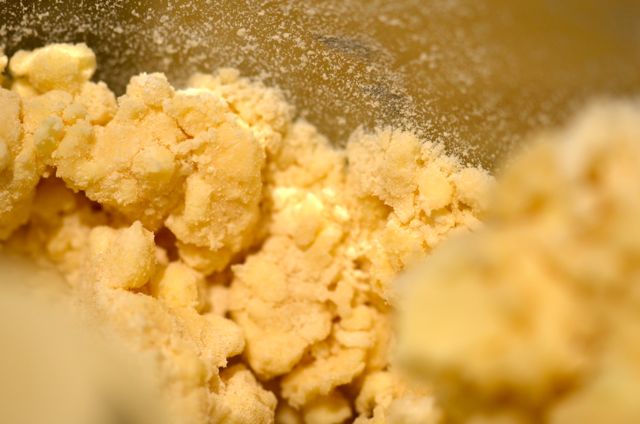
    Quickly combine dry ingredients and butter to make a streusel for the “crumble” topping.

    Meanwhile, start making the cherry pie filling.

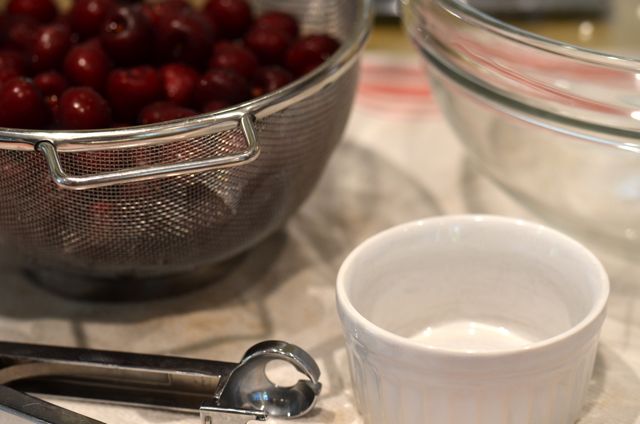
    Otherwise, making the pie is a straightforward process. Use the food processor to create the dough. Then chill it to make it easier to roll-out. Meanwhile assemble the streusel in a medium bowl, it requires no cooking and it’s quick. It does, however, take some time to make the filling. Pit the cherries and then combine a cup of the fruit with the sugar in a saucepan over medium heat. Cook the cherries and sugar to form a light syrup and thicken with a cornstarch mixture. Then add in the uncooked cherries along with nutmeg and melted butter. This may seem like extra effort, but it is worth the work. The filling ends up with deep flavor and a mix of textures. And since the cornstarch is cooked twice, there are no raw or starchy flavors in the filling. Good stuff.

    Combine cherries and sugar.

    Bring to a boil and thicken with cornstarch.

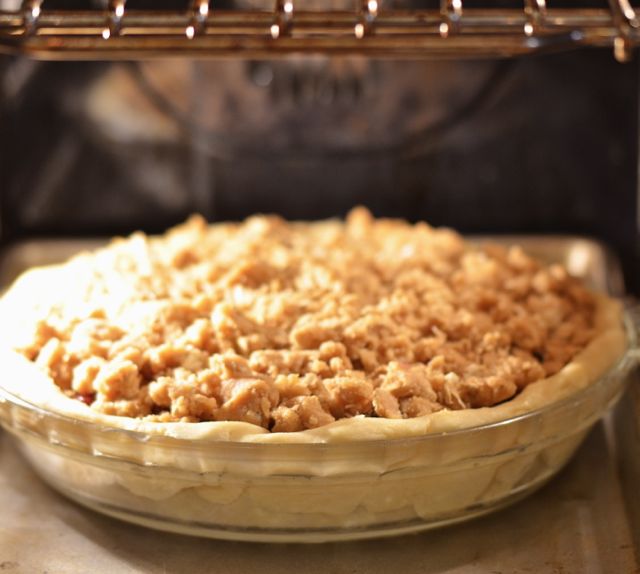
    Place the dough in the pie pan, add the filling and top with the streusel.

    Bake until well colored and the filling bubbles. Cool and serve.

    Continue reading

  • Peach Lavender Jam

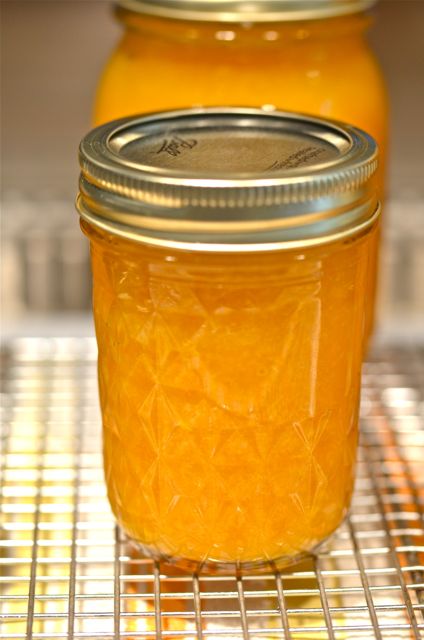
    Peach Lavender Jam.

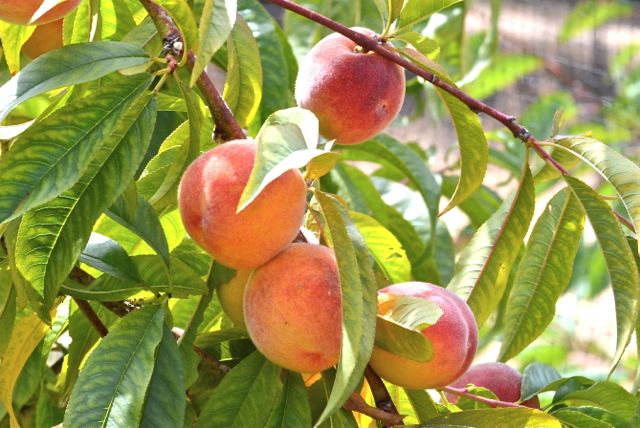
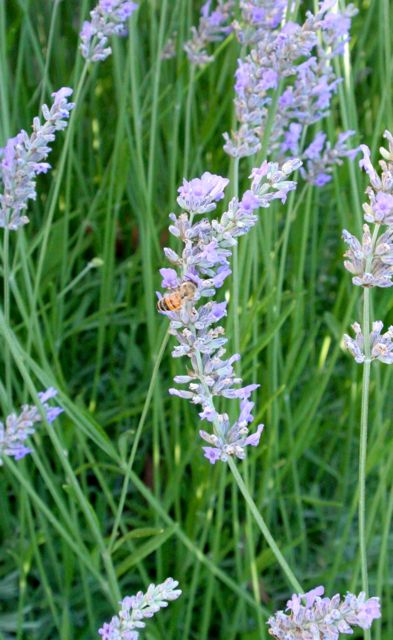
    A bit of a “peachy” hue on the blog these days. But when you have a few hundred peaches with a limited shelf life, you work with the peaches (we are also giving them away to friends, whether they want them or not 😉 ). The only thing at the farm we have more of than peaches is lavender. It’s everywhere, and mostly for the bees. But since we have peaches and lavender, we are making Peach Lavender jam.

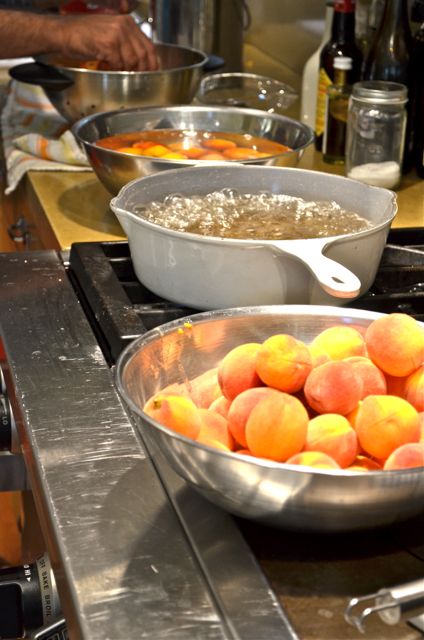
    We have lots of these…

    …and tons of this. Let’s make jam.

    This recipe comes from the excellent canning and pickling book “Tart and Sweet” from Kelly Geary and Jessie Knadler. We are by no means experts on canning and pickling, so this book is a great tool with both recipes and very clear guidelines for safe canning. But the key for any home canning / pickling is to use the base recipe and then follow your standard, safe processing instructions. Most setups will be similar, but some equip will vary. Just remember, sterilization is always a good thing.

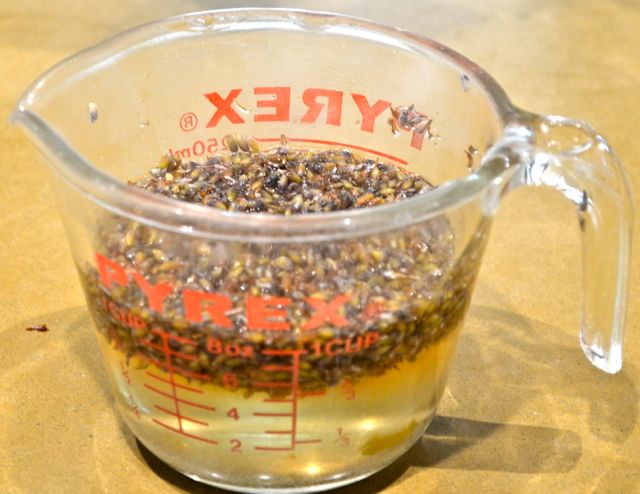
    As for the actual jam, this is really a peach jam with a touch of floral, herbal and tannic notes from the lavender. The lavender keeps the sweetness of the peaches from overwhelming the flavor of the jam. But the key is just a hint of lavender. Too much lavender and your jam will taste like soap. In fact, you don’t actually put lavender in the jam at all, just steep some lavender in water, strain it out and the add the water to the fruit. Again, go easy with the lavender- less is more.

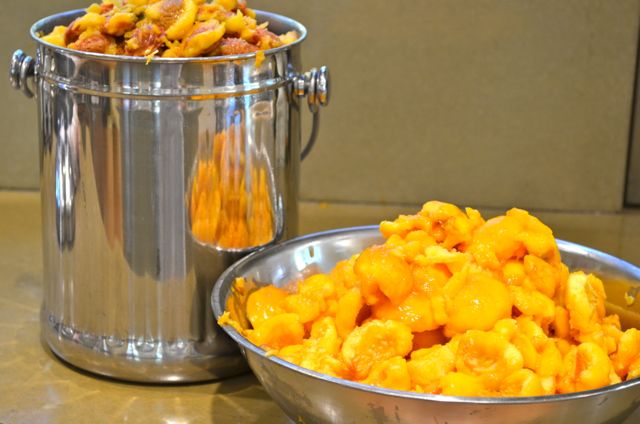
    The peeling and pitting dis-assembly line.

    This took a while.

    The process of making jam isn’t complex, but it is time-consuming. Making jam is a good activity to do with friends and/or a great way to put your kids to work. First you must sterilize and prepare your equipment. Make sure everything is good order before you start. As for the jam, you need to skin and pit 6 pounds of peaches. This involves cutting an X in the base of the peach, briefly blanching it in boiling water, plunging it in an ice bath and then skinning and pitting the peach. We take an assembly (dis-assembly?) line approach, but even with help, this takes a while. But we don’t do this every day either, so it was (kinda) fun.

    Steep the dried lavender and strain it out.

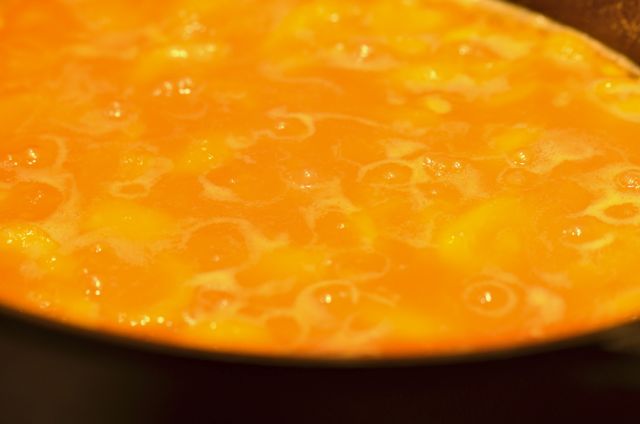
    Cook the fruit, lemon juice and sugar.

    Blend until smooth.

    Add calcium water, sugar and pectin.

    Once you have the peaches peeled and pitted the work is easier, but still requires time. You need to bring the peaches, some sugar and lemon juice to a boil in a large pot and cook the fruit for about 30 minutes. Meanwhile you need to steep some dried lavender flowers in 1 cup of boiling water for about 20 minutes. Strain the lavender from the water and add the water to the peaches. Then blend the peaches with an immersion blender, or in batches on a stand-up blender. Then add calcium water, pectin and sugar to the fruit and cook until you get a jammy consistency. To finish the jam, put it in hot jars and process for 10 minutes. Then cool and eat. Continue reading