• The Farm At The Beach

    Breathe. Relax. Read a book.

    Well, we are back. Or at least settled. We are now at our “home-away-from-home” on the east end of Long Island. One of our favorite places in the world. I guess you can call it a “home” because we have plenty of friends and family here, and we pretty much know where everything is. That may seem simplistic, but part of being comfortable is familiarity. We cooked in three different kitchens in the last thee days but pretty much knew where everything was. Other people’s kitchens are a tough place to cook, but we know our way around. We can get back to business. But before we cooked, the first business was meeting the two newest members of our extended family. Beautiful babies and happy, if somewhat tired, parents. We can almost field a football team with all the cousins- which is very, very cool. We are so blessed and lucky, and the babies give us a reminder of just how good life is. And they are cute, too.

    Radishes are in season here, and very tasty.

    And we did get back to cooking. In many of our posts, we mention that certain dishes and drinks are good for a crowd. Well, we put a few to the test already. Most meals over the weekend fed groups of 15-20. So far, so good- but we do have a few notes and revisions. And, happily, mostly to the good. As for the actual food, we tend to have simply prepared fish and shellfish as our main courses. Seared ahi tuna, roasted striped bass, sea scallops and steamed clams made it to the table over the weekend, and will be part of almost every dinner this week. Most were caught within the last day or so. The fish is so fresh you don’t need to do much (just don’t screw them up), so we focused on sides that highlight the seafood or feature the local produce.

    The coconut rice goes well with the local fish. A big hit- we will make this throughout the trip.

    Firstly, we had fresh local radishes and served them with butter and salt. Always easy, always good. (My Dad also makes kick-ass guacamole every day, but that is another post). The biggest hit so far is the coconut rice. The rice went very well with the seared, rare ahi tuna (steaks almost 2 inches thick and sooo good). Served with a dash of soy and some cilantro chutney (working on that recipe), it was a perfect fit. A table of 16 were all very happy. One note here, we made the coconut rice with “Light” coconut milk, as the store was out of regular coconut milk. If anything, the light coconut milk gave the dish plenty of flavor, but perhaps a slightly lighter texture. Good to know that we can make a lower-calorie version of the original.

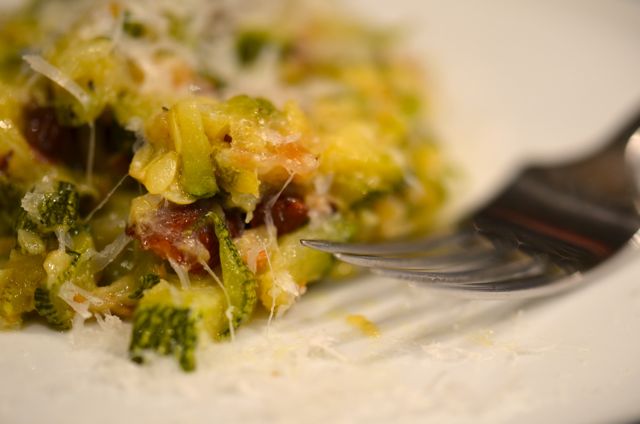
    We added fresh corn kernels to the Red Cat zucchini- it was great.

    Another surprise was how well the coconut rice went with the Red Cat zucchini. The dish comes from here, so everyone enjoyed it (the zucchini was right from the CSA), but as the dish is more Mediterranean, we are surprised how well the flavors meshed. Another note here- we added some fresh corn kernels to the zucchini and they added lovely texture and sweetness. If you have corn, give this a try. The next day we took the leftover coconut rice and combined it with the zucchini and corn. It made a delightful cold summer salad.

    As for the cocktails, we made fresh Tommy’s-style margaritas every day (2 oz. blanco tequila, 1 oz. gave nectar, 1 oz. lime juice). But the big hit was the Lani Honi. As predicted, everyone thought of it as a lemony summer punch with a little extra depth. We served a pitcher alongside the margaritas and the Lani Honi held its own. We had requests for more the next day. Very good.

    As expected, a perfect drink to make for a crowd.

    Lastly we made a punch-sized batch of the Nouvelle Fleur. The drink was a success, but did need some tweaking. In the original recipe we used ruby-red grapefruit and the flavors meshed very well. Out here, we used white grapefruit and the drink was way too sour. Happily, a little extra St. Germain and some agave nectar did the trick and the Nouvelle Fleur was a success, particularly with grapefruit fans. But a quick reminder that it pays to taste your drinks and adjust as necessary.

    A great punch, but we needed to adjust for more sour white greapefruit.

    Today we are off to the CSA garden and then looking for corn and stone fruits. And just wait until we start talking about the pies…oh my. We have new photos and recipes coming all week! It’s good to be back.

  • Simple Garden Recipes: Tomatoes And Green Beans

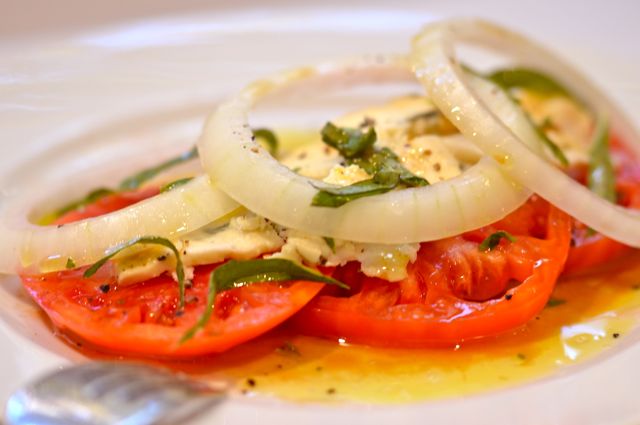
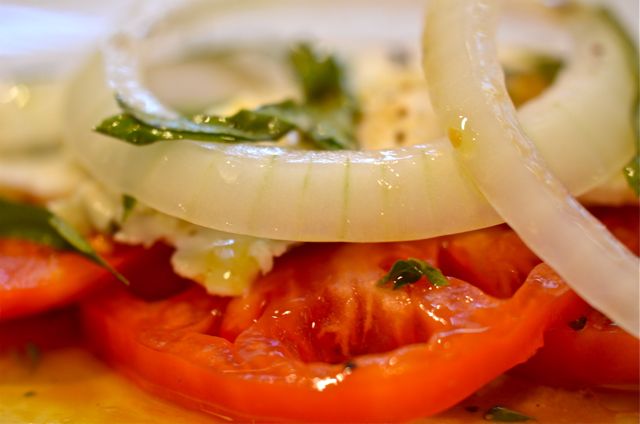
    Tomato “Steakhouse” Salad.

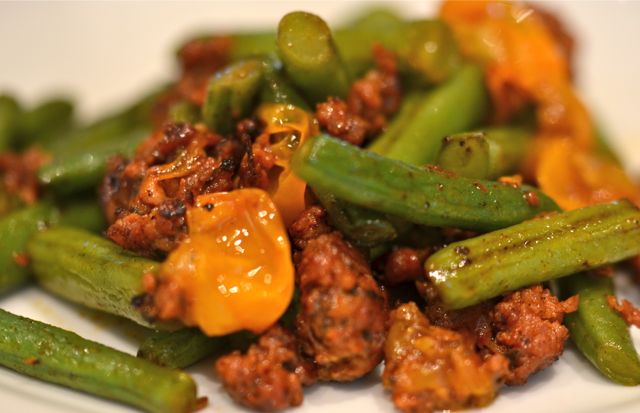
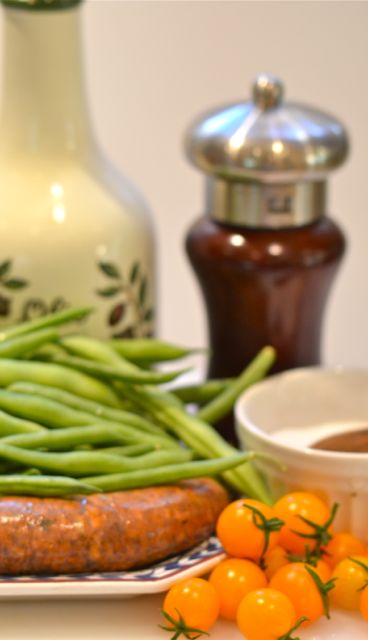
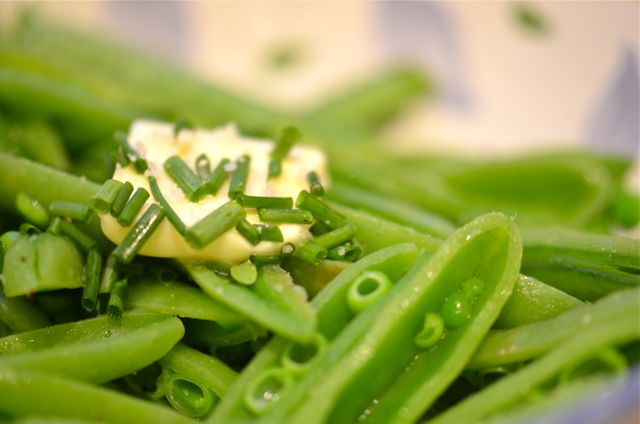
    Green Beans With Chorizo and Cherry Tomatoes.

    This time of year, the garden mostly dictates what we cook. A welcome snap of heat brought us early tomatoes and green beans, now we need to use them. The tomatoes are easy; the green beans are a bit more of a challenge. Let’s start with the tomatoes.

    Our first tomatoes, the sweet 100s came in and are exactly as you expect, small and sweet. We also got our hands on some early heirlooms, big, sweet and juicy. For the larger tomatoes we usually make Caprese salads, just with an extra dash of balsamic and olive oil. But we also enjoy this “steak house” tomato salad. The recipe is a combination of the onion and tomato salad from the famous Peter Luger Steakhouse in New York and a recipe from Suzanne Goin of Lucques in Los Angeles.

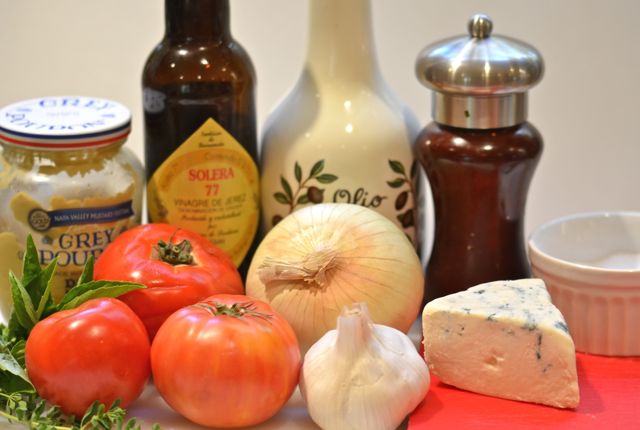
    It is a simple combination of ripe tomatoes (otherwise don’t bother), sweet onion, blue cheese and herb vinaigrette. But the flavors really do sing and are much richer than a Caprese salad. The sweetness and acidity of the tomatoes and onions match well with the rich, tangy blue cheese, while the herb vinaigrette adds tart and earthy flavors. And the mix of soft, crisp and creamy textures make for an excellent overall dish.

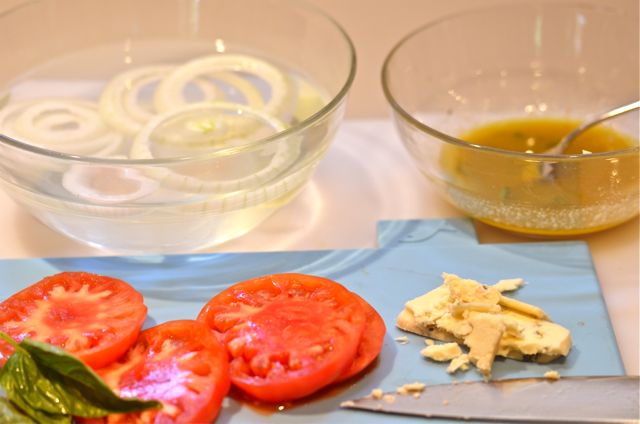
    Making the salad couldn’t be easier, but a few quick tips that will improve the overall dish. Simply slice the tomatoes and onions, but soak the onion slices in cold water for a few minutes before assembling the dish- they will be crisper and have less heat. Also slice the herbs and make the vinaigrette at the last-minute. The herbs will not discolor and the presentation will really pop. And this dish looks as good as it tastes.

    As for the green beans, they are more of a challenge. Their flavor is often very “green” and vegetal, and their texture can sometimes be leathery. The small, young beans are often the best, but our beans ripen unevenly and we tend to have a mix of large and small beans. Happily we found a basic technique and adapted a recipe that makes the most of the green beans and is very tasty. Our green beans with chorizo and cherry tomatoes are so good, even our kids eat them. We consider that to be a success.

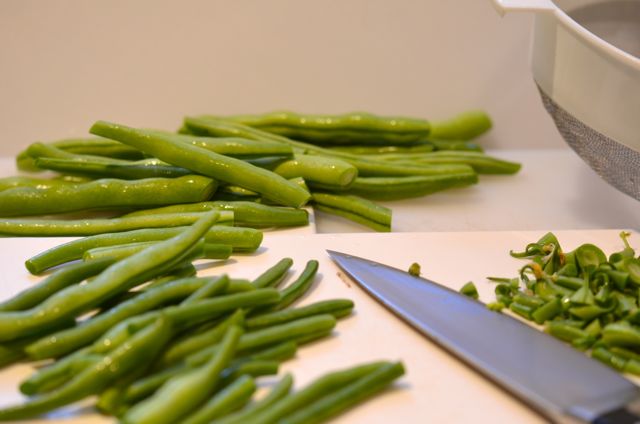
    Separate small and large beans and cook different times.

    Continue reading

  • Memphis-Style Barbecue Ribs

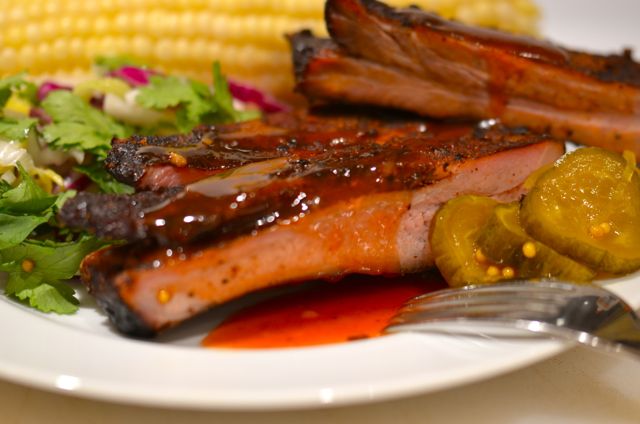
    Memphis-style ribs (with our house-made pickles)
    There are few American foods that elicit more passion than barbecue. Questions like pork vs. beef (even lamb), “wet” vs. “dry”, ribs, butt or brisket, mustard or vinegar in the sauce all make for dozen of varieties of barbecue. Depending on where you are from, passions can run very, very high. Particularly in the American south if you ask for the “wrong” thing in some areas you may get the “around here we serve “real” barbecue and we use…X”.  The only thing most aficionados will agree on is that barbecue may be the perfect summer meal.

    As a Californian, we don’t really have a regional style (unless you count Santa Maria-style Tri-Tip, which is more of a roast), so we get to “pick and choose” a bit. We will cop to a preference for Carolina-style pulled pork– the hot vinegar sauce variety, but mustard-based is good, too. But the kids and many of our friends prefer ribs, and they do take less time, so we make them pretty often. And when we barbecue ribs, we go for Memphis-style.

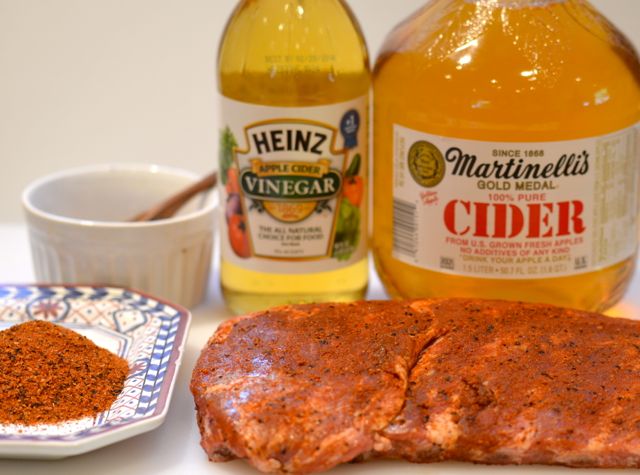
    Simple ingredients + time = deep flavor.

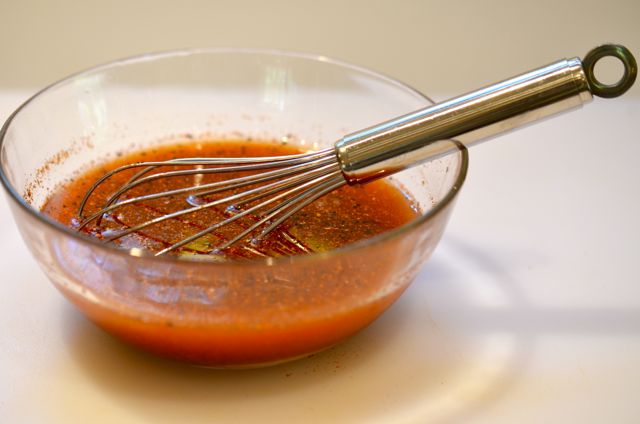
    “Mop” sauce.

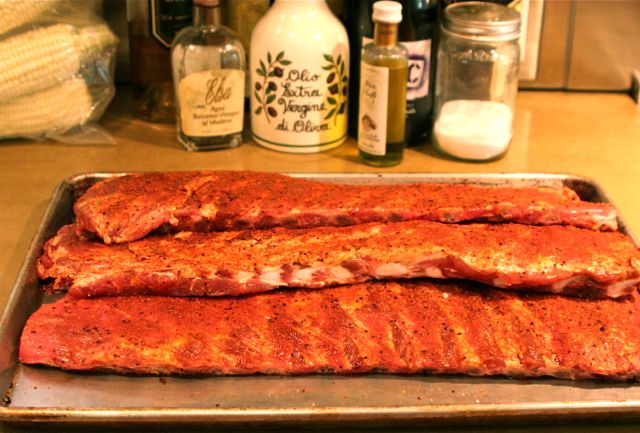
    Put “rub” on the ribs and let “marinate” for 6-48 hours.

    If you are unfamiliar with Memphis style ribs, they are ribs prepared using a dry spice rub and a vinegar-based “mop” during smoking. Unlike ribs from St. Louis or Mississippi / Alabama that feature a sweet, “wet” sauce, Memphis-style ribs develop a nice dry, spicy “bark” and a very light glaze from the “mop”. Sauce is usually tangy and served on the side, although like all barbecue, opinions on sauce vary. You can use either baby-back ribs or St. Louis-cut ribs (middle of the ribcage) and get good results. Memphis-style ribs are more like pulled pork than most ribs. Good stuff. Really good.

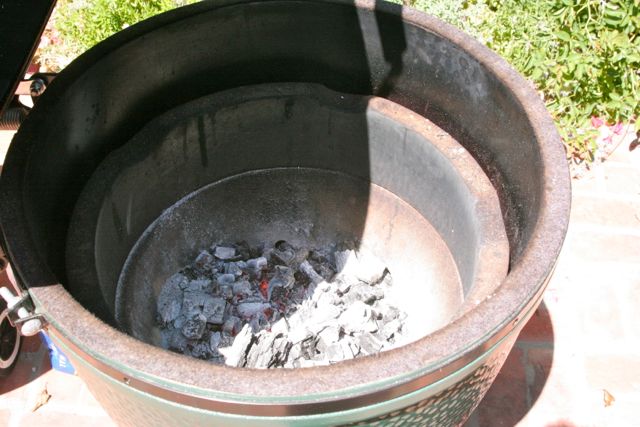
    Get your charcoal ready.

    Let gray ash form on the coals and you are ready.

    And relatively easy to make. One of the misconceptions about making barbecue is that it is difficult. In fact, it’s easy, and requires relatively few ingredients. But the main ingredient you need is time, and there is no substitute. It isn’t an accident that barbecue mostly gets made, and consumed, on weekends. If you need an excuse to laze about with friends for an afternoon (perhaps with a beer or cocktail), making ribs will certainly do the trick.

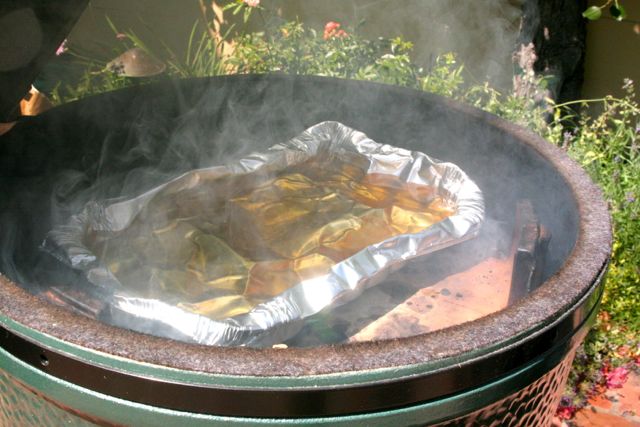
    Add liquid to a drip pan- the extra moisture helps in smoking.

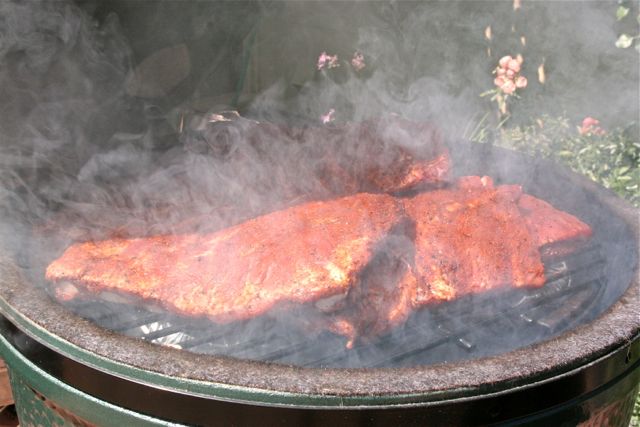
    Smoke your ribs until internal temp reaches 185 degrees.

    The steps are pretty basic. Get some baby-back or St. Louis-style ribs. Make or buy spice rub (recipe here and below) and rub into the ribs and let them rest in the fridge for at least 6 and up to 48 hours. Soak some wood chips or chunks- we like a mix of hickory and fruit woods like apple or cherry. Get you smoker or grill ready at a temperature about 210 degrees (follow the instructions for your grill or smoker). Set up your smoker with a drip pan, and it helps to put some liquid like beer or apple juice in the drip pan, and then start smoking the ribs. Meanwhile make the “mop” with some vinegar, salt, apple juice and a touch of your dry rub. Liberally “mop” the ribs with the sauce every 30 minutes or so.

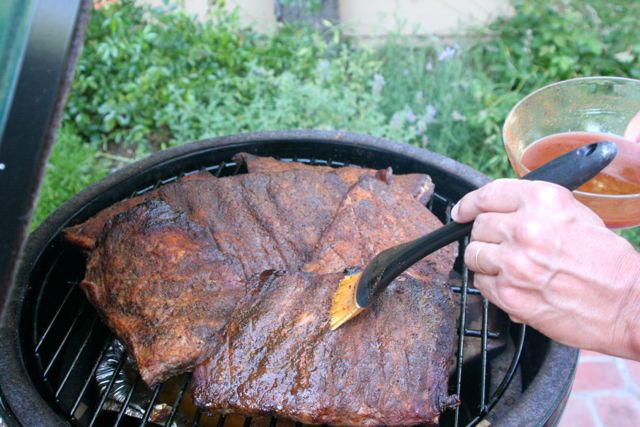
    Brush ribs every 30 minutes with “mop” sauce.

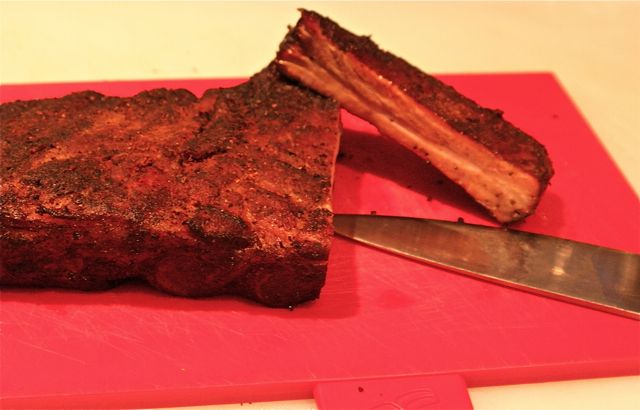
    Rest for 20-30 minutes and then slice the ribs.

    Continue reading

  • Chad’s Squid With Frying Peppers

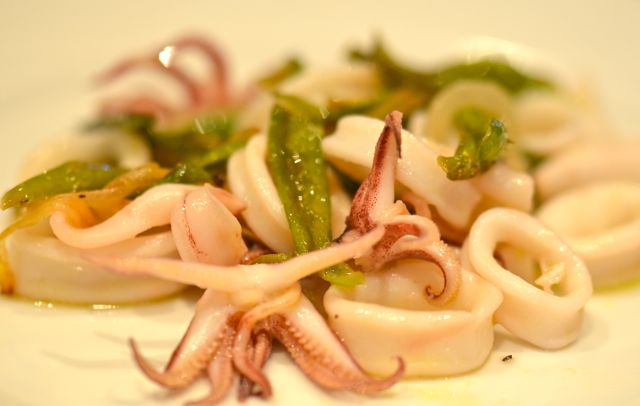
    Chad’s squid with frying peppers.

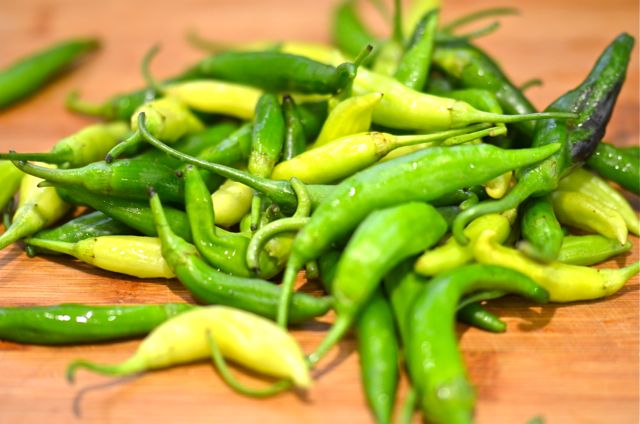
    As we move deeper into summer our garden and the farmers market start to show an abundance of small “frying peppers”. Frying peppers make up a family of small, usually sweet, thin-skinned, peppers that start with a lovely pale green but will move to a deep red over time. While they have a variety of names (Jimmy Nardello, Shisito, Cubanelle, Italian frying, or Padron) most frying peppers are best served in simple preparations that highlight their sweet, grassy flavor. Many recipes simply suggest a quick, high-temperature fry in some olive oil and a touch of seasoning. That is a good way to enjoy frying peppers, and we do, but we also want to include them in main courses.

    Frying peppers, a real summer treat.

    Happily, our friend Chad (the professional chef and all-around good guy) made a simple, but incredibly tasty, recipe that combines squid and frying peppers. Chad made this last summer when peppers were in season and we couldn’t wait to try it again. The recipe combines sweet, buttery squid with the more herbal sweetness of the peppers, a dash of lemon and wine (if needed) provide some acidity and suddenly you have a light, balanced and very addictive dish. And a dish you can serve as an appetizer or a main course. And it takes just a few minutes to make.

    Simple ingredients but great flavors and textures.

    And this weekend our peppers came in, and the farmers market was full of early frying peppers (we had to augment our Jimmy Nardellos, we will plant more next year). And in a stroke of good luck, the fish guy at the farmers market had frozen, cleaned squid available. So we decided to go ahead and make the dish. A few quick text messages from Chad (thanks!) to confirm the basics of the recipe and we were off to the races.

    But first, a quick note on preparing and cooking the squid / calamari. Squid are affordable, widely available and quite tasty, but can be intimidating, particularly when you have to clean them yourself. Our advice is very simple. Don’t clean them yourself. Buy them cleaned or have your fish monger do it, squid are still inexpensive even when sold cleaned. If you must do it yourself, here is a good link on how.

    Saute the peppers and onions in a bit of olive oil.

    Otherwise, the key to cooking squid is that it either cooks very quickly over high heat, or low and slow in a braise. This recipe is a quick / high-heat recipe. But this means that it helps to cut the squid into pieces that are the same size so they cook evenly. If you have uneven pieces, the small pieces will be tough by the time the large pieces cook. The squid are done when the pieces are opaque and the edges curl. The best way to be sure the squid is done is to simply try a piece after a minute of cooking and keep testing. If tender and buttery, it’s done, take the squid off the heat. The squid will still cook a bit more from residual heat.

    Quickly cook the squid with olive oil and a dash of lemon and wine.

    As for making the dish, it is a very simple preparation. Clean the peppers, slice and the remove the seeds. Sauté the peppers with a few slivers of sweet onion in some olive oil until the skins slightly blister, about 6-8 minutes, and lightly season. Meanwhile slice the squid and then fry, over very high heat, in some olive oil for just 1-2 minutes.The squid will release liquid that provides the base for a light sauce. Add a dash of wine, a squeeze of lemon and then add the peppers and onion to the squid. Taste for seasoning and add salt, black pepper and some red pepper flakes if you like a touch of heat. Serve with rice, pasta or some crusty bread.

    Combine the peppers and squid, season and serve.

    We enjoyed this dish as much as the first time we tried it. The squid was buttery and sweet and the peppers added incredibly fresh flavors. It simply tasted like summer. And it is a light and healthy dish as well. So if you have frying peppers this summer, the first thing to do is just fry and eat them. But if you want to use the peppers in something more, try this dish out, it’s a winner. Thanks Chad!

    Chad’s Squid With Frying Peppers:

    (Adapted from Chad Callahan)

    Notes Before You Start:

    • There are many varieties of frying peppers, but you want small, thin-skinned peppers. Taste them for heat before you start the dish. Red or green varieties both work.
    • Frozen squid are not only fine for this dish, but preferred. Freezing helps tenderize squid. Continue reading