• The Farm At The Beach

    Breathe. Relax. Read a book.

    Well, we are back. Or at least settled. We are now at our “home-away-from-home” on the east end of Long Island. One of our favorite places in the world. I guess you can call it a “home” because we have plenty of friends and family here, and we pretty much know where everything is. That may seem simplistic, but part of being comfortable is familiarity. We cooked in three different kitchens in the last thee days but pretty much knew where everything was. Other people’s kitchens are a tough place to cook, but we know our way around. We can get back to business. But before we cooked, the first business was meeting the two newest members of our extended family. Beautiful babies and happy, if somewhat tired, parents. We can almost field a football team with all the cousins- which is very, very cool. We are so blessed and lucky, and the babies give us a reminder of just how good life is. And they are cute, too.

    Radishes are in season here, and very tasty.

    And we did get back to cooking. In many of our posts, we mention that certain dishes and drinks are good for a crowd. Well, we put a few to the test already. Most meals over the weekend fed groups of 15-20. So far, so good- but we do have a few notes and revisions. And, happily, mostly to the good. As for the actual food, we tend to have simply prepared fish and shellfish as our main courses. Seared ahi tuna, roasted striped bass, sea scallops and steamed clams made it to the table over the weekend, and will be part of almost every dinner this week. Most were caught within the last day or so. The fish is so fresh you don’t need to do much (just don’t screw them up), so we focused on sides that highlight the seafood or feature the local produce.

    The coconut rice goes well with the local fish. A big hit- we will make this throughout the trip.

    Firstly, we had fresh local radishes and served them with butter and salt. Always easy, always good. (My Dad also makes kick-ass guacamole every day, but that is another post). The biggest hit so far is the coconut rice. The rice went very well with the seared, rare ahi tuna (steaks almost 2 inches thick and sooo good). Served with a dash of soy and some cilantro chutney (working on that recipe), it was a perfect fit. A table of 16 were all very happy. One note here, we made the coconut rice with “Light” coconut milk, as the store was out of regular coconut milk. If anything, the light coconut milk gave the dish plenty of flavor, but perhaps a slightly lighter texture. Good to know that we can make a lower-calorie version of the original.

    We added fresh corn kernels to the Red Cat zucchini- it was great.

    Another surprise was how well the coconut rice went with the Red Cat zucchini. The dish comes from here, so everyone enjoyed it (the zucchini was right from the CSA), but as the dish is more Mediterranean, we are surprised how well the flavors meshed. Another note here- we added some fresh corn kernels to the zucchini and they added lovely texture and sweetness. If you have corn, give this a try. The next day we took the leftover coconut rice and combined it with the zucchini and corn. It made a delightful cold summer salad.

    As for the cocktails, we made fresh Tommy’s-style margaritas every day (2 oz. blanco tequila, 1 oz. gave nectar, 1 oz. lime juice). But the big hit was the Lani Honi. As predicted, everyone thought of it as a lemony summer punch with a little extra depth. We served a pitcher alongside the margaritas and the Lani Honi held its own. We had requests for more the next day. Very good.

    As expected, a perfect drink to make for a crowd.

    Lastly we made a punch-sized batch of the Nouvelle Fleur. The drink was a success, but did need some tweaking. In the original recipe we used ruby-red grapefruit and the flavors meshed very well. Out here, we used white grapefruit and the drink was way too sour. Happily, a little extra St. Germain and some agave nectar did the trick and the Nouvelle Fleur was a success, particularly with grapefruit fans. But a quick reminder that it pays to taste your drinks and adjust as necessary.

    A great punch, but we needed to adjust for more sour white greapefruit.

    Today we are off to the CSA garden and then looking for corn and stone fruits. And just wait until we start talking about the pies…oh my. We have new photos and recipes coming all week! It’s good to be back.

  • Simple Garden Recipes: Tomatoes And Green Beans

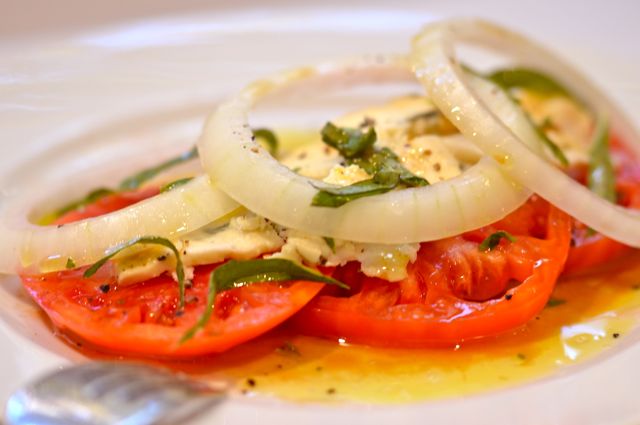
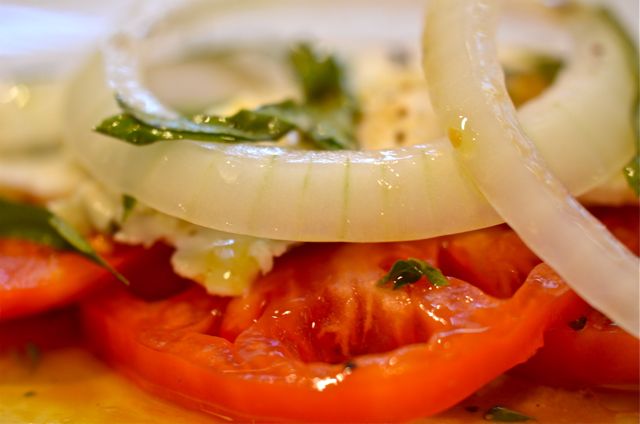
    Tomato “Steakhouse” Salad.

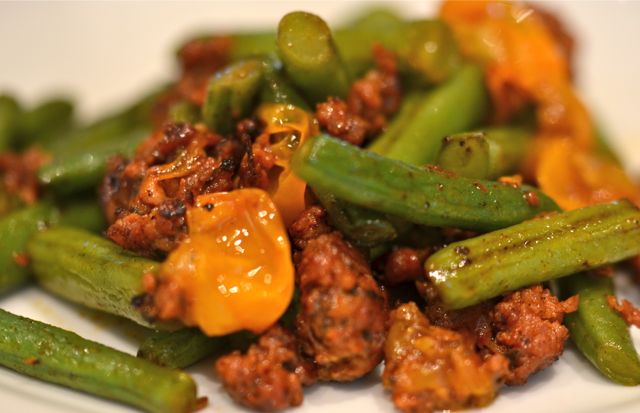
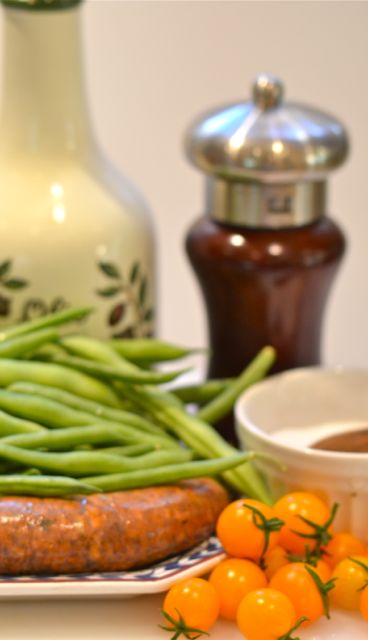
    Green Beans With Chorizo and Cherry Tomatoes.

    This time of year, the garden mostly dictates what we cook. A welcome snap of heat brought us early tomatoes and green beans, now we need to use them. The tomatoes are easy; the green beans are a bit more of a challenge. Let’s start with the tomatoes.

    Our first tomatoes, the sweet 100s came in and are exactly as you expect, small and sweet. We also got our hands on some early heirlooms, big, sweet and juicy. For the larger tomatoes we usually make Caprese salads, just with an extra dash of balsamic and olive oil. But we also enjoy this “steak house” tomato salad. The recipe is a combination of the onion and tomato salad from the famous Peter Luger Steakhouse in New York and a recipe from Suzanne Goin of Lucques in Los Angeles.

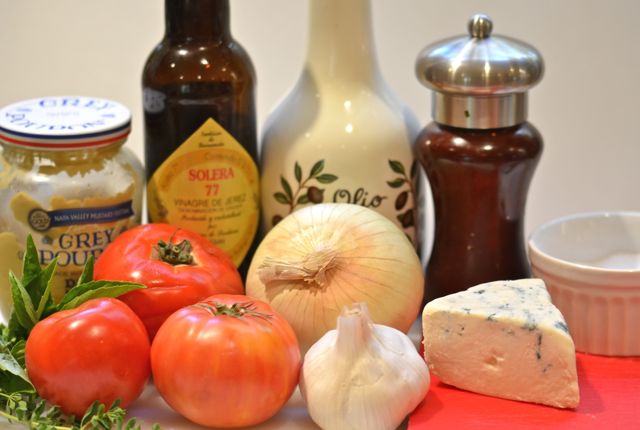
    It is a simple combination of ripe tomatoes (otherwise don’t bother), sweet onion, blue cheese and herb vinaigrette. But the flavors really do sing and are much richer than a Caprese salad. The sweetness and acidity of the tomatoes and onions match well with the rich, tangy blue cheese, while the herb vinaigrette adds tart and earthy flavors. And the mix of soft, crisp and creamy textures make for an excellent overall dish.

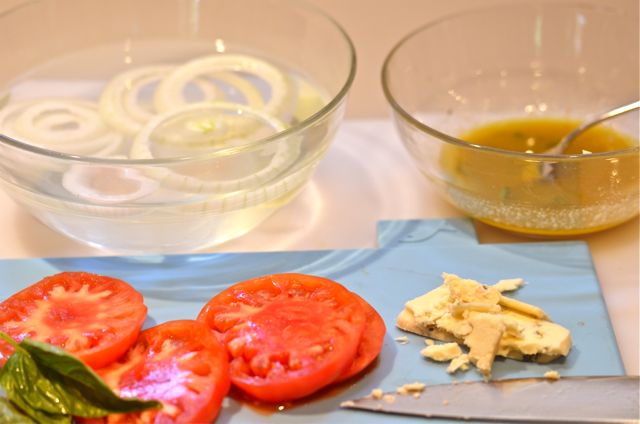
    Making the salad couldn’t be easier, but a few quick tips that will improve the overall dish. Simply slice the tomatoes and onions, but soak the onion slices in cold water for a few minutes before assembling the dish- they will be crisper and have less heat. Also slice the herbs and make the vinaigrette at the last-minute. The herbs will not discolor and the presentation will really pop. And this dish looks as good as it tastes.

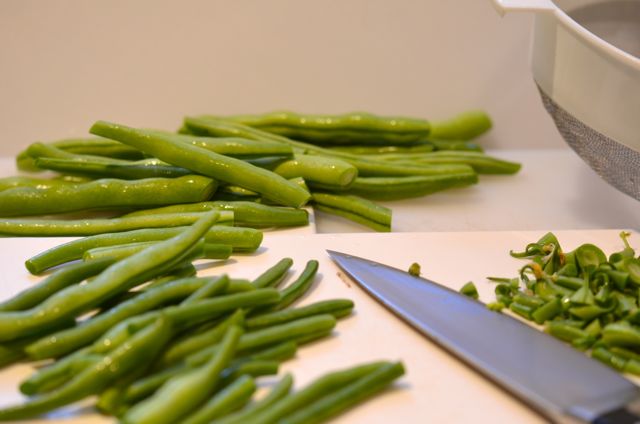
    As for the green beans, they are more of a challenge. Their flavor is often very “green” and vegetal, and their texture can sometimes be leathery. The small, young beans are often the best, but our beans ripen unevenly and we tend to have a mix of large and small beans. Happily we found a basic technique and adapted a recipe that makes the most of the green beans and is very tasty. Our green beans with chorizo and cherry tomatoes are so good, even our kids eat them. We consider that to be a success.

    Separate small and large beans and cook different times.

    Continue reading

  • Coconut – Curry Cabbage

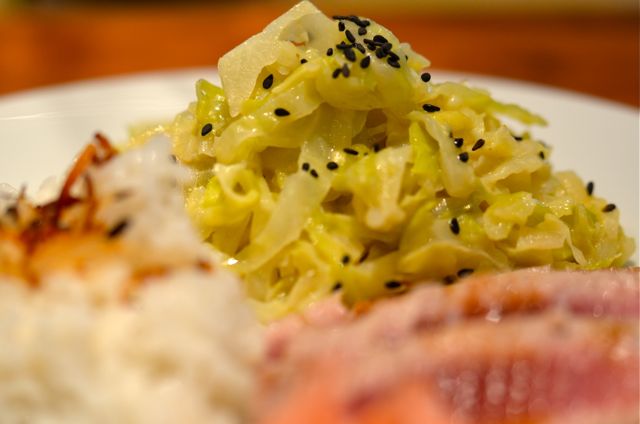
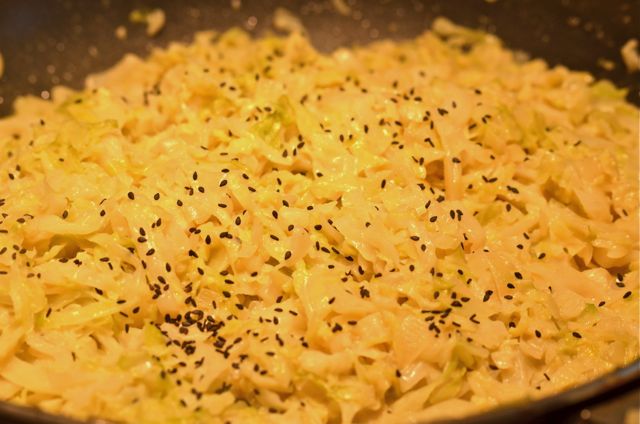
    Coconut-Curry Cabbage, served with seared ahi and coconut rice.

    As we mentioned a few posts ago, we made a Hawaiian-themed meal for some friends last week and it featured this cabbage dish. And since we liked it so much, we decided to make it again and post it. This cabbage recipe takes just a few minutes to make, but the mixture of bright, crispy cabbage with rich coconut milk and “funky” curry paste (and, optionally, fish sauce) is a real winner and a great compliment to tropical or Asian-influenced dishes.

    Basic ingredients that are available in most grocery stores.

    The recipe itself is easy, but very tasty. It comes from Bev Gannon’s Hali’imaile General Store Cookbook. This is a restaurant cookbook that often features very ornate and complicated preparations. But the flavor combinations in Gannon’s dishes are always original and intriguing, so usually we use the cookbook for inspiration and adapt the recipes, but this recipe only has minor revisions. It is one of the simplest recipes in the cookbook, and perhaps not surprisingly, one of the best (IMHO).

    Slice the cabbage and dice the onion.

    Saute the onion and the curry paste.

    You start by dicing a small onion and then thinly slicing a medium green cabbage. Then, in a large skillet, add some oil and then soften the onion over medium-high heat. Add a few tablespoons of green (or yellow) curry paste and some salt and cook for a few more minutes. Add the sliced cabbage and cook for a minute or two and then add about a cup of coconut milk. Simmer the cabbage for 6-8 minutes, or until the coconut milk reduces. Then add a splash of fish sauce (if you like it, we do), taste for seasoning, sprinkle on a few black sesame seeds and serve.

    Add cabbage and coconut milk and briefly simmer. Season with fish sauce and salt.

    Garnish with black sesame seeds.

    Another bonus to this dish is that it is easy to scale up/down the recipe to match the number of guests. Expect that 1 medium cabbage will feed 4 guests. So use an overall ratio of 1 cabbage / one tablespoon cooking oil / one-half of a small onion / 1-2 tablespoons of curry paste / 1 cup of coconut milk / 1 tablespoon salt / 1 tablespoon black sesame seeds / fish sauce to taste. You can simply increase or decrease the recipe to match your needs. And as you can make this dish ahead, and then reheat it before service, this is a great side dish for entertaining.

    So far, we enjoyed this dish as a side with sesame-crusted opah and with seared ahi. In both cases, the cabbage added a bit of crunch, pleasant richness and that touch of curry “funk” to the overall dish. As we really like coconut, we serve the cabbage along with coconut rice, and rather than being “too much” we find they are an excellent compliment to each other.

    A great compliment to fish and rice.

    As Californians, and living near the “Cadillac Desert”, we get cabbage year-round. We love making cole-slaw for summer barbecues and putting shredded cabbage in our tacos. But this dish takes cabbage to another level and is worth making at any time of year. And if you live in an area where cabbage is a fall / winter crop, we suggest you try this dish when cabbage is in season- it will give you a quick taste of the tropics.

    Coconut-Curry Cabbage:

    (Adapted from Beverly Gannon)

    Notes Before You Start:

    • You can use green or yellow curry paste in this dish. Curry paste varies, so make sure to add a little, taste and adjust the first time you make this dish.

    What You Get: A tasty, sweet cabbage dish. A particularly good side with tropical or Asian-influenced fish dishes.

    What You Need: No special equipment required.

    How Long? About 20 minutes. The only real “work” is slicing the cabbage and onion.

    Ingredients:

    (serves 4)

    • 1 medium green cabbage, thinly sliced- 3-4 cups
    • 1/2 small white onion, diced
    • 1 tablespoon canola or other vegetable oil
    • 1 to 2 tablespoons green or yellow curry paste
    • 1 cup coconut milk
    • 1/2 tablespoon salt (or to taste)
    • 1/2 teaspoon fish sauce (or to taste- optional)
    • 1-2 tablespoons black sesame seeds, for garnish (optional)

    Assemble:

    1. Slice the cabbage and dice the onion.
    2. Place a large skillet over medium-high heat. Add the oil and then the onion and curry paste and saute for 3-4 minutes, or until the onion is soft. Add the cabbage and cook for 1-2 minutes, until it just starts to wilt. Add the coconut milk and simmer for 6-8 minutes, or until the coconut milk reduces and the cabbage is tender, but retains some crunch. Taste and season with salt and fish sauce, if using. Sprinkle with black sesame seeds and serve.
  • Simple Garden Recipes: Maraschino Cherries And Sweet Refrigerator Pickles

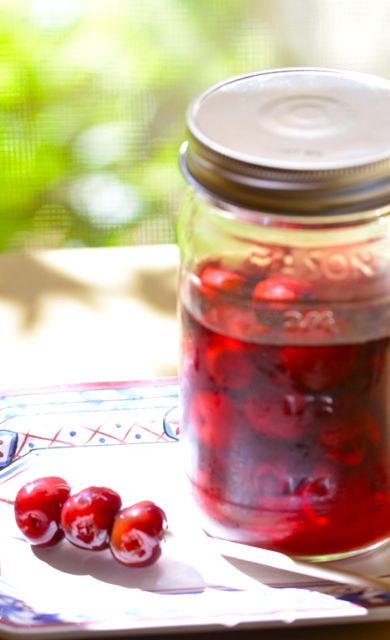
    Homemade maraschino cherries.

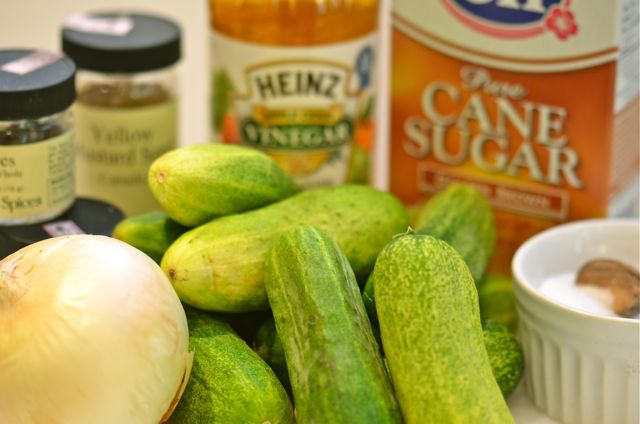
    Sweet refrigerator pickles.

    The bounty of summer often comes with a vexing question that basically boils down to, “what am I supposed to do with all of this stuff?!?” Wether you garden, join a CSA, shop the farmers market or simply succumb to the temptations of a roadside fruit stand, when we get summer fruits and veggies we tend to get a lot of them. All at once.  And not all produce stays fresh for very long. Abundance can have a (very slight) downside.

    Now possibly the best answer to this “challenge” is to share with friends, assuming they aren’t already overwhelmed with their own produce. But when generosity fails, preservation is the next step. Now if you want to get serious about preservation, we suggest you visit Wifemeetslife for an intro to canning- Alison has some great posts. And if you want to add some booze into the mix, then we suggest a visit to Boozed + Infused, where Alicia makes incredible fruit-based infusions.

    We can’t keep up with Alison and Alicia (although we are trying) but we do often use some short-term preservation techniques to extend our produce. For our cherries we make quick “maraschino” cherries and for cucumbers we make refrigerator pickles. Both are easy to make and extend the life of our produce by a few weeks. Oh, and both taste great.

    Just cherries and Maraschino liqueur.

    Just a quick simmer, then jar and chill for two days.

    As for the maraschino cherries, we take our end-of season cherries, lightly cook them in maraschino liqueur and then pop them in the fridge and let them macerate for two days and then the are ready and will last for a few weeks. While sour cherries may be the ideal, we use Bings or Vans and they are very tasty. Contrary to the bright pink, overly sweet store-bought maraschinos, home-made maraschino cherries are just a touch sweet with a bit of tartness and some crunch. The liqueur adds some lovely nutty flavors to the cherries. And they are not particularly boozy. We put the cherries in cocktails, on top of ice cream, between layers of cakes (yum) and simply eat them out of hand. Good stuff and a good excuse to buy one more basket of cherries (and add some maraschino liqueur to your bar).

    Cucumbers, onion, vinegar, sugar, salt and spices. Simple.

    As for the sweet refrigerator pickles, we love our cucumbers fresh, or in quick pickles, but we like this recipe so much it is one of the main reasons we grow cukes and buy a lot at the farmers market. Making these pickles is a snap. Simply cut up some pickling cucumbers (Kirbys are good here) and a bit of onion and then quickly/lightly cook in a solution of brown sugar, vinegar, salt and spices. Let the mixture cool and then put it in the fridge, the pickles will keep for about 10 days, but they won’t last that long. The pickles are sharp, sweet and crunchy with just a touch of spice. We eat them out of hand but also put them on sandwiches or serve them with burgers and hot dogs at cookouts. We also chop the pickles up into a quick relish- so good. And our kids love them, so it is a good way to get a few more veggies in their diet. Continue reading

  • Chad’s Squid With Frying Peppers

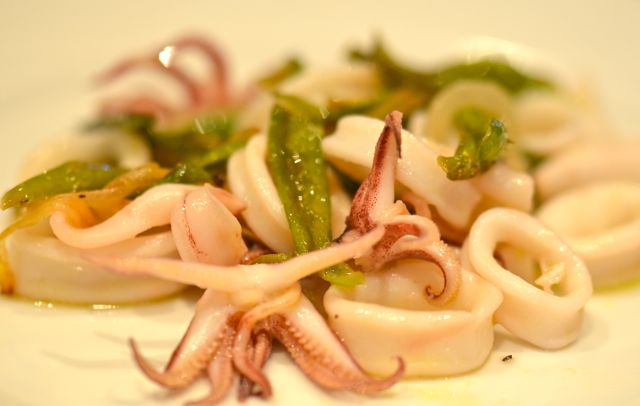
    Chad’s squid with frying peppers.

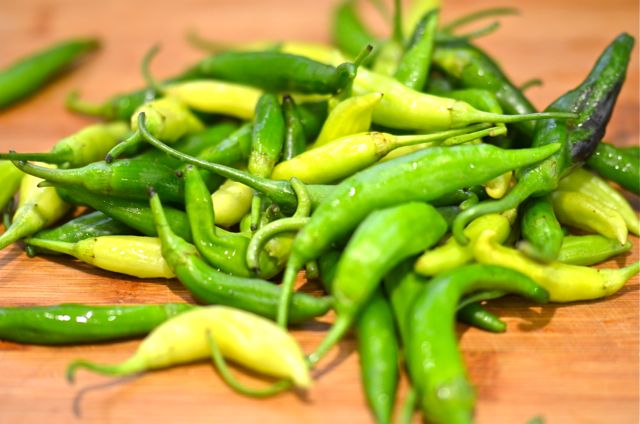
    As we move deeper into summer our garden and the farmers market start to show an abundance of small “frying peppers”. Frying peppers make up a family of small, usually sweet, thin-skinned, peppers that start with a lovely pale green but will move to a deep red over time. While they have a variety of names (Jimmy Nardello, Shisito, Cubanelle, Italian frying, or Padron) most frying peppers are best served in simple preparations that highlight their sweet, grassy flavor. Many recipes simply suggest a quick, high-temperature fry in some olive oil and a touch of seasoning. That is a good way to enjoy frying peppers, and we do, but we also want to include them in main courses.

    Frying peppers, a real summer treat.

    Happily, our friend Chad (the professional chef and all-around good guy) made a simple, but incredibly tasty, recipe that combines squid and frying peppers. Chad made this last summer when peppers were in season and we couldn’t wait to try it again. The recipe combines sweet, buttery squid with the more herbal sweetness of the peppers, a dash of lemon and wine (if needed) provide some acidity and suddenly you have a light, balanced and very addictive dish. And a dish you can serve as an appetizer or a main course. And it takes just a few minutes to make.

    Simple ingredients but great flavors and textures.

    And this weekend our peppers came in, and the farmers market was full of early frying peppers (we had to augment our Jimmy Nardellos, we will plant more next year). And in a stroke of good luck, the fish guy at the farmers market had frozen, cleaned squid available. So we decided to go ahead and make the dish. A few quick text messages from Chad (thanks!) to confirm the basics of the recipe and we were off to the races.

    But first, a quick note on preparing and cooking the squid / calamari. Squid are affordable, widely available and quite tasty, but can be intimidating, particularly when you have to clean them yourself. Our advice is very simple. Don’t clean them yourself. Buy them cleaned or have your fish monger do it, squid are still inexpensive even when sold cleaned. If you must do it yourself, here is a good link on how.

    Saute the peppers and onions in a bit of olive oil.

    Otherwise, the key to cooking squid is that it either cooks very quickly over high heat, or low and slow in a braise. This recipe is a quick / high-heat recipe. But this means that it helps to cut the squid into pieces that are the same size so they cook evenly. If you have uneven pieces, the small pieces will be tough by the time the large pieces cook. The squid are done when the pieces are opaque and the edges curl. The best way to be sure the squid is done is to simply try a piece after a minute of cooking and keep testing. If tender and buttery, it’s done, take the squid off the heat. The squid will still cook a bit more from residual heat.

    Quickly cook the squid with olive oil and a dash of lemon and wine.

    As for making the dish, it is a very simple preparation. Clean the peppers, slice and the remove the seeds. Sauté the peppers with a few slivers of sweet onion in some olive oil until the skins slightly blister, about 6-8 minutes, and lightly season. Meanwhile slice the squid and then fry, over very high heat, in some olive oil for just 1-2 minutes.The squid will release liquid that provides the base for a light sauce. Add a dash of wine, a squeeze of lemon and then add the peppers and onion to the squid. Taste for seasoning and add salt, black pepper and some red pepper flakes if you like a touch of heat. Serve with rice, pasta or some crusty bread.

    Combine the peppers and squid, season and serve.

    We enjoyed this dish as much as the first time we tried it. The squid was buttery and sweet and the peppers added incredibly fresh flavors. It simply tasted like summer. And it is a light and healthy dish as well. So if you have frying peppers this summer, the first thing to do is just fry and eat them. But if you want to use the peppers in something more, try this dish out, it’s a winner. Thanks Chad!

    Chad’s Squid With Frying Peppers:

    (Adapted from Chad Callahan)

    Notes Before You Start:

    • There are many varieties of frying peppers, but you want small, thin-skinned peppers. Taste them for heat before you start the dish. Red or green varieties both work.
    • Frozen squid are not only fine for this dish, but preferred. Freezing helps tenderize squid. Continue reading
  • Simple Garden Recipes: Zucchini and Sugar Snap Peas

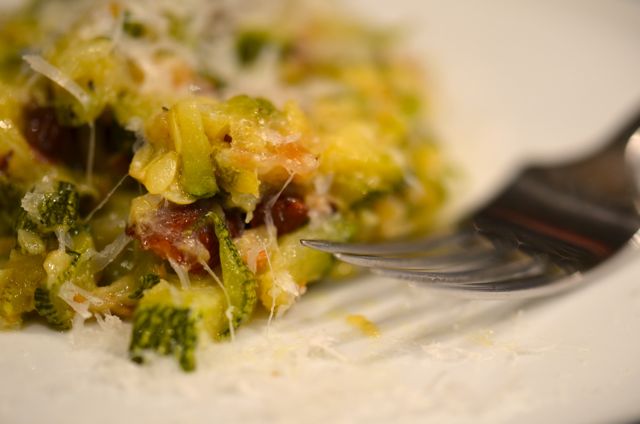
    Red Cat Zucchini. Zucchini, almond, pecorino- so good.

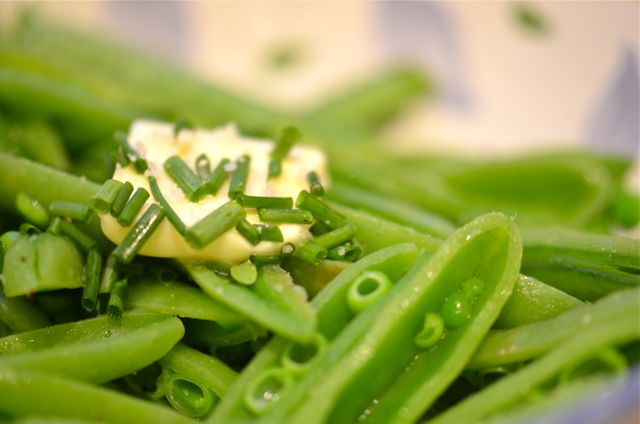
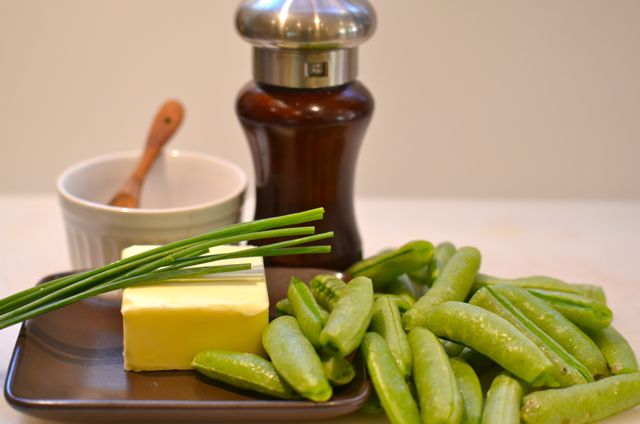
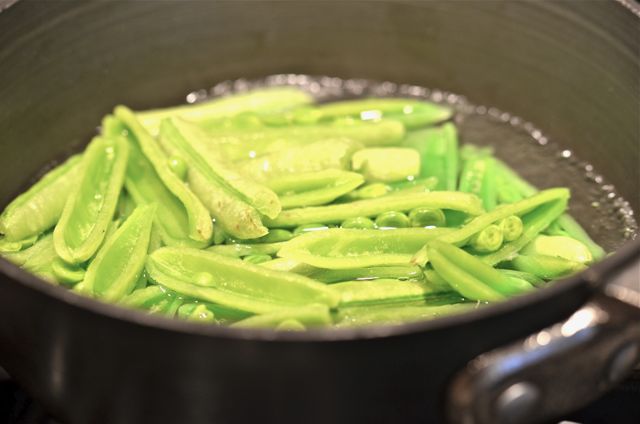
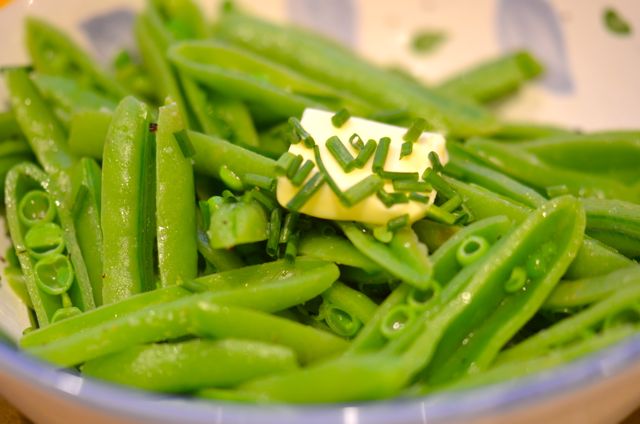
    Sugar Snap Peas With Butter And Chives. Simple, but delightful.

    Many good crops here at the farm this week. And, happily, many guests to feed. We shared our crop of sugar snap peas, and that was an easy sell. But we also served zucchini, and our guests loved it. Some of the best veggies they ever had. Seriously.

    How do we know the zucchini was such a hit? We made the “famous” Red Cat Zucchini for the Red Cat restaurant in New York City. And we can say the recipe is famous because we have never been to the restaurant or read the Red Cat Cookbook, but the recipe made it to us anyway. And we are glad it did. There are few vegetable recipes more delicious, and few easier to make than this zucchini dish.

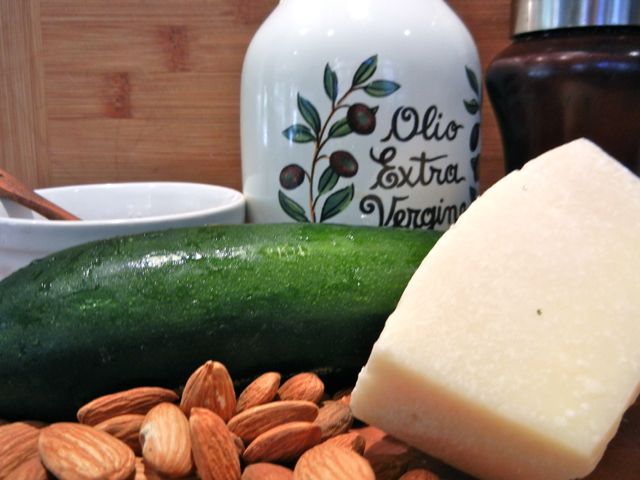
    Simple ingredients.

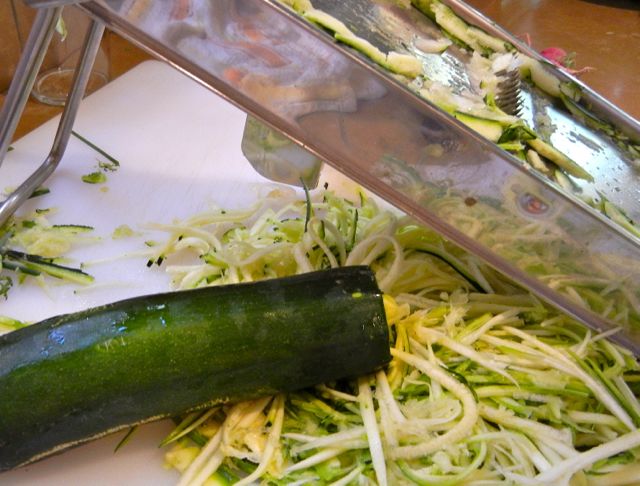
    Slice your zucchini.

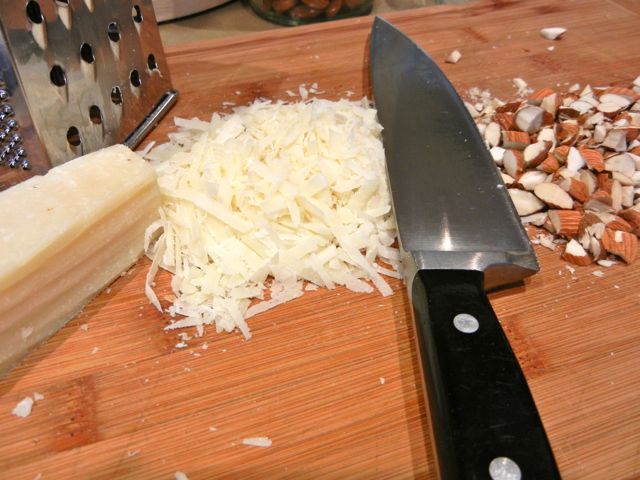
    Grate your cheese and chop your almonds.

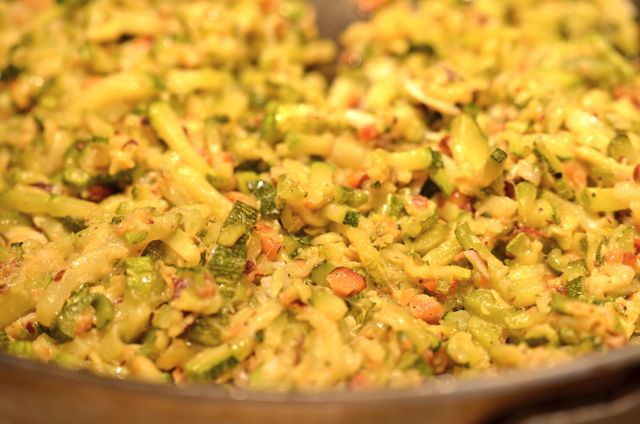
    Cook and serve.

    The Red Cat Zucchini combines thinly sliced zucchini, almonds, pecorino romano cheese, olive oil, salt and pepper. It is a basic list of ingredients but the final dish absolutely sings. The sweetness of the zucchini goes perfectly with the nutty almonds and is balanced by the salty pecorino. Each bite is a delight.  And it only takes 10-15 minutes to make. This dish is so good you will actually want your neighbors to offload share their excess zucchini. And you can serve this recipe with almost any summer meal. Great stuff.

    Five simple ingredients.

    Quickly cook in a medium saucepan.

    Add butter and chives and season…or….

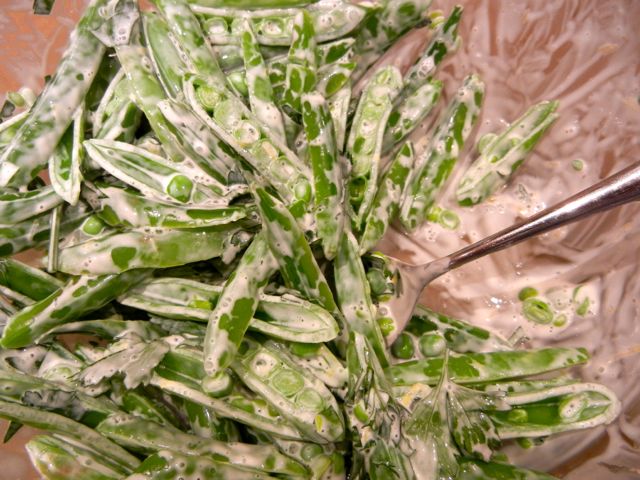
    ..or add some crème fraîche, lemon zest, parsley and salt.

    Continue reading