• Bonus Cocktail: Scott’s Manhattan

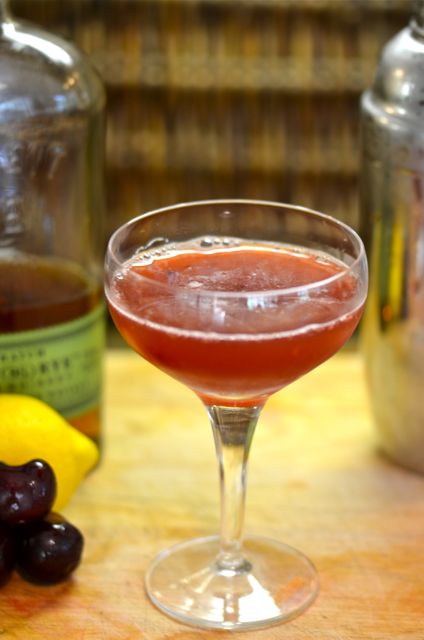
    Scott’s Manhattan.

    One of the best parts of enjoying cocktails with friends is that they share their favorites and personal creations with you. And sometimes, after a few drinks and/or a visit to the fruit stand, you can build and enjoy “new” drinks. We say “new” but as this cocktail is a variant of the Manhattan, one of the most tweaked cocktails in the world, someone has probably made this before. But a quick search of Cocktail DB didn’t come up with a name, so we will call this one “Scott’s Manhattan”, after our friend Scott who made this cocktail for us during our visit to Long Island.
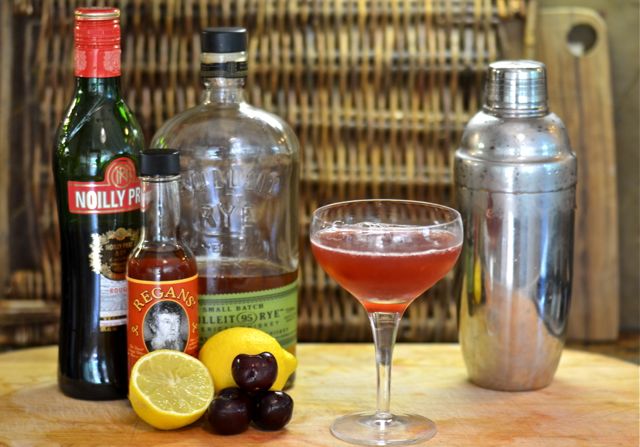
    A few more ingredients than a regular Manhattan.

    If you read our blog regularly, you will note that we sometimes avoid “brown drinks” like Manhattans, particularly in summer. But Scott is an avowed, and knowledgeable, fan of the Manhattan and made us a version that works in any season. His version includes two ounces of rye, one ounce of sweet vermouth, muddled cherries, a touch of lemon juice and orange bitters to create a bright and “summery” Manhattan. While anyone who likes Manhattans will recognize the whiskey and vermouth, Scott’s additions brighten the flavors and add a clean finish that works very well in warm weather. We all liked this drink and enjoyed quite a few in the last week. Usually whiskey stays near the back of our summer bar, but this drink changed our minds.
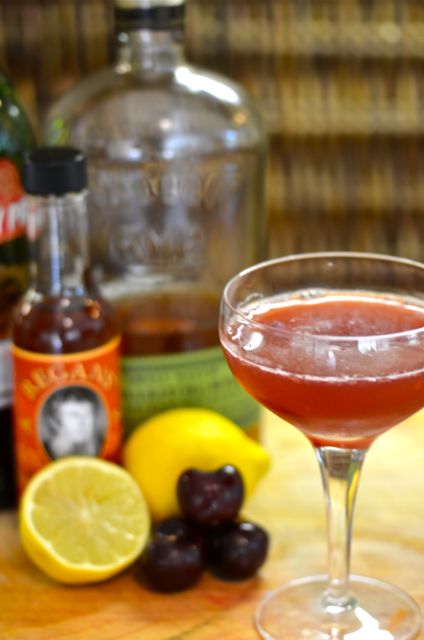
    Traditionally, a Manhattan is 2 parts bourbon or rye and one part sweet vermouth. Most recipes include bitters, usually Angostura, and often a cherry as garnish. A classic drink, but very sweet to our tastes, particularly if using bourbon. Scott’s version adds more spice by using rye and citrus notes from the orange bitters. The cherries add both sweetness and tang, and really amp up the color. The first sip of this cocktail is sweet and spicy, but then the citrus and cherries kick in for a lighter, fruitier finish than any traditional Manhattan. Purists may cringe, but we are all for seasonal experimentation and variation with our cocktails- it’s fun, and cocktails are all about fun.
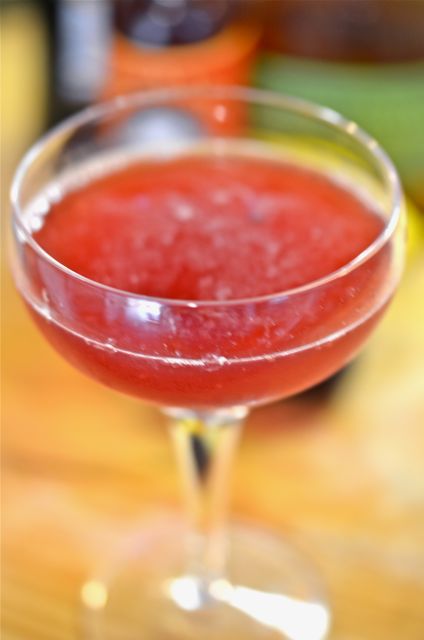
    As for making the drink, it is pretty straightforward, with just a few extra steps. Place two fresh, pitted cherries, a lemon twist and a few drops of lemon juice to a cocktail shaker and muddle to extract the juice from the cherries and oil from the lemon peel. Add the rye, sweet vermouth, orange bitters (we use Regan’s for this version) and ice to the shaker. Shake until chilled and strain into a cocktail glass. For the rye, we like Bulleit and High West for cocktails, but most good rye will do. If using bourbon, the drink will usually be sweeter, so an extra drop of lemon or a touch less vermouth may help balance the drink. As for the sweet vermouth, we use Noilly Prat or Dolin, but we suggest you experiment with the sweet vermouth you prefer (and you do keep your vermouth in the fridge, right?). With the extra red color from the cherries and aroma from the lemon, we don’t think a garnish is necessary, but perhaps an orange twist will add extra dimension…. Again, feel free to experiment. Scott experimented, and we got a great drink….

    Scott’s Manhattan:

    Ingredients:

    • 2 oz. rye or bourbon
    • 1 oz. sweet vermouth
    • 2 sweet cherries, pitted
    • 1 lemon twist / peel (about the size of a quarter).
    • 2-3 drops lemon juice
    • 3 dashes orange bitters (Regan’s)

    Assemble:

    1. Place cherries, lemon peel and juice into a cocktail shaker and muddle to extract juice and oil.
    2. Add rye, sweet vermouth , bitters and ice to the shaker. Shake thoroughly and strain into a chilled cocktail glass or coupe’. Serve.
  • Weekly Cocktail #24: Long Island Iced Tea

    Long Island Iced Tea Cocktail.

    Well, “when in Rome…” And in this case, “when in Long Island….make Long Island Iced Tea”.

    While this cocktail is much tastier than you might think, there is no tea in this drink, and there is nothing “long” about it. “Long” drinks usually denote cocktails that are less boozy and often served in higher volumes, like a Pimms Cup or Dark n Stormy (a Diablo is also a good long drink). Long drinks often make for good summer cocktails, as you can sip them over a lazy afternoon. But with the Long Island Iced Tea, you can sip one over a full afternoon and still feel like you had a Three-Martini lunch…umm… make that a four-martini lunch.

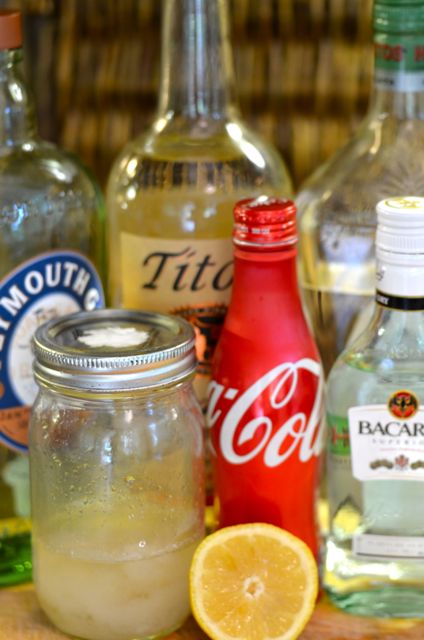
    Many ingredients, but most are easy to find or are in your bar right now.

    The trick with the Long Island Iced Tea (Latin translation: needus designus driverus) is that most recipes suggest anywhere from four to seven ounces of high-proof spirits per drink (most cocktails have two ounces)- but you really don’t taste the booze. The Long Island Iced Tea tastes good (very good if you tweak the recipe), and goes down way to easy for its own (and your own) good.

    Most recipes suggest an ounce to an ounce-and-a-half each of gin, vodka, tequila, rum and triple sec, with some lemon, simple syrup and a splash of coke. We include that recipe below, but it is a bit sweet for most. And while it tastes good, most of the attraction is of the “I can’t believe this drink is smooth with so much booze” category. Our version lightens the drink somewhat (not much) but omits the triple sec and adds more lemon and coke. Usually we don’t mess with original recipes without changing the name of the cocktail. But there are literally dozens of variations on the Long Island Iced Tea (see here, if curious), so whats one more version of the recipe?

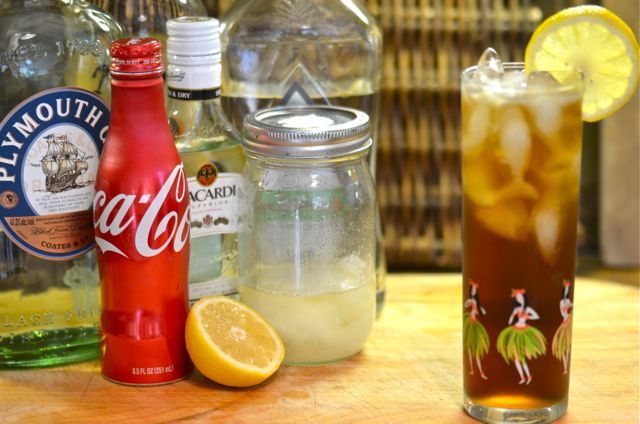
    Long Island Iced Tea and ingredients.

    As for the spirits used in the recipe, there is no need for anything special. Decent, inexpensive rum, gin, tequila and vodka will do fine. The real alchemy of the drink is how the spirits mesh, if you add something too good, or aged, it won’t help and may actually harm the drink- and why waste the money? If you do want the best result, fresh lemon juice and simple syrup will work better, but sour mix will work in a pinch. All recipes suggest Coke, and that’s what we use, but any decent cola should be fine. And serve with lots of ice, the dilution helps the drink, and softens the booze (a tiny bit). And in the end, you have a very tasty drink that is a good summer sip. Think rum and coke, but with more tartness, depth and complexity. Just be careful if you have more than one.

    A few too many and you may end up looking like this…

    As for the history of this drink, there are simply too many stories to know where it came from. TGI Fridays claims they invented it (doubtful), but bars from Long Island to Tennessee also claim to be the creators. And to make matters worse, the timeframe varies anywhere from the 1920’s to 1970’s. But since neither tequila or vodka were common in the states until the 1950’s, we suspect the Long Island Iced Tea is a more recent creation. But perhaps fittingly, after a few of these cocktails, no one would remember anyway… 😉

    The Long Island Iced Tea: (Our version)

    Ingredients:

    • 3/4 oz. white rum
    • 3/4 oz. blanco tequila
    • 3/4 oz. dry gin
    • 3/4 oz. vodka
    • 3/4 oz. lemon juice
    • 1/4 oz. simple syrup
    • 2-3 oz. cola
    • Lemon wheel, for garnish

    Assemble:

    1. Combine the spirits, lemon juice and simple syrup in a highball or Collins glass with lots of ice. Mix and then top with the cola. Add the lemon wedge and serve.

    Continue reading

  • Simple Garden Recipes: Summer Corn Salad

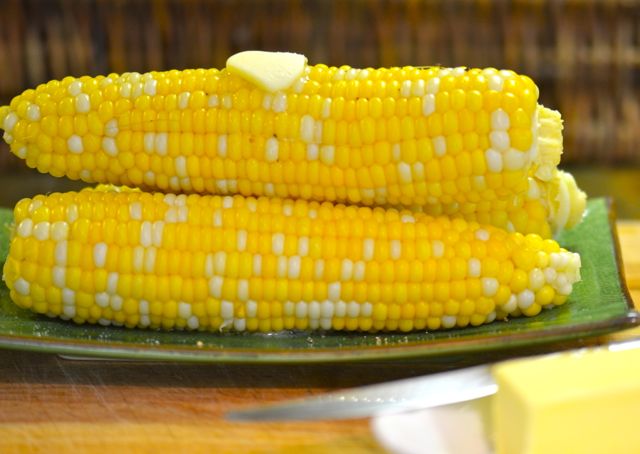
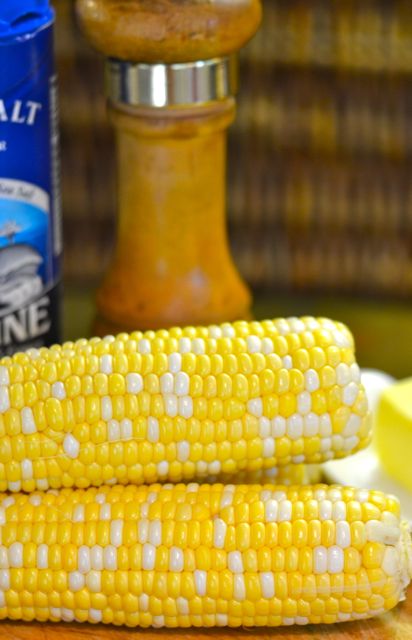
    Corn on the cob. So easy we almost feel guilty posting it.

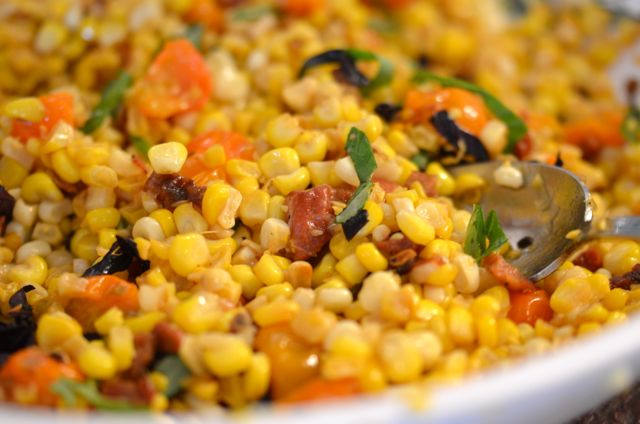
    Summer corn salad.

    When you see this, stop and buy some corn.

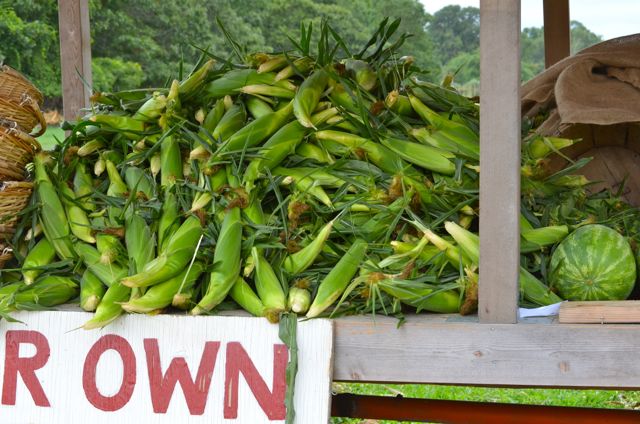
    On the east coast of the US no other food says “summer” quite like fresh corn on the cob. Farm stands selling corn picked that morning are literally everywhere. And it is quite common (at least with our family and friends) to hear people arguing over what stand has the “best” corn. These arguments sound like wine aficionados comparing appellations and vintages- slightly ridiculous, but great, harmless fun. And while all the fresh corn here is good, there are differences between farms. We are lucky to have so many choices.

    The other argument you might hear is where the best corn comes from. Not surprisingly we are fans of eastern Long Island corn. The weather and soil are perfect, the demand is high and the farmers compete to raise the best corn. A good combination. Now, we also enjoy corn from New Jersey and other mid-Atlantic states, but we know of no other area where the farms are just a few minutes away from most of the people. You can literally bring your water to a boil, drive, bike or walk to the farm stand in less than five minutes and then bring the corn back and put it in the pot. And then you are just three minutes from heaven. And we do mean 3 minutes…

    Why 3 minutes? Well, if you have fresh corn, the best way to enjoy it is to eat it off the cob with minimal cooking. Simply boil the water, drop the corn in the water for three minutes. Once cooked, remove the corn from the water, slather with butter, liberally apply salt and pepper and serve. Perfection. The corn will be cooked but still very crisp and sweet. If you must cook the corn longer we suggest that 3 minutes=”rare”, 3.5 minutes= “medium rare”, 4 minutes= “Medium”, etc. But we suggest that anything past medium will rob the corn of its crisp texture. And the corn’s flavor and texture are some of the best nature has to offer.

    3 minutes- Max!

    Continue reading

  • Weekly Cocktail #23: The Daiquiri

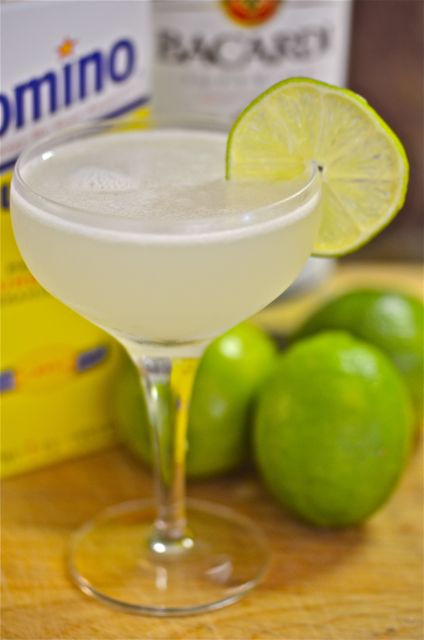
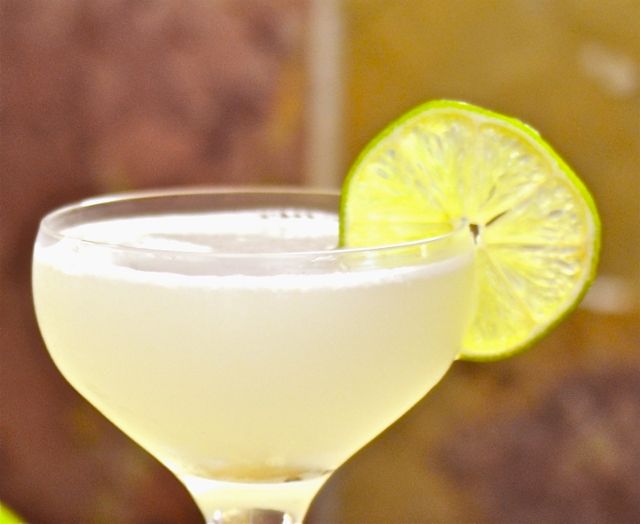
    The Daiquiri.

    If you are at the beach, and we are, there are few better flavor combinations than rum, limes and sugar. A simple trio, but one with many variables, and a canvas for almost endless experimentation. Rum comes in many styles, as does sugar, and it seems that almost all are used in some combination with lime to form an original cocktail. Rhum Agricole, cane syrup and lime gets you a Ti’ Punch. Cachaca, sugar and lime make a Caipirinha. Jamaican rum, lime and sugar (and sometimes bitters) forms a Planters Punch. And on it goes…

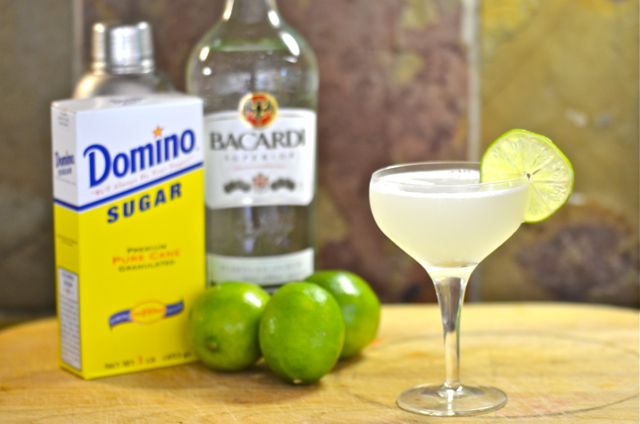
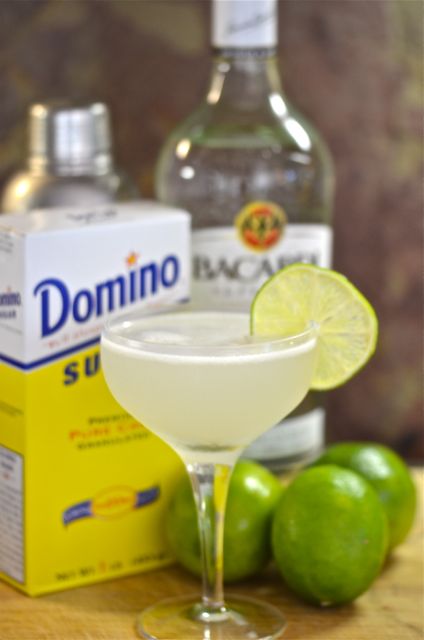
    Rum, lime sugar. Simple, but good.

    And if you start with white rum, add lime juice and a touch of simple syrup, you get the Daiquiri. The Daiquiri is probably the most famous of the rum/lime/sugar drinks, and perhaps rightfully so. While many will develop tastes that lean towards the funk of Cachaca or the richness of Jamaican rum, everyone must start somewhere- and the Daiquiri is a very good intro to this class of cocktails. Tasty, refreshing and simple to make, the Daiquiri is a perfect summer sip and an easy way to produce some smiles. Don’t take it from us, the Daiquiri was a favorite of both Hemingway and JFK. They knew how to party have a good time.

    As for the history of the Daiquiri, it is better documented than most cocktails. The Daiquiri is named after a beach in Cuba and was invented by Americans there after the Spanish-American war. The Daiquiri remained somewhat of a regional specialty until the late 1930’s, when it gained popularity in the states. The 1940’s brought more popularity for the Daiquiri, as rum was more available than many other spirits during the Second World War. And after the war the Daiquiri remained a cocktail staple.  (Note: There is a good recurring joke in the 1958 movie “Auntie Mame” about Daiquiris improperly made from honey. Lots of booze and bad judgement in that movie, if you like cocktails and parties it is worth renting 😉 .

    While the history of the Daiquiri is relatively well-known, there are some questions on how the make one. You would think it’s simple; white rum (Bacardi is a fine), lime juice and simple syrup (no honey, please), but the proportions are a challenge. Most recipes call for at least 2 oz. white rum, 1/2 – 3/4 oz. fresh lime juice and just a few dashes of simple syrup. While that may work for many, some (most?) will find the drink too sour. We suggest you play around until you find proportions you like. If you make your simple syrup in large batches, you will have plenty to experiment with. Our base recipe is 2 oz. white rum, 3/4 oz. lime juice and 1/2 oz. simple syrup (1:1 sugar to water), a bit sweeter than the traditional recipes, but the lime still leads the drink.

    And if you like the basic Daiquiri, there is plenty of room to experiment and expand. Different rums, liqueurs and sweeteners all make for easy variants of the Daiquiri, and many are very, very tasty. The Hemingway Daiquiri is also a very good cocktail (IMHO). So if you want an into to rum/lime/sugar drinks, or just a good summer sip, the Daiquiri is a great place to start.

    The Daiquiri:

    Note: To make simple syrup, combine 1 cup white sugar with 1 cup water and bring to a boil until sugar dissolves. Chill and store in the fridge. If you add 1/2 oz. of vodka to the syrup (off the stove) it will keep longer.

    Ingredients:

    • 2 oz. white rum
    • 3/4 oz. fresh lime juice
    • 1/2 oz. simple syrup (1:1 sugar to water)
    • Lime wheel, for garnish (optional)

    Assemble:

    1. Combine all the ingredients in a cocktail shaker with ice. Shake thoroughly and strain into a chilled cocktail glass or coupe’. Garnish with lime wheel, if you like. Serve.
  • Steamed Littleneck Clams: Summer In A Shell

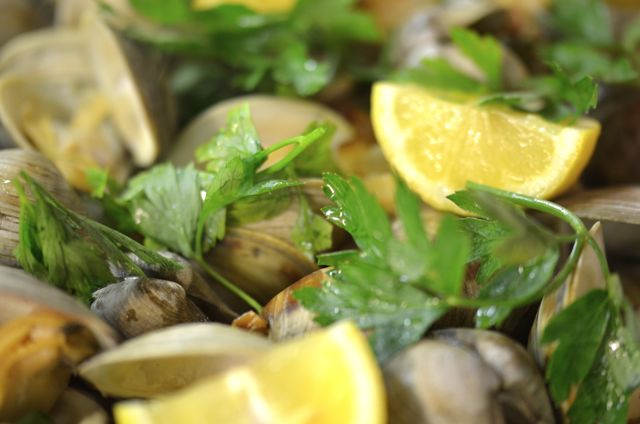
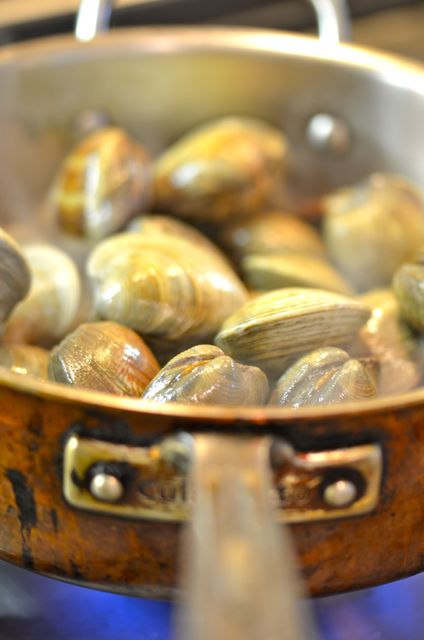
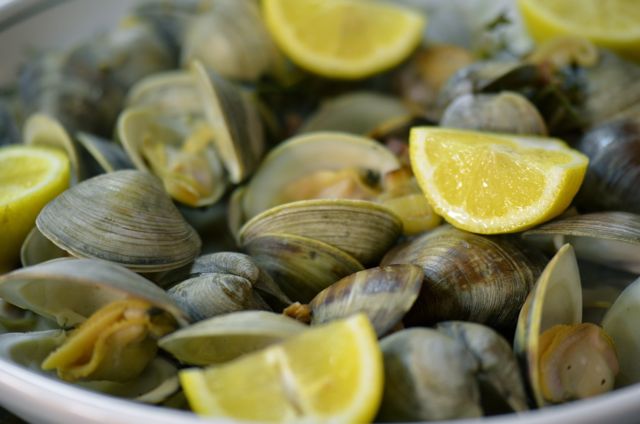
    Steamed littleneck clams.

    We will cook many recipes during our time at the beach, but this dish will be served at most of our meals. Appetizer, starter, main dish- no matter, just good stuff. Littleneck clams, with a touch of cured pork, onion, herbs, bacon and wine might be the most tasty, and easy, summer dish we make. And if you have good hardshell clams, you need to make this dish, just invite some friends.

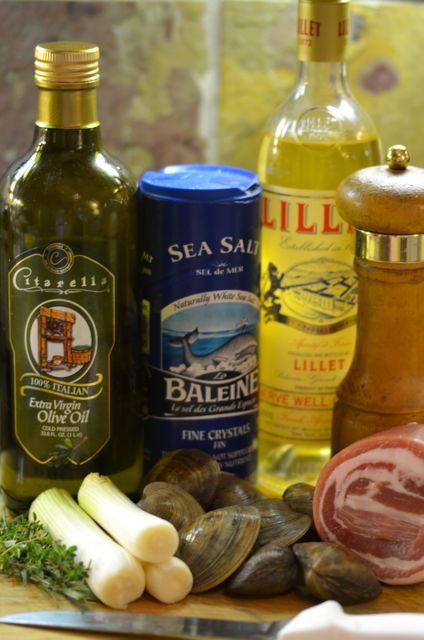
    Just a few ingredients.

    The key to this dish, like many seasonal recipes is what you don’t add, rather than any extra ingredients or technique. It is very, very simple- and sometimes (most of the time?) simple is good. Brown some tasty cured pork (bacon, pancetta, chorizo if you like spicy, etc.) then add some sweet onion and herbs, add some seasoning to taste and soften the onion. It will smell good. Then add some wine, bring to a boil and add the clams and cover the pot. Shake the pot every few minutes. It will smell even better. You will find yourself popular. Steam the clams until they open (or if uneven size, remove the clams from the pot as they open). Remove from the pot, garnish with lemon and parsley and serve. The whole thing will take 10-15 minutes.

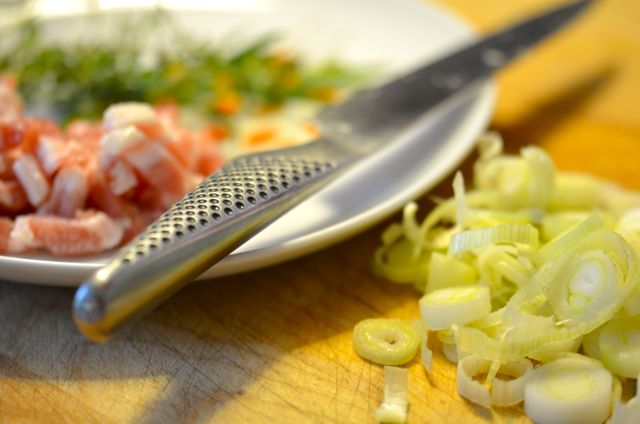
    Chop your bacon and onions.

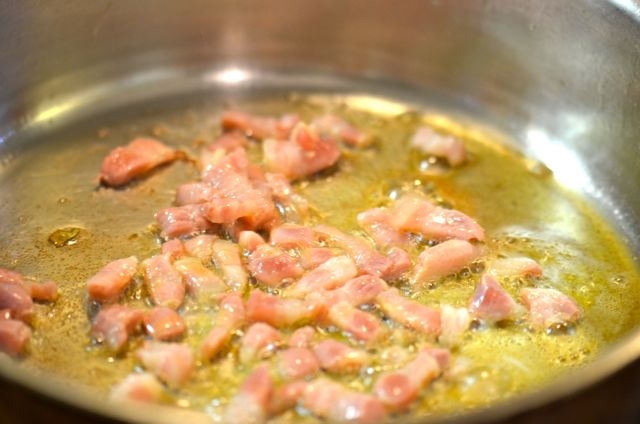
    Brown your bacon.

    It may almost seem like cop-out to say this is a world-class dish, but it is. There are only so many fresh clams in the world. A good cook lets them shine.  You may want to add some cherry tomatoes, breadcrumbs, or red-pepper flake, but go easy. The clams do the work for you. Briny and meaty, but tender (if you pull them from the heat when they open) the clams are a treat. And they even give you a tasty broth for bread-dipping. Nice.

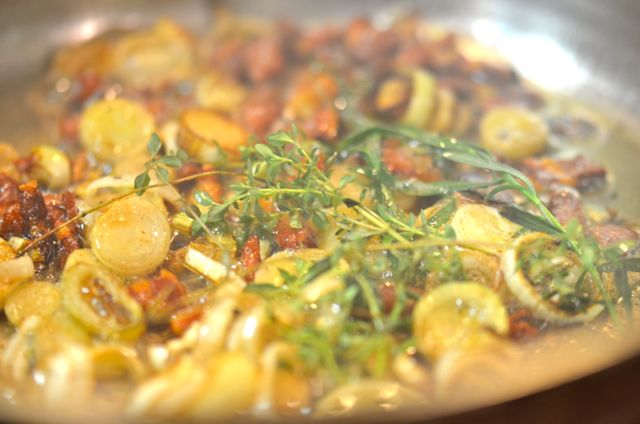
    Add onions and herbs. Soften the onion.

    Add wine and clams. Steam the clams.

    When the clams open, they are done.

    We use littlenecks because they are small enough to cook quickly and are more tender than larger cherrystones and chowder clams. We serve 4-6 clams per person as a starter and 8-12 per person as a main course. Everything cooks in one pot (and you can even serve from the pot, if you like) so this is a great dish when entertaining. So if you have access to some good clams, try this dish out and be ready to make a few new friends…

    Steamed Littleneck Clams:

    Notes Before You Start:

    • Make sure to use fresh clams and get them from a trusted source. All clams have tags that show when and where they were harvested, if you have any doubts ask to see the tag.
    • Clams open when they are cooked. Remove them from the pot when they open to get tender clams. It is just a bit of extra work.

    What You Get: An easy, but incredibly tasty seafood dish that works at almost any meal (except breakfast, I guess).

    What You Need: No special equipment required.

    How Long? 15-20 minutes. Anytime dish.

    Ingredients:

    (serves 4 as a starter)

    • 2 dozen littleneck clams, rinsed of sand or dirt
    • 2 tablespoons olive oil (or butter, if you prefer)
    • 2-3 slices of bacon, cut into lardons
    • 1/2 cup chopped sweet onion
    • 2 tablespoons of chopped fresh herbs like thyme or tarragon
    • 1/2 cup dry white wine
    • Salt and pepper
    • 1 lemon, cut into wedges, for garnish
    • 6-8 sprigs Italian parsley, form garnish

    Assemble:

    1. Rinse the clams. Chop the onion and herbs. Slice the bacon into lardons.
    2. Heat a large pot over medium-high heat. Add olive oil and then add the bacon. Brown the bacon until crisp, about 2-3 minutes. Add the onion, herbs and a touch salt and pepper. Cook until the onion is soft, another 2-3 minutes.
    3. Add the wine and allow it to come to a boil, then add the clams. Stir the clams in the wine and then cover. Steam the clams until they open, about 8-10 minutes. If some clams open early, remove them from the pot and place them in a separate bowl. Taste broth and season, as needed. Discard any clams that don’t open.
    4. When clams are done, pour clams and broth to a serving bowl. Garnish with lemon wedges and parsley. Serve with crust bread, if you like.
  • The Farm At The Beach

    Breathe. Relax. Read a book.

    Well, we are back. Or at least settled. We are now at our “home-away-from-home” on the east end of Long Island. One of our favorite places in the world. I guess you can call it a “home” because we have plenty of friends and family here, and we pretty much know where everything is. That may seem simplistic, but part of being comfortable is familiarity. We cooked in three different kitchens in the last thee days but pretty much knew where everything was. Other people’s kitchens are a tough place to cook, but we know our way around. We can get back to business. But before we cooked, the first business was meeting the two newest members of our extended family. Beautiful babies and happy, if somewhat tired, parents. We can almost field a football team with all the cousins- which is very, very cool. We are so blessed and lucky, and the babies give us a reminder of just how good life is. And they are cute, too.

    Radishes are in season here, and very tasty.

    And we did get back to cooking. In many of our posts, we mention that certain dishes and drinks are good for a crowd. Well, we put a few to the test already. Most meals over the weekend fed groups of 15-20. So far, so good- but we do have a few notes and revisions. And, happily, mostly to the good. As for the actual food, we tend to have simply prepared fish and shellfish as our main courses. Seared ahi tuna, roasted striped bass, sea scallops and steamed clams made it to the table over the weekend, and will be part of almost every dinner this week. Most were caught within the last day or so. The fish is so fresh you don’t need to do much (just don’t screw them up), so we focused on sides that highlight the seafood or feature the local produce.

    The coconut rice goes well with the local fish. A big hit- we will make this throughout the trip.

    Firstly, we had fresh local radishes and served them with butter and salt. Always easy, always good. (My Dad also makes kick-ass guacamole every day, but that is another post). The biggest hit so far is the coconut rice. The rice went very well with the seared, rare ahi tuna (steaks almost 2 inches thick and sooo good). Served with a dash of soy and some cilantro chutney (working on that recipe), it was a perfect fit. A table of 16 were all very happy. One note here, we made the coconut rice with “Light” coconut milk, as the store was out of regular coconut milk. If anything, the light coconut milk gave the dish plenty of flavor, but perhaps a slightly lighter texture. Good to know that we can make a lower-calorie version of the original.

    We added fresh corn kernels to the Red Cat zucchini- it was great.

    Another surprise was how well the coconut rice went with the Red Cat zucchini. The dish comes from here, so everyone enjoyed it (the zucchini was right from the CSA), but as the dish is more Mediterranean, we are surprised how well the flavors meshed. Another note here- we added some fresh corn kernels to the zucchini and they added lovely texture and sweetness. If you have corn, give this a try. The next day we took the leftover coconut rice and combined it with the zucchini and corn. It made a delightful cold summer salad.

    As for the cocktails, we made fresh Tommy’s-style margaritas every day (2 oz. blanco tequila, 1 oz. gave nectar, 1 oz. lime juice). But the big hit was the Lani Honi. As predicted, everyone thought of it as a lemony summer punch with a little extra depth. We served a pitcher alongside the margaritas and the Lani Honi held its own. We had requests for more the next day. Very good.

    As expected, a perfect drink to make for a crowd.

    Lastly we made a punch-sized batch of the Nouvelle Fleur. The drink was a success, but did need some tweaking. In the original recipe we used ruby-red grapefruit and the flavors meshed very well. Out here, we used white grapefruit and the drink was way too sour. Happily, a little extra St. Germain and some agave nectar did the trick and the Nouvelle Fleur was a success, particularly with grapefruit fans. But a quick reminder that it pays to taste your drinks and adjust as necessary.

    A great punch, but we needed to adjust for more sour white greapefruit.

    Today we are off to the CSA garden and then looking for corn and stone fruits. And just wait until we start talking about the pies…oh my. We have new photos and recipes coming all week! It’s good to be back.