• Simple Garden Recipes: Apricot Shrub (And a Bonus Cocktail)

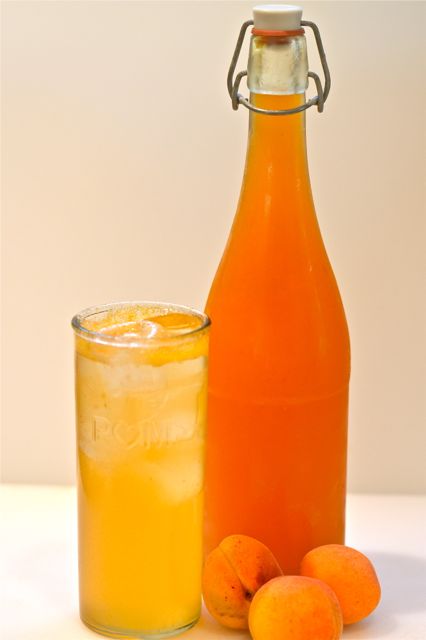
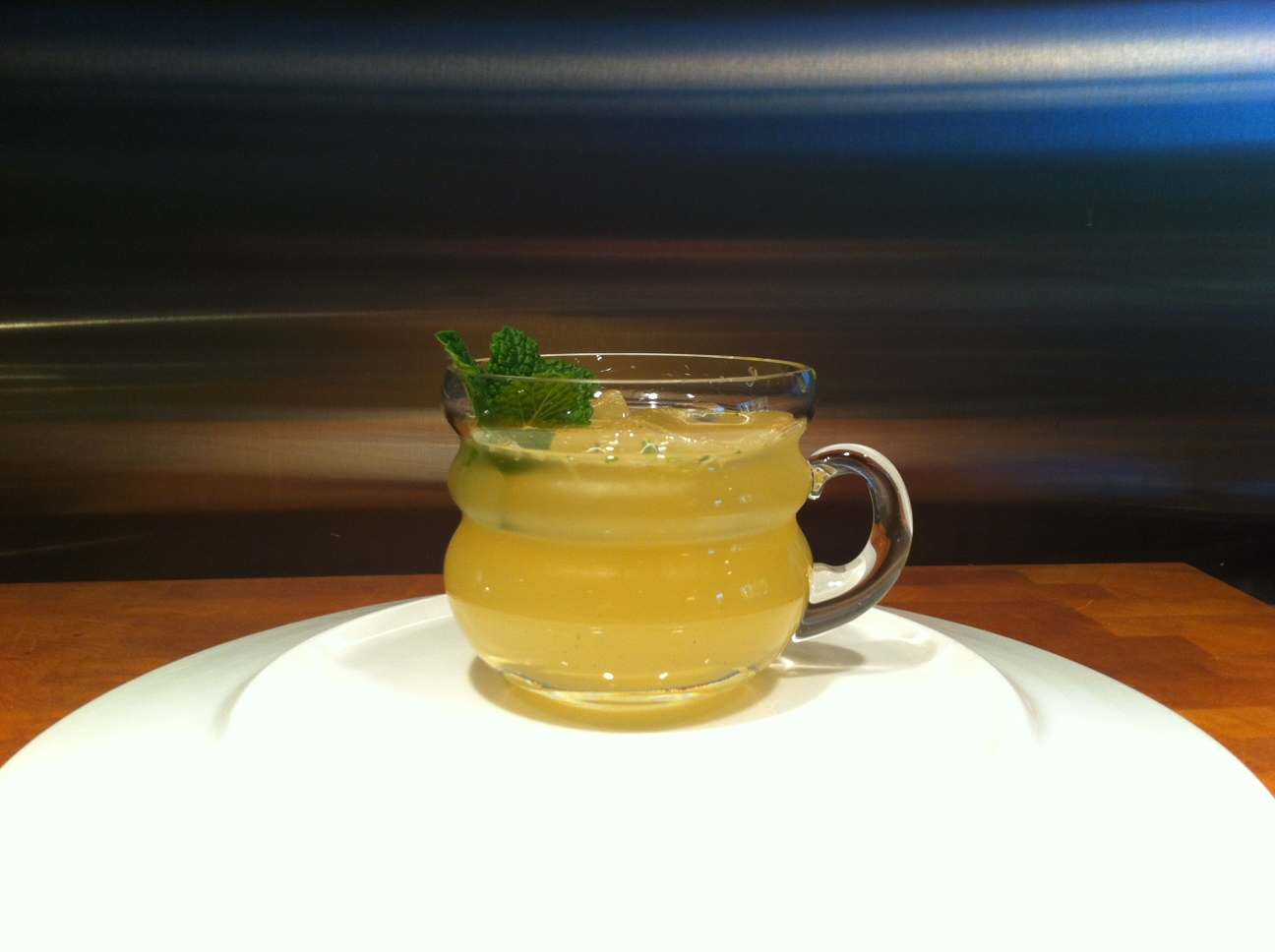
    Apricot shrub and apricot shrub soda.

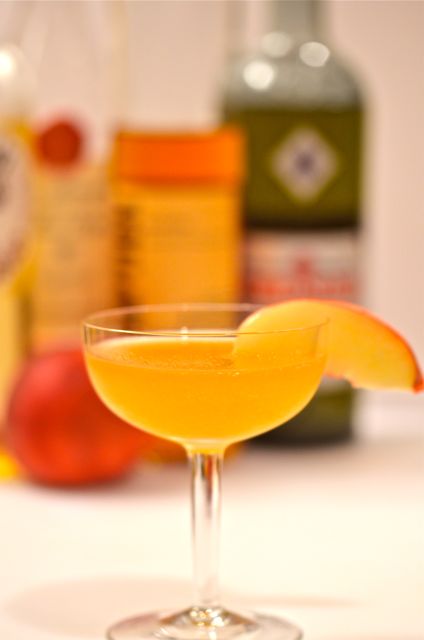
    Last Apricot On Earth Cocktail using apricot shrub.

    Let’s get right to it, a fruit shrub is basically an equal mixture of fresh fruit, sugar and vinegar. Yes vinegar. But shrubs are better than you might think (actually quite tasty) and were a very popular way to preserve fruit in the days before refrigeration. And rather than tasting of vinegar, shrubs are sweet and very tangy. The vinegar acts as a flavor enhancer, somewhat like salt on savory foods- you don’t  know it’s there, but everything tastes better. A cool trick, and one that works with most summer fruits. And if you like cocktails or home-made soda, you should know about shrubs. But first a little “back story”…

    Blenheim apricots. Yum.

    Last week Carolyn and I traveled to wine country and then, ironically, started drinking cocktails. Happily both Napa and Sonoma have a number of restaurants and bars that feature world-class drinks, as well as excellent wine lists. One of the best places we visited was Bar Terra, an extension of the very well-regarded Terra in St. Helena. Bar Terra features a less formal and more “bar-driven” menu of smaller plates, wine and hand-crafted cocktails in a very welcoming atmosphere. The food and service were very good, but we did go for the drinks, and Bar Terra did not disappoint.

    The best cocktail we had at Bar Terra (and our entire trip) was a creation that is a riff on the Last Word, that just happens to have apricot shrub. If you are unfamiliar with the Last Word it is a roughly equal combination of gin, lime juice, maraschino liqueur and green Chartreuse. It sounds like a train wreck, but the Last Word is real alchemy, all the flavors blend into a well-balanced, refreshing cocktail. And the recipe invites mixologist to play around. We often ask good bartenders to make a Last Word variant, and the team at Bar Terra struck gold. Their version of the Last Word included dry gin, apricot shrub, maraschino liqueur and yellow Chartreuse (and maybe a touch of lemon juice). The drink was an absolute winner with the apricot shrub supplying both sweetness and tang, the gin and Chartreuse herbal notes and the maraschino liqueur some nutty flavors. And if you didn’t know a shrub has vinegar, you would never place the flavor, you would just notice a lovely, palate-pleasing “zing”. You can’t wait for another sip. We didn’t get a name for the cocktail, but we have an adapted recipe below, and in honor of Bar Terra we will call it the Last Apricot On Earth.

    Rinse your apricots.

    Pit and quarter the apricots.

    We’ve known about fruit shrubs for some time, as they are popular in cocktail circles, but the cocktail at Bar Terra finally motivated us to make shrubs at home. And as we are near the end of apricot season, and there are Blenheim apricots available, we chose to make a “cold shrub” of the apricots before they were gone. Making the shrub is very easy. Simply mash and then macerate equal parts fruit and sugar, let a syrup form for a few days in the fridge and then strain and add an equal part of cider vinegar and mix. You can try the shrub immediately and it will be tasty, but it will “mature” and the flavors develop more with a few days / weeks. And it is not a vinegar, more like a preserved syrup. If you want a full breakdown on fruit shrubs Michael Dietsch of Serious Eats has a good article here.

    Macerate fruit with sugar in fridge for 12-48 hours. 48 hours is better.

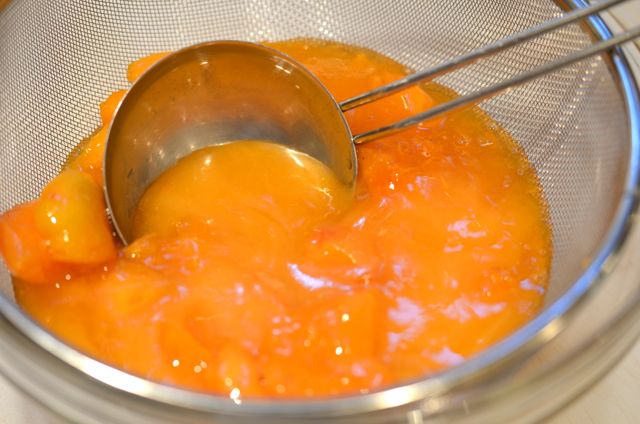
    Strain fruit syrup and add the vinegar.

    Continue reading

  • Bonus Cocktail: The Orchard Moonraker

    The Orchard Moonraker cocktail.

    Last week Carolyn and I had a few days in San Francisco and the wine country, and of course that means we enjoyed some great food and cocktails. Ironically, the wine country is filled with signs promoting cocktails along with wine- and we think this is a great thing. Wine country is also farm country and there are all sorts of tasty fruits and vegetables that can make their way in to cocktail menus- and they are, often with tremendous success. Meanwhile, San Francisco continues to be a hotbed for great food and cocktails. If you like to eat and drink, San Francisco is a very easy place to like.

    And our inspiration for this week’s drink, the Orchard Moonraker comes from a visit to Bar Agricole, one of the best bars (and restaurants) in San Francisco. Bar Agricole is well-known for its cocktail program and a mix of both classic and creative drinks. The interior is modern and clean, the spirits top quality, the glassware beautiful and the bartenders knowledgeable. Altogether, an excellent place for a cocktail, and a great place to discover new flavors. In this case Bar Agricole featured their take on a classic cocktail, the Moonraker, which comes all the way from the Savoy Cocktail Book of the 1930’s.

    The original recipe for the Moonraker is equal parts brandy, peach brandy, quinquina (Lillet blanc or Cocchi Americano) and a few dashes of Absinthe. We tried it this way with Armagnac and Rothman and Winter’s Peach liqueur- and it is a good drink. Bar Agricole’s adaptation was brandy, Leopold Brothers Peach Whiskey, Cocchi and a few dashes of Absinthe. This was even better. The brandy and peach whiskey feature floral and sweet peach flavors, while the Cocchi adds herbal and bitter notes and the Absinthe cleans the palate. A bit unusual, but a very tasty drink. If you like Manhattans or Sazeracs, you may really enjoy the Moonraker. We certainly liked it.

    But as we are gardeners, and we have fresh peaches from the farmers market (ours are about a 10 days out- we are very excited), we adapted the Moonraker one more time to include fresh peaches and more common ingredients. Our version includes brandy, rye (you can use bourbon), muddled peaches, Cocchi and Absinthe. And if your peaches are not particularly sweet, a touch of sugar may help. The Orchard Moonraker, features overt floral and peach flavors and is a bit less sweet (peach liqueur is very sweet) with a touch of spice and depth from the rye and brandy. We use a little less Cocchi (you can substitute Lillet). The other notable difference is that the drink is cloudy from the muddled peaches. But overall, a tasty cocktail and fun way to enjoy peaches in season.

    Orchard Moonraker cocktail and ingredients.

    As for the name, it has nothing to do with the James Bond movie- the recipe has been around a lot longer. But a bit of internet research doesn’t give much more connection to the cocktail. A Moonraker is the name of a small, uppermost sail on some old ships, but is also a knick-name for some old-time British smugglers. Neither seem to have any real connection to the drink, and if they did it’s lost in time. But “Moonraker” sounds good, and the cocktail tastes good. So we will just have to drink it.

    The Orchard Moonraker: (Moonraker recipe below)

    Ingredients:

    • 1 oz. brandy
    • 1 oz. rye (or bourbon, in a pinch)
    • 1/4 ripe sweet peach, in slices (we like the skins on for extra flavor, but skin the peaches if you like)
    • 1/2 oz. Cocchi Americano or Lillet Blanc
    • 2 dashes Absinthe
    • A few dashes of simple syrup if the peaches are tart.
    • Peach slice, for garnish.

    Assemble:

    1. Add the peach slices to a cocktail shaker and muddle thoroughly.
    2. Add the brandy, rye, Cocchi, Absinthe and ice. Shake well to combine. Taste for sweetness and add a bit of simple syrup, if needed.
    3. Double strain (the peach pulp can be thick) into a chilled cocktail glass or coupe. Garnish with peach slice and serve.

    Continue reading

  • Weekly Cocktail #3: The Whiskey Smash

    I got a bottle of rye whiskey this week. It is trendy to drink rye these days, but I like the taste of rye quite a bit. To me, it is less-sweet bourbon with some spicy flavor. Rye has familiar flavors, but is different enough to justify seeking out for specific cocktails. I certainly understand why Manhattan fans prefer a good rye to bourbon.

    But I am not a Manhattan lover (sorry, too sweet for me), so I experimented with rye cocktails this week. We have lemons and mint in the garden, and I stumbled on the Whiskey Smash, which uses both. It turns out that in the first half of the 20th century the Whiskey Smash was a very, very popular drink. Think “Cosmo popular”. Then it wasn’t. Rye went out of style and the Smash went with it. But Rye is back, and the Whiskey Smash deserves a comeback as well. Then, if there is any karma in the world, maybe the Cosmo will go away, along with the Appletini. One can only hope. Continue reading

  • When life (and winter) gives you lemons…

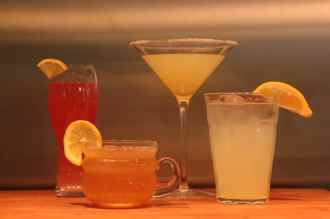
    L to R: Meyer 75, California Artillery Punch, Meyer Lemondrop, Meyer Lemonade

    Lets face it, if you like seasonal food winter can really suck. We like kale and parsnips as much as the next guy, but they get old pretty quick. By the time February rolls around, we have already made numerous roasts, soups, stews and bean dishes, awesome food, but still very “wintery”. At this point in winter we often crave some brighter flavors.

    Happily, we do get citrus in the winter and in California that often means Meyer lemons. Meyers are thought to be a hybrid of lemons and oranges or mandarins. Meyers tend to be sweeter and less acidic than the standard supermarket Eureka lemon. It is this sweetness and low acidity that makes Meyer lemons a great lead element in lemonade and cocktails (nothing brightens winter like a cocktail;-). While the Meyer is still very much a lemon, the softer flavors are often more full and “citrusy” than simply sour. This can make for more accessible and inviting lemon-based drinks. So if you (or a friend) think lemon-based drinks are too sour, try it with Meyer lemons and you may be pleasantly surprised.

    Like many Californians, we have our own Meyer lemon trees and they are very productive. Like all seasonal ingredients, this means when you get something you often get a lot at once.  The Meyer lemons will ripen over a few months in winter but every week or so we pick a batch. Meyers are also easy to find at farmers markets and many gourmet groceries at this time of year.

    So what to do with a dozen Meyer lemons? We make Meyer lemon syrup as a base for lemonade and cocktails.  This syrup is easy to make and has deeper flavor from the oils in the zest. There is no water in this syrup, just lemon juice, lemon peels and sugar. We will start with the Meyer lemon syrup and then move to a few drink recipes:

    Meyer Lemon Syrup:

    What you get: An easy and flavorful lemon-based syrup for lemonade and cocktails (sours, punches, collins, etc.). The extra muddling step extracts oils from the lemon zest for a much richer, fuller flavor. It is worth the time. This syrup features Meyer lemons, but all lemon varieties can be used.

    What you need: Special tools can include a juicer or lemon reamer. These are not required but will get you more juice in less time. A good peeler will help get the zest without too much pith, but a sharp knife (and practice) will also work.

    How long? Peeling and juicing will take 5-10 minutes. 1 hour of inactive time. The syrup will keep for a week, covered, in the fridge.

    Notes before you start:

    –       You are aiming for 16 oz. of juice. Usually this is 8-10 medium Meyer lemons, adjust the amount of lemons by the size. If you come up short on juice- simply match the volume of sugar to the volume of juice.

    –       If you don’t have superfine sugar, process a pound of regular sugar in the food processor for 60 seconds- presto, superfine sugar. Without superfine sugar, the sugar will not dissolve in the juice. If you can’t get superfine sugar, you can heat the mixture at low heat in a saucepan to dissolve.

    –       When juicing the lemons (or any citrus) with a juicer or reamer do not overdo it and press too hard on the fruit- you will start grinding bitter pith into the juice. This may seem a bit obsessive, but it makes a big difference in flavor. Take it easy.

    Ingredients:

    (makes 24-32 oz. of syrup)

    –       8-10 Meyer lemons (16 oz. juice), peeled with as little white pith as possible.

    –       1 Pound of superfine sugar

    Assemble:

    1. Place the sugar and lemon peels in a large bowl. Muddle with a muddler or heavy spoon to extract oils from the peels. Let sit for an hour and muddle again.
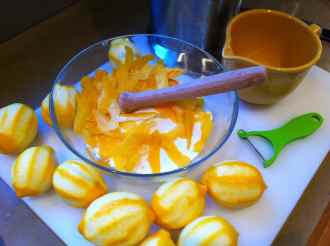
    2. Juice or squeeze 16 oz. of lemon juice.
    3. Add lemon juice to sugar mixture. Stir and then let sit as sugar dissolves. Once dissolved, strain out peels.  You now have Meyer lemon syrup

    Once you have the Meyer-lemon syrup you can easily make some great drinks. Let’s start with lemonade, either sparking or still:

    —-

    Meyer Lemonade:
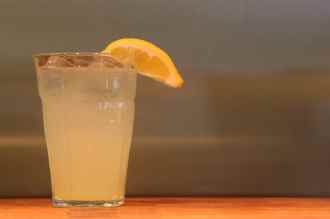
    What you get: Ass-kicking lemonade with fuller flavor due to the oils from the zest that end up in the syrup. Cooks Illustrated has a similar approach to their “best” lemonade recipe. This lemonade does not disappoint.

    What you need:  No special tools required.

    How long?: If you have made the lemon syrup, 1-2 minutes. You can build a single drink or a pitcher in the same timeframe.

    Ingredients:

    (use this basic ratio for any amount)

    –       1 Part Meyer lemon syrup

    –       3 Parts still or sparkling water

    Assemble:

    1. Mix lemon syrup and water. Stir. Adjust for sweetness if you like.
    2. Add ice. Think summer. Give this to your kids for extra smiles.

    ——

    As for cocktails, you now basically have an awesome sour mix that can be used in sours and collins drinks. But here, we will offer a few cocktails and a punch using Meyer lemons instead of Eurekas. The cocktails are a Meyer 75, based on the French 75 and a Meyer Lemondrop. The punch is California Artillery Punch, adapted from Chatham Artillery Punch.

    Meyer 75 Cocktail:
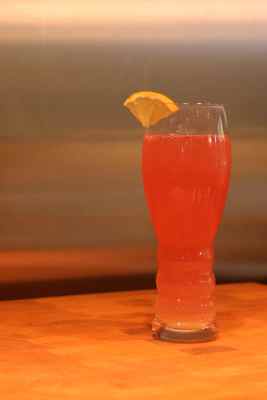
    The Meyer 75 is an adaptation of the French 75 (it is a “75” if you use gin, a “76” if you use vodka). The sweeter Meyer lemon juice plays really well with the gin and the tartness of the Champagne.

    What you get: A slightly strong but refreshing cocktail with a full range of flavors and elegant presentation. Easy to assemble.

    What you need: Meyer lemon syrup (see above). No special tools. Champagne flutes are a nice presentation option.

    How long? If you have made the lemon syrup, this is a fast drink to make and a great way to impress guests with minimal effort. Assume 1-2 minutes to make the cocktail. If serving a large group, simply multiply the gin and lemon syrup mixture, pour into multiple flutes and then top each flute with champagne.

    Ingredients:

    (makes 1 drink)

    –       1.5 Oz Meyer lemon syrup

    –       1.5 Oz gin

    –       3 Oz Champagne or sparking wine (try brut rose’ for a new color, if you like)

    –       Lemon peel for garnish

    –       Ice cubes

    Assemble:

    1. Combine lemon syrup, gin and ice in a cocktail shaker or tall glass and shake/stir until very cold. Strain mixture into a champagne flute.
    2. Slowly top flute with the champagne. Garnish with lemon peel. Serve immediately.

    ——-

    Meyer Lemondrop:
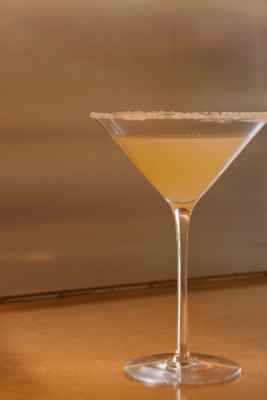
    What you get: An attractive, very lemon-forward cocktail that is a good substitute for a Cosmo.

    What you need: Meyer lemon syrup (see above). No special tools. Martini glass is traditional

    How long? This is a another fast drink that will impress guests. Assume 1-2 minutes to make the cocktail.

    Ingredients:

    (makes 1 drink)

    –       2 Oz Meyer lemon syrup

    –       2 Oz vodka

    –       Ice cubes

    –       A few tablespoons of superfine sugar

    –       Lemon wedge for rim of glass

    –       Lemon peel for garnish

    Assemble:

    1. Wet edge of glass with the lemon wedge and dip the rim of the glass into the sugar.
    2. Combine lemon syrup, vodka and ice in a cocktail shaker or tall glass and shake/stir until very cold. Strain mixture into glass
    3. Garnish with lemon peel, if you like. Serve immediately.

    ——

    California Artillery Punch:
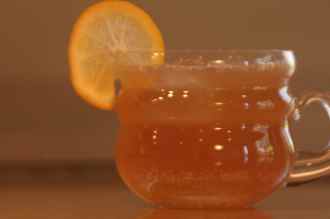
    (Adapted from David Wondrich)

    This is a great punch with deep, deep flavors- but it is strong stuff. Think of it as Long Island Iced Tea meets Meyer lemons. These will sneak up on you. This is the punch recipe, but we often make this drink as a cocktail using the same basic proportions- it works very well.

    What you get: Drunk, if not careful. But you will also a great punch with complex flavor from the four different types of booze, fruit and spice.  Despite all the booze, the citrus flavors and nutmeg will shine through. This is a great warm-up drink for holidays and parties.

    What you need: A big bowl. Cups. A ride home.

    How long? If you have made the lemon syrup this is a quick assembly. Ice, pour, mix, serve. 5 Minutes.

    Ingredients:

    (makes 30-60 drinks, depending on the cups you use.)

    –       1 full recipe of Meyer lemon syrup (see recipe above- this will be 24-32 oz. syrup)

    –       750 ml cognac

    –       750 ml rye or bourbon

    –       750 ml dark Jamaican rum

    –       3 Bottles of Champagne or sparkling wine

    –       Nutmeg

    Assemble:

    1. Fill your bowl with ice cubes (make sure you can still fit the punch)
    2. Pour in lemon syrup, cognac, bourbon and rum. Mix well.
    3. Add champagne and (gently) stir.
    4. Grate nutmeg over the top, to taste, and serve.