• Weekly Cocktail #41: The White Negroni

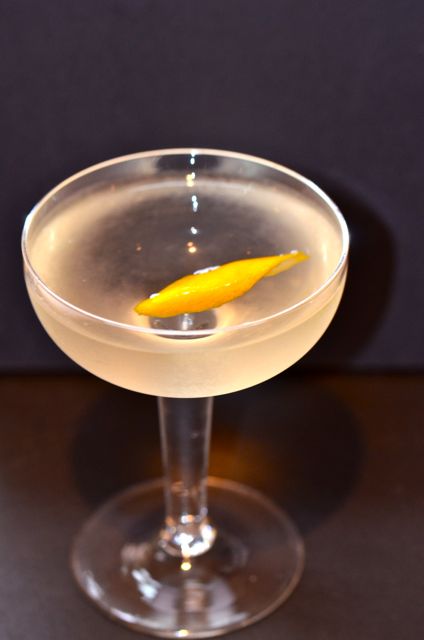
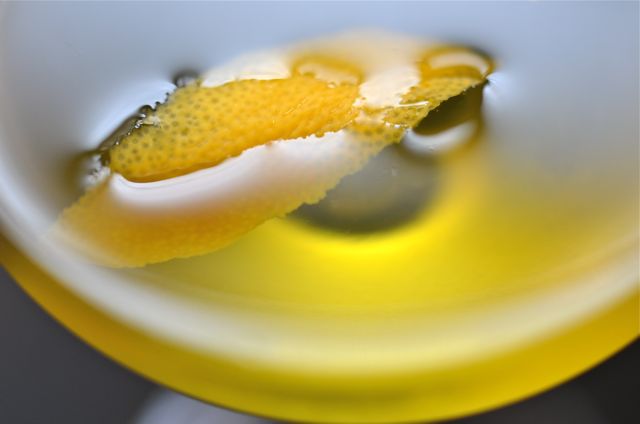
    The White Negroni (the slightly bitter version)

    The White Negroni (the slightly bitter version)

    We have a confession to make. We don’t like the “classic” Negroni cocktail very much. We try to like it, but there is just too much Campari along with the gin and sweet vermouth. Too bitter and too “ashy” for our tastes. And no matter how many times we try it, or how many mixologists, magazines and websites tell us it’s the “cool” drink, it just doesn’t take. But happily, we are parents, and very used to being “uncool”. Our lives will continue on without ever gaining a taste for the Negroni.

    white2white7But we do understand the need for cocktails that include, and even highlight, bitter elements. Right now in cocktail circles (particularly in NYC and San Francisco) bitter flavors are “in”, and it is a somewhat unexplored area of cocktails. But being old enough to see the first microbrewery expansion, and the California wine craze, we can tell you both went into a similar “phase”. Brewers over-hopped everything (sound familiar?) and high-end wine makers and sommeliers started to highlight “green” flavors and acidity (and tried to call it “balance”). We suspect there is a little of “inside-baseball”, “too cool for school-ness” in these trends, and they don’t last (no, they really don’t). But we always keep an open mind and like to try new things. Enter the White Negroni.

    white3

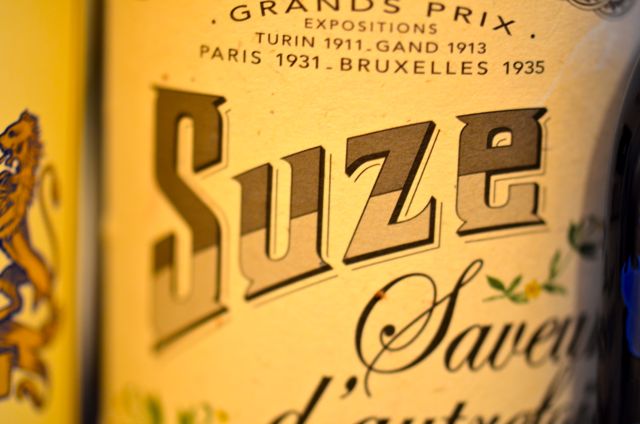
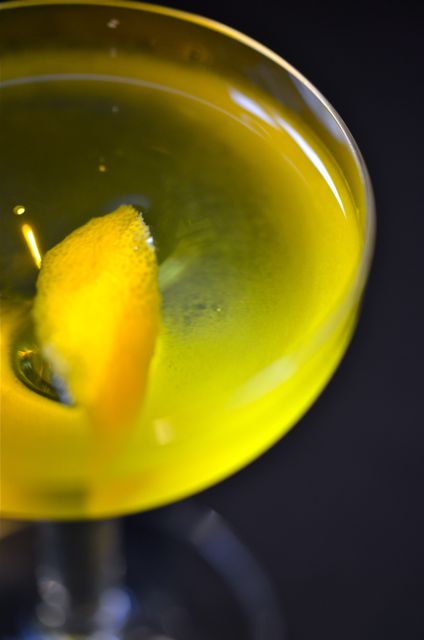
    The bitter version with Suze.

    The bitter version with Suze.

    The White Negroni combines gin, vermouth and/or bitter fortified wine or liqueur. The idea is to have the similar bittersweet flavors of the classic Negroni, but with lighter flavors and colors. And as we like all sorts of gin, dry vermouth and fortified wines, we figured we would have the ingredients to experiment. And we did need a range of ingredients, as there is no single recipe to work from. From the PDT Cocktail Book to Serious Eats to Cocktail Virgin Slut, the recipes abound.

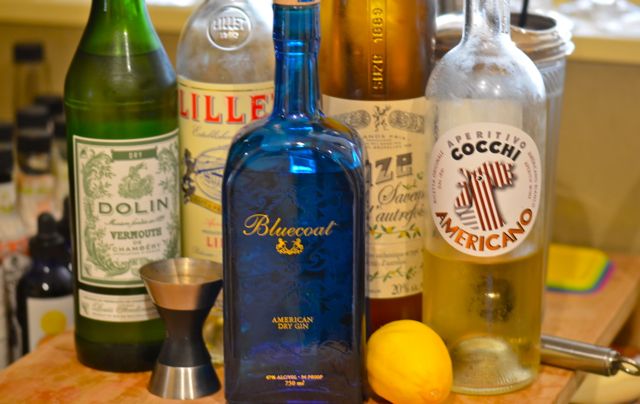
    whiteBut it turns out there are two basic variants of the White Negroni, the slightly bitter and the very bitter. The main difference is in the strength of one flavor, gentian. Gentian is a very bitter root flavor found in many apéritifs and fortified wines. Some, like Cocchi Americano have just a hint of gentian, some like Suze or Salers are “gentian-bombs“. If you like the classic Negroni, make your White Negroni with Suze or Salers. If you are just experimenting with bitter-flavored cocktails, use the Cocchi Americano (good stuff for many cocktails, btw) in your White Negroni.

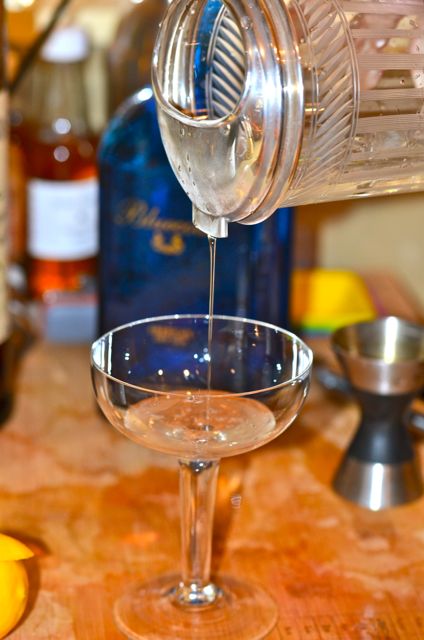
    white4We include a version of both recipes, but there is room to experiment. Usually the very bitter recipe includes dry gin, Suze and Lillet blanc to add some sweetness and counteract the very bitter Suze. The slightly bitter recipe includes dry gin, dry vermouth and Cocchi Americano. The very bitter White Negroni with the Suze has beautiful yellow color and strong flavor, and it is just as bitter as a classic Negroni (not as “ashy’). Not really for us, but we have friends who do like it. If you like bitter drinks, you will be very happy. Have at it. Continue reading

  • A Few Christmas Cocktails

    backword2

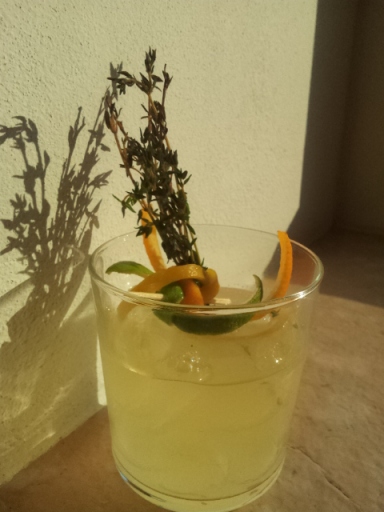
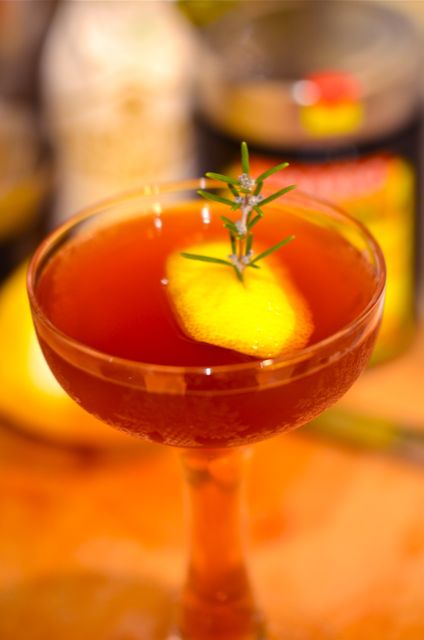
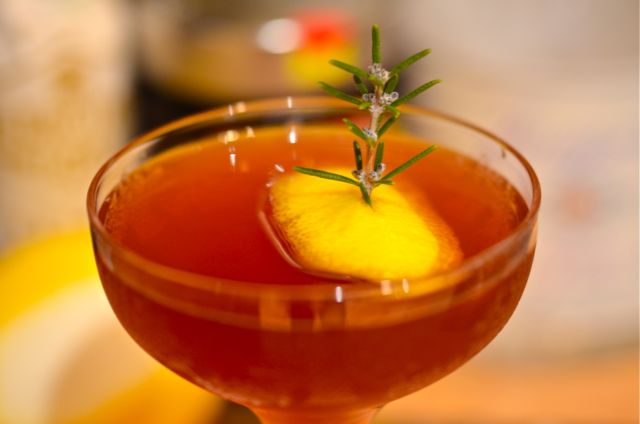
    The Back Word Cocktail. Maybe we can add peppercorn “ornaments” next time.

    The big day is almost here, and in the moments between shopping, gift wrapping, partying, pulling your hair out, decorating and cooking we suggest you take the time to have a well-made cocktail with special family and friends. Taking a few minutes to put on some music, pick the recipe, pull out the glasses and mix the drinks will soothe your soul. And you get a tasty drink and good company out of the deal, a very merry Christmas indeed! (And if Hanukkah is your gig, then please try the Bees Knees.)

    backword4So what to drink? It all depends on your taste. We like gin and it is the holiday season. Gin does taste a bit like a Christmas tree (all that juniper), so we may toss in some winter citrus and mix up a classic like the Aviation or a Pegu Club. We also like champagne and spice, so a Seelbach is an almost perfect holiday cocktail, and a good choice for bourbon fans. If you like rye whiskey and deep flavor, then the Sazerac, with it’s bright red color and strong kick will bring out your inner Rudolph (2 or 3 Sazeracs will make you think you’re Rudolph, but you’re not).  Cold? Try a toddy like the Tammany Jack. If you want a lighter, aperitif-style cocktail then a Calla Lily, Chrysanthemum, or our variant, the Flowers For Sonja would be a good choice. And if you just need a cold, hard dose of booze (and sometimes we do), then a dry Martini will always do the trick.

    martini3But what if you want to experiment? Maybe impress your guests with a secret ingredient? Well, there are plenty of places to look. Fred Yarm’s Cocktail Virgin Slut is one of the leading cocktail blogs with literally hundreds of innovative recipes from the best bars in Boston. He also has a companion book, Drink and Tell. If you get a few good bottles of booze, pick up Drink and Tell and mix away. Other good web references include the Mixology Monday series of themed online cocktails parties, Drinks at Serious Eats, Liquor.com, Saveur and Cocktail Chronicles all have large libraries of new and old cocktails. And CocktailDB has a huge list of classic drinks, just be ready to sort through a lot of recipes!

    dback3Before you start, remember that making cocktails is just like making a good dinner for family and friends, just faster (and slower, if you follow). Look at the booze you have, your fridge and your spice drawer. Maybe you have a few herbs in the garden, or some fresh fruit? Seek out a little inspiration (or a challenge), think of what you and your guests like, and then get going. You will be glad you did.

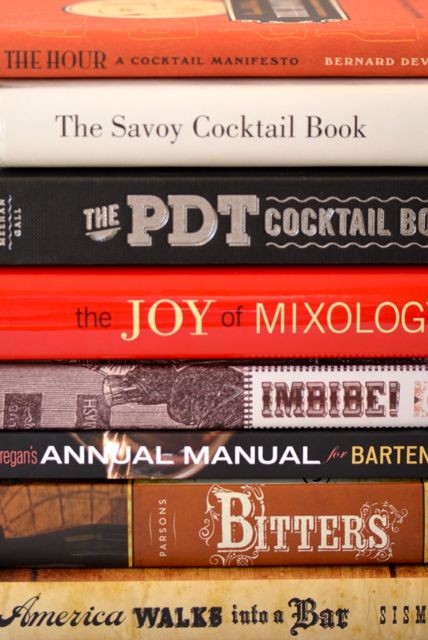
    Required summer reading.

    Required holiday reading.

    And if you need a little help getting started, here are a few of our favorites that encompass the old and the new, the simple and complex. And we have one new recipe, The Back Word, that we think clearly fits the holiday theme. Have fun and Merry Christmas!

    backword5The Back Word:

    (From Drink and Tell and Backbar in Boston)

    Ingredients:

    1. 1 and 1/2 oz. dry gin
    2. 3/4 oz. Yellow Chartreuse
    3. 1/2 oz. Lillet Blanc
    4. 1/4 oz. Luxardo cherry jar syrup (or brandied cherry syrup)
    5. Lemon peel, for garnish
    6. Rosemary, for garnish

    Assemble:

    1. Combine the liquid ingredients with ice in a cocktail glass or shaker. Stir until very cold and strain into a chilled cocktail glass or coupe.
    2. Cut a small slit in the middle of the lemon peel and insert a sprig of rosemary in the peel. Float the peel on the top of the drink and serve. Continue reading
  • Hanukkah Cocktail: The Bees Knees

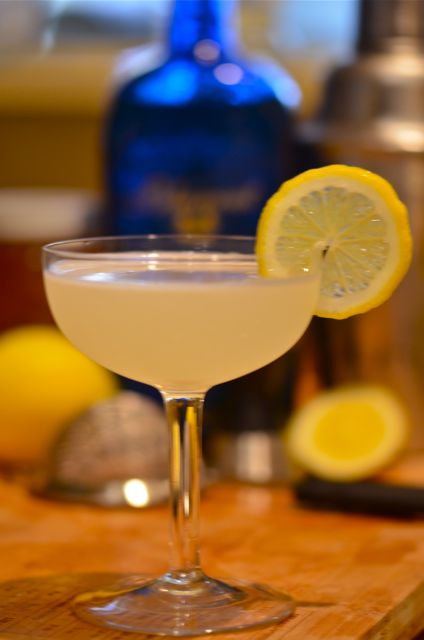
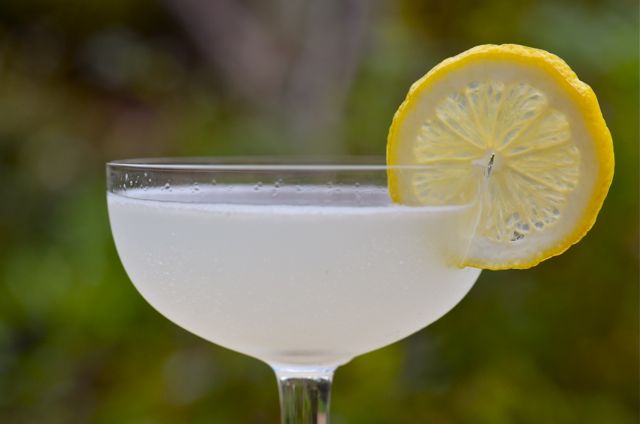
    The Bees Knees.

    The Bees Knees.

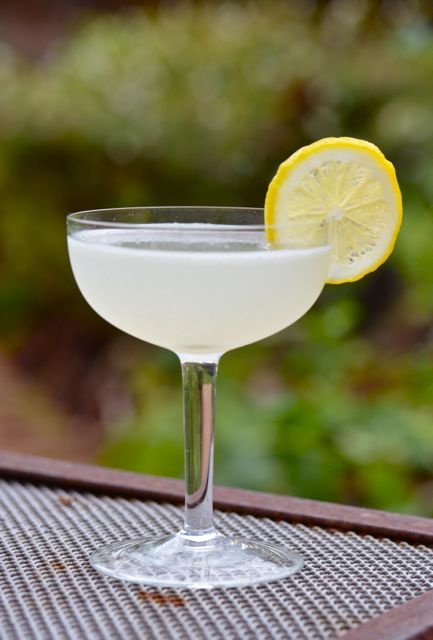
    Since Hanukkah is the “Bees Knees” of holidays (“dude, eight nights of presents, not just one”), we figured it’s time for a celebratory cocktail. And the Bees Knees not only tastes good, you can make a kosher version of the cocktail….really. In all seriousness, we do have some Jewish heritage in the family and we host an annual Hanukkah dinner with homemade latkes, jelly donuts and now, this cocktail. And the Bees Knees does fit the Hanukkah theme.

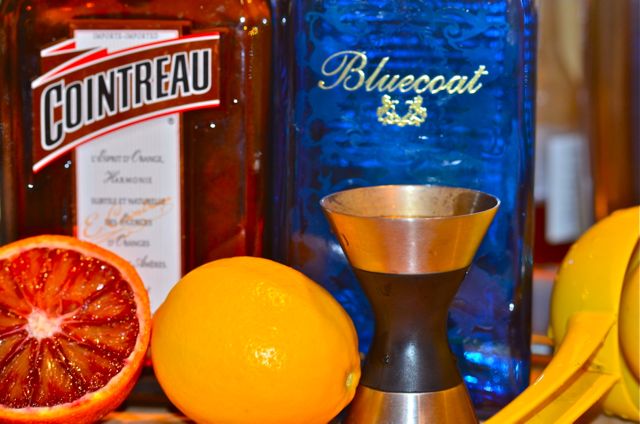
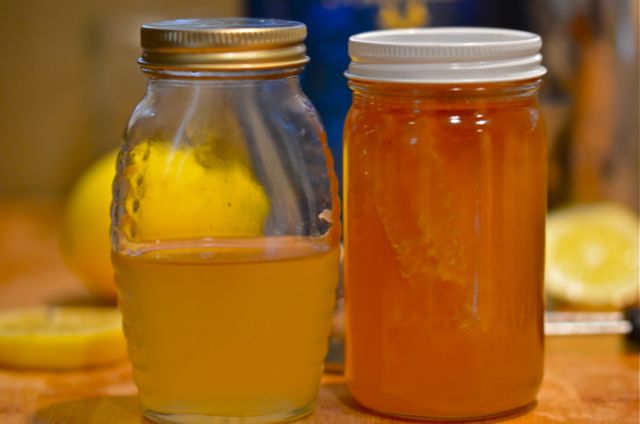
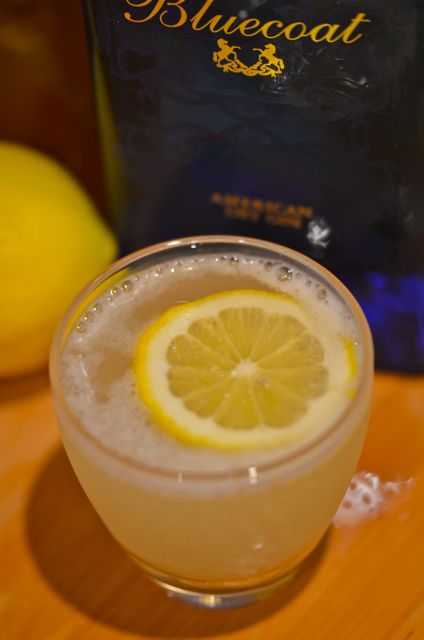
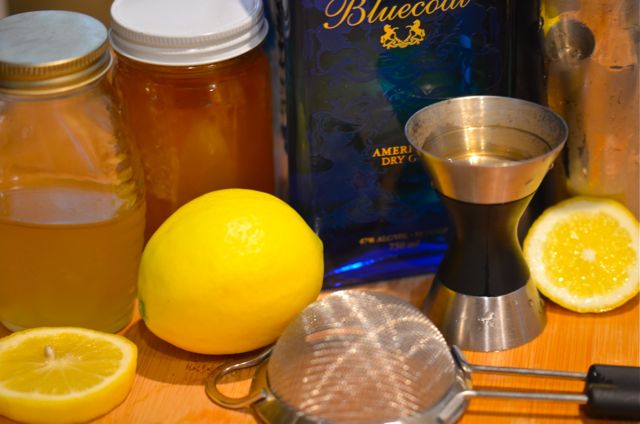
    bees1bees3At first, we looked for Hanukkah cocktail themes and it was a challenge. It is a festival of lights (not that helpful, flaming tiki drinks?) and oil is a main theme (there are a few cocktails with oil, but we aren’t going there), but happily the promised land is “the land of milk and honey” so we found a theme to build from. And as it turns out, raw honey is kosher, and we have plenty of raw Putney Farm honey. Even better, you can get kosher gin from the No. 209, a San Francisco based distillery (we used Bluecoat gin in this post, but will have the No. 209 at Hanukkah dinner). And it looks like fresh lemons are kosher, and we have plenty of Meyer lemons. Hmmm…

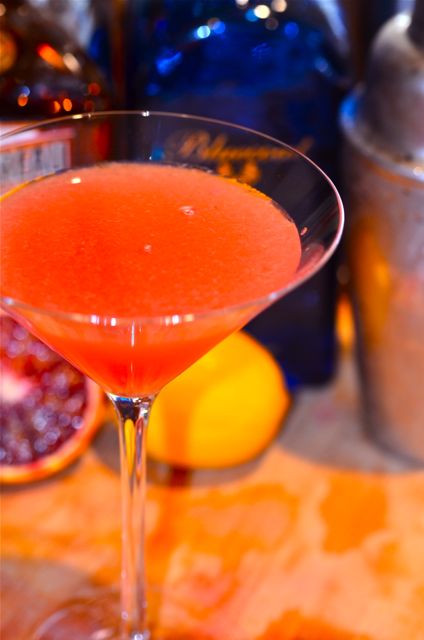
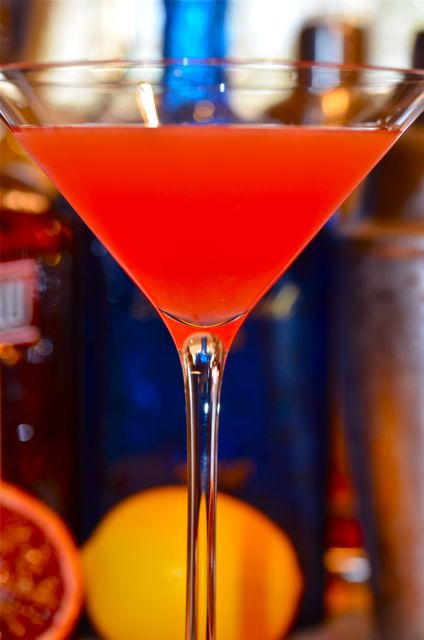
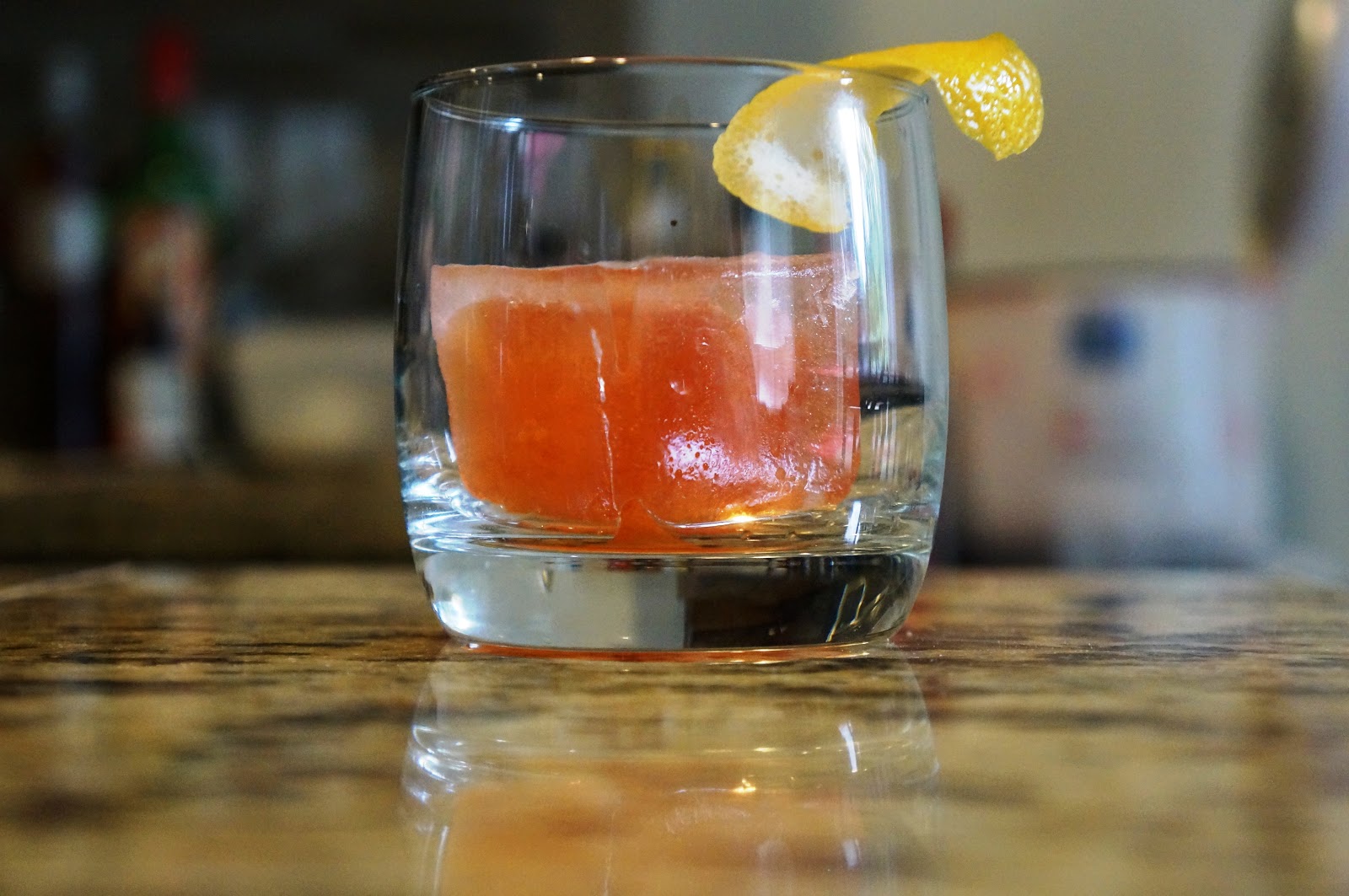
    bees4bees5Well, guess what? You just read the recipe for a Bees Knees cocktail. The Bees Knees combines dry gin, lemon juice and honey syrup (1 to 1 very hot water and honey) and is served up or on the rocks. Created in the prohibition era, the Bees Knees is easy to make and very tasty. And if you prefer rum, a light rum version makes a Honeysuckle, a dark rum version makes a Honey Bee. Add some champagne to the Honeysuckle and you get an Airmail. If you use rye or bourbon you get a Daisy Black. So you do get four or five drinks out of the deal (it’s not eight, but five cocktails from one basic recipe isn’t too shabby).

    bees6While almost all cocktail writers have positive feelings about the Bees Knees, many describe it as “inoffensive”. But we will take some issue with that. If you use basic store-bought clover or orange blossom honey, the flavors are pretty light. But if you use raw “forest” or wildflower honey in the Bees Knees you get much deeper herbal and bitter notes. Putney Farm honey is a forest honey made mostly from wildflowers and herb blossoms, it has some herbal and minty notes with a slightly bitter and piney finish. Good stuff, and perfect with a dry earthy gin. Along with the sweet acidity of the Meyer lemons, the herbal notes of gin and forest honey make for a very substantial cocktail with layers of flavor. So we suggest you get some raw honey from a farmers market and then try the Bees Knees, it won’t be simply “inoffensive”, it will be a special cocktail and a fitting celebration of Hanukkah.

    The Bees Knees:

    Ingredients:

    • 2 oz. dry gin (No.209 kosher, if you like)
    • 1/2 oz. honey syrup* (a bit more if using Eureka lemons, rather than sweeter Meyers)
    • 1/2 oz. fresh lemon juice
    • Lemon wheel, for garnish

    Assemble:

    1. Combine the gin, honey syrup and lemon juice in a cocktail shaker with ice. Shake thoroughly and strain into a chilled cocktail glass, coupé or flute. Garnish with the lemon wheel. Serve.

    * To make honey syrup combine equal parts honey and very hot water in a sealable container. Shake until combines. Stores in the fridge for 3-4 weeks.

  • Weekly Cocktail #36: A Martini

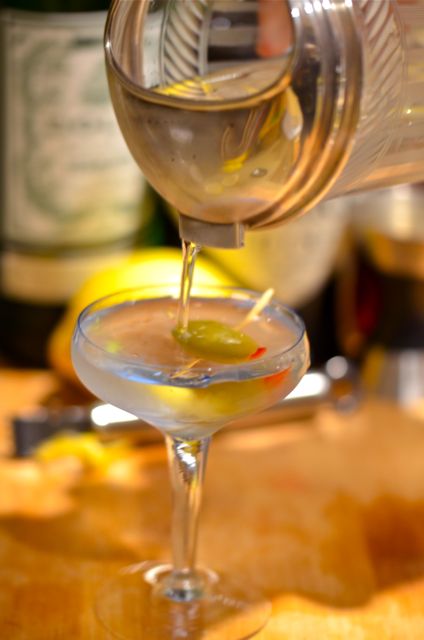
    A Martini.

    Writers coin hundreds, perhaps thousands, of words each day to wax over the history and debate the composition of this week’s cocktail, the Martini. We can’t, and won’t, try to match any of it. What we will say is that the weather is getting nippy, we are cooking richer dishes and many holiday parties are on the horizon. Our tastes tend to shift with the season, and these days we start to crave the occasional Martini. Regardless of all the blather endless conversation, a good Martini is still a delight. Clean, cold and elegant, and with crisp, bracing flavors, a Martini is a good start to a special evening. (A few more can also be a very poor end to an evening, but we will leave that to Dorothy Parker).

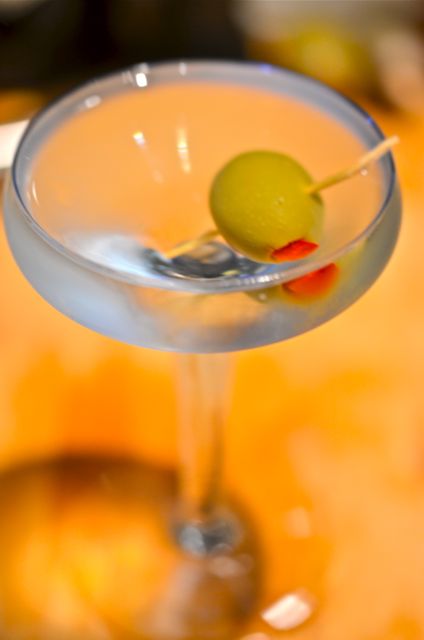
    Ironically, for all the “best”, “only way”, or “classic” interpretations of the Martini, the recipe has been in flux throughout the Martini’s history. The only real constants are gin (yes, only gin) and vermouth. And that’s it, otherwise the variables are endless. Early recipes used Old Tom gin and sweet vermouth, some Plymouth gin and a mix of sweet and dry vermouth, later recipes London dry gin and dry vermouth. And the ratios are simply all over the place. Even the best cocktail books and writers simply don’t agree. Some recipes go 50/50 vermouth to dry gin (most recipes these days use dry gin) and some still use just the lightest hint of vermouth, others include a dash of bitters. And, of course, you have the preparation and garnish. The amount of back-and-forth over shaken vs. stirred and olive vs. a lemon twist already fill a few volumes. In fact, the one thing we can say with confidence is that if someone tells you they know the “best” or “only” way to make a Martini, they really don’t know what they are talking about. All they really know is how they like “their” Martini. If you like a good Martini, you need to try a number of variations and decide what you like. This is a good thing.

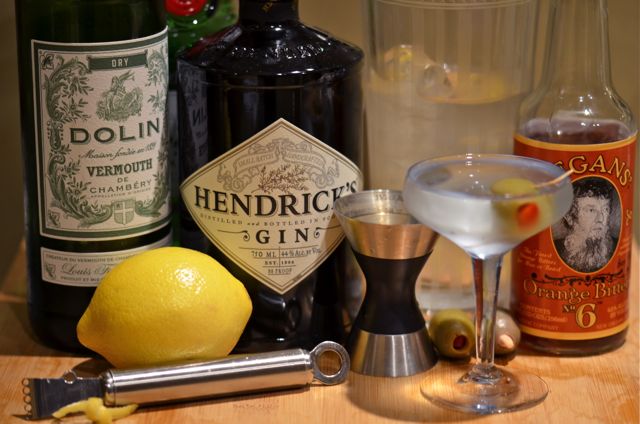
    And while you experiment, we do suggest you consider a few things. Firstly, vermouth isn’t an afterthought. There are many quality vermouths out there from the inexpensive (Noilly-Pratt) to the premium (Dolin). And if you keep them in the fridge they actually taste good. No need to skimp. Try recipes that use more vermouth, you may be surprised. Secondly, the world of gin is exploding with multiple flavor profiles. Good London dry gin and Plymouth are still heavy on juniper, but “new world” gins like Hendrick’s and Nolet’s focus on flavors like cucumber or rose petals (we tend to like the old standby of Tanqueray and the occasional dalliance with Hendrick’s, but that’s just us). Third, we suggest you play around on the edges, try a dash of orange bitters, experiment with olives and twists depending on the gin or vermouth you use.  Finally, it makes sense to keep your Martinis small so they don’t warm up, a cold Martini is a good martini. And feel free to shake or stir, just be sure to do it until the Martini is very, very cold.

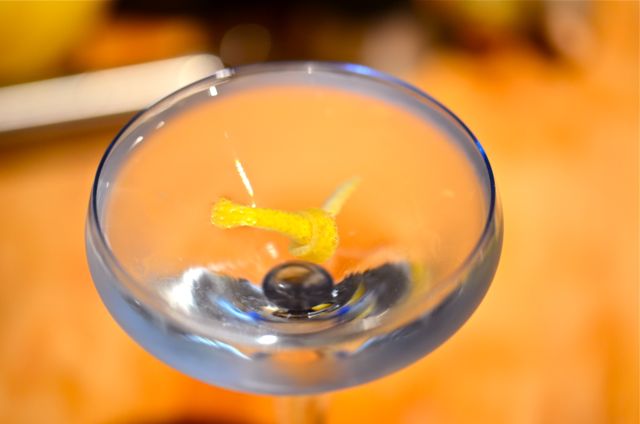
    Right now, we enjoy Dolin dry vermouth and have it highlight our Martinis. We use a decent slug of vermouth with dry gin and we also enjoy an “old-school” variation and include some orange bitters. As for olives or a twist, it depends on our mood and if we need a quick appetizer, but we like the lemon oil from the twist. So our current recipe is 1 and 1/2 oz. dry gin, 3/4 oz. dry vermouth, a dash of Regan’s Orange Bitters #6 and a lemon twist. We have a cool mixing glass, so we stir. But do what you like. Enjoy yourself.

    And one last note. Few cocktails match the spare, timeless elegance of the martini. The shaker, the glass, the olive all look beautiful and harken back to the art-deco designs and speakeasies of the 1920’s. Having a Martini is a special event, a small step back in time, an escape. And we celebrate that. However you make it, take the time to make your Martini well. Pull out some of your best glasses and maybe even a silver tray. Pick out some good music to play. Maybe invite over a few good friends. Serve your Martini with style, it will pay you back handsomely.

    The Martini:

    Ingredients:

    • 1 and 1/2 oz. dry gin
    • 3/4 oz. good dry vermouth
    • 1 dash Regan’s Orange Bitters #6 (optional)
    • Lemon twist

    Assemble:

    1. Combine the gin, vermouth and bitters in a mixing glass with ice. Stir until very cold and strain into a chilled cocktail glass or coupé. Squeeze the twist over the drink and then place it in the glass. Serve.