• Bonus Cocktail (and “Mocktail”): The Watermelon-Drop

    Watermelon Drop Cocktail.

    It has taken us too long a while, but we promised to make some cocktail recipes that also include an alcohol-free “mocktail” version, so this is the first. And as our kids enjoy their “mocktails”, this will probably not be the last.

    In any event, this week we got our first watermelons at the farmers market (ours are still tiny) and we just had to make a watermelon cocktail. The challenge with watermelon is that has very light, tasty and “summery” flavor and a great aroma, but both are easily lost when mixed with too many strong flavors. So when making a cocktail with watermelon, we tend to look towards vodka (although tequila and watermelon also play well). The Watermelon Drop combines watermelon juice, lemon juice, a bit of simple syrup or agave nectar, some (optional) rhubarb bitters and vodka, preferably quality lemon vodka. And you can simply omit the vodka for a very tasty summer cooler or “mocktail”.

    Muddle chunks of watermelon.

    These days many mixologists, and more than a few cocktail bloggers, have a certain amount of disdain for vodka. Plain vodka has little flavor, by design, and has light texture and little aroma. If you want to add flavor to a cocktail with the base spirit, vodka won’t add much. But if you want some booze in a drink and have the fruit or vegetable shine through, vodka is a good fit. And it is “OK” to simply want some buzz with your juice…nothing to be ashamed of (in moderation 😉 .

    Fine-strain pulp to extract the juice.

    These days, many vodkas come with fruit (and/or other flavorings). Most are just cheap hooch with some artificial flavors. But some are high-quality spirits infused with fruit or vegetable flavors in a style almost like gin. You can also make very good vodka-fruit infusions at home. These kinds of vodkas are quite good, and do add a lot to cocktails. In this cocktail, we use Hangar One’s Buddhas Hand Vodka and it is a lovely addition to the drink. But even here we use a light hand with the vodka, we do not want to dilute the watermelon too much. And if you are curious, Buddhas Hand is a type of Asian citrus similar to lemons but more aromatic- good stuff, and a great compliment to watermelon.

    Watermelon Drop cocktail and ingredients.

    To make this drink, you do need to take the extra step of making watermelon juice. We simply muddle chunks of watermelon and then fine-strain the pulp. A cup of watermelon chunks will get you 2-3 ounces of juice. It only takes a few minutes, but will leave your bar or kitchen a bit sticky (such is life with watermelons). Otherwise simply combine the watermelon juice, lemon juice, simple syrup / agave, rhubarb bitters (if you have them, they add a nice touch) and the vodka, if using. If making a cocktail, we prefer to shake and strain the drink, if making a “mocktail”, serving on the rocks works as well.

    So if simply eating watermelon (and spitting seeds) isn’t enough fun, try this drink out. It is light and tasty, but has big watermelon flavor. And the Watermelon Drop also makes a good “mocktail”, so feel free to share with the kids…

    The Watermelon Drop:

    Ingredients:

    • 2 and 1/2 oz. watermelon juice (about 1 cup diced watermelon, muddled and strained)
    • 1/2 oz. fresh lemon juice
    • 1/3 oz. simple syrup or agave nectar
    • 1 oz. lemon vodka (Hangar One Buddhas Hand is really good here). Omit for a “mocktail”
    • 2 dashes rhubarb bitters (optional, FYI some bitters have alcohol- check the label before using in “mocktail”)

    Assemble:

    1. Dice watermelon and muddle in a large glass or bowl. Fine-strain the pulp and collect the juice.
    2. Add all ingredients to a cocktail shaker with ice. Shake thoroughly and strain into a chilled cocktail glass or coupé. Serve.
    3. If making a “mocktail”, follow all the steps above, but omit the vodka. Serve in a chilled cocktail glass or lowball glass with ice.
  • Weekly Cocktail #20: The Otto’s Grotto

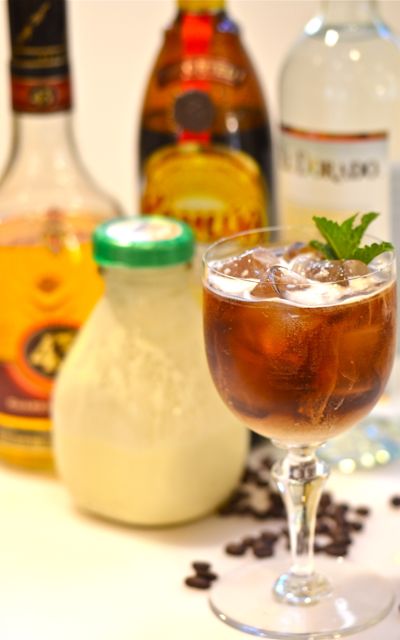
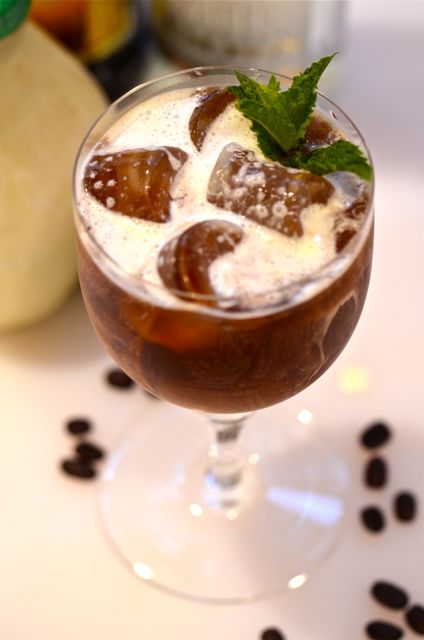
    Otto’s Grotto Cocktail.

    As we noted in our previous post, we recently hosted a small Hawaiian-themed dinner party for a close friend and made macadamia nut tart. The tart was great, but we wanted to be sure to have a cocktail to match, so we looked no further than Jeff “Beachbum” Berry, probably the world’s biggest expert on Tiki drinks. We happen to have his tiki drink iPhone App (so cool) and looked for a tiki cocktail that would go with dessert. We searched on the keyword “coffee” and after browsing a few results, the Otto’s Grotto almost jumped of the screen. It sounded like a perfect summer “dessert” cocktail. So we gave it a try (of course, we tested it before we served it to our friends.. ;-).

    The Otto’s Grotto is a cold drink that features coffee, white rum, coffee liqueur (Kahlua, Tia Maria or home-made), Licor 43 and a dash of heavy cream. But this is not a syrupy white/black russian, but more of an ice-coffee with a kick and some depth. Coffee is clearly the main ingredient, but the rum, coffee liqueur and Licor 43 all add extra flavor. The cream adds a smooth note and mellows the bitterness of the coffee. While we served the Otto’s Grotto for dessert, you could serve this cocktail almost any time of day and get a very welcome reception. It’s good.

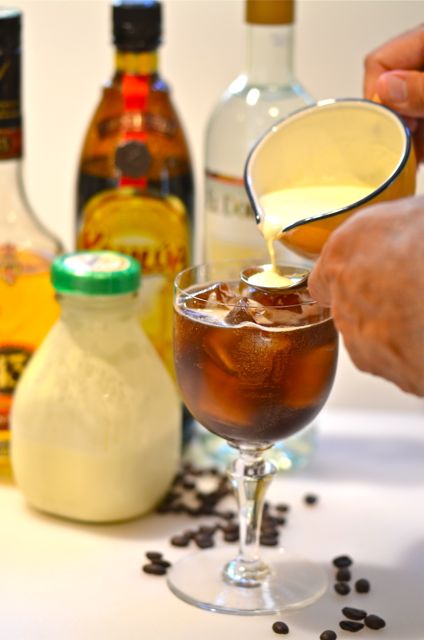
    Float cream on top for a good presentation.

    As for the ingredients, good coffee is the key here. Great coffee = great coffee cocktail, ’nuff said. As for the other ingredients, this is where you have some flexibility. And decent white rum will do, the alcohol will mainly boost the flavor of the coffee. As for the coffee liqueur, we use Kahlua (without shame), but Tia Maria will work. And coffee liqueur is one of the best DIY liqueurs you can make at home, here is a good article on the subject from Marcia Simmons at Serious Eats (they have some really good cocktail writers). Finally we have the Licor 43, a vanilla and citrus liqueur that is sometimes hard to find. We like it in the drink and it is worth having in your bar, but you could substitute Tuaca. And in a pinch, vanilla syrup and an extra dash of rum will work just fine.

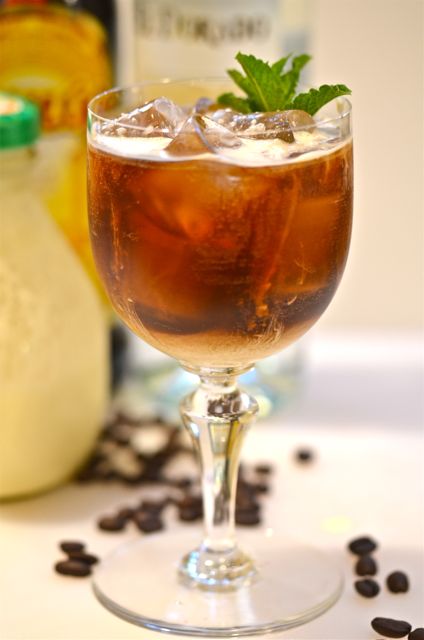
    Iced coffee, just better.

    Building this drink is by no means difficult, but a few little steps will help. Firstly, when you mix the coffee and liqueurs, check for taste. Coffee is a highly variable ingredient, you may want to add an extra dash of coffee liqueur or Licor 43 to balance the flavors. And finally, when adding the heavy cream, it helps to drizzle it on a spoon just above the drink. This will help float the cream on top. While not a necessary step, it will look good. And if a drink tastes this good, you may as well rock the presentation. Happy Friday!

    Otto’s Grotto:

    (Adapted from Jeff “Beachbum” Berry)

    Ingredients:

    • 5 oz. iced coffee
    • 3/4 oz. coffee liqueur (we use Kahlua)
    • 3/4 oz. Licor 43
    • 1 and 1/2 oz. white rum
    • 1/4 oz. heavy cream
    • Mint, for garnish (optional)

    Assemble:

    1. Place all the ingredients, except the cream, and ice into a cocktail shaker. Shake thoroughly and pour unstrained into a highball glass or goblet. Float cream. Garnish with a sprig of mint, if you like. Serve.
  • Simple Garden Recipes: Apricot Shrub (And a Bonus Cocktail)

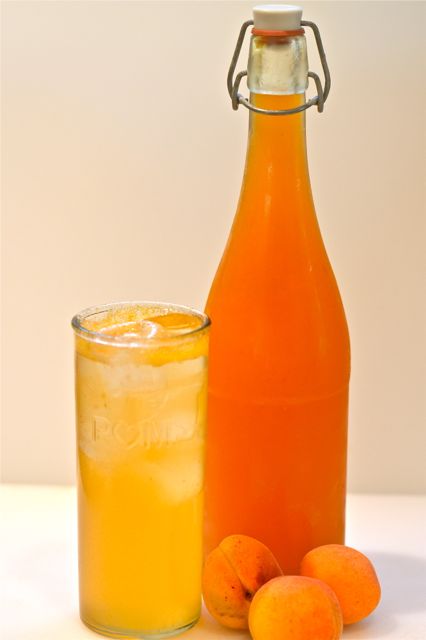
    Apricot shrub and apricot shrub soda.

    Last Apricot On Earth Cocktail using apricot shrub.

    Let’s get right to it, a fruit shrub is basically an equal mixture of fresh fruit, sugar and vinegar. Yes vinegar. But shrubs are better than you might think (actually quite tasty) and were a very popular way to preserve fruit in the days before refrigeration. And rather than tasting of vinegar, shrubs are sweet and very tangy. The vinegar acts as a flavor enhancer, somewhat like salt on savory foods- you don’t  know it’s there, but everything tastes better. A cool trick, and one that works with most summer fruits. And if you like cocktails or home-made soda, you should know about shrubs. But first a little “back story”…

    Blenheim apricots. Yum.

    Last week Carolyn and I traveled to wine country and then, ironically, started drinking cocktails. Happily both Napa and Sonoma have a number of restaurants and bars that feature world-class drinks, as well as excellent wine lists. One of the best places we visited was Bar Terra, an extension of the very well-regarded Terra in St. Helena. Bar Terra features a less formal and more “bar-driven” menu of smaller plates, wine and hand-crafted cocktails in a very welcoming atmosphere. The food and service were very good, but we did go for the drinks, and Bar Terra did not disappoint.

    The best cocktail we had at Bar Terra (and our entire trip) was a creation that is a riff on the Last Word, that just happens to have apricot shrub. If you are unfamiliar with the Last Word it is a roughly equal combination of gin, lime juice, maraschino liqueur and green Chartreuse. It sounds like a train wreck, but the Last Word is real alchemy, all the flavors blend into a well-balanced, refreshing cocktail. And the recipe invites mixologist to play around. We often ask good bartenders to make a Last Word variant, and the team at Bar Terra struck gold. Their version of the Last Word included dry gin, apricot shrub, maraschino liqueur and yellow Chartreuse (and maybe a touch of lemon juice). The drink was an absolute winner with the apricot shrub supplying both sweetness and tang, the gin and Chartreuse herbal notes and the maraschino liqueur some nutty flavors. And if you didn’t know a shrub has vinegar, you would never place the flavor, you would just notice a lovely, palate-pleasing “zing”. You can’t wait for another sip. We didn’t get a name for the cocktail, but we have an adapted recipe below, and in honor of Bar Terra we will call it the Last Apricot On Earth.

    Rinse your apricots.

    Pit and quarter the apricots.

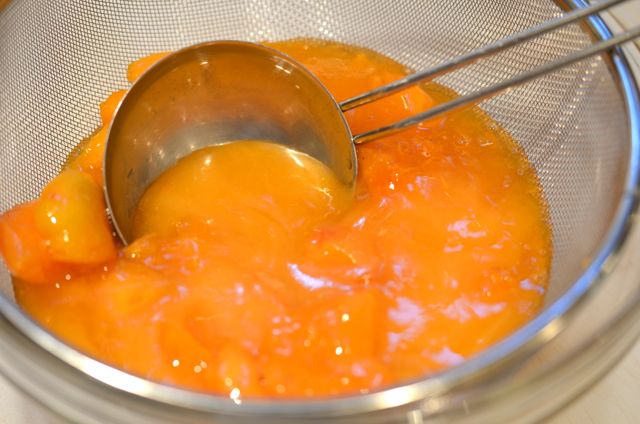
    We’ve known about fruit shrubs for some time, as they are popular in cocktail circles, but the cocktail at Bar Terra finally motivated us to make shrubs at home. And as we are near the end of apricot season, and there are Blenheim apricots available, we chose to make a “cold shrub” of the apricots before they were gone. Making the shrub is very easy. Simply mash and then macerate equal parts fruit and sugar, let a syrup form for a few days in the fridge and then strain and add an equal part of cider vinegar and mix. You can try the shrub immediately and it will be tasty, but it will “mature” and the flavors develop more with a few days / weeks. And it is not a vinegar, more like a preserved syrup. If you want a full breakdown on fruit shrubs Michael Dietsch of Serious Eats has a good article here.

    Macerate fruit with sugar in fridge for 12-48 hours. 48 hours is better.

    Strain fruit syrup and add the vinegar.

    Continue reading

  • Simple Garden Recipes: Maraschino Cherries And Sweet Refrigerator Pickles

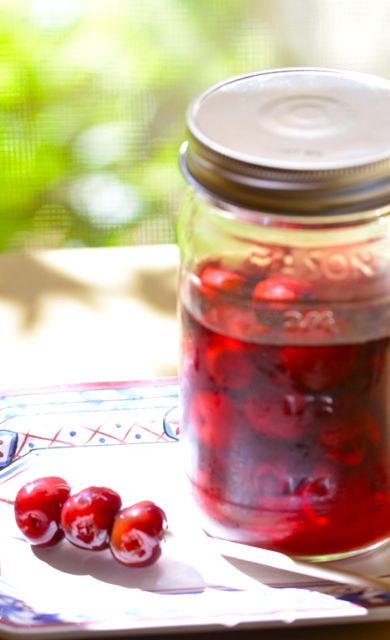
    Homemade maraschino cherries.

    Sweet refrigerator pickles.

    The bounty of summer often comes with a vexing question that basically boils down to, “what am I supposed to do with all of this stuff?!?” Wether you garden, join a CSA, shop the farmers market or simply succumb to the temptations of a roadside fruit stand, when we get summer fruits and veggies we tend to get a lot of them. All at once.  And not all produce stays fresh for very long. Abundance can have a (very slight) downside.

    Now possibly the best answer to this “challenge” is to share with friends, assuming they aren’t already overwhelmed with their own produce. But when generosity fails, preservation is the next step. Now if you want to get serious about preservation, we suggest you visit Wifemeetslife for an intro to canning- Alison has some great posts. And if you want to add some booze into the mix, then we suggest a visit to Boozed + Infused, where Alicia makes incredible fruit-based infusions.

    We can’t keep up with Alison and Alicia (although we are trying) but we do often use some short-term preservation techniques to extend our produce. For our cherries we make quick “maraschino” cherries and for cucumbers we make refrigerator pickles. Both are easy to make and extend the life of our produce by a few weeks. Oh, and both taste great.

    Just cherries and Maraschino liqueur.

    Just a quick simmer, then jar and chill for two days.

    As for the maraschino cherries, we take our end-of season cherries, lightly cook them in maraschino liqueur and then pop them in the fridge and let them macerate for two days and then the are ready and will last for a few weeks. While sour cherries may be the ideal, we use Bings or Vans and they are very tasty. Contrary to the bright pink, overly sweet store-bought maraschinos, home-made maraschino cherries are just a touch sweet with a bit of tartness and some crunch. The liqueur adds some lovely nutty flavors to the cherries. And they are not particularly boozy. We put the cherries in cocktails, on top of ice cream, between layers of cakes (yum) and simply eat them out of hand. Good stuff and a good excuse to buy one more basket of cherries (and add some maraschino liqueur to your bar).

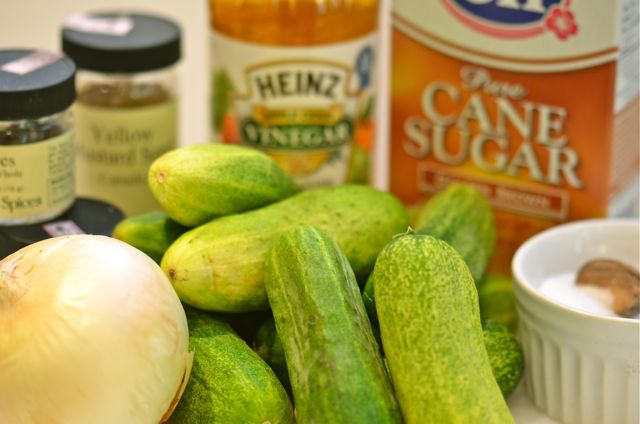
    Cucumbers, onion, vinegar, sugar, salt and spices. Simple.

    As for the sweet refrigerator pickles, we love our cucumbers fresh, or in quick pickles, but we like this recipe so much it is one of the main reasons we grow cukes and buy a lot at the farmers market. Making these pickles is a snap. Simply cut up some pickling cucumbers (Kirbys are good here) and a bit of onion and then quickly/lightly cook in a solution of brown sugar, vinegar, salt and spices. Let the mixture cool and then put it in the fridge, the pickles will keep for about 10 days, but they won’t last that long. The pickles are sharp, sweet and crunchy with just a touch of spice. We eat them out of hand but also put them on sandwiches or serve them with burgers and hot dogs at cookouts. We also chop the pickles up into a quick relish- so good. And our kids love them, so it is a good way to get a few more veggies in their diet. Continue reading

  • Bonus Cocktail: The Orchard Moonraker

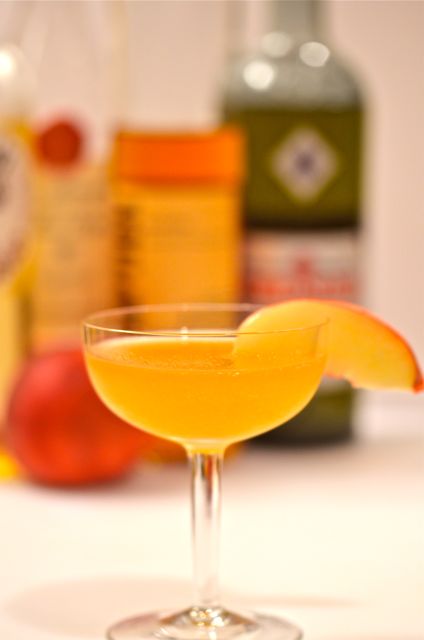
    The Orchard Moonraker cocktail.

    Last week Carolyn and I had a few days in San Francisco and the wine country, and of course that means we enjoyed some great food and cocktails. Ironically, the wine country is filled with signs promoting cocktails along with wine- and we think this is a great thing. Wine country is also farm country and there are all sorts of tasty fruits and vegetables that can make their way in to cocktail menus- and they are, often with tremendous success. Meanwhile, San Francisco continues to be a hotbed for great food and cocktails. If you like to eat and drink, San Francisco is a very easy place to like.

    And our inspiration for this week’s drink, the Orchard Moonraker comes from a visit to Bar Agricole, one of the best bars (and restaurants) in San Francisco. Bar Agricole is well-known for its cocktail program and a mix of both classic and creative drinks. The interior is modern and clean, the spirits top quality, the glassware beautiful and the bartenders knowledgeable. Altogether, an excellent place for a cocktail, and a great place to discover new flavors. In this case Bar Agricole featured their take on a classic cocktail, the Moonraker, which comes all the way from the Savoy Cocktail Book of the 1930’s.

    The original recipe for the Moonraker is equal parts brandy, peach brandy, quinquina (Lillet blanc or Cocchi Americano) and a few dashes of Absinthe. We tried it this way with Armagnac and Rothman and Winter’s Peach liqueur- and it is a good drink. Bar Agricole’s adaptation was brandy, Leopold Brothers Peach Whiskey, Cocchi and a few dashes of Absinthe. This was even better. The brandy and peach whiskey feature floral and sweet peach flavors, while the Cocchi adds herbal and bitter notes and the Absinthe cleans the palate. A bit unusual, but a very tasty drink. If you like Manhattans or Sazeracs, you may really enjoy the Moonraker. We certainly liked it.

    But as we are gardeners, and we have fresh peaches from the farmers market (ours are about a 10 days out- we are very excited), we adapted the Moonraker one more time to include fresh peaches and more common ingredients. Our version includes brandy, rye (you can use bourbon), muddled peaches, Cocchi and Absinthe. And if your peaches are not particularly sweet, a touch of sugar may help. The Orchard Moonraker, features overt floral and peach flavors and is a bit less sweet (peach liqueur is very sweet) with a touch of spice and depth from the rye and brandy. We use a little less Cocchi (you can substitute Lillet). The other notable difference is that the drink is cloudy from the muddled peaches. But overall, a tasty cocktail and fun way to enjoy peaches in season.

    Orchard Moonraker cocktail and ingredients.

    As for the name, it has nothing to do with the James Bond movie- the recipe has been around a lot longer. But a bit of internet research doesn’t give much more connection to the cocktail. A Moonraker is the name of a small, uppermost sail on some old ships, but is also a knick-name for some old-time British smugglers. Neither seem to have any real connection to the drink, and if they did it’s lost in time. But “Moonraker” sounds good, and the cocktail tastes good. So we will just have to drink it.

    The Orchard Moonraker: (Moonraker recipe below)

    Ingredients:

    • 1 oz. brandy
    • 1 oz. rye (or bourbon, in a pinch)
    • 1/4 ripe sweet peach, in slices (we like the skins on for extra flavor, but skin the peaches if you like)
    • 1/2 oz. Cocchi Americano or Lillet Blanc
    • 2 dashes Absinthe
    • A few dashes of simple syrup if the peaches are tart.
    • Peach slice, for garnish.

    Assemble:

    1. Add the peach slices to a cocktail shaker and muddle thoroughly.
    2. Add the brandy, rye, Cocchi, Absinthe and ice. Shake well to combine. Taste for sweetness and add a bit of simple syrup, if needed.
    3. Double strain (the peach pulp can be thick) into a chilled cocktail glass or coupe. Garnish with peach slice and serve.

    Continue reading

  • Weekly Cocktail #19: The Blue Hawaii

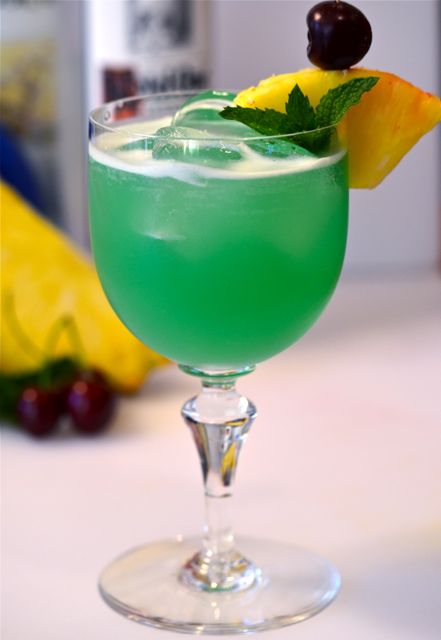
    Blue Hawaii cocktail.

    Oh yes we did!

    With the Fourth of July holiday coming we tend to see some “red, white and blue” themed drinks coming our way and last week Carolyn suddenly said, “I want a Blue Hawaii”. Ok then, time to buy some blue Curaçao.

    For those of you unfamiliar with the drink, the Blue Hawaii combines pineapple juice, sweet and sour mix (lemon juice and simple syrup), rum, vodka, blue Curaçao and any garnish you want to come up with. When mixed, the final color is a blue/green that certainly stands out. And the drink, to be fair, is a pretty tasty summer sip. The white rum and the vodka let the pineapple juice lead in the drink, with the Curaçao and sweet and sour rounding out the flavors. But make no mistake, the blue Curaçao is mostly there for color.

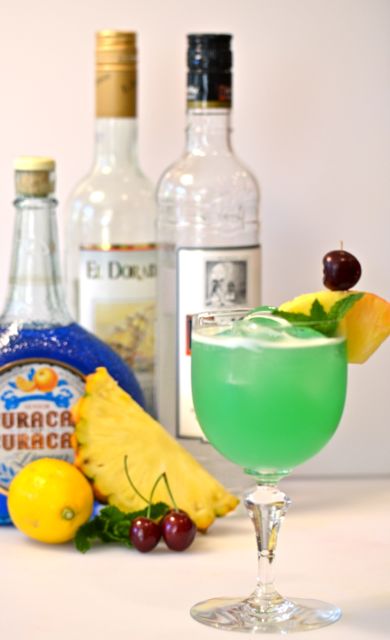
    Blue Hawaii and ingredients.

    So what is blue Curaçao? Curaçao is a liqueur from the island of Curaçao in the Caribbean. Hundreds of years ago, European settlers brought Lahara citrus, similar to Valencia oranges, to the island with hopes of developing them as a crop. But it turned out that the soil and weather were unsuitable for sweet oranges and the fruit was very bitter, only the peel tasted like a regular orange. But when life gives you lemons, you make lemonade. Or if life gives you too much or too nasty fruit (or skins and seeds) you make booze. In the early 19th century locals began making a liqueur from the bitter orange peels and we get Curaçao. Add some (very) artificial color and you get blue Curacao. The blue color was/is supposed to help market the liqueur.

    In fact, according to “master of all things tiki” Jeff “Beachbum” Berry, the blue Hawaii was created specifically to help market blue Curaçao. In the 1950’s the Bols company had Harry K. Yee, the bartender at the Hawaiian Village Hotel in Waikiki invent the drink to build interest in blue Curaçao. It’s unclear how successful this campaign was in drumming up interest in blue Curaçao, but it is still around. You can buy blue Curaçao for $10-$20 and it will be gathering dust somewhere in most liquor stores.. 😉

    But the Blue Hawaii is a light, tasty drink and it is certainly worth making. Not only does it taste good, it starts conversations of the “remember when we went to X and did X” variety. And that is a good thing. Cocktails should evoke fun and conversation, and the Blue Hawaii will certainly provide some of both. Happy 4th!

    The Blue Hawaii:

    Ingredients:

    • 3 oz. pineapple juice
    • 1 oz. sweet and sour mix (2 parts lemon juice, 1 part simple syrup)
    • 1/2 oz. blue Curaçao
    • 3/4 oz. white rum
    • 3/4 oz. vodka
    • Pineapple wedge, lime wheel, orange wheel, mint or cherry for garnish.

    Assemble:

    1. Combine all liquid ingredients with plenty of ice in a cocktail shaker. Shake thoroughly and pour into a tall glass. Garnish with whatever fruit you have. Serve.