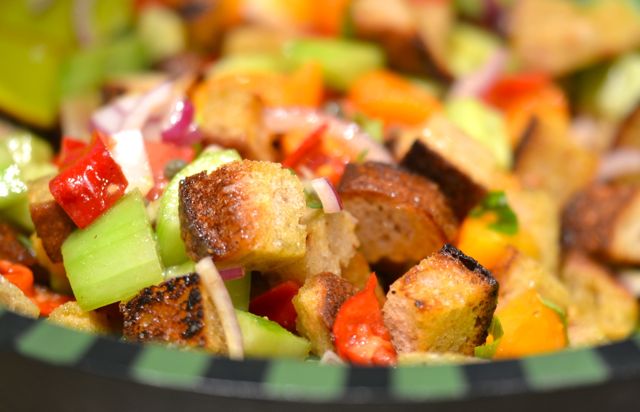
Panzanella.
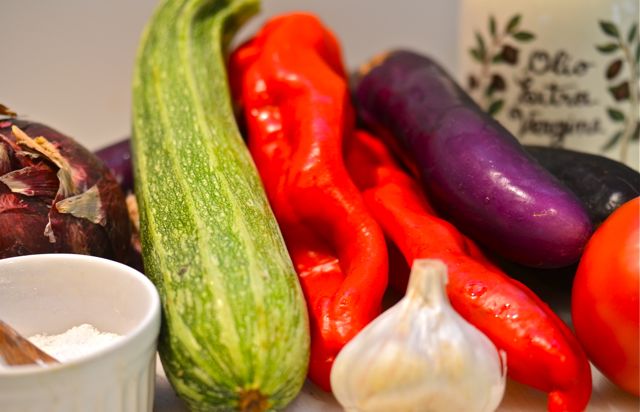
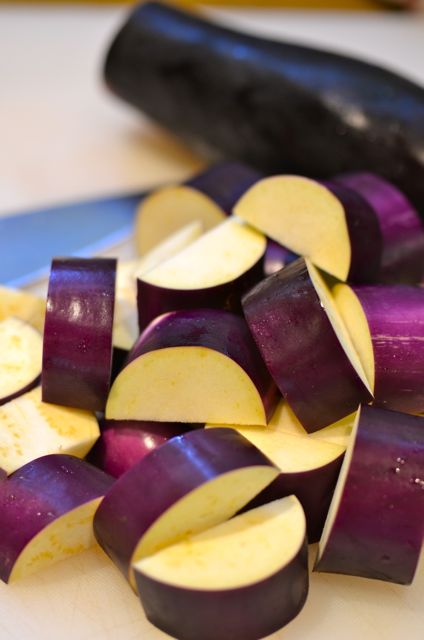
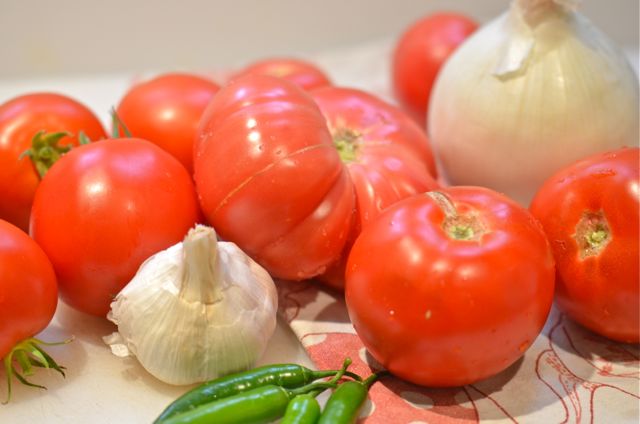
As we move into Indian Summer, we often find ourselves torn. We start to see sign of fall and are tempted by fall flavors, but in reality our garden is still brimming with tomatoes, peppers and cucumbers. Happily there are plenty of good summer vegetable dishes to address this late-summer abundance. We already enjoy Caprese Salads and Gazpacho on regular basis. We make Ratatouille (particularly to use up the eggplant). And whenever there is some country bread around we make Panzanella, a Florentine salad of bread, tomato, cucumbers, peppers, onions and a vinaigrette.

Make some croutons.
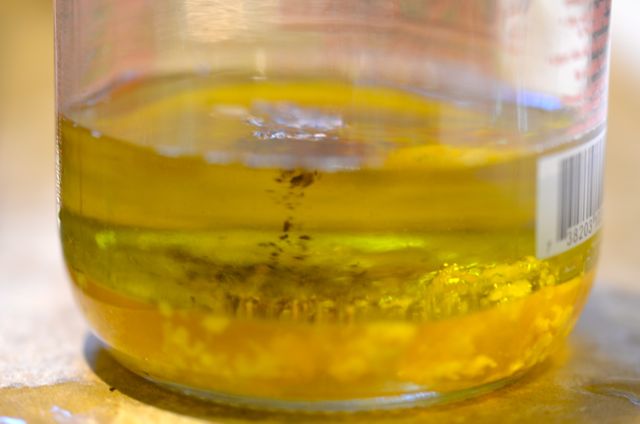
Mix a quick vinaigrette.
Now, if you just said to yourself “isn’t that just gazpacho that hasn’t been pureed?” you would be pretty close. And this makes some sense, the Spanish and Italians share a Mediterranean climate and cultivate similar summer vegetables. Odds are, you will see some similar seasonal dishes from these countries / regions (keep going east and you get a Greek salad) . And as we continue to cook from our garden, we see this pattern all the time. We have no doubt many recipes exist because seasonal ingredients often compliment each other and generations of cooks refined what became classic recipes. But we also have few romantic illusions about seasonal cooking, dishes like Gazpacho and Panzanella exist because they are a good way to pawn off use up all of those tomatoes and cucumbers. And usually when you get your tomatoes and cukes, you get a lot of them. Oh, and might as well use-up that old bread as well…
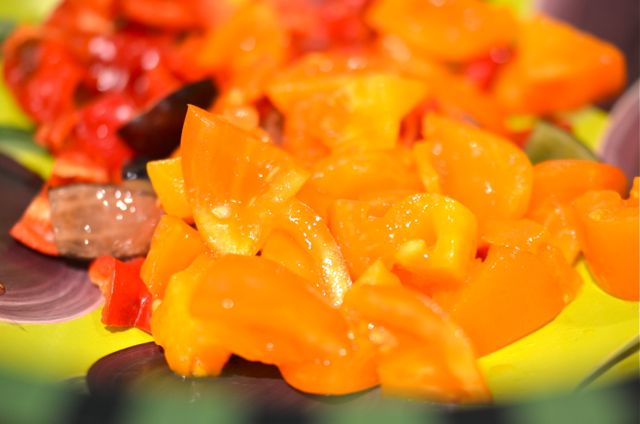
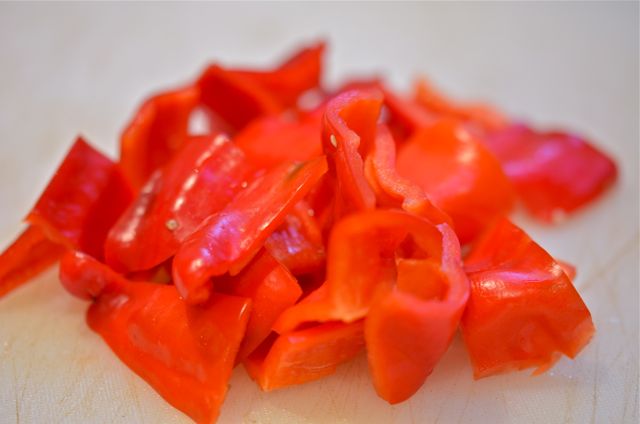
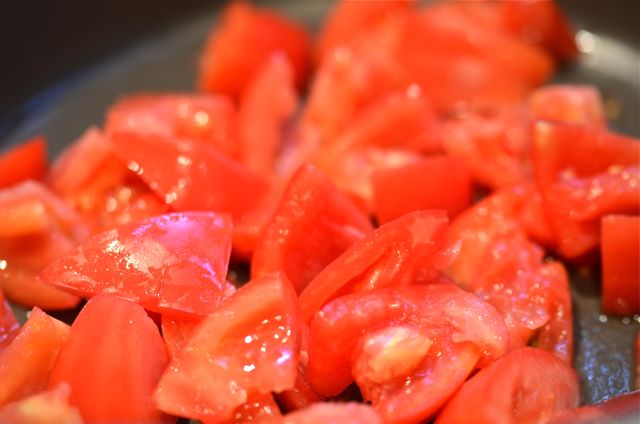
Chop tomatoes and peppers.
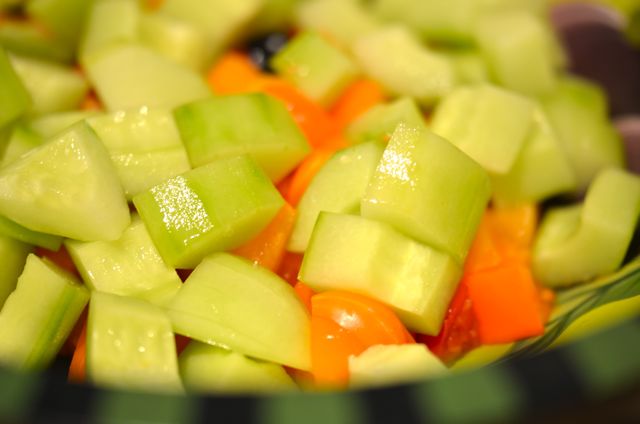
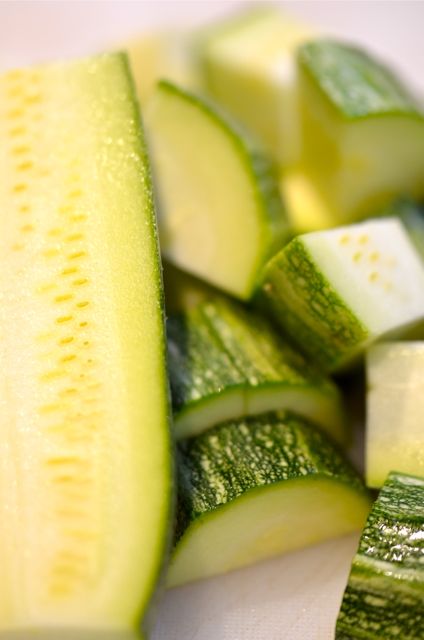
Add some chopped cucumber.
And it does help if the dish actually tastes good, and Panzanella is often a delicious dish. But like many “classic” dishes there are plenty of recipes, not always good, and some details that make the most of the ingredients. We use an adapted recipe from Ina Garten that keeps things simple but has a lot of summer flavor (and uses up our veggies). The key step in this recipe is making croutons with the bread, and not just soaking stale bread. The warm, crunchy and salty croutons mix perfectly with the veggies, herbs and vinaigrette. And if you can chop vegetables and make vinaigrette, making the rest of this recipe is as easy as it gets. And if you have other ingredients you want to add, feel free- purists may cringe, but there are all sorts of Panzanella recipes out there. Find one you like.
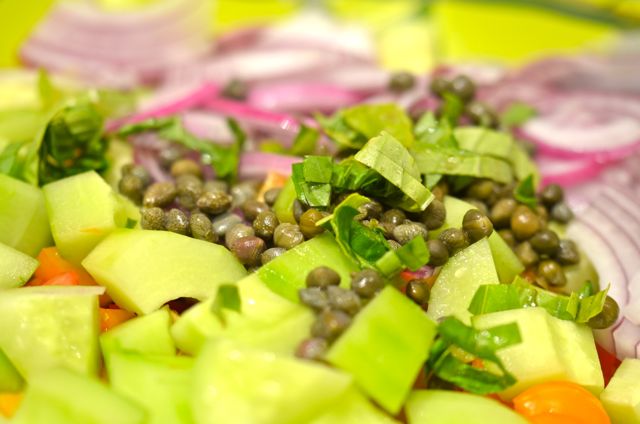
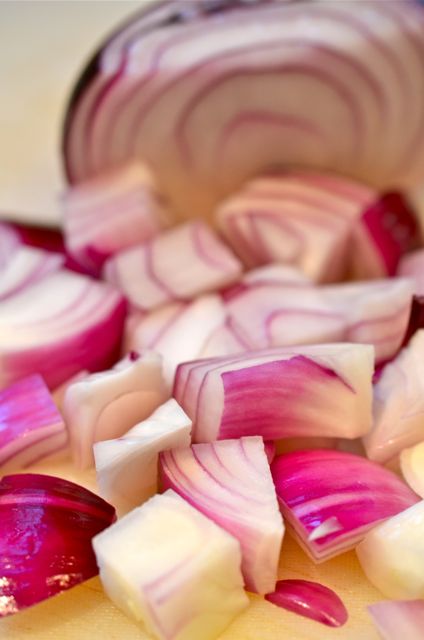
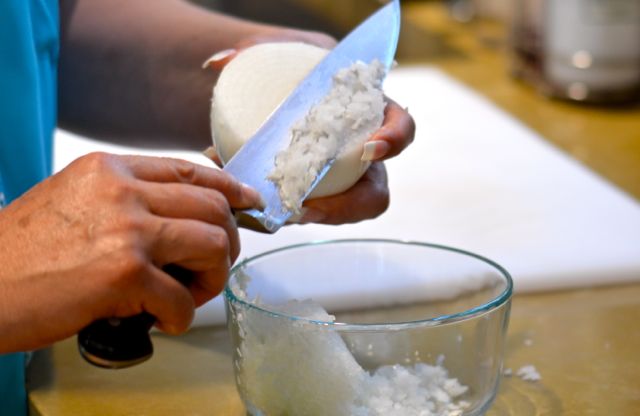
Add some onion, basil and capers.
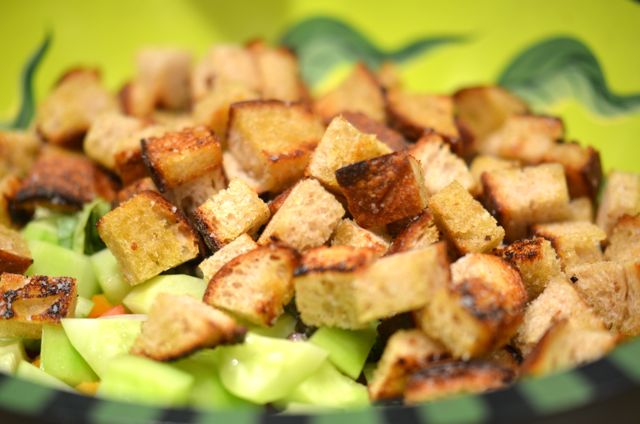
Toss in the vinaigrette and add the croutons.
As for the history of Panzanella, it’s been around in some form since the 16th century. Originally Panzanella combined bread, onions and vinegar. While this was probably “ok”, we think we can speak for most people and say adding tomatoes and peppers (and cukes) in the 19th and 20th centuries probably improved the dish. (Gazpacho has a similar history and improved with the addition of tomatoes, IMHO). As it often turns out, an abundance of tomatoes usually makes for better eating, particularly in summer. So if you can’t pickle one more cucumber of bottle one more jar of tomato sauce, take what you have left, grab some old bread, invite a few friends over and make Panzanella. Enjoy the bounty of summer while you can.
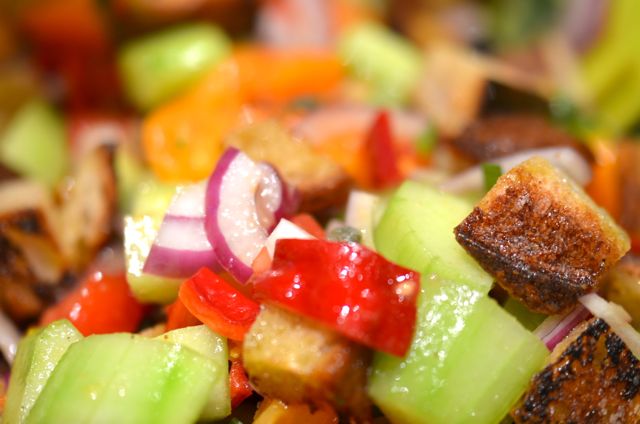
Serve.
Panzanella:
(Adapted from Ina Garten)
Ingredients:
(Serves 8-12 as a salad)
Salad:
- 3 tablespoons olive oil
- 6 cups country bread (1 small to medium loaf), cut into 1 inch cubes
- 1 teaspoon kosher salt
- 2 large ripe tomatoes, cut into 1 inch cubes
- 2 sweet red and/or yellow peppers seeded and cut into 1 inch cubes
- 1 cucumber, seeded and cut into 1 inch cubes
- 1/2 medium red onion, cut in half and thinly sliced
- 1/4 cup fresh basil leaves, coarsely chopped
- 3 tablespoons capers, drained
Vinaigrette:
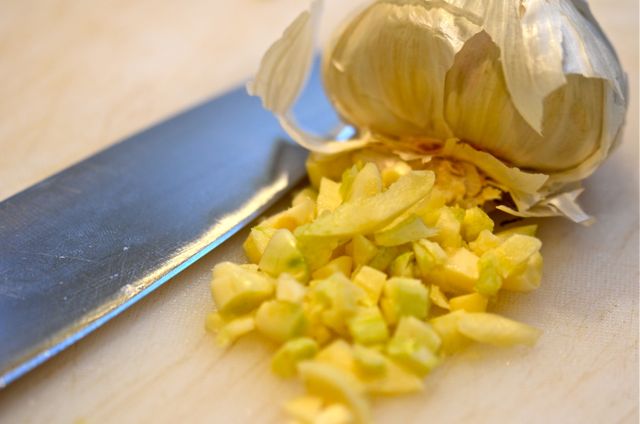
- 1 teaspoon garlic, finely minced
- 1/2 teaspoon Dijon mustard
- 3 tablespoons white wine or champagne vinegar
- 1/2 cup good olive oil
- 1/2 teaspoon kosher salt
- 1/4 teaspoon freshly ground black pepper
Assemble:
- To make the croutons, heat the 3 tablespoons of oil in a large sauté pan or skillet. Add the bread and salt. Cook over medium-low heat, tossing frequently, until browned. About 10 minutes. Set aside when done.
- To make the vinaigrette, whisk all the ingredients together in a small jar or bowl.
- Chop all of your vegetables add place into a large mixing or salad bowl. Add the basil and capers. Add the vinaigrette (don’t do it all at once, add half and see what you need to add) and toss thoroughly. Add the bread cubes and toss again. Taste for seasoning and add salt and pepper as needed. Serve immediately or let the flavors meld 15-30 minutes before service.
Related articles
- Gazpacho Andaluz (putneyfarm.com)
- Simple September Eats: Panzanella Salad (fruitcenter.typepad.com)
- The Best Panzanella You’ll Ever Have (joannagoddard.blogspot.com)
- Recipe: Roasted Vegetable Panzanella Salad (sweetnicks.com)
- Summer’s Best Salad: Tomatoes Star in Panzanella (blogher.com)
- Grilled Panzanella Salad (blahblahbirds.wordpress.com)
- Panzanella (scarpettadolcetto.wordpress.com)




















 Putney Farm