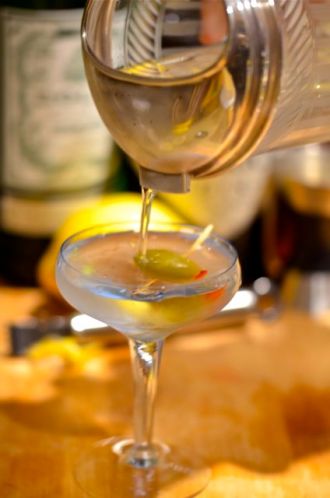
A Martini.
Writers coin hundreds, perhaps thousands, of words each day to wax over the history and debate the composition of this week’s cocktail, the Martini. We can’t, and won’t, try to match any of it. What we will say is that the weather is getting nippy, we are cooking richer dishes and many holiday parties are on the horizon. Our tastes tend to shift with the season, and these days we start to crave the occasional Martini. Regardless of all the blather endless conversation, a good Martini is still a delight. Clean, cold and elegant, and with crisp, bracing flavors, a Martini is a good start to a special evening. (A few more can also be a very poor end to an evening, but we will leave that to Dorothy Parker).
 Ironically, for all the “best”, “only way”, or “classic” interpretations of the Martini, the recipe has been in flux throughout the Martini’s history. The only real constants are gin (yes, only gin) and vermouth. And that’s it, otherwise the variables are endless. Early recipes used Old Tom gin and sweet vermouth, some Plymouth gin and a mix of sweet and dry vermouth, later recipes London dry gin and dry vermouth. And the ratios are simply all over the place. Even the best cocktail books and writers simply don’t agree. Some recipes go 50/50 vermouth to dry gin (most recipes these days use dry gin) and some still use just the lightest hint of vermouth, others include a dash of bitters. And, of course, you have the preparation and garnish. The amount of back-and-forth over shaken vs. stirred and olive vs. a lemon twist already fill a few volumes. In fact, the one thing we can say with confidence is that if someone tells you they know the “best” or “only” way to make a Martini, they really don’t know what they are talking about. All they really know is how they like “their” Martini. If you like a good Martini, you need to try a number of variations and decide what you like. This is a good thing.
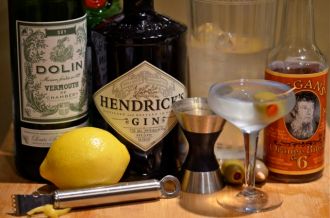 And while you experiment, we do suggest you consider a few things. Firstly, vermouth isn’t an afterthought. There are many quality vermouths out there from the inexpensive (Noilly-Pratt) to the premium (Dolin). And if you keep them in the fridge they actually taste good. No need to skimp. Try recipes that use more vermouth, you may be surprised. Secondly, the world of gin is exploding with multiple flavor profiles. Good London dry gin and Plymouth are still heavy on juniper, but “new world” gins like Hendrick’s and Nolet’s focus on flavors like cucumber or rose petals (we tend to like the old standby of Tanqueray and the occasional dalliance with Hendrick’s, but that’s just us). Third, we suggest you play around on the edges, try a dash of orange bitters, experiment with olives and twists depending on the gin or vermouth you use. Finally, it makes sense to keep your Martinis small so they don’t warm up, a cold Martini is a good martini. And feel free to shake or stir, just be sure to do it until the Martini is very, very cold.
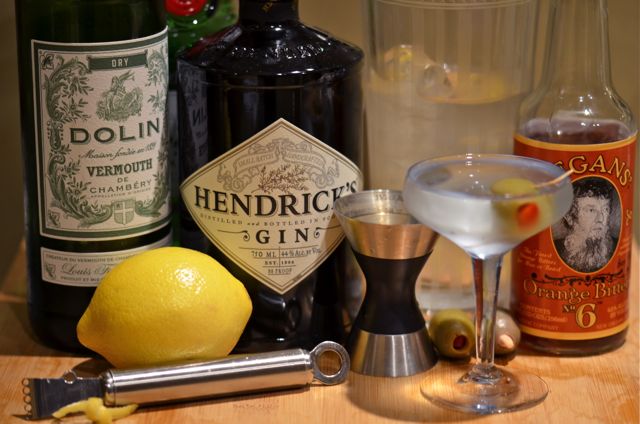
 Right now, we enjoy Dolin dry vermouth and have it highlight our Martinis. We use a decent slug of vermouth with dry gin and we also enjoy an “old-school” variation and include some orange bitters. As for olives or a twist, it depends on our mood and if we need a quick appetizer, but we like the lemon oil from the twist. So our current recipe is 1 and 1/2 oz. dry gin, 3/4 oz. dry vermouth, a dash of Regan’s Orange Bitters #6 and a lemon twist. We have a cool mixing glass, so we stir. But do what you like. Enjoy yourself.
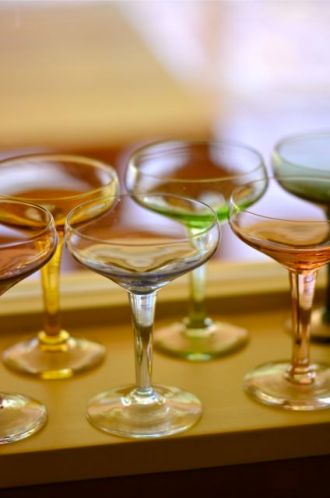
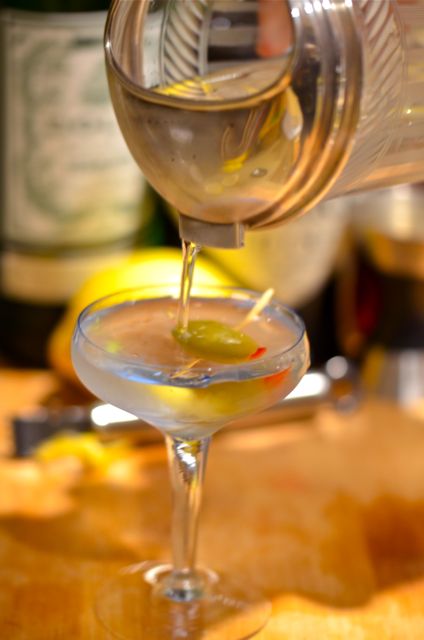
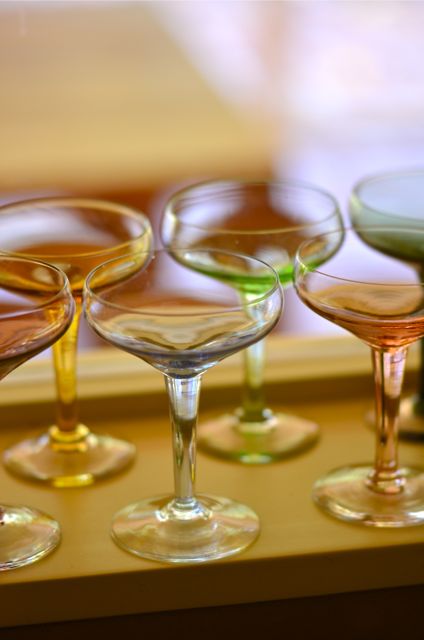
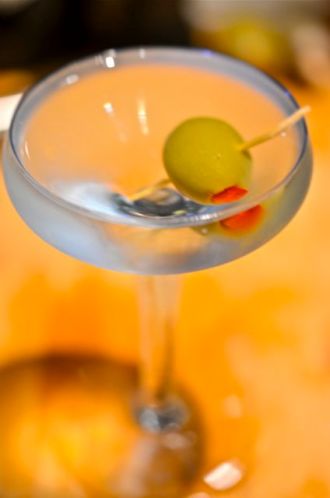 And one last note. Few cocktails match the spare, timeless elegance of the martini. The shaker, the glass, the olive all look beautiful and harken back to the art-deco designs and speakeasies of the 1920’s. Having a Martini is a special event, a small step back in time, an escape. And we celebrate that. However you make it, take the time to make your Martini well. Pull out some of your best glasses and maybe even a silver tray. Pick out some good music to play. Maybe invite over a few good friends. Serve your Martini with style, it will pay you back handsomely.
A The Martini:
Ingredients:
- 1 and 1/2 oz. dry gin
- 3/4 oz. good dry vermouth
- 1 dash Regan’s Orange Bitters #6 (optional)
- Lemon twist
Assemble:
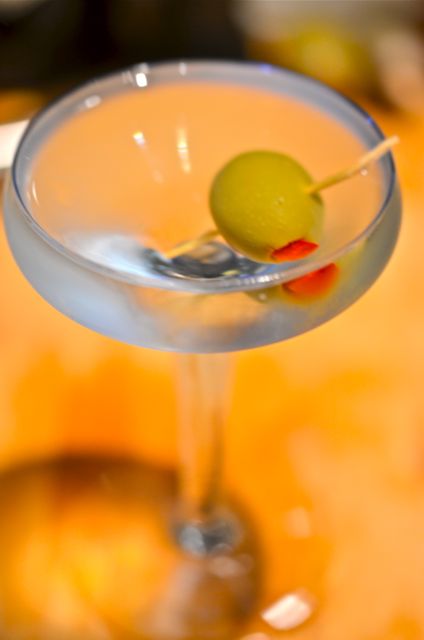
- Combine the gin, vermouth and bitters in a mixing glass with ice. Stir until very cold and strain into a chilled cocktail glass or coupé. Squeeze the twist over the drink and then place it in the glass. Serve.
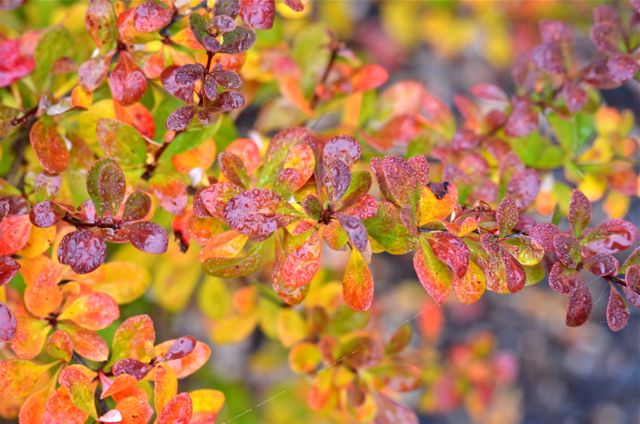
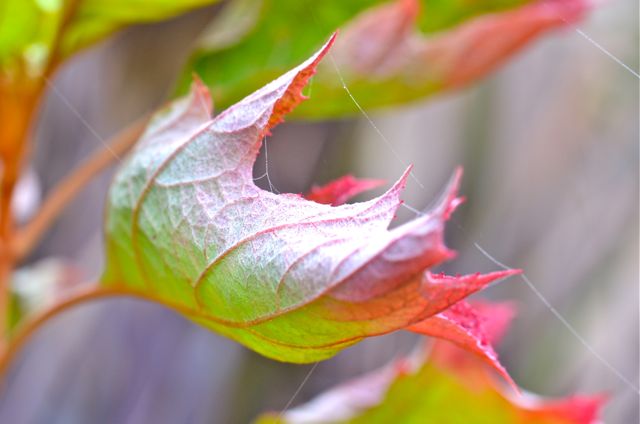
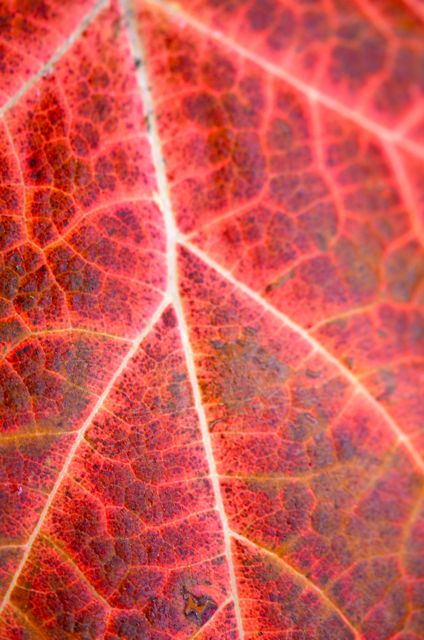
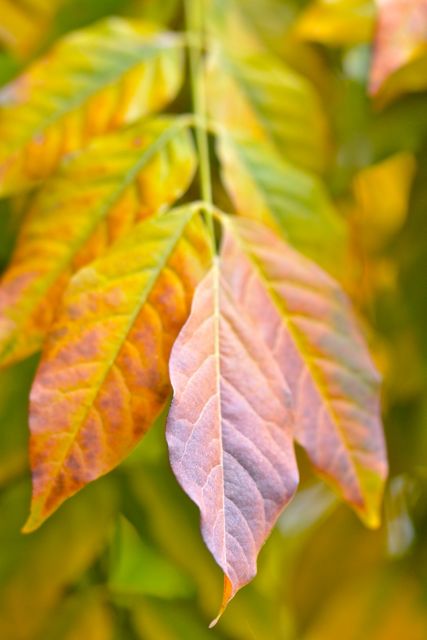
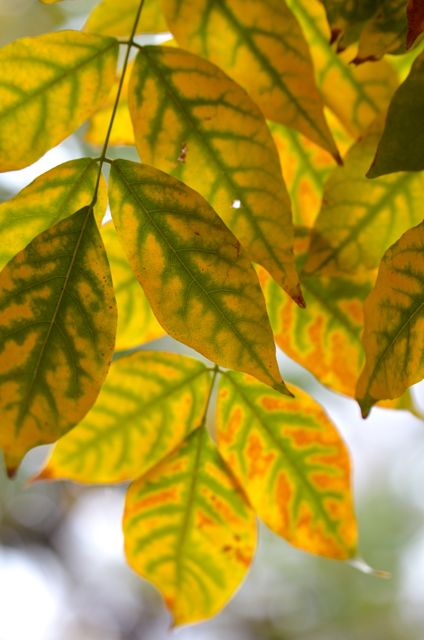
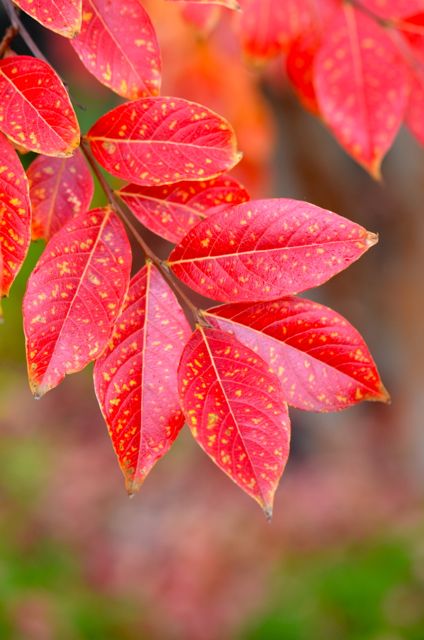
 Autumn is a conflicted season in the Bay Area. We play at the beach while the snow covers the mountains. T-shirts at the Thanksgiving table (at least some tables). The golden hills turn green. Leaves fall amidst the blooming flowers. There is always a touch of spring here, always something new, always growth. But some leaves still color and then fall.
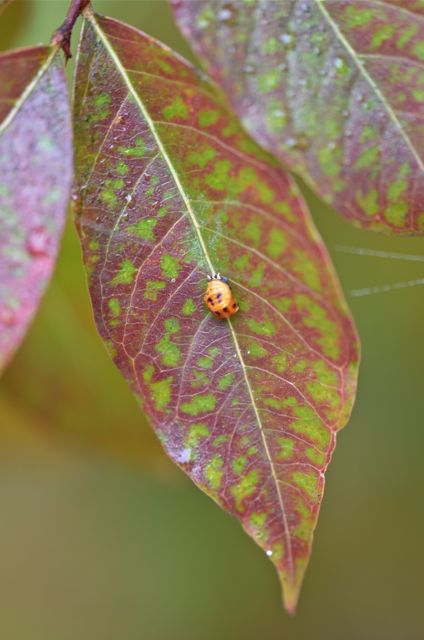 On the east coast people speak of the “fall colors” and loving the seasons we don’t really have here. We do have seasons and beautiful leaves…we just need to look a little harder. And if we want winter, we will just have to drive to the mountains… 😉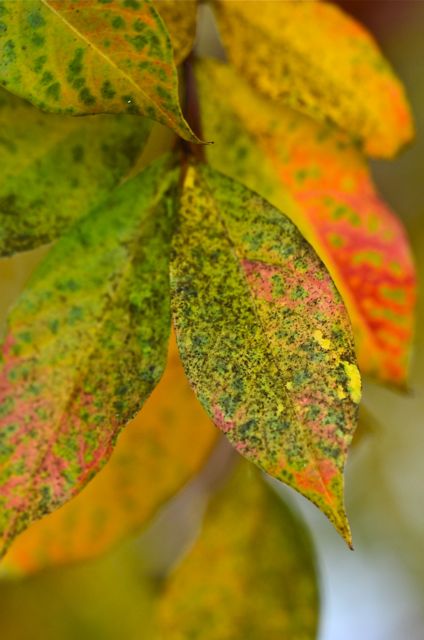












 Putney Farm