• Butternut Squash Gnocchi

    Butternut squash gnocchi with sage brown butter, bacon and hazelnuts.

    As we noted earlier this week, fall really isn’t quite here yet. But we already jumped the gun with the Applejack Rabbit cocktail, so why not move directly to the heart of the colder seasons and work with butternut squash? And while butternut squash is a “winter” squash, that just means you can store it over the winter. It is perfectly good to eat in the fall (or even late summer). And we do like our butternut squash, it is sweet and savory and a great ingredient in all sorts of dishes. And if you use butternut squash in pasta with some brown butter and maybe some sage…well, then you start inching towards culinary nirvana.

    Somewhat monochrome ingredients, but you get a colorful dish.
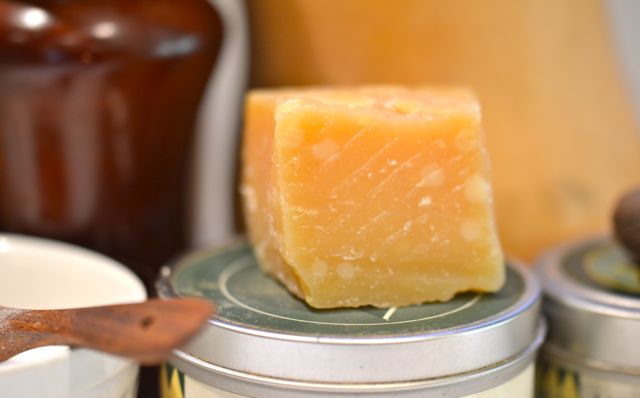
    Just because we like the photo…and the ingredient.

    And while we like to make pasta at home (frankly, with mixed results) we do know we can make gnocchi, and it will be good. And if we use butternut squash, it can be very good. And this gnocchi is easy to make, but it does take a little time- time well spent. And this is a frugal dish as well. Butternut squash, flour and butter won’t break the bank. And they are pretty good for you, too…you get the idea.

    Cut the top and bottom from the squash.
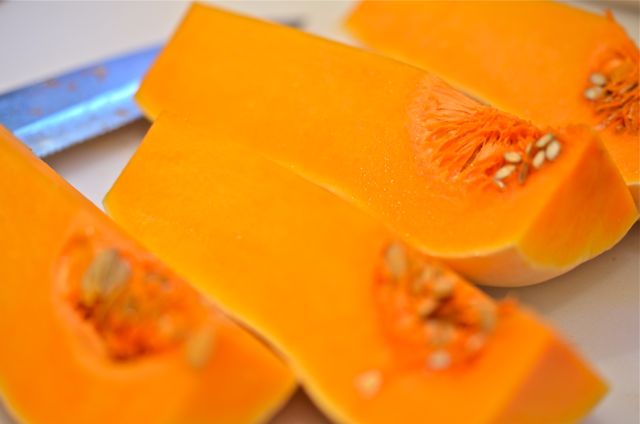
    Quarter the squash and cook in the microwave.

    Scoop out the flesh from the squash.

    If you are unfamiliar with gnocchi, it is simply a small dumpling that usually combines a cooked starchy vegetable like potatoes or squash (although you can also use ricotta cheese- but that is for another post) with flour and seasoning . The dumplings are boiled and then served, or cooked a second time (usually browned in butter). What you get is a remarkably light-textured, but very hearty dumpling that pleases a crowd (and sticks to their ribs). Basically, if you want to feed a bunch of kids after they play sports, gnocchi is a good choice.

    Grate some nutmeg.
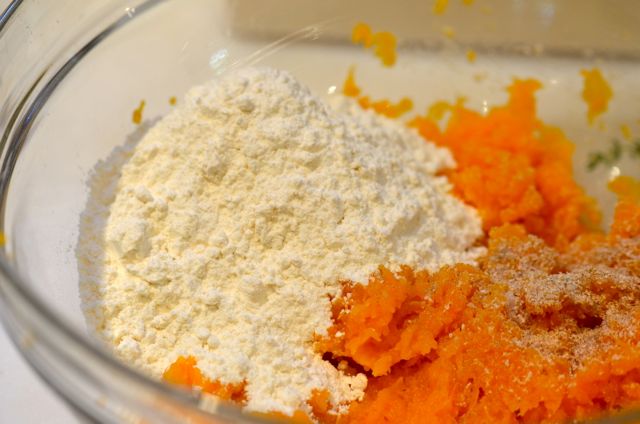
    Add flour and the seasoning. Start to mix the dough. Continue reading

  • Bonus Cocktail: The Applejack Rabbit

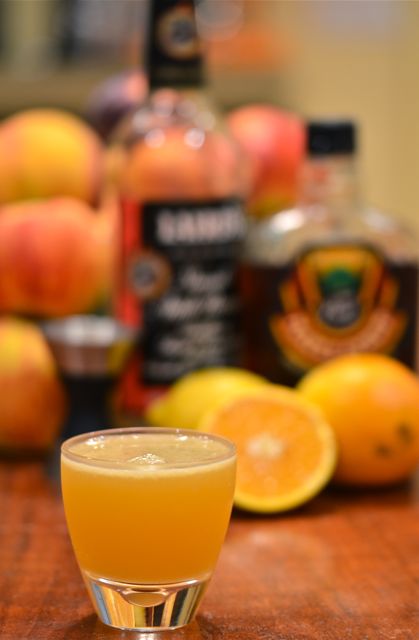
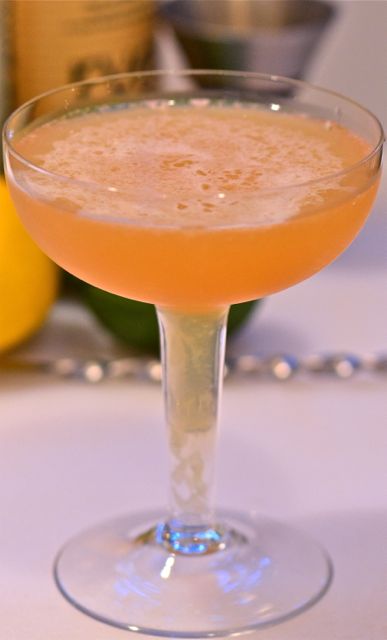
    The Applejack Rabbit.

    Fall is here! Well…kinda…sorta…almost…spiritually…uh, whatever. Labor Day is gone, the kids are back in school, and now we feel free to post “fall-themed” cocktails. And when we think autumn, we think apples. And if you like eating (and drinking) with the season, there is nothing quite like Applejack, the great American brandy. And there is no better Applejack cocktail than the Applejack Rabbit.
    Unfamiliar with Applejack? It is the first great American spirit. Way before Americans fell in love with whiskey, we turned our apples into cider and then let that cider turn to apple brandy. How? In the “old” days of the 18th century thirsty Americans would leave out their “hard” apple cider in winter, and as it froze they would remove chunks of ice. The ice was mostly water, as the alcohol has a lower freezing point, so what was left over became ever-stronger apple brandy.  And it was usually potable, but quality could be spotty (and perhaps just short of lethal).
    Laird’s “Bonded” Applejack, really good stuff.

    But soon enough, American’s started to distill their Applejack and it has been a consistently tasty, tangy brandy ever since. And as late as the 1920’s, Applejack was a popular cocktail spirit. But prohibition almost killed Applejack distillation. Only Laird & co. of New Jersey survived as a real business. And this is somewhat fitting, as the Laird’s distillery, founded in 1780, is possibly the longest continuously operated distillery in the country. And their Applejack is very, very tasty- and affordable.

    But one quick note, if buying Applejack, you want the Laird’s “Bonded” Applejack- this version is pure apple brandy and will run you between $20-$30. And what you get is a smooth brandy that has the body of bourbon and the apple flavor of Calvados, but with an extra apple “tang” similar to a green apple Jolly Rancher candy (sorry, but that is what it tastes like). Great stuff and you can use it as a substitute for both whiskey and Calvados in cocktails. If you find it, we suggest you add Applejack to your bar, you can use Applejack in Old Fashioneds or in classics like the Jack Rose. You can even use it in apple desserts….more on that soon.

    As for the cocktail, the Applejack Rabbit combines Applejack, orange juice, lemon juice and maple syrup. Maple syrup is not a common cocktail sweetener, but it works wonders with the Applejack. The citrus adds a sour balance and more depth, but make no mistake, this is an apple cocktail. Most recipes suggest grade B maple syrup, but any good maple syrup will work. And as this cocktail has been around a while, there are many recipes. We use a version from the PDT cocktail book, as Jim Meehan’s recipes usually work well with current tastes. And the Applejack Rabbit is a perfect drink for the season, the apple and maple syrup almost scream out that the seasons are changing…and while we always miss summer, a little Applejack certainly eases the transition…

    The Applejack Rabbit:

    Ingredients:

    • 2 oz. Applejack (Laird’s Bonded Apple Brandy)
    • 3/4 oz. fresh lemon juice
    • 3/4 oz. fresh orange juice
    • 1/2 oz. real maple syrup

    Assemble:

    1. Combine all the ingredients in a cocktail shaker with ice. Shake thoroughly and strain into a chilled cocktail glass, flute or coupe’. No garnish. Serve.