• Maple Ice Cream With Salty, Buttered Pecans

    Maple Ice Cream With Salty, Buttered Pecans.

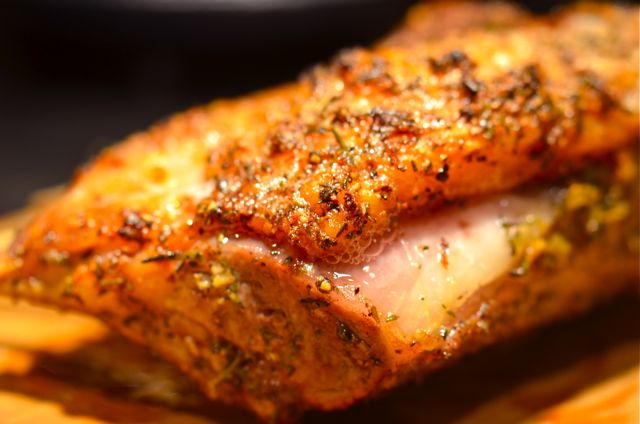
    Winter is closing in (as much as it can in California), but we still like our ice cream. We never seem to tire of ice cream, regardless of time or place. We’ve read that the two foods that break the most diets are ice cream and bacon. And we are proud to produce both, in large quantities, here at the farm. And while we try to moderate our intake, we often find the best way to overcome temptation is to simply give some of our creations away (“free bacon and ice cream for all!”). But not this ice cream, we are keeping ate all of this one.
    And that wasn’t really a surprise, as this ice cream comes from Jeni Britton Bauer, of Jeni’s Splendid Ice Creams in Columbus Ohio. Jeni’s ice cream is some of the richest, creamiest and most flavorful we’ve tried anywhere. And you can sometimes find her ice cream at specialty stores across the country, it’s amazing, but ridiculously expensive. And since Jeni published “Jeni’s Splendid Ice Creams at Home“, the best option is to make it yourself. And once you understand Jeni’s methods, you are on your way to ice cream nirvana.

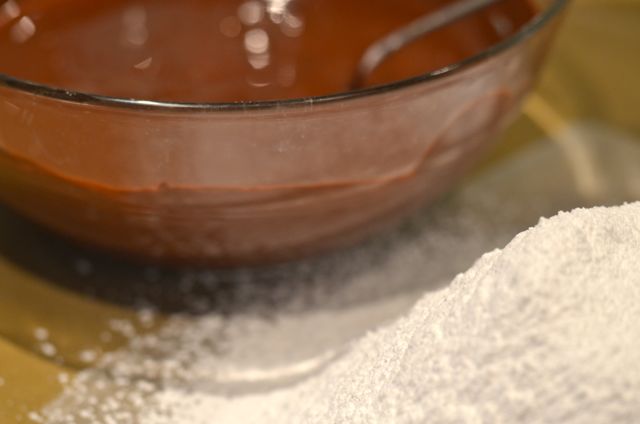
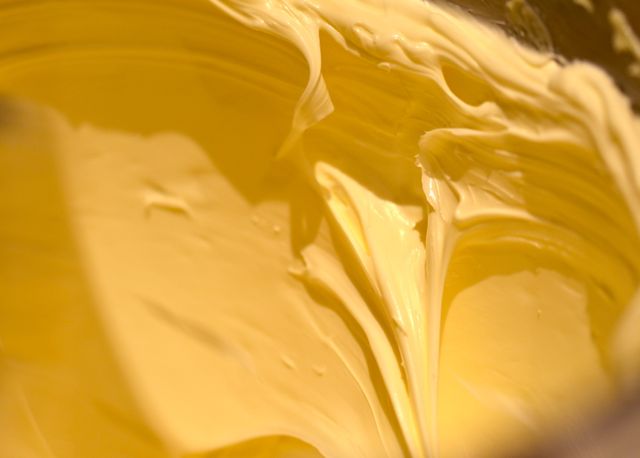
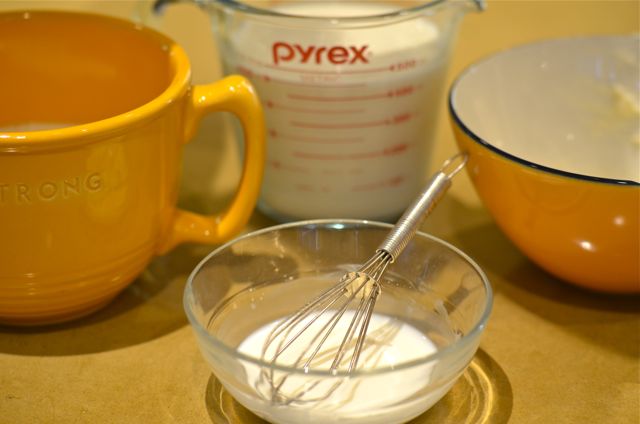
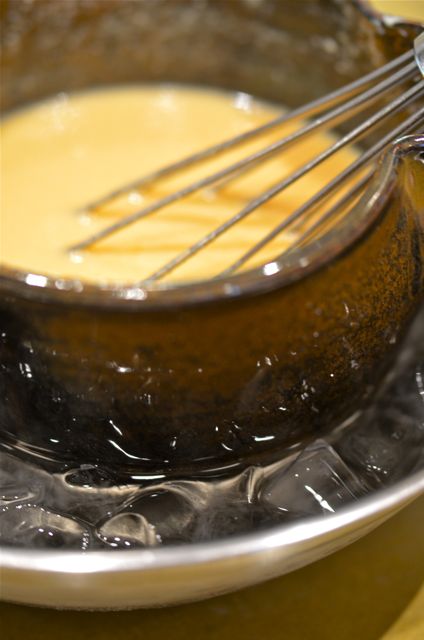
    The key to Jeni’s method is to minimize the formation of ice crystals (ice crystals make ice cream gritty) and maximize butterfat and flavor. But instead of using traditional ingredients like granulated sugar or egg yolks, she uses corn syrup to sweeten, a cream cheese base for fat and thickens the milk and cream with corn starch. This may seem odd, but the science (and texture and flavor) are on Jeni’s side. Corn syrup is glucose, rather than sucrose, and resists crystallization. Corn starch bonds with the milk and cream to further reduce crystal formation. Cream cheese (it doesn’t impact flavor) mixed with a milk and cream mixture provides fat without extra water. Along with a rapid chill of the ice cream base, this method gives you creamy, silky ice cream that beats almost anything you can buy.
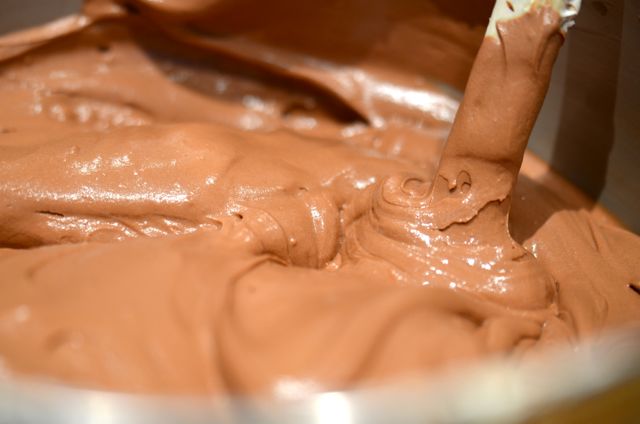
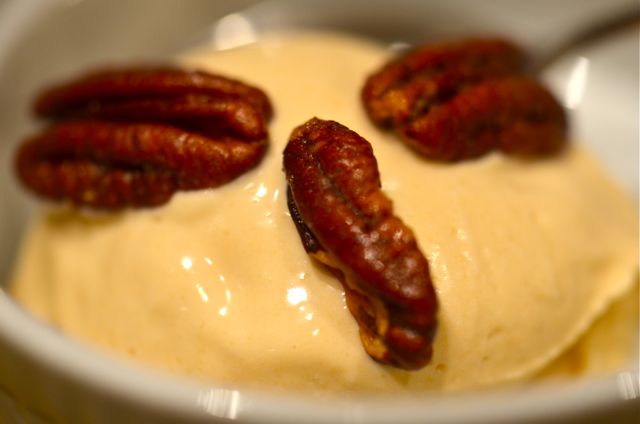
    Jeni’s cookbook has recipes for all sorts of exotic ice cream flavors like Queen City Cayenne, Blackstrap Praline, Goat Cheese with Roasted Red Cherries and Chamomile Chardonnay. But she also has new riffs on classics like dark chocolate, vanilla, mint, salted caramel and this maple ice cream. We simply love rich, sweet maple syrup and maple sugar candy is one of our favorite holiday treats. This ice cream tastes like creamy maple sugar candy, and combined with the buttery salted pecans, it’s heavenly. Like we said, we aren’t sharing this one. Go make some of your own… 😉

    Continue reading

  • Weekly Cocktail #36: A Martini

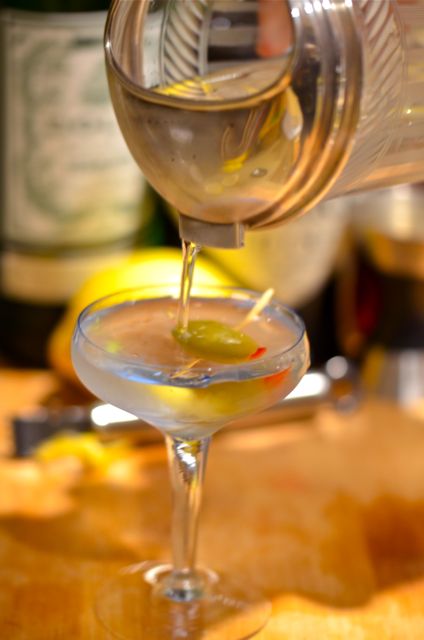
    A Martini.

    Writers coin hundreds, perhaps thousands, of words each day to wax over the history and debate the composition of this week’s cocktail, the Martini. We can’t, and won’t, try to match any of it. What we will say is that the weather is getting nippy, we are cooking richer dishes and many holiday parties are on the horizon. Our tastes tend to shift with the season, and these days we start to crave the occasional Martini. Regardless of all the blather endless conversation, a good Martini is still a delight. Clean, cold and elegant, and with crisp, bracing flavors, a Martini is a good start to a special evening. (A few more can also be a very poor end to an evening, but we will leave that to Dorothy Parker).

    Ironically, for all the “best”, “only way”, or “classic” interpretations of the Martini, the recipe has been in flux throughout the Martini’s history. The only real constants are gin (yes, only gin) and vermouth. And that’s it, otherwise the variables are endless. Early recipes used Old Tom gin and sweet vermouth, some Plymouth gin and a mix of sweet and dry vermouth, later recipes London dry gin and dry vermouth. And the ratios are simply all over the place. Even the best cocktail books and writers simply don’t agree. Some recipes go 50/50 vermouth to dry gin (most recipes these days use dry gin) and some still use just the lightest hint of vermouth, others include a dash of bitters. And, of course, you have the preparation and garnish. The amount of back-and-forth over shaken vs. stirred and olive vs. a lemon twist already fill a few volumes. In fact, the one thing we can say with confidence is that if someone tells you they know the “best” or “only” way to make a Martini, they really don’t know what they are talking about. All they really know is how they like “their” Martini. If you like a good Martini, you need to try a number of variations and decide what you like. This is a good thing.

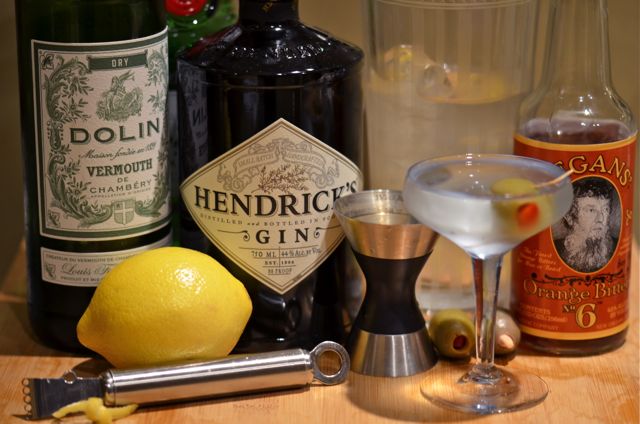
    And while you experiment, we do suggest you consider a few things. Firstly, vermouth isn’t an afterthought. There are many quality vermouths out there from the inexpensive (Noilly-Pratt) to the premium (Dolin). And if you keep them in the fridge they actually taste good. No need to skimp. Try recipes that use more vermouth, you may be surprised. Secondly, the world of gin is exploding with multiple flavor profiles. Good London dry gin and Plymouth are still heavy on juniper, but “new world” gins like Hendrick’s and Nolet’s focus on flavors like cucumber or rose petals (we tend to like the old standby of Tanqueray and the occasional dalliance with Hendrick’s, but that’s just us). Third, we suggest you play around on the edges, try a dash of orange bitters, experiment with olives and twists depending on the gin or vermouth you use.  Finally, it makes sense to keep your Martinis small so they don’t warm up, a cold Martini is a good martini. And feel free to shake or stir, just be sure to do it until the Martini is very, very cold.

    Right now, we enjoy Dolin dry vermouth and have it highlight our Martinis. We use a decent slug of vermouth with dry gin and we also enjoy an “old-school” variation and include some orange bitters. As for olives or a twist, it depends on our mood and if we need a quick appetizer, but we like the lemon oil from the twist. So our current recipe is 1 and 1/2 oz. dry gin, 3/4 oz. dry vermouth, a dash of Regan’s Orange Bitters #6 and a lemon twist. We have a cool mixing glass, so we stir. But do what you like. Enjoy yourself.

    And one last note. Few cocktails match the spare, timeless elegance of the martini. The shaker, the glass, the olive all look beautiful and harken back to the art-deco designs and speakeasies of the 1920’s. Having a Martini is a special event, a small step back in time, an escape. And we celebrate that. However you make it, take the time to make your Martini well. Pull out some of your best glasses and maybe even a silver tray. Pick out some good music to play. Maybe invite over a few good friends. Serve your Martini with style, it will pay you back handsomely.

    The Martini:

    Ingredients:

    • 1 and 1/2 oz. dry gin
    • 3/4 oz. good dry vermouth
    • 1 dash Regan’s Orange Bitters #6 (optional)
    • Lemon twist

    Assemble:

    1. Combine the gin, vermouth and bitters in a mixing glass with ice. Stir until very cold and strain into a chilled cocktail glass or coupé. Squeeze the twist over the drink and then place it in the glass. Serve.
  • A Cocktail For Election Day: The Tammany Jack

    The Tammany Jack.

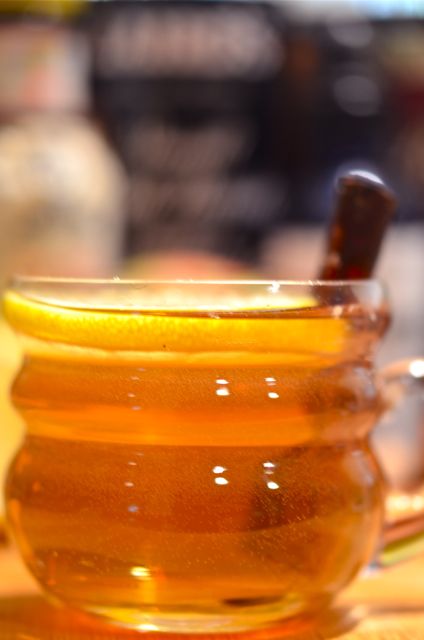
    As election day comes to America, there is one thing almost every American can agree upon, “thank God it’s OVER!”. And regardless of who wins, we think everyone deserves a good, stiff drink (or a cupcake, check back shortly). And, not too long ago, many a voter could be swayed by the promise of a free sip (or two, or three, or four) of booze. Back then, we assume the drink might have been a toddy. A simple combination of spirits, hot water, sugar and spices, a toddy is a perfect warming sip on a cold November day. (It’s eighty degrees in California, but bear with us).

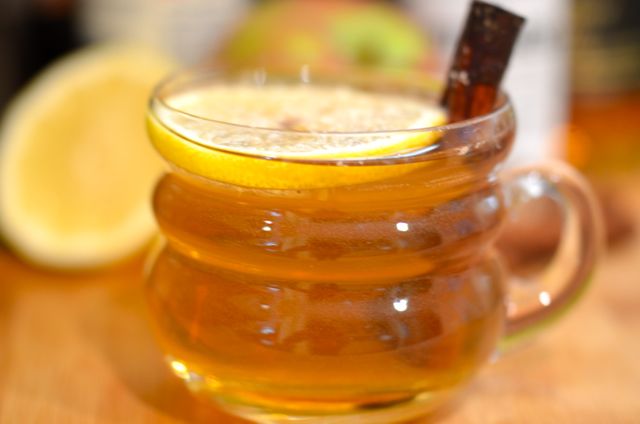
    The Tammany Jack is our version of a fall-themed toddy. It combines rye whiskey (or bourbon), Applejack, cinnamon syrup, lemon juice, bitters and hot water (a dash of allspice liqueur is a good bonus). Garnished with a cinnamon stick, a slice of lemon and freshly grated nutmeg, the Tammany Jack not only tastes good, but smells like a blast of holiday spice. A strong, warm and comforting sip. And if you don’t have Applejack or rye, don’t despair. You can make a toddy of almost any spirit or sweetener. Both Liquid Culture Project (Scotch) and Measure & Stir (apricot-infused Bourbon) have good recipes, but any whiskey, brandy or dark rum can make for an excellent toddy. And every bar has sugar, spices and hot water. Toddies are worth a try.

    We named our toddy after the famous 19th and early 20th century New York political machine “Tammany Hall”. Tammany has a very mixed reputation, as they were known for corruption, but also representing early immigrant groups. Tammany was also known for getting out the vote, and liquor (along with cash and favors), was certainly a key electoral tool (see the period political cartoon below). We named the rest of the cocktail after the Laird’s applejack we use in recipe. Applejack comes from New Jersey and was a popular local spirit in 19th century New York. Back then dozen of local distillers made Applejack, but these days Laird’s is one of the few options. Happily, Laird’s Bonded Applejack is a high-quality apple brandy that is a worthy addition to any bar. (Yes, we are on a bit of a rye and Applejack jag, sorry).

    Tammany and the Liquor Dealers (From HarpWeek).

    Finally, the recipe calls for cinnamon syrup. You can buy cinnamon syrup at many liquor stores or supermarkets, but it is very easy to make at home. Simply make a simple syrup with white, or preferably turbinado or Demerara sugar (recipe here). Then add a few cinnamon sticks to the syrup once you take it off the heat and let the cinnamon steep for about half an hour.Take out the cinnamon sticks and you have cinnamon syrup. You can use the cinnamon syrup for a twist on an old-fashioned, or in tiki drinks. But since it’s cold and the election is almost over, why not try it in a toddy like the Tammany Jack?

    The Tammany Jack:

    Ingredients:

    • 1 oz. rye whiskey (Rittenhouse bonded) or bourbon
    • 1 oz. Applejack (Laird’s bonded)
    • 3/4 oz. cinnamon syrup
    • 3 oz. very hot water
    • 3-4 drops lemon juice
    • 3 dashes bitters (Bittermens Tiki and/or Angostura)
    • 2 dashes allspice liqueur (optional)
    • Lemon wheel, for garnish
    • Cinnamon stick, for garnish (optional)
    • Freshly grated nutmeg

    Assemble:

    1. Warm a mug with hot water for 30 seconds. Pour out that water then add the rye, Applejack, cinnamon syrup, lemon juice, bitters, allspice liqueur (if using) and 3 oz of hot water. Stir and then garnish with the lemon wheel, cinnamon stick and a grating of nutmeg. Serve.
  • Roasted Rack Of Lamb

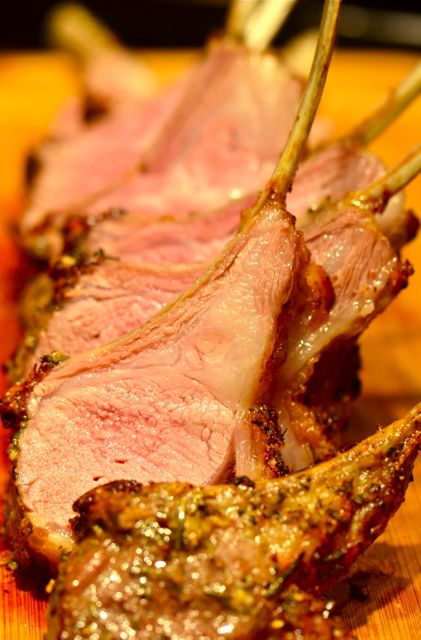
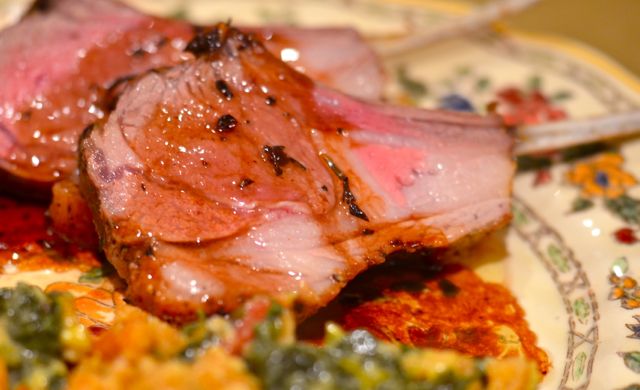
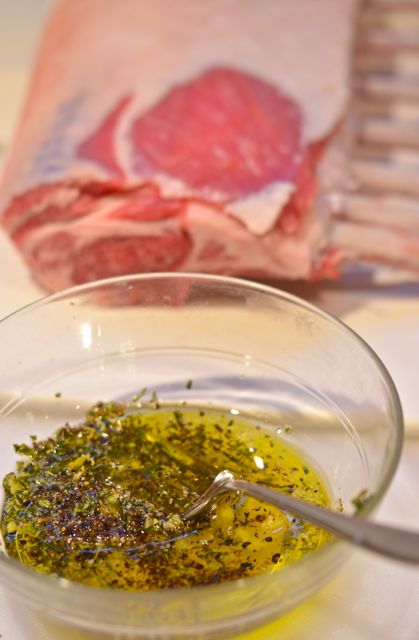
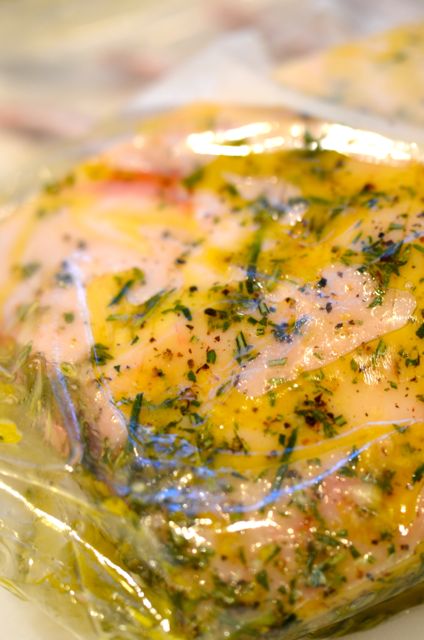
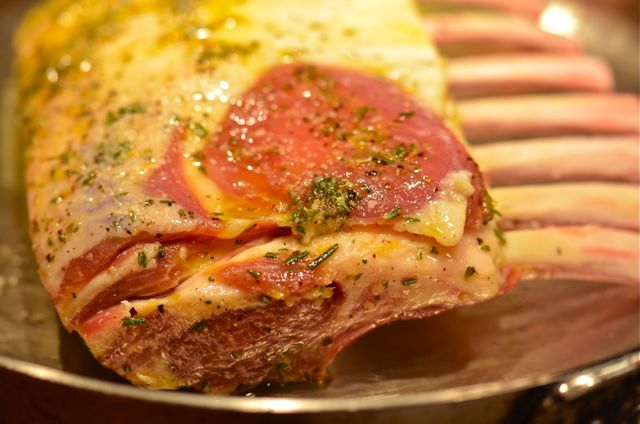
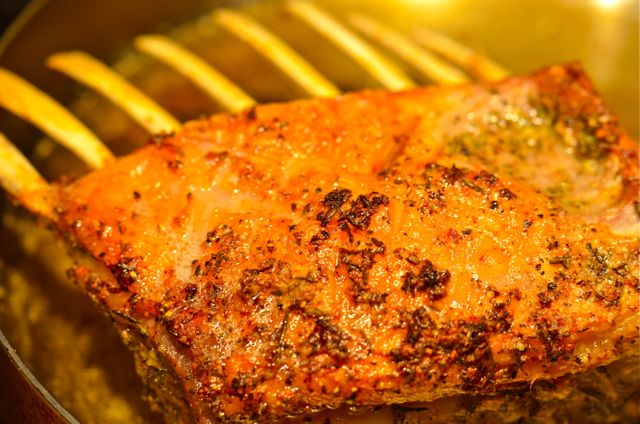
    Roasted Rack of Lamb.

    Years ago, and we do mean years ago (ugh), we enjoyed some of our first “fine dining” in San Francisco and New York. The food was divine and we really felt transported to an entirely new world. Great fun with lifelong friends, and some of our most memorable experiences. We were also lucky enough to have a few friends who happened to be professional chefs, and they often gave us a little guidance on what a good fine dining experience “should” be. Our friend Chad, once said of a French-inspired fine dining experience, “if you don’t get world-class game, veal or lamb as the main dish you’ve been cheated”. And while we generally agree, the last Michelin 3-star we dined at served goat as the main course.The goat was very, very good, but also a sign that, perhaps, times have changed (or to get 3 stars these days you must be “unique”).

    Regardless, lamb often seems like a special, restaurant-only dish. But many lamb dishes are very easy to make at home, and the results are truly delicious. The easiest cuts to cook at home are lamb tenderloins and rack of lamb. (Lamb tenderloins are simply the loin cut from the rack of lamb- very expensive, hard to butcher and hard to find, but incredibly tender and flavorful. Get them if you can and sear in a hot pan for just a few minutes, slice and serve. Heaven.) But rack of lamb is widely available, attractive, flavorful and a simple dish to make. And the rack is not as “gamey” as other cuts of lamb. So not only is it tasty, but the rack is a good introduction to lamb for those who may be a bit scared by lamb’s reputation for strong flavors.

    As a bit of a downside, rack of lamb is often pricey, but it’s a special occasion / sunday dinner kind of dish, so we think it’s worth the cost. Also, most lamb in the states used to be imported from New Zealand, but these days many markets feature American grass-fed lamb that is just as good, often better, than imported lamb. We certainly need to give a plug to our friends the Poncias at Stemple Creek Ranch, their humanely raised, grass-fed lamb and beef are world-class. And domestic lamb is less expensive than imported. Good stuff, and something any locavore can get behind and enjoy.

    Continue reading