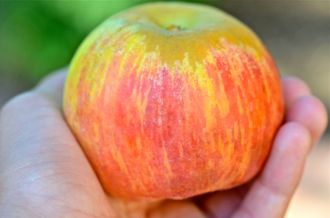
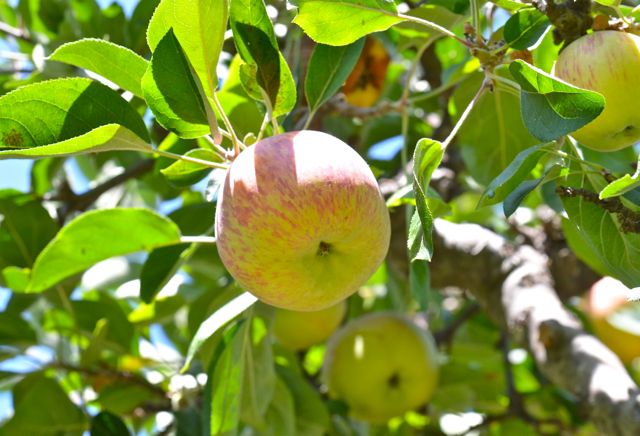
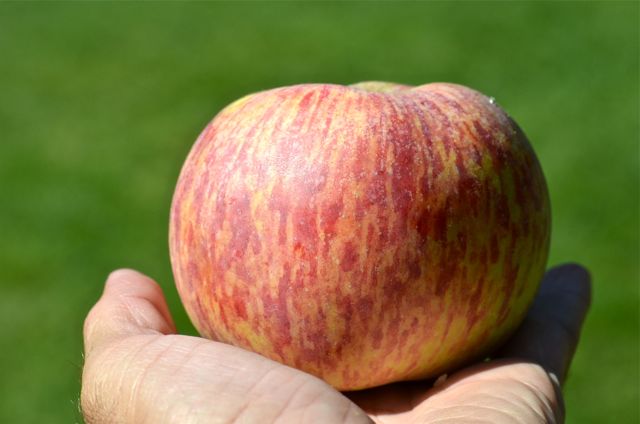
Ripe Gravenstein apple.
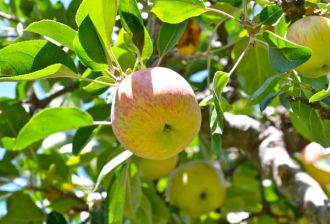
Ripe Gravensteins in the tree.
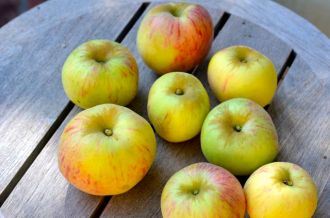
Amidst our flurry of activity in the garden from the tomatoes, eggplant, beans, peppers and melons, we suddenly noticed that our Gravenstein apples were ready for harvest. And while we say “ready for harvest” for the Gravensteins, that is a relative term, as the Gravenstein is a “variable harvest” apple. This means, basically, that the apples ripen unevenly, usually over a 2-8 week span. This is good for home use, as we get apples over a month or so, but this is both a blessing and a curse for this excellent variety of apple.

Apple picker, in action.

The apple picker, these are very useful tools.
And the Gravenstein is a very tasty apple, more on the tart side, but certainly sweet enough to eat out of hand, the Gravenstein is an excellent apple for applesauce, cider and pies. In our house we eat them out of hand and primarily make applesauce, the kids (and even the adults) love it. But we will make a few desserts and cocktails with the apples, as well. And none of the apples go to waste, the overripe apples go over the fence to the deer and the any others we don’t use to a nearby horse barn for treats. The horses, apple aficionados that they are, are big fans of the Gravensteins.

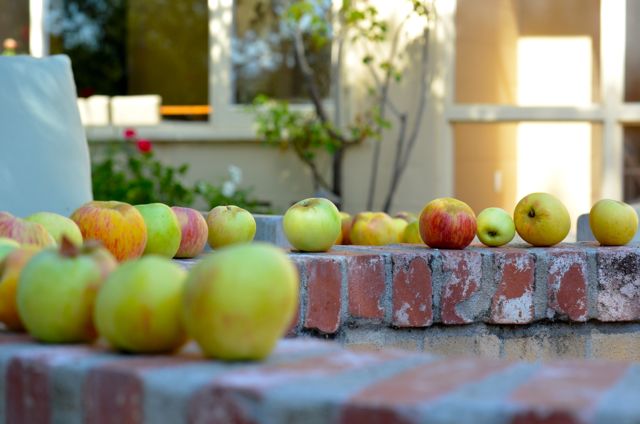
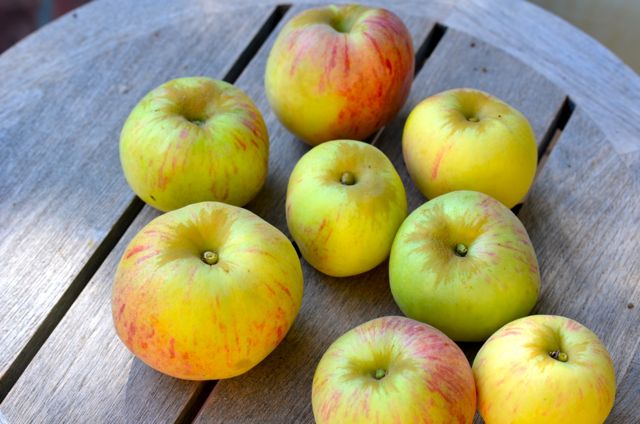
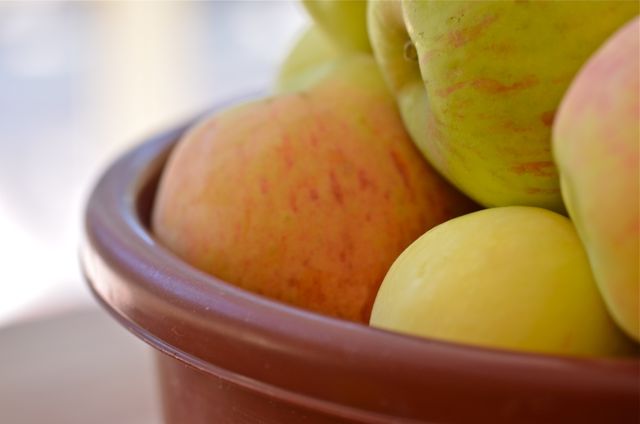
Note the variation in color and ripeness. Good for home use, bad for commercial farming.
 The Gravenstein apple is a native of Denmark (it’s the “national apple”), but is most associated with Sonoma County in northern California. In the 20th century Sonoma teemed with Gravenstein apple trees, and many American soldiers ate applesauce from those trees. But the delicate (they don’t travel well) and variable nature of the Gravenstein led farmers to move to other varieties of apple, and even more so, grapes. Now the Gravenstein is more of a local symbol than a viable crop and many fear it will disappear from commercial production . There is a great New York Times article on the subject here.

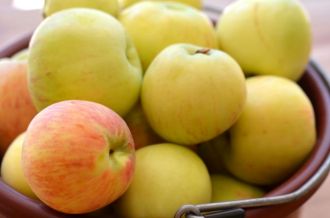 But what makes for a poor commercial crop often makes for good home use, and in a small setting the Gravenstein is an excellent apple. While there are a few days where we will harvest a majority of the apples, many remain on the tree for weeks, ready for picking and eating. In some ways the Gravenstein stores its fruit for you on the tree. And there are few better ways to slow your pulse than to walk up to an apple tree, pick an apple and just take a bite. So while there are limited commercial opportunities for the Gravenstein, we think it will thrive in back yards for as long as people like apples.
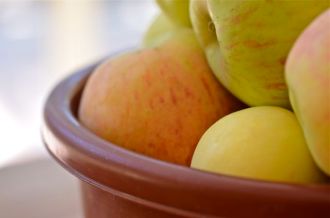
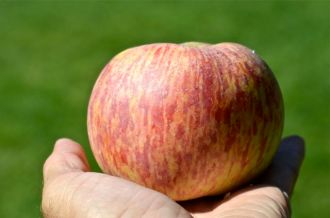
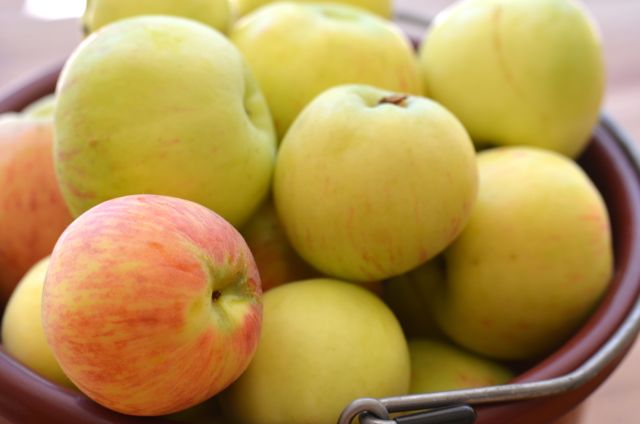
Colors that look like they are painted on to the apple.
Continue reading →
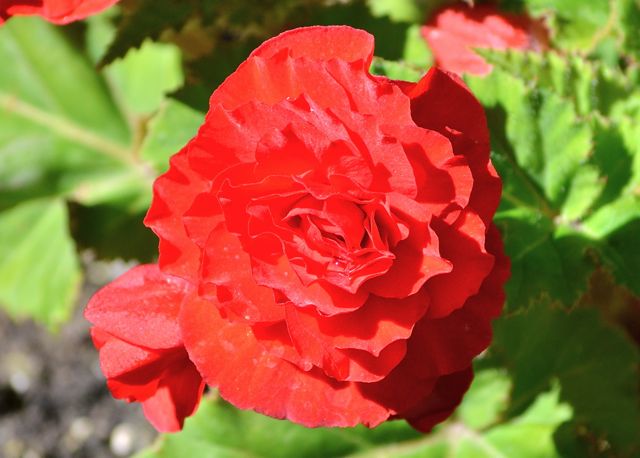
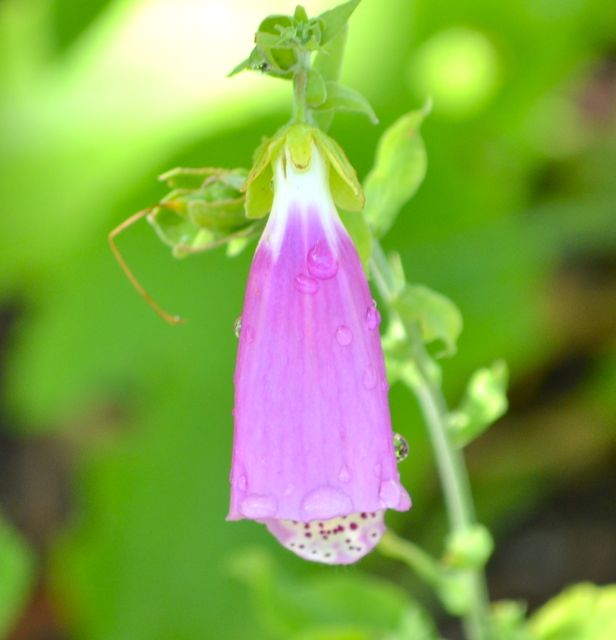
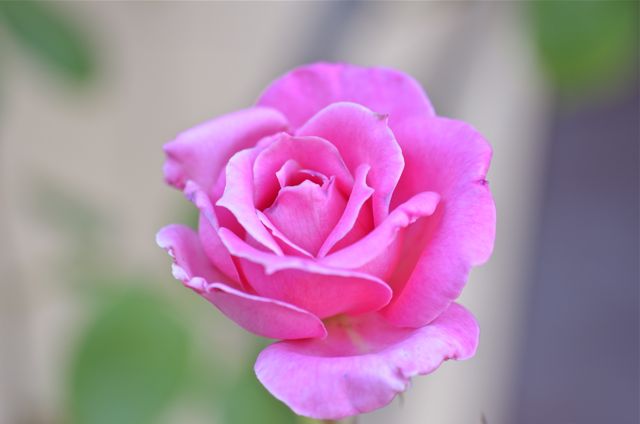
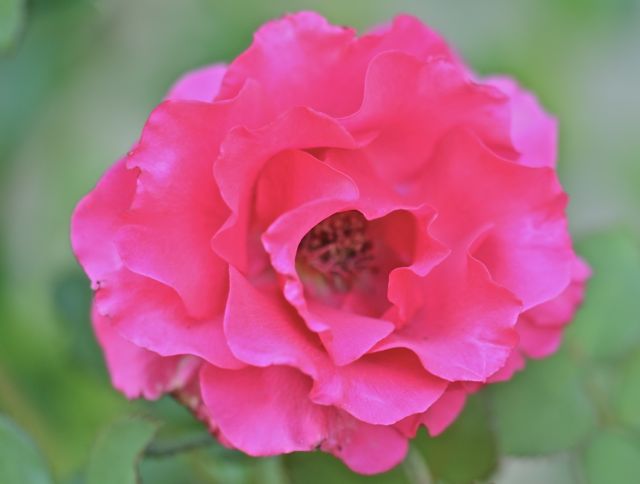
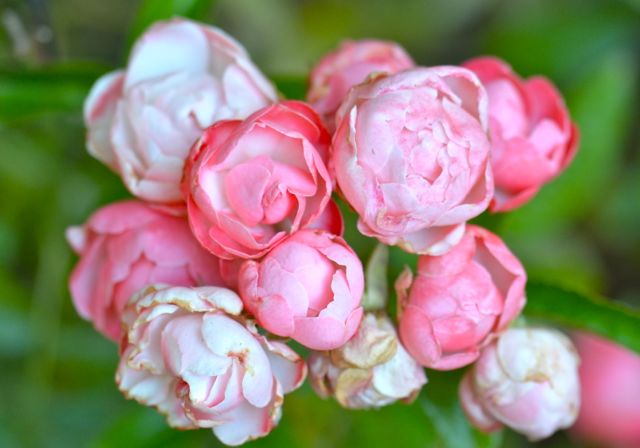
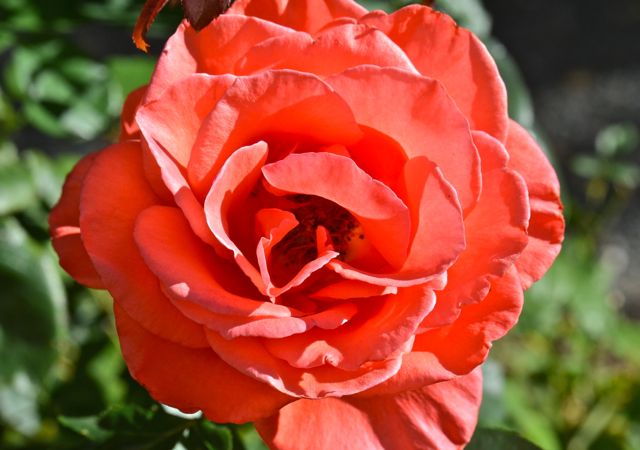
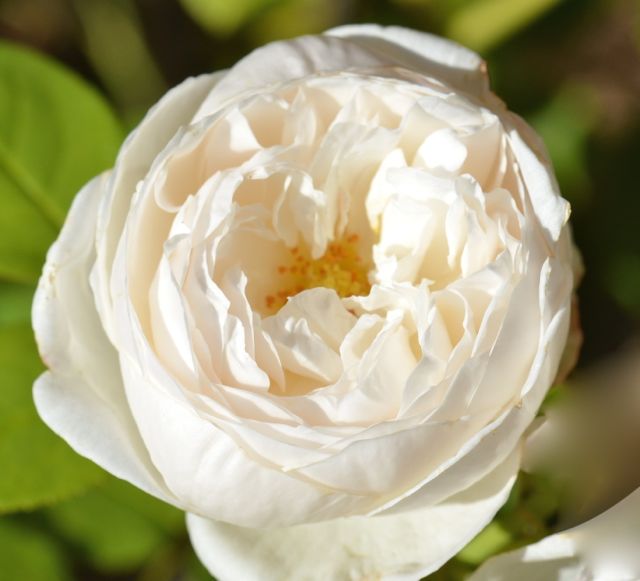
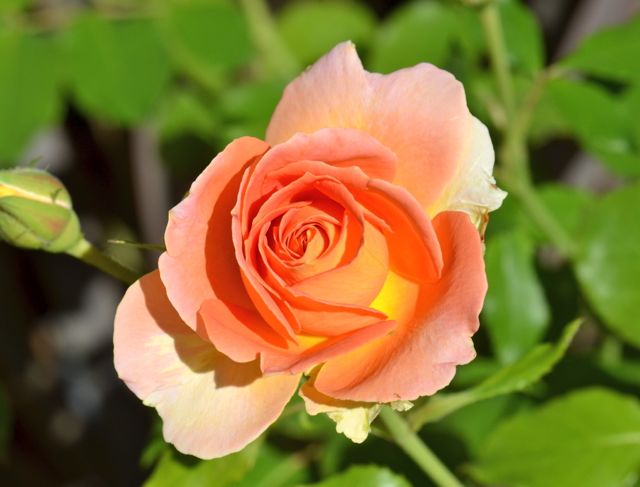
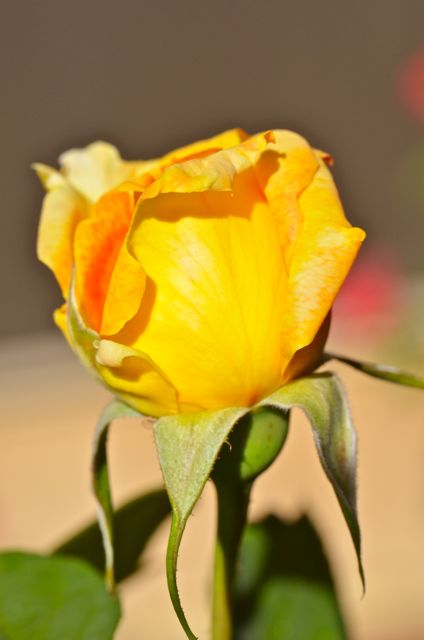
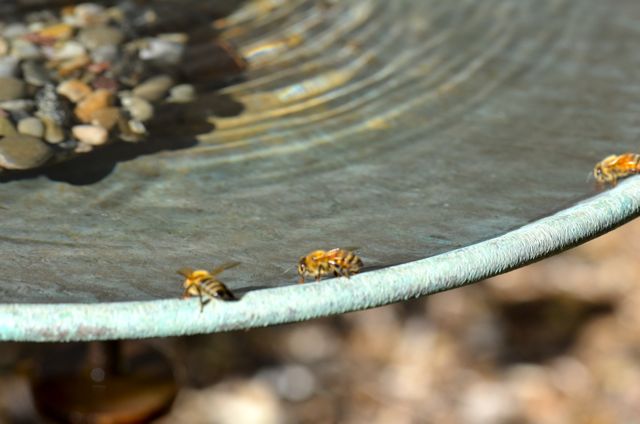
 It’s hard to call taking photos of flowers “labor”, but it is certainly something we love. Even the kids get into the act and have very strong opinions on the “best” flowers and photos we should share. But truthfully, we love them all. Any flower you have the time to appreciate is a good (sometimes great) flower. Here are some from the Santa Ynez Valley… (Thanks to Sonja And Bill!)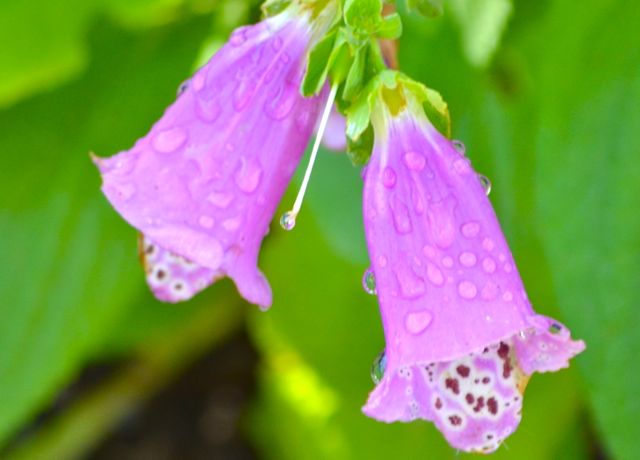
















 Putney Farm