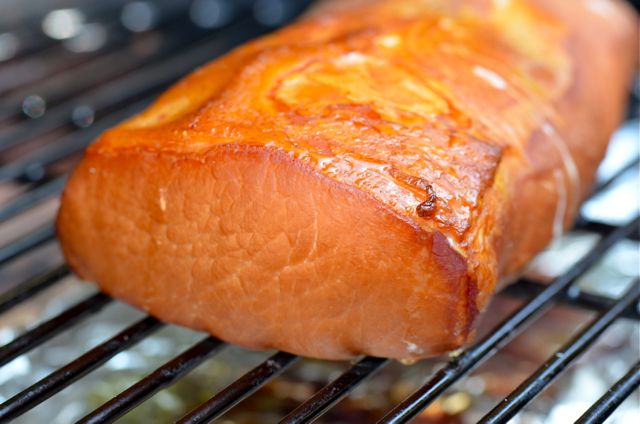
Mojo Pork Shoulder Roast.
A few years ago we hosted an “Orphans Thanksgiving” at our house. The guests were friends who, for whatever reason, didn’t connect with family for the holiday. It was a fun night, and keeping with the somewhat irreverent theme, we cooked BBQ Pulled Pork for Thanksgiving. Everyone loved it (sorry, but we like pork way better than turkey), but we all felt that, while tasty, the pork roast should be a bit more formal, like a true “roast”. With that in mind, we worked on a few recipes until we can up with this version of pork that uses a mojo-based marinade and cooks low-and-slow in the oven. Now it’s our “go-to” recipe when we host informal dinners, and holiday dinner parties. This dish is easy to make, but does take time and requires a few extra steps, but it is very much worth it- and the leftovers rock (more on this later).
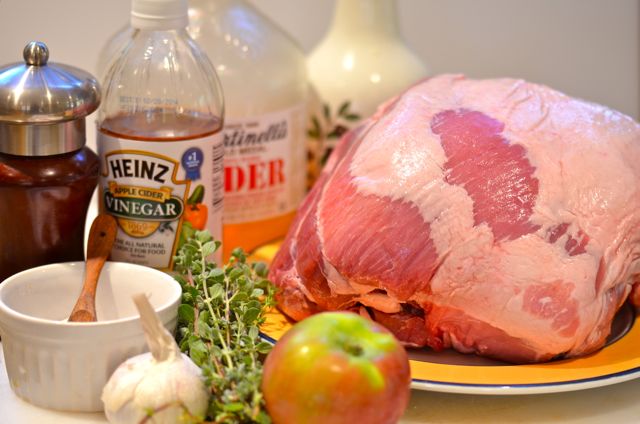
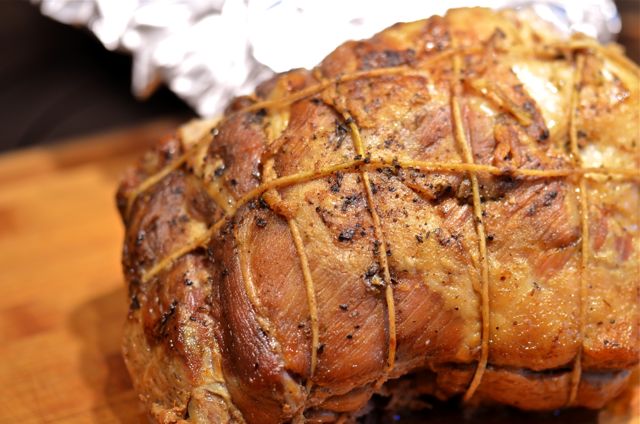
 So what is mojo? And why pork shoulder, and not a loin or rib roast? Well, first, mojo is a Cuban-inspired marinade of garlic, herbs, salt, oil and vinegar. It goes incredibly well with pork and you can tweak the herbs to fit your tastes and even match the sides you plan to make. Many mojo recipes include sour orange juice for a more Caribbean flavor, but we omit it in this recipe so we can use apples and apple cider as a flavor base for a more “fall-themed” sauce. As for the pork shoulder, we use it because when cooked low-and-slow it is the tastiest and most tender cut of pork available. It’s also very affordable. And since we use a bone-out pork shoulder, we can rub the mojo into the outside and inside of the pork for extra flavor. This does mean you need to tie the roast, but it is worth the extra effort.

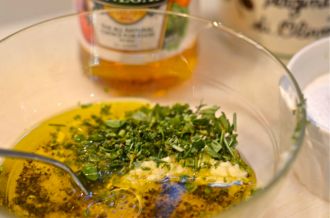
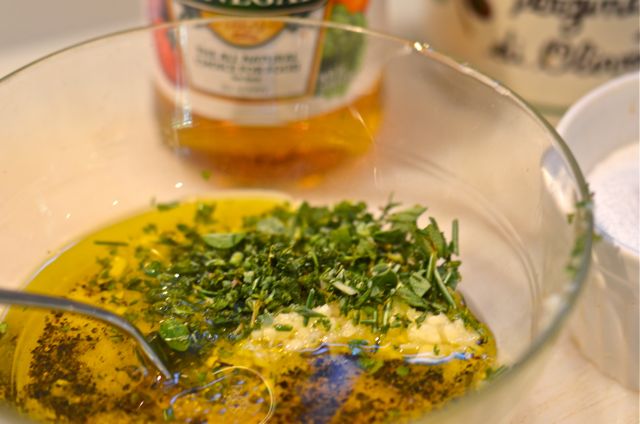
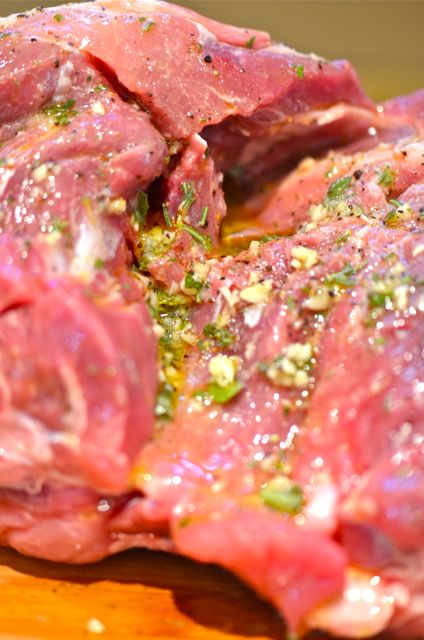
 Making the dish is easy, but is a 2-day project. It also has a few extra steps, but they make the difference between a “good” and “great” roast. On day one you make the mojo by chopping fresh herbs (thyme, sage, oregano and rosemary all work) and garlic and then mixing with olive oil, vinegar, salt and pepper. Then you take your pork shoulder (untie it, if already tied), poke a bunch of holes in it and rub the mojo all over the pork. Be sure to cover all the pork, inside and out and push the mojo into all the holes. Then wrap the pork or place it in a large container in the fridge overnight, or up to two days, the mojo will flavor all the meat. The whole thing should take about 15 minutes.
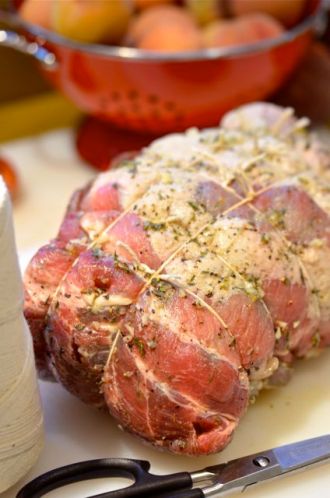
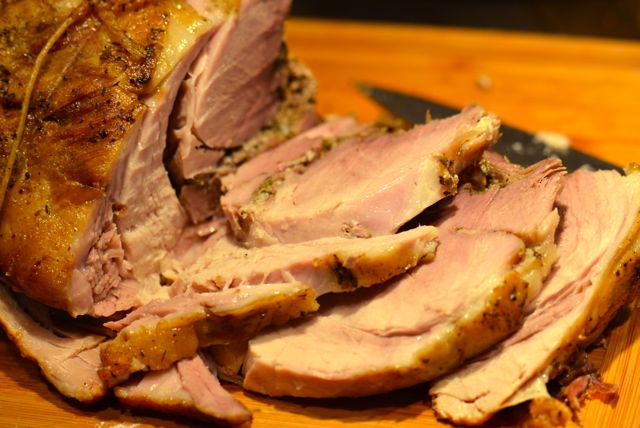
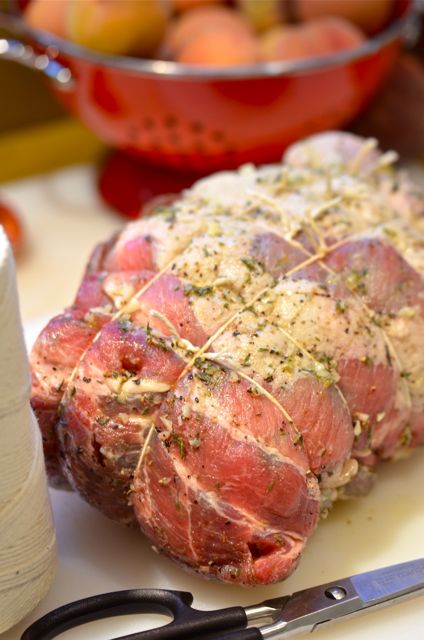
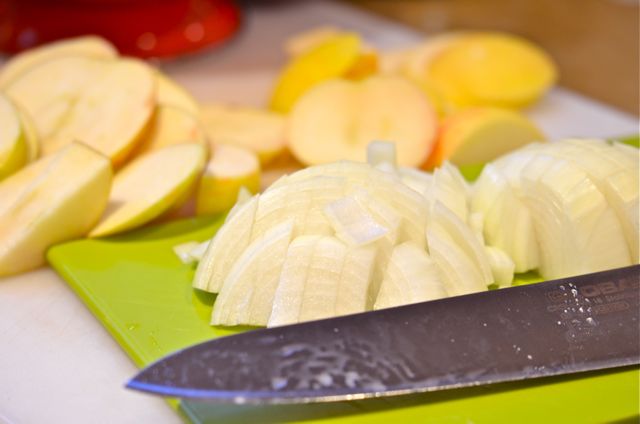
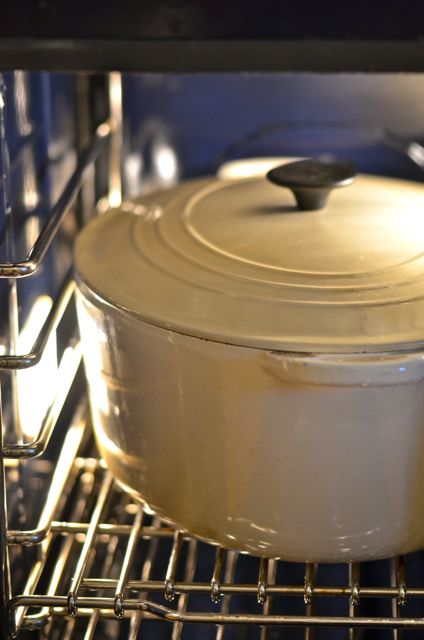
 As for day two, remove the pork from the fridge and scrape off most of the mojo from the outside of the roast (the garlic will burn, yuk) and retie the roast (see Notes). Preheat the oven to 250 degrees. Next, place a large, lidded dutch oven or heavy pot over medium high heat. Add some olive oil and brown the roast, about 5 minutes on each side until you get a nice crust. Then remove the roast from the pot to a plate or cutting board. Meanwhile, rough chop a few large apples and an onion. Add the apples and onion to the pot with a cup of apple juice or cider. Then place the roast on top of the apples and onions, put the lid on the pot and place the pot in the oven. Cook for 4-6 hours, or until the roast reaches and internal temperature of 190 degrees. And yes, you want a high internal temperature, it breaks down the collagen into the gelatin and makes pork shoulder so tender and “finger-licking-good”. Once the roast reaches 190, remove it from the oven and leave it alone for 1 hour. Then remove the roast from the pot and let it rest for at least 15 minutes on a large cutting board. Then the roast is ready to serve.

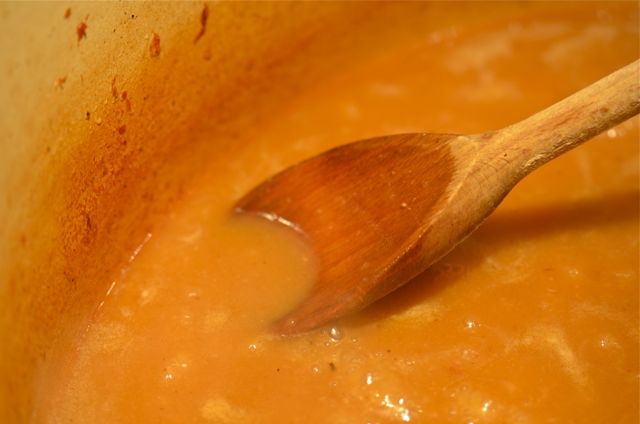
 As far as a sauce is concerned, the pork goes incredibly well with just applesauce. But you can also use the cooking liquid as a quick jus, or you can make a quick gravy. Usually we strain the apples and onion from the sauce, reduce it while the pork rests and make a quick roux to thicken the gravy. We put a teaspoon of Dijon mustard in the gravy to add some brightness and acidity. Good stuff and not much extra work.


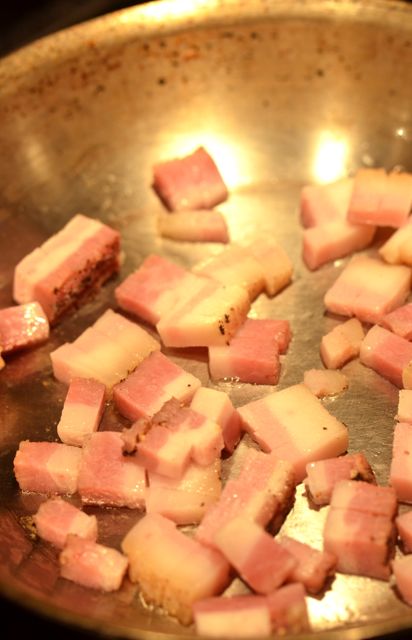
 So, in the end, you get a tasty and tender pork roast that will easily feed 10-12 people. And while the process takes a few days, the active time is less than 40 minutes. A good return on the effort. And you do get a final bonus, the leftovers. We take any left over pork, cut it into small pieces and place it into a hot skillet with a dash of oil and a bit of chili powder and cumin. After a few minutes the pork crisps-up into something very much like carnitas. The next-day tacos are even more popular than the roast…. Continue reading →
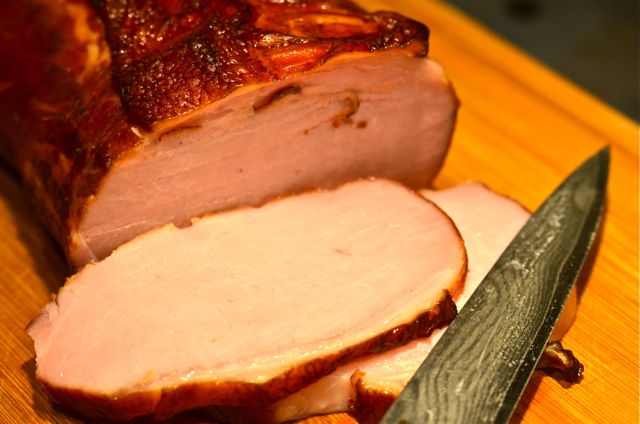
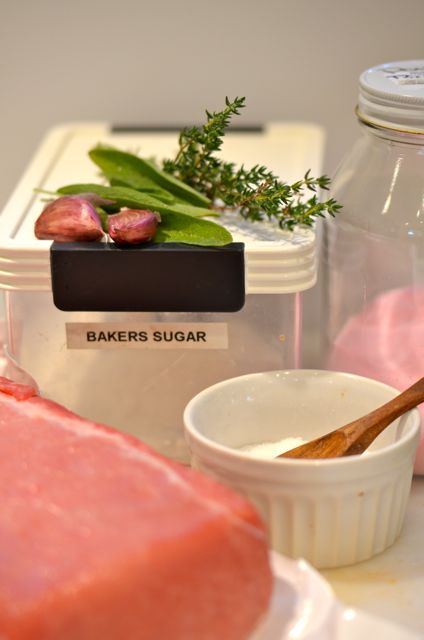
 Most Americans are familiar with Canadian Bacon as a featured part of the Egg McMuffin, and while it does go well with eggs (and we do make a better McMuffin at home), Canadian bacon has other uses. We use our Canadian Bacon in grilled cheese sandwiches, diced in soups, and simply as a snack. The best way to serve it is sliced thin and lightly browned in a skillet. The flavor is like smoked ham, but with some of the piquant flavor of bacon. Good stuff and a fun project.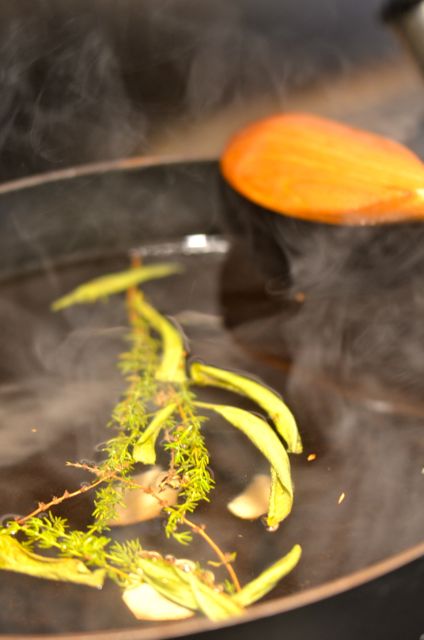
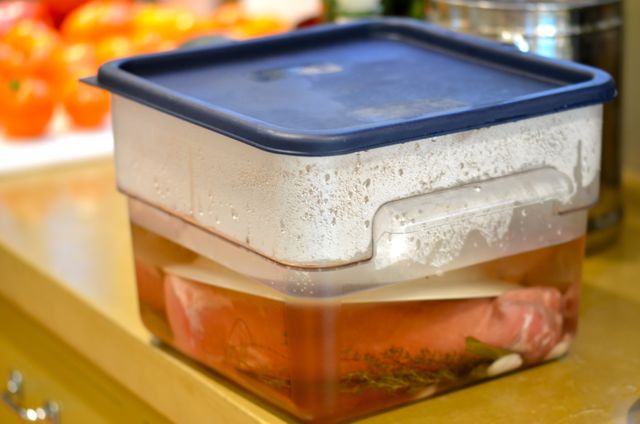 Making Canadian Bacon at home takes no special skills, just time and a key ingredient. The key ingredient is “pink salt” or curing salts. You can order them here. And if you want your bacon to taste like bacon, you need to use curing salts. Curing salts do contain sodium nitrites / nitrates and there have been some questions on their impact on health. We looked into it and any health risks seemed minimal. In fact, a little more research told us that fresh vegetables are very rich in nitrates (celery in particular) and there is no health risk associated with nitrates from veggies. So, as vegetable gardeners, we get plenty of nitrites and our health is fine. So we may as well enjoy some home-cured bacon. (Michael Ruhlman has a good, if somewhat heated, piece about overblown Nitrites / Nitrates risks here. It also includes some other scientific links on the subject. )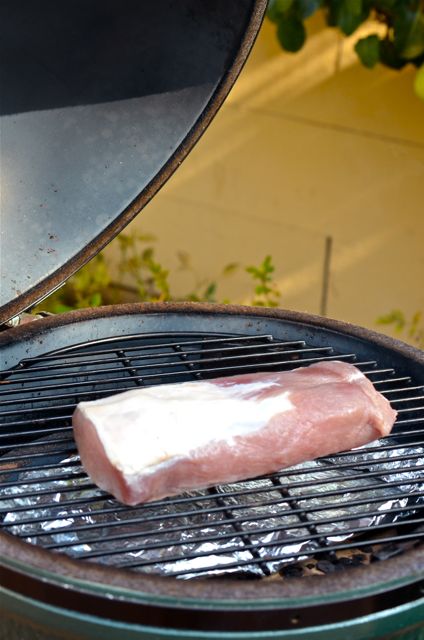






























 Putney Farm