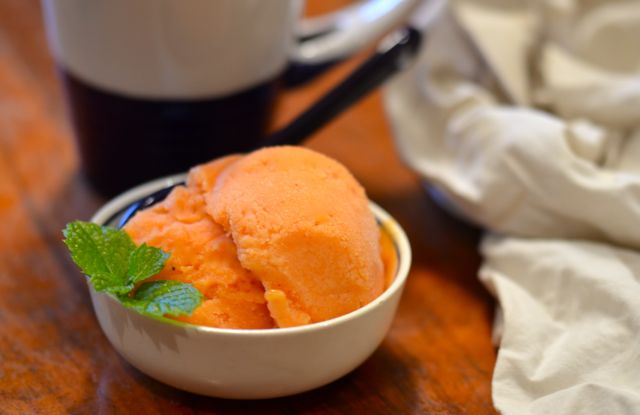
Peach Sorbet.
Lots of orange, red and brown tones in the blog these days…Fall really is coming.
In any event, we are all about saving the flavors or summer. After we pickle, can, jam and preserve there is always the option to make ice cream and / or sorbet. Why is this our last option? We aren’t really sure. Maybe it’s because if the fruit is at its best, we eat it out of hand. Maybe we like making pies. Or maybe we simply start to get lazy….hmmm.
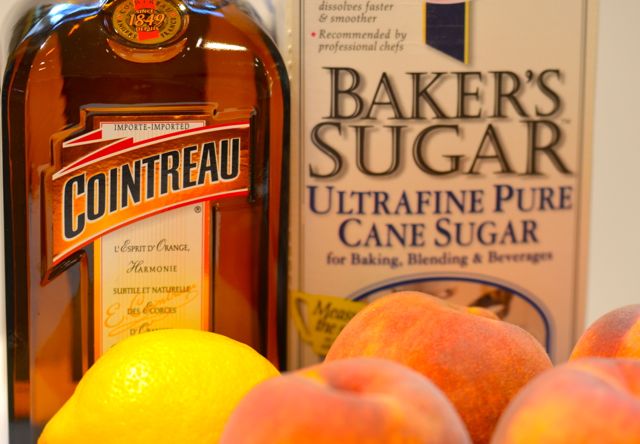
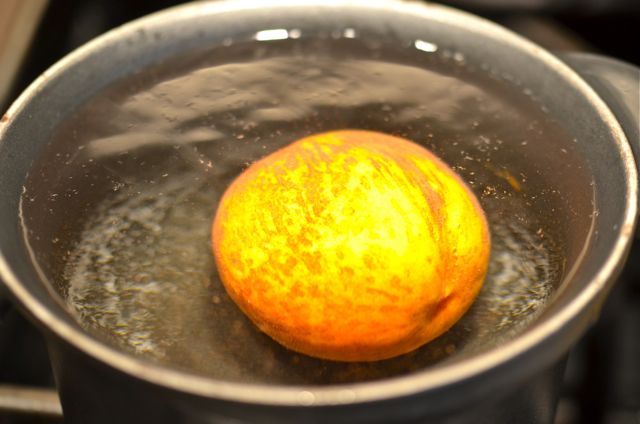
Blanch peaches in boiling water for easy peeling.
And sometimes we do feel a bit “unmotivated” to make ice cream and sorbet. It even seems like a chore with a lot of gear and cleanup involved. But we know better, making ice cream and sorbet is easier than expected, particularly if you chose the right recipes. For ice cream, Philadelphia-style ice creams (no egg custard) are very simple to make and feature bright flavors. And sorbet is as easy as it gets; fruit, sugar, maybe a touch of booze, blend, freeze, etc. As far as needing special gear and a lot of cleanup…well you’re stuck with that. But at least you get dessert.
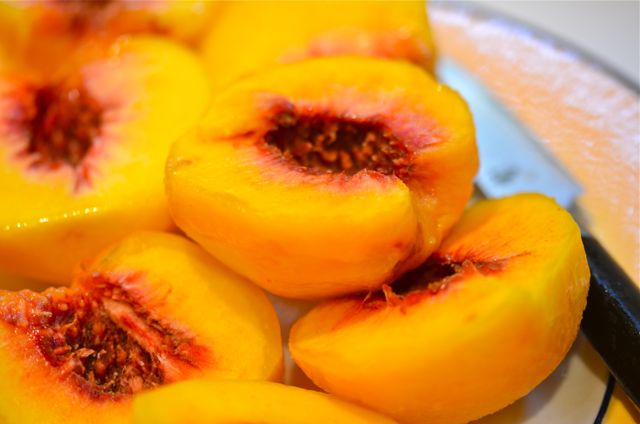
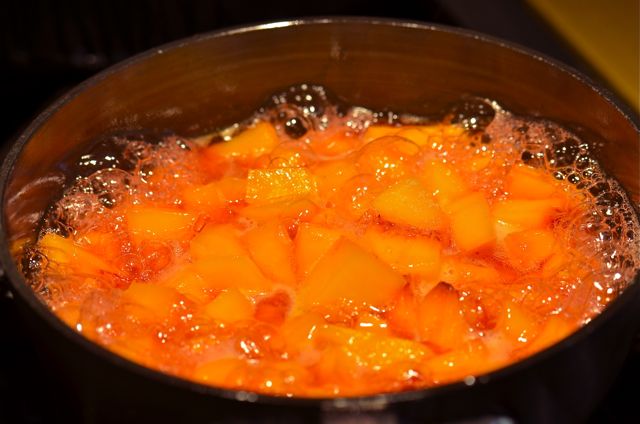
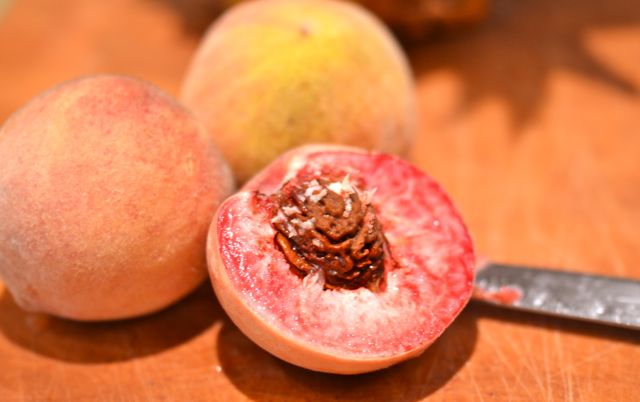
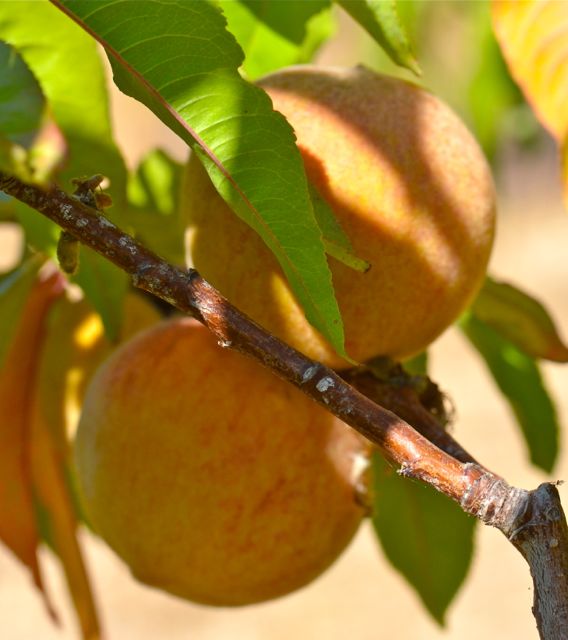
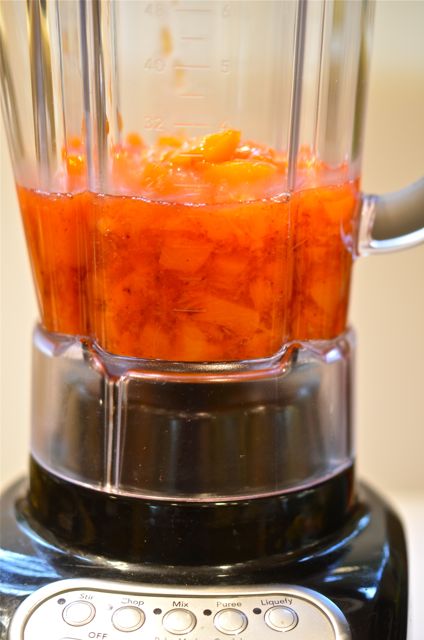 In California we still have peaches and nectarines, but the quality and texture start to fade somewhat (except for late-season peaches). Frankly, some of the peaches get a bit mealy, but they are still sweet and tasty. So knowing that the season is almost over, we “motivated” and made peach sorbet. And it’s very tasty, and didn’t really take all that long. The only extra work when dealing with peaches is skinning them, but it’s easy if you blanch the peaches in boiling water for about 30 seconds, the skin will come off easily. The other “extra” task is blending the peaches, but any blender will do here.
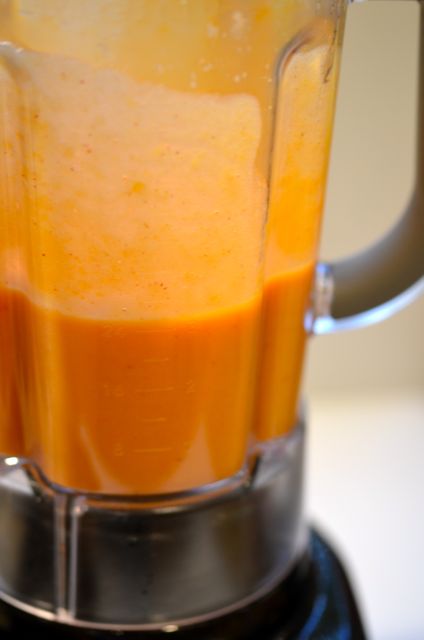
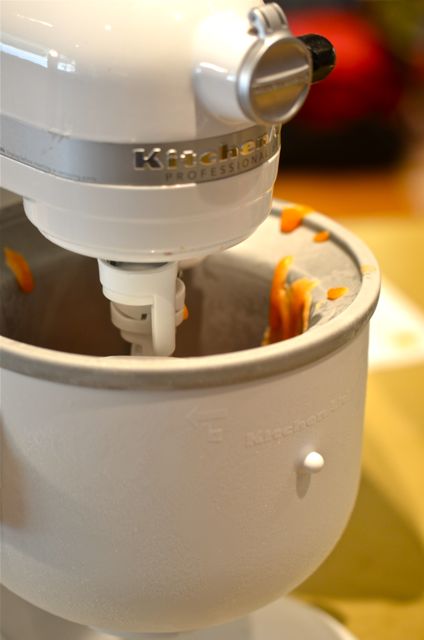
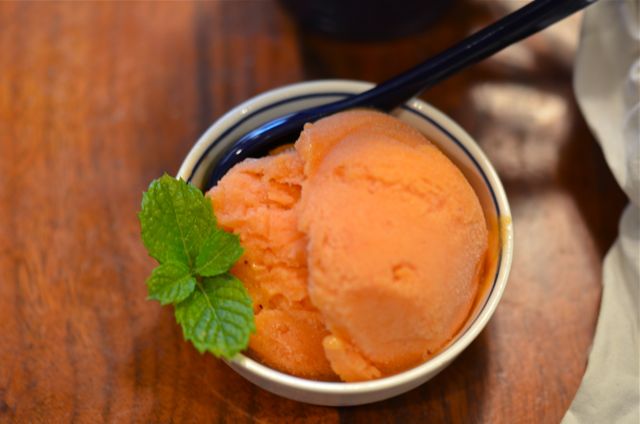
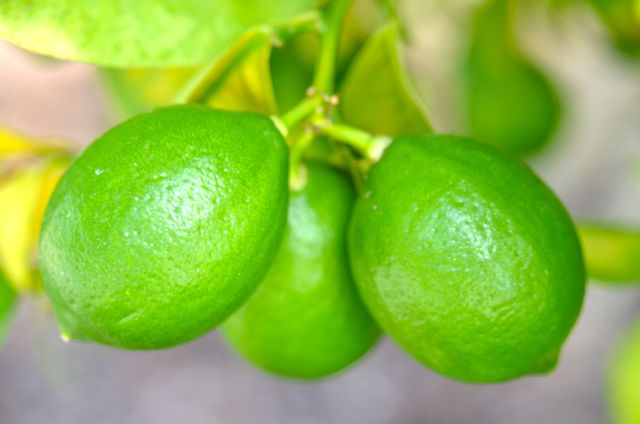
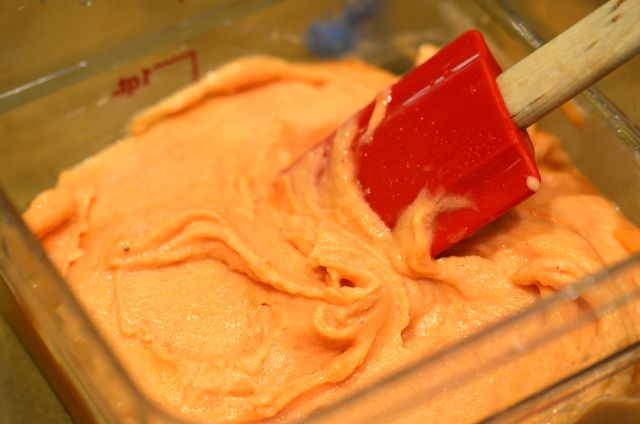 The recipe we use is adapted from David Lebovitz, food writer and ice cream / sorbet expert (he knows what he is doing). We only add an optional dash of lemon juice to the recipe, depending on the sweetness of the peaches, which vary widely by variety. The recipe includes ripe peaches, sugar, Cointreau (orange liqueur) and half a lemon. The Cointreau adds flavor, but the alcohol also limits crystallization in the sorbet for better texture. But you can omit the Cointreau if you like. We keep it in….as you might expect. 😉 In the end you get a very flavorful and rich sorbet with smooth, slightly dense, texture. The peaches are a real flavor-bomb in sorbet, a little of this stuff goes a long way. If your season is ending, this sorbet will make it last a little longer.





 Putney Farm