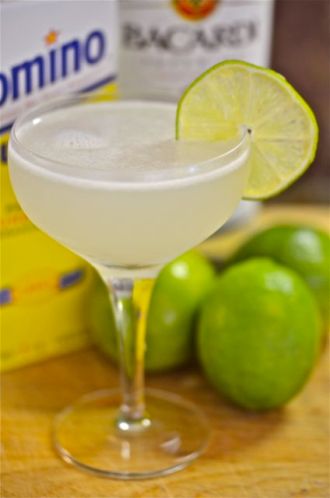
The Daiquiri.
If you are at the beach, and we are, there are few better flavor combinations than rum, limes and sugar. A simple trio, but one with many variables, and a canvas for almost endless experimentation. Rum comes in many styles, as does sugar, and it seems that almost all are used in some combination with lime to form an original cocktail. Rhum Agricole, cane syrup and lime gets you a Ti’ Punch. Cachaca, sugar and lime make a Caipirinha. Jamaican rum, lime and sugar (and sometimes bitters) forms a Planters Punch. And on it goes…
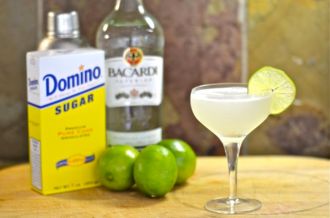
Rum, lime sugar. Simple, but good.
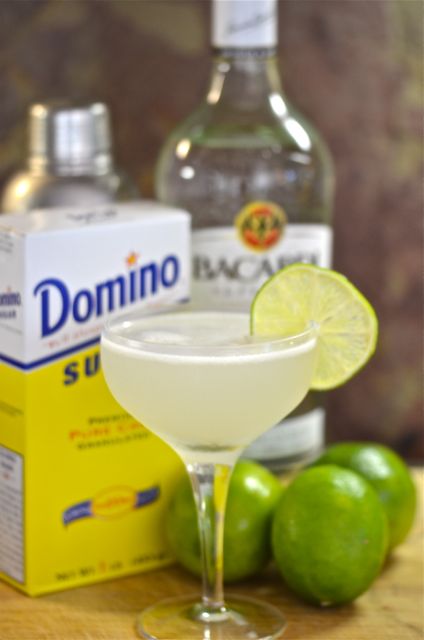
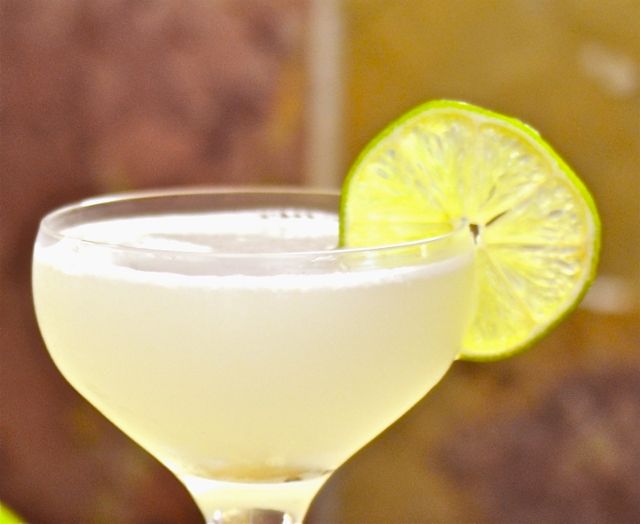
And if you start with white rum, add lime juice and a touch of simple syrup, you get the Daiquiri. The Daiquiri is probably the most famous of the rum/lime/sugar drinks, and perhaps rightfully so. While many will develop tastes that lean towards the funk of Cachaca or the richness of Jamaican rum, everyone must start somewhere- and the Daiquiri is a very good intro to this class of cocktails. Tasty, refreshing and simple to make, the Daiquiri is a perfect summer sip and an easy way to produce some smiles. Don’t take it from us, the Daiquiri was a favorite of both Hemingway and JFK. They knew how to party have a good time.
As for the history of the Daiquiri, it is better documented than most cocktails. The Daiquiri is named after a beach in Cuba and was invented by Americans there after the Spanish-American war. The Daiquiri remained somewhat of a regional specialty until the late 1930’s, when it gained popularity in the states. The 1940’s brought more popularity for the Daiquiri, as rum was more available than many other spirits during the Second World War. And after the war the Daiquiri remained a cocktail staple. (Note: There is a good recurring joke in the 1958 movie “Auntie Mame” about Daiquiris improperly made from honey. Lots of booze and bad judgement in that movie, if you like cocktails and parties it is worth renting 😉 .
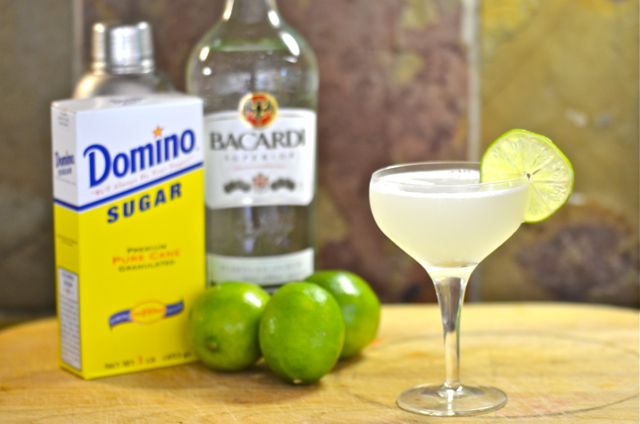
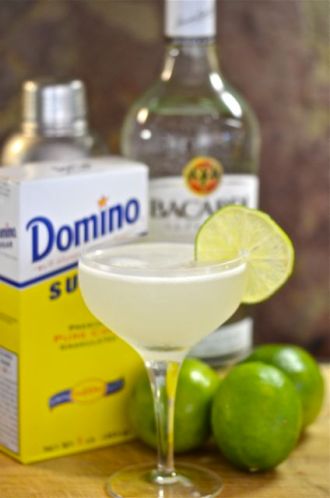 While the history of the Daiquiri is relatively well-known, there are some questions on how the make one. You would think it’s simple; white rum (Bacardi is a fine), lime juice and simple syrup (no honey, please), but the proportions are a challenge. Most recipes call for at least 2 oz. white rum, 1/2 – 3/4 oz. fresh lime juice and just a few dashes of simple syrup. While that may work for many, some (most?) will find the drink too sour. We suggest you play around until you find proportions you like. If you make your simple syrup in large batches, you will have plenty to experiment with. Our base recipe is 2 oz. white rum, 3/4 oz. lime juice and 1/2 oz. simple syrup (1:1 sugar to water), a bit sweeter than the traditional recipes, but the lime still leads the drink.
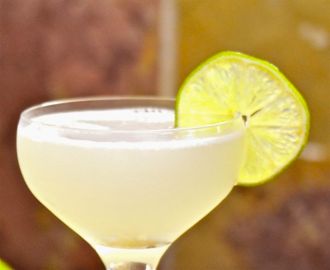 And if you like the basic Daiquiri, there is plenty of room to experiment and expand. Different rums, liqueurs and sweeteners all make for easy variants of the Daiquiri, and many are very, very tasty. The Hemingway Daiquiri is also a very good cocktail (IMHO). So if you want an into to rum/lime/sugar drinks, or just a good summer sip, the Daiquiri is a great place to start.
The Daiquiri:
Note: To make simple syrup, combine 1 cup white sugar with 1 cup water and bring to a boil until sugar dissolves. Chill and store in the fridge. If you add 1/2 oz. of vodka to the syrup (off the stove) it will keep longer.
Ingredients:
- 2 oz. white rum
- 3/4 oz. fresh lime juice
- 1/2 oz. simple syrup (1:1 sugar to water)
- Lime wheel, for garnish (optional)
Assemble:
- Combine all the ingredients in a cocktail shaker with ice. Shake thoroughly and strain into a chilled cocktail glass or coupe’. Garnish with lime wheel, if you like. Serve.
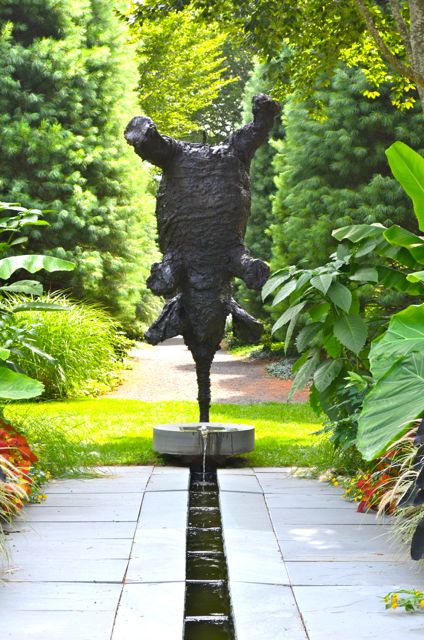
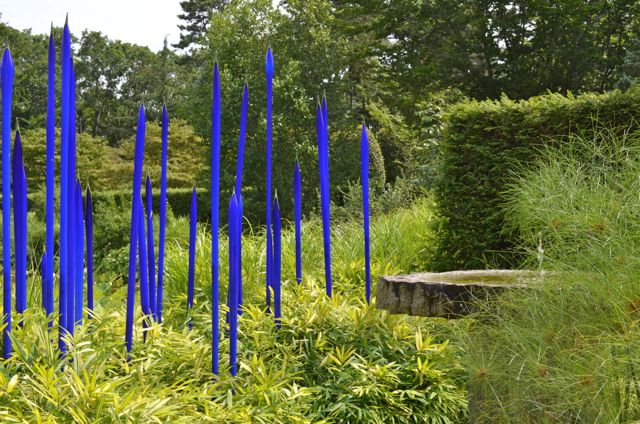
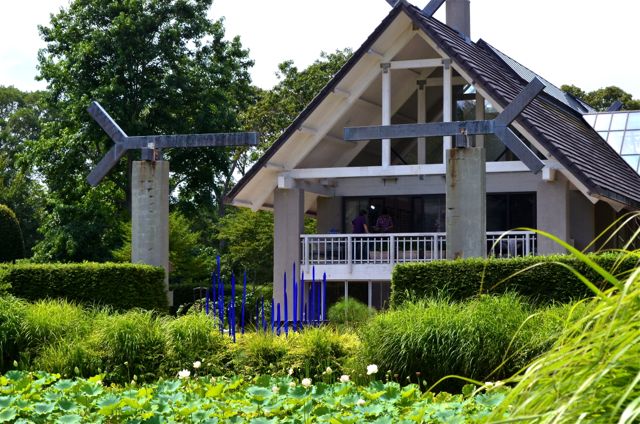
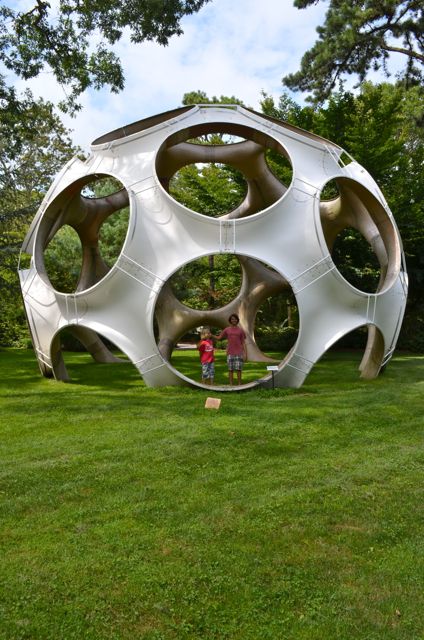
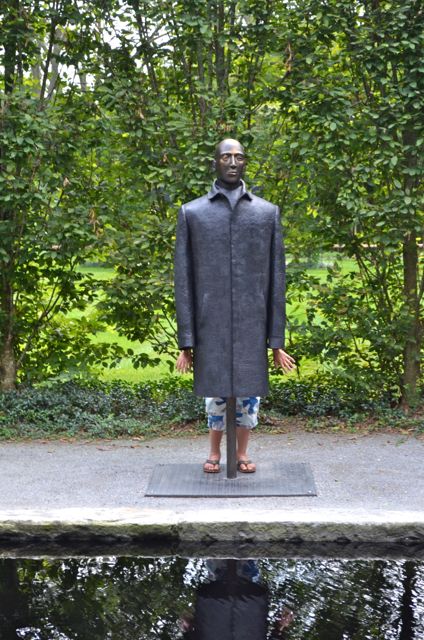
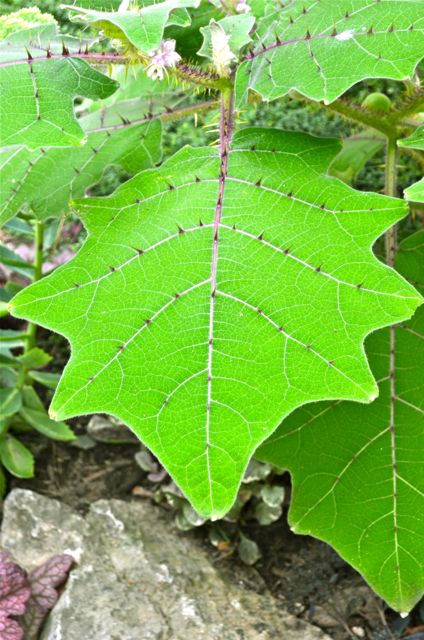
 But just a few miles away, in East Hampton, lies another treasure that is a whole other type of garden, the LongHouse Reserve. The LongHouse Reserve is a living art and sculpture garden founded by Textile designer and collector Jack Lenor Larsen. The Reserve features acres of gardens with beautiful sculpture and landscaping from dozens of artists and designers including de Kooning, Fuller, Chilhuly and Libeskind. World class art and landscape design are everywhere, but this is no museum. The LongHouse Reserve is a living, well-tended garden where you can stroll and relax amidst a compelling mixture of the best work of man and nature. A serious art aficionado will enjoy a visit, but so will your kids. Simply a delightful place. We are very grateful to all involved for their work. Continue reading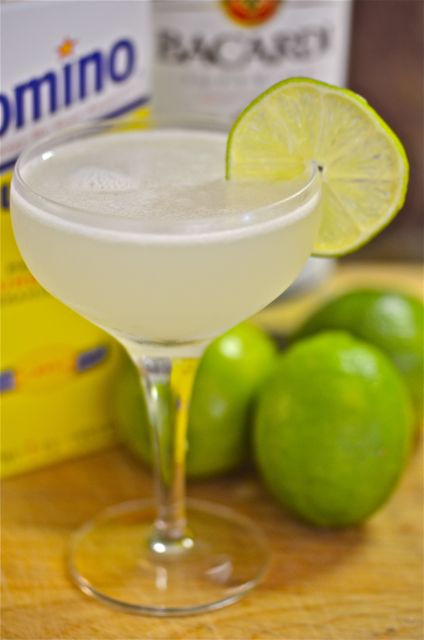

 Putney Farm