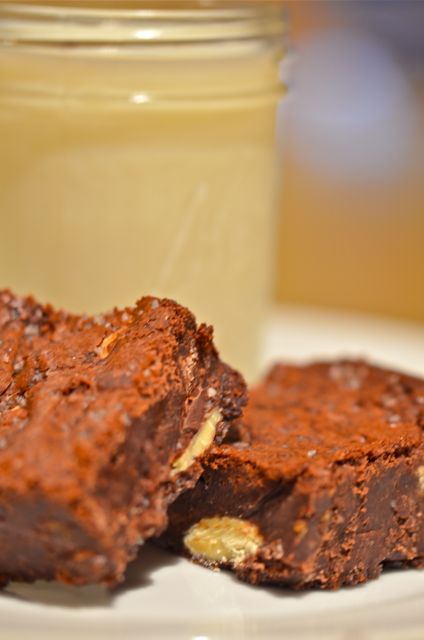
The best brownies ever.
Baking, in its purest form, is chemistry. Baking has rules, exact measurements, chemical reactions and controlled variables. Baking is science. But like many sciences, once you master the basics (after many, many reps), you begin to move into the realm of art. Each recipe is a canvas to be tuned and tweaked for new textures and flavors. New dishes emerge, but without undoing the fundamental chemistry of the dish. The hard science yields to something evolutionary. The magic seeps through. Those moments of evolution are rewarding for the cook, and the eater, alike.


 And while it is a big leap to say we have the “best” anything, these brownies do represent Carolyn’s never-ending quest to pack as much chocolate into every brownie as is humanly (and scientifically) possible. When we say “best” chocolate brownies, we mean it. We are talking about a couple of pounds of chocolate, and chocolate in every, single, possible step. Chips, chunks, cocoa powder, melted and whole chocolate every way you can. And while we don’t have scientific data to back it up, we bet most people will be ok with that. Most people
 need want more chocolate in their brownies. Most people need want more chocolate in their lives…..


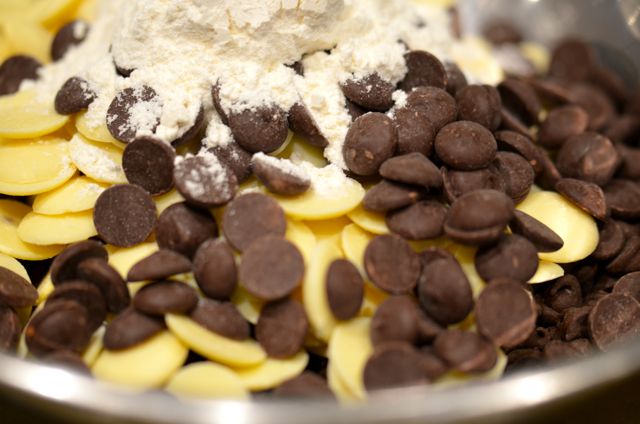 The recipe we use is classic “brownie 101”, but Carolyn has additions that make the difference between just good and the best. Carolyn greases the baking sheet and then dusts with cocoa powder, rather than flour. The recipe has two flavors of melted chocolate and then bittersweet and white chocolate chunks (instead of nuts). Carolyn uses instant coffee to amp the chocolate flavor (coffee enhances chocolate). And finally a sprinkle of salt adds a delightful contrast to the dark chocolate, the salt enhances the chocolate and sugar, yet keeps the flavors from becoming cloying. The salt makes each bite as good as the first. In the end you get a dense, moist and very chocolatey brownie with just a little extra everything. These brownies are gooey, but they do hold together (best to chill in the fridge before slicing). Carolyn essentially added chocolate to the recipe until the eggs and flour couldn’t hold any more. And yes, we thoroughly enjoyed the experiments getting to this point.


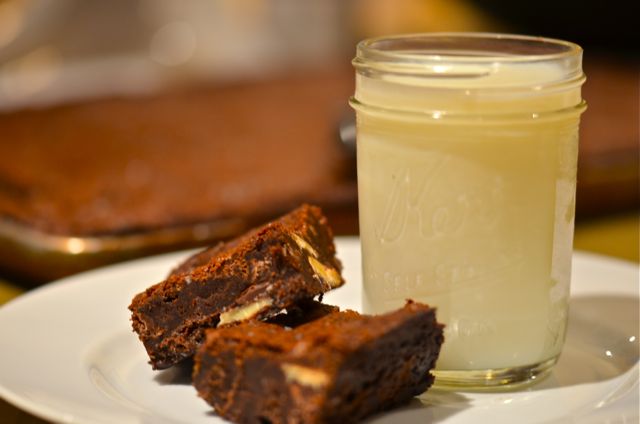 So now the question is, “what do we do with all these brownies?” We save a few for ourselves, but this batch will be sold as a snack at the intermission of our eldest son’s school play. Carolyn is already well-known at school for her cupcakes, so we bet the brownies will be a hit. We think the play will be a hit as well, and we will save a brownie for our son. Break a leg kid! Continue reading

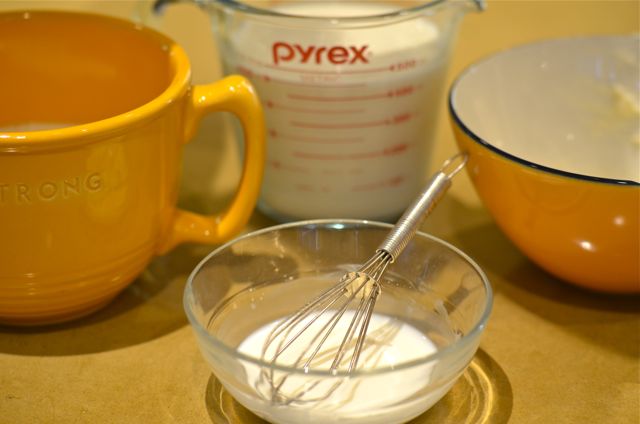


 The key to Jeni’s method is to minimize the formation of ice crystals (ice crystals make ice cream gritty) and maximize butterfat and flavor. But instead of using traditional ingredients like granulated sugar or egg yolks, she uses corn syrup to sweeten, a cream cheese base for fat and thickens the milk and cream with corn starch. This may seem odd, but the science (and texture and flavor) are on Jeni’s side. Corn syrup is glucose, rather than sucrose, and resists crystallization. Corn starch bonds with the milk and cream to further reduce crystal formation. Cream cheese (it doesn’t impact flavor) mixed with a milk and cream mixture provides fat without extra water. Along with a rapid chill of the ice cream base, this method gives you creamy, silky ice cream that beats almost anything you can buy.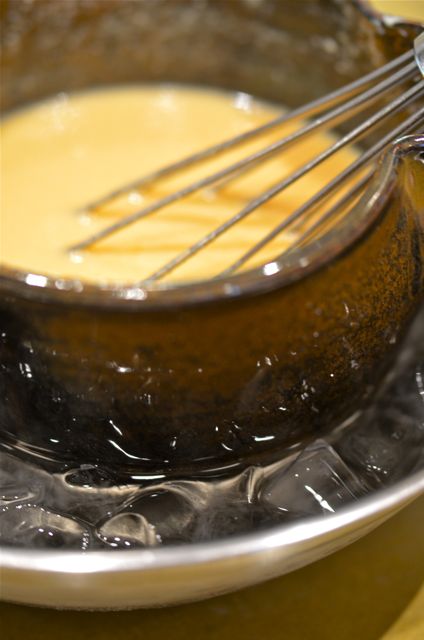




 Putney Farm
