• Mixology Monday LXXII Cocktail: CSA Gin

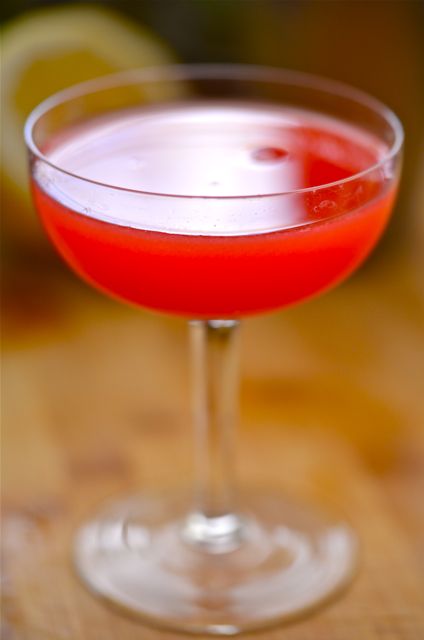
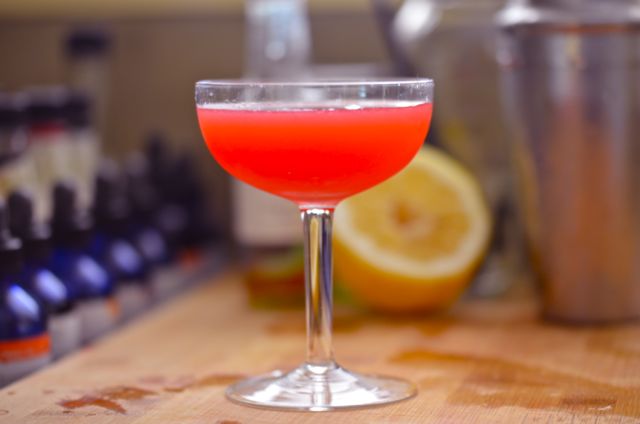
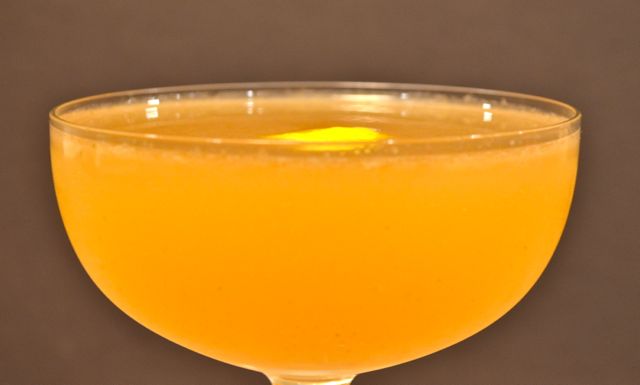
    The CSA Cocktail.

    The CSA Cocktail.

    Another Mixology Monday is here and (hopefully) we got this in under the wire. This month’s theme is “Drink Your Vegetables” and is hosted by Rowen at the Fogged In Lounge (a very good cocktail blog, worth a visit). And thanks, as always, to Fred Yarm of Cocktail Virgin Slut for keeping this whole shindig going. So here are the details of the theme:

    csa2Want to get more vegetables but you’re always eating on the run?… Well then, how about a vegetable cocktail? No, not that nice little glass of red stuff Grandma put at each place setting—we’re talking something with a kick in it. You can definitely start with the little glass of red stuff and expand it to a Red Snapper-style drink like a Bloody Mary. Or how about a cucumber-scented cooler like a Pimm’s Cup, or maybe a cocktail featuring a vegetable-based ingredient like Cardamaro or celery bitters? Maybe you’ve been wondering if you can get more mileage out of that juice extractor before consigning it to the garage sale. However you get them in that glass, be prepared for the most fun with vegetables ever.

    csa3csa4So you would think that a “farm” blog would have this one in the bag, right? Not so, my friends, not so. We struggled mightily. It’s a good theme, and certainly we like our veggies, but somehow it took a bunch of time for us to formulate anything remotely original, interesting or blogworthy. And we aren’t big Bloody Mary fans, so no fallback there, either.

    csa5So what to do? Two things. Firstly, we chose to use fennel, one of our favorite ingredients (we may change the name of our blog to “Fennel Farms”). Secondly, we decided to use veggies to actually craft the base spirit and the cocktail. In this case we use veggies, fruits and spices to make “gin” and then formulate a cocktail.

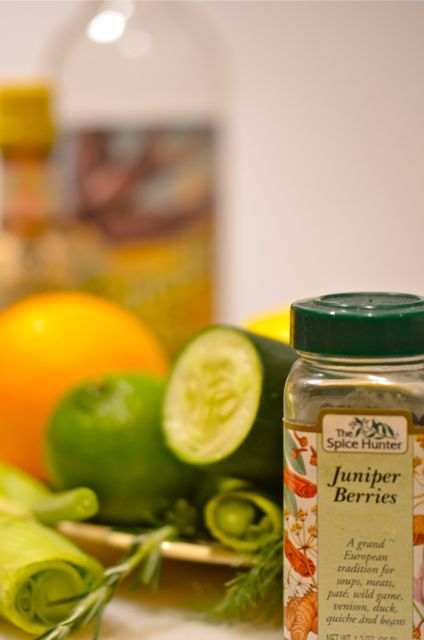
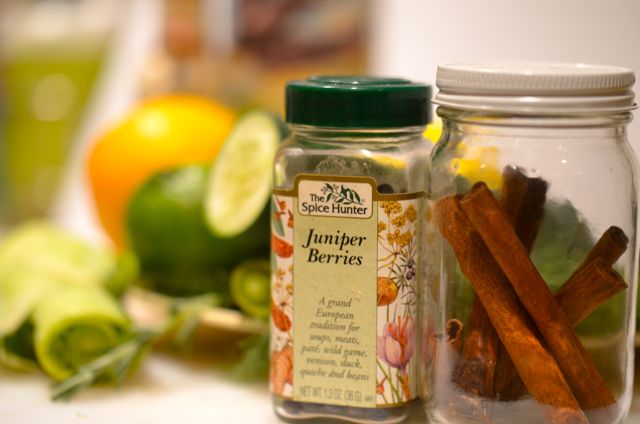
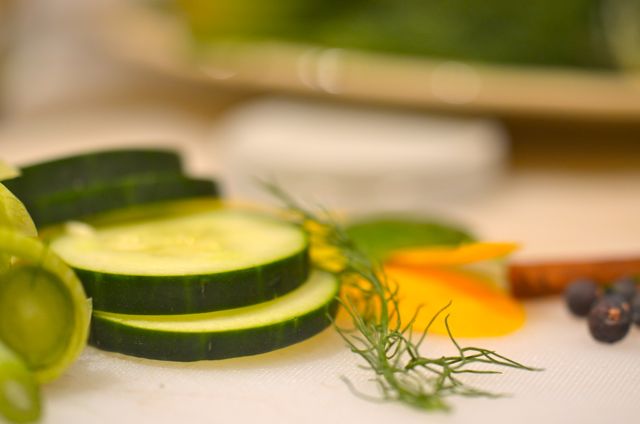
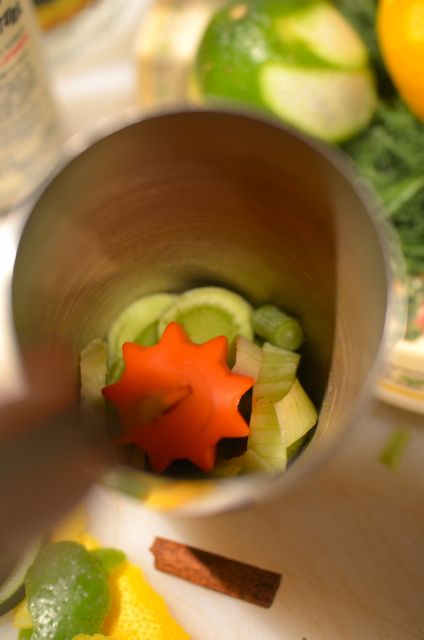
    csa6And since gin often features the anise and citrus flavors we find in fennel and some gins (Hendrick’s) favor cucumber, we figured we could start with the traditional juniper and build a “gin” with veggies, herbs, citrus and spices. In the end, we used juniper berries, cinnamon (cassia), baby fennel (more citrus notes), fennel fronds, cucumber slices, rosemary, lime peel, lemon peel and Cara Cara orange peel. We muddled like crazy, then added some vodka (a good use for vodka, you could never predict how gin would respond to all these new flavors) and then muddled some more. And then it got interesting.

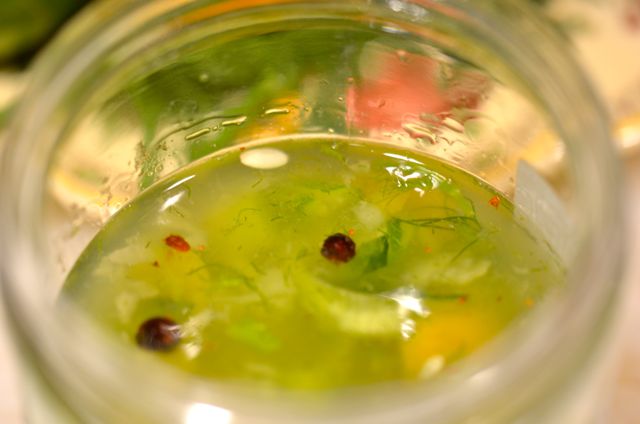
    csa7Right out of the shaker we got the cinnamon, cucumber and a touch of the rosemary. Good, but not like gin. So we let the mixture steep for 6 hours and the citrus and fennel stared to kick in, while the cinnamon faded. Better, but not there yet. 12 hours later we got more of the fennel, citrus and the sweetness of the cucumber. Basically, we ended up with a ligher (albeit cloudier) version of Hendrick’s. We can live with that. We had to live with that, time was running out.

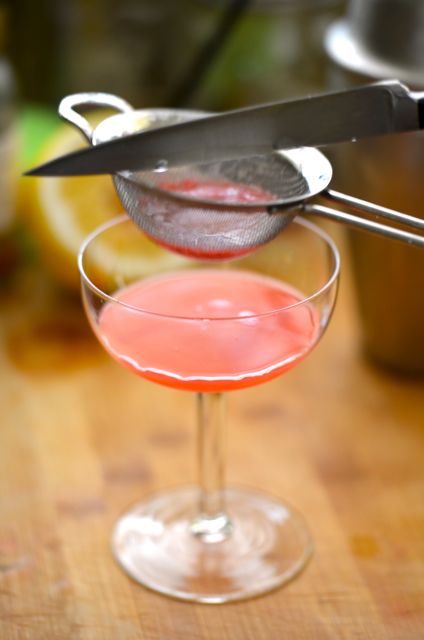
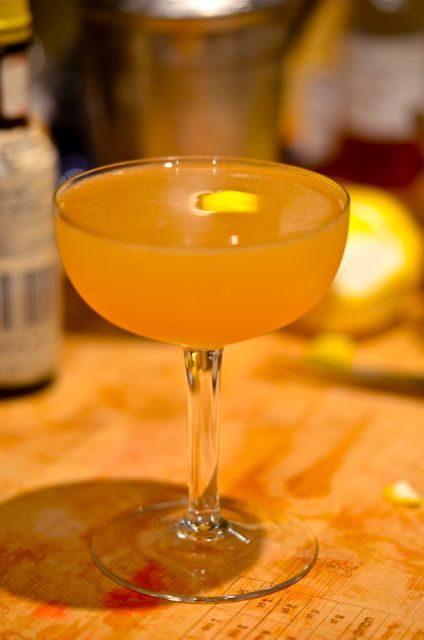
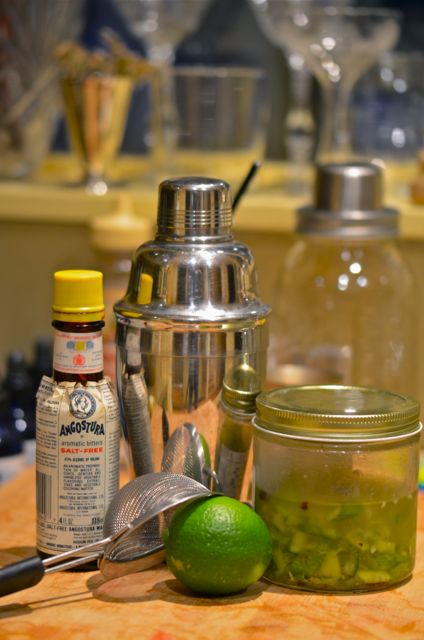
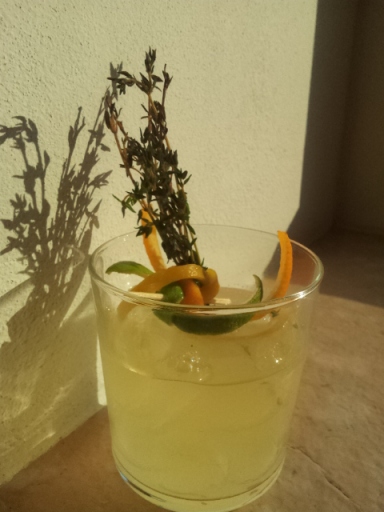
    csa1Now that we had our “gin”, we made the CSA (Community Supported Agriculture) cocktail. With all the flavors here, we didn’t add much. A little lime, a little agave syrup and a few dashes of Angostura. The CSA cocktail opens with  cucumber and citrus nose followed by a sweet cucumber and agave sip. Then you get the lime and finish with the fennel, rosemary (we got more rosemary than juniper, we think) and cinnamon. Not bad, and it certainly would beg the question; “is this cucumber vodka or Hendrick’s?” And that will have to do. Rowen, you made us work on this one.

    The CSA Cocktail:

    (Serves 2)

    • 6 juniper berries
    • 1/2 cinnamon stick
    • 2 or 3 rosemary needles
    • Zest / peel of 1/2 lime
    • Zest / peel of 1/4 lemon
    • Zest / peel of 1/4 orange
    • 1/4 cup baby fennel, roughly chopped
    • 1 fennel frond
    • 4 slices cucumber
    • 6 oz. vodka
    • 1/2 oz. lime juice
    • 1/2 oz. agave syrup
    • 4 dashed Angostura bitters
    • 2 lemon twists for garnish

    Assemble:

    1. Add the juniper berries, cinnamon stick and rosemary to a cocktail shaker. Muddle thoroughly. Add the citrus peels, chopped fennel, fennel frond and cucumber. Muddle some more. Then add the vodka. Muddle again.
    2. Pour the entire mixture into an airtight container and put in the fridge for at least 6, and preferably 12, hours.
    3. Place the entire mixture in a large cocktail shaker with ice. Add the lime juice, agave syrup and bitters. Shake until well chilled and double strain (at least once, maybe twice) into a chilled cocktail glasses, flutes or coupes. Garnish with the lemon twists and serve.
  • Weekly Cocktail #46: Sunny In The Garden

    sungarden1

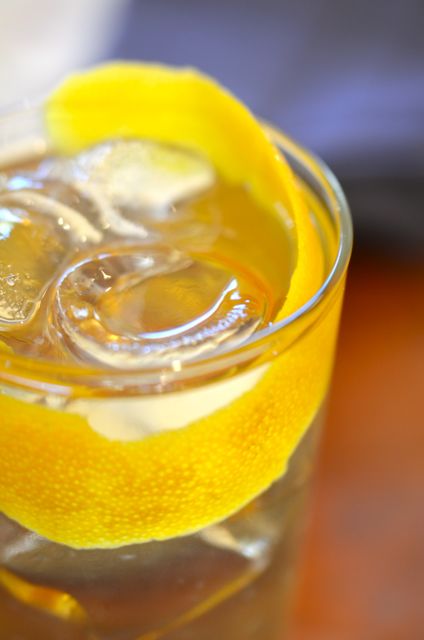
    Sunny in the Garden cocktail.

    We know spring just sprung, and hasn’t reached many of you at all, but we are already thinking about “long drinks” for summer. For those who are unfamiliar, long drinks are simply large volume cocktails, often six to eight ounces, with more mixer than spirits, usually served on the rocks and often associated with warm summer afternoons, garden parties and preludes to long naps. (We also like to drink them while gardening, but that is just us). The Tom Collins is probably the classic long drink, highballs like the Gin and Tonic also qualify, and there are other well-known classics like the Cuba Libre, Paloma, Pimm’s Cup and the Dark ‘n Stormy. All worth a try, and you may see some more here on the blog over the next few weeks.

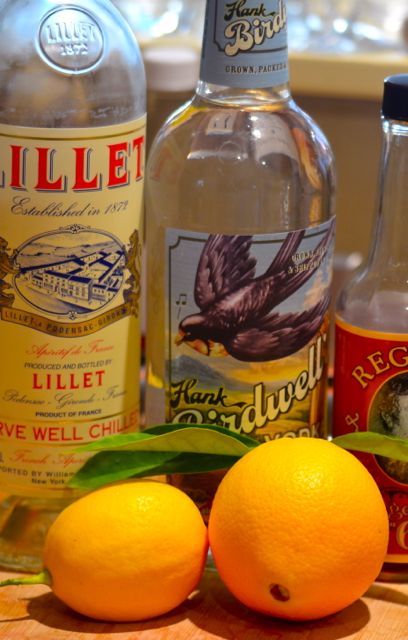
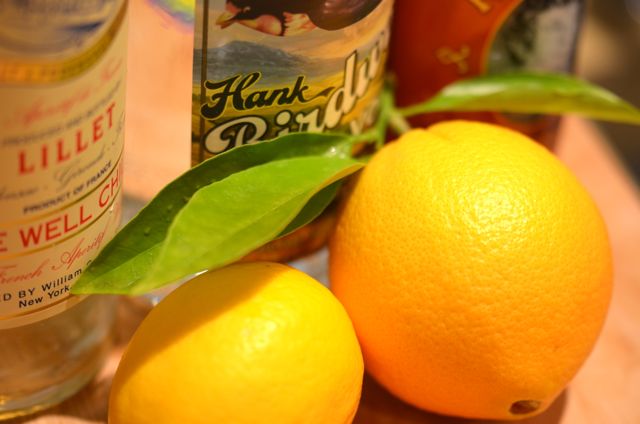
    sungarden4sungarden5Part of the fun of long drinks is that you can take almost any mixer, add some spirits, and perhaps a few modifiers, and you have a new drink. The variations are almost endless and it is pretty hard to screw up. In most cases the mixer is non-alcoholic like juice, soda water or ginger ale, but we decided to make a long drink from an apéritif and just a splash of spirits. And if we mix with an apéritif, it will often be Lillet Blanc, one of our favorite ingredients. (See the Rose Pearl for another long drink, this time using Lillet Rose.)

    sungarden6Lillet Blanc is a fortified wine that combines white wine with citrus (mostly orange) infused spirits. It is sweet with citrus notes and a slight bitter quinine edge (if you like things a bit more bitter use Cocchi Americano) and is very easy to sip on the rocks. But we wanted to amp the orange flavor, tame some of the sweetness and add some “heat” from alcohol, but not mess with the core flavors of the Lillet. So we figured this might be the kind of cocktail that makes good use of the vodka gathering dust on our bar (gin tends to win out here at the farm). And while vodka is not always a respected mixology ingredient, it does have its uses, and this was one of those times.

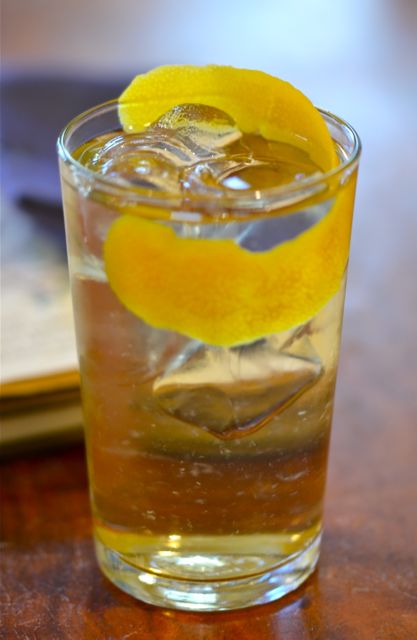
    sungarden7The Sunny in the Garden combines Lillet Blanc, vodka, lemon juice, orange bitters and a large orange twist, served on the rocks. The aroma is wine, floral and citrus, perfect for summer. As for the taste, you get a big, sweet wine and orange sip up front, but balanced by the lemon juice and just a bit of kick from the booze at the finish. Is this the world’s most complex cocktail? Hardly. But is a very enjoyable sipper you can linger over, think “like white Sangria, but way better”. In fact, we may serve the Sunny in the Garden along with summer meals as a substitute for wine or Sangria. But summer is still a ways away, so for now we will just have to sip this while gardening. We can live with that. Now about that nap….

    Sunny in the Garden cocktail.
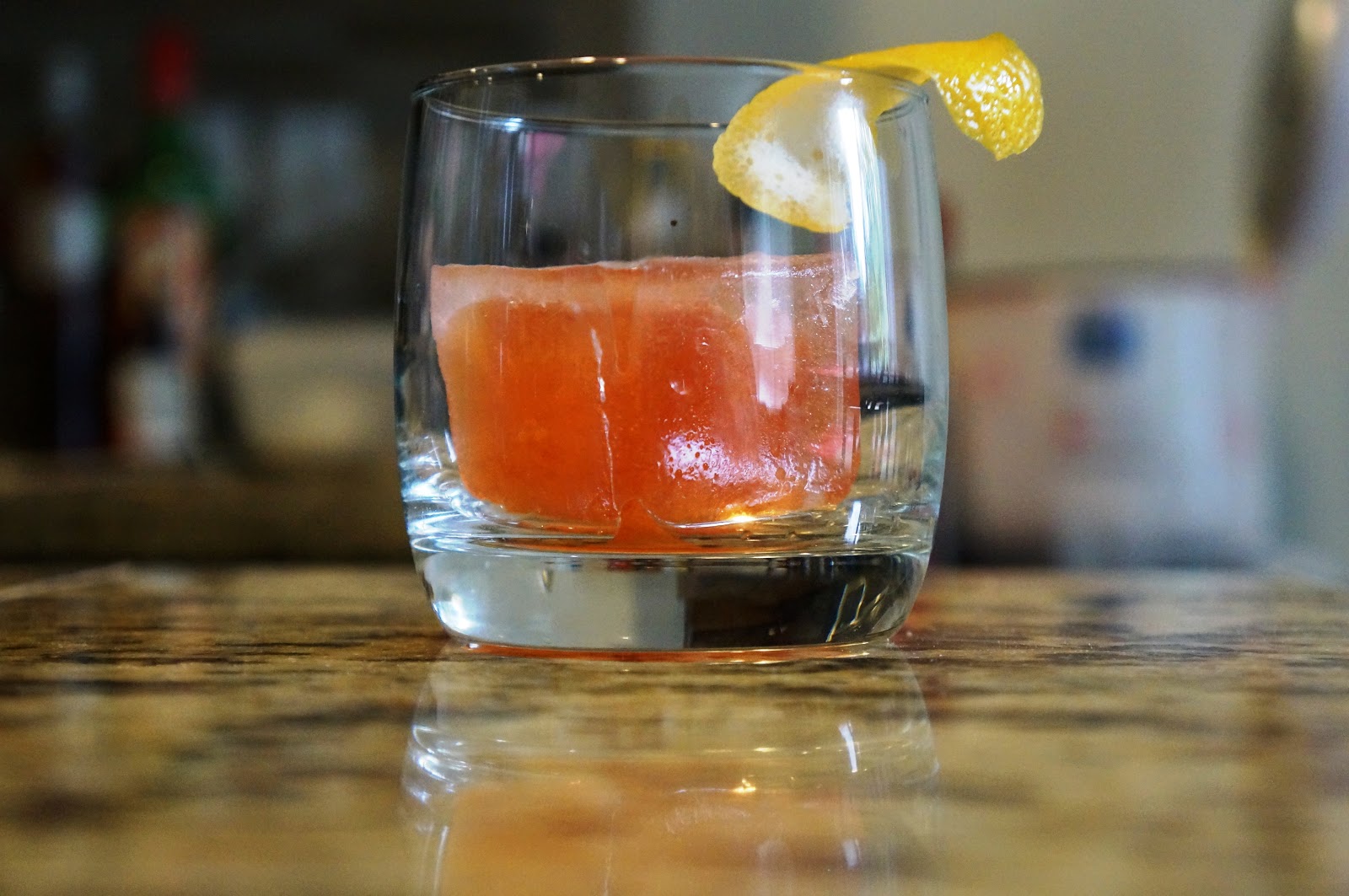
    Sunny in the Garden cocktail.

    Ingredients:

    • 4 1/2 oz. Lillet Blanc
    • 1 oz. vodka
    • 1/2 oz. fresh lemon juice
    • 2 dashes Regan’s orange bitters
    • Long orange peel, for garnish

    Assemble:

    1. Combine all the liquid ingredients in a cocktail shaker with ice. Shake until chilled and then strain into a highball or Collins glass filled with ice.
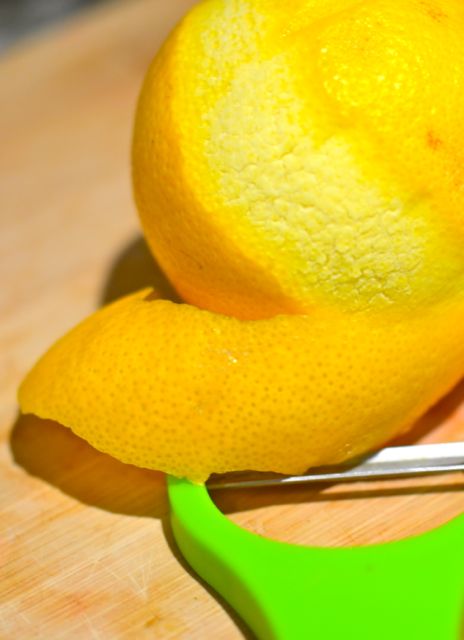
    2. Twist the orange peel over the drink and rub along the edge of the glass. Add the orange peel to the cocktail. Serve.
  • Mixology Monday LXX Roundup: Inverted

    Stir and Strain’s El Jardin de Mi Abuela.

    Another Mixology Monday has come and gone, but this time we were hosting. Thanks again to everyone who participated and to Fred Yarm at Cocktail Virgin Slut for reviving and maintaining Mixology Monday.

    mxmologoThe theme was “inverted”, and we will spare you the full back story (post here) and just say the theme was intended to see if we could “flip drinks on their heads” any and all possible ways. And the Mixology Monday crowd certainly delivered. We saw drinks “inverted” on name, spirits, solid/liquid (ice was well used), colors, layers and temperatures. All good stuff. We are “working” our way through as many of the cocktails as we can, and many are very good.

    As for us, we found this theme somewhat more challenging than expected. We created two drinks, but also failed repeatedly to make our third, a champagne-based cocktail that tasted and looked like Napa Cabernet (some things simply aren’t meant to be, and who wants a cocktail to taste like wine anyway?). Oh well. In any event, here are all the cocktails (mostly) in the order we got them:

    BarFlySF gave us three cocktails that invert classics using light instead of dark spirits. We like their use of homemade limoncello as a substitute for darker liqueurs. Their Union Square inverted the New Orleans classic the Vieux Carre.unionsquare1

    BarFlySF then took up our challenge to invert the Manhattan and created the Nemo.

    nemo

    And finally, BarFlySF, added another post and inverted the classic Brandy Sidecar and created the Pisco Pedicab. Extra points for use of blood oranges.pisco1

    ——

    Shake Strain and Sip took the inverted theme to another place altogether and put the drink inside an ice-cube. The Alice’s Looking Glass is a very cool, and very tasty, creation with rye and Aperol in the lead. (We made it with regular ice, still great).——

    901 Very Good Cocktails managed to create a cocktail, discuss the Butthole Surfers (a band from our youth, yes we are that old) and even promote the idea of moderation. We are all for moderation….in moderation.  The Shah Sleeps Cocktail inverts standard cocktail proportions and leads with Amaro Montenegro.Shah

    ——

    The Shorter Straw applied the inverted theme to the Super Bowl (we would still like to invert that outcome) and gave us the 35th Minute. The lights went out during the 35th minute of the game and we certainly would have liked to sip this beautiful Rhum Agricole-based cocktail while we waited.

    ——-

    Continue reading »

  • Weekly Cocktail #34: The Sawyer

    The Sawyer.

    With the Giants in the World Series and us trying to pick up the kids, get them to the game (doing homework in the car the whole way) and then drive back, it has been a tough week for cocktails around the farm. Not that we mind (Go Giants!). We do get to sneak in a beer now and then (thankfully they have decent beer and pretzels at the ballpark). But we still got to play a bit with cocktails and our focus drifted to using more bitters.

    We have been enjoying bitters in sparkling cocktails like the Seelbach and Rochelle-Normande, and started to look for more “bitters-heavy” cocktails to try. And if playing with bitters, then one of the better sources for recipes is Brad Thomas Parson’s cocktail book “Bitters, A Spirited History of a Classic Cure-All“. The book has lot’s of history and data on bitters and dozens of classic and new recipes to try. We “sampled” most of the classics, with the Pegu Club being our favorite, so we drifted toward the more modern cocktails.

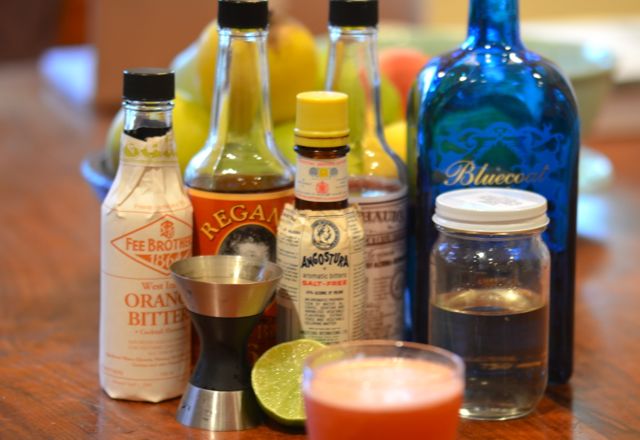
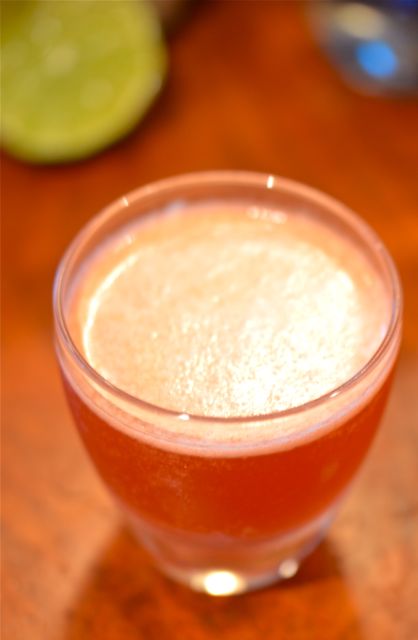
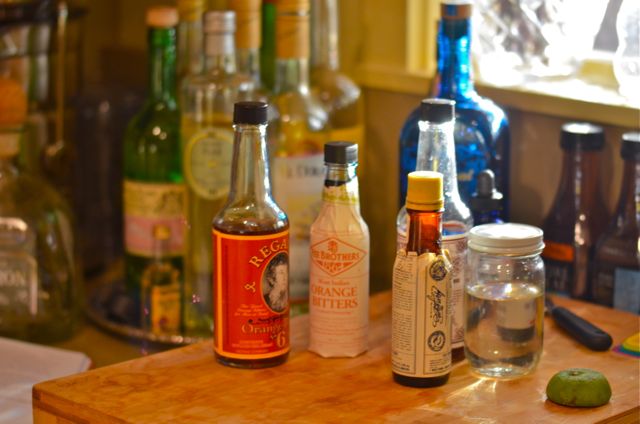
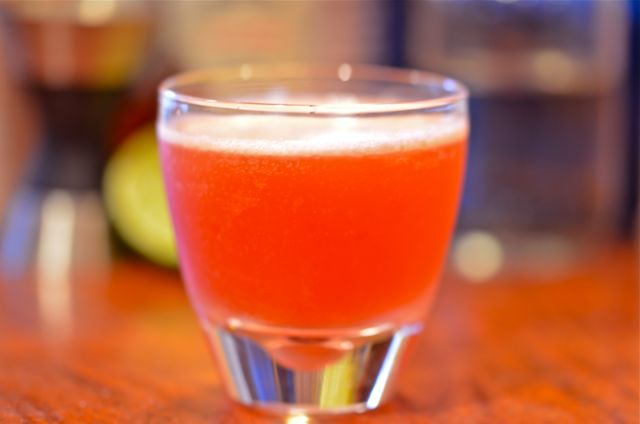
    And it didn’t take long for us to find the Sawyer. The Sawyer combines gin, sugar and lime with a full blast of over 25 dashes of bitters. It’s basically a gimlet with an almost radioactive amount of bitters. But we like gin and lime, so we are always happy to see riffs on the theme. In this case, the Sawyer has 14 dashes of Angostura, 7 of Peychaud’s and 7 of orange bitters (Regan’s #6 and/or Fee’s West Indian). And not only does the drink taste great with layers of spice, cherry, anise and orange, over a core of juniper and lime, but this recipe pretty much represents the “core” bitters you should have in a bar at home (we have more, but we’re geeky that way). And bitters usually cost anywhere from $5 -$15 bucks and last forever, so they are a worthwhile purchase. So here is a bit of info on the bitters:

    • Angostura: The #1 bitters you need in your bar. Many classic and tiki drinks use it and many recipes sub Angostura if you don’t have more exotic bitters handy. Angostura is dark, bitter and spicy with cinnamon and tamarind flavor. It adds a detectable “zing” to most drinks and a bit of a tannic finish.
    • Orange Bitters: After Angostura, orange bitters are the most common, particularly in classic cocktails. Regan’s #6 has deep, spicy orange peel flavors while Fee’s West Indian bitters have brighter, fresher citrus notes.
    • Peychaud’s: Is the bitters of New Orléans and the key to a good Sazerac and many other classic, whiskey-based cocktails. Peychaud’s has pronounced cherry and anise flavor.

    The other cool thing about the Sawyer is that is comes from Momofuku Ssam Bar in NYC, one of our favorite places. In typical fashion, Don Lee the bartender created it and named it after the daughter of Wylie Dufresne, another famous NYC Chef. Got all that? This is all sort of “inside baseball”, but the Sawyer is a very tasty drink and features layered, spicy flavors and aromas while still managing to be light and refreshing. A very pleasant surprise, and a good excuse to go get some bitters.

    The Sawyer:

    (From Brad Thomas Parsons and Don Lee)

    Ingredients:

    • 2 oz. dry gin
    • 1/2 fresh lime juice
    • 1/2 oz. simple syrup
    • 14 dashes Angostura bitters
    • 7 dashes Peychaud’s bitters
    • 7 dashes orange bitters (split of Regan’s #6 and Fees West Indian Orange bitters, if you can)

    Assemble:

    1. Combine all the ingredients in a cocktail shaker with ice. Shake thoroughly and strain into a chilled old-fashioned glass, cocktail glass or coupé.
  • Bonus Cocktail: Reagan Meets Gorbachev

    Reagan Meets Gorbachev cocktail.

    NOTE: Sorry for the strange name, we will explain more below. But please read on, this cocktail is basically a Mint Julep variant that combines bourbon, vodka, simple syrup, mint and crowberry liqueur (substitute blackberry liqueur or crème de Cassis).

    Meanwhile, one of the unexpected (but positive) surprises of cocktail blogging is our friends’ willingness to bring us fun, and sometimes rare, spirits to play with. Booze is always welcome here at the farm. And last week Carolyn’s Dad, and my good friend, Bill brought us two liqueurs from Reykjavík Distillery in Reykjavík Iceland (thanks Bill!). The first liqueur was a very tasty blueberry cordial. But the second was a crowberry liqueur, and we had never heard of crowberries. So we decided almost immediately that a crowberry cocktail was in order. Challenges are good, it means we get to experiment.

    East-meets-west ingredients…

    And after a few minutes of internet research we had at least some information on crowberries. Crowberries are the fruit of a dwarf evergreen shrub found in temperate and sub-arctic regions- basically they grow where it gets cold. Not surprisingly, they are a common food of the Sami in Finland and are also widely found in Iceland. Crowberries have lots of vitamin C and antioxidants, but are often lightly flavored. Their flavor is often described as watery blueberry with some tannic or black currant notes. But while the fresh fruit might be watery, fermentation and distillation concentrate flavors. So we were hopeful the liqueur would be tasty.

    A little fun with antique julep cups…

    Happily, the crowberry liqueur is quite good and tastes somewhat like a sweet mix of blueberries, blackberries and a little currant. So now that we had a good flavor to work with, we needed the cocktail. And since the liqueur is from Reykjavík, we wanted a theme based on the city. But the only thing we know about Reykjavík is that it was the location of the 1980′s meeting between Reagan and Gorbachev where they negotiated some of the IBT, but got hung up on SDI and the delayed approval of SALT II and then zzzzzzzzzzzz….. Let’s just say it was where Reagan and Gorbachev realized that both sides were open to broad concessions and they developed a personal relationship. This led to some good things; Soviet collapse, walls coming down, Maseratis in Moscow, etc….

    Adding dark fruit liqueur to Mint Juleps is a winner. The vodka helps the fruit show in the drink.

    As for the cocktail, we wanted to include both American and Russian spirits with the crowberry liqueur. Bourbon and vodka were the obvious choices. And as for the julep variant, there are many good blackberry juleps out there, so using crowberries isn’t a stretch. The vodka is not only Russian, but it lightens the bourbon without diluting the alcohol and helps the mint and crowberries shine through. Sometimes we think the bourbon overwhelms in Mint Juleps, but the vodka brings a sense of, ummm…detente (ugh, eye-roll).

    Overall this is a lighter, fruitier version of a Mint Julep that still has plenty of flavor. And you can substitute any dark fruit liqueur for the crowberry. So while we don’t expect many people to have crowberry liqueur, give this version of the Mint Julep a try, it may lead to good things.

    Reagan Meets Gorbachev:

    Ingredients:

    • 1 oz. bourbon
    • 1 oz. vodka
    • 1/2 oz. crowberry liqueur (or substitute dark fruit liqueur like blackberry or crème de Cassis)
    • 1/3 oz. Demerara or simple syrup
    • 6 mint leaves
    • Sprig of mint, for garnish
    • Crushed ice

    Assemble:

    1. Place the mint and simple syrup in a cocktail shaker and lightly muddle. Then add the bourbon, vodka, crowberry liqueur and ice to the shaker. Shake thoroughly and strain into a lowball glass or Julep cup filled with crushed ice.
    2. Stir and top with extra crushed ice, if needed. Garnish with the mint sprig. Serve.
  • Weekly Cocktail #26: The Polynesian Cocktail

    The Polynesian Cocktail. This is for you Viveka!

    This post marks a half-year of weekly cocktails at Putney Farm. And while it seems like a lot, there are so many more places to go with cocktails. We are certainly enjoying ourselves and hopefully our readers like the drinks, or at least the conversation (we know not everyone loves every drink). And with the “conversation” in mind, one of our blogging friends Viveka from My Guilty Pleasures mentioned she likes Vodka and Cherry Heering, so we decided to look for a cocktail with both ingredients. And as it turns out, a little research led us to the Polynesian Cocktail.

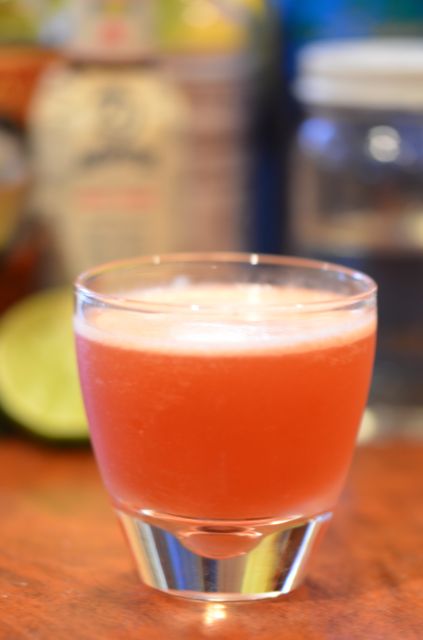
    The Polynesian combines vodka, Cherry Heering and lime juice. And some recipes include a little powdered or superfine sugar. It is easy to make and you can serve this cocktail “up” in a cocktail glass or on the rocks, it works either way. The flavor of the Polynesian comes across as cherry-limeade with a kick, and we are fans of cherry-limeade. This is a very easy drink to like.

    If you are unfamiliar with Cherry Heering, it is a Danish cherry liqueur, and in the opinion of many booze aficionados, one of the best fruit-based liqueurs in the world. Made from crushed cherries combined with neutral spirits and spices, and then aged in wood barrels, Cherry Heering has deep, developed flavors that work wonders in cocktails (and desserts). It’s been around with basically the same recipe since 1818, so you know it’s pretty good. And after Orange Liqueur, if you have one fruit liqueur in your bar, we suggest Cherry Heering. It works in all sorts of combinations, most famously the Singapore Sling and the Blood and Sand. But if you want to experiment, Cherry Heering is a very fun ingredient that blends well with both light and dark spirits.

    Polynesian Cocktail and ingredients.

    And this gets us to the vodka. Some cocktail enthusiasts and mixologists/bartenders have issues with vodka. It has no (or very little) flavor by design and is sometimes a bit heavily marketed and abused (see: Whipped Cream Vodka). But we like vodka in drinks when we want the kick and slight heat of the booze but don’t want to outshine fruit flavors. Carolyn is a true fan of Lemondrops, and I like the vodka/gin mix in a Vesper. And regardless of any cultural over-exposure, a good Cosmo is a fine drink and a crowd-pleaser. And the cold, hard blast of a vodka martini is still a good thing every once in a while. Sometimes we think of the anti-vodka crowd as the cocktail equivalent of the ABC (anything but chardonnay) “movement” in wine. Yes its popular, yes there are other fine spirits, but it has its merits. We will relax and enjoy vodka for what it is. And in a drink like the Polynesian, where you want the lime and Cherry Heering to lead the drink, vodka is the perfect spirit.

    As for why this drink is called the Polynesian, we have no idea, and some internet and cocktail book research didn’t help. There is nothing Polynesian about it…other than maybe the color and that it’s a good warm-weather sip. But who cares? A good cocktail is a good cocktail. Especially when shared with friends. Viveka, we hope you like it!

    The Polynesian Cocktail:

    Ingredients:

    • 1 and 1/2 oz. vodka
    • 3/4 oz. Cherry Heering (or cherry brandy, in a pinch)
    • 3/4 oz. fresh lime juice
    • 1 teaspoon superfine or powdered sugar (optional, we omit)

    Assemble:

    1. Combine all ingredients in a cocktail shaker with ice and shake until cold. Strain into a chilled cocktail glass, flute or coupe’. Serve.

    -or-

    1. Combine all the ingredients in a highball glass with ice. Stir and serve.