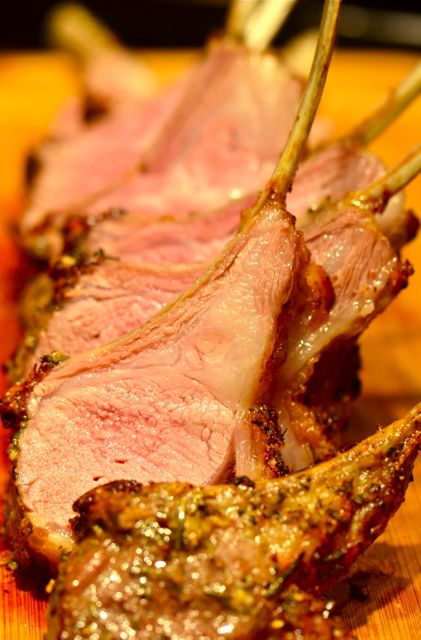
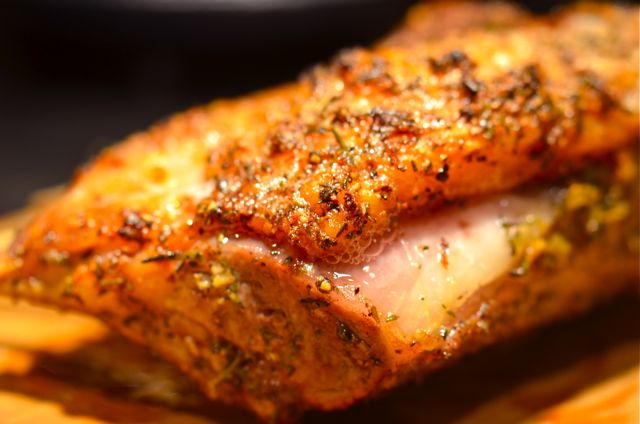
Roasted Rack of Lamb.
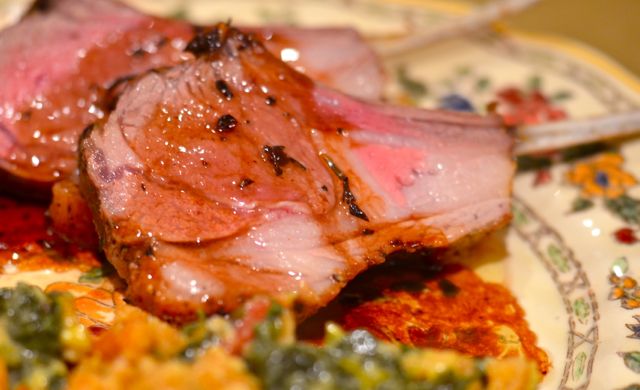 Years ago, and we do mean years ago (ugh), we enjoyed some of our first “fine dining” in San Francisco and New York. The food was divine and we really felt transported to an entirely new world. Great fun with lifelong friends, and some of our most memorable experiences. We were also lucky enough to have a few friends who happened to be professional chefs, and they often gave us a little guidance on what a good fine dining experience “should” be. Our friend Chad, once said of a French-inspired fine dining experience, “if you don’t get world-class game, veal or lamb as the main dish you’ve been cheated”. And while we generally agree, the last Michelin 3-star we dined at served goat as the main course.The goat was very, very good, but also a sign that, perhaps, times have changed (or to get 3 stars these days you must be “unique”).

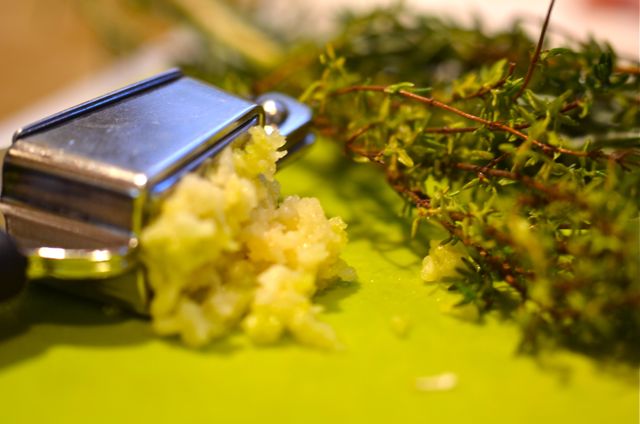
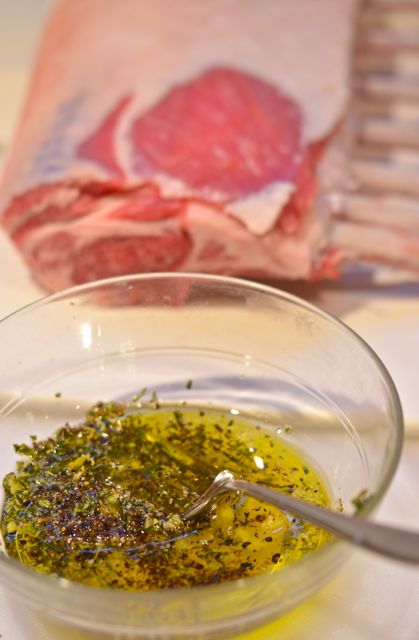 Regardless, lamb often seems like a special, restaurant-only dish. But many lamb dishes are very easy to make at home, and the results are truly delicious. The easiest cuts to cook at home are lamb tenderloins and rack of lamb. (Lamb tenderloins are simply the loin cut from the rack of lamb- very expensive, hard to butcher and hard to find, but incredibly tender and flavorful. Get them if you can and sear in a hot pan for just a few minutes, slice and serve. Heaven.) But rack of lamb is widely available, attractive, flavorful and a simple dish to make. And the rack is not as “gamey” as other cuts of lamb. So not only is it tasty, but the rack is a good introduction to lamb for those who may be a bit scared by lamb’s reputation for strong flavors.
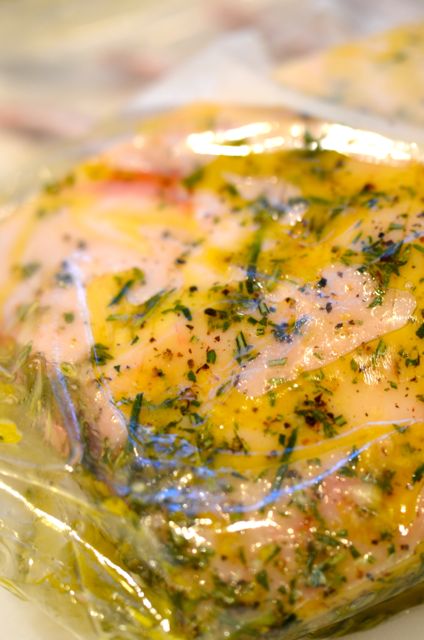
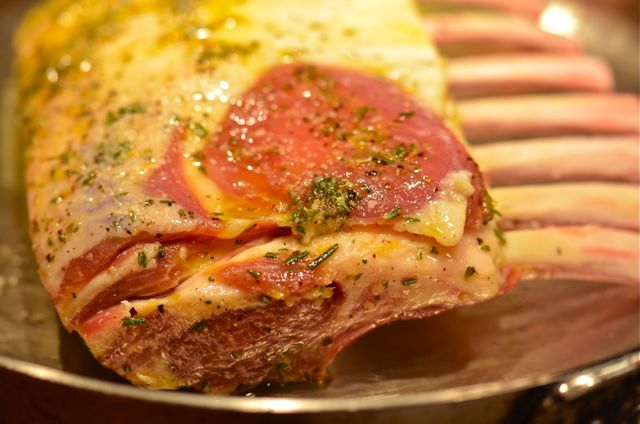
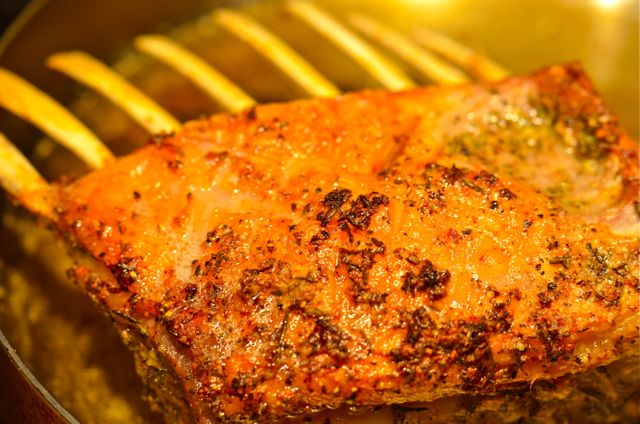 As a bit of a downside, rack of lamb is often pricey, but it’s a special occasion / sunday dinner kind of dish, so we think it’s worth the cost. Also, most lamb in the states used to be imported from New Zealand, but these days many markets feature American grass-fed lamb that is just as good, often better, than imported lamb. We certainly need to give a plug to our friends the Poncias at Stemple Creek Ranch, their humanely raised, grass-fed lamb and beef are world-class. And domestic lamb is less expensive than imported. Good stuff, and something any locavore can get behind and enjoy.













 Putney Farm