• Mixology Monday LXXVIII Roundup: Intercontinental

    Time of the Saison cocktail.

    Time of the Saison cocktail.

    Another Mixology Monday has come and gone, so now it is time for the roundup. Our theme was “Intercontinental” and the goal was to mix a cocktail, or cocktails, that have “ingredients” from at least three but up to seven continents. And, as we mentioned, the definition of  “ingredient” was pretty broad, so we hoped to see many cocktails that spanned the globe….including Antarctica.

    mxmologoSo how did everyone do?  Very, very well, IMHO. The cocktails, photos and the stories were great. We actually had many of the ingredients (should we be embarrassed about that?) and mixed a number of the drinks. Very tasty. And just as important, an excuse (motivation?) to try something new. Whenever we feel we may be getting into a slight cocktail “rut”, Mixology Monday snaps us out of it.

    Thanks again to everyone for participating and to Fred Yarm at Cocktail Virgin Slut for keeping MxMo going. Here is the roundup (in no particular order):

    Feu-de-vie, one of our favorite booze blogs, covers six continents with the Giganta, a coffee-pineapple tiki-ish concoction with homemade Coffee-Macadamia Orgeat. Nice. We want some of that…

    Giganta cocktail.

    Giganta cocktail.

    Next we get the Vegan Pisco Sour from Elana at Stir and Strain. She has lovely creations and her photos are some of the best we have seen. For this cocktail, not only do we get four continents, but some cool info on using beer as a substitute for egg whites in “foamy” cocktails. For vegans, good stuff. For us, a tasty drink. Everyone wins.

    Vegan Pisco Sour cocktail.

    Vegan Pisco Sour cocktail.

    Amarula, the “Bailey’s of Africa” makes its first (but not its only) MxMo appearance in Swizzlestick’s Life is Beautiful cocktail. Lychee liqueur made it in as well. A truly global cocktail that hits six continents. Well done.

    Life is Beautiful cocktail.

    Life is Beautiful cocktail.

    The good folks at Booze Nerds take advantage of a good name/story and global ingredients to cover seven continents with the Amundsen (nice historical reference guys!). More importantly we get a very creative drink with spirits, amaro, bitters, spice, a tea reduction / syrup and a port wine float. Gold Star.

    Amundsen cocktail.

    Amundsen cocktail.

    The Straight Up, gives us another drink using Australian port and narrative license to cover seven continents with the ….and Antarctica. Again, we also see some tea and amaro in play for this beautiful aperitif-style cocktail. We certainly are intrigued with the mix of bitter, tannic, smokey and herbal ingredients. Gold Star.

    ...and Antarctica cocktail.

    …and Antarctica cocktail.

    Our Bay Area neighbors and frequent travelers BarFlySF, take us to five continents and then a few layers of hell as a bonus…seriously. They give us Dante’s Divinia and Dante’s Divinia Down Under, riffs on the Dante’s Paradise cocktail they discovered at Longman and Eagle’s in Chicago. And with some Habanero shrub involved- there will be some fire.

    Dante's Divinia.

    Dante’s Divinia cocktail.

    Out in Tennessee, Sass and Gin goes a slightly more traditional route with the Madison’s Revenge. This Manhattan variant shows that you can get to five or six continents quicker than you think. A little tuning of sweetener, spice or garnish and you have a global cocktail. Good work.

    Madison's Revenge cocktail.

    Madison’s Revenge cocktail.

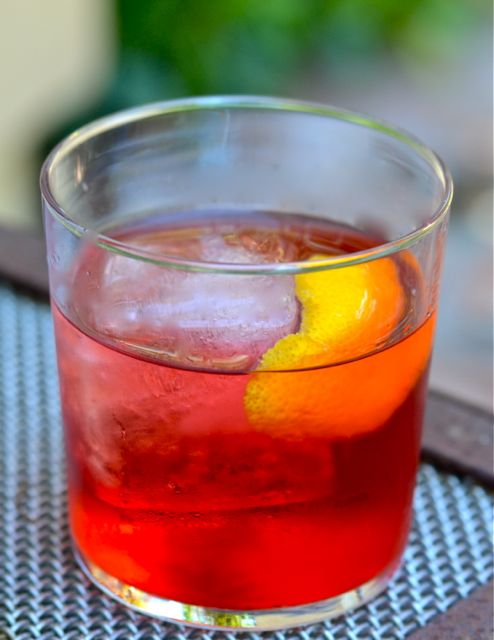
    Our fearless leader Fred Yarm of Cocktail Virgin Slut pulls out a bottle of Van Der Hum, an African tangerine and spice liqueur, for a very spirituous, old-time cocktail the Daiqurbon. We expected to see a bit more Van Der Hum this MxMo, but since we couldn’t find any here in Norcal, we are glad somebody found some.

    Daiqurbon cocktail.
    Daiqurbon cocktail.

    Continue reading

  • (Mostly) Easy Minestrone

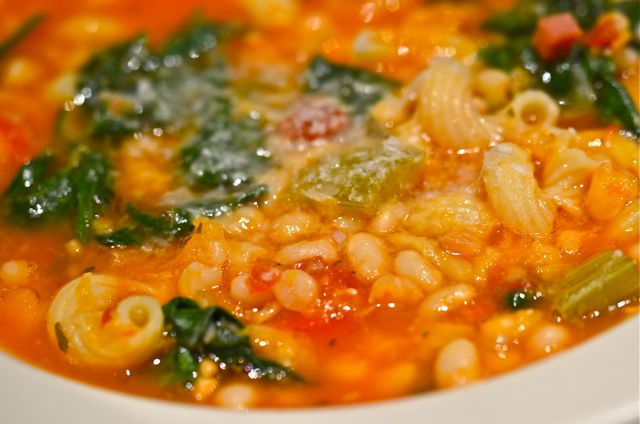
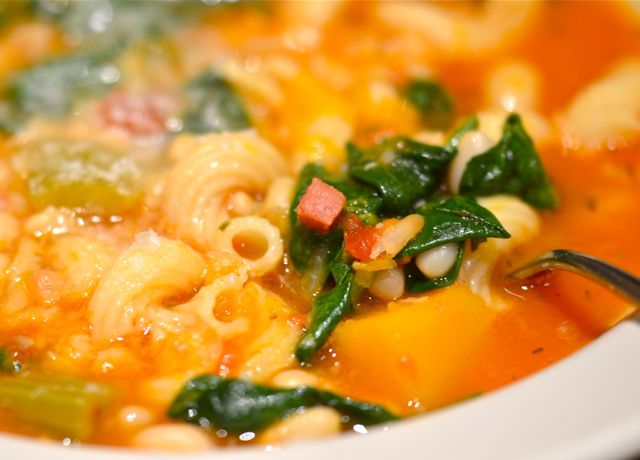
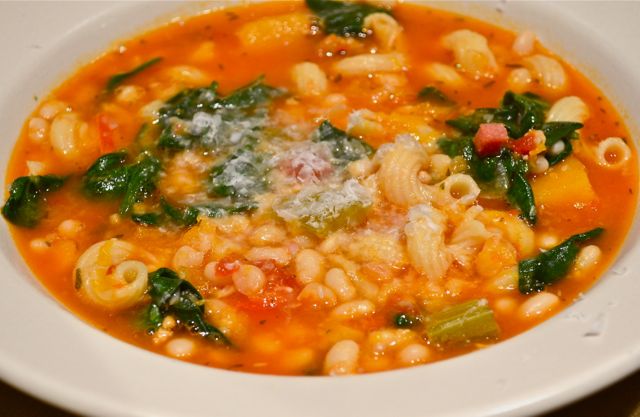
    Easy Minestrone.

    Easy Minestrone.

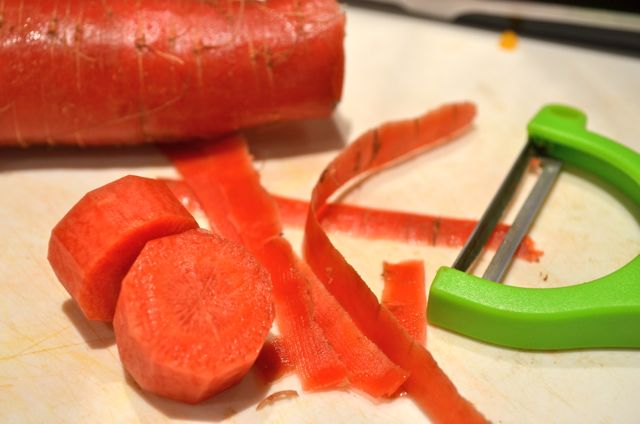
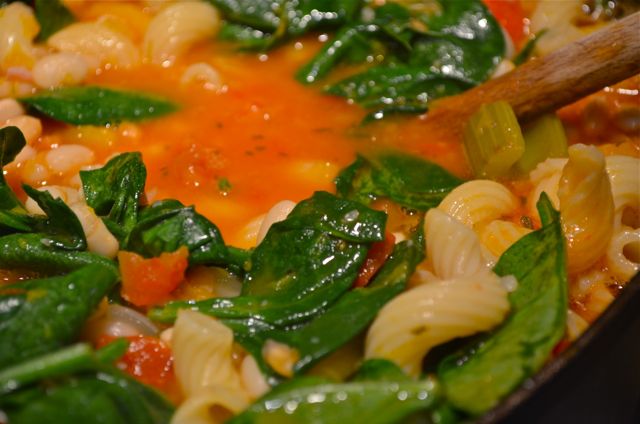
    mine1mine2Seeing as how we grow a lot of our own produce we should know better than to simply judge produce on its appearance. In fact, often the best tasting fruits and veggies are downright ugly, and certainly not the stuff you would see on supermarket shelves. But both in our garden and at the farmers market we are still suckers for a pretty face. Happily, these days you can get both good-looking and good tasting produce. Such is the case with some colorful red carrots we bought at the farmers market. Beautiful, crunchy and sweet…we got a bunch.

    mine4So here we are back with our common challenge, “what do we do with all these carrots?” Well, with carrots we either eat them raw with a pinch of salt (never gets old), or we are making soup. Seeing as how salted carrots doesn’t make up much of a blog post, we went for soup. If we had any pork stock or ham hocks we would make “holiday hangover soup” or a garbure, but we don’t. We did have chicken stock and some left over pasta. Yup…time for Minestrone.

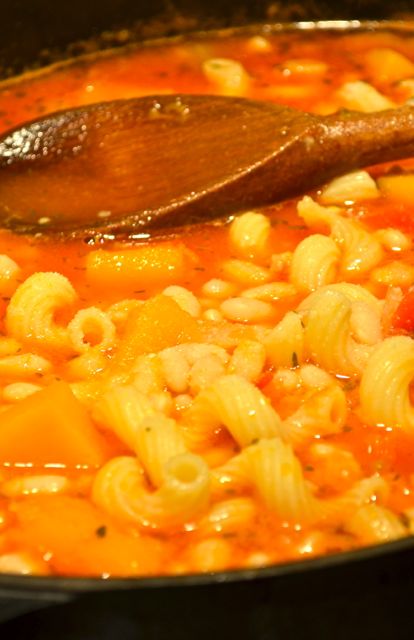
    mine5mine6We won’t get into the history of Minestrone and we aren’t even sure there is a truly “traditional” recipe. But if you have some veggies, chicken or vegetable stock and some pasta, you can cobble together a decent Minestrone. Add a little cured pork, maybe some white beans, fresh herbs and simmer with a parmesan rind and you get something that gets pretty darn good. And feeds an army.

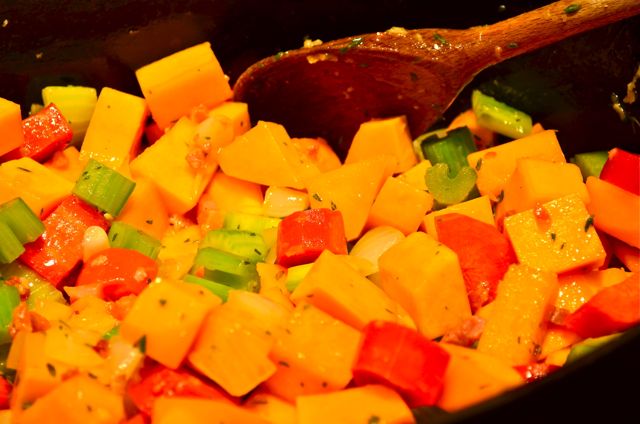
    mine7mine8The recipe we use is a riff on a riff on a riff of an Ina Garten “Winter Minestrone” recipe, which itself is a riff on a very common formula. We change the recipe quite a bit, but we do use the same slate of winter vegetables, particularly some butternut squash that adds very nice sweet flavor to the soup along with a bit of spinach at the end that adds color and welcome bitter notes. We also use more cured pork (of course) dried beans we soak (yes, it is worth it), fresh herbs and the parmesan rind. Lots of flavor and not a lot of work other than chopping veggies.

    mine9What you do need here is time. Chopping the veggies takes a while. Soaking beans (either a long or quick soak) requires some planning and advance work. And cooking the soup takes at least an hour. Basically this is a weekend dish. The good news is that, as is often the case with this type of soup, the Minestrone is better the next day. So you can make a batch on Sunday and serve it for dinner and then have the Minestrone as a very tasty lunch or light supper later in the week. A pretty good deal and a very good way to use of some of those lovely veggies you get at the market…or from your garden.

    mine10Easy Minestrone:

    (Adapted, somewhat, from Ina Garten)

    Notes before you start:

    • You can use canned white beans but we heavily suggest rehydrating and cooking dried white beans. The simply taste better.
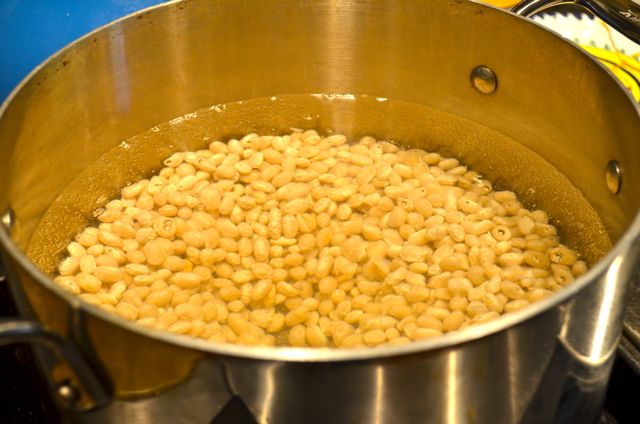
    • You can soak beans overnight (better) or quick soak the beans- just cover the beans with water, bring the water almost to a boil and then turn off the heat. Let the beans steep, covered, for an hour and then cook.

    What You Get: Very tasty and healthy soup that will last for a few days.

    What You Need: No special equipment required, just be ready to chop some veggies.

    How Long? At least a few hours, mostly inactive other than chopping. Budget time to soak the beans.

    Ingredients:

    (Makes 8 big servings)

    • 1 pound dried white or cannellini beans (soaked overnight or quick-soaked)
    • Olive oil
    • 6 ounces pancetta or bacon, diced
    • 1 1/2 cups yellow onions, diced (diced= roughly 1/2 inch pieces)
    • 2 cups carrots, peeled and diced
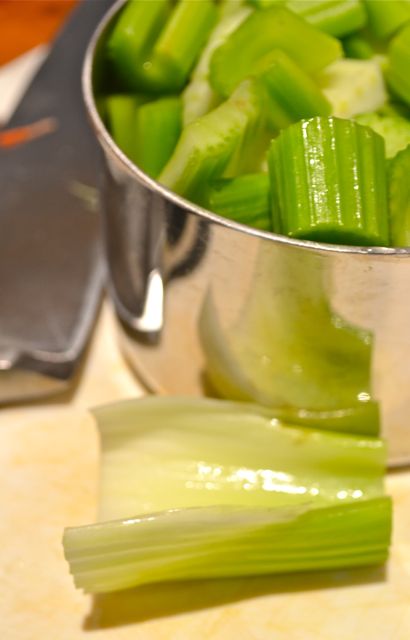
    • 2 cups celery, diced
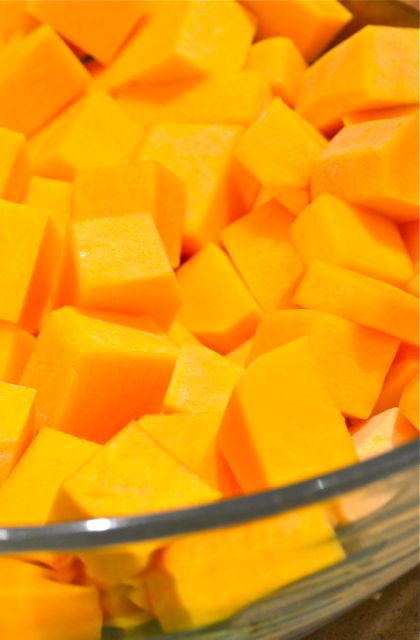
    • 2 1/2 cups butternut squash, peeled and diced
    • 1 1/2 tablespoons minced garlic (about 3 large cloves)
    • 2 teaspoons chopped fresh thyme leaves
    • 1 teaspoon chopped fresh marjoram or oregano (optional)
    • 1 (26-ounce) can or box diced tomatoes
    • 1 pinch red pepper flakes (optional)
    • 1 parmesan rind (optional)
    • 6 to 8 cups chicken stock
    • 1 bay leaf
    • Salt and freshly ground black pepper
    • 2 cups cooked small pasta
    • 8 to 10 ounces fresh baby spinach leaves
    • Parmesan and/or Romano cheese for garnish
    • Italian parsley, for garnish

    Continue reading

  • Mixology Monday “Intercontinental” Cocktail #2: Two Trios

    Two Trios Cocktail.

    Two Trios Cocktail.

    Lots of cocktails at the farm these days (well, sort of, more reading and shopping than actual drinking, but such is life).  We may just need to change the name to Putney Tavern (hmmm…I like the sound of that). In any event, we are the hosts of Mixology Monday and the drinks are rolling in, so we figured we would do one more cocktail. The theme is “Intercontinental” and the challenge is to use ingredients from multiple continents (full details here). We used five continents in the Horn of Good Hope cocktail, so now we are looking to use six.

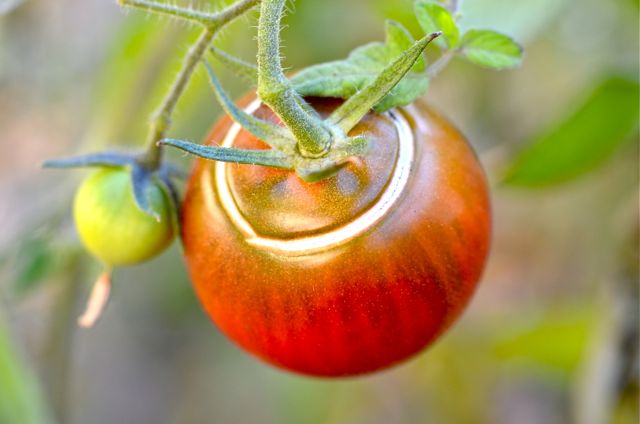
    mxmologotrioSeeing as our bar is already full of ridiculous esoteric bottles, we decided to look to the orchard, garden and pantry for ingredients from the “tough” continents like Africa and Australia. And pretty soon we learned that our Cayenne pepper is from Africa (who knew?) and that our candied and crystalized ginger is from Australia. From there, things started rolling.

    trio1trio2One concept we are familiar with is the “holy trinity” of Creole cooking, the mirepoix of onion, green pepper and celery. But there is also a lesser-known “trio” of using black, white and red pepper in spicier recipes. The idea is to give heat, bite and burn to a dish so you get layers of spice. This concept works really well in cooking, so we figured we could apply it to the cocktail. The ginger has heat and the Cayenne burn, so all we needed was some “bite”.

    trio3Well, with booze, that is easy enough. The spirits themselves have kick, and citrus (without too much sugar) has that sour bite. So now that we had a few ingredients, we just looked to the map and started to play. One of our favorite spirits, El Dorado Demerara rum comes from South America, we chose to go in the direction of a daiquiri. And since we were thinking of trios, we decided to use three types of citrus that would add complexity and help finish our “map”.

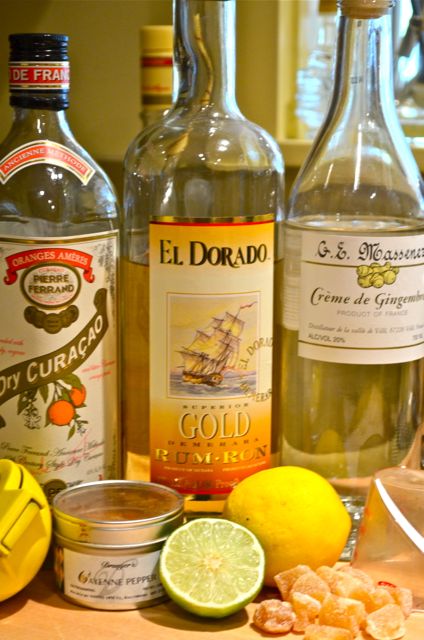
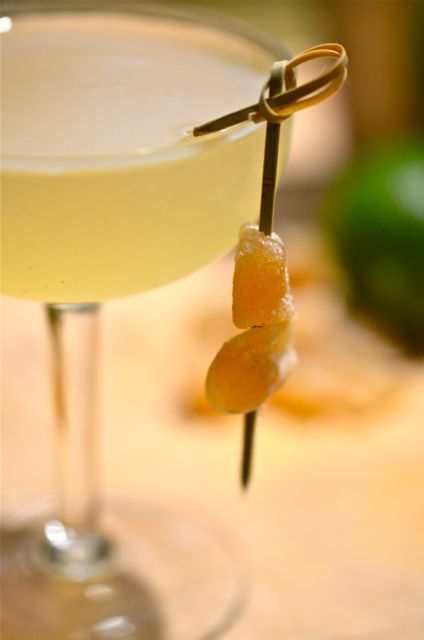
    trio4The Two Trios combines Demerara rum (Guiana, South America), Persian lime juice (North America, oddly enough), Meyer lemon juice (originally from Asia), Curaçao (Europe, France in this case), ginger liqueur (Europe, although the ginger is Asia or Australia), a pinch of Cayenne pepper (Africa) and a crystalized ginger garnish (Australia). Antarctica will have to wait.

    trio5So how does it taste? Very, very good. One of our better Mixology Monday cocktails, and one we will make again. The Two Trios lands somewhere between a daiquiri and a tiki drink with a clear rum and citrus base augmented by a wave of extra spice. You get sour lime and rum up front and then the orange, lemon and ginger in the middle. And at the end you get just a hint of burn from the Cayenne. It builds, but just enough that you know it’s there. And if you take a bite of the crystalized ginger you get a nice blast of sweet heat. A good sip from beginning to end.

    trio8So that is our second Mixology Monday cocktail. Every time we do this it gets the creative juices flowing and we learn something along the way. And usually we end up with a tasty cocktail. Not a bad deal…not bad at all. Roundup post coming soon!
    Two Trios Cocktail:

    Ingredients:

    • 2 oz. Demerara rum (El Dorado gold)
    • 1/2 oz. Curacao (Pierre Ferrand)
    • 1/2 oz. ginger liqueur (Massenez)
    • 1/2 oz. lime juice
    • 1/2 oz. Meyer lemon juice
    • 1 pinch Cayenne pepper
    • Crystalized ginger, for garnish

    Assemble:

    1. Spear the crystalized ginger on a long toothpick or cocktail spear.
    2. Combine all the liquid ingredients and the Cayenne in a cocktail shaker with ice. Shake until well-chilled and strain into a chilled cocktail glass or coupe. Garnish with the crystalized ginger. Serve.
  • Mixology Monday “Intercontinental” Cocktail #1: The Horn Of Good Hope

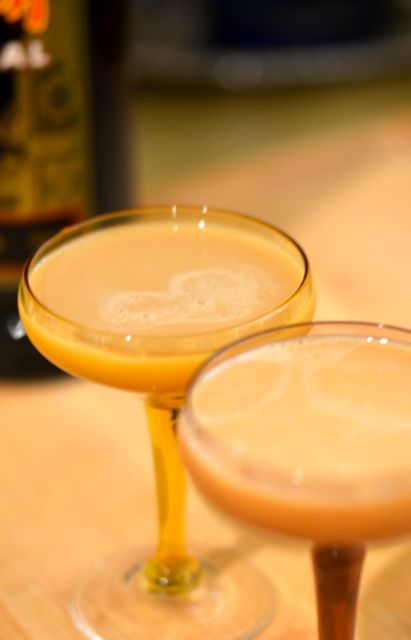
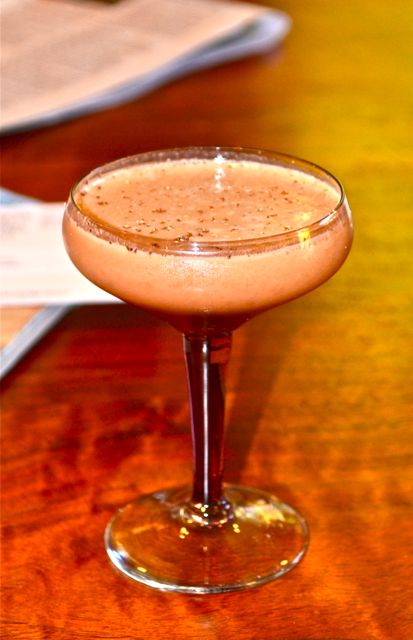
    Horn of Good Hope Cocktail.

    Horn of Good Hope Cocktail.
    Ah, another Mixology Monday, always good fun and a nice little prod to keep us from becoming lazier lazy drinkers. And this month we can’t be lazy at all, since we are hosting. The theme is “Intercontinental” and if you want to full download here it is. But basically we need to mix some drinks with ingredients from most of the continents. So far, there are already a number of very creative (and quite tasty looking / sounding) cocktails submitted. So we figured we may as well get going with a few of our own creations.

    mxmologoAnd since we already have a geographic theme we decided we would go a little further and look at the globe for inspiration. In this case we said where is the “end of the earth”? And we decided that Cape Horn in Chile and the Cape of Good Hope in South Africa fit the bill and started looking for spirits (we also looked at Cape Grim in Tasmania, but came up short on ingredients, otherwise we would have ‘The Grim Horn of Good Hope’, oh well…sigh).

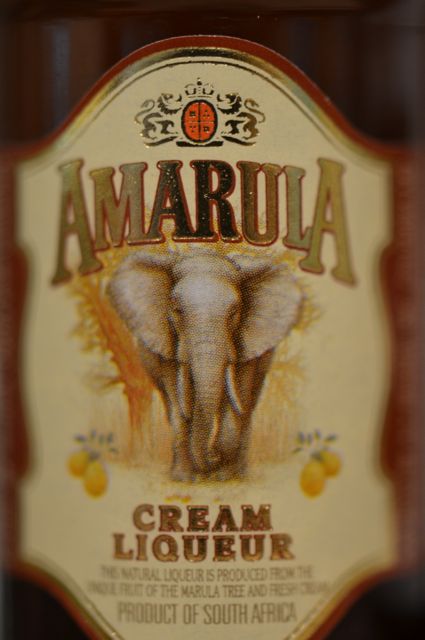
    cape7cape5For Chile / Cape Horn it was easy to find an ingredient, Pisco, the local grape brandy that is very common here in Norcal (Pisco also comes from Peru) . For South Africa / Cape of Good Hope we have more options with all sorts of South African wine or Amarula, the local cream liqueur from the Marula fruit. We aren’t big cream liqueur fans, but couldn’t resist trying out the Amarula (we already have a few Amarula sightings for this MxMo).

    cape4It may be a hokey description, but Amarula basically tastes like “tropical Bailey’s” with sweet cream, caramel, a touch of ginger and mango-ish notes. Not bad at all, and not surprisingly Amarula is often mixed into coffee or chocolate cocktails. We chose to go in the direction of coffee, and the rest came together pretty quickly.

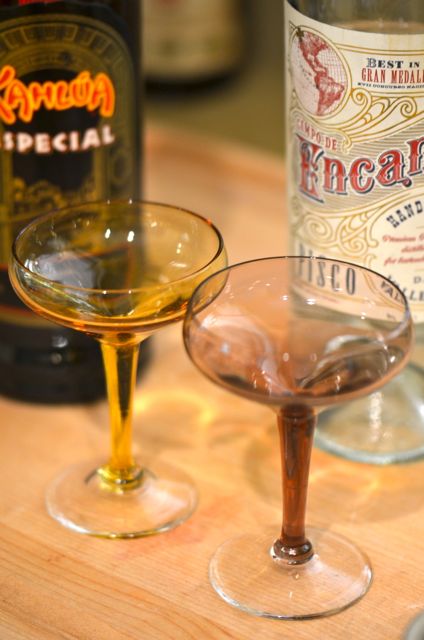
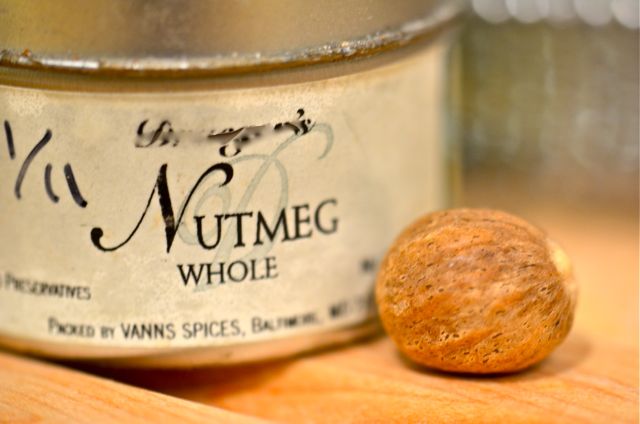
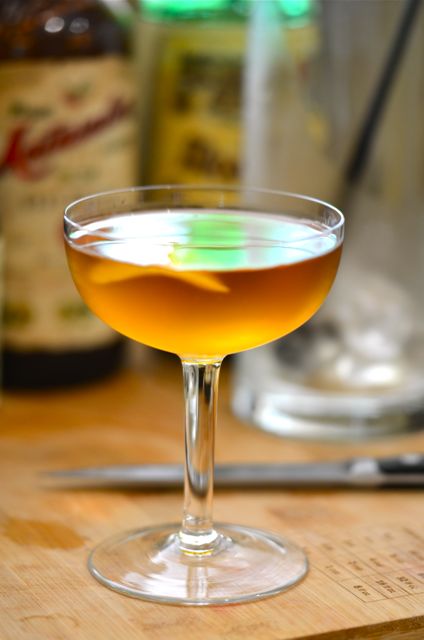
    cape3cape6The Horn of Good Hope combines Coffee Liqueur (Kahlua Especial from North America), Pisco (South America), Amarula (Africa), Grand Marnier (Europe) and a dusting of nutmeg (Asia), shaken with ice, strained and served as a cocktail. The flavor is in the Black Russian / Bailey’s and Coffee realm, but the Pisco adds strength and heat, the Grand Marnier adds burnt orange notes and the Amarula adds spice and tropical fruit flavor. The nutmeg adds extra depth of flavor and aroma that rounds things out. There is also a lovely nutty note throughout (no idea where it comes from, but don’t mind it being there). A good sip, even if somewhat (dare we say it) “frappuccino-ish”.

    cape2But this is a sweet, boozy drink, and best served as a sip- or almost a small dessert. We suggest you split this cocktail in half or even thirds and serve it as a quick shot or 2-3 sip cocktail. The first few tastes are the best, before the drink loses its chill and the sweetness takes over. Otherwise, if you like sweet drinks take your time and enjoy the full cocktail.
    cape1So that is our first try at “Intercontinental” cocktails. We got five continents on this one. We are aiming for six or seven with our next creation. Stay tuned…
    The Horn Of Good Hope:

    Ingredients:

    (Serves 1 to 2)

    • 1 oz. Pisco (We actually like Encanto from Peru, but Chilean Pisco is great, too)
    • 1 oz. Coffee Liqueur (Kahlua Especial)
    • 1/2 oz. Grand Marnier
    • 1/2 oz. Amarula
    • Fresh Nutmeg, for dusting

    Assemble:

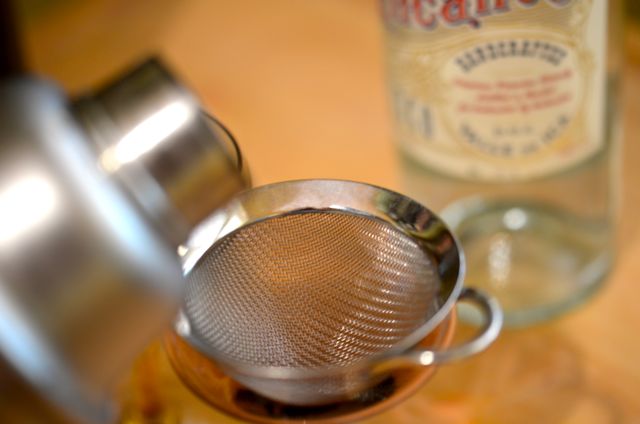
    • Combine all the liquid ingredients in a cocktail shaker with ice. Shake until very cold and double-strain into small chilled cocktail glasses or coupes. Dust with fresh nutmeg. Serve.