• Mojo Pork Shoulder Roast: Our Go-To Fall Roast

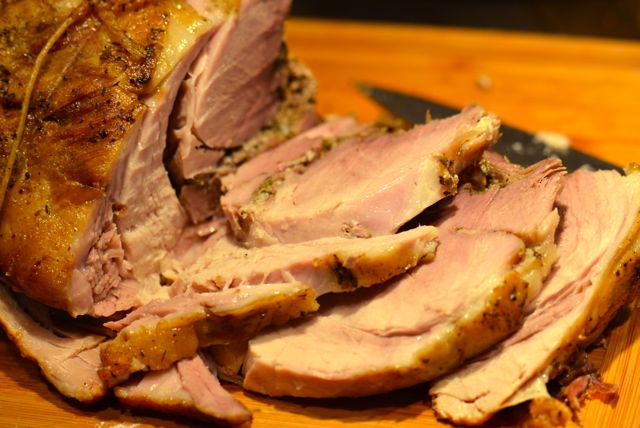
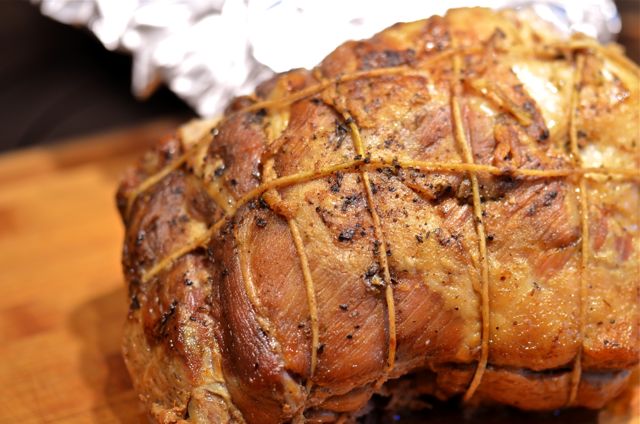
    Mojo Pork Shoulder Roast.
    A few years ago we hosted an “Orphans Thanksgiving” at our house. The guests were friends who, for whatever reason, didn’t connect with family for the holiday. It was a fun night, and keeping with the somewhat irreverent theme, we cooked BBQ Pulled Pork for Thanksgiving. Everyone loved it (sorry, but we like pork way better than turkey), but we all felt that, while tasty, the pork roast should be a bit more formal, like a true “roast”. With that in mind, we worked on a few recipes until we can up with this version of pork that uses a mojo-based marinade and cooks low-and-slow in the oven. Now it’s our “go-to” recipe when we host informal dinners, and holiday dinner parties. This dish is easy to make, but does take time and requires a few extra steps, but it is very much worth it- and the leftovers rock (more on this later).

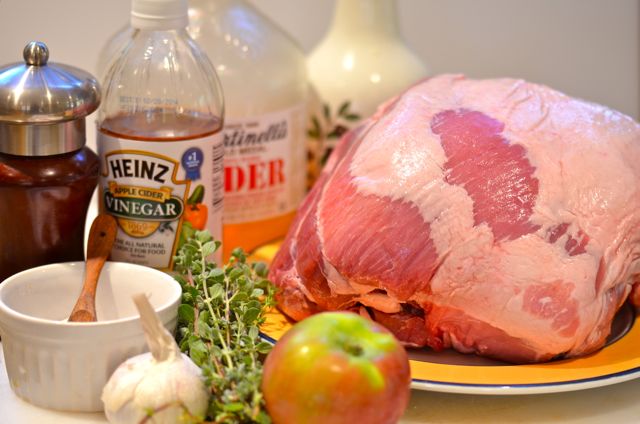
    So what is mojo? And why pork shoulder, and not a loin or rib roast? Well, first, mojo is a Cuban-inspired marinade of garlic, herbs, salt, oil and vinegar. It goes incredibly well with pork and you can tweak the herbs to fit your tastes and even match the sides you plan to make. Many mojo recipes include sour orange juice for a more Caribbean flavor, but we omit it in this recipe so we can use apples and apple cider as a flavor base for a more “fall-themed” sauce. As for the pork shoulder, we use it because when cooked low-and-slow it is the tastiest and most tender cut of pork available. It’s also very affordable. And since we use a bone-out pork shoulder, we can rub the mojo into the outside and inside of the pork for extra flavor. This does mean you need to tie the roast, but it is worth the extra effort.

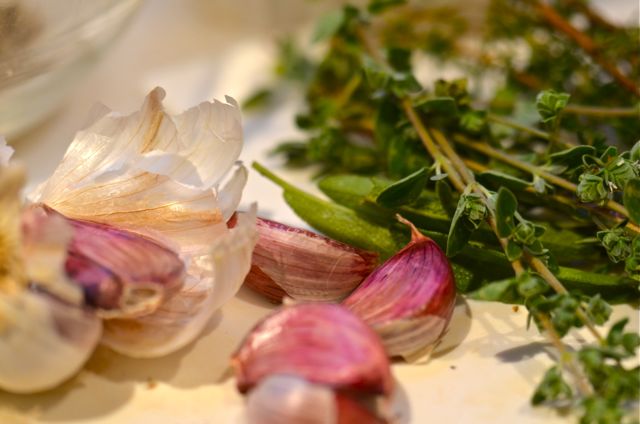
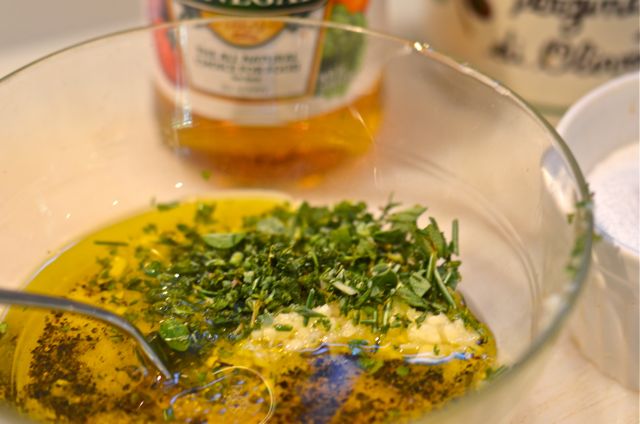
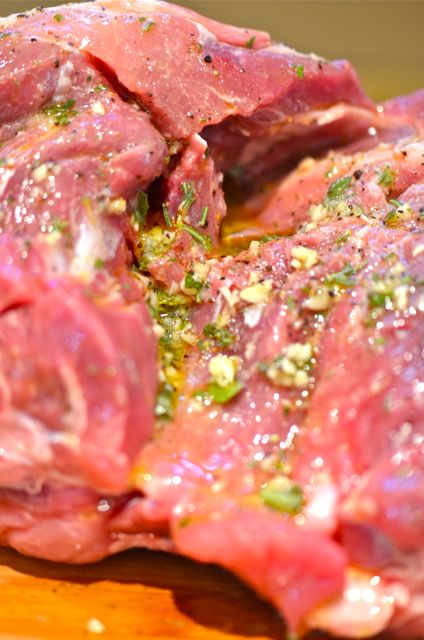
    Making the dish is easy, but is a 2-day project. It also has a few extra steps, but they make the difference between a “good” and “great” roast. On day one you make the mojo by chopping fresh herbs (thyme, sage, oregano and rosemary all work) and garlic and then mixing with olive oil, vinegar, salt and pepper. Then you take your pork shoulder (untie it, if already tied), poke a bunch of holes in it and rub the mojo all over the pork. Be sure to cover all the pork, inside and out and push the mojo into all the holes. Then wrap the pork or place it in a large container in the fridge overnight, or up to two days, the mojo will flavor all the meat. The whole thing should take about 15 minutes.

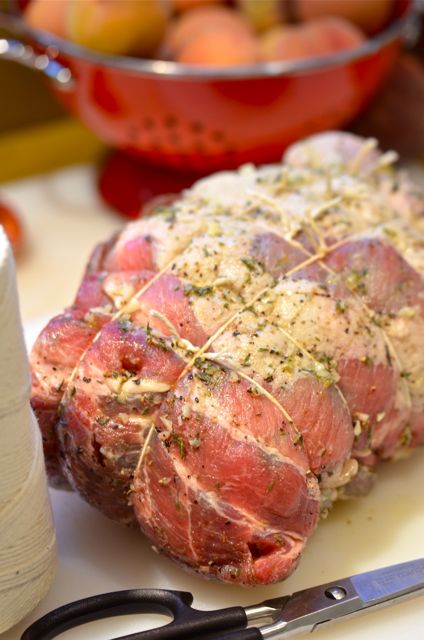
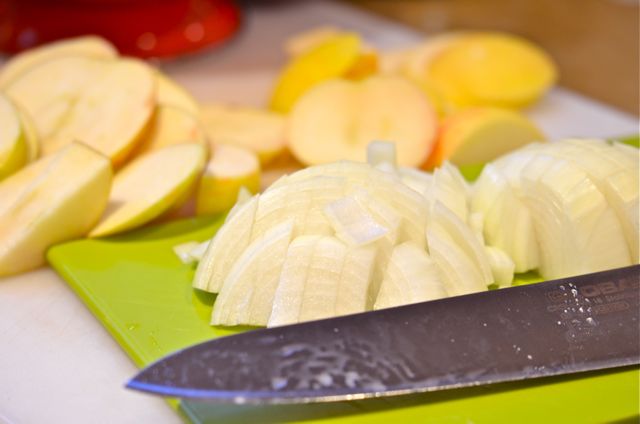
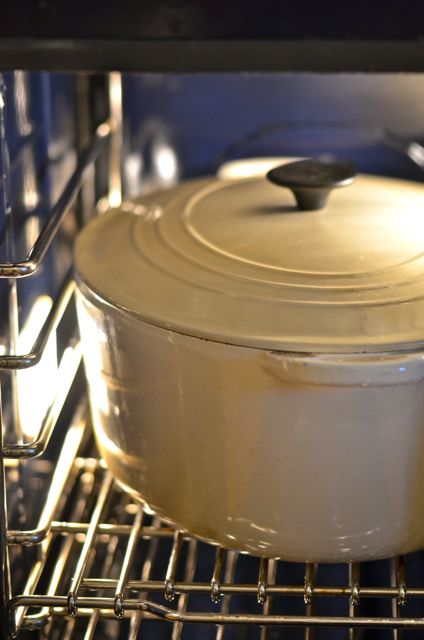
    As for day two, remove the pork from the fridge and scrape off most of the mojo from the outside of the roast (the garlic will burn, yuk) and retie the roast (see Notes). Preheat the oven to 250 degrees. Next, place a large, lidded dutch oven or heavy pot over medium high heat. Add some olive oil and brown the roast, about 5 minutes on each side until you get a nice crust. Then remove the roast from the pot to a plate or cutting board. Meanwhile, rough chop a few large apples and an onion. Add the apples and onion to the pot with a cup of apple juice or cider. Then place the roast on top of the apples and onions, put the lid on the pot and place the pot in the oven. Cook for 4-6 hours, or until the roast reaches and internal temperature of 190 degrees. And yes, you want a high internal temperature, it breaks down the collagen into the gelatin and makes pork shoulder so tender and “finger-licking-good”. Once the roast reaches 190, remove it from the oven and leave it alone for 1 hour. Then remove the roast from the pot and let it rest for at least 15 minutes on a large cutting board. Then the roast is ready to serve.

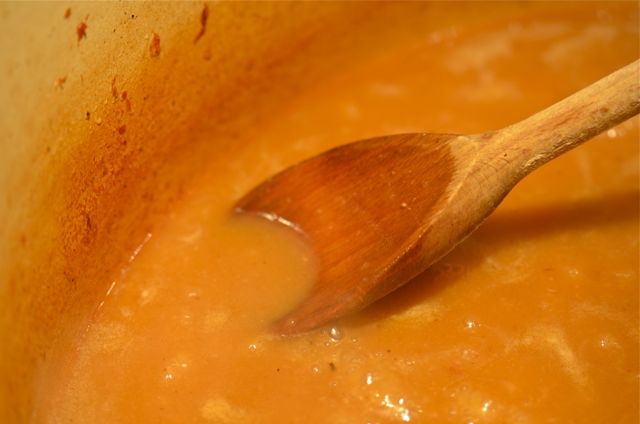
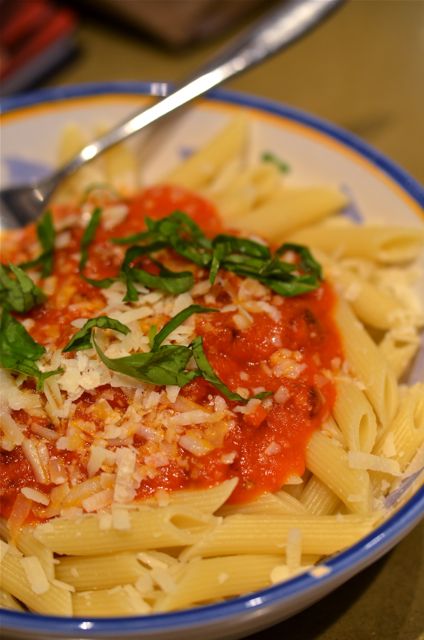
    As far as a sauce is concerned, the pork goes incredibly well with just applesauce. But you can also use the cooking liquid as a quick jus, or you can make a quick gravy. Usually we strain the apples and onion from the sauce, reduce it while the pork rests and make a quick roux to thicken the gravy. We put a teaspoon of Dijon mustard in the gravy to add some brightness and acidity. Good stuff and not much extra work.

    So, in the end, you get a tasty and tender pork roast that will easily feed 10-12 people. And while the process takes a few days, the active time is less than 40 minutes. A good return on the effort. And you do get a final bonus, the leftovers. We take any left over pork, cut it into small pieces and place it into a hot skillet with a dash of oil and a bit of chili powder and cumin. After a few minutes the pork crisps-up into something very much like carnitas. The next-day tacos are even more popular than the roast…. Continue reading

  • Cocktail DIY (And Bonus Cocktails): Pineapple And Raspberry Syrups

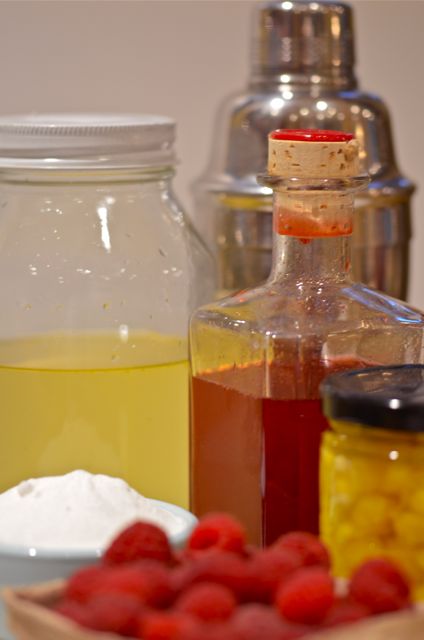
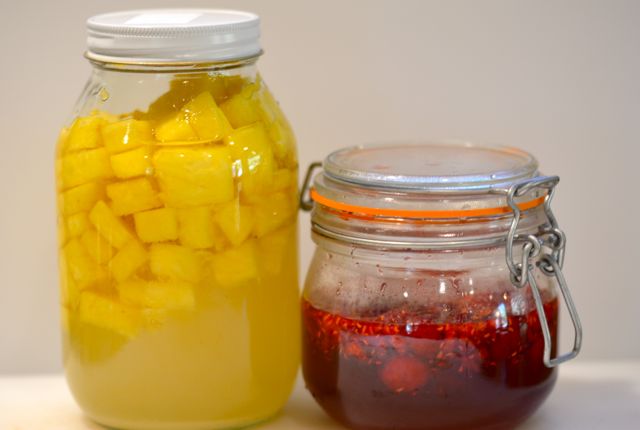
    Pineapple and raspberry syrups.

    One of the main things we enjoy about cocktails is how many ways we get inspiration to try new drinks. This week, Mixology Monday came back to life with an “Equal Parts” theme and we submitted a fun (and a little goofy) cocktail that we enjoyed, the Long Island Planters Punch. But what makes Mixology Monday really fun is trying other people’s creations. And now we have over 25 drinks to try (click here to see the lineup, very cool). One of our favorites, so far, is Shake, Strain and Sip’s Undiscovered Country a Corpse Reviver variant using pisco and Swedish Punch (it was a good excuse to finally buy some pisco). Another favorite is Chemistry of the Cocktail’s Shrunken Skull, a tiki drink with grenadine, but also works with raspberry syrup. Hmm….so now we have some pisco and a desire to make raspberry syrup. Anything else we can do?  Well, yes- since we had pisco, we had to make pineapple syrup to mix up some Pisco Punch, a true classic. (Like we said, “inspiration”, not necessarily “organized thinking”).

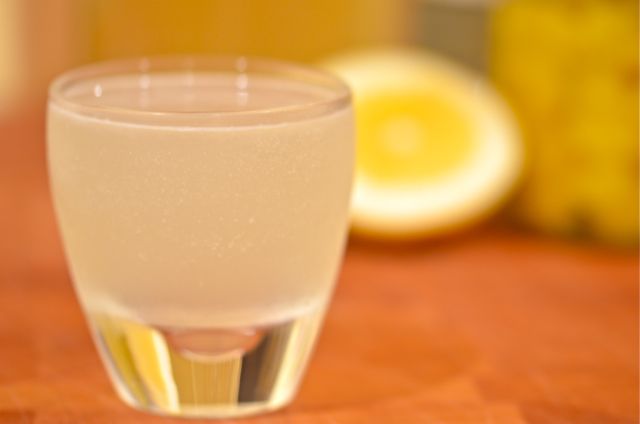
    Pisco Punch.

    Mountain Clover Cocktail.

    Unfamiliar with pisco and Pisco Punch? Pisco is brandy from Chile and Peru using local grapes from their wine industry. It is strong, a bit spicy and musky with hints or grappa (at least to our tastes). It is unique stuff and perhaps tough on its own, but very good in cocktails. And the most famous is the Pisco Punch, a simple combo of pisco, lemon juice and pineapple syrup. Cocktail historians have beaten the history of this drink to death (and beyond), but suffice it to say that in later 19th-Century San Francisco if you were blotto worse-for-wear, Pisco Punch had something to do with it. (Paul Clarke has a good, brief history piece here.) And there is a good reason the Pisco Punch was so popular, it’s really good. The musky notes of the pisco match with the sugar and funk of the pineapple and the lemon adds brightness and acidity. Pisco Punch is true cocktail alchemy, and it’s way-too-easy to throw these back…and a good reason to make pineapple syrup. And once you have pineapple syrup it works in other brandy drinks like the Brandy Fix or as a good substitute for simple syrup in Tiki drinks.

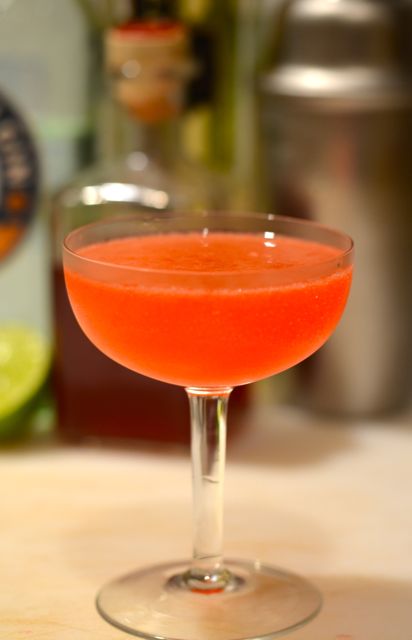
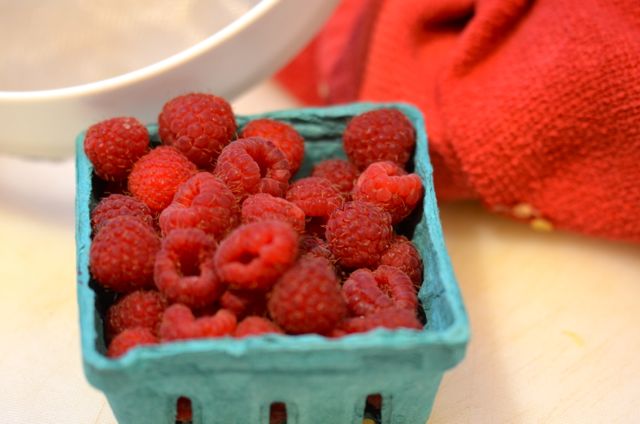
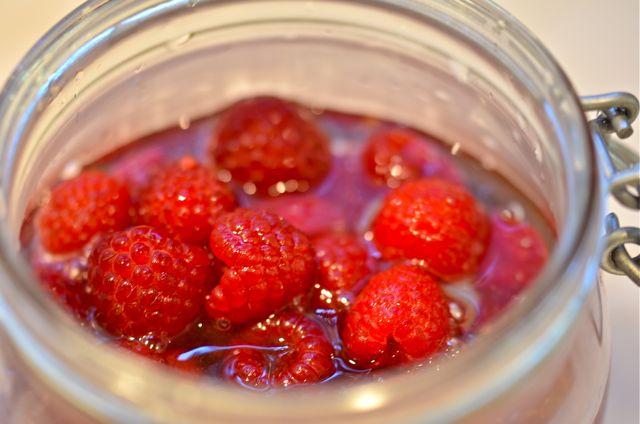
    As for the Raspberry syrup, it used to be a very popular cocktail sweetener, particularly before Prohibition. Used in dozens of drinks like the Clover Club, the Pink Lady and the Davis Cocktail, raspberry syrup adds great color and bright sweetness that’s lighter in flavor than grenadine. But, for whatever reason, grenadine took the place of raspberry syrup in many recipes during the later half of the 20th century. Happily, the cocktail renaissance brought raspberry syrup back from obscurity and there are plenty of DIY recipes, or you can buy it in stores. We decided to make our own, it’s easy and we still have raspberries. And after playing around with some classics, we made a Clover Club variant called the Mountain Clover with dry gin, lime juice, raspberry syrup and St. Germain. The light, bright sweetness of the raspberry syrup plays well with the gin and lime and makes for a very balanced sip. It looks like a grenadine-based cocktail, but is something very different. Worth a try.

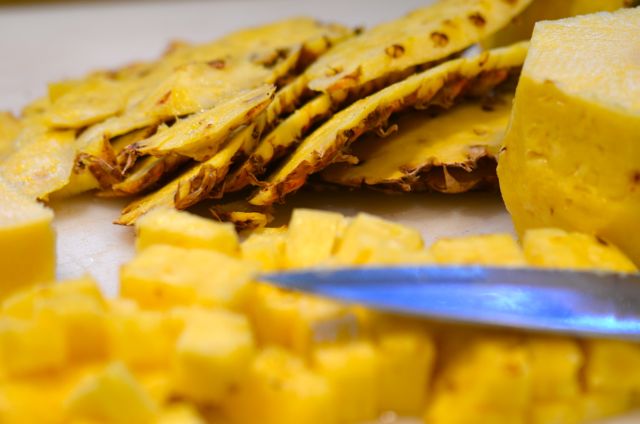
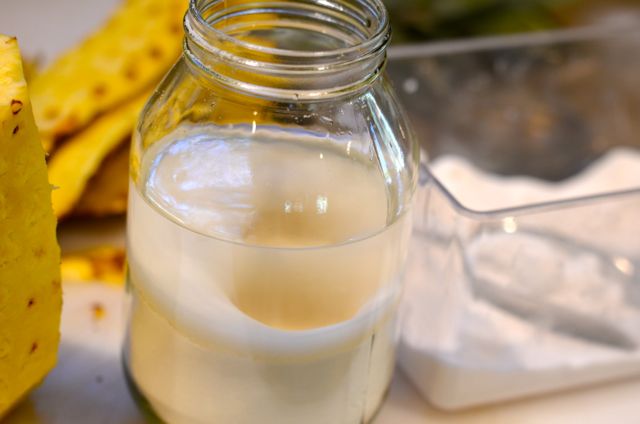
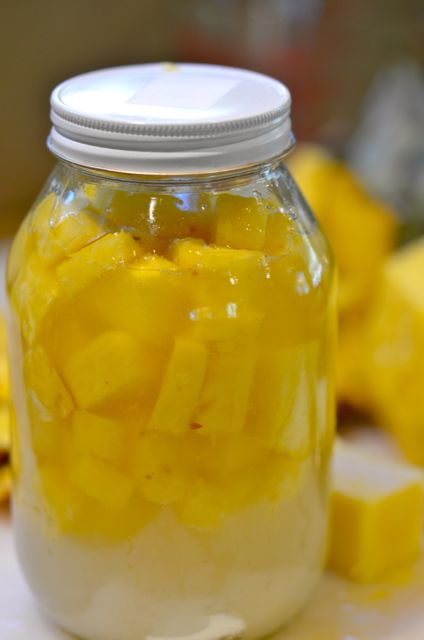
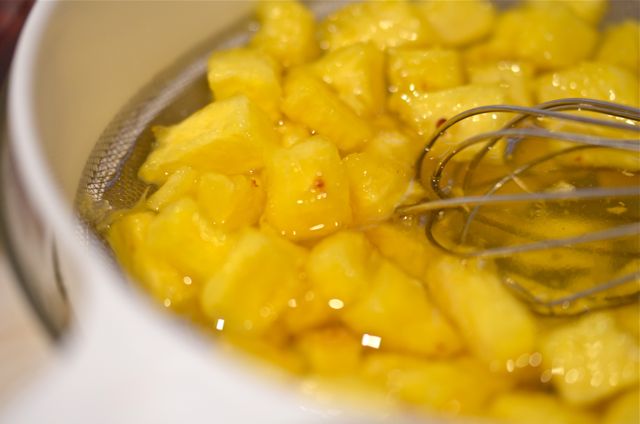
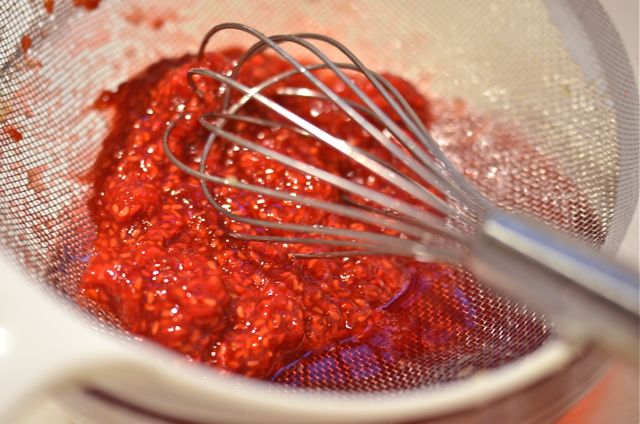
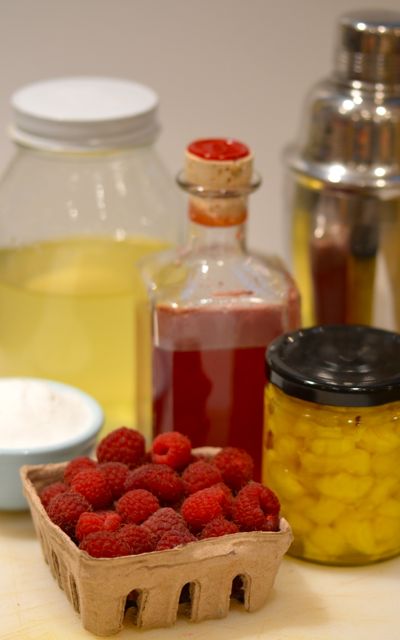
    Making both these syrups is very easy. Both use fruit, sugar and water. The pineapple syrup uses a “cold” method and the raspberry a “hot” method, but the process is basically the same. Cut or mash-up the fruit, cover with a simple syrup, put it in a jar, let it sit a day or two, strain out the fruit (mash in a bit more of the juice) and bottle the syrup. (And keep the left over pineapple pieces to put on ice cream or toast, good stuff). Top with a bit of vodka or Everclear to extend the life of the syrup, if you like. Store in a tightly lidded jar in the fridge. And then prepare to make awesome cocktails.

    Continue reading