• Bonus Cocktail: El Diablo

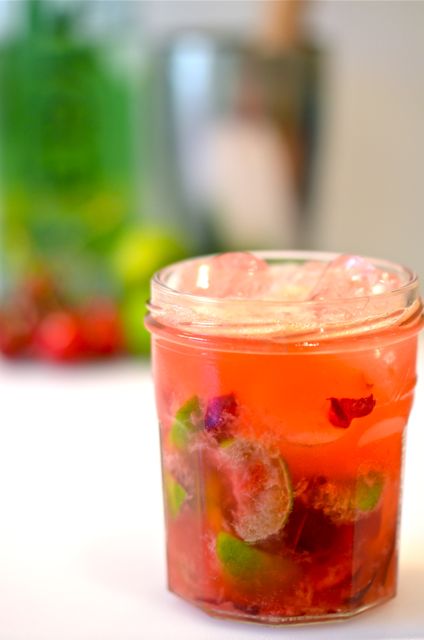
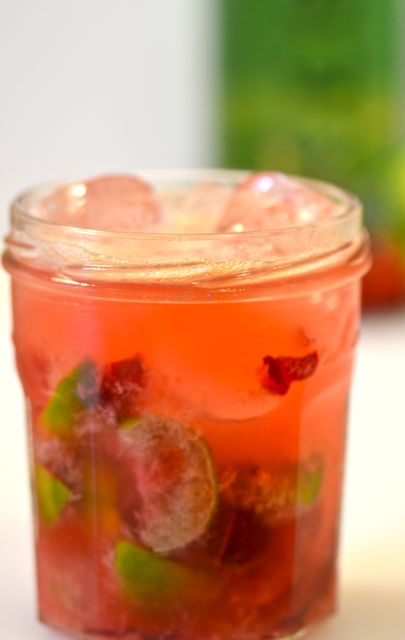
    El Diablo cocktail.

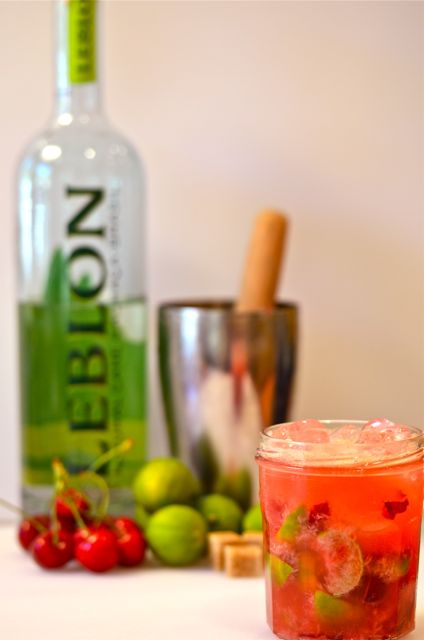
    Some good summer cocktail karma here at the farm. First we get cherries to play with, and then we stumble on a classic recipe and just happen to have all the ingredients and the drink turns out to be very, very good. And the cocktail, of course, is the El Diablo. The El Diablo is a combination of tequila, lime, crème de cassis and ginger beer served on the rocks.  The El Diablo packs a lot of flavor with the sour lime, sweet Cassis and the spice of the ginger beer, but it has a light body and is quite refreshing. And the color speaks for itself (and for the name of the drink).

    Surprisingly, the El Diablo is a creation of “Trader Vic” Bergeron, who is mostly known for tiki drinks. But Vic published this recipe in 1946, so it predates the Moscow Mule, a similar ginger beer-based cocktail. It is also something of a surprise to us that the El Diablo is not more popular, but not everyone has crème de cassis or ginger beer hanging around the house. But both ingredients are worthy additions to your bar.

    If you are unfamiliar with creme de cassis, it is a sweet blackcurrant liqueur that is most commonly used in the Kir (white wine and a dash of Cassis) and the Kir Royale (Champagne and a dash of Cassis). Kirs are very tasty drinks, and are still popular in France as a pre-dinner apéritif. We drink Kir Royales occasionally, particularly when we want to spruce up average champagne or sparkling wine. And that red color will show through in almost any drink, as will the deep, sweet fruit of the Cassis. Good stuff, and a little goes a long way, one bottle can last for years.

    El Diablo and ingredients.

    As for ginger beer, it is basically the original ginger ale. It tends to be spicier and less sweet than mass-market ginger ale. A few years ago, ginger beer was hard to find. But as the Dark ‘n Stormy and Moscow Mule have reemerged with the cocktail renaissance, so has ginger beer. Ginger beer is available in most supermarkets and liquors stores and is a good substitute for ginger ale in most recipes.

    Trader Vic wasn’t just about rum.

    We became aware of the El Diablo in a Serious Eats slideshow about the drinks at KASK, a bar in Portland. Here is their cocktail menu. (I think a trip to Portland is in order.) After some more research, we found that mixologists have played with the original recipe for years- so while the base flavors of ginger, lime and Cassis are in all recipes, the ratios can vary widely. We like a little more lime and ginger, but other recipes go heavier with the Cassis. The one constant is using 1.5- 2 oz. of blanco tequila. But feel free to play around, these are fun experiments for summer and the flavors play very well together.

    The El Diablo:

    Ingredients:

    • 1 and 1/2 oz. blanco tequila
    • 3/4 oz. lime juice
    • 1/2 oz. crème de cassis
    • 3-4 oz. ginger beer (or ginger ale)
    • Lime wedge or wheel, for garnish.

    Assemble:

    1. Place tequila, lime juice and Cassis in a cocktail shaker with ice. Shake thoroughly. Strain into a highball glass filled with ice. Add ginger beer, stir lightly. Garnish with lime wedge and serve.
  • Green In Winter, Brown In Summer

    Mowing the pasture. Summer is here.

    For those who move to California, particularly from the east coast, one of the biggest adjustments is that winter is the “green” season and summer is the “brown” season. When summer comes, the grasses in the open spaces of the chaparral areas of the state turn into the “golden” color that gives the state its nickname “the golden state”. And the rolling hills, scattered with oaks, are quite beautiful.

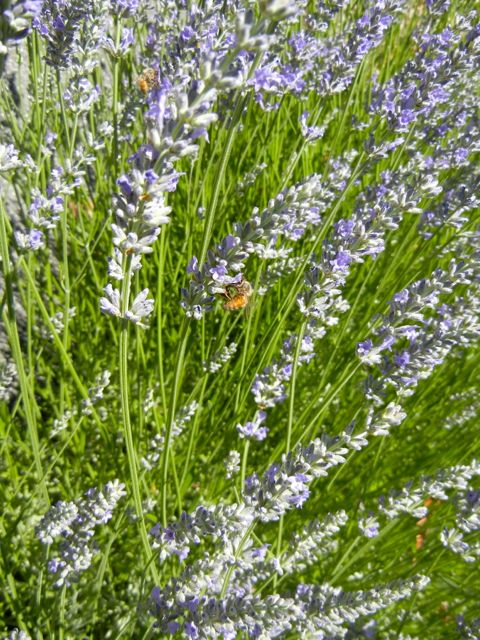
    Lavender. This flower comes with a soundtrack.

    On a more practical note, when the hills turn gold it means that summer is here and we need to mow the pasture. Fire is a real danger, especially near populated areas. The Oakland hills, just across the bay from us, burnt in 1991 with the cost of 25 lives and $1.5 billion in damage. When the grass gets dry, the big tractor mowers come out (we hire the guys, too big a job for us). And if you don’t get your mowing done, your neighbors will let you hear about it.

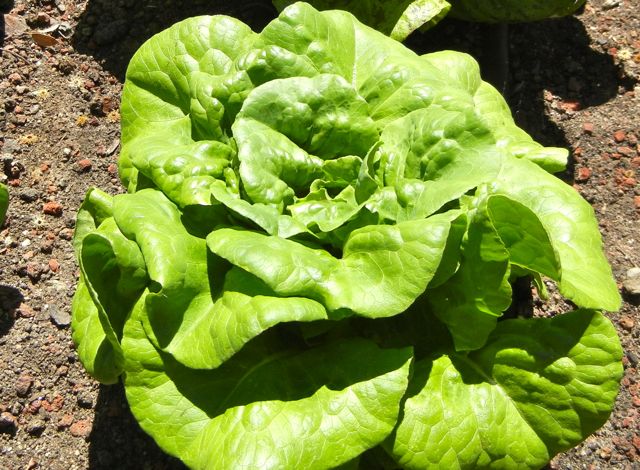
    Lettuce at its peak.

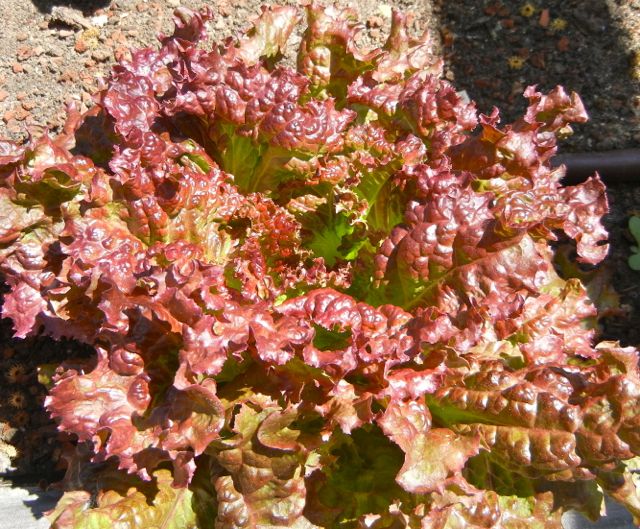
    Red leaf lettuce doing well this year.

    But while the pastures are brown, our gardens are overflowing with green..and purple. Let’s start with the purple. Our lavender, once just on the cusp, is in full bloom. It will last for months and the honeybees will work it, almost exclusively, for the rest of the summer. Here at the “farm” summer comes with a soundtrack, the constant humming of bees in the lavender. Both the honeybees and the native bees enjoy the lavender and completely ignore us, and everything else, while they work the flowers. Happily, the native bees will work / pollinate some of the other plants, while the honeybees seem to focus on the “highest and best” sources of nectar. That focus is what gives us “varietal” honey like clover or orange-blossom. I guess we basically get lavender honey.

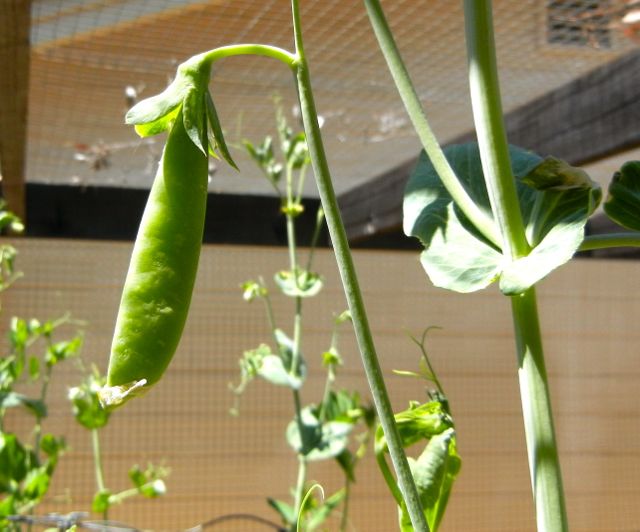
    The peas are just coming in.

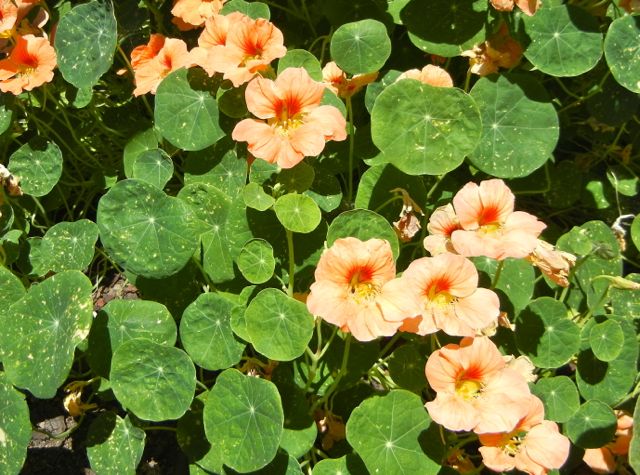
    The nasturtiums are very, very happy this season.

    As for the green, it is all around us in the garden. Our peas are just forming pods, lettuces are at their peak and the tomatoes show their frist fruit. The tomatoes have us very excited, lots of blossoms and growth foreshadow a good crop in the late summer. And the basil runs in parallel to the tomatoes. We see Caprese salads in our future. Oddly, our zucchini plant seems more interested in growing huge leaves than in producing zucchini. We still get zucchini, but yields are lower than expected. Our arugula is also low-yield (part of a bed that seems unhappy this year). As zucchini and arugula are “easy” crops, this is a bit humbling, but such is the nature of the garden and orchard. We get a bumper crop of cherries and can barely grow zucchini. Go figure. Continue reading

  • Radishes With Butter And Salt (And Moments Of Perfection)

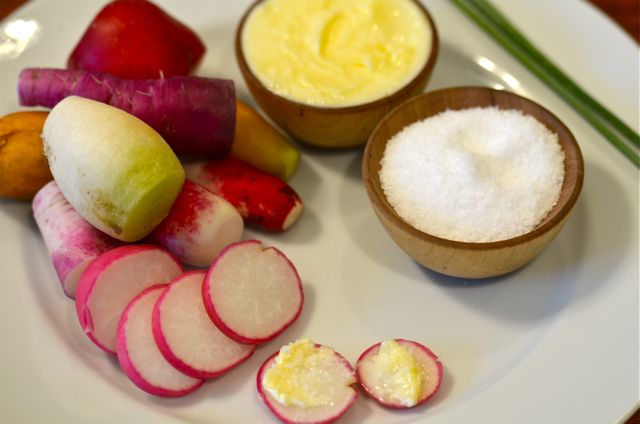
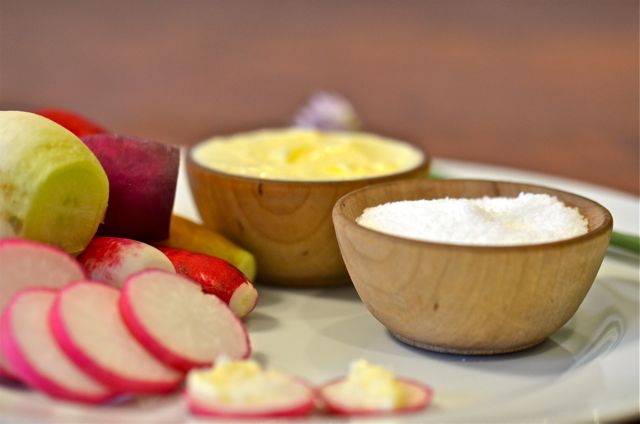
    Radishes with butter and salt, a perfect trio.

    Late post today. Our eldest and I went to the Giants game last night and stayed late to watch Matt Cain pitch the franchise’s first perfect game in 130 years. As we occasionally hint in the blog, all of us are lifelong Giants fans. We have seen Bonds’ home runs, All-Star games, Timmy’s Cy Youngs, World Series losses and (glorious) victory and everything in between. And there was nothing quite like the perfect game. Everything comes together in one game. A brief, brilliant spark of pure joy and surprise. And for the players it was the moment when the orchestra is perfectly in tune and the conductor is at his best. A sweet reward for a lifetime of effort.

    But in baseball, it is a lifetime of effort that is always filled with failure. Even the best baseball players fail, in some way, in almost every game. The best learn to accept failure and build more towards a lifetime body of work. That is what makes perfect games or championships so special. Not simply that you were the best on “X” day, but because the players must overcome failure to get there. Success is all the sweeter when reached through failure. You grow, you improve, you build.

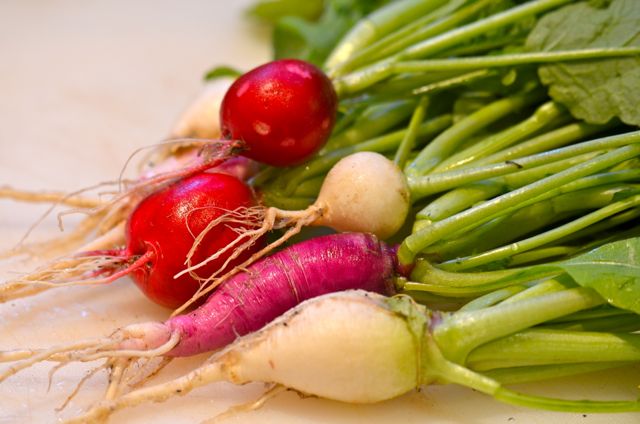
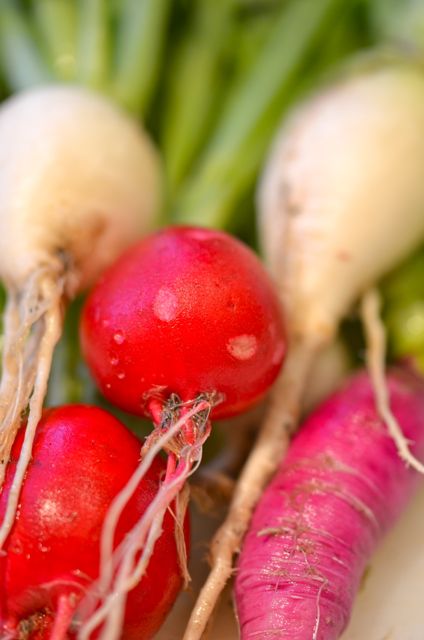
    Mixed radishes, fresh from our garden.

    If you garden or cook (or simply raise a family) this should ring true. While you may not toil in the spotlight, gardening and cooking are a lifetime of successes and failures. And some you simply cannot control. The beds were perfect, you checked the soil, picked the right seeds and watered on time. But the blight or frost came anyway. Green became brown. Fail. You picked the perfect recipe, shopped on time, did your prep and cooked like a pro. But the guests came late, one of the kids sprained an ankle and the roast stayed in the oven too long. Medium-burnt. Fail.

    But after a few well-placed “words”, you start again. There is always the next meal, day, week, season and year. And when the successes come they are sweet, and they are shared with those you love. When the cocktail is tasty and the guests are happily chatting, the kids eat the (perfect) fish and the dessert made from the fruit that you grew has been totally devoured, then you have it. A perfect meal, a perfect day, a perfect moment. And well-earned. And well-remembered. Think of those moments, and we bet you have a few that stick with you, and those you love, to this day. Brief, brilliant sparks of love, joy and content. The glow from those sparks lasts a long time.

    In the garden, harvest is often that special moment. This week we have cherries, berries and radishes. More on the fruit soon, but as for the radishes we will give you a “perfect” recipe to enjoy any time. Fresh radishes with butter and salt. How do we know it’s perfect? Because pretty much every celebrity cook, cookbook author and blogger has posted a version of this recipe at some time or other. But since we actually grew these radishes, we (selfishly) think we can post on it too. And it is a very tasty, and easy, dish.

    And we are big fans of radishes, both as cooks and gardeners. In the home garden radishes are a great crop. They grow to harvest in 3-4 weeks (the name comes from the Greek Raphanus meaning “quickly appearing”), work in many climates and compliment many cuisines. Radishes grow in spring and fall, so we stagger our crop over a few weeks to get radishes though most of both seasons. And, frankly, they are hard to mess up. While gardening is filled with failures, crops like zucchini and radishes do offer the opportunity for a few “quick wins”- and there is absolutely nothing wrong with that.

    While we like quick-pickling radishes or using them for crunch and heat in salads, we usually just eat them out of hand. We enjoy their crunch and light, peppery heat (the kids like them too, so that is a big bonus). Serving radishes with butter and salt simply creates a more balanced dish. The sweet, creamy butter and the salt add more dimension to the radish. And all you need to do is slice some radishes and put some butter and salt into a few bowls and serve. This is a great summer dish- easy, but full of flavor.

    Continue reading

  • Orchard Update: The Cherry Harvest, Day #1

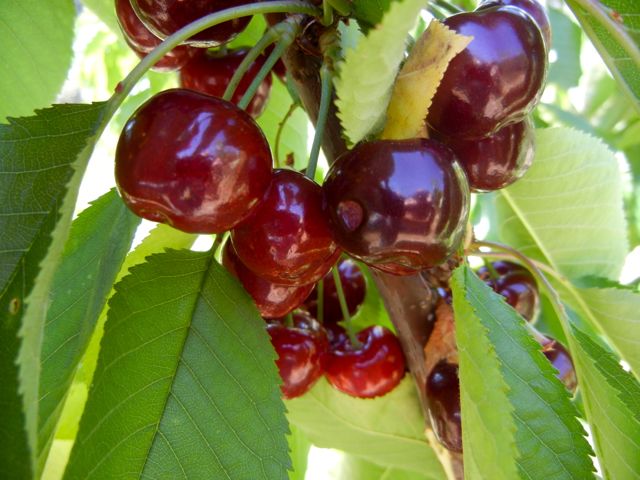
    Van cherries before harvest.

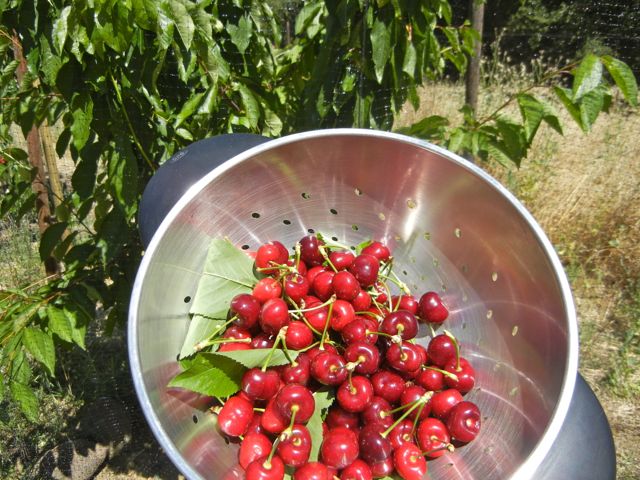
    Well after a longer wait than we expected, the cherry harvest is here! We are very, very excited, as this is the first real cherry harvest from our orchard. We netted the trees a few weeks ago and the extra work paid off. While the ants got a few of the cherries, the birds, wood rats and squirrels were kept at bay.

    Harvesting cherries is still a low-tech affair…

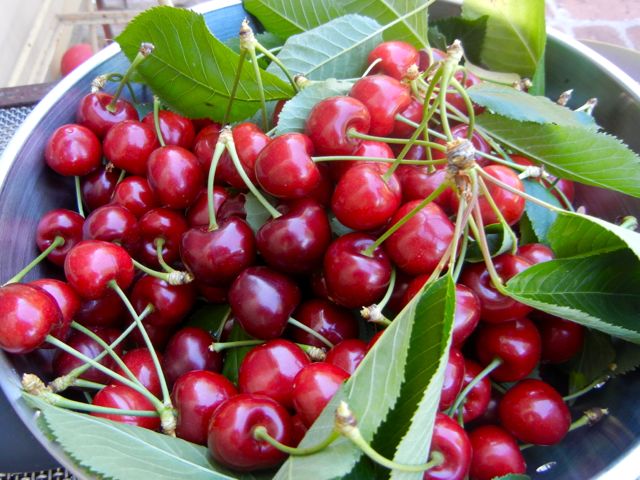
    Most of this day’s harvest was from the Van and Black Tartarian grafted tree. The cherries are mostly Vans. We planted the Van / Tartarian tree to pollinate the Bing cherry tree, but the bonus is another crop of cherries. The Vans look like Bings, but are smaller with slightly lighter color skin and flesh. They are sweet, but not too sweet, with a pleasant crunch.  We had a smaller crop of the Black Tartarians and they are really, really good. The Tartarians, not surprisingly, have deep purple color and flesh. The cherries are very sweet and incredibly juicy. The Tartarians are a pleasant surprise, the only bummer is that few made it out of the orchard- they were enjoyed straight from the tree. We will aim for more next year (perhaps another tree).

    Day 1: Vans, Bings and Black Tartarians.

    We also started on the Bing tree, which is dense with fruit on almost every branch. The cherries are ripening somewhat unevenly, so we will work the tree over the next few days. The Bings are a delight. There is a reason they are the most popular fresh cherry. They are big and sweet and one of the closest things to “natural” candy you can get. The kids think they are better than candy, and that says a lot. We had some off-season rain and concerns that it would cause the Bings to crack, but luckily all the fruit is in great shape. We will have fun picking the cherries for the next few days.

    Ready to eat. The Vans have the lighter color.

    While researching how to cultivate our Bings we ran across an interesting piece of history worth sharing. From Wikipedia:

    The cultivar was created as a crossbred graft from the Republican cherry in 1875 by Oregon horticulturist Seth Lewelling and hisManchurian Chinese foreman Ah Bing, for whom the cultivar is named.

    Ah Bing was reportedly born in China and immigrated to the U.S. in about 1855. He worked as a foreman in the Lewelling family fruit orchards in Milwaukie for about 35 years, supervising other workers and caring for trees. He went back to China in 1889 for a visit. Due to the restrictions of the Chinese Exclusion Act of 1882 he never returned to the United States. Sources disagree as to whether Ah Bing was responsible for developing the cultivar, or whether it was developed by Lewelling and named in Bing’s honor due to his long service as orchard foreman.

    It seems a little bittersweet to us that Ah Bing was not allowed to return to the US. And regardless of who crossbred the cherry, it gives us a smile that Ah Bing’s work in the orchard survives and is enjoyed every summer.

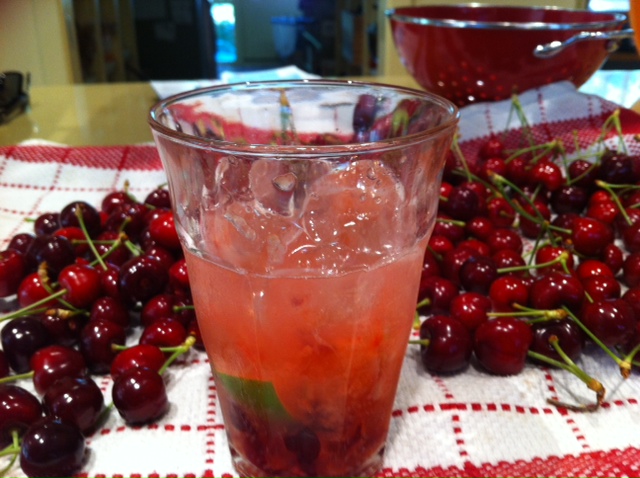
    Eat out of hand, or make a cocktail. Cherry-lime Caipirinha, pretty good.

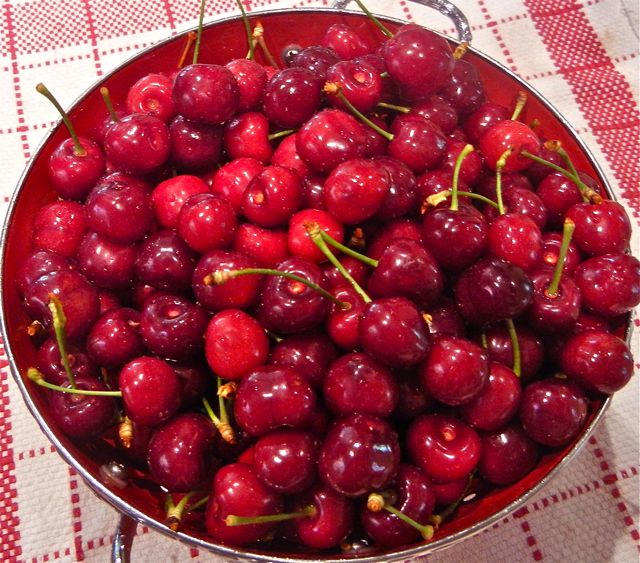
    Once we got the cherries in the house, they got a quick clean and rinse. We laid them out on the counter and ate quite a few. The kids enjoyed them and I even made a cherry-lime Caipirinha. Yum. For the next few days we will be enjoying the cherries in baked goods, perhaps ice cream, drinks and even a savory dish or two. Recipes soon.