• Smoked Salmon Salad With Yogurt-Dill Dressing

    Smoked Salmon Salad With Yogurt-Dill Dressing.

    Memorial Day wekend is always a treat, but after a few days of stuffing our faces over-indulging we start to look for lighter fare. The garden and the farmers market always supply inspiration (and ingredients) but we also find plenty of simple, tasty recipes from other bloggers. And this is how we found this salad.
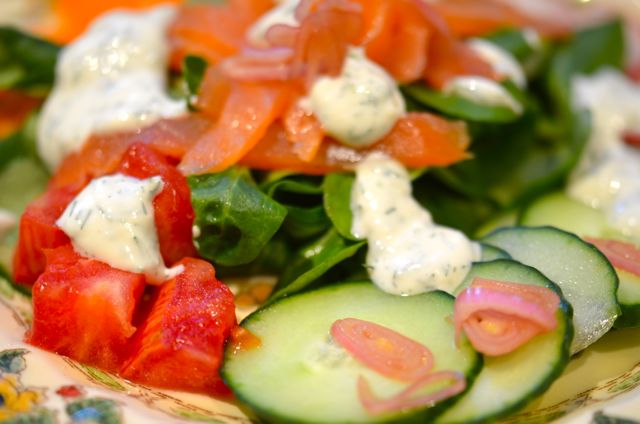
    We recently discovered Danish Hygge, a blog about Danish life (we are big fans of Scandanavian design). It includes all sort of posts and photos about Danish design, people and culture, but also has some recipes. They had a post on salad with seasonal vegetables in a yogurt and dill dressing and it seemed light, healthy and flavorful, so we decided to give it a try.
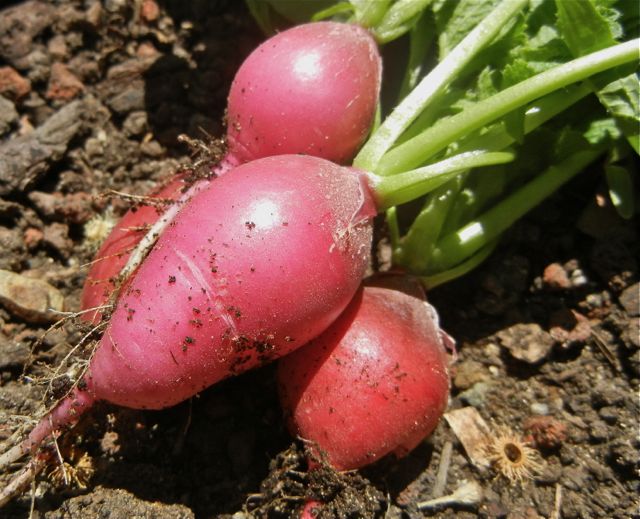
    Fresh radishes from the garden.

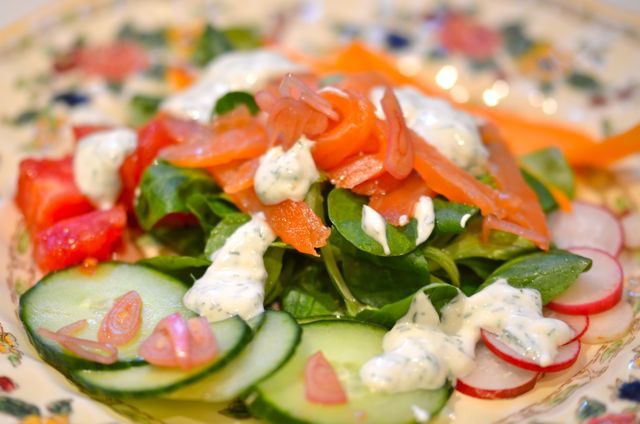
    The salad is a combination of greens, seasonal produce, smoked salmon and a “dressing” of dill and yogurt. Part of the fun of this salad is that you can add in almost any vegetable (even fruit) and get good flavors. In our case, we had radishes from our garden and early cucumbers and tomatoes from the farmers market and we always have carrots (ours still aren’t ready, sniff). As for the greens, our one recommendation is that you use sweet greens like butter lettuce, mache or even romaine rather than more bitter greens like arugula. The smoked salmon plays much better with sweet greens and the overall flavor of the salad is more harmonious.
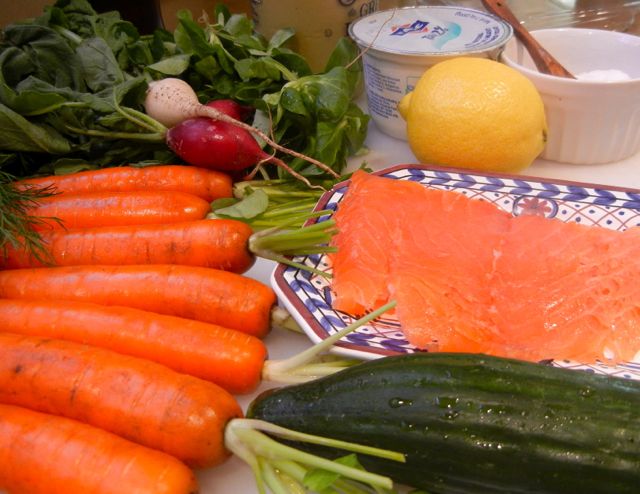
    Ingredients. For the veggies, anything fresh will be good.

    We did tweak the recipe a bit to add more flavor. The dressing combines plain yogurt (nonfat or low-fat, we used low-fat), a bunch of fresh chopped dill, lemon juice, mustard, honey (or agave nectar), salt and pepper. We added a touch of hot sauce to the dressing to add a little heat and it worked very well. We also macerate a shallot in vinegar for a few minutes and then drizzle the slices over the salad. The sweet/sour nature of the macerated shallots are one of our favorite additions to salads and veggies.
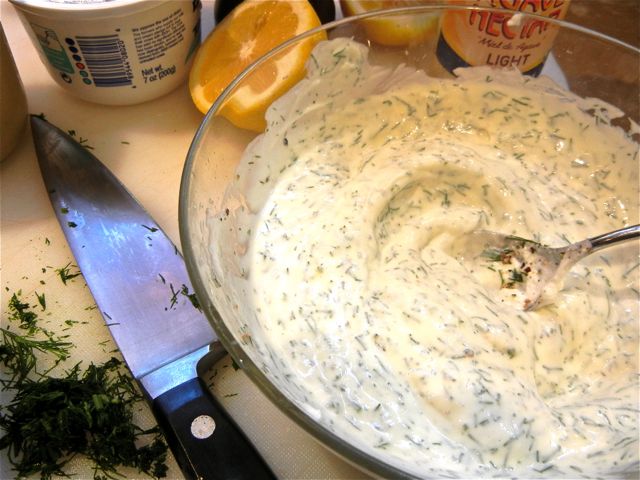
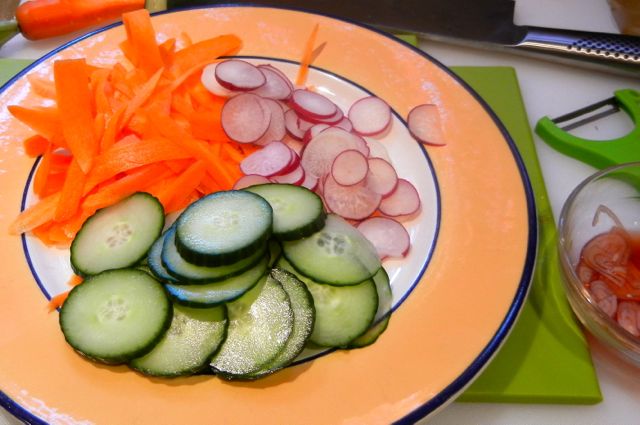
    The salad itself has a mixture of crunchy, earthy flavors of the veggies, creamy/tangy dressing and salty smoky salmon. It is a satisfying lunch or a good starter salad at dinner. The salad tastes great and is healthy, too. Finally, the dressing is good as a sauce for grilled vegetables, so if you have extra, don’t let it go to waste.

    Smoked Salmon Salad With Yogurt-Dill Dressing:

    (Adapted from Danish Hygge)

    Notes Before You Start:

    • Other smoked fish like trout or sturgeon will work in this salad. We used a strong and smoky lox, but Nova or other lighter-smoke salmon will work.
    • Use whatever combination of fresh vegetables you like.

    What You Get: A healthy full-flavored salad. A dressing you can use with pretty much any vegetable.

    What You Need: No special equipment required.

    How Long: 10- 15 minutes depending on how many vegetables you chop. This is an anytime dish. Continue reading
  • Weekly Cocktail #14: The May Daisy

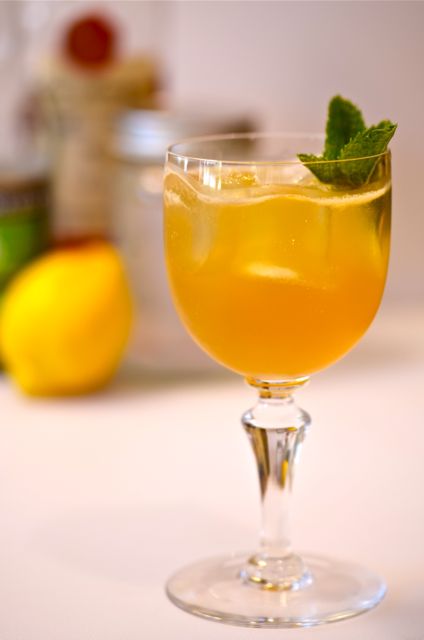
    May Daisy Cocktail.

    One of the promises we made when we started blogging was to keep ourselves challenged and use the opportunity to try new things. For Carolyn this means new baking techniques, for me it means new tools and ingredients for cooking and cocktails. As for cooking, we always enjoy trying new recipes and the garden is a constant source of inspiration and challenges. But for cocktails, we sometimes find it easy to get “comfortable”. We generally prefer gin, rum and tequila over whiskeys and darker spirits (although we do like our Applejack). And since there are so many cocktail recipes,  it is easy to stay in our comfort zone.

    But Carolyn’s recent success with a new baking technique in her Mocha Cake reminded us to try new things and we went right for a big challenge, Cognac-based (or really brandy-based) cocktails. Even more so, a summer cocktail with brandy. For those of you less familiar with brandy, it is simply liquor made with distilled wine rather than sugar or grain. The wine used as the base for brandy can be from any fruit, but is most famously from grapes. Good brandies are made all over the world, pretty much wherever grapes or fruit are grown. But the most famous grape brandies are Cognac and Armagnac from France, and the best bottles are considered some of the greatest spirits in the world.

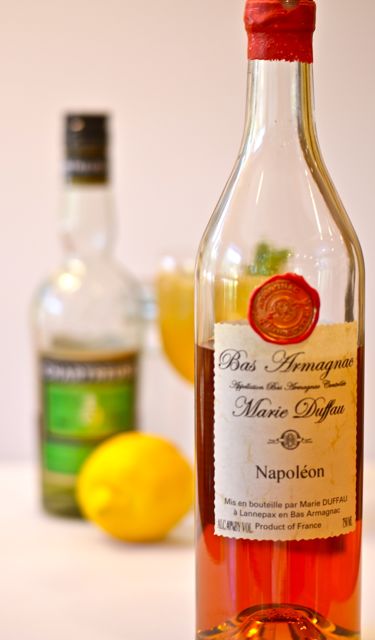
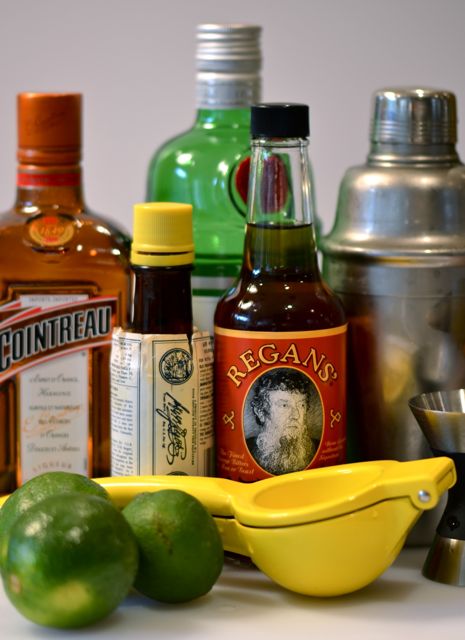
    May Daisy and ingredients.

    Most of the best Cognacs and Armagnacs should be enjoyed on their own, but there are many varieties that are good for cocktails. In fact, Cognac was the spirit of choice for many early American cocktails, including the Mint Julep. But outbreaks of Phylloxera in France during the 1800’s limited Cognac supplies and Americans turned more to their native whiskey. But quality Cognac / brandy has good fruit, floral and spice flavors that make it a worthy addition to many drinks.

    Cognacs and Armagnacs are both distilled grape wine that’s aged in oak barrels. The main difference in production is their region / appelation and that Cognac is distilled twice, while Armagnac just once. The other difference is price, with Cognac usually 2x the price of Armagnac. While many will argue the relative merits of Cognac vs. Armagnac, the real variables in brandy are aging and blending. To keep it brief (and trust us the French can get into great, laborious detail on these matters) VS is the youngest designation with 2 years of aging, VSOP with 4 years and XO with at least 6 years, but often many more. “Napoleon” is another common designation usually meaning somewhere between VSOP and XO. Simple, huh?

    In any event, we can generalize a lot bit and say that most VS Cognac can be harsh, hot and not all that tasty. VSOP bottles are often very good on their own or in cocktails. And XO is usually best on its own.  When buying Cognac or Armagnac, or any brandy, the best path is to ask someone you trust at your Liquor store for a good bottle, give them the likely use and your price range. This is how we were steered to Armagnac, particularly for cocktails. At roughly 1/2 the price of Cognac, you can get a high quality bottle for less money. We got a great Napoleon Armagnac for about $30 and it is very tasty and smooth with good spice and herbal notes.

    Armagnac, good stuff and better price.

    Continue reading

  • Mocha Layer Cake

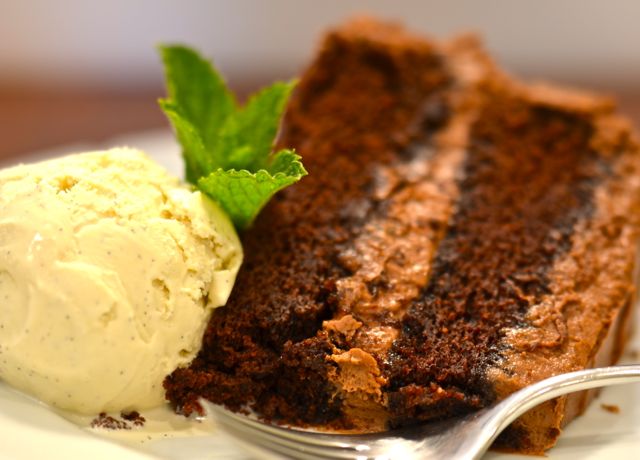
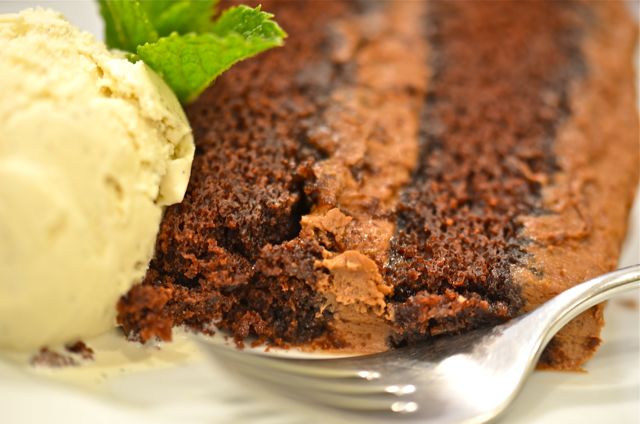
    Mocha Layer Cake.

    We had a busy weekend with family, friends and our eldest’s Memorial Day wooden bat baseball tournament (great, low-key fun, btw). But Memorial day weekend also means a few birthdays and anniversaries, so we usually end up entertaining. We always enjoy entertaining, but it’s sometimes a challenge to decide what to make. But, as we often remind ourselves, successful summer entertaining is all about simplicity. With cocktails, we make it easy and serve punch or home-made Margaritas, guests serve themselves at their own pace and we get to visit. For dinner we grill meat, a nice piece of fish and fresh veggies from the garden with a few tortillas, guacamole and fresh salsa. And for dessert Carolyn bakes a big ol’ cake.

    And for a party, particularly on a holiday weekend, nothing beats a good cake. Everyone likes cake (or at least frosting), it lasts a few days and you can eat it any time (and yes, there has been breakfast cake enjoyed here at the farm…;-). When baking for us, Carolyn makes small cakes with 6 inch pans. But when a large group is coming, Carolyn pulls out the 9 inch pans and makes 2, 3 (and sometimes 4) layer cakes with loads of frosting. You know it’s a good party when the host pulls out a big, beautiful, homemade cake. Add a scoop of ice cream and suddenly the kids are quiet (but not for long) and the parents are smiling and enjoying a well-earned indulgence. There is no hurry. Feels like summer now.

    While we like to keep things simple, it is still good to branch out and learn new techniques and try new recipes. In this case Carolyn adapted a recipe from Susan Purdy’s “A Piece of Cake” that included a new technique she wanted to try. Usually baking a cake is straight-forward, albeit time-consuming. Melt chocolate (if using), cream butter and eggs, add other wet and dry ingredients. Blend batter until smooth and fluffy. Bake.

    Grease and dust the pans with cocoa powder.

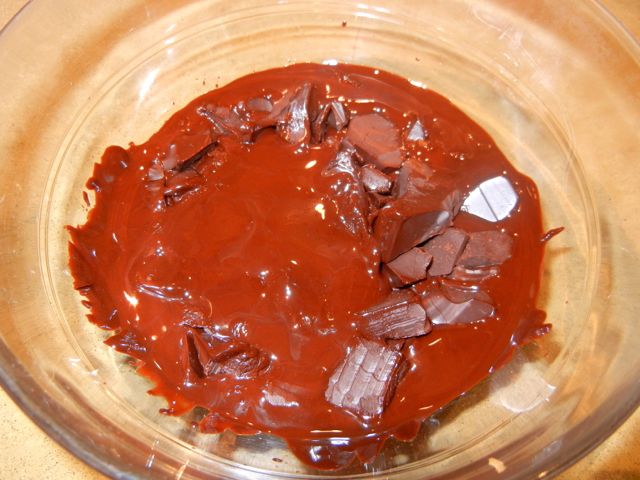
    Melt the chocolate.

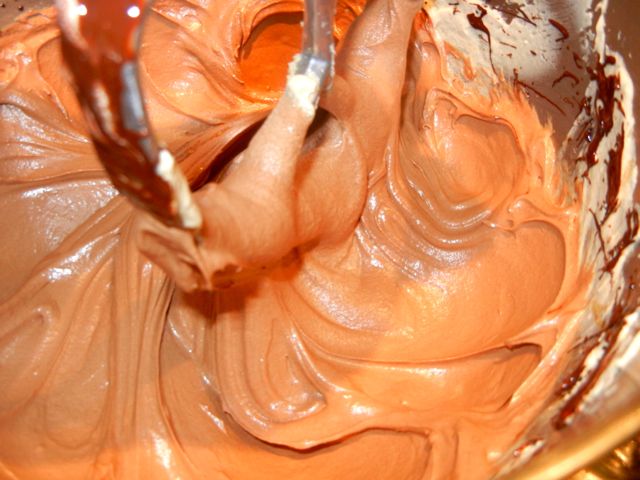
    Mix your batter.

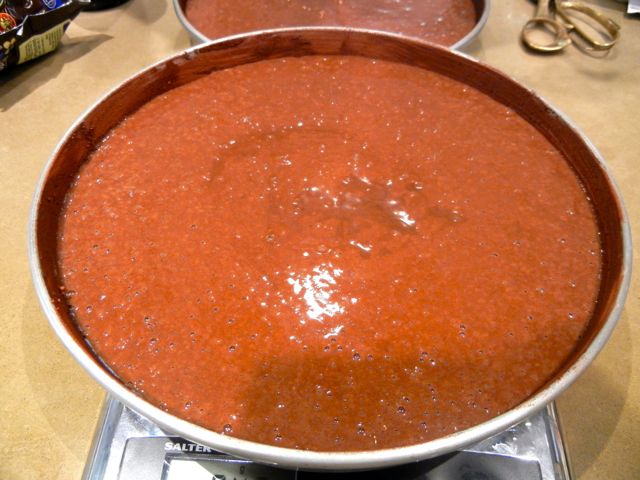
    Ready to bake, note using a scale to evenly divide the batter.

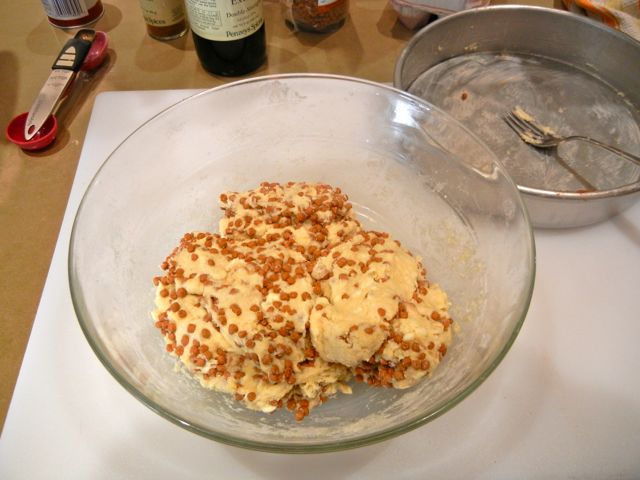
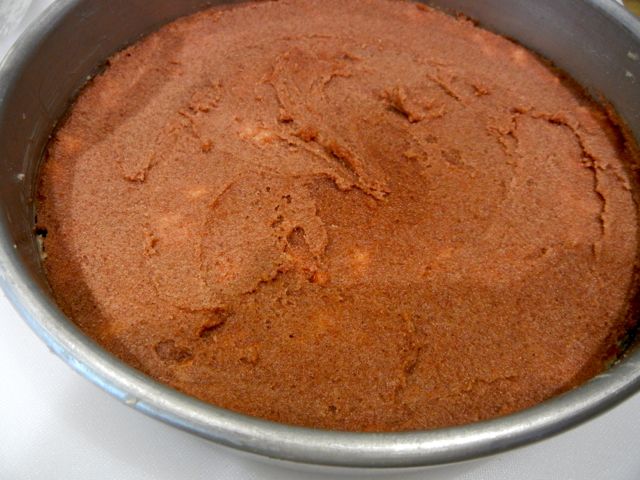
    But for this recipe, we add a cup of boiling water with coffee powder (or very hot coffee) to the batter. The batter sags with the heat, but then reconstituted itself with added mixing. We are unsure of the chemistry involved here, normally we would assume the boiling water helps with activating baking powder, but there is only baking soda in the recipe. Something to figure out, as we like to know why things happen in the kitchen. Regardless, the cake was unusually moist and rich, and Carolyn already makes very moist cakes. The flavor was very good as well, with the coffee really bringing out the chocolate. Continue reading
  • Heavy Branches and the Lonely Peach

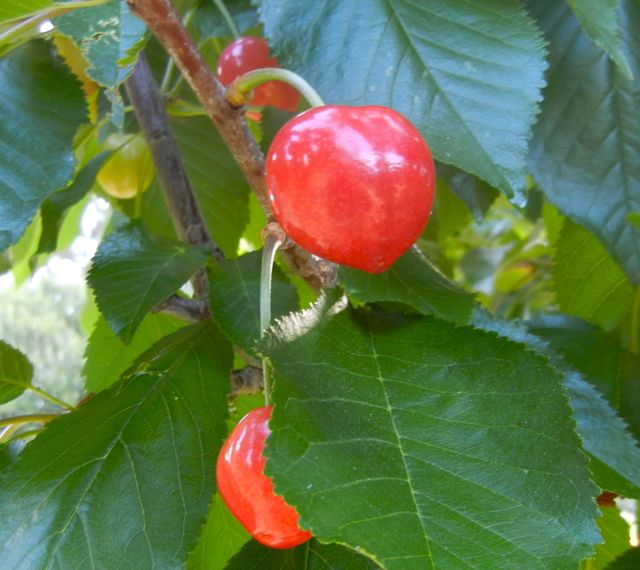
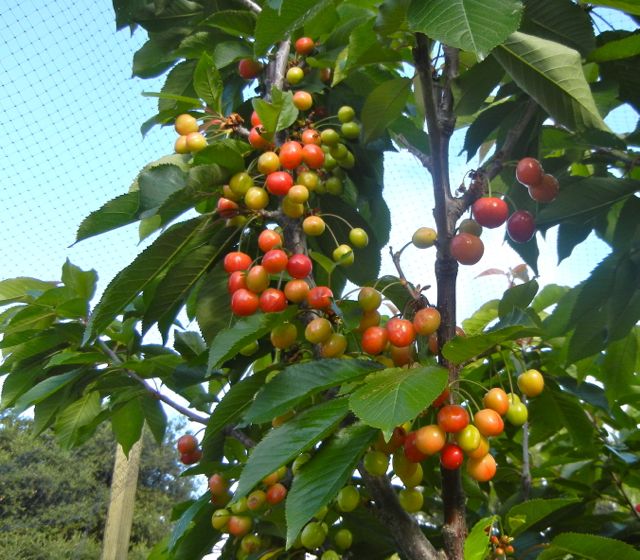
    Bing cherries, we will harvest later this week.

    We planted our stone fruit orchard nearly 5 years ago. And while there have been a few successes, this is the first year we can say the trees are “heavy” with fruit. The peaches and nectarines are in process, but the Bing cherries are truly on the cusp. We eat them daily, but the big harvest will come later this week. The limbs on the Bing cherry tree are bending under the weight of the fruit. Amazingly, this same tree yielded just a few tiny, tepid berries last year but will give us baskets of cherries this year. A small reminder that patience and effort are sometimes rewarded.

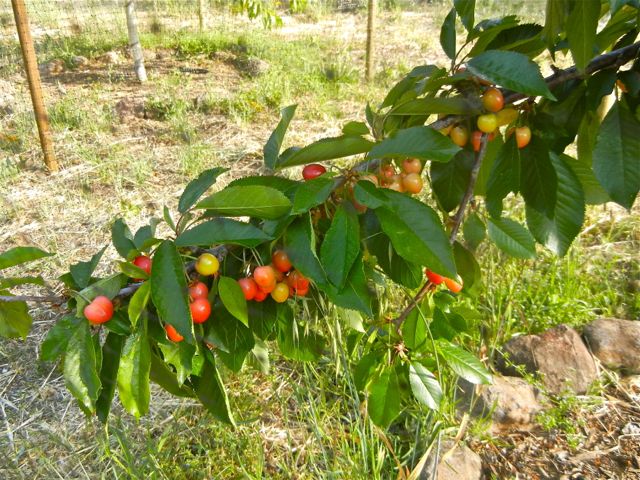
    Cherry branch bending under the weight of the fruit. This is good.

    We are pleasantly surprised by the density of the cherries.

    And sometimes there are pleasant surprises. The hybrid Van and Black Tartarian cherry tree was mostly planted to  pollinate the Bing. But, as we noted last week, this tree is also bearing fruit. The Vans are tasty and the Tartarians are just coming in. We look forward to tasting all three of the cherries just off the tree.

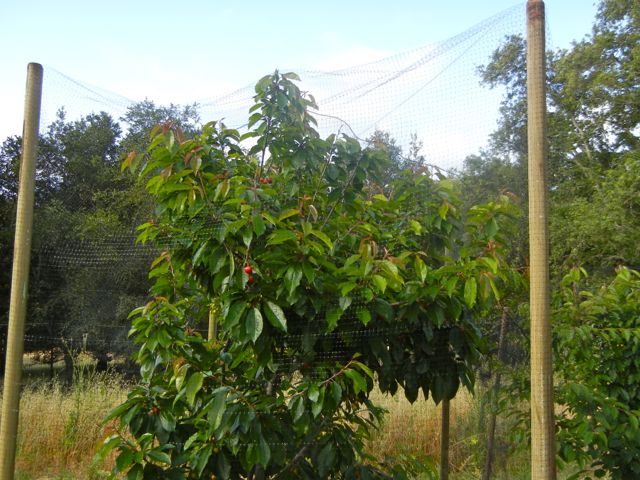
    Netting the tress to protect the fruit in the orchard.

    On a more sober note, we took the plunge and netted the trees in the orchard. We needed help to do this, but as most of the trees have real fruit, now is the time. The orchard is less picturesque, but is hopefully protected from some of the nighttime raids of earlier years. We’ve written about our more…ummm, “active” protection of the garden and orchard from varmints, so let’s hope the passive systems work as well.

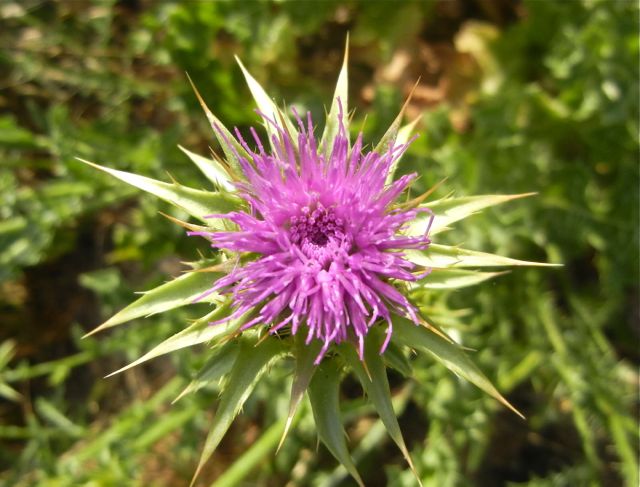
    A flash of purple amidst the green.

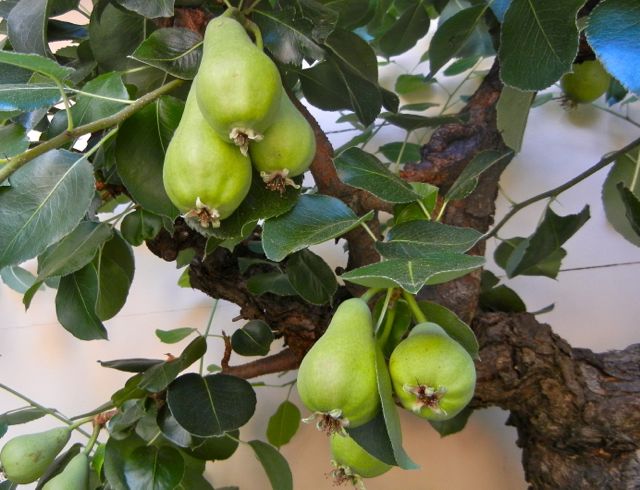
    Otherwise, the apple and pear trees outside of the orchard are looking great. The blossoms of spring are now the small fruits of the tree. These are older trees that bear fruit every year. We deal with leaf curl and the occasional pest, but we rarely worry about these trees. They are in their prime. Our younger Macintosh apple is also looking good and we expect a decent crop this year.

    Pears on an older tree. Lots of fruit, but months from being ready. Continue reading