• Our Honey And The “Little” Flowers

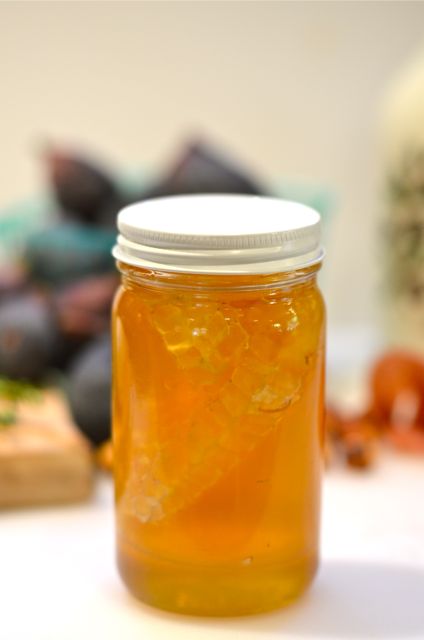
    Honey from the flowers at Putney Farm.

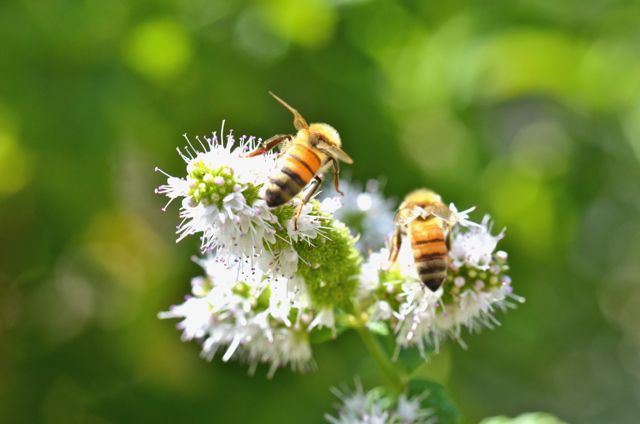
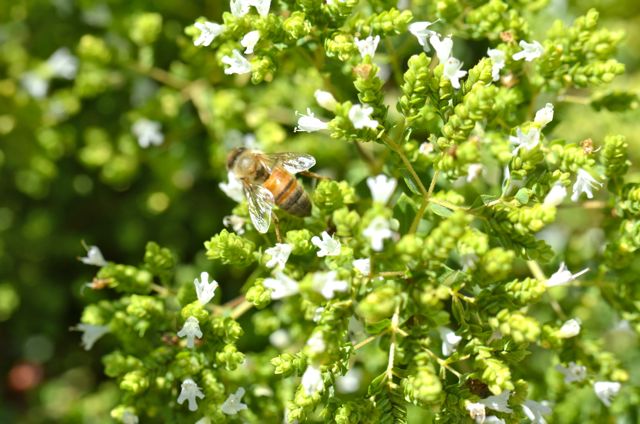
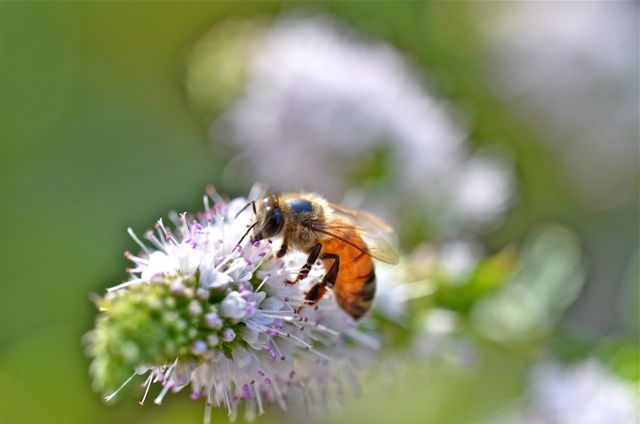
    The crew busy at work on the mint. Supposedly we may get a bit of mint flavor in this honey.

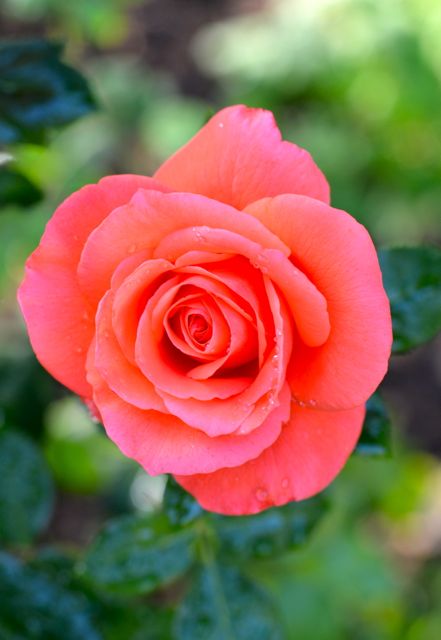
    This week we got the first large batch of our late spring / early summer honey. (We have sort of a co-op going on and will explain how this all works in a later post). Very exciting. Most of this honey comes from our early season flowers, so it combines the nectar of the fruit blossoms, herb blossoms, roses, wisteria and the ornamental plants. Later in the year the lavender dominates, but this is truly a blend from the garden and orchard. Surprisingly the honey is very light in color and flavor, with some delicate herbal notes. We served it with grilled figs and it was lovely. (And we just ate a bunch with the honeycomb…what a treat. Might include it in a few cocktails, too.)

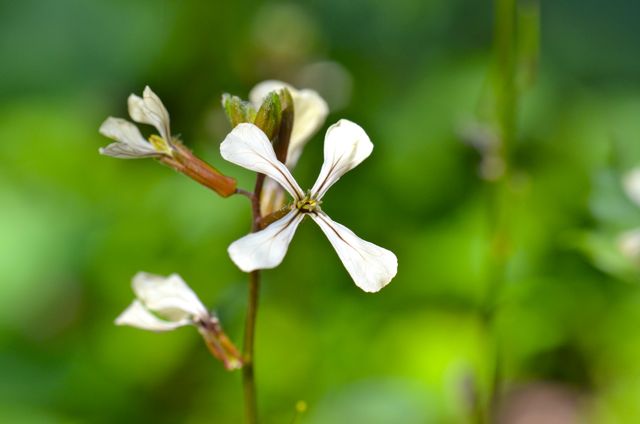
    Arugula flower.

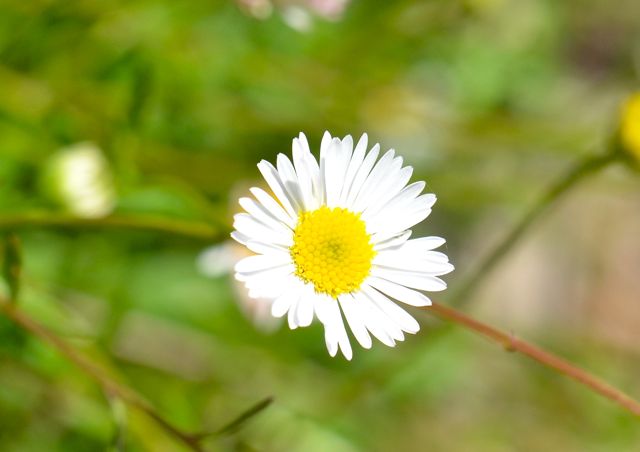
    Red leaf lettuce flower.

    Normally our local honey is a “mountain” or “forest” honey that runs darker with more bitter notes from the variety of flowers the bees work, and that is not a bad thing at all- these honeys are big, rich and complex. But we will admit to enjoying our more traditional golden honey. It seems the bees focused mostly on our garden this spring. And that got us thinking about all the “little” or “lesser” flowers that supplied such light, tasty honey.

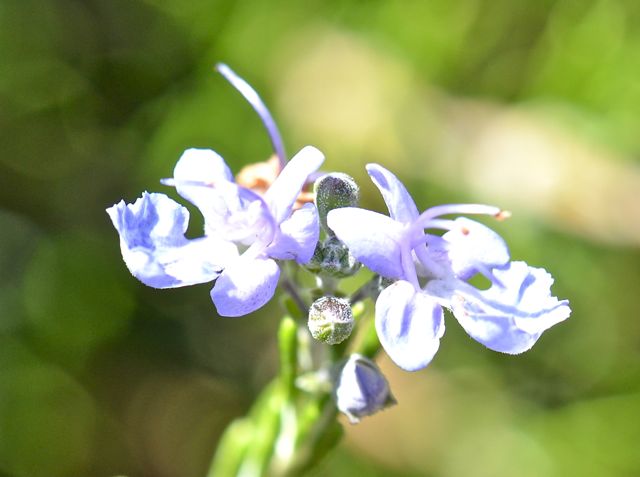
    Rosemary flowers.

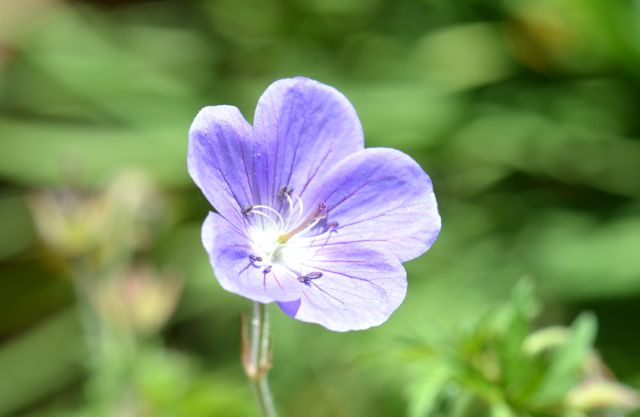
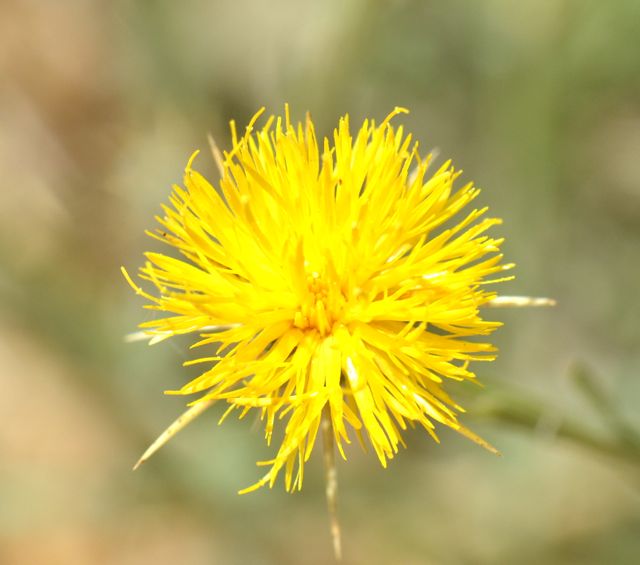
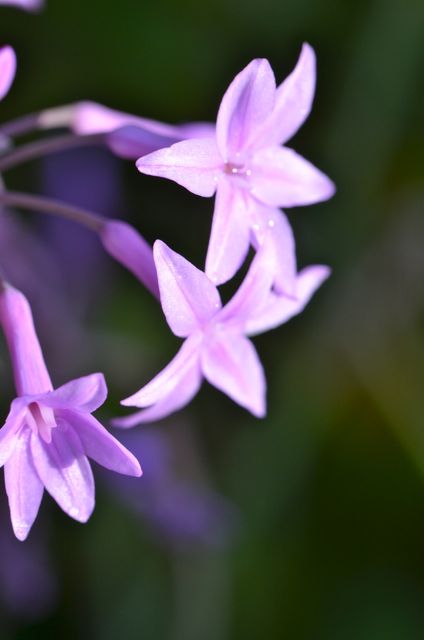
    Like many gardeners, we sometimes focus on our “big” flowers like roses, but we have many lovely flowering ornamental or ground-cover plants. The bees seem to like most of them, and we figured it would be fun to take a few photos of these “little” flowers. And after enjoying the honey from these flowers, maybe we shouldn’t call them “little” at all…besides, any excuse to walk in the garden with a Macro lens is a good one 😉 Continue reading

  • Simple Garden Recipes: Mission Figs

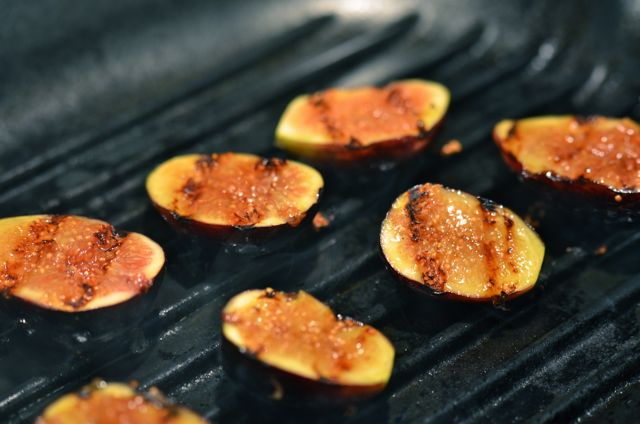
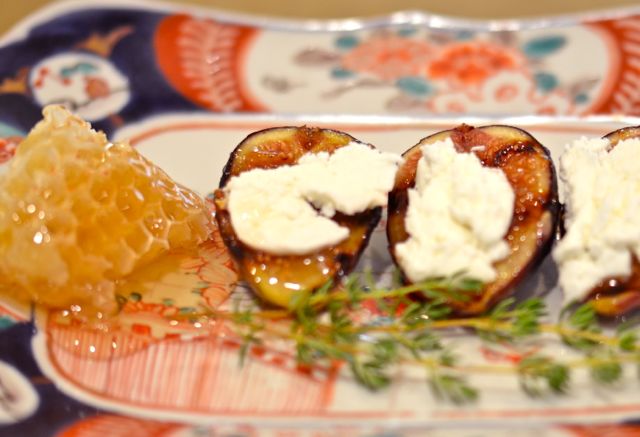
    Grilled Black Mission figs. Just add honey and goat cheese for a classic dessert.

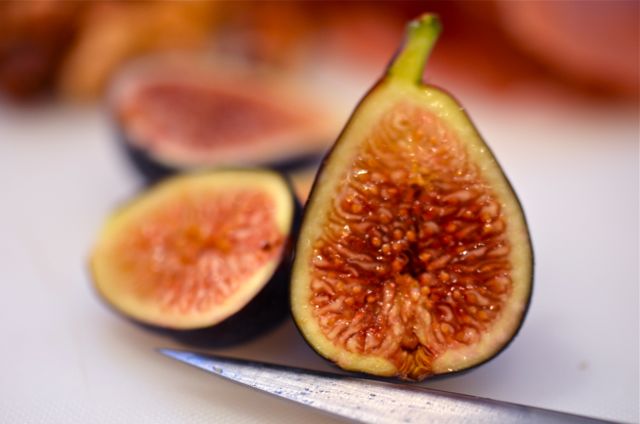
    While we try as much as we can to eat from our own garden and orchard, sometimes we get impatient and succumb to temptation. And that is the case with mission figs. Ours are coming in, but still a few weeks away. Meanwhile the farmers market is just brimming with ripe, beautiful, black mission figs. And we are huge fans of mission figs, so we gave in and bought some. Whatever feelings of guilt we had, if any, didn’t last long.
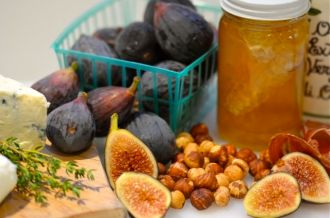
    And if you enjoy figs, you know why we had to give in. There are few fruits so pretty, sweet, juicy and easy to enjoy- figs are easy to love (good for you, too). And it has been that way for thousands of years. Figs are one of our oldest and most established foods, and were a treat in almost all the early mediterranean cultures. Greco-Roman mythology, the Bible and the Koran are filled with references to figs, and even the Buddha achieved enlightenment under a fig tree. It’s safe to say that figs have been enjoyed for quite some time.
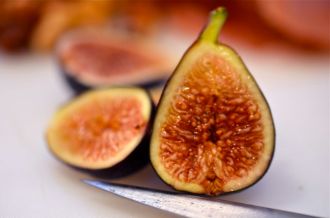
    And our first fig dish may literally be thousands of years old. It simply combines grilled figs, honey and goat cheese (and some herbs if you like). As we ate the dish, and it was just great, we had to think about how long the ingredients have been around. Honey, goat cheese and figs were all delicacies in ancient Egypt. We don’t know if they grilled or caramelized the figs, and we hope they did, but we have no doubt they enjoyed a dish similar to this one. That struck us as kinda cool…
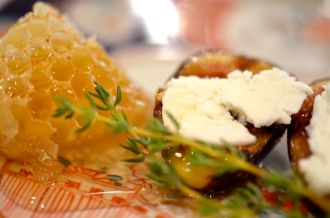
    Grilled Figs with Honey and Goat Cheese.
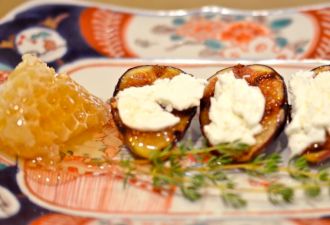
    To make the dish, you simply heat a grill or grill pan over high heat. Then lightly brush the figs with vegetable oil and place them on the hot grill and cook for 1-2 minutes on each side, or until the figs caramelize and soften. Then remove from the heat drizzle with honey and add some fresh goat cheese to each fig. You can also add a bit of rosemary and/or thyme to the honey, if you like. (We used our honey, a real treat). And the flavor is very, very good. This dish is openly sweet from the caramelized figs and the honey, but balanced by the slightly sour tang of the goat cheese. You could eat this dish as a starter, but it’s best as a dessert. And if you don’t like cheese in desserts, this recipe will change your mind.

    Figs with Blue Cheese, Hazelnuts and Serrano Ham

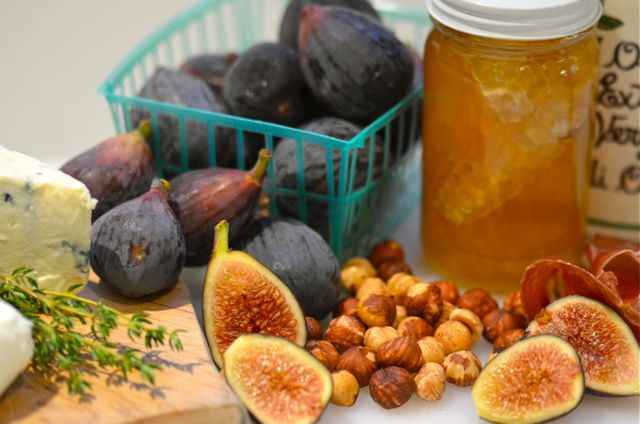
    Our other recipe for figs could be served as a dessert, but we think is best as a starter or light lunch. This dish simply combines sliced ripe figs, blue cheese, hazelnuts and cured ham like Serrano or prosciutto. This is so easy to make, it’s almost hard to call this a “recipe”, but the flavor combinations are truly special. Sweet figs, funky blue cheese, earthy hazelnuts and salty ham cover all the flavors- and multiple textures. A great dish offers an array of flavors and textures so each bite is exciting, and this dish delivers. And it is fun to experiment, just put out a plate and enjoy different combinations.

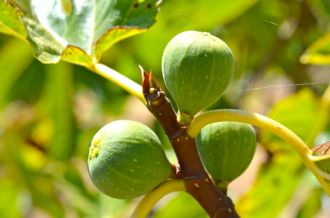
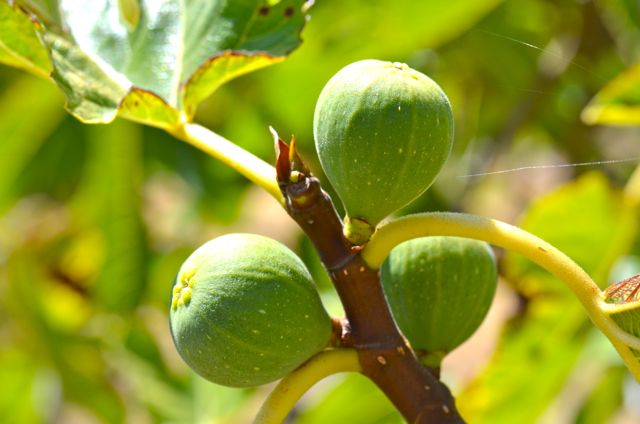
    Our figs are still a few weeks out…

    So while we might feel a tiny twinge of guilt that we didn’t wait for our own figs, we feel pretty good about enjoying these figs now. And, by the way, these same dishes will work with other fig varieties like Brown Turkey or Calimyrna. And when you eat figs, take a moment to ponder that you are eating the food of pharaohs and prophets, but you might be getting it just a bit better…

    Grilled Figs with Honey and Goat Cheese:

    What You Get: A classic, and probably ancient, dessert with fresh figs.

    What You Need: No special equipment required.

    How Long? 5-10 minutes. Anytime dish when figs are in season.

    Continue reading

  • Gratitude, Awards And Apologies!

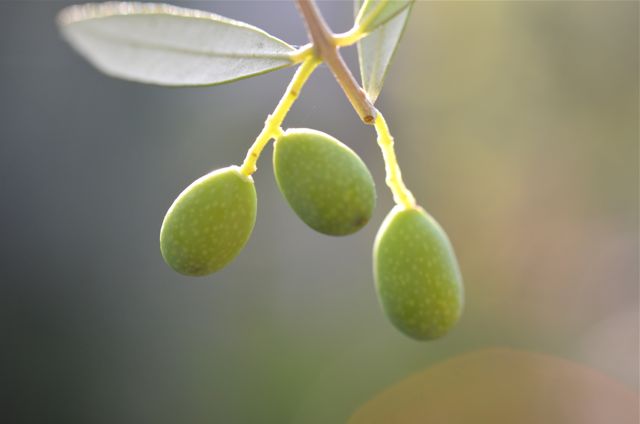
    Olives. Something to look forward to.

    A few years ago, our kids sang a song at a school event called “An Attitude of Gratitude”. It was the kind of semi-campy and non-offensive song you often get at school performances, and the basic chorus was “an attitude of gratitude will get you through the day”. And while it is tempting to roll one’s eyes a bit, the message does hold true. Every day we wake up, there is something we are grateful for. And we are very grateful for so many things, we look forward to every day.

    We are very grateful that so many of you visit us and read about our garden and kitchen (and bar). Your blogs, comments and insights have already made us much better gardeners, cooks and photographers. And these are lifetime interests- so we are happy (and grateful) to learn and improve. And the garden and kitchen can often be humbling places, so it is always good being part of a larger community.

    We are also lucky enough to be nominated for a few blogging awards. Thanks! And this is where the apology comes in. We both have what we call the “promptness gene”. We don’t like being slow to respond or simply be late with anything. But we are late in responding and apologize for being so slow. But better late, than never. As we have a few awards, we will bend the rules and mention the awards, tell you a few more things about ourselves and share some blogs we enjoy. And share some photos, just because we can.

    Here are the awards (Thanks again!):

    Beautiful Blogger by Fine Frugality: Good food and writing- recipes you will actually make.

    http://finefrugality.wordpress.com

    Inspiring Blog Award by Glitz Glamour Girl Guide: Fun, positive recipe and lifestyle blog.

    http://glitzgirlzglamourguide.com

    Versatile Blogger Award by Dockfam: This blog just supplies smiles…and smiles are good.

    http://dockfam.wordpress.com/

    Very Inspiring Blog by Sarah The Gardener: A great, honest gardening site- we wish we were this good.

    http://gardeningkiwi.wordpress.com/

    Stuff about us:

    • We do actually suffer from garden envy, even when ours is looking good. I guess we are greedy that way.
    • Same with kitchens.
    • We browse grocery stores, farmers markets and wine/liquor stores the way some folks shop at the mall. This drives our kids (somewhat rightfully) crazy.
    • We tried sausage making several times and have yet to crack it. Local suppliers and butchers do better than us- by a lot.
    • We still do OK with home-cured bacon, however. Some consolation.
    • We are starting to geek up on tea. This may go the way of cocktails and get a bit obsessive. Hmm.
    • We are really bummed and disappointed by Melky Cabrera. Ugh, this one hurts. Continue reading
  • Caprese Salad

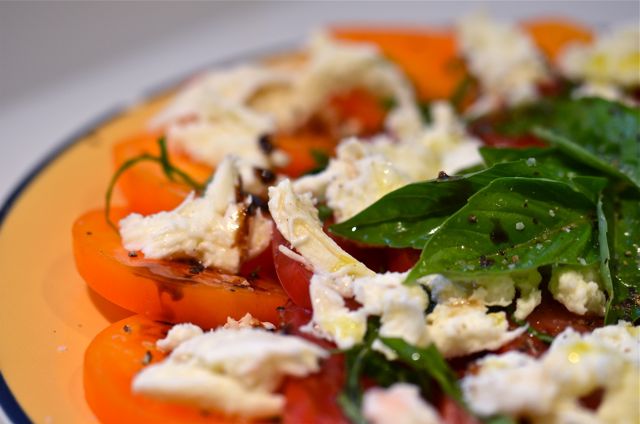
    Caprese Salad. Sometimes simple is best.

    We feel a bit sheepish even posting this recipe, as the Caprese is as simple as it gets (and there are hundreds of recipes online). But we have our own tomatoes and basil, and a good source of local mozzarella, so this is what we are eating. Tomatoes/mozzarella/basil might be our favorite flavor combination, perhaps only matched by potatoes/fat/salt and butter/sugar/flour 😉 . We will eat this dish almost daily until the tomatoes run out…so might as well take some photos and write a post

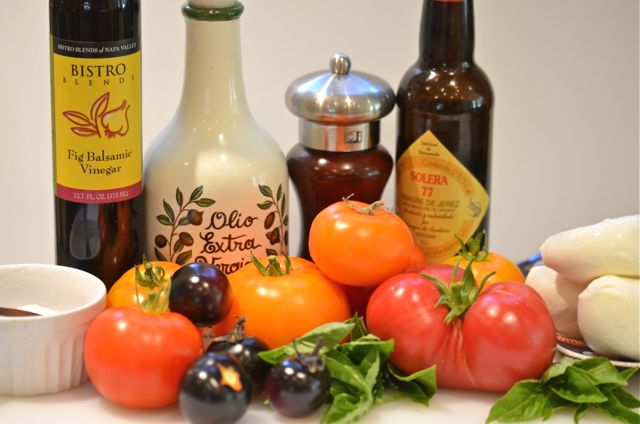
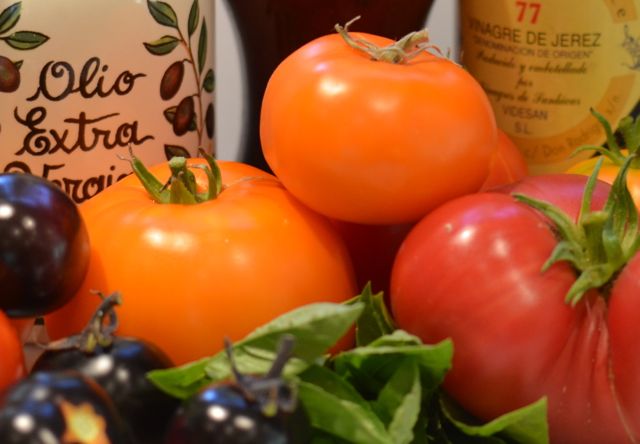
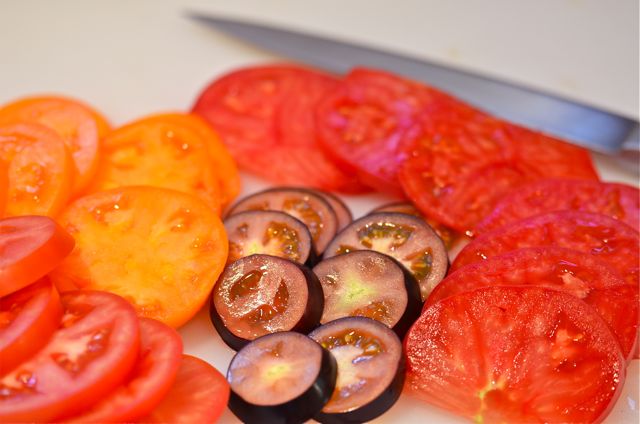
    Just a few ingredients. But a variety of tomatoes and vinegars adds extra pop.

    And while the Caprese salad is a very common recipe, there are a few ways to make the most of the dish. Firstly, you need fresh ingredients. Ripe tomatoes and fresh basil are key, as is good quality mozzarella. If you have a good local producer of mozzarella, try their cheese. If not, ask a good cheesemonger for a recommendation, as there are good nationally distributed mozzarella. Secondly, adding salt, pepper, olive oil and vinegar will add flavor and depth to the dish- without distracting from the core ingredients. Using two vinegars also brightens the flavor, we like sherry and balsamic vinegars, just not too much. Third, using a variety of tasty, ripe tomatoes provides more flavors and textures- and it looks good too (although most Caprese salads look good). UPDATE: And finally, as Stefan from Stefan’s Gourmet Blog (one of our faves) points out in the comments below, letting the cheese come to room temperature is a big help- it improves both the flavor and texture.

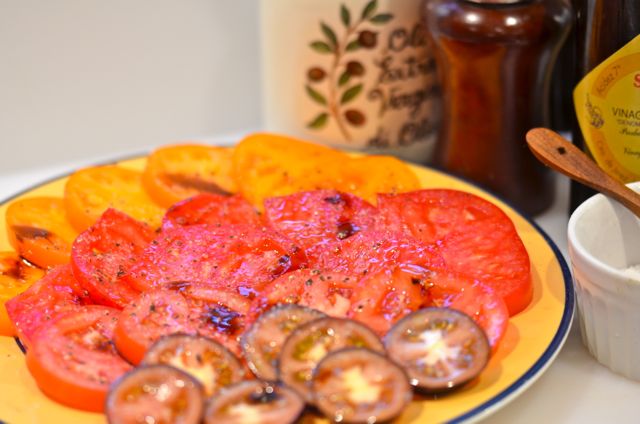
    We like the extra color on the plate.

    Arrange the tomatoes and season.

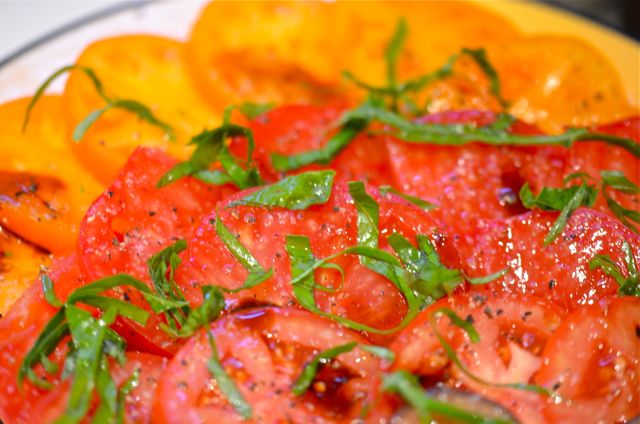
    We also suggest a few techniques to make the most of the salad. We season each layer as we build the salad, this sounds fussy, but you want salt and pepper on each tomato slice. And a chiffonade of basil combined with whole leaves provides the most basil aroma, which is hard to beat. A chiffonade is simply thin strips of herbs or leafy vegetables. To make a chiffonade, roll some basil leaves into a cylinder and then thinly slice crosswise into thin strips. The slicing will release more of that awesome basil perfume, but also discolors the basil somewhat, so it is best to make the chiffonade just before assembling and serving the dish.

    Add the basil.

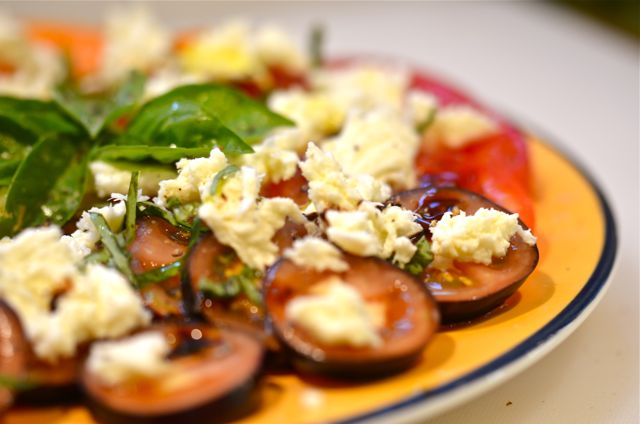
    Add the cheese, oil and vinegar. Season and arrange the whole basil leaves. Serve.

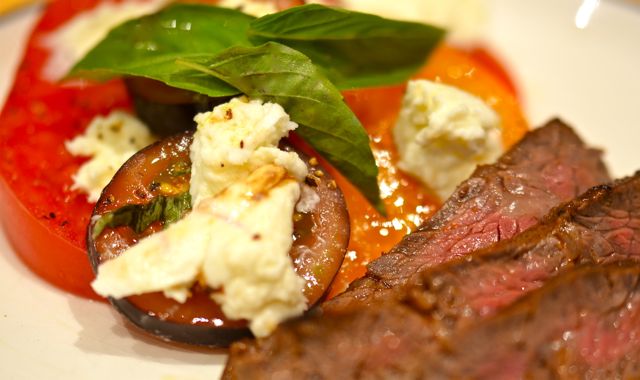
    Served with seared skirt steak, a very nice dinner.

    And how do you serve a Caprese salad? Just about any way you want. This dish works as a starter, side salad, or even a main course. Put it between a few slices of bread and you have a great sandwich. We like to serve the Caprese as a large side salad along with a small serving of meat or fish- we are particularly fond of seared skirt steak with the Caprese. And while we love our cocktails, a good bright red or white wine will certainly go well with this dish. A sunny day doesn’t hurt either…

    Caprese Salad:

    Notes Before You Start:

    • Fresh, ripe tomatoes are key. If you don’t have them, don’t bother.
    • Fleur de sel or quality sea salt, with its crunch, is a good salt to use on this dish.

    What You Get: One of the best dishes in the world. Seriously.

    What You Need: No special equipment required. Just good ingredients.

    How Long? Five minutes or less. Slice, arrange, season and serve. Anytime dish when tomatoes are in season.

    Ingredients:

    (Serves 2 as a large salad, 4 as a side dish or starter)

    • 1 and 1/2 pounds of ripe tomatoes (3 large or 5-6 medium tomatoes)
    • 3/4 pound of fresh mozzarella cheese
    • 12 basil leaves
    • 1 tablespoon olive oil
    • 1 teaspoon sherry vinegar
    • 1 teaspoon balsamic vinegar
    • Kosher salt or fleur de sel
    • Fresh black pepper

    Assemble:

    1. Wash, core and slice the tomatoes into 1/4 inch disks. Slice the cheese into 1/4 inch disks or break the cheese into small pieces. Layer tomato slices on a serving plate and season with the salt and pepper. Add half of the oil and vinegars.
    2. Chiffonade half of the basil leaves and scatter over the tomatoes. Evenly distribute the cheese over the tomatoes and basil. Season with salt and pepper and sprinkle on the rest of the oil and the vinegars. Arrange the whole basil leaves on top of the cheese and serve.
  • Back To The Garden

    One sun sets….

    …but the garden has its own version of the sun.

    Our trip to the east coast is over. We are back in California. The air is warmer and drier. The water colder, but just as wet. And instead of other’s gardens and farms, we get to enjoy our own. It was a great trip, but we are glad to be home.

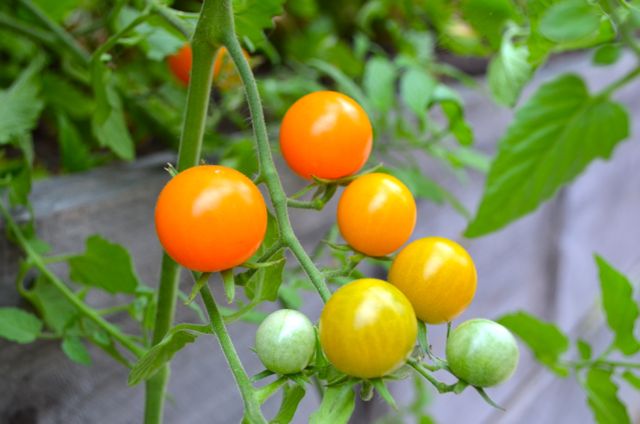
    Sungolds, good in just about everything.

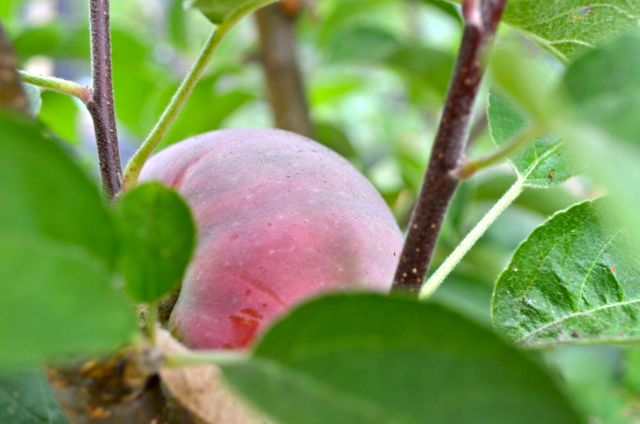
    Macintosh apple coming in.

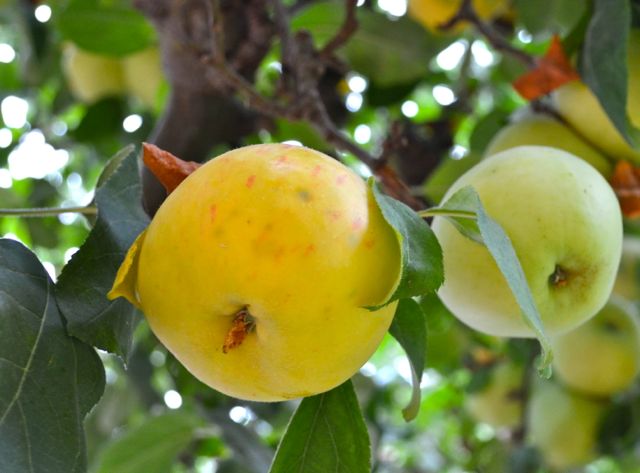
    Gravenstein apples showing their colors.

    The garden is about where we expected, but the progress always amazes. So much change in just a few weeks. The tomatoes, beans, peppers, cucumbers and eggplant are in full swing. The melons are on the cusp, and we are very excited that we have enough to experiment. The strawberries are in their prime and will produce for a few more months.

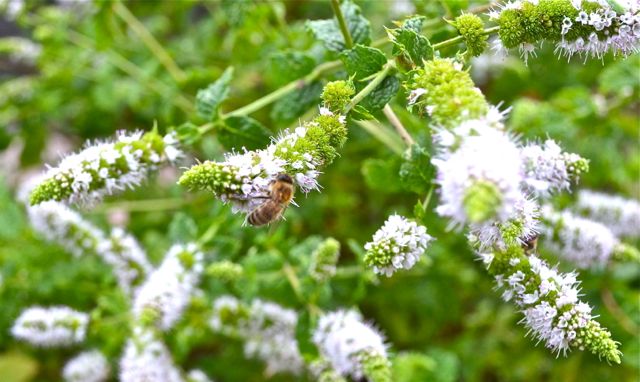
    The bees love the mint flowers. We are curious what impact, if any, on the honey.

    Potato blossom. Another crop coming soon.

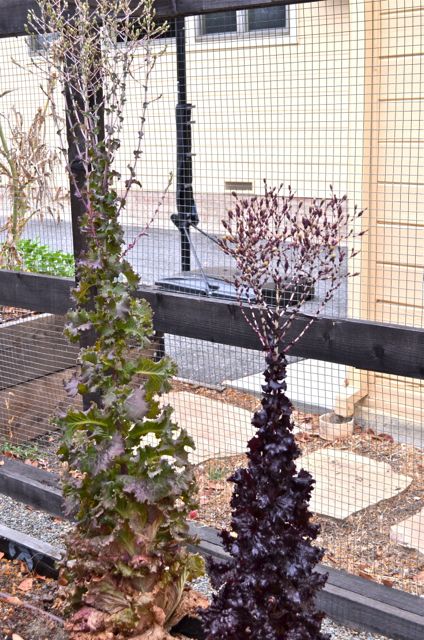
    This is what happens to lettuces when they bolt. Oops.

    In the orchard, a few peaches are still out there and we will harvest them in a few days. The Comice pears and figs are coming along. And the Gravenstein and Macintosh apples are ripening. Summer is here, but we do feel fall around the corner.

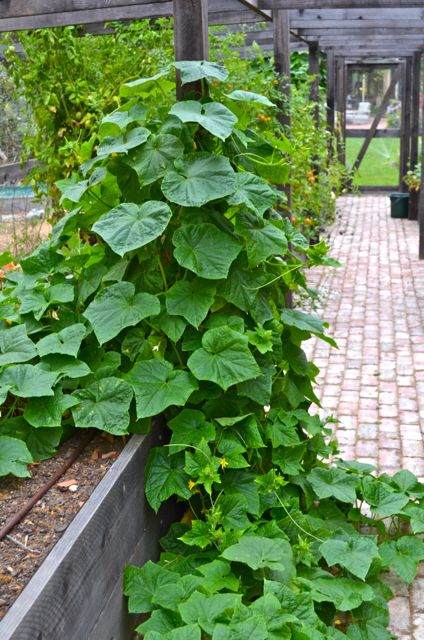
    Our happy cucumber plant.

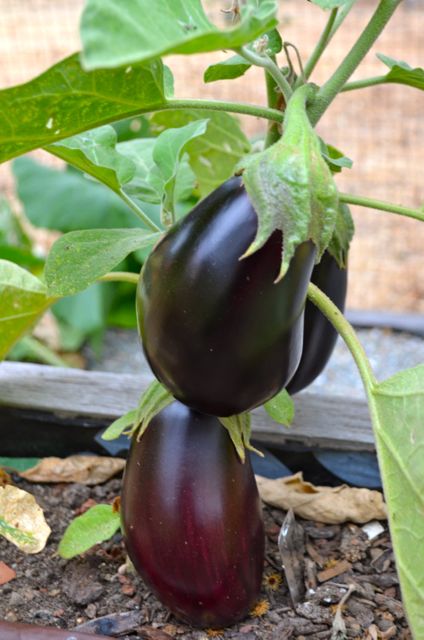
    The eggplant are thriving, we know its been hot.

    Continue reading

  • Bonus Cocktail: Scott’s Manhattan

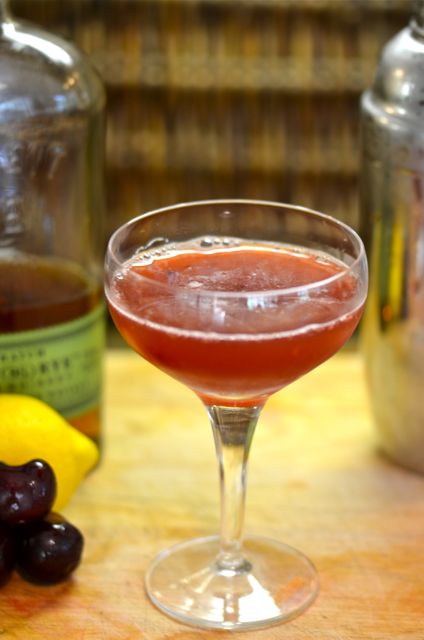
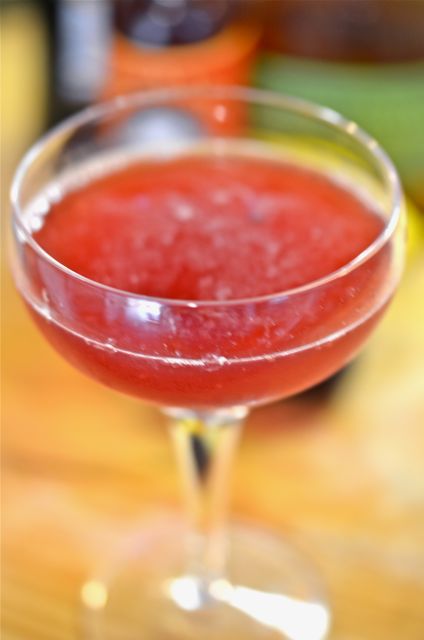
    Scott’s Manhattan.

    One of the best parts of enjoying cocktails with friends is that they share their favorites and personal creations with you. And sometimes, after a few drinks and/or a visit to the fruit stand, you can build and enjoy “new” drinks. We say “new” but as this cocktail is a variant of the Manhattan, one of the most tweaked cocktails in the world, someone has probably made this before. But a quick search of Cocktail DB didn’t come up with a name, so we will call this one “Scott’s Manhattan”, after our friend Scott who made this cocktail for us during our visit to Long Island.

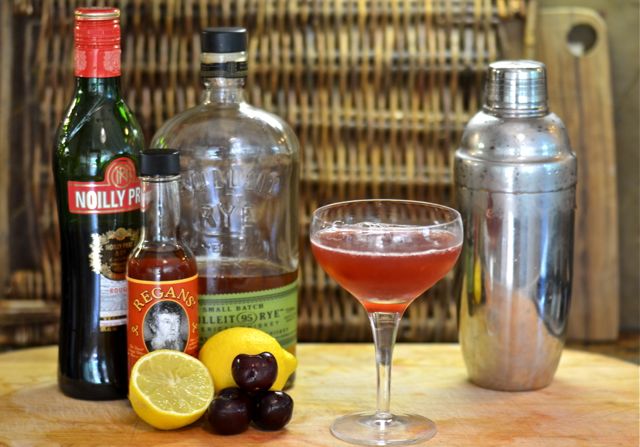
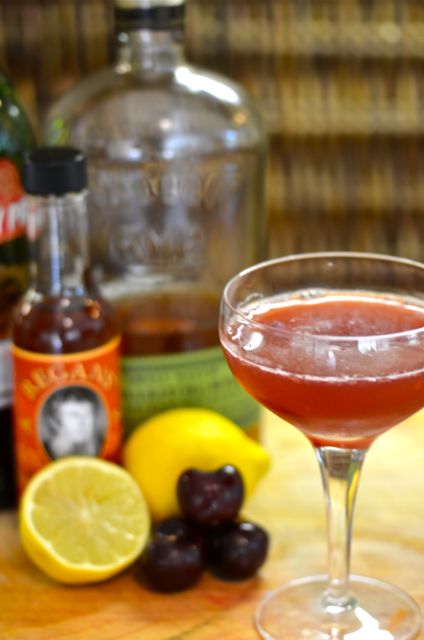
    A few more ingredients than a regular Manhattan.

    If you read our blog regularly, you will note that we sometimes avoid “brown drinks” like Manhattans, particularly in summer. But Scott is an avowed, and knowledgeable, fan of the Manhattan and made us a version that works in any season. His version includes two ounces of rye, one ounce of sweet vermouth, muddled cherries, a touch of lemon juice and orange bitters to create a bright and “summery” Manhattan. While anyone who likes Manhattans will recognize the whiskey and vermouth, Scott’s additions brighten the flavors and add a clean finish that works very well in warm weather. We all liked this drink and enjoyed quite a few in the last week. Usually whiskey stays near the back of our summer bar, but this drink changed our minds.

    Traditionally, a Manhattan is 2 parts bourbon or rye and one part sweet vermouth. Most recipes include bitters, usually Angostura, and often a cherry as garnish. A classic drink, but very sweet to our tastes, particularly if using bourbon. Scott’s version adds more spice by using rye and citrus notes from the orange bitters. The cherries add both sweetness and tang, and really amp up the color. The first sip of this cocktail is sweet and spicy, but then the citrus and cherries kick in for a lighter, fruitier finish than any traditional Manhattan. Purists may cringe, but we are all for seasonal experimentation and variation with our cocktails- it’s fun, and cocktails are all about fun.

    As for making the drink, it is pretty straightforward, with just a few extra steps. Place two fresh, pitted cherries, a lemon twist and a few drops of lemon juice to a cocktail shaker and muddle to extract the juice from the cherries and oil from the lemon peel. Add the rye, sweet vermouth, orange bitters (we use Regan’s for this version) and ice to the shaker. Shake until chilled and strain into a cocktail glass. For the rye, we like Bulleit and High West for cocktails, but most good rye will do. If using bourbon, the drink will usually be sweeter, so an extra drop of lemon or a touch less vermouth may help balance the drink. As for the sweet vermouth, we use Noilly Prat or Dolin, but we suggest you experiment with the sweet vermouth you prefer (and you do keep your vermouth in the fridge, right?). With the extra red color from the cherries and aroma from the lemon, we don’t think a garnish is necessary, but perhaps an orange twist will add extra dimension…. Again, feel free to experiment. Scott experimented, and we got a great drink….

    Scott’s Manhattan:

    Ingredients:

    • 2 oz. rye or bourbon
    • 1 oz. sweet vermouth
    • 2 sweet cherries, pitted
    • 1 lemon twist / peel (about the size of a quarter).
    • 2-3 drops lemon juice
    • 3 dashes orange bitters (Regan’s)

    Assemble:

    1. Place cherries, lemon peel and juice into a cocktail shaker and muddle to extract juice and oil.
    2. Add rye, sweet vermouth , bitters and ice to the shaker. Shake thoroughly and strain into a chilled cocktail glass or coupe’. Serve.