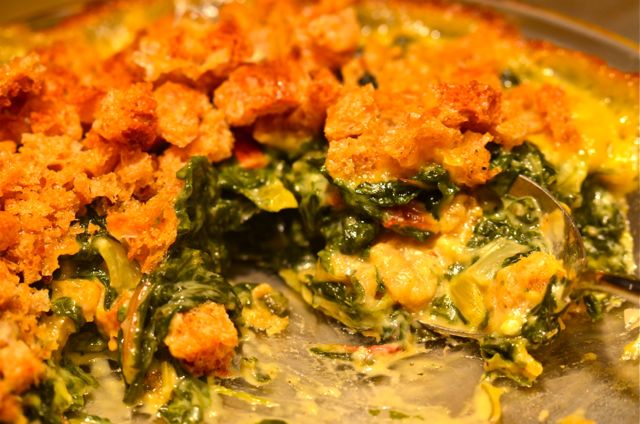
 As a family, we love greens. And we don’t mean salad greens (although we love them, too), we mean greens, kale, spinach, collards and chard. And one of the many blessing of northern California is that we can get almost any of the hearty greens we want, any time of the year. The cool, often foggy, coastal areas provide a consistent environment for growing most greens regardless of the season. We slow cook the heartier greens (see here for a recipe), but for the sweeter, more tender greens like spinach and chard, we often chose to cook “au gratin”.
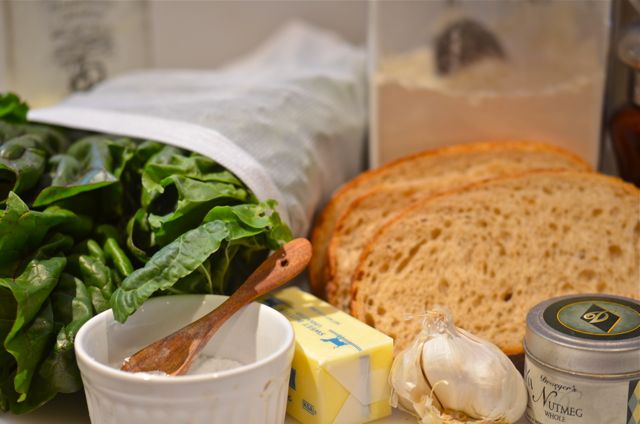
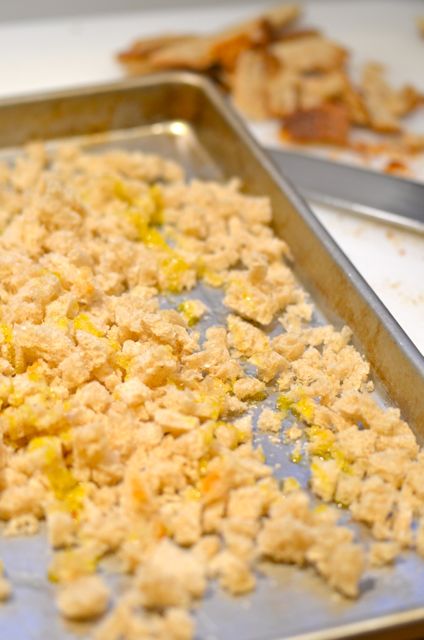 Au gratin simply means cooking a vegetable or protein with a top crust of breadcrumbs, cheese and/or butter, but most recipes these days also include a base sauce like béchamel. Gratins are easy to make, taste great and are also a way to introduce very healthy vegetables to doubting kids (and adults). Our gratin of creamed spinach is one of our staple holiday dishes. Everyone loves it, it’s easy (we use frozen spinach), you can make a huge batch ahead of time, and the leftovers work with almost anything. But for smaller meals, we enjoy making a gratin of sweet, nutritious chard. This dish isn’t just a way to use up some veggies, it’s a real treat.
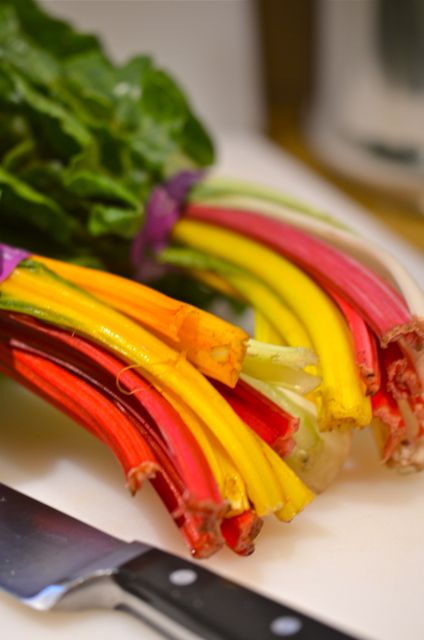
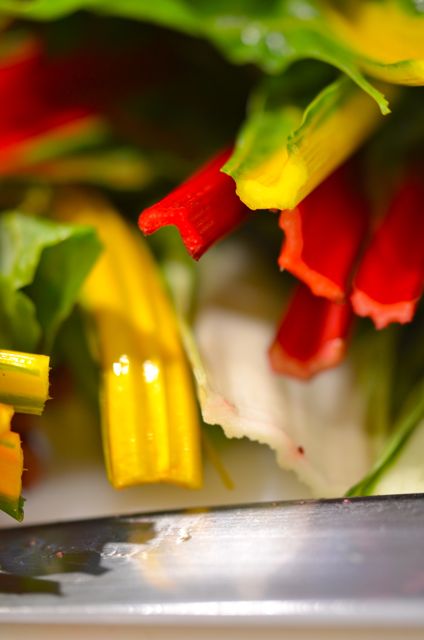
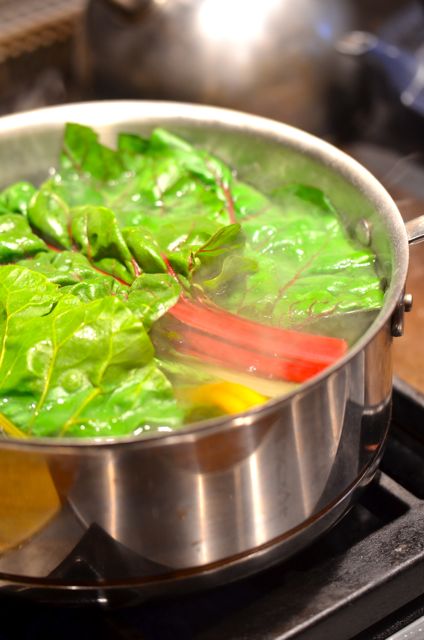 The key to the dish is the sweetness of the chard, while some of the hearty greens need a little help, chard is very sweet on its own. And that should not be much of a surprise, as chard is a close relative of the beet, which is also known for its sweetness. But unlike the beet, chard is all about the tender, nutritious leaves (and the stalks that are less reedy than most greens). The leaves and stalks are so tender that, rather than a long cook, a quick parboiling and sauté prepares them for cooking in the oven. You get all the flavor and nutrition of a heart green like kale, but in a little less time.
















 Putney Farm