• Simple Garden Recipes: Tomatoes And Green Beans

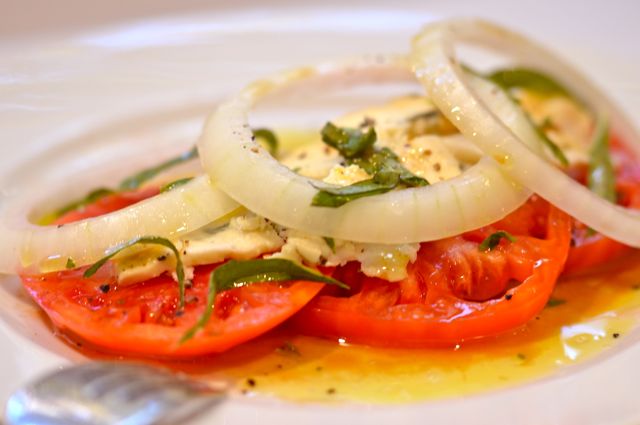
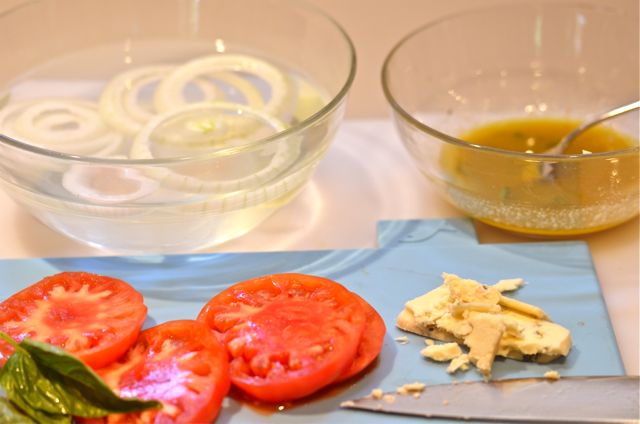
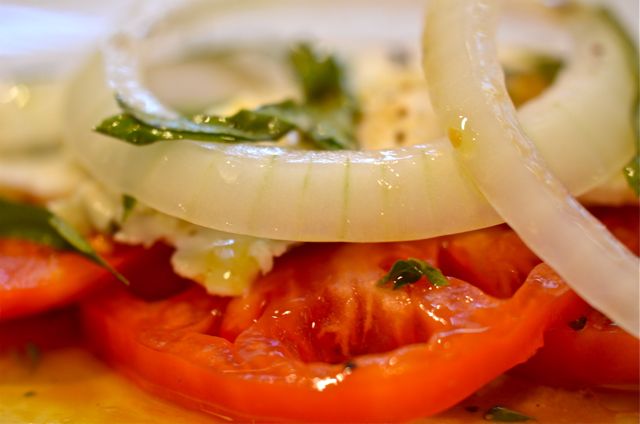
    Tomato “Steakhouse” Salad.

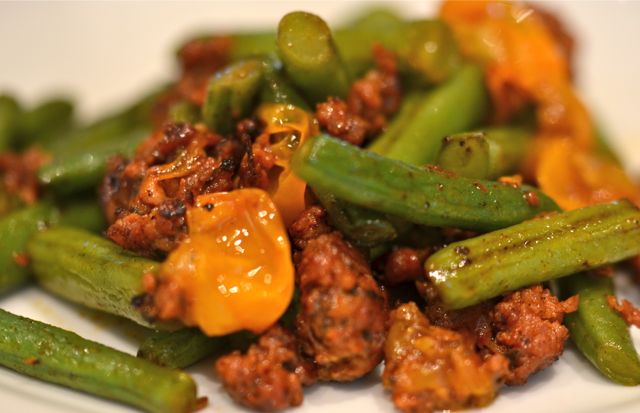
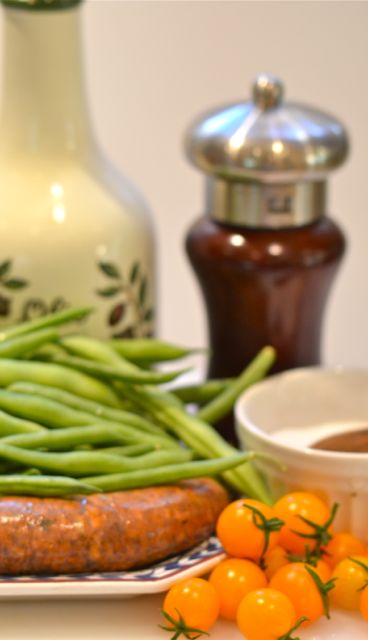
    Green Beans With Chorizo and Cherry Tomatoes.

    This time of year, the garden mostly dictates what we cook. A welcome snap of heat brought us early tomatoes and green beans, now we need to use them. The tomatoes are easy; the green beans are a bit more of a challenge. Let’s start with the tomatoes.

    Our first tomatoes, the sweet 100s came in and are exactly as you expect, small and sweet. We also got our hands on some early heirlooms, big, sweet and juicy. For the larger tomatoes we usually make Caprese salads, just with an extra dash of balsamic and olive oil. But we also enjoy this “steak house” tomato salad. The recipe is a combination of the onion and tomato salad from the famous Peter Luger Steakhouse in New York and a recipe from Suzanne Goin of Lucques in Los Angeles.

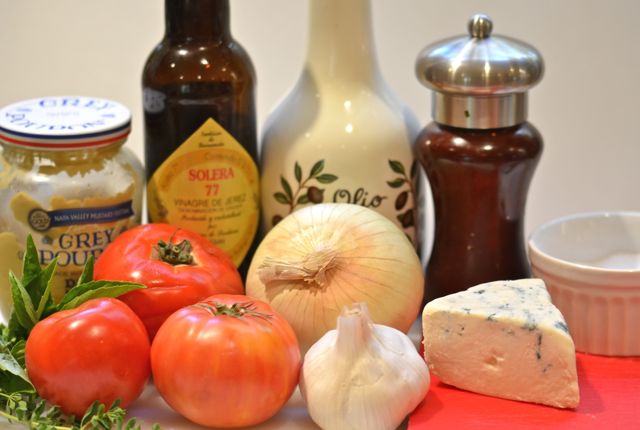
    It is a simple combination of ripe tomatoes (otherwise don’t bother), sweet onion, blue cheese and herb vinaigrette. But the flavors really do sing and are much richer than a Caprese salad. The sweetness and acidity of the tomatoes and onions match well with the rich, tangy blue cheese, while the herb vinaigrette adds tart and earthy flavors. And the mix of soft, crisp and creamy textures make for an excellent overall dish.

    Making the salad couldn’t be easier, but a few quick tips that will improve the overall dish. Simply slice the tomatoes and onions, but soak the onion slices in cold water for a few minutes before assembling the dish- they will be crisper and have less heat. Also slice the herbs and make the vinaigrette at the last-minute. The herbs will not discolor and the presentation will really pop. And this dish looks as good as it tastes.

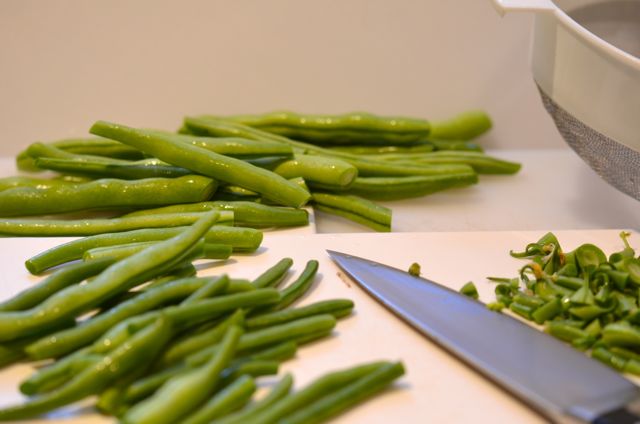
    As for the green beans, they are more of a challenge. Their flavor is often very “green” and vegetal, and their texture can sometimes be leathery. The small, young beans are often the best, but our beans ripen unevenly and we tend to have a mix of large and small beans. Happily we found a basic technique and adapted a recipe that makes the most of the green beans and is very tasty. Our green beans with chorizo and cherry tomatoes are so good, even our kids eat them. We consider that to be a success.

    Separate small and large beans and cook different times.

    Continue reading

  • Peach Lavender Jam

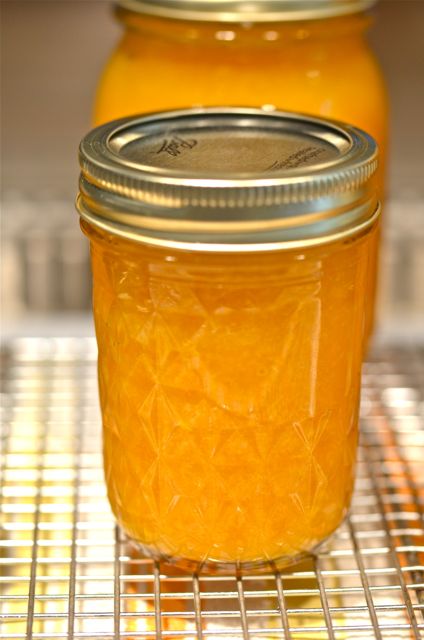
    Peach Lavender Jam.

    A bit of a “peachy” hue on the blog these days. But when you have a few hundred peaches with a limited shelf life, you work with the peaches (we are also giving them away to friends, whether they want them or not 😉 ). The only thing at the farm we have more of than peaches is lavender. It’s everywhere, and mostly for the bees. But since we have peaches and lavender, we are making Peach Lavender jam.

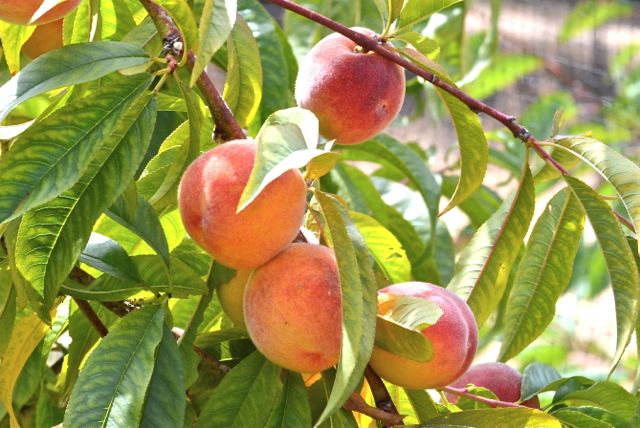
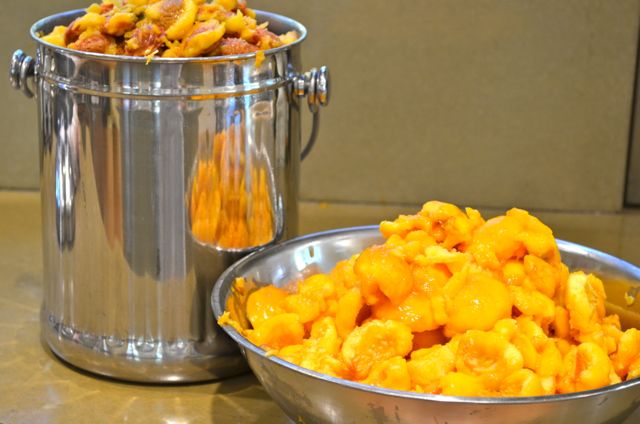
    We have lots of these…

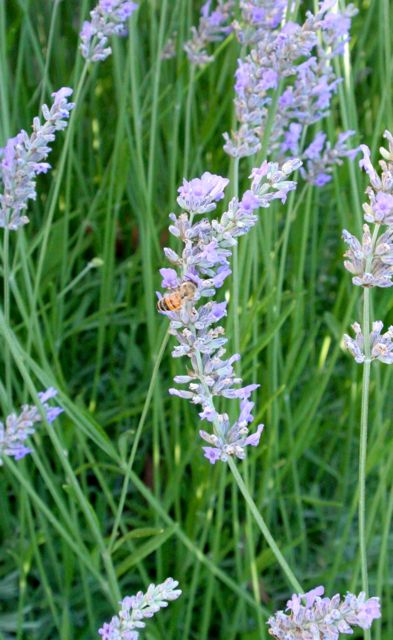
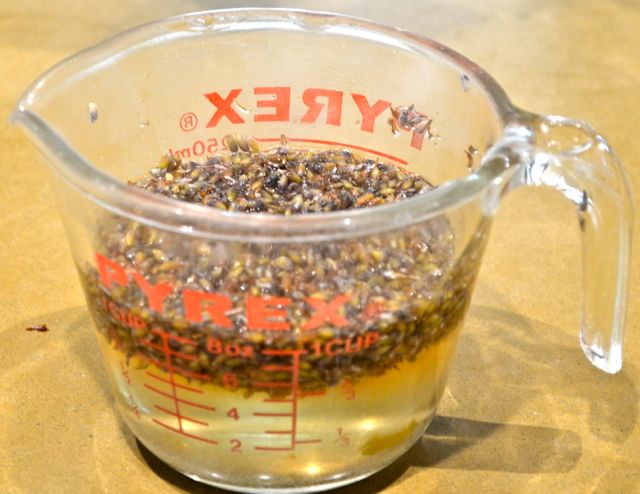
    …and tons of this. Let’s make jam.

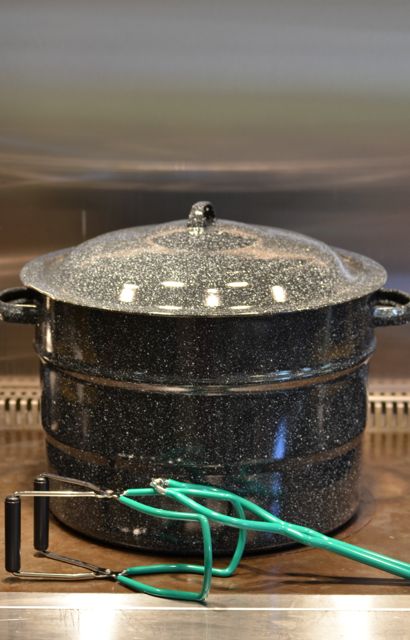
    This recipe comes from the excellent canning and pickling book “Tart and Sweet” from Kelly Geary and Jessie Knadler. We are by no means experts on canning and pickling, so this book is a great tool with both recipes and very clear guidelines for safe canning. But the key for any home canning / pickling is to use the base recipe and then follow your standard, safe processing instructions. Most setups will be similar, but some equip will vary. Just remember, sterilization is always a good thing.

    As for the actual jam, this is really a peach jam with a touch of floral, herbal and tannic notes from the lavender. The lavender keeps the sweetness of the peaches from overwhelming the flavor of the jam. But the key is just a hint of lavender. Too much lavender and your jam will taste like soap. In fact, you don’t actually put lavender in the jam at all, just steep some lavender in water, strain it out and the add the water to the fruit. Again, go easy with the lavender- less is more.

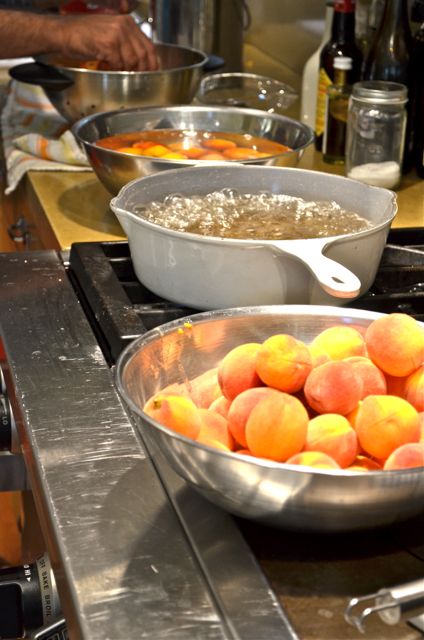
    The peeling and pitting dis-assembly line.

    This took a while.

    The process of making jam isn’t complex, but it is time-consuming. Making jam is a good activity to do with friends and/or a great way to put your kids to work. First you must sterilize and prepare your equipment. Make sure everything is good order before you start. As for the jam, you need to skin and pit 6 pounds of peaches. This involves cutting an X in the base of the peach, briefly blanching it in boiling water, plunging it in an ice bath and then skinning and pitting the peach. We take an assembly (dis-assembly?) line approach, but even with help, this takes a while. But we don’t do this every day either, so it was (kinda) fun.

    Steep the dried lavender and strain it out.

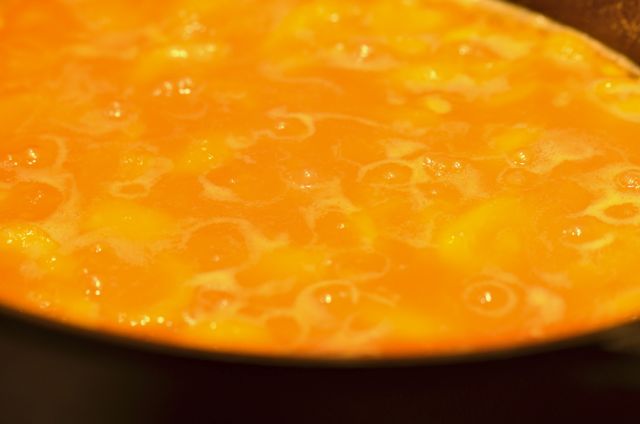
    Cook the fruit, lemon juice and sugar.

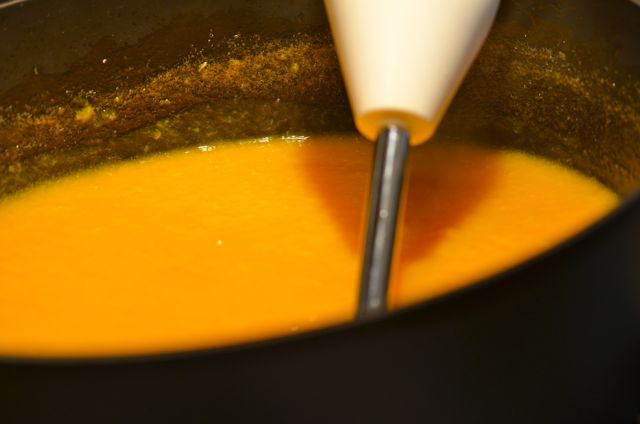
    Blend until smooth.

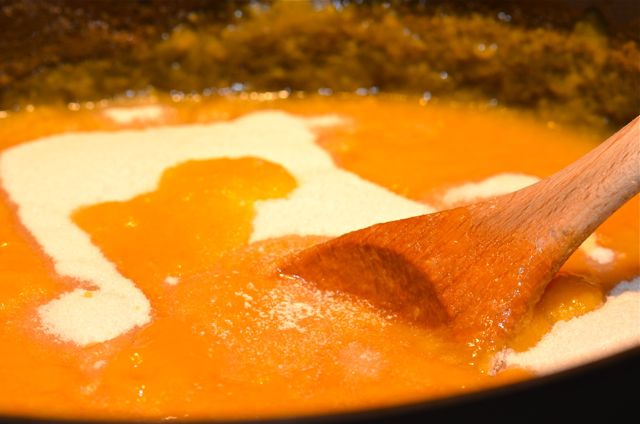
    Add calcium water, sugar and pectin.

    Once you have the peaches peeled and pitted the work is easier, but still requires time. You need to bring the peaches, some sugar and lemon juice to a boil in a large pot and cook the fruit for about 30 minutes. Meanwhile you need to steep some dried lavender flowers in 1 cup of boiling water for about 20 minutes. Strain the lavender from the water and add the water to the peaches. Then blend the peaches with an immersion blender, or in batches on a stand-up blender. Then add calcium water, pectin and sugar to the fruit and cook until you get a jammy consistency. To finish the jam, put it in hot jars and process for 10 minutes. Then cool and eat. Continue reading

  • Weekly Cocktail #21: The Bellini

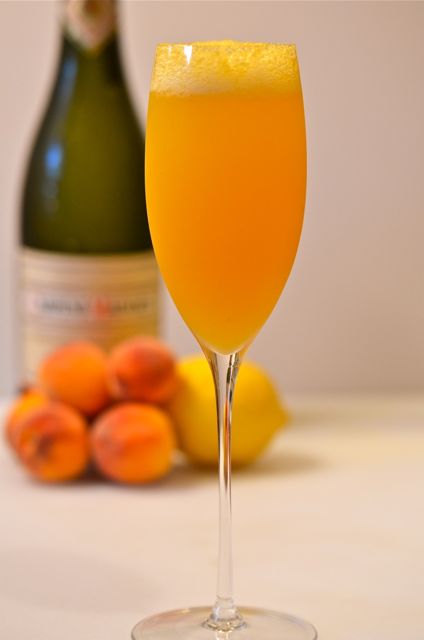
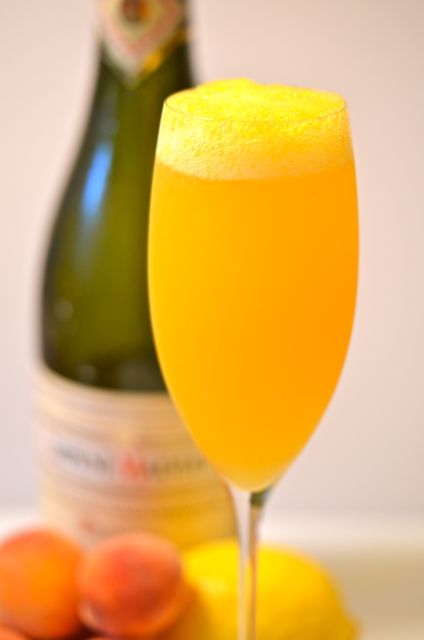
    The Bellini.

    It’s Red Haven peach season at Putney Farm, so now we need to use them. We made peach-lavender jam (recipe later today) and will be making peach preserves, peach butter and peach-vanilla ice cream. So we may as well make a cocktail. And if you have peaches, you might as well make Bellinis.

    To be fair, Bellinis typically combine white peach purée and prosecco (think Italian champagne, but sweeter and much less complex). We don’t have white peaches or nectarines (yet), so we are using our Red Haven peaches. But to our tastes, that is a good thing, as yellow peaches have more acidity than white peaches and/or nectarines. And while we like Bellinis with white peach purée, they can be cloying a bit sweet- so using more balanced yellow peaches improves the cocktail and provides a better color. But regardless of the peaches you have, the Bellini is a light, sweet and “long” drink that is good for summer brunch and afternoon parties. And we like cocktails at brunch and afternoon parties.

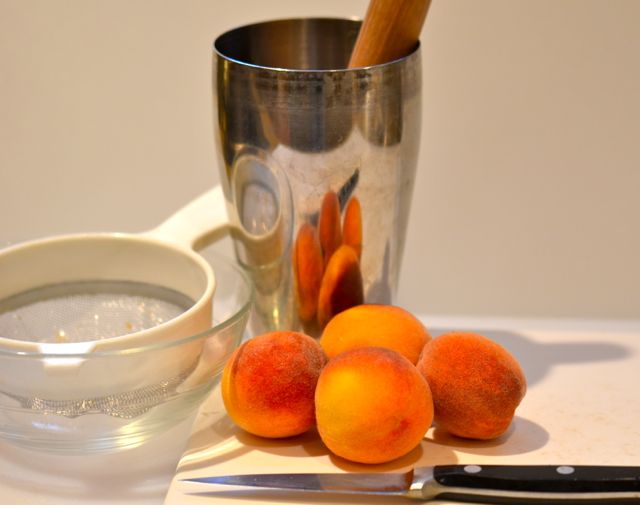
    Make the peach purée.

    As for the origins of the Bellini, the dates are bit hazy. But we do know that Giuseppe Cipriani, owner of Harry’s Bar in Venice, created the Bellini sometime in the late 1930’s or early 1940’s. He named it after Giovanni Bellini, a renowned 15th-century Italian renaissance painter. Bellini’s paintings, as with many works of his era, tended toward darker hues and somewhat bleak subject matter. So the connection to sweet peaches and sparkling wine seems a bit tenuous. At least the name sounds good.

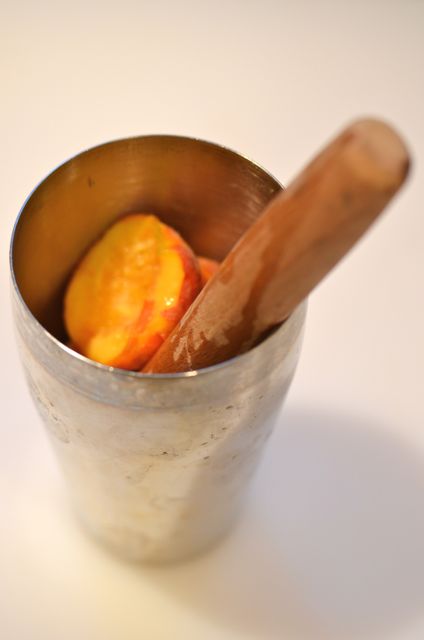
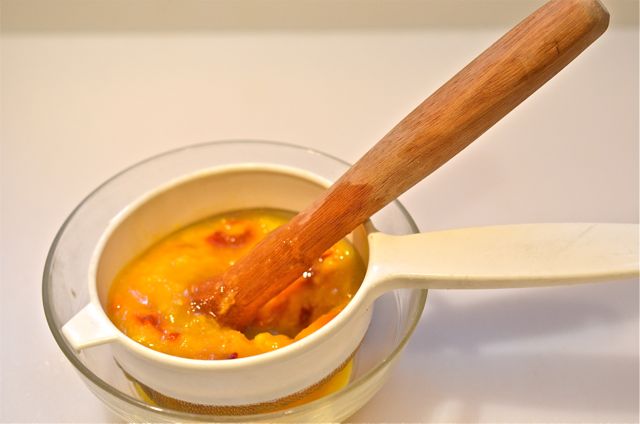
    Muddle your peaches.

    In any event, the Bellini was originally a seasonal cocktail to feature local white peaches, but someone figured out how to preserve peach purée and it became a year-round drink. And the recipe has become somewhat “fungible” over the last 70 years, and not always to the good. At one point the Ciprianis licensed the name and recipe to a company to mass-produce the Bellini and it was so terrible different they bought back the rights. And good for them, some things are only so “fungible”. In the end, if the peaches aren’t good, it might be best to make something else.

    Fine-strain the muddled peaches.

    But if you do have ripe peaches, then making a Bellini is worth the effort, but there are a few extra steps. Firstly, you need to make a peach purée. There are a few ways to do this. If you are making a big batch of Bellinis, you should skin (make an X on the bottom of the peach with a knife and then blanche for 20 seconds), pit and then puree the peaches in the blender. If making just a few, muddling and fine-straining the peaches will be faster (don’t worry about the skins). Then you need to taste your peach puree and your prosecco. If both are sweet, add a scant dash of lemon juice. If both are tart, a dash of simple syrup might be a good idea. And then you need to deal with the bubbles. Peach puree and prosecco create a lot of foam. And we mean a lot. It will take a few minutes to fill the flutes as the foam subsides. You just need to wait it out. Relax, eat a peach, maybe listen to the Allman Brothers.

    A final note, if using champagne (and we don’t recommend it) use extra-dry or demi-sec, both are sweeter than Brut and will work better. But as Prosecco is almost always cheaper than Champagne, it is the right call and is readily available at most supermarkets or liquor stores. And when a Bellini is just right, it is a very tasty sip, and worth making. After all, if you have peaches, you need to use them…why not drink them?

    The Bellini:

    Ingredients:

    • 2 oz. fresh peach puree
    • 4 oz. Prosecco (or sweeter champagne or sparkling wine)
    • Lemon juice (optional, to taste)
    • Simple syrup (optional, to taste)

    Assemble:

    1. To make puree, expect 3 small or 1 large peach per serving. Pit the peaches. Muddle and then fine-strain to extract the puree.
    2. Add the peach puree and a few ice cubes to a cocktail shaker and shake to chill. Strain the puree into a chilled flute. Slowly add the prosecco, letting the foam settle, until full. Serve.
  • Orchard Update: Red Haven Peach Harvest!

    Red Haven peaches at harvest.

    A great day here at the farm. We managed to fight off some very determined squirrels, rats, birds and raccoons (and maybe coyotes) and get a real peach harvest. Our first tree to ripen gave us a few large, tasty peaches, but the animals dug under the nets and took the rest. Frustrating, but a good lesson. The tree we harvested today had most of the peaches, so we were able to augment the nets with wood and rocks until the peaches ripened. And we got a great haul of Red Haven Peaches! It’s been a few years coming and it was great fun to pick the peaches with the kids (although they found out picking fruit in the sun is real work).

    Red Haven trees are big producers.

    Weighting the nets kept the varmints from digging underneath.

    The haul from one small tree- a few hundred peaches about 1/2 the size of a baseball.

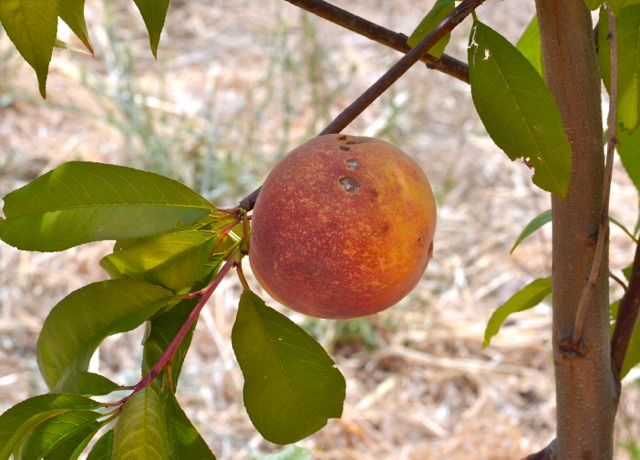
    As for the Red Haven peaches, they are one of the most common “eating” peaches. They are freestone peaches with a bright, sweet flavor and a decent amount of acidity. They are popular with farmers and home gardeners, as the trees are heavy producers and the peaches have a long “shelf life”. Red Havens are in season usually from mid-July until the end of August. We like these peaches a lot, but the Suncrests are still our favorites. But as we have a harvest of just one Suncrest peach, the Red Havens will be our focus this summer- at least until the nectarines ripen a few weeks from now.

    Our “lonely” Suncrest peach. Hopefully more next year.

    Nectarines are at least a week or two out. Hopefully our augmented nets hold up.

    So what we will do with all of these peaches? We are making peach-lavender jam, peach-vanilla ice cream, maybe peach butter and certainly a batch of Bellinis and other peach-driven cocktails. And we are already eating the peaches out of hand. But as much of the Putney Farm crew will be on the road for the next few weeks, we will give many of these away. Few things make us happier as gardeners than to have enough to share freely with friends.

    Time to get to work….