• Cocktail DIY (And Bonus Cocktails): Pineapple And Raspberry Syrups

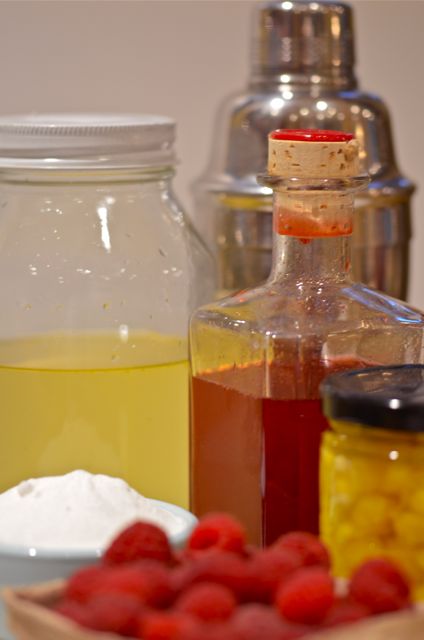
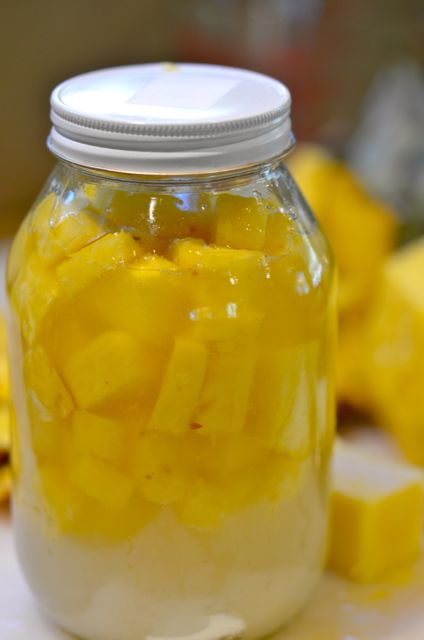
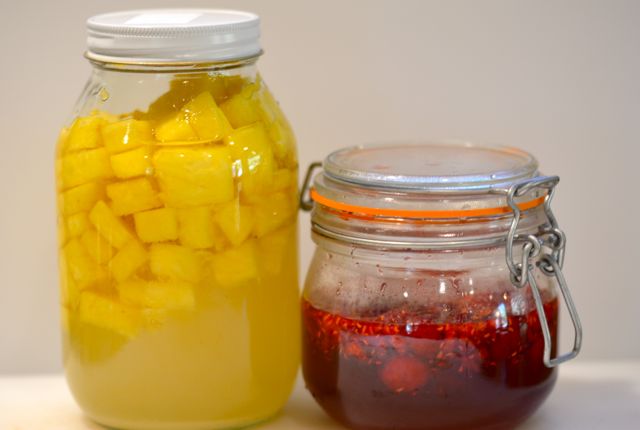
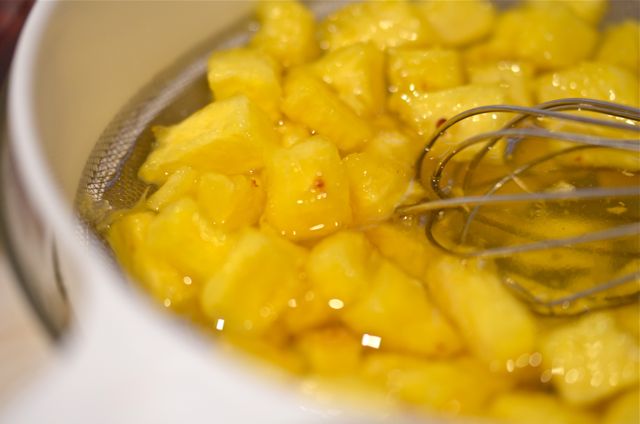
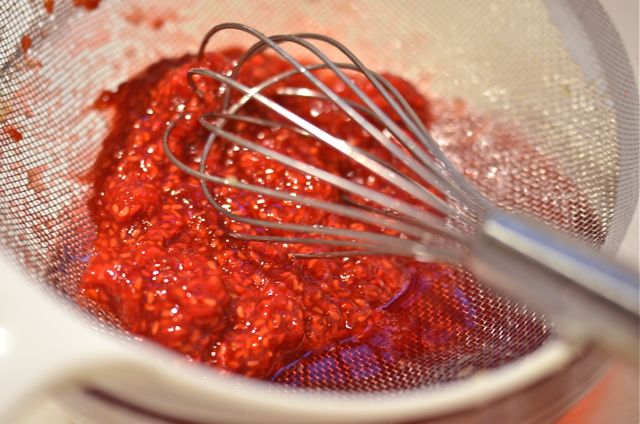
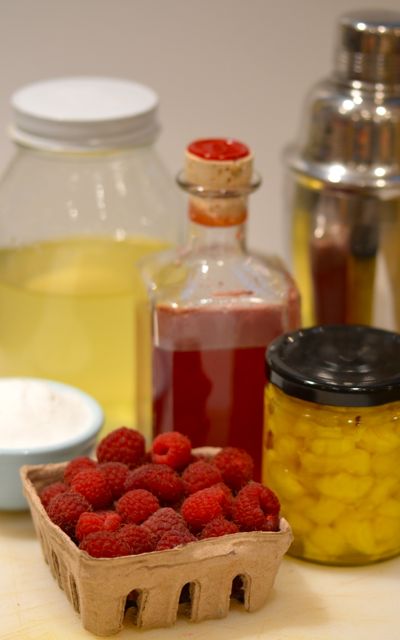
    Pineapple and raspberry syrups.

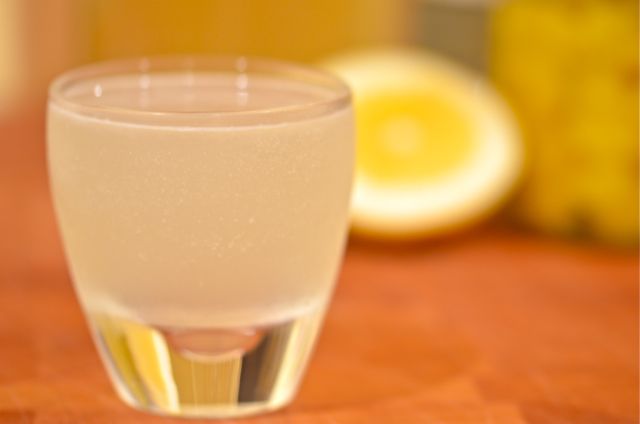
    One of the main things we enjoy about cocktails is how many ways we get inspiration to try new drinks. This week, Mixology Monday came back to life with an “Equal Parts” theme and we submitted a fun (and a little goofy) cocktail that we enjoyed, the Long Island Planters Punch. But what makes Mixology Monday really fun is trying other people’s creations. And now we have over 25 drinks to try (click here to see the lineup, very cool). One of our favorites, so far, is Shake, Strain and Sip’s Undiscovered Country a Corpse Reviver variant using pisco and Swedish Punch (it was a good excuse to finally buy some pisco). Another favorite is Chemistry of the Cocktail’s Shrunken Skull, a tiki drink with grenadine, but also works with raspberry syrup. Hmm….so now we have some pisco and a desire to make raspberry syrup. Anything else we can do?  Well, yes- since we had pisco, we had to make pineapple syrup to mix up some Pisco Punch, a true classic. (Like we said, “inspiration”, not necessarily “organized thinking”).

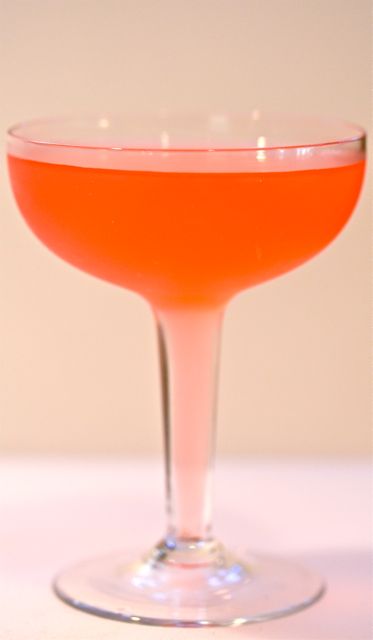
    Pisco Punch.

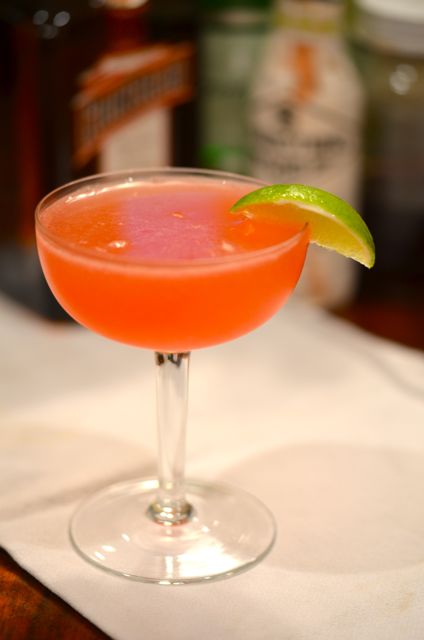
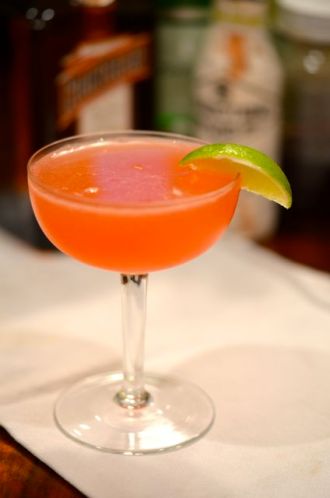
    Mountain Clover Cocktail.

    Unfamiliar with pisco and Pisco Punch? Pisco is brandy from Chile and Peru using local grapes from their wine industry. It is strong, a bit spicy and musky with hints or grappa (at least to our tastes). It is unique stuff and perhaps tough on its own, but very good in cocktails. And the most famous is the Pisco Punch, a simple combo of pisco, lemon juice and pineapple syrup. Cocktail historians have beaten the history of this drink to death (and beyond), but suffice it to say that in later 19th-Century San Francisco if you were blotto worse-for-wear, Pisco Punch had something to do with it. (Paul Clarke has a good, brief history piece here.) And there is a good reason the Pisco Punch was so popular, it’s really good. The musky notes of the pisco match with the sugar and funk of the pineapple and the lemon adds brightness and acidity. Pisco Punch is true cocktail alchemy, and it’s way-too-easy to throw these back…and a good reason to make pineapple syrup. And once you have pineapple syrup it works in other brandy drinks like the Brandy Fix or as a good substitute for simple syrup in Tiki drinks.

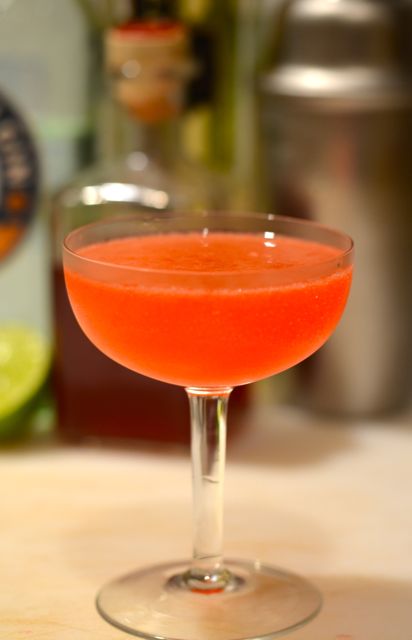
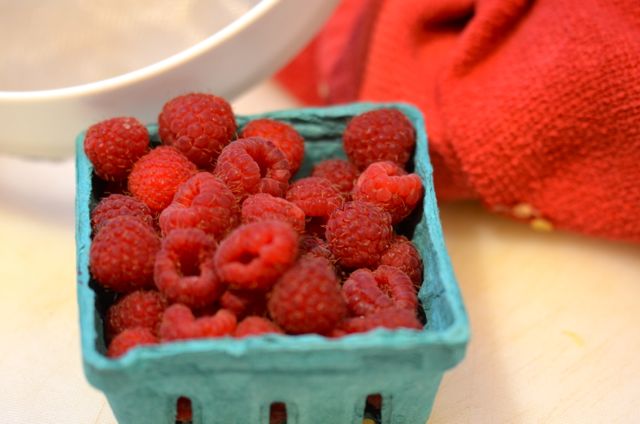
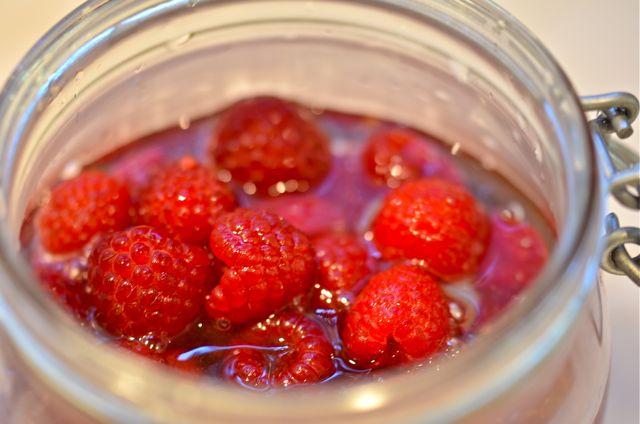
    As for the Raspberry syrup, it used to be a very popular cocktail sweetener, particularly before Prohibition. Used in dozens of drinks like the Clover Club, the Pink Lady and the Davis Cocktail, raspberry syrup adds great color and bright sweetness that’s lighter in flavor than grenadine. But, for whatever reason, grenadine took the place of raspberry syrup in many recipes during the later half of the 20th century. Happily, the cocktail renaissance brought raspberry syrup back from obscurity and there are plenty of DIY recipes, or you can buy it in stores. We decided to make our own, it’s easy and we still have raspberries. And after playing around with some classics, we made a Clover Club variant called the Mountain Clover with dry gin, lime juice, raspberry syrup and St. Germain. The light, bright sweetness of the raspberry syrup plays well with the gin and lime and makes for a very balanced sip. It looks like a grenadine-based cocktail, but is something very different. Worth a try.

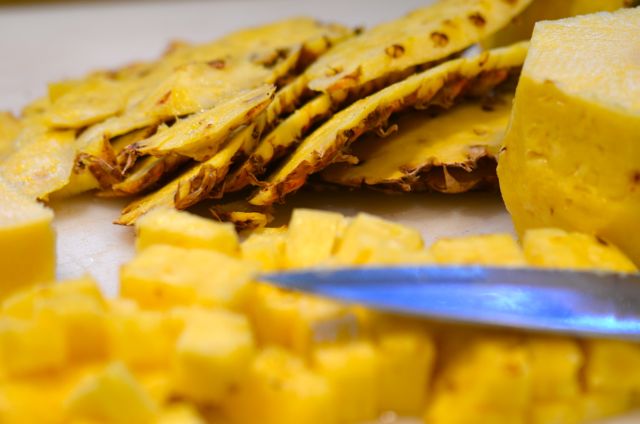
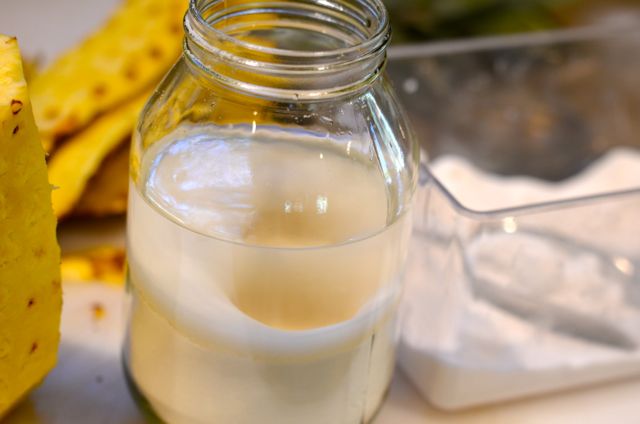
    Making both these syrups is very easy. Both use fruit, sugar and water. The pineapple syrup uses a “cold” method and the raspberry a “hot” method, but the process is basically the same. Cut or mash-up the fruit, cover with a simple syrup, put it in a jar, let it sit a day or two, strain out the fruit (mash in a bit more of the juice) and bottle the syrup. (And keep the left over pineapple pieces to put on ice cream or toast, good stuff). Top with a bit of vodka or Everclear to extend the life of the syrup, if you like. Store in a tightly lidded jar in the fridge. And then prepare to make awesome cocktails.

    Continue reading

  • Mixology Monday Cocktail: Long Island Planter’s Punch (LIPP)

    Long Island Planter’s Punch.

    One of the cooler things in the cocktail blogging world has to be Mixology Monday, an “online cocktail party” where cocktail enthusiasts submit and share cocktails to fit an ever-changing theme. Paul Clarke of Cocktail Chronicles and Imbibe! ran Mixology Monday for 6 years (Wow- thanks Paul!) and just handed off the reins to Frederic Yarm at Cocktail Virgin Slut. (BTW- a shameless plug for Frederic’s new Boston Cocktail book “Drink and Tell”- see here). So here is the theme:

    For this month, I have chosen the theme of equal part cocktails — those simple drinks where only one jigger is needed despite how many ingredients are added. These recipes have gained a lot of popularity as classics like the Negroni and Last Word have resurfaced, and variations of these equal part wonders have become abundant.

    LIPP as a “long” drink.

    Indeed they have. We have already posted on the Last Word and a very tasty variant with Apricot Shrub (that we made) based on a cocktail from Bar Terra. But seeing as how the Last Word has been revised dozens of times, we decided to look at other classic cocktails and see what we could do. We tried Corpse Reviver #2 variants with gin, grapefruit, Aperol and Lillet Rose’- good but better in unequal proportions. We also played with the Scofflaw, one of our recent faves, that included genever, rye, lemon, grenadine and dry vermouth. A very good drink, but the genever takes over so it was just a “genever scofflaw”. Ok, but not what we were after. But as a side bonus, we did make our own grenadine.
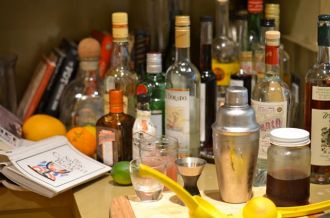
    Hard at “work” in the office…

    About that time, we decided that mining “classics” for ideas wasn’t going so well and perhaps another approach was in order. So if “classics” weren’t working, how about drawing inspiration from somewhat cheesier “less iconic” cocktails. And this very quickly brought us to the Long Island Iced Tea. We recently posted on the drink from Long Island, it is way better than it should be, and it uses roughly equal parts. But what to do with the homemade grenadine? Well, how about subbing the grenadine for Coke?  Kind of like Planters Punch (another semi-uncool cocktail) or a Bacardi Cocktail…and since the seasons are changing how about a little spice from a dash of bitters? (The rules allow it). And finally, the drink was boozy enough so we dropped the vodka, as we still had plenty of other spirits in the drink.

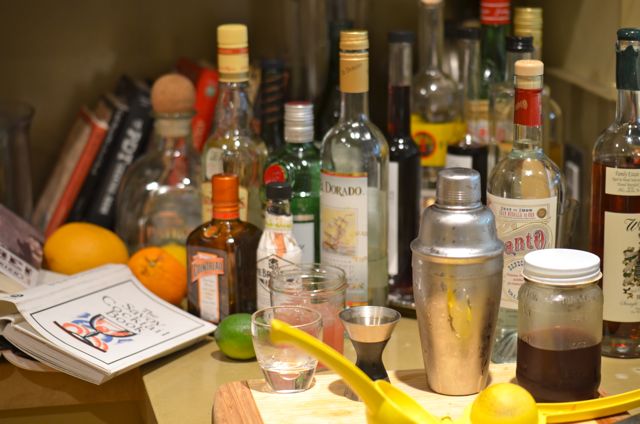
    Ingredients for Long Island Planter’s Punch

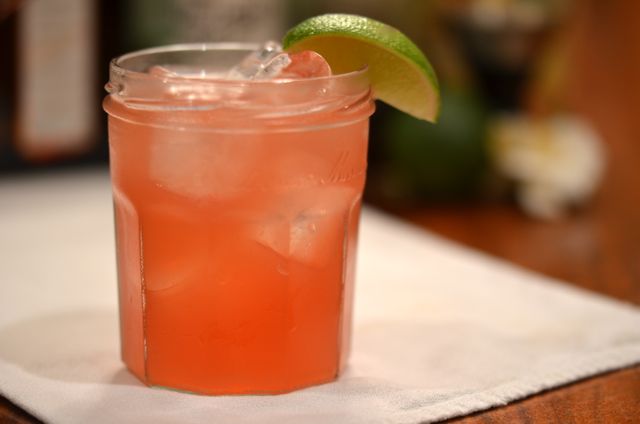
    And the Long Island Planters Punch was born. (And yes the LIPP is a riff on the L.I.R.R.- Long Island Railroad) The LIPP combines equal amounts of white Demerara rum (El Dorado), reposado tequila (Cazadores), dry gin (Tanqueray) , Cointreau (or another triple-sec), lime juice and grenadine, with a dash of Fees Old Fashion Aromatic Bitters (you can sub Angostura). And we garnish with a lime wedge for a little aroma and extra presentation. And one last note, if you can’t make your own grenadine, a “real pomegranate” grenadine will be much better, as the corn-syrup based versions are way too sweet.
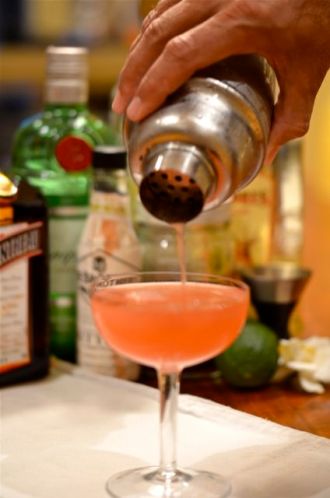
    And the flavor of the cocktail? We like it very much. You get the lime juice, tequila and Cointreau up front and then the herbal flavors of the gin and sweet rum and grenadine fill-in and finally you get the spice of the bitters. A good sip, and just like the Long Island Iced Tea, it tastes much less boozy than it really is. And you can serve the LIPP as a cocktail or a long drink, it works either way. The LIPP is so tasty, we wondered if we should rename it and not mention its less-than-stellar cocktail forebears. But just as we still love our Dads, even though they mowed the lawn every Sunday in khaki shorts, black socks and sandals, we will proudly acknowledge the LIPP’s heritage.

    The Long Island Planter’s Punch (LIPP)

    Ingredients:

    (For 1 cocktail, double for a “long” version of the drink)

    • 1/2 oz. White rum (El Dorado Demerara)
    • 1/2 oz. Reposado tequila (Cazadores)
    • 1/2 oz. Dry gin (Tanqueray)
    • 1/2 oz. Triple-sec (Cointreau)
    • 1/2 oz. Fresh lime juice
    • 1/2 oz Grenadine (homemade- see below, or “real pomegranate”)
    • 1 dash Fee’s Old Fashion Aromatic Bitters
    • Lime wedge, for garnish

    Assemble:

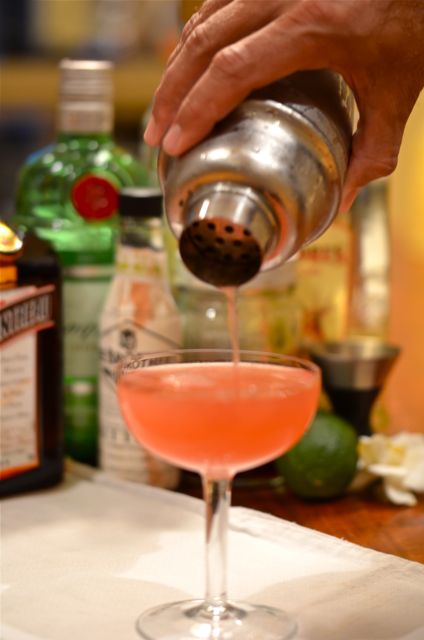
    1. Combine all the liquid ingredients in a cocktail shaker with ice. Shake thoroughly and strain into a chilled cocktail glass, coupé or flute. Garnish with lime wedge. Serve.

    -or-

    1. For a “long version” of the drink. Double the recipe and combine all the liquid ingredients in a cocktail shaker with ice. Shake thoroughly and strain into a large tumbler, highball or pint glass filled with ice. Garnish with lime wedge.

    —-

    Grenadine:

    (Adapted from Cocktail Chronicles and David Wondrich)

    Notes:

    • This is a “cold-process” version of Grenadine. There are also boiled versions, but we prefer the fresher flavors of the cold version.
    • You can use superfine sugar to be sure the sugar will dissolve in the pomegranate juice. You will get a bit more sugar, by weight, so check the flavor of the grenadine after the first mixing before adding any more sugar.

    Ingredients:

    • 1 part white sugar
    • 1 part pure, unsweetened pomegranate juice
    • 1 tablespoon of vodka or grain alcohol per cup of syrup (optional)

    Assemble:

    1. Place the juice and sugar in a jar with a good lid and seal. Shake well until sugar dissolves in the juice. Taste and add sugar, by tablespoon, to balance flavor.
    2. Add the vodka or grain alcohol, if using. Store in the fridge.
  • Weekly Cocktail #24: Long Island Iced Tea

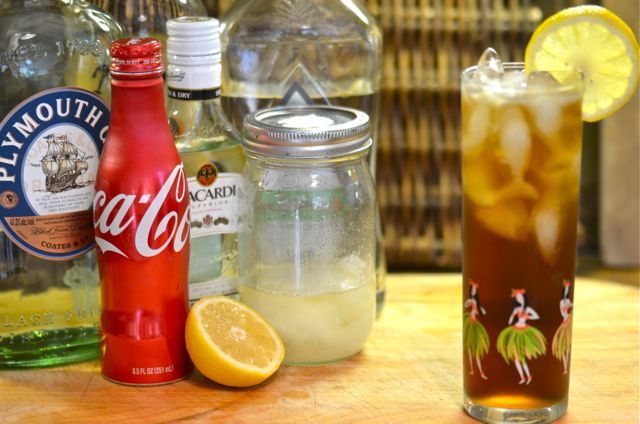
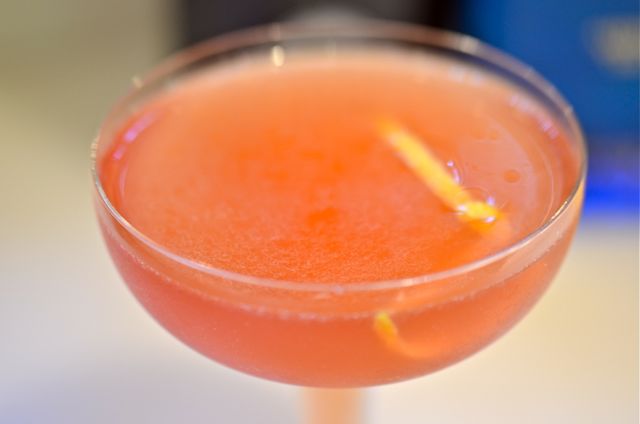
    Long Island Iced Tea Cocktail.

    Well, “when in Rome…” And in this case, “when in Long Island….make Long Island Iced Tea”.

    While this cocktail is much tastier than you might think, there is no tea in this drink, and there is nothing “long” about it. “Long” drinks usually denote cocktails that are less boozy and often served in higher volumes, like a Pimms Cup or Dark n Stormy (a Diablo is also a good long drink). Long drinks often make for good summer cocktails, as you can sip them over a lazy afternoon. But with the Long Island Iced Tea, you can sip one over a full afternoon and still feel like you had a Three-Martini lunch…umm… make that a four-martini lunch.

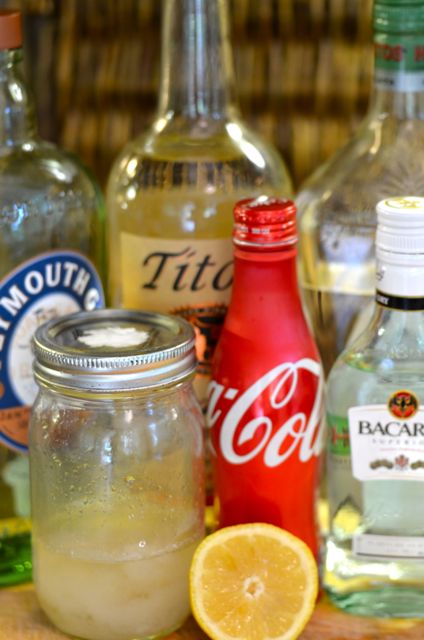
    Many ingredients, but most are easy to find or are in your bar right now.

    The trick with the Long Island Iced Tea (Latin translation: needus designus driverus) is that most recipes suggest anywhere from four to seven ounces of high-proof spirits per drink (most cocktails have two ounces)- but you really don’t taste the booze. The Long Island Iced Tea tastes good (very good if you tweak the recipe), and goes down way to easy for its own (and your own) good.
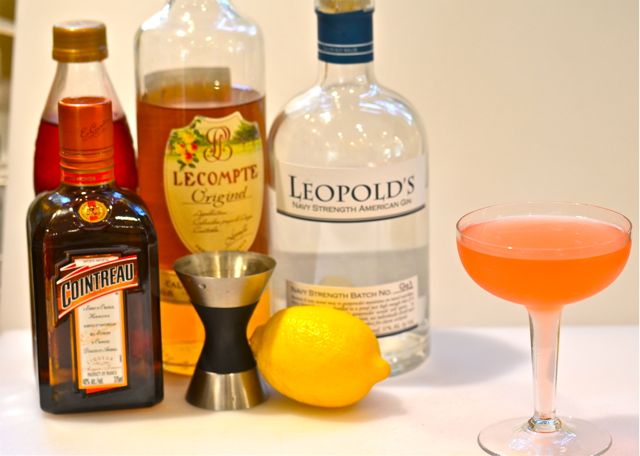
    Most recipes suggest an ounce to an ounce-and-a-half each of gin, vodka, tequila, rum and triple sec, with some lemon, simple syrup and a splash of coke. We include that recipe below, but it is a bit sweet for most. And while it tastes good, most of the attraction is of the “I can’t believe this drink is smooth with so much booze” category. Our version lightens the drink somewhat (not much) but omits the triple sec and adds more lemon and coke. Usually we don’t mess with original recipes without changing the name of the cocktail. But there are literally dozens of variations on the Long Island Iced Tea (see here, if curious), so whats one more version of the recipe?

    Long Island Iced Tea and ingredients.

    As for the spirits used in the recipe, there is no need for anything special. Decent, inexpensive rum, gin, tequila and vodka will do fine. The real alchemy of the drink is how the spirits mesh, if you add something too good, or aged, it won’t help and may actually harm the drink- and why waste the money? If you do want the best result, fresh lemon juice and simple syrup will work better, but sour mix will work in a pinch. All recipes suggest Coke, and that’s what we use, but any decent cola should be fine. And serve with lots of ice, the dilution helps the drink, and softens the booze (a tiny bit). And in the end, you have a very tasty drink that is a good summer sip. Think rum and coke, but with more tartness, depth and complexity. Just be careful if you have more than one.

    A few too many and you may end up looking like this…

    As for the history of this drink, there are simply too many stories to know where it came from. TGI Fridays claims they invented it (doubtful), but bars from Long Island to Tennessee also claim to be the creators. And to make matters worse, the timeframe varies anywhere from the 1920’s to 1970’s. But since neither tequila or vodka were common in the states until the 1950’s, we suspect the Long Island Iced Tea is a more recent creation. But perhaps fittingly, after a few of these cocktails, no one would remember anyway… 😉

    The Long Island Iced Tea: (Our version)

    Ingredients:

    • 3/4 oz. white rum
    • 3/4 oz. blanco tequila
    • 3/4 oz. dry gin
    • 3/4 oz. vodka
    • 3/4 oz. lemon juice
    • 1/4 oz. simple syrup
    • 2-3 oz. cola
    • Lemon wheel, for garnish

    Assemble:

    1. Combine the spirits, lemon juice and simple syrup in a highball or Collins glass with lots of ice. Mix and then top with the cola. Add the lemon wedge and serve.

    Continue reading

  • Weekly Cocktail #22: The Margaret Rose

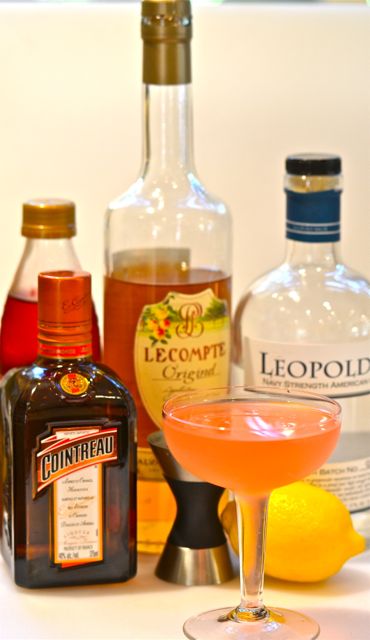
    The Margaret Rose. A good intro to “Daisy” cocktails.

    This week’s cocktail takes us back to the classics. The Margaret Rose is a well-balanced cocktail made of gin, Calvados (or Applejack, in a pinch), Cointreau, lemon juice and grenadine. The Margaret Rose is smooth, with clear apple flavor and a very tasty sweet / tart combination from the lemon and the Cointreau. The gin adds some depth and complexity. The grenadine adds more sweetness and the rosy color. This drink is easy to make, works well in any season and is a good introduction to a class of cocktails known as “Daisies”. More on that in a bit.

    This recipe first appears in print in “The Cafe Royal Cocktail Book“, a 1937 book that came out a year or so after the more famous Savoy Cocktail Book. In a nutshell, the Savoy book was written by an American Harry Craddock, working in the UK. The UK Bartenders Guild thought that the Savoy book was perhaps a bit too “American” and came out with their own cocktail guide, The Cafe Royal. Both are good cocktail books and each has some unique recipes. For whatever reason, the Savoy is a more popular modern reference. Maybe it’s the illustrations.

    We found this recipe and notes on the Cafe Royal Cocktail Book from Cocktail Virgin Slut, one of the better cocktail blogs. We tried the Margaret Rose and liked it (Carolyn gave it a nod, and she is normally not a lover of brandy) and decided to do some more research. The Margaret Rose is from a class of cocktails known as “daisies”. Daisies are one of the oldest types of cocktails and were common in the 19th century. Definitions vary, but a daisy usually combines brandy, citrus juice (normally lemon) and a sweet liqueur like Cointreau or Chartreuse. Other spirits like whisky, gin or rum may be part of the recipe. A good combination, and a clear precursor to “Sours” like the Sidecar and, much later, the Cosmopolitan.

    As for the ingredients, the only somewhat “rarefied” ingredient is the Calvados. Calvados is simply apple brandy from the Lower Normandy region of France. Most Calvados is dry, but features clear apple notes and a touch of heat from the alcohol (depending on the quality of the Calvados). American apple brandy, known as Applejack, tends to run a touch sweeter and more tangy than Calvados. Applejack will work well in this recipe, but the drink will be a bit different. Regardless, there are literally hundreds of cocktails (mostly 19th and early 20th century) that feature apple brandy, so Calvados or Applejack are a worthwhile addition to your bar.

    In the end, the Margaret Rose is a good drink to try. It is a good excuse to get some apple brandy, try a “daisy’ cocktail and even get a copy of a cool (if somewhat obscure) cocktail book. Nothing like a bit of history. Or you can ignore the history and just make the drink and enjoy it. That also works pretty well.

    The Margaret Rose:

    Ingredients:

    • 1 oz. dry gin
    • 1 oz. Calvados (or Applejack)
    • 1/2 oz. Cointreau
    • 1/2 oz. lemon juice
    • 2 dashes grenadine

    Assemble:

    1. Combine all the ingredients in a cocktail shaker with ice. Shake thoroughly and strain into a chilled cocktail glass, coupé or flute. No garnish. Serve.
    Related articles