• Our Honey And The “Little” Flowers

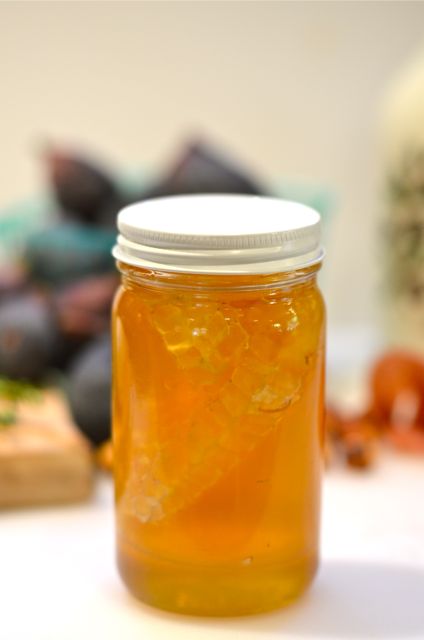
    Honey from the flowers at Putney Farm.

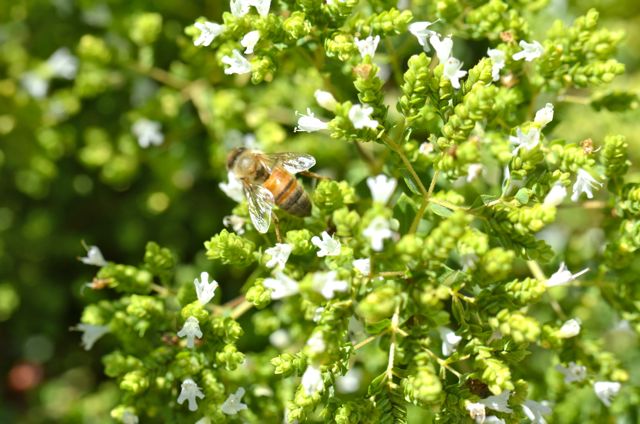
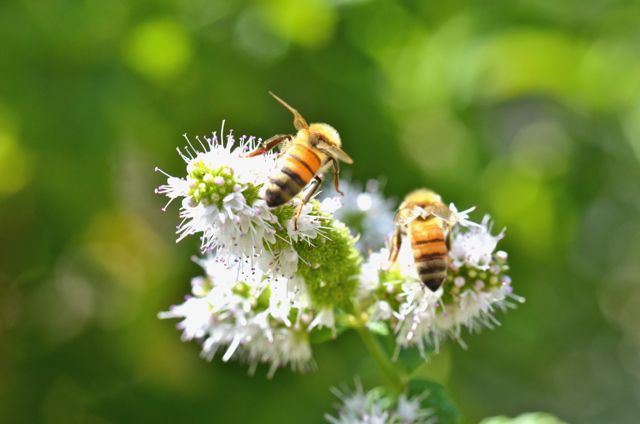
    The crew busy at work on the mint. Supposedly we may get a bit of mint flavor in this honey.

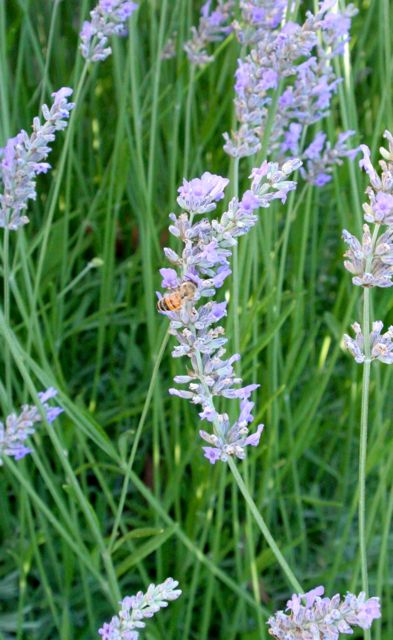
    This week we got the first large batch of our late spring / early summer honey. (We have sort of a co-op going on and will explain how this all works in a later post). Very exciting. Most of this honey comes from our early season flowers, so it combines the nectar of the fruit blossoms, herb blossoms, roses, wisteria and the ornamental plants. Later in the year the lavender dominates, but this is truly a blend from the garden and orchard. Surprisingly the honey is very light in color and flavor, with some delicate herbal notes. We served it with grilled figs and it was lovely. (And we just ate a bunch with the honeycomb…what a treat. Might include it in a few cocktails, too.)

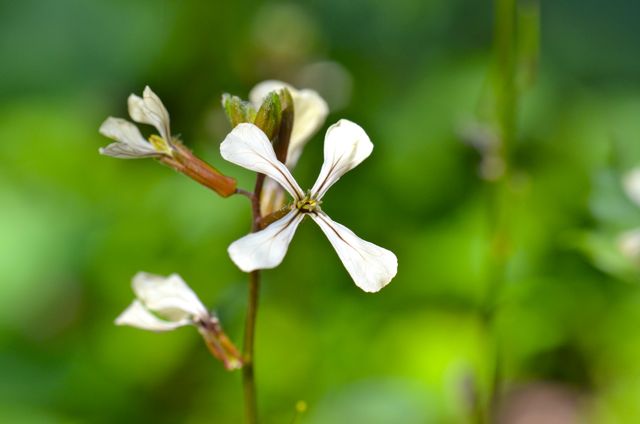
    Arugula flower.

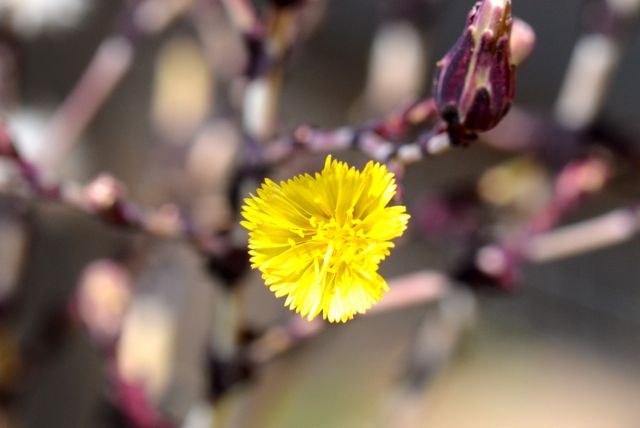
    Red leaf lettuce flower.

    Normally our local honey is a “mountain” or “forest” honey that runs darker with more bitter notes from the variety of flowers the bees work, and that is not a bad thing at all- these honeys are big, rich and complex. But we will admit to enjoying our more traditional golden honey. It seems the bees focused mostly on our garden this spring. And that got us thinking about all the “little” or “lesser” flowers that supplied such light, tasty honey.

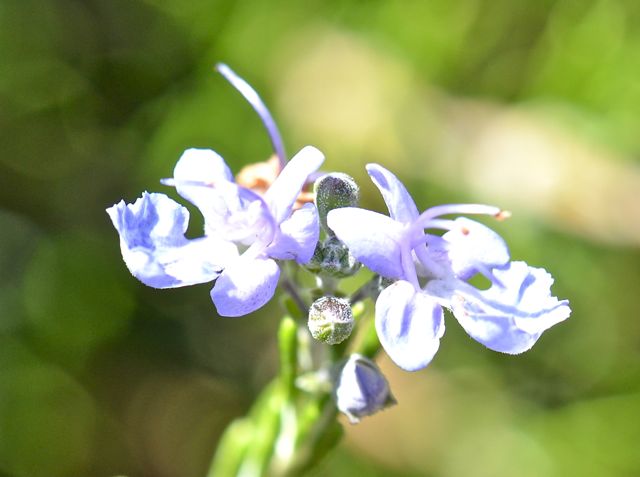
    Rosemary flowers.

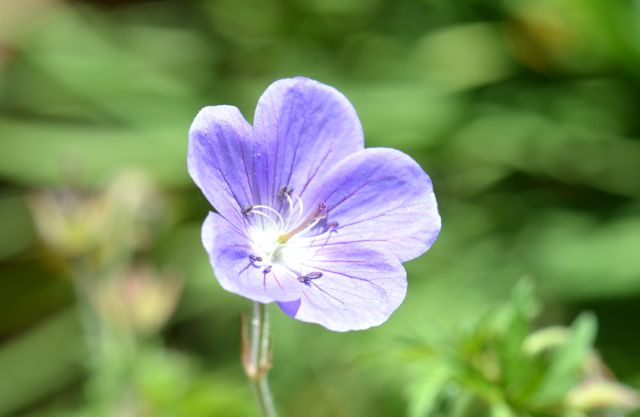
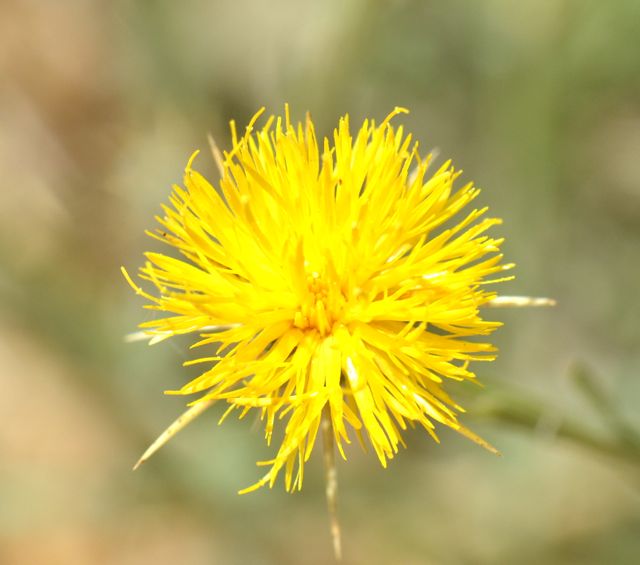
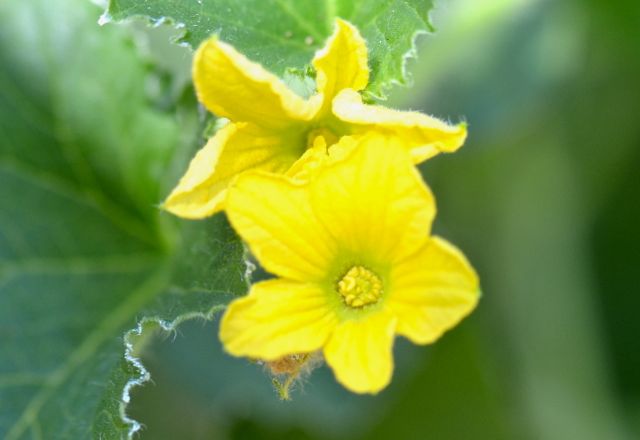
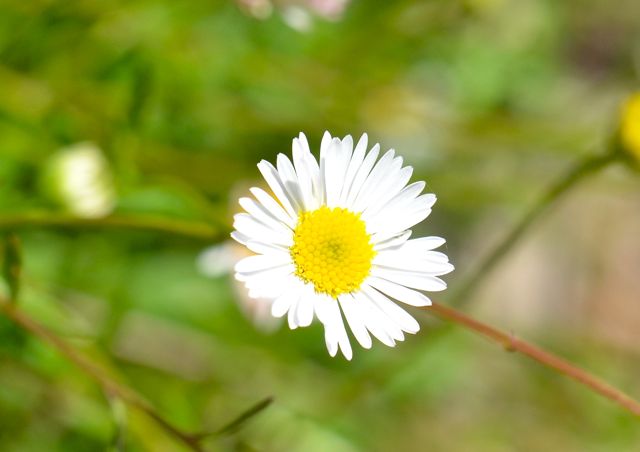
    Like many gardeners, we sometimes focus on our “big” flowers like roses, but we have many lovely flowering ornamental or ground-cover plants. The bees seem to like most of them, and we figured it would be fun to take a few photos of these “little” flowers. And after enjoying the honey from these flowers, maybe we shouldn’t call them “little” at all…besides, any excuse to walk in the garden with a Macro lens is a good one ๐Ÿ˜‰ Continue reading

  • Caprese Salad

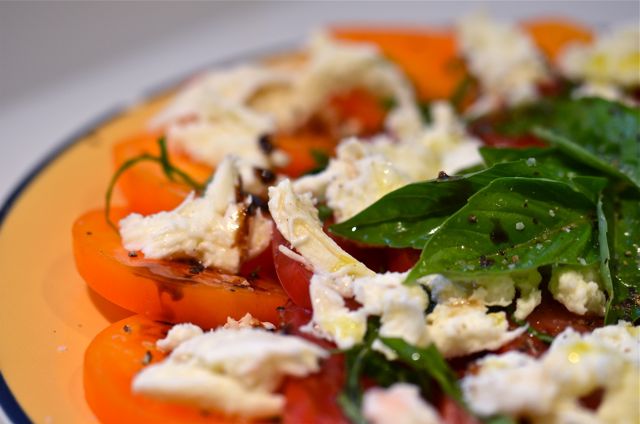
    Caprese Salad. Sometimes simple is best.

    We feel a bit sheepish even posting this recipe, as the Caprese is as simple as it gets (and there are hundreds of recipes online). But we have our own tomatoes and basil, and a good source of local mozzarella, so this is what we are eating. Tomatoes/mozzarella/basil might be our favorite flavor combination, perhaps only matched by potatoes/fat/salt and butter/sugar/flour ๐Ÿ˜‰ . We will eat this dish almost daily until the tomatoes run out…so might as well take some photos and write a post

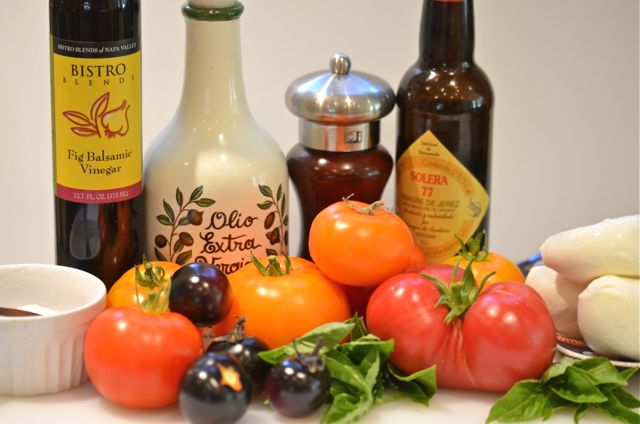
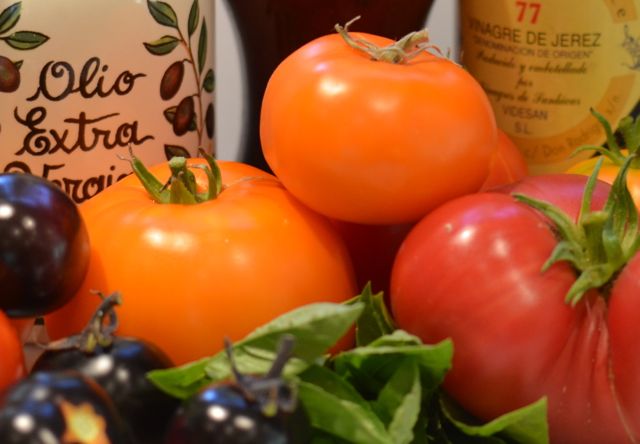
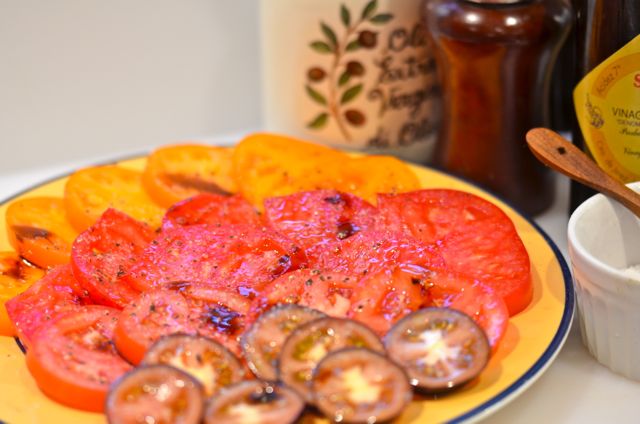
    Just a few ingredients. But a variety of tomatoes and vinegars adds extra pop.

    And while the Caprese salad is a very common recipe, there are a few ways to make the most of the dish. Firstly, you need fresh ingredients. Ripe tomatoes and fresh basil are key, as is good quality mozzarella. If you have a good local producer of mozzarella, try their cheese. If not, ask a good cheesemonger for a recommendation, as there are good nationally distributed mozzarella. Secondly, adding salt, pepper, olive oil and vinegar will add flavor and depth to the dish- without distracting from the core ingredients. Using two vinegars also brightens the flavor, we like sherry and balsamic vinegars, just not too much. Third, using a variety of tasty, ripe tomatoes provides more flavors and textures- and it looks good too (although most Caprese salads look good). UPDATE: And finally, as Stefan from Stefan’s Gourmet Blog (one of our faves) points out in the comments below, letting the cheese come to room temperature is a big help- it improves both the flavor and texture.

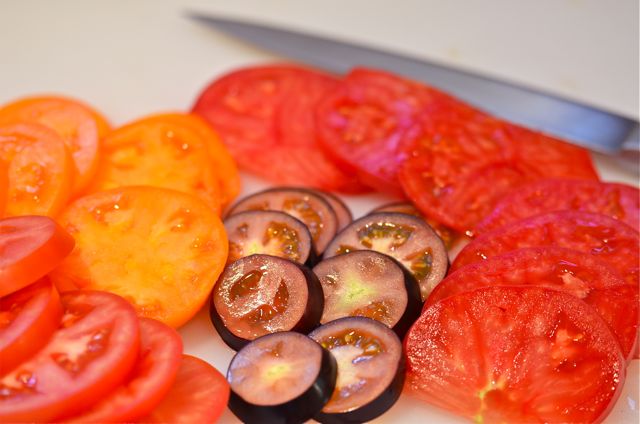
    We like the extra color on the plate.

    Arrange the tomatoes and season.

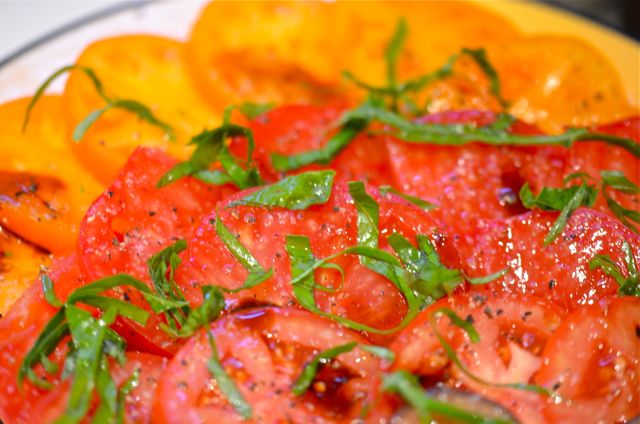
    We also suggest a few techniques to make the most of the salad. We season each layer as we build the salad, this sounds fussy, but you want salt and pepper on each tomato slice. And a chiffonade of basil combined with whole leaves provides the most basil aroma, which is hard to beat. A chiffonade is simply thin strips of herbs or leafy vegetables. To make a chiffonade, roll some basil leaves into a cylinder and then thinly slice crosswise into thin strips. The slicing will release more of that awesome basil perfume, but also discolors the basil somewhat, so it is best to make the chiffonade just before assembling and serving the dish.

    Add the basil.

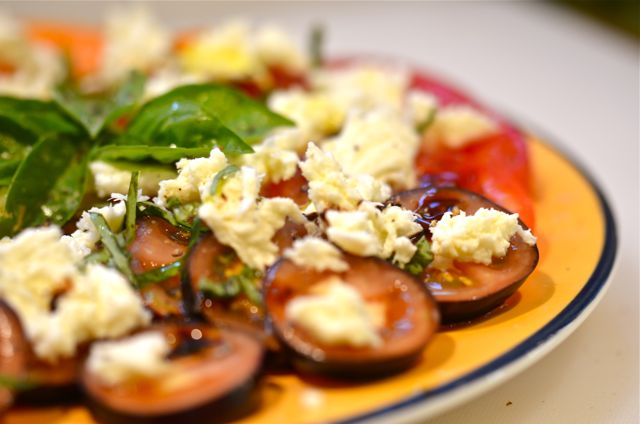
    Add the cheese, oil and vinegar. Season and arrange the whole basil leaves. Serve.

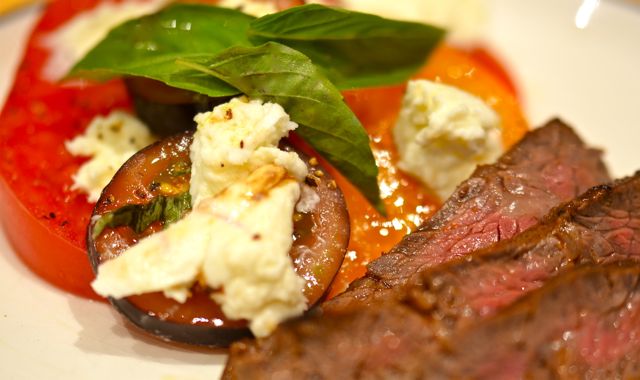
    Served with seared skirt steak,ย a very nice dinner.

    And how do you serve a Caprese salad? Just about any way you want. This dish works as a starter, side salad, or even a main course. Put it between a few slices of bread and you have a great sandwich. We like to serve the Caprese as a large side salad along with a small serving of meat or fish- we are particularly fond of seared skirt steak with the Caprese. And while we love our cocktails, a good bright red or white wine will certainly go well with this dish. A sunny day doesn’t hurt either…

    Caprese Salad:

    Notes Before You Start:

    • Fresh, ripe tomatoes are key. If you don’t have them, don’t bother.
    • Fleur de sel or quality sea salt, with its crunch, is a good salt to use on this dish.

    What You Get: One of the best dishes in the world. Seriously.

    What You Need: No special equipment required. Just good ingredients.

    How Long? Five minutes or less. Slice, arrange, season and serve. Anytime dish when tomatoes are in season.

    Ingredients:

    (Serves 2 as a large salad, 4 as a side dish or starter)

    • 1 and 1/2 pounds of ripe tomatoes (3 large or 5-6 medium tomatoes)
    • 3/4 pound of fresh mozzarella cheese
    • 12 basil leaves
    • 1 tablespoon olive oil
    • 1 teaspoon sherry vinegar
    • 1 teaspoon balsamic vinegar
    • Kosher salt or fleur de sel
    • Fresh black pepper

    Assemble:

    1. Wash, core and slice the tomatoes into 1/4 inch disks. Slice the cheese into 1/4 inch disks or break the cheese into small pieces. Layer tomato slices on a serving plate and season with the salt and pepper. Add half of the oil and vinegars.
    2. Chiffonade half of the basil leaves and scatter over the tomatoes. Evenly distribute the cheese over the tomatoes and basil. Season with salt and pepper and sprinkle on the rest of the oil and the vinegars. Arrange the whole basil leaves on top of the cheese and serve.
  • The Farm At The Beach

    Breathe. Relax. Read a book.

    Well, we are back. Or at least settled. We are now at our “home-away-from-home” on the east end of Long Island. One of our favorite places in the world. I guess you can call it a “home” because we have plenty of friends and family here, and we pretty much know where everything is. That may seem simplistic, but part of being comfortable is familiarity. We cooked in three different kitchens in the last thee days but pretty much knew where everything was. Other people’s kitchens areย a tough place to cook, but we know our way around. We can get back to business. But before we cooked, the first business was meeting the two newest members of our extended family. Beautiful babies and happy, if somewhat tired, parents. We can almost field a football team with all the cousins- which is very, very cool. We are so blessed and lucky, and the babies give us a reminder of just how good life is. And they are cute, too.

    Radishes are in season here, and very tasty.

    And we did get back to cooking. In many of our posts, we mention that certain dishes and drinks are good for a crowd. Well, we put a few to the test already. Most meals over the weekend fed groups of 15-20. So far, so good- but we do have a few notes and revisions. And, happily, mostly to the good.ย As for the actual food, we tend to have simply prepared fish and shellfish as our main courses. Seared ahi tuna, roasted striped bass, sea scallops and steamed clams made it to the table over the weekend, and will be part of almost every dinner this week. Most were caught within the last day or so. The fish is so fresh you don’t need to do much (just don’t screw them up), so we focused on sides that highlight the seafood or feature the local produce.

    The coconut rice goes well with the local fish. A big hit- we will make this throughout the trip.

    Firstly, we had fresh local radishes and served them with butter and salt. Always easy, always good. (My Dad also makes kick-ass guacamole every day, but that is another post). The biggest hit so far is the coconut rice. The rice went very well with the seared, rare ahi tuna (steaks almost 2 inches thick and sooo good). Served with a dash of soy and some cilantro chutney (working on that recipe), it was a perfect fit. A table of 16 were all very happy. One note here, we made the coconut rice with “Light” coconut milk, as the store was out of regular coconut milk. If anything, the light coconut milk gave the dish plenty of flavor, but perhaps a slightly lighter texture. Good to know that we can make a lower-calorie version of the original.

    We added fresh corn kernels to the Red Cat zucchini- it was great.

    Another surprise was how well the coconut rice went with the Red Cat zucchini. The dish comes from here, so everyone enjoyed it (the zucchini was right from the CSA), but as the dish is moreย Mediterranean, we are surprised how well the flavors meshed. Another note here- we added some fresh corn kernels to the zucchini and they added lovely texture and sweetness. If you have corn, give this a try. The next day we took the leftover coconut rice and combined it with the zucchini and corn. It made a delightful cold summer salad.

    As for the cocktails, we made fresh Tommy’s-style margaritas every day (2 oz. blanco tequila, 1 oz. gave nectar, 1 oz. lime juice). But the big hit was the Lani Honi. As predicted, everyone thought of it as a lemony summer punch with a little extra depth. We served a pitcher alongside the margaritas and the Lani Honi held its own. We had requests for more the next day. Very good.

    As expected, a perfect drink to make for a crowd.

    Lastly we made a punch-sized batch of the Nouvelle Fleur. The drink was a success, but did need some tweaking. In the original recipe we used ruby-red grapefruit and the flavors meshed very well. Out here, we used white grapefruit and the drink was way too sour. Happily, a little extra St. Germain and some agave nectar did the trick and the Nouvelle Fleur was a success, particularly with grapefruit fans. But a quick reminder that it pays to taste your drinks and adjust as necessary.

    A great punch, but we needed to adjust for more sour white greapefruit.

    Today we are off to the CSA garden and then looking for corn and stone fruits. And just wait until we start talking about the pies…oh my. We have new photos and recipes coming all week! It’s good to be back.
  • The Colonial Garden: Williamsburg, VA

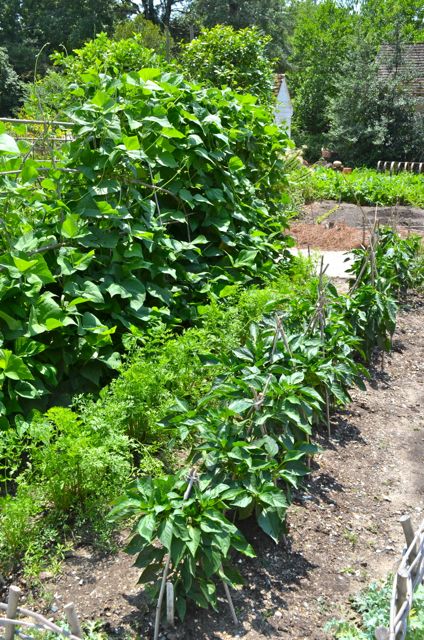
    A prosperous farmer might have this view.
    Posting from the road for a few days, but we couldn’t resist sharing garden photos from our visit to Williamsburg. For those unfamiliar, Williamsburg is a recreation of an 18th century American colonial town in the time of the revolution (not as hokey as you might think). The town is full of period-costumed staff and many activities (fun for kids) but we were most impressed by the landscaping and architecture. Williamsburg is a very beautiful town.

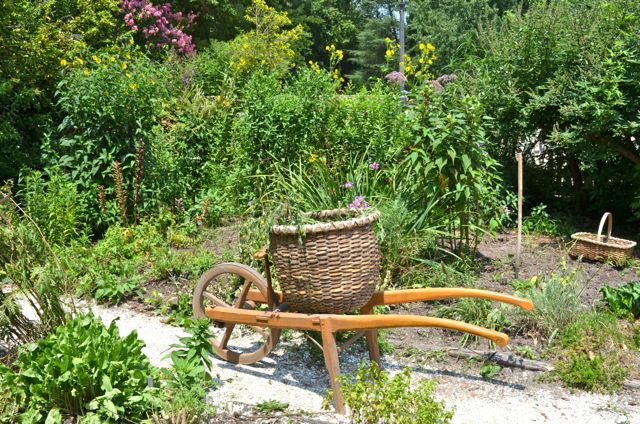
    You might have an ornamental garden.

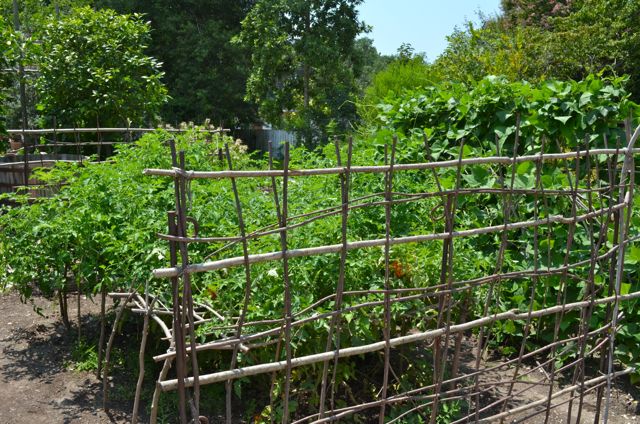
    Our favorite places in the town were the gardens of the houses. Many are hidden, but you can tour them, or simply ask and find yourself in a garden that isn’t much different from it was 250 years ago. Our highlight was the vegetable garden.It looks like a garden most gardeners would be proud to have.ย Gardens don’t change much, just the tools evolve. You could say the same about people.

    Hope you enjoy the photos.

    Vegetable garden- wood supports instead of metal.

    Some people would actually pay extra for this type of wheelbarrow these days.

    Not that much changes in the gard Continue reading