• Bonus Cocktail: The Aviation

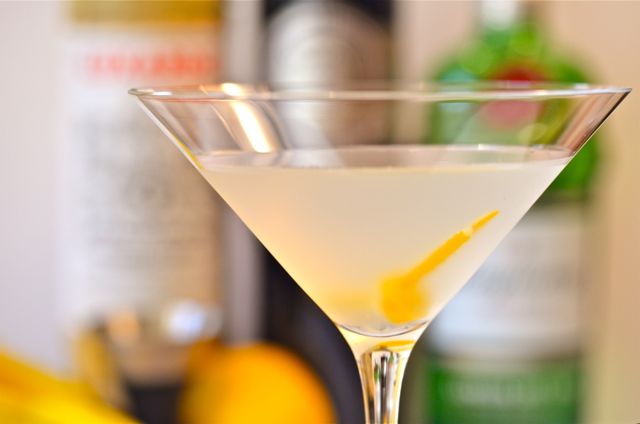
    Aviation Cocktail.

    This week’s bonus cocktail is a surprise to us. The drink itself is not a surprise, the Aviation is a classic cocktail. But we are surprised it took us so long to post it. We enjoy Aviations as one of our “go to” cocktails at home, and one of our local bars makes a great one. So I guess familiarity bred a touch of contempt.

    But there is nothing contemptible about the Aviation. One of the true masterpieces of pre-prohibition mixology, the Aviation combines dry gin, lemon juice, maraschino liqueur and (sometimes) Creme de Violette, a violet liqueur. The drink is the creation of Hugo Ensslin, a bartender at the Hotel Wallick in New York. He first published the recipe in 1916 in the book “Recipes for Mixed Drinks”. And the recipe has been published, and tweaked, ever since.
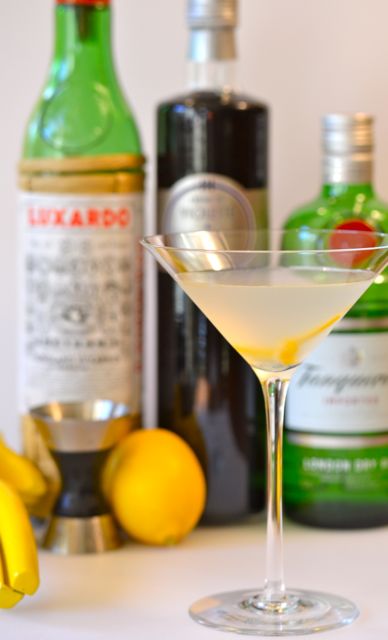
    Aviation cocktail and ingredients.

    The basics of the recipe, dry gin, lemon juice and maraschino have been constant, but the ratios vary. And then there is the issue of the Creme de Violette. Creme de Violette is a violet liqueur that tastes a lot like violet candies. If you remember violet candy, you may also remember that some people love them, and some hate them. “This tastes like soap” being a common refrain for those in the “hate” category. For a while, this was a non-issue as Creme de Violette was almost impossible to find in the US. But our friends at Haus Alpenz, revivers of all forgotten liqueurs brought it back to life with Rothman & Winter Creme de Violette (remember the Allspice Dram in the Ancient Mariner). And this “new” Creme de Violette is good, sweet, floral and depending on your point of view, perhaps a bit “perfumey” or just downright soapy.

    The attraction of using the Creme de Violette is both the flavor and the light blue color it lends to the drink, if you use enough of it. The name of the drink, it is believed, comes from the pale sky-blue color that was so enticing in the early days of aviation. But this is where many mixologists differ.  The Savoy Cocktail book, David Wondrich and Gary Regan go without the Violette, the PDT cocktail book includes it. Paul Clarke suggests you simply make the Creme de Violette optional. As it is, we suggest you use the Creme de Violette very sparingly (just a dash, you will still taste it) or omit it altogether.
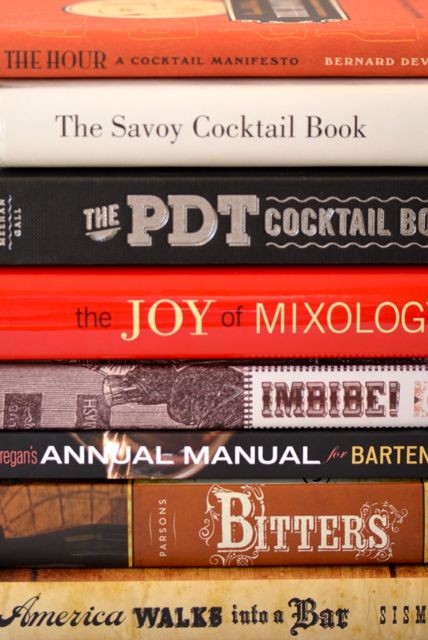
    Required summer reading.

    As a practical matter, very few people have access to Creme de Violette and there is no need to run out and buy it (of course, we did- but we are geeky that way). First, try the recipe without the Violette. You will lose the lovely color, but the botanical flavors of the gin, the bright, sour lemon juice and the sweet, earthy maraschino are a great combination on their own. This is a very tasty cocktail that works in any season and for almost any occasion. And most home bars have gin and lemon juice- and you should have Maraschino (Luxardo is fine) in your bar, as it is an ingredient in literally dozens of classic cocktails. So before you get the Violette, make sure you have maraschino liqueur.

    If you do have the Creme de Violette, you can add up to 1/4 ounce to the drink and the color will be quite beautiful. But unless you really like floral and perfumed flavors the drink might be soapy unpalatable. But a dash or two will add some pleasant flavor and aroma, if you like violets. One other note on the booze- the recipe specifically calls for dry gin. If you use a “modern” gin that features floral botanicals, like Nolet’s, the flavors may not play well together. Traditional London dry gin like Tanqueray, Beefeater or Gordon’s are the best choices for this drink.
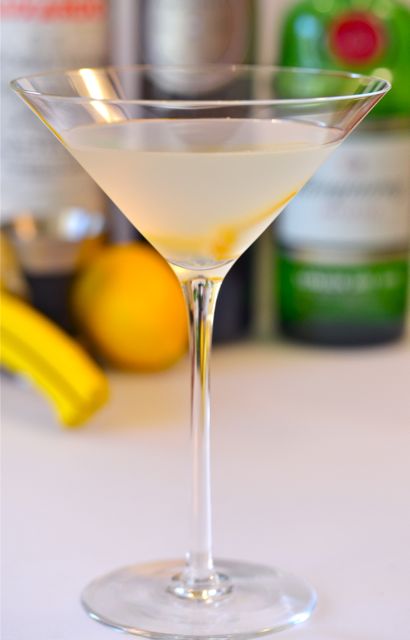
    Few drinks look better in a cocktail glass than the Aviation.
    Continue reading

  • Weekly Cocktail #15: The Nouvelle Fleur

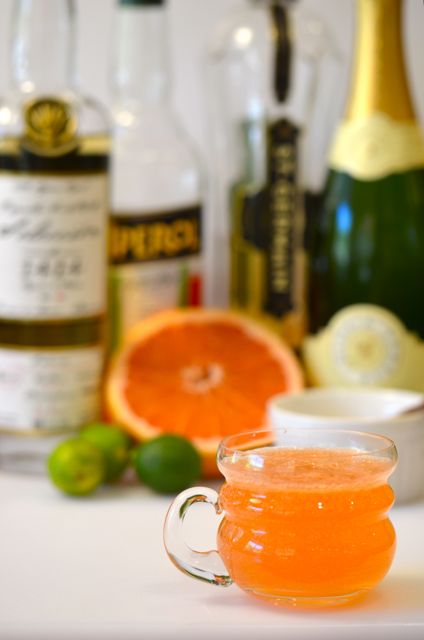
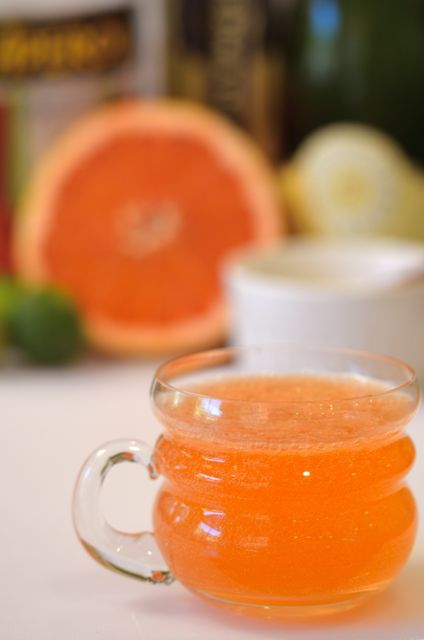
    Nouvelle Fleur Cocktail.

    We generally try to make our weekly cocktails out of readily available ingredients (we have the bonus posts for the crazy stuff), but this week we need to make an exception. The Nouvelle Fleur is a drink that will send many of you to the liquor store, but it really is worth the trip. The reason is that the Nouvelle Fleur is not only a good cocktail, but a recipe that easily becomes a great summer punch. So we think a punch that pleases a dozen guests is worth the extra effort.

    The extra effort comes from a somewhat long list of ingredients. The Nouvelle Fleur combines St. Germain, blanco tequila, Aperol, lime juice, grapefruit juice, a pinch of salt and is topped by sparking wine. Now many people will not have St. Germain or Aperol in their bar, but both are worthy additions. St. Germain is a low-proof elderflower liqueur that is sweet with floral and pear notes. St. Germain is a popular ingredient with mixologists and is often used as a more floral substitute for Cointreau or triple-sec in cocktails. Aperol is an Italian apéritif that is similar to Campari, but much less bitter and with lower alcohol. Aperol has pleasant citrus, bitter and herbal notes (maybe even rhubarb) that add depth to many cocktails without the outright dominance of Campari. Aperol plays very well with tequila, as we noted earlier with the Chica Facil.

    The overall combination of aromas and flavors in the Nouvelle Fleur truly stand out. The aroma is mostly, and pleasantly, grapefruit with a bit of floral from the St. Germain. As for the flavor, the sweetness of the St. Germain is matched by the citrus of the lime and grapefruit juice. The Aperol and grapefruit lend bitter and herbal notes and the champagne keeps the drink light and refreshing. The salt provides a subtle kick that keeps you coming back. Everyone who tries this drink loves it, particularly for summer.

    Nouvelle Fleur and ingredients.

    And there is another summer bonus. The Nouvelle Fleur isn’t a boozy drink, only the tequila is a high-proof spirit and there’s only 1/2 ounce in the recipe. Otherwise all the ingredients are under 20% alcohol. This lends really well to making a light summer punch. Simply add the same proportion of ingredients to a punch bowl, top with champagne or sparking wine and add a big block of ice. Now you have a tasty punch for a crowd that packs plenty of flavor, but won’t have them falling in the pool….

    As for the actual recipe, it comes from the Eastern Standard, a restaurant in Boston. We are far from Boston, but since we are avid readers of Cocktail Virgin Slut, we get the scoops, and this recipe, from one of the best cocktail towns in the country. Sometimes you just have to love the internet. But the Nouvelle Fleur is such a good drink, we may need to visit Eastern Standard in person and sample the rest of their cocktails….Maybe we will catch a game at Fenway as well.

    The Nouvelle Fleur:

    Ingredients:

    • 1 oz. St. Germain
    • 1/2 oz. blanco tequila
    • 1/2 oz. Aperol
    • 1/2 oz. fresh lime juice
    • 1/2 oz. fresh pink grapefruit juice
    • 1 pinch of salt
    • 2 oz. Champagne or sparking wine

    Assemble:

    1. Combine all the ingredients, except the Champagne, in a cocktail shaker with ice and shake thoroughly. Strain into a cocktail glass, flute or coupé.
    2. Top with the Champagne and serve. No garnish.
  • Weekly Cocktail #14: The May Daisy

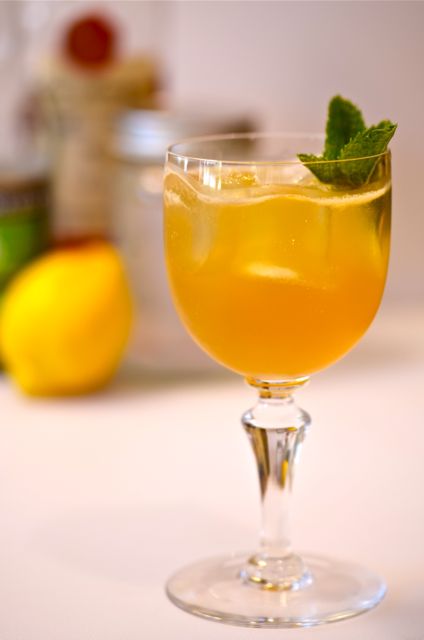
    May Daisy Cocktail.

    One of the promises we made when we started blogging was to keep ourselves challenged and use the opportunity to try new things. For Carolyn this means new baking techniques, for me it means new tools and ingredients for cooking and cocktails. As for cooking, we always enjoy trying new recipes and the garden is a constant source of inspiration and challenges. But for cocktails, we sometimes find it easy to get “comfortable”. We generally prefer gin, rum and tequila over whiskeys and darker spirits (although we do like our Applejack). And since there are so many cocktail recipes,  it is easy to stay in our comfort zone.

    But Carolyn’s recent success with a new baking technique in her Mocha Cake reminded us to try new things and we went right for a big challenge, Cognac-based (or really brandy-based) cocktails. Even more so, a summer cocktail with brandy. For those of you less familiar with brandy, it is simply liquor made with distilled wine rather than sugar or grain. The wine used as the base for brandy can be from any fruit, but is most famously from grapes. Good brandies are made all over the world, pretty much wherever grapes or fruit are grown. But the most famous grape brandies are Cognac and Armagnac from France, and the best bottles are considered some of the greatest spirits in the world.

    May Daisy and ingredients.

    Most of the best Cognacs and Armagnacs should be enjoyed on their own, but there are many varieties that are good for cocktails. In fact, Cognac was the spirit of choice for many early American cocktails, including the Mint Julep. But outbreaks of Phylloxera in France during the 1800’s limited Cognac supplies and Americans turned more to their native whiskey. But quality Cognac / brandy has good fruit, floral and spice flavors that make it a worthy addition to many drinks.

    Cognacs and Armagnacs are both distilled grape wine that’s aged in oak barrels. The main difference in production is their region / appelation and that Cognac is distilled twice, while Armagnac just once. The other difference is price, with Cognac usually 2x the price of Armagnac. While many will argue the relative merits of Cognac vs. Armagnac, the real variables in brandy are aging and blending. To keep it brief (and trust us the French can get into great, laborious detail on these matters) VS is the youngest designation with 2 years of aging, VSOP with 4 years and XO with at least 6 years, but often many more. “Napoleon” is another common designation usually meaning somewhere between VSOP and XO. Simple, huh?

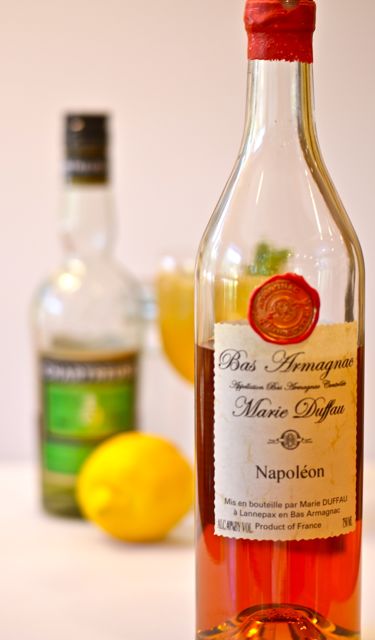
    In any event, we can generalize a lot bit and say that most VS Cognac can be harsh, hot and not all that tasty. VSOP bottles are often very good on their own or in cocktails. And XO is usually best on its own.  When buying Cognac or Armagnac, or any brandy, the best path is to ask someone you trust at your Liquor store for a good bottle, give them the likely use and your price range. This is how we were steered to Armagnac, particularly for cocktails. At roughly 1/2 the price of Cognac, you can get a high quality bottle for less money. We got a great Napoleon Armagnac for about $30 and it is very tasty and smooth with good spice and herbal notes.

    Armagnac, good stuff and better price.

    Continue reading

  • Cocktails for Memorial Day: The Pegu Club

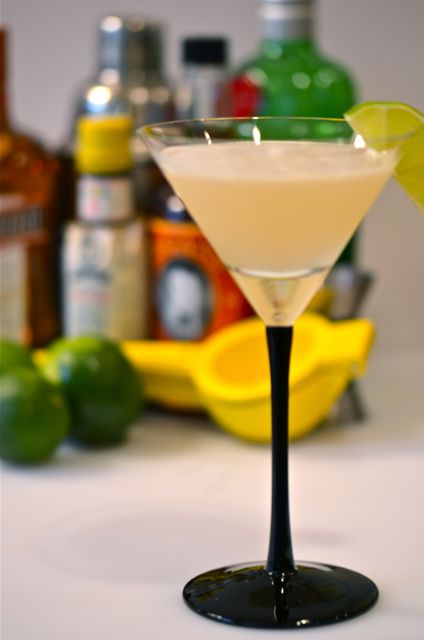
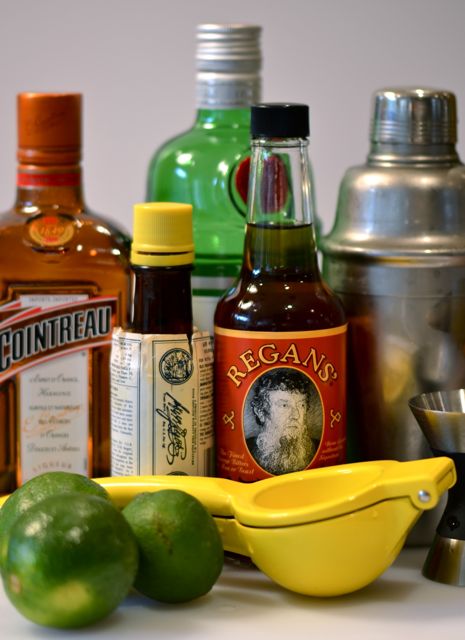
    Pegu Club Cocktail and ingredients.

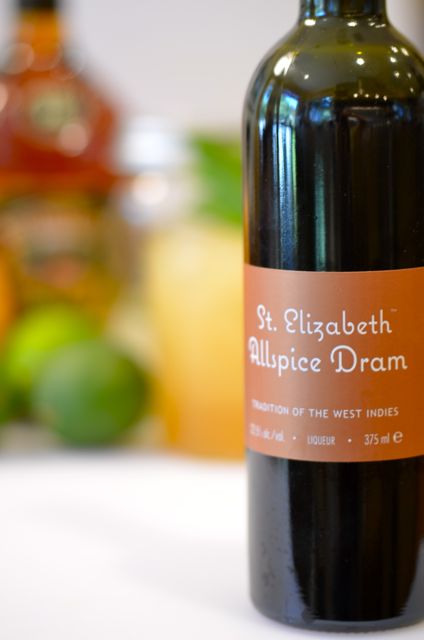
    Another classic cocktail for the weekend. And after posting the Ancient Mariner, a tiki drink with a hard-to-find ingredient in allspice dram, we decided to go for a cocktail you can make almost anywhere. And the Pegu Club has been made and enjoyed just about everywhere.

    The Pegu Club is named after an old-time (and now defunct) British colonial club in Rangoon, Burma Myanmar. As with many colonial clubs they had their own cocktail, in this case a mixture of London dry gin (the British need their gin), Cointreau (or orange curacao), lime juice and a few bitters. A simple drink, but a very good one. And if you just thought “margarita with gin”, you are onto something. The Sidecar begets the Pegu Club and soon enough you get a Margarita. Old recipe + new booze= new cocktail. And so it goes.

    Pegu Club Cocktail.

    Cocktail historians track the Pegu Club back to at least the 1920’s, when the drink became popular worldwide. It is listed as a popular cocktail in Harry Craddock’s Savory Cocktail Book from the 1930’s. Then after World War II, the Pegu faded from view as other cocktails emerged. But good cocktails never die, and sometimes they don’t fade away either. They re-emerge. Luckily the Pegu Club is making a comeback. It certainly helps that Audrey Sanders, widely considered one of the best bartenders in the world, opened her bar “The Pegu Club” in NYC many years ago and helped spur the cocktail revival. If you name your bar after a drink, it had better be good.

    And it is very good. Openly sour, but smooth and with enough sweetness from the Cointreau and spice from the bitters, the Pegu Club goes down almost too easy. But as it was a “club” drink, the Pegu Club is still an elegant creation. If you have to put on a collared shirt (or, god forbid, dress-up) this weekend, the Pegu Club would be an excellent companion. And if you are grilling and listening to baseball on the radio with your family, and we hope you are, the Pegu Club can hold its own.

    Pegu Club Cocktail ingredients.

    Continue reading