• The Farm At The Beach

    Breathe. Relax. Read a book.

    Well, we are back. Or at least settled. We are now at our “home-away-from-home” on the east end of Long Island. One of our favorite places in the world. I guess you can call it a “home” because we have plenty of friends and family here, and we pretty much know where everything is. That may seem simplistic, but part of being comfortable is familiarity. We cooked in three different kitchens in the last thee days but pretty much knew where everything was. Other people’s kitchens are a tough place to cook, but we know our way around. We can get back to business. But before we cooked, the first business was meeting the two newest members of our extended family. Beautiful babies and happy, if somewhat tired, parents. We can almost field a football team with all the cousins- which is very, very cool. We are so blessed and lucky, and the babies give us a reminder of just how good life is. And they are cute, too.

    Radishes are in season here, and very tasty.

    And we did get back to cooking. In many of our posts, we mention that certain dishes and drinks are good for a crowd. Well, we put a few to the test already. Most meals over the weekend fed groups of 15-20. So far, so good- but we do have a few notes and revisions. And, happily, mostly to the good. As for the actual food, we tend to have simply prepared fish and shellfish as our main courses. Seared ahi tuna, roasted striped bass, sea scallops and steamed clams made it to the table over the weekend, and will be part of almost every dinner this week. Most were caught within the last day or so. The fish is so fresh you don’t need to do much (just don’t screw them up), so we focused on sides that highlight the seafood or feature the local produce.

    The coconut rice goes well with the local fish. A big hit- we will make this throughout the trip.

    Firstly, we had fresh local radishes and served them with butter and salt. Always easy, always good. (My Dad also makes kick-ass guacamole every day, but that is another post). The biggest hit so far is the coconut rice. The rice went very well with the seared, rare ahi tuna (steaks almost 2 inches thick and sooo good). Served with a dash of soy and some cilantro chutney (working on that recipe), it was a perfect fit. A table of 16 were all very happy. One note here, we made the coconut rice with “Light” coconut milk, as the store was out of regular coconut milk. If anything, the light coconut milk gave the dish plenty of flavor, but perhaps a slightly lighter texture. Good to know that we can make a lower-calorie version of the original.

    We added fresh corn kernels to the Red Cat zucchini- it was great.

    Another surprise was how well the coconut rice went with the Red Cat zucchini. The dish comes from here, so everyone enjoyed it (the zucchini was right from the CSA), but as the dish is more Mediterranean, we are surprised how well the flavors meshed. Another note here- we added some fresh corn kernels to the zucchini and they added lovely texture and sweetness. If you have corn, give this a try. The next day we took the leftover coconut rice and combined it with the zucchini and corn. It made a delightful cold summer salad.

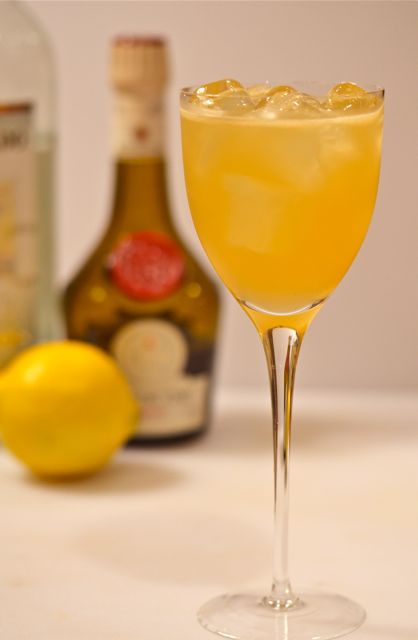
    As for the cocktails, we made fresh Tommy’s-style margaritas every day (2 oz. blanco tequila, 1 oz. gave nectar, 1 oz. lime juice). But the big hit was the Lani Honi. As predicted, everyone thought of it as a lemony summer punch with a little extra depth. We served a pitcher alongside the margaritas and the Lani Honi held its own. We had requests for more the next day. Very good.

    As expected, a perfect drink to make for a crowd.

    Lastly we made a punch-sized batch of the Nouvelle Fleur. The drink was a success, but did need some tweaking. In the original recipe we used ruby-red grapefruit and the flavors meshed very well. Out here, we used white grapefruit and the drink was way too sour. Happily, a little extra St. Germain and some agave nectar did the trick and the Nouvelle Fleur was a success, particularly with grapefruit fans. But a quick reminder that it pays to taste your drinks and adjust as necessary.

    A great punch, but we needed to adjust for more sour white greapefruit.

    Today we are off to the CSA garden and then looking for corn and stone fruits. And just wait until we start talking about the pies…oh my. We have new photos and recipes coming all week! It’s good to be back.

  • Weekly Cocktail #22: The Margaret Rose

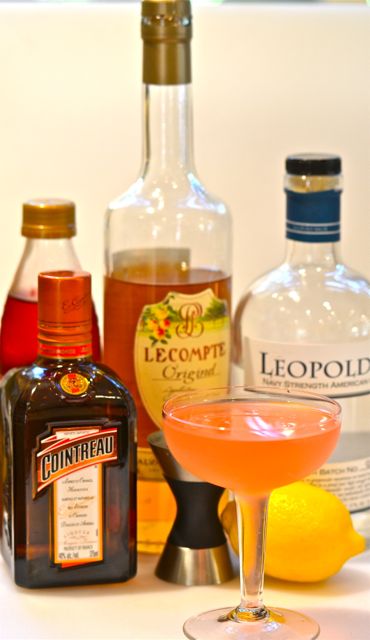
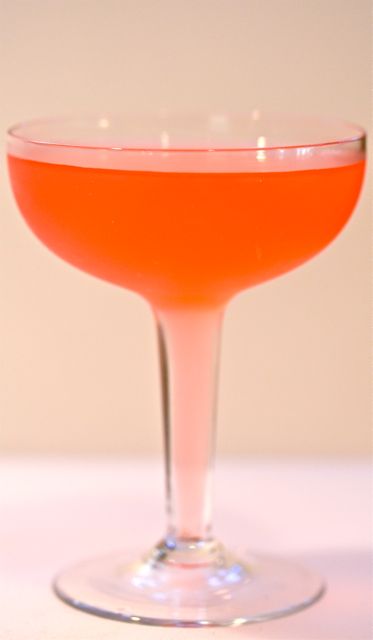
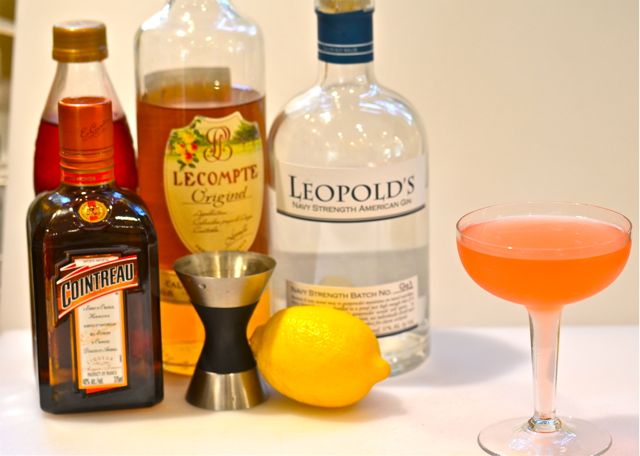
    The Margaret Rose. A good intro to “Daisy” cocktails.

    This week’s cocktail takes us back to the classics. The Margaret Rose is a well-balanced cocktail made of gin, Calvados (or Applejack, in a pinch), Cointreau, lemon juice and grenadine. The Margaret Rose is smooth, with clear apple flavor and a very tasty sweet / tart combination from the lemon and the Cointreau. The gin adds some depth and complexity. The grenadine adds more sweetness and the rosy color. This drink is easy to make, works well in any season and is a good introduction to a class of cocktails known as “Daisies”. More on that in a bit.

    This recipe first appears in print in “The Cafe Royal Cocktail Book“, a 1937 book that came out a year or so after the more famous Savoy Cocktail Book. In a nutshell, the Savoy book was written by an American Harry Craddock, working in the UK. The UK Bartenders Guild thought that the Savoy book was perhaps a bit too “American” and came out with their own cocktail guide, The Cafe Royal. Both are good cocktail books and each has some unique recipes. For whatever reason, the Savoy is a more popular modern reference. Maybe it’s the illustrations.

    We found this recipe and notes on the Cafe Royal Cocktail Book from Cocktail Virgin Slut, one of the better cocktail blogs. We tried the Margaret Rose and liked it (Carolyn gave it a nod, and she is normally not a lover of brandy) and decided to do some more research. The Margaret Rose is from a class of cocktails known as “daisies”. Daisies are one of the oldest types of cocktails and were common in the 19th century. Definitions vary, but a daisy usually combines brandy, citrus juice (normally lemon) and a sweet liqueur like Cointreau or Chartreuse. Other spirits like whisky, gin or rum may be part of the recipe. A good combination, and a clear precursor to “Sours” like the Sidecar and, much later, the Cosmopolitan.

    As for the ingredients, the only somewhat “rarefied” ingredient is the Calvados. Calvados is simply apple brandy from the Lower Normandy region of France. Most Calvados is dry, but features clear apple notes and a touch of heat from the alcohol (depending on the quality of the Calvados). American apple brandy, known as Applejack, tends to run a touch sweeter and more tangy than Calvados. Applejack will work well in this recipe, but the drink will be a bit different. Regardless, there are literally hundreds of cocktails (mostly 19th and early 20th century) that feature apple brandy, so Calvados or Applejack are a worthwhile addition to your bar.

    In the end, the Margaret Rose is a good drink to try. It is a good excuse to get some apple brandy, try a “daisy’ cocktail and even get a copy of a cool (if somewhat obscure) cocktail book. Nothing like a bit of history. Or you can ignore the history and just make the drink and enjoy it. That also works pretty well.

    The Margaret Rose:

    Ingredients:

    • 1 oz. dry gin
    • 1 oz. Calvados (or Applejack)
    • 1/2 oz. Cointreau
    • 1/2 oz. lemon juice
    • 2 dashes grenadine

    Assemble:

    1. Combine all the ingredients in a cocktail shaker with ice. Shake thoroughly and strain into a chilled cocktail glass, coupé or flute. No garnish. Serve.
    Related articles
  • Peach Lavender Jam

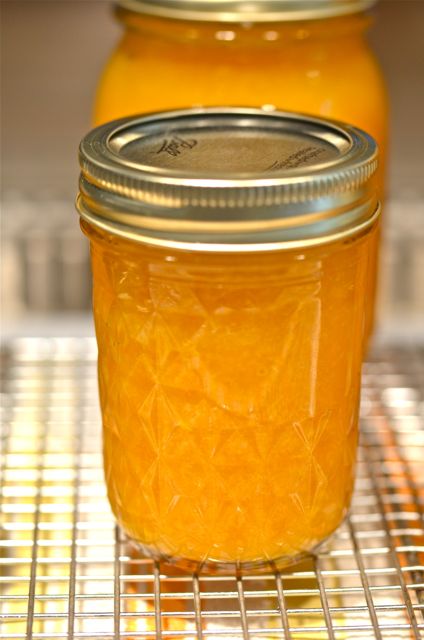
    Peach Lavender Jam.

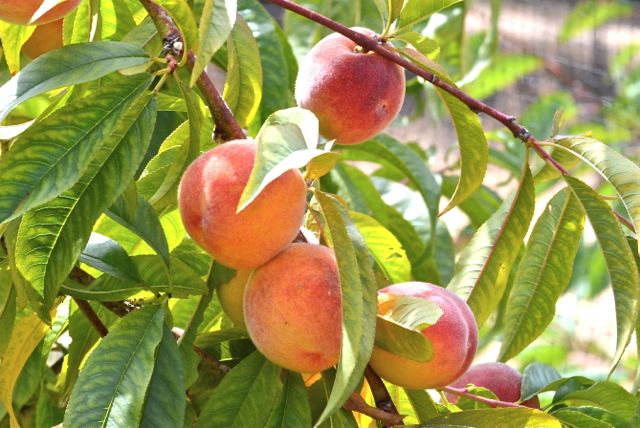
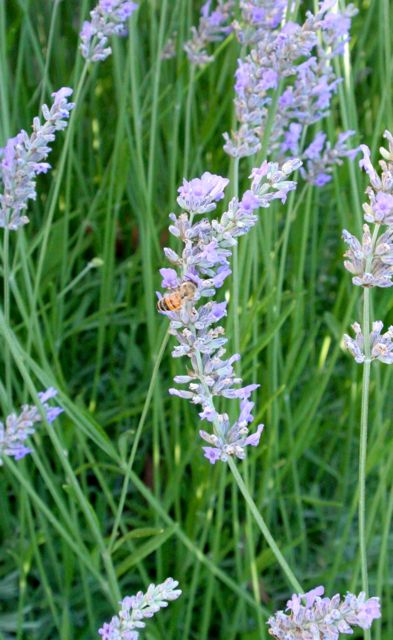
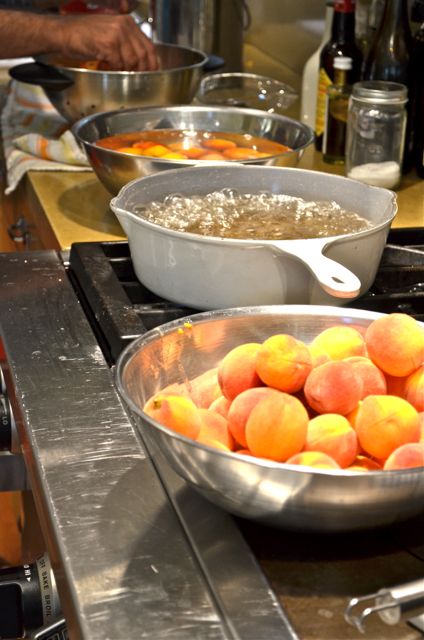
    A bit of a “peachy” hue on the blog these days. But when you have a few hundred peaches with a limited shelf life, you work with the peaches (we are also giving them away to friends, whether they want them or not 😉 ). The only thing at the farm we have more of than peaches is lavender. It’s everywhere, and mostly for the bees. But since we have peaches and lavender, we are making Peach Lavender jam.

    We have lots of these…

    …and tons of this. Let’s make jam.

    This recipe comes from the excellent canning and pickling book “Tart and Sweet” from Kelly Geary and Jessie Knadler. We are by no means experts on canning and pickling, so this book is a great tool with both recipes and very clear guidelines for safe canning. But the key for any home canning / pickling is to use the base recipe and then follow your standard, safe processing instructions. Most setups will be similar, but some equip will vary. Just remember, sterilization is always a good thing.

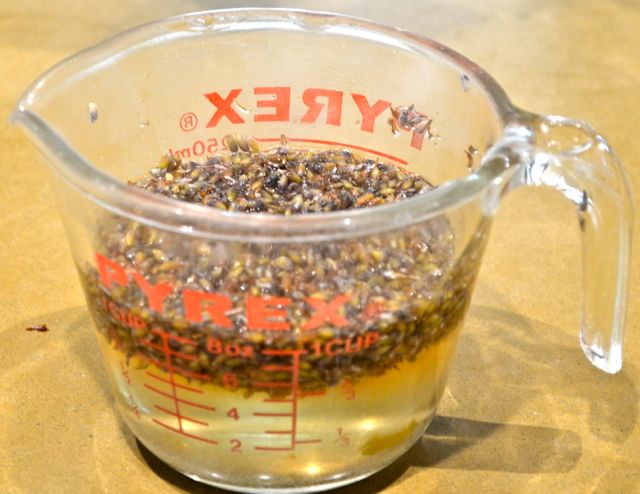
    As for the actual jam, this is really a peach jam with a touch of floral, herbal and tannic notes from the lavender. The lavender keeps the sweetness of the peaches from overwhelming the flavor of the jam. But the key is just a hint of lavender. Too much lavender and your jam will taste like soap. In fact, you don’t actually put lavender in the jam at all, just steep some lavender in water, strain it out and the add the water to the fruit. Again, go easy with the lavender- less is more.

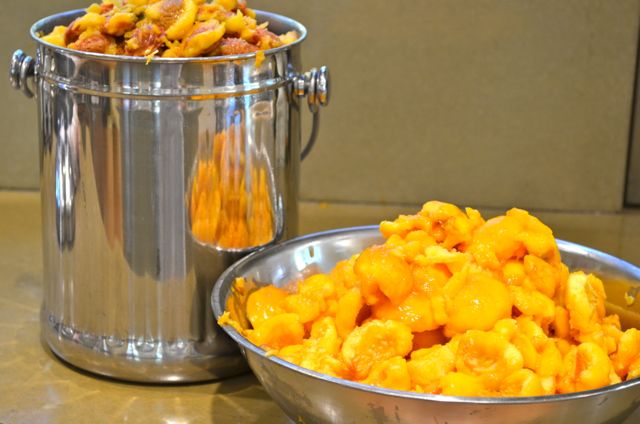
    The peeling and pitting dis-assembly line.

    This took a while.

    The process of making jam isn’t complex, but it is time-consuming. Making jam is a good activity to do with friends and/or a great way to put your kids to work. First you must sterilize and prepare your equipment. Make sure everything is good order before you start. As for the jam, you need to skin and pit 6 pounds of peaches. This involves cutting an X in the base of the peach, briefly blanching it in boiling water, plunging it in an ice bath and then skinning and pitting the peach. We take an assembly (dis-assembly?) line approach, but even with help, this takes a while. But we don’t do this every day either, so it was (kinda) fun.

    Steep the dried lavender and strain it out.

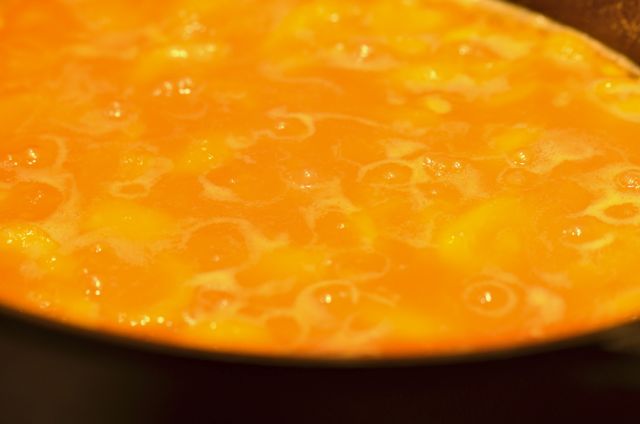
    Cook the fruit, lemon juice and sugar.

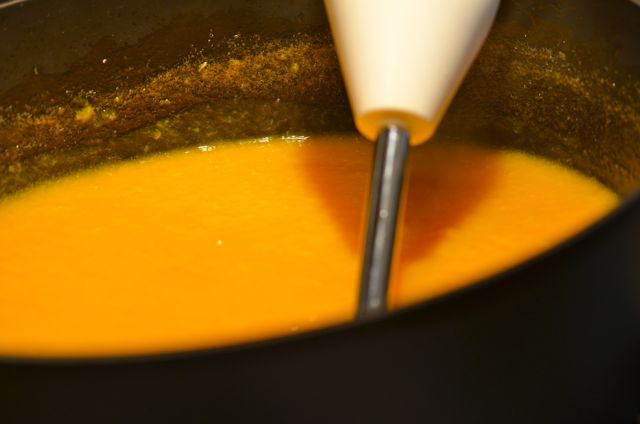
    Blend until smooth.

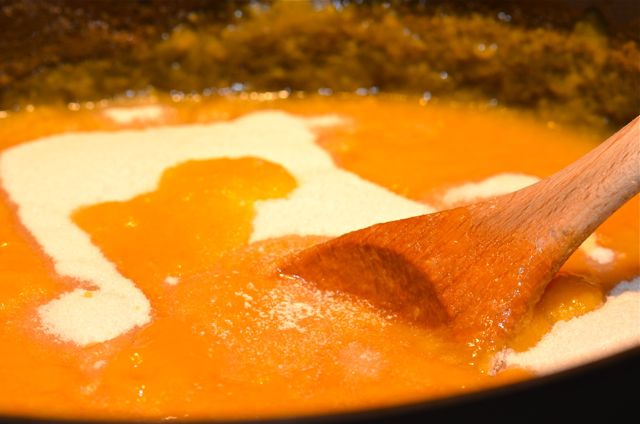
    Add calcium water, sugar and pectin.

    Once you have the peaches peeled and pitted the work is easier, but still requires time. You need to bring the peaches, some sugar and lemon juice to a boil in a large pot and cook the fruit for about 30 minutes. Meanwhile you need to steep some dried lavender flowers in 1 cup of boiling water for about 20 minutes. Strain the lavender from the water and add the water to the peaches. Then blend the peaches with an immersion blender, or in batches on a stand-up blender. Then add calcium water, pectin and sugar to the fruit and cook until you get a jammy consistency. To finish the jam, put it in hot jars and process for 10 minutes. Then cool and eat. Continue reading

  • Weekly Cocktail #21: The Bellini

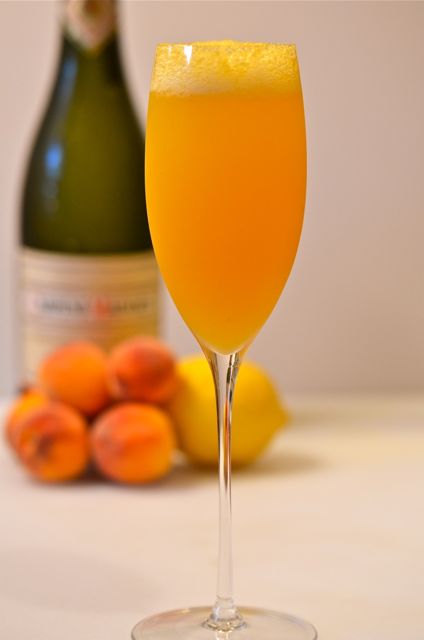
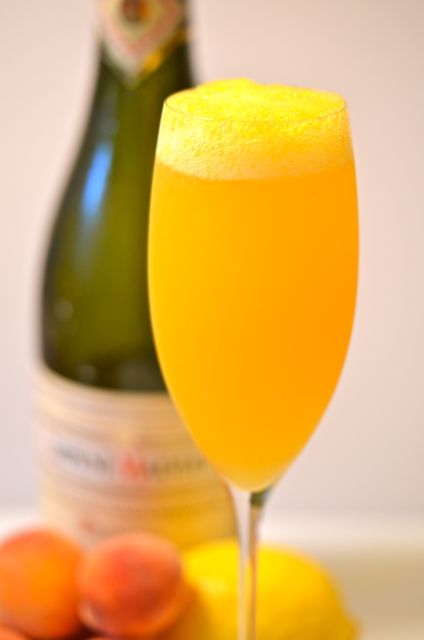
    The Bellini.

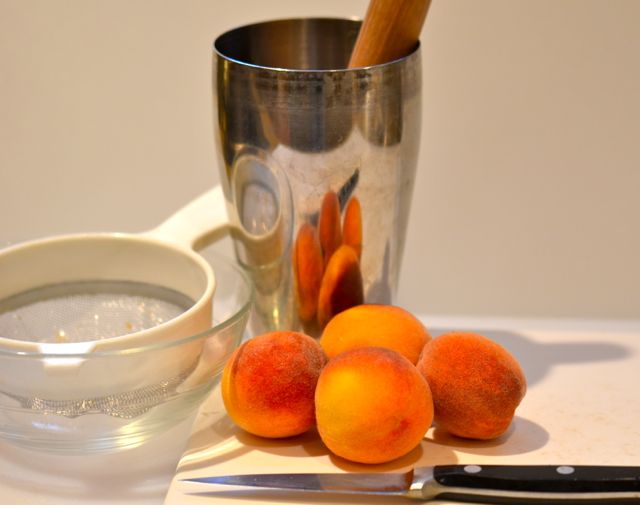
    It’s Red Haven peach season at Putney Farm, so now we need to use them. We made peach-lavender jam (recipe later today) and will be making peach preserves, peach butter and peach-vanilla ice cream. So we may as well make a cocktail. And if you have peaches, you might as well make Bellinis.

    To be fair, Bellinis typically combine white peach purée and prosecco (think Italian champagne, but sweeter and much less complex). We don’t have white peaches or nectarines (yet), so we are using our Red Haven peaches. But to our tastes, that is a good thing, as yellow peaches have more acidity than white peaches and/or nectarines. And while we like Bellinis with white peach purée, they can be cloying a bit sweet- so using more balanced yellow peaches improves the cocktail and provides a better color. But regardless of the peaches you have, the Bellini is a light, sweet and “long” drink that is good for summer brunch and afternoon parties. And we like cocktails at brunch and afternoon parties.

    Make the peach purée.

    As for the origins of the Bellini, the dates are bit hazy. But we do know that Giuseppe Cipriani, owner of Harry’s Bar in Venice, created the Bellini sometime in the late 1930’s or early 1940’s. He named it after Giovanni Bellini, a renowned 15th-century Italian renaissance painter. Bellini’s paintings, as with many works of his era, tended toward darker hues and somewhat bleak subject matter. So the connection to sweet peaches and sparkling wine seems a bit tenuous. At least the name sounds good.

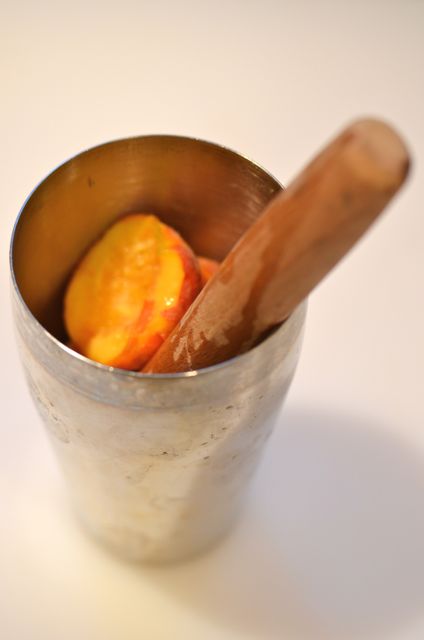
    Muddle your peaches.

    In any event, the Bellini was originally a seasonal cocktail to feature local white peaches, but someone figured out how to preserve peach purée and it became a year-round drink. And the recipe has become somewhat “fungible” over the last 70 years, and not always to the good. At one point the Ciprianis licensed the name and recipe to a company to mass-produce the Bellini and it was so terrible different they bought back the rights. And good for them, some things are only so “fungible”. In the end, if the peaches aren’t good, it might be best to make something else.

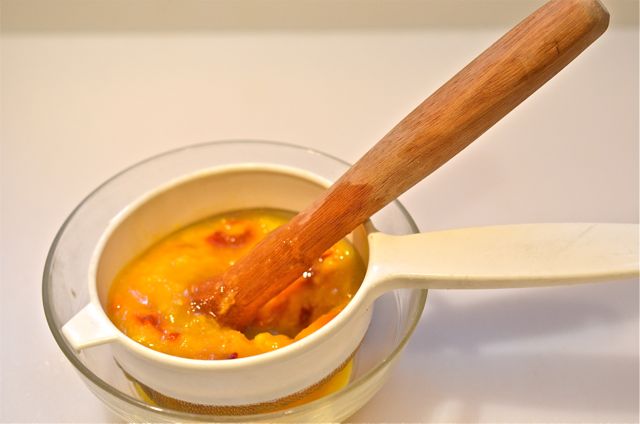
    Fine-strain the muddled peaches.

    But if you do have ripe peaches, then making a Bellini is worth the effort, but there are a few extra steps. Firstly, you need to make a peach purée. There are a few ways to do this. If you are making a big batch of Bellinis, you should skin (make an X on the bottom of the peach with a knife and then blanche for 20 seconds), pit and then puree the peaches in the blender. If making just a few, muddling and fine-straining the peaches will be faster (don’t worry about the skins). Then you need to taste your peach puree and your prosecco. If both are sweet, add a scant dash of lemon juice. If both are tart, a dash of simple syrup might be a good idea. And then you need to deal with the bubbles. Peach puree and prosecco create a lot of foam. And we mean a lot. It will take a few minutes to fill the flutes as the foam subsides. You just need to wait it out. Relax, eat a peach, maybe listen to the Allman Brothers.

    A final note, if using champagne (and we don’t recommend it) use extra-dry or demi-sec, both are sweeter than Brut and will work better. But as Prosecco is almost always cheaper than Champagne, it is the right call and is readily available at most supermarkets or liquor stores. And when a Bellini is just right, it is a very tasty sip, and worth making. After all, if you have peaches, you need to use them…why not drink them?

    The Bellini:

    Ingredients:

    • 2 oz. fresh peach puree
    • 4 oz. Prosecco (or sweeter champagne or sparkling wine)
    • Lemon juice (optional, to taste)
    • Simple syrup (optional, to taste)

    Assemble:

    1. To make puree, expect 3 small or 1 large peach per serving. Pit the peaches. Muddle and then fine-strain to extract the puree.
    2. Add the peach puree and a few ice cubes to a cocktail shaker and shake to chill. Strain the puree into a chilled flute. Slowly add the prosecco, letting the foam settle, until full. Serve.