• Cooking Sous-Vide At The Farm

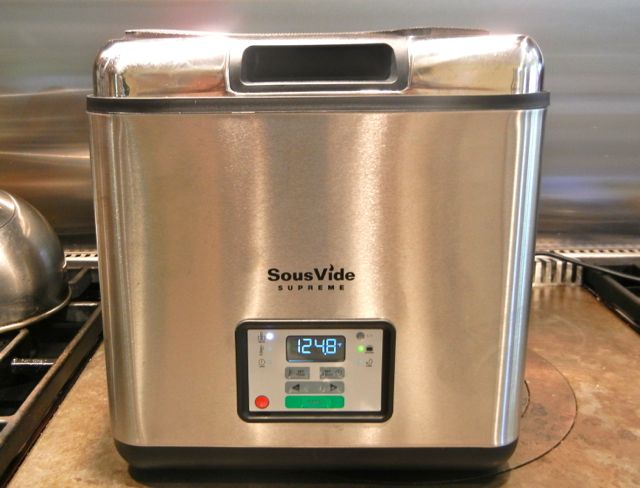
    Sous-vide cooker for the home. It works.

    The more we cook, the more we understand that time and temperature are the keys to good cooking. And it has always been this way in the kitchen. For generations good cooks understood that, for many dishes, low-and-slow transforms even the lowliest ingredients into the best meals. And we use our dutch oven, slow cooker and smoker in many meals to take advantage of low-and-slow, particularly for larger, tougher cuts of meat. We do like our beef brisket and pork shoulder.

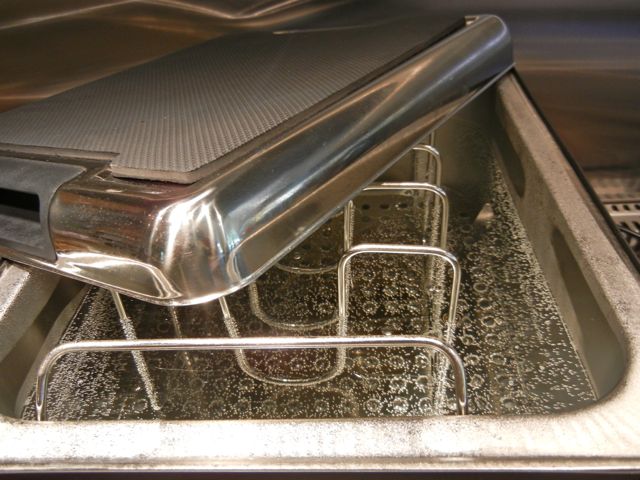
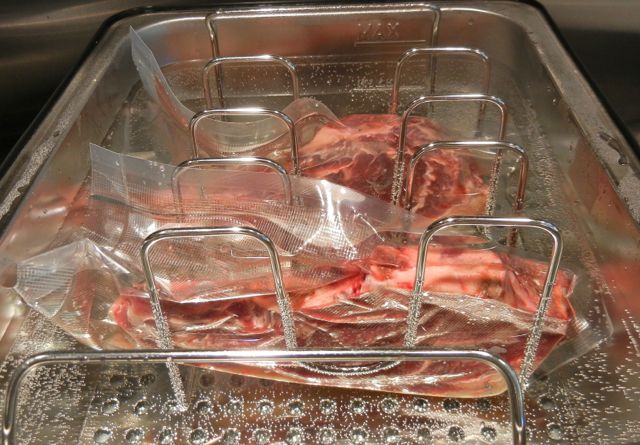
    Temperature-controlled water bath with racks to manage space.

    But when cooking steaks, chicken pieces or fish, the slow cooker or smoker are usually not practical options. Most of these meats are fried, seared or roasted in the pan and/or oven, or grilled on the barbecue. The problem with these high-heat methods is that the heat is applied unevenly on the meat. So even with good technique  you get a well-done exterior that moves towards the desired doneness in the center of the meat (assuming you don’t overcook the whole thing). The only real bonus of high-heat cooking is the extra flavor you get from browning / caramelizing. Most traditional cooking methods can’t fully overcome a fundamental challenge- how do we cook and brown this irregularly shaped food without overcooking it?

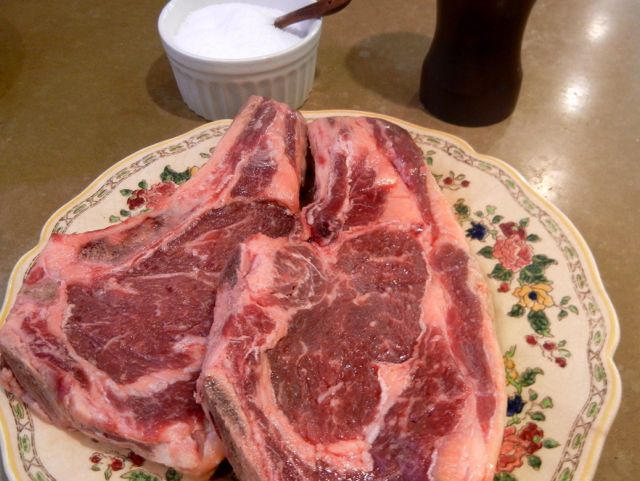
    Grass-fed ribeye steaks. These are real good- best not to screw it up.

    Sous-vide (French for “under vacuum”) cooking is a solution to this challenge. Basically a slow-cooker for individual cuts of meat, fish and poultry, sous-vide cooking gives the home cook exact control of cooking temperature that’s applied uniformly to the meat. And it works pretty much every time- as long as you have the time. The approach here is pretty simple, a water bath is heated to a specific temperature and the protein (or vegetable) is vacuum-sealed into a bag and the bag is placed in the water. The bag keeps the meat from leaking juices or breaking apart into the water bath. The proteins slowly, and uniformly, cook to the temperature in the water bath. Once done, the protein can be briefly seared to add the tasty browned flavors and improve appearance. It is a neat trick and it really works. If you ever wonder how busy high-end restaurants get their steaks or fish right every time, sous-vide is often the answer.

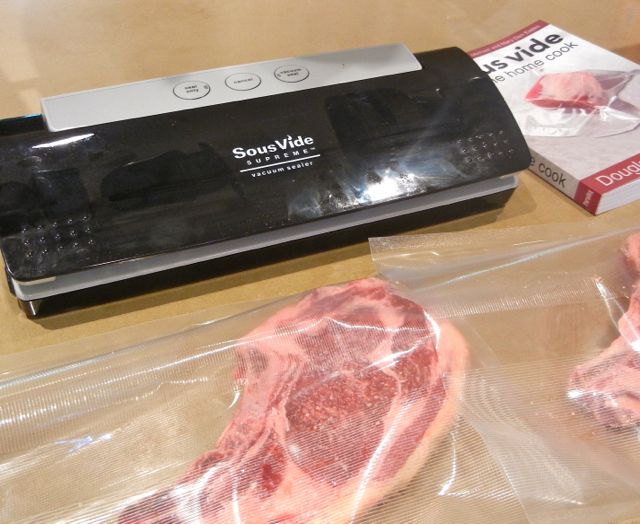
    Vacuum-sealing the steaks. This takes less than a minute.

    We’ve been reading Stefan’s Gourmet Blog and his results cooking sous-vide always looked great. And as we recently purchased 1/4 of a grass-fed cow from Stemple Creek Ranch, we wanted a cooking method that made the most of the flavor of the beef. So we took the plunge and bought a sous-vide cooker (we got one on sale, but expect the setup to run somewhere between $350 – $500, so it’s not cheap). So far we have tried cooking halibut, salmon and Stefan’s cod recipe. All were perfectly cooked.

    Cook for 1.5 – 2 hours at 125 degrees.

    The next thing we tried was making a good steak using sous-vide. Not ones to be cautious, we went right to making ribeye steaks. We followed the new procedure, sous-vide cook at desired temperature (in this case 125 degrees for rare-to – medium rare) for 2 hours and then sear the meat briefly to brown the surface. Frankly, the meat, while perfectly cooked, is very unattractive unless you brown it. You can use a hot skillet, grill or even a blowtorch, but we just went with a rocket-hot cast-iron skillet. This browning method worked with just 30-45 seconds of searing on each side. Then we rested the meat for a few minutes and cut it into slices to serve. The first thing we noticed was that the meat was seared on the outside but then the same pink color all the way through, no gray layer, just perfectly cooked meat. So we found the sous-vide approach to cooking steaks was a real success, as long as you have the extra time. Our standard cooking method is here, and that takes 20 minutes. But with expensive, high-quality steaks, we think the extra time is worth it. And if you are entertaining, you can hold the meat at the perfect temperature and then sear just before serving, so sous-vide is a good tool when cooking for a group. Continue reading

  • Blueberry Slump: It’s No Slouch

    Blueberry slump with vanilla ice cream.

    Ok, I cop to the hokey title, couldn’t resist. Or you could call it a “grunt”, “cobbler” or even a “sonker”, but we will get to that later…

    We are in full berry season here at the farm and the blueberries are in their prime.  Two of the bushes are at their peak and we pick 2-4 cups of berries a day. In a week or two, it may be even more, as our slower bushes will catch up. Happy times at the farm. The only problem is what to do with all the berries. These are good problems to have.

    There are a few ways to deal with an abundance of berries; eat them (duh), share them, freeze them or cook/bake with them. We do them all. It is particularly worth noting that blueberries freeze well. One of the problems with trying to cook with freshly picked blueberries is having the volume to make big desserts like the slump. But if you freeze the berries you can build up some inventory, and with almost no loss of quality. To freeze blueberries simply place them on a sheet pan and put them in the freezer for a day (they don’t stick together this way). Then put the berries in a container in the freezer. They will keep for months. In this recipe we ended up using 1/2 fresh and 1/2 frozen berries and it was great.

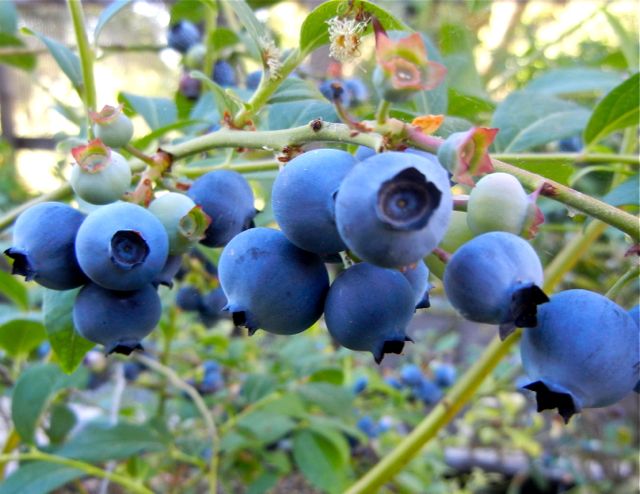
    We have lots of blueberries, times are good.

    As for cooking and baking with blueberries, we have a pretty constant supply of blueberry muffins and pancakes but Carolyn likes to make other blueberry desserts, and this gets us to the blueberry slump. We recently saw an article on blueberries in Saveur and it included a recipe. You could say we adapted the recipe, but it really was just a reminder. Carolyn makes slumps and cobblers often in summer, as they are an easy way to enjoy fruit in a dessert.

    Making a slump is about as easy as dessert baking gets (Carolyn thinks the “Lazy Daisy” is the easiest dessert- recipe soon). Basically you heat the fruit in a skillet with some sugar and juice, then top it all with a quick biscuit dough and bake in the oven. The whole thing takes less than an hour, and only 10-15 minutes of active time, and you use one bowl and one skillet. You can even make the biscuit dough ahead of time. And the slump tastes great. As it should. Pretty much everyone likes fruit, sugar and biscuits. Add some ice cream and you start getting close to dessert nirvana.

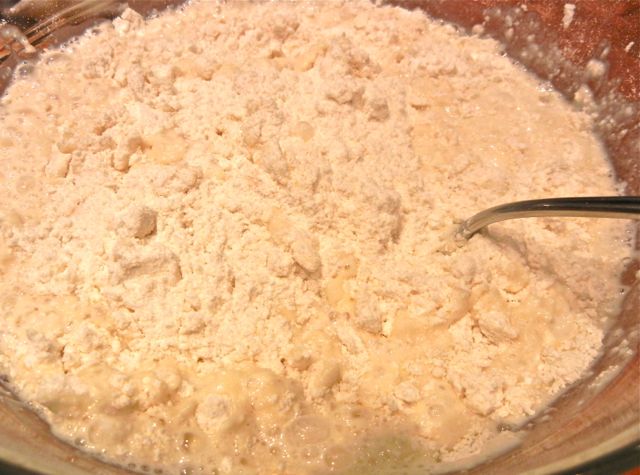
    Make some quick biscuit dough.

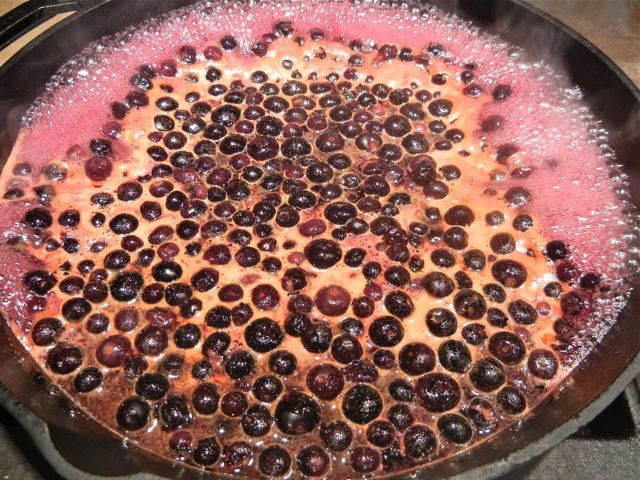
    Boil berries, citrus juice, sugar and salt to dissolve the sugar.

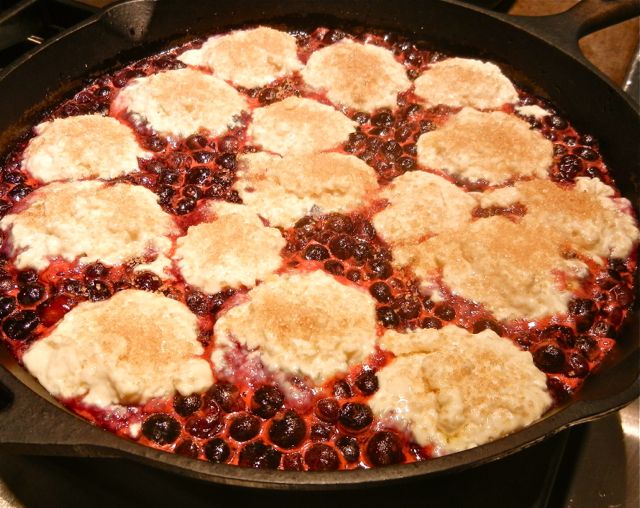
    Top the berry mixture with the biscuit dough and sprinkle sugar on top.

    Bake in the oven for 25 minutes.

    Continue reading

  • Sharing (and Sometimes Stealing) Food With Family and Friends

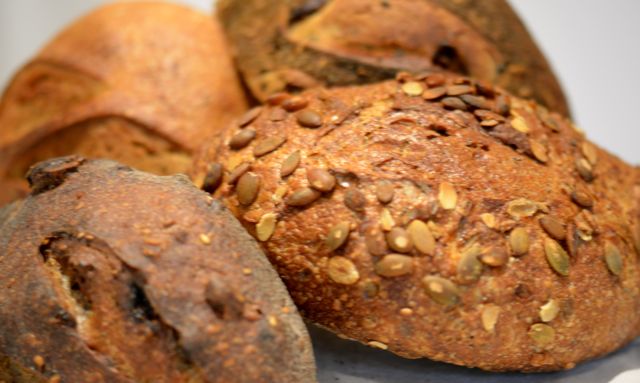
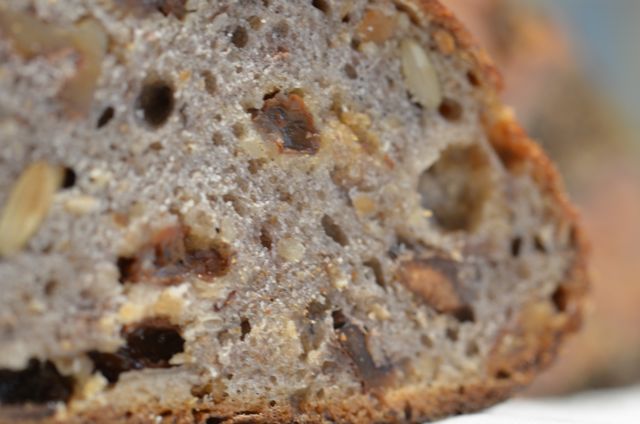
    Wild Flour Bread. Good stuff.Writing, cooking and gardening are often thought of as a mostly solitary pursuits, but we find that the opposite is true. Fresh fruit on the tree, new recipes and a well-earned drink seem to always supply a path to more time with family and friends and easy opportunities to engage with our community. In a time where so many voices express outright fear of food and drink, it is worth noting that few things unify us more than the simple act of breaking bread together. And if that bread happens to be tasty, then so much the better.

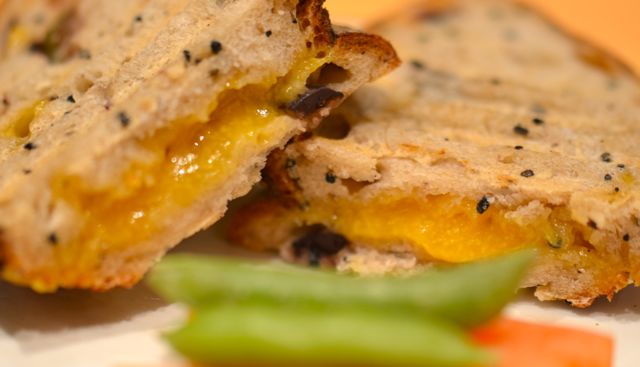
    And this week we literally got to break bread and share with many family and friends. Carolyn’s Dad, Bill, was generous enough to bring us bread from Wild Flour Bread in Freestone, California, a few hours north of us. Wild Flour bread is a truly artisan baker that bakes all of their bread on-site in wood-fired brick ovens. They feature a few dozen varieties of bread and pastry each day. They do not sell anywhere but the bakery and when they are out of bread for the day, you are out of luck. Happily, Bill brought us four loaves; olive, super seed, garlic rose and a sweet cardamom bread. The bread was terrific, and the kids loved it (and since they have no “filter” their praise is noteworthy). We enjoyed the cardamom bread toasted with butter at breakfast and made simple, tasty grilled cheeses for the kids with the other loaves.

    Good bread = good grilled cheese sandwiches.

    What makes the bread so special was not just the taste, but that Bill was so willing to go out of his way to share the bread with us. His simple logic was, “it’s really good bread and I thought you might want to write about it”. The same thing happened a few months back when Carolyn’s Aunt and Uncle, Ann & Russel, started trying our cocktails and sent us Bernard DeVoto’s marvelous book “The Hour: A Cocktail Manifesto“. My sister sends photos of an endless wall of bitters, and our buddy Chad sends us envy-inducing photos of fresh bay scallops. Our friend Scott has a recipe for a new variety of Manhattan and we just have to try it out….

    The Hour. A good case for including the occasional cocktail in your life.

    Later in the week, our friend (and true gourmand) Phelps came by to pick up some beef. This spring, we bought 1/4 of a grass-fed cow from Stemple Creek Ranch and the steer was recently harvested. Phelps bought half of the beef and needed to pick it up (a 1/4 cow is a lot of beef, if you are curious, it fills two large coolers). We got to catch up with Phelps, walk through the garden, share (and show-off) some of our berries and even pluck a few more of the early cherries. We are just a few days away from a full cherry harvest. It was a brief visit, but a good one, and we look forward to cooking with Phelps this summer.

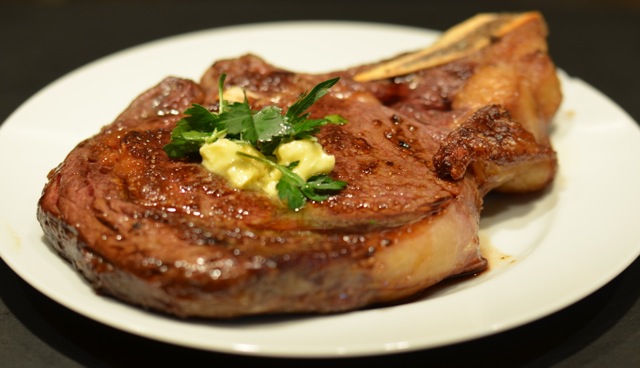
    Ribeye steak from Stemple Creek Ranch.

    And finally, when we aren’t sharing with friends we resort to stealing their produce. Well, not quite stealing, but certainly being “opportunistic”. Recently our friends Roger and Greta rented a house in a nearby town. The house was built by an old Italian family years ago and they literally covered their property with citrus trees. Lemons, limes and oranges, and the trees are huge and very productive. Our friends haven’t really moved in yet, but Carolyn was in the neighborhood and stopped by the house to check it out. It’s late in the year for citrus but there were still limes and lemons on the trees and Carolyn decided to “help herself”. She did get permission after the fact, so the stealing became sharing (ex-post-facto). In any event, we did mix Roger a drink using his lime juice, so we hope they will forgive our transgressions and let us “liberate” more of their citrus in the future. It will certainly give us a good excuse to stop by. Continue reading

  • Bonus Cocktail: The “Classic” Champagne Cocktail

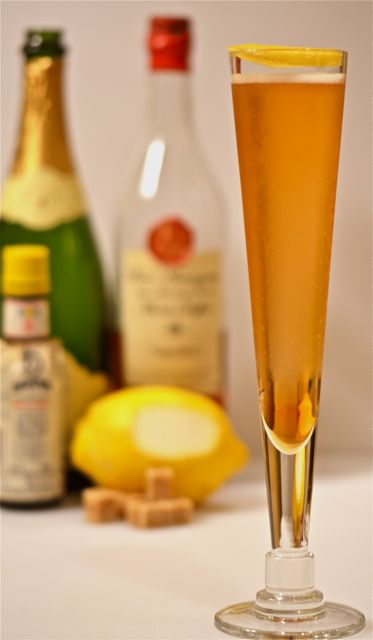
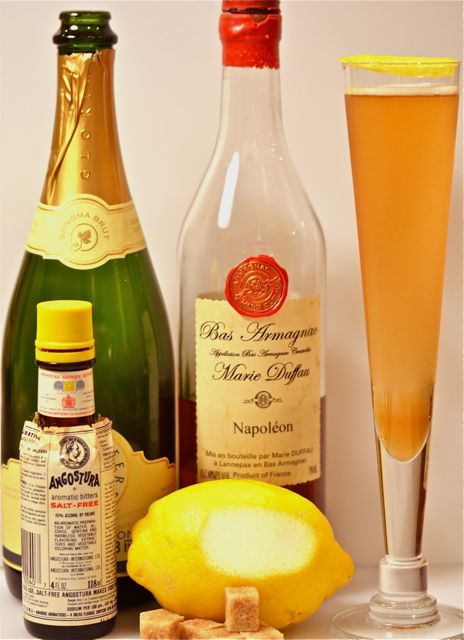
    Classic Champagne Cocktail.

    This recipe is another example of how building one successful cocktail often helps you discover (or rediscover) many more great drinks along the way. In this case, we were playing with cocktails using French Brandy (Cognac or Armagnac) and found the May Daisy. But as we did our research (reading books, cruising the web and trying drinks- a tough gig) we also found a note on the Champagne cocktail that piqued our interest.

    Now almost all Champagne cocktail recipes include Champagne (or good sparking wine), sugar, Angostura bitters and a lemon twist. But it turns out that many recipes for the Champagne cocktail include anywhere from 1/4 to 3/4 of an ounce of brandy, usually Cognac. These recipes also note that while you can use “OK” Champagne, you need good brandy to make a successful drink. And since we had a good, but affordable, Napoleon Armagnac, we were in business.

    And while we already like a basic Champagne cocktail, this version with good brandy was something altogether different, and very much better. The aroma, with the combination of citrus from the twist, the tart yeasty note of the champagne, spice from the bitters and sweet floral / fruity notes of the Armagnac is outstanding. You will be happy simply smelling this drink. And magically, as the Champagne bubbles keep the drink “active”, the aroma persists from beginning to end. This cocktail is a reminder that adding a twist to a drink can be very, very important to the result. As for flavor, the Champagne still rules the drink, but with much more depth of flavor and just a touch of pleasant heat from the brandy. We love this drink, it is good anytime / anywhere.

    As for the ingredients, as we noted earlier, good brandy (VSOP or XO) is the way to go, but you can be more flexible on the Champagne or sparking wine. We use California sparkling wine in cocktails, our favorite brand is Gloria Ferrer, who makes great wine in the $15 – $20 per bottle range that is available in most liquor and grocery stores. Both the Brut and Brut Rose are worth seeking out.  But if you have a bottle that you like, and it’s not too expensive, use it. The amount of brandy in the recipes varied, but we found 1/2 ounce to supply good flavor without drowning out the other players or being to boozy. For the bitters we use Angostura, some recipes suggest adding orange bitters, but we found this added more sweetness than we needed (but by all means try it if you like orange bitters). For sugar, most recipes suggest soaking a sugar cube in 3 dashes of the bitters and adding it to the drink. This will add some sweetness and extra bubbles. But if you don’t have sugar cubes (most of us don’t anymore), 1/4 of an ounce of simple syrup can replace the sugar cube. Lastly, a big, fresh lemon twist is essential to this cocktail. Many photos show long thin twists in the drink, but you need the oil from the twist in the drink. We cut a half-dollar size piece of the lemon zest and give it a good working-over above the drink and then add it in. You will pick up the aroma of the drink immediately, and it will be good.

    Classic Champagne Cocktail and Ingredients.

    Continue reading